
When oral care brands plan to expand their product line, one of the most common questions is whether to launch private label electric toothbrushes or invest in full custom OEM electric toothbrushes. Both paths Private Label vs. Full Custom have unique advantages and trade-offs. In this blog, we’ll conduct a cost-benefit analysis to help brand owners make informed decisions about their product strategy.
Private Label: Brands choose from pre-designed electric toothbrush models offered by a manufacturer. The products are ready-made, and the brand mainly adds its own logo, packaging, and minor design tweaks.
Custom OEM: Brands work with a manufacturer to design and develop custom electric toothbrushes from scratch. This includes unique designs, functions, materials, and even proprietary technology.
The choice of private label vs custom OEM sets the foundation for cost, speed-to-market, and brand differentiation.
Private Label: Minimal product development cost, since the design and engineering are already completed by the factory. Costs are limited to branding, packaging, and certifications.
Custom OEM: Significantly higher product development cost due to R&D, mold creation, tooling, and testing. However, this investment ensures your brand owns the product concept and innovation.
Private Label: Ideal for brands that want to launch quickly. Lead times are short because the product is already in production.
Custom OEM: Requires longer development cycles—sometimes 6–12 months—before mass production. This can delay product launches but allows for deeper differentiation.
Private Label: Limited brand control. Competing brands might sell similar toothbrushes from the same manufacturer.
Custom OEM: High brand control with unique designs and features that competitors cannot easily copy. This strengthens brand identity and consumer loyalty.
Private Label: Lower upfront investment but potentially lower long-term profit margins because products lack strong differentiation.
Custom OEM: Higher upfront cost but greater pricing power and brand equity in the long run. Custom electric toothbrushes can command premium pricing.
Private Label: Low risk, as brands can test market demand with minimal financial commitment.
Custom OEM: Higher risk due to large investments, but greater reward potential if the product becomes a market success.
The decision between private label vs full custom OEM electric toothbrushes depends on your brand’s goals, resources, and risk tolerance. If speed and cost savings are your priority, private label is the most practical option. If long-term growth, innovation, and brand control matter more, investing in custom electric toothbrushes through a full OEM approach offers stronger strategic advantages.
For oral care brands, conducting a detailed cost-benefit analysis will clarify the best path forward—ensuring you balance immediate market needs with future brand equity.
.jpg)
Toothbrush Head Replacement Bulk Supplier
Travel-Friendly Electric Toothbrush | OEM Compact Sonic Brush for Global Brands
.jpg)
Why Is Smart Toothbrush APP Development Crucial for Rechargeable Toothbrush Battery Optimization?
Eco Packaging Electric Toothbrush for Retailers
Bulk Rechargeable Electric Toothbrushes for Hotels
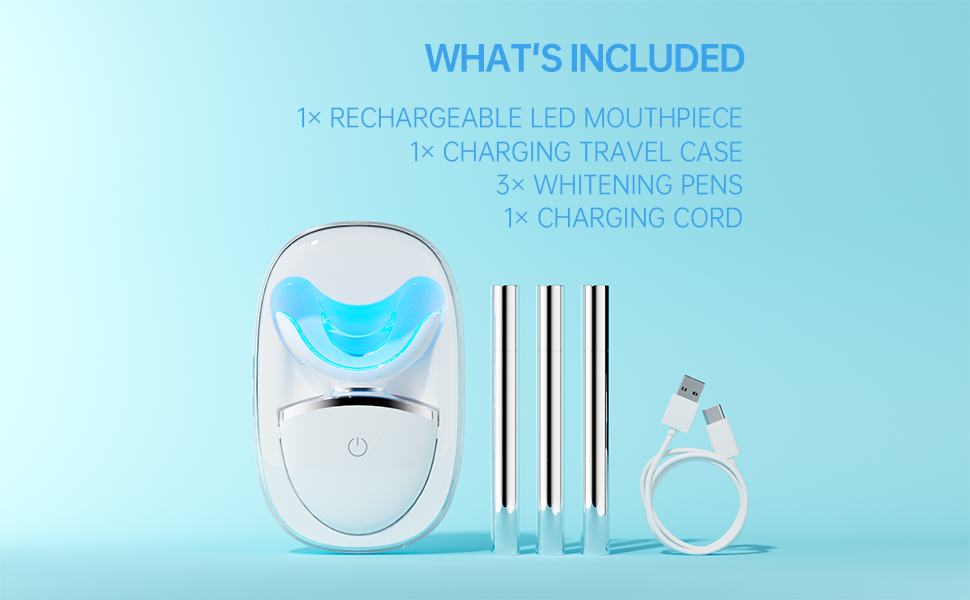
Combining LED Light & Whitening Strips: Next-Generation OEM Teeth Whitening Solutions
Orthodontic Care Electric Toothbrush OEM
Targeting Specific Product Features for Successful OEM Partnerships
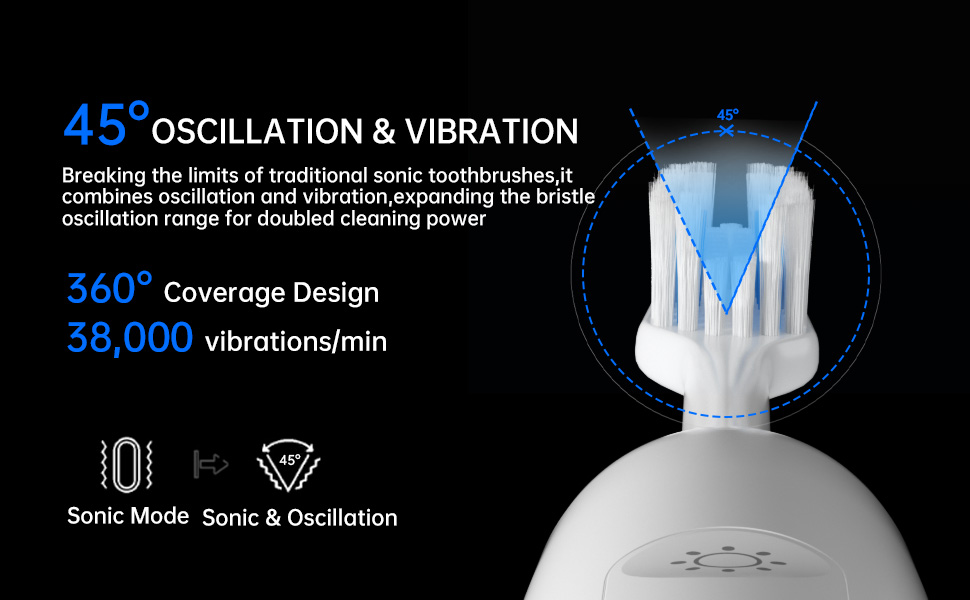
Defining the Best AI Toothbrush: Sensor Technology and OEM Manufacturing Solutions
Electric Toothbrush Reseller Program Wholesale
How Does Electric Toothbrush PCB Assembly Integrate with a UV Toothbrush Sanitizer Manufacturer for Smart Hygiene?

Voice-Activated and AI-Driven Toothbrushes – The Next OEM Frontier
Cracked a crown? Tacoma repair services for dental crowns — fast?
Overcoming Supply Chain Challenges in Oral Care OEM Manufacturing
Brushing 3 Times a Day? How Brands & OEMs Can Educate for Better Oral Health
Where to Source Dental Lab Supplies?


.jpg)
.jpg)
.jpg)
.jpg)
.jpg)




.jpg)
.jpg)