As water flosser and dental care device technologies evolve, understanding the relationship between Pulsation Frequency Modulation and Flow Rate Calibration becomes essential for optimizing cleaning performance. A precise balance between these two elements ensures that the pulsating water stream is delivered at the correct intensity and velocity, providing effective plaque removal while maintaining safety and comfort for the user. For manufacturers, achieving this synchronization is critical in designing high-performance oral-care devices.
Pulsation Frequency Modulation refers to the ability to adjust the frequency of water pulses emitted by a device, such as a water flosser, to match specific cleaning needs. By varying the pulse rate, manufacturers can tailor the cleaning experience to be gentle for sensitive gums.
Flow Rate Calibration involves accurately measuring and adjusting the volume of water flowing through the device. This calibration ensures that the water pressure and flow rate are consistent, which is essential for controlling the frequency. If the flow rate is not properly calibrated, the effectiveness of Pulsation Frequency Modulation can be compromised, leading to inconsistent cleaning performance.
The effectiveness of Pulsation Frequency Modulation is directly dependent on the Flow Rate Calibration because the amount of water delivered with each pulse determines. An optimal flow rate ensures that each pulse delivers the correct amount of water force.
Improper calibration of the flow rate can result in erratic pulse delivery, either too weak or too strong. By ensuring precise Flow Rate Calibration, manufacturers can fine-tune the pulsation frequency to suit different needs—providing a customizable.
The integration of accurate Flow Rate Calibration with Pulsation Frequency Modulation allows manufacturers to maintain consistency. Devices that maintain stable flow and pulsation frequencies can ensure reliable cleaning efficacy even with prolonged use.
For OEMs, the integration of Pulsation Frequency with Flow Rate Calibration offers exciting opportunities for product differentiation. Customizable pulsation modes can be designed for specific consumer needs, such as gentle modes for sensitive gums. This flexibility enhances the appeal of products in competitive markets, where precision and innovation are key to consumer choice. Contact us
.jpg)
Shaft Fracture with Indicator Failure – Linked?
Water Flosser Child Age Recommendations: When to Start Flossing
-1.jpg)
Does Premium Rose Gold Gift Toothbrush Cause Mode Confusion?
Can a Magnetic Levitation Motor Benefit from Vibration Damping Technology?
.jpg)
What’s the Gentlest Brush for Gums?
How Does Portability Enhance Allergen Detection?

Analyze the real profit you can make in teeth whitening
Best Electric Toothbrush for Joint Family Daily Use
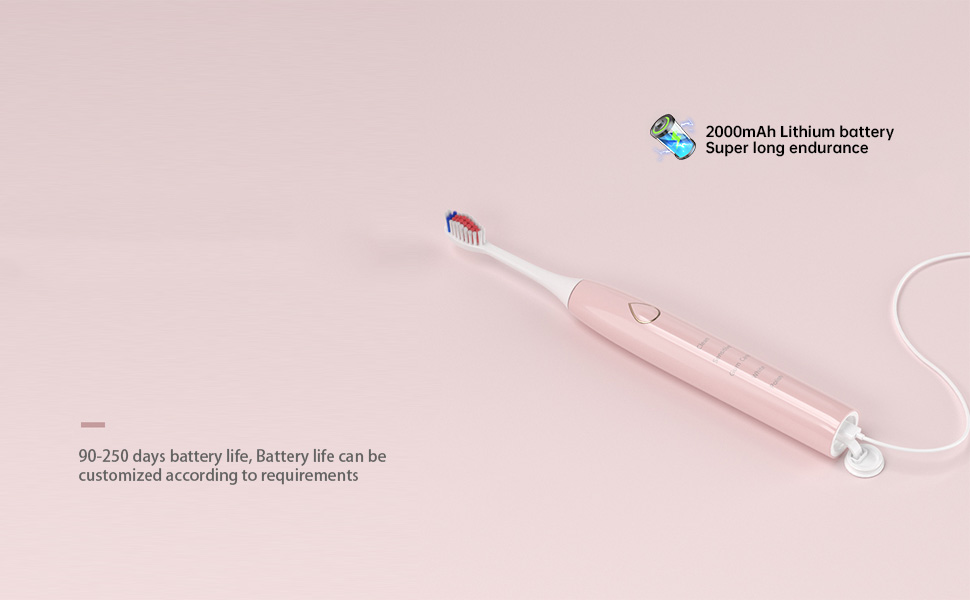
Lithium Battery Knowledge for Electric Toothbrushes
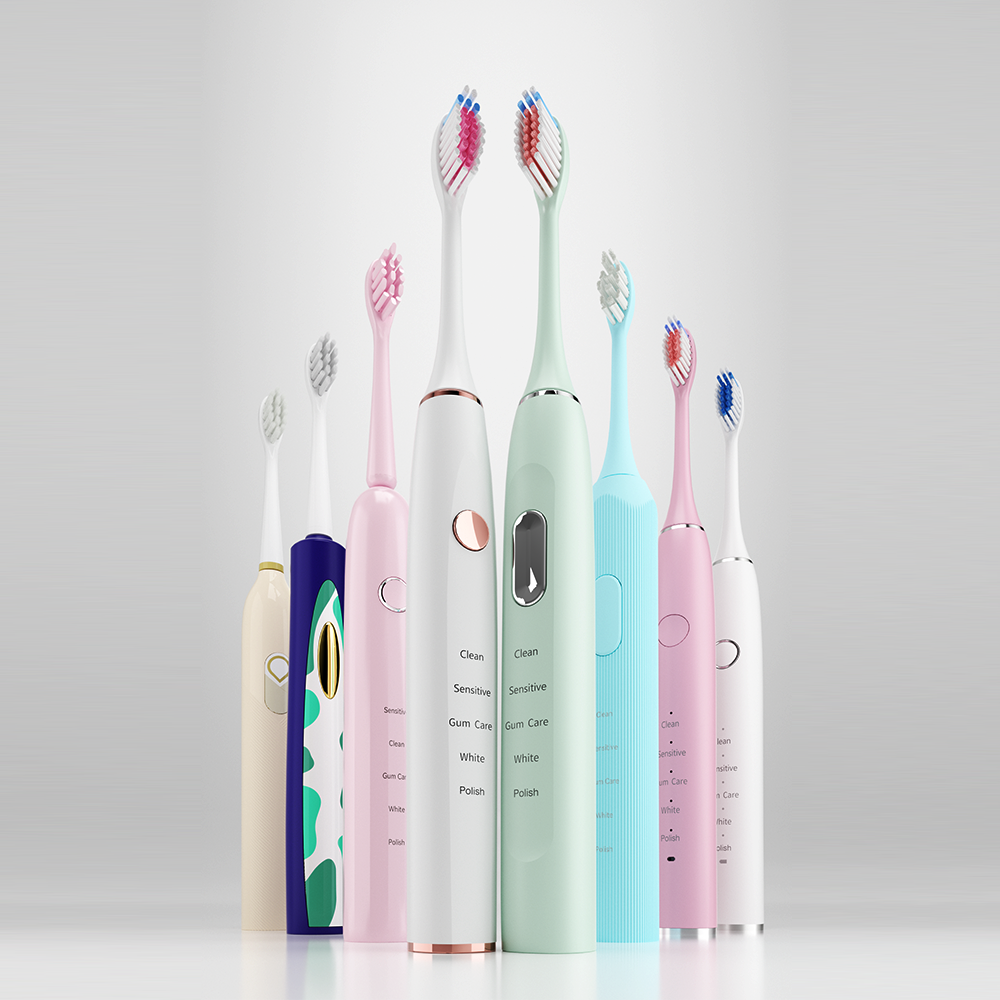
Innovative technology and development trend of electric toothbrushes
Electric toothbrushes: Eco-friendly and sustainable oral care
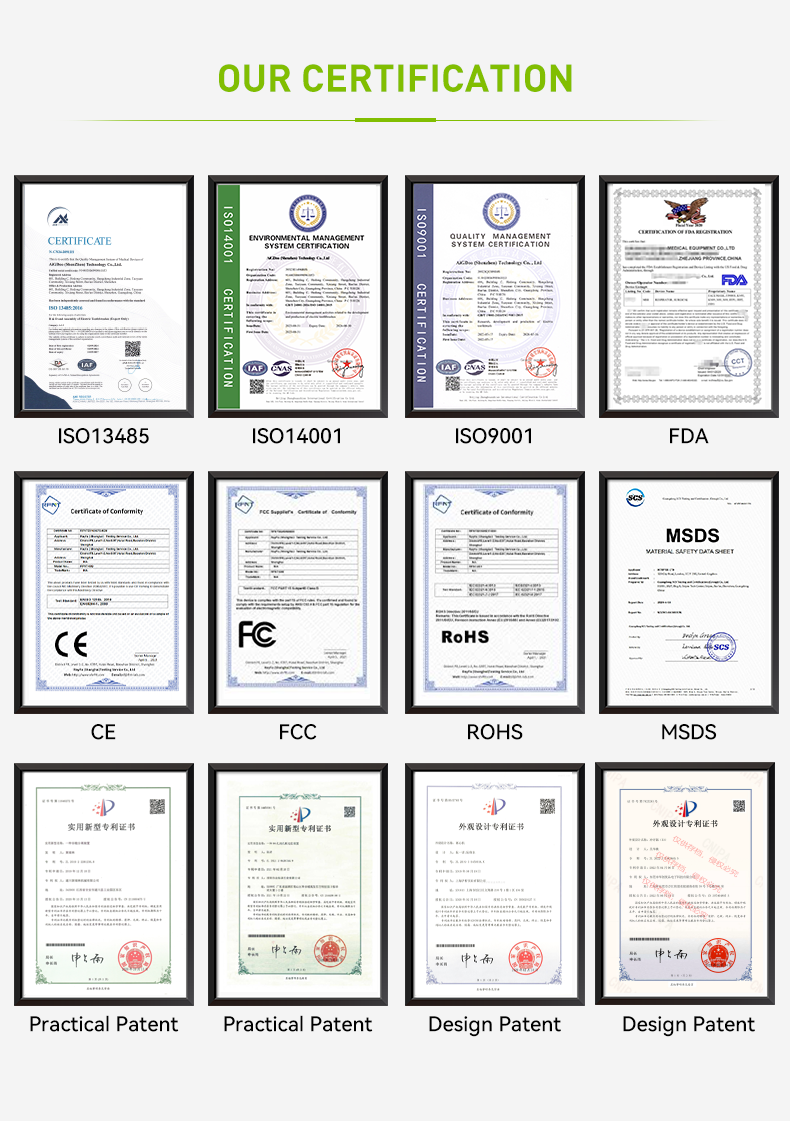
Seeking Rechargeable Toothbrush Contract Manufacturing and Portable Water Flosser Wholesale Pricing?
Can Brush Head Rotation Cause Enamel Erosion?

Can a Guided Biofilm Therapy Protocol Be Effectively Delivered via a Teledentistry Integration Kit?
Dental Clinic Toothbrush Bulk Supply
IPX8 Sonic Toothbrush Factory


.jpg)
.jpg)
.jpg)
.jpg)
.jpg)