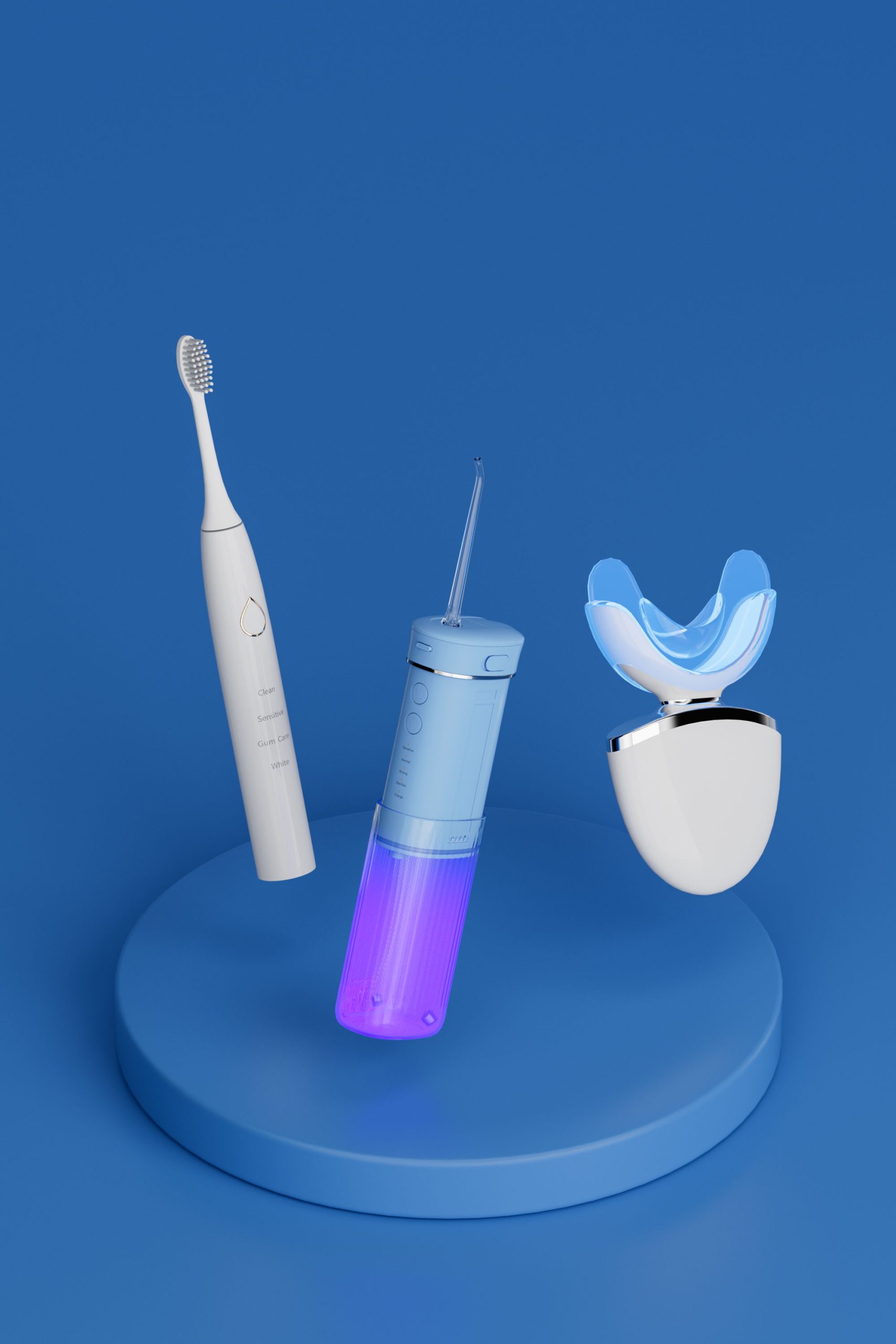
When consumers browse the shelves for toothpaste, mouthwash, or toothbrushes, their choices are rarely random. Beyond ingredients and claims, color psychology in oral care plays a critical role in shaping consumer perception. For oral care brand owners seeking OEM color selection that truly resonates, understanding the emotional impact of colors is essential to building strong product branding and driving sales.
Colors communicate subconsciously. In oral care branding, colors aren’t just decoration—they signal freshness, trust, or innovation. For example, blue often conveys cleanliness and reliability, while green implies natural ingredients or eco-friendliness. By studying how color psychology influences oral care purchasing decisions, brands can make data-driven choices that align with their positioning.
For brands working with an OEM manufacturer, OEM color selection is more than just picking a shade from a palette. It requires balancing technical feasibility with brand identity. Factors like color durability, packaging consistency, and regional preferences all influence the final choice. A skilled manufacturing partner can guide you in translating your brand message into tangible, high-impact color solutions.
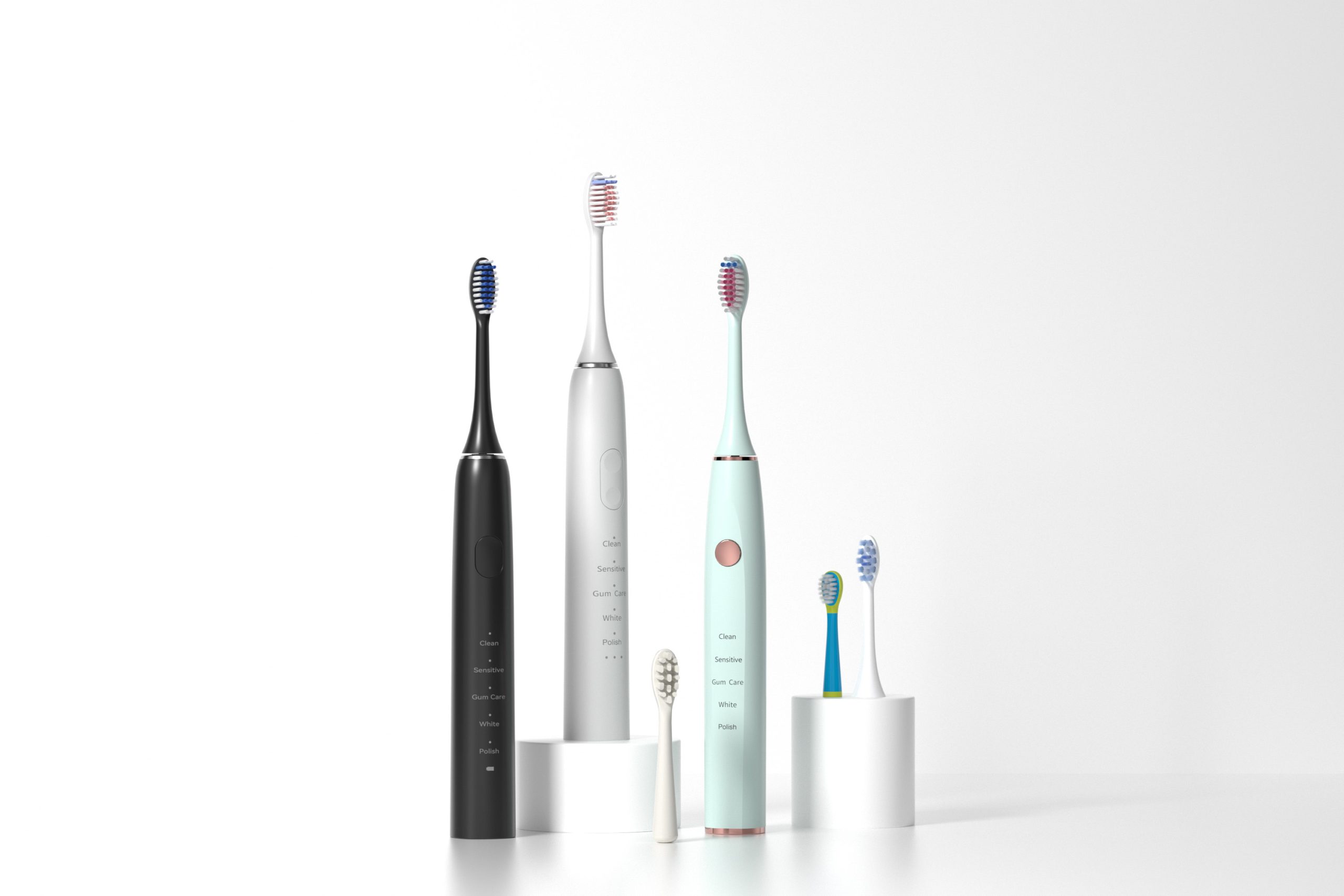
Consumer perception is highly sensitive to visual cues. For instance, a clinical white or metallic silver package may attract customers who prioritize effectiveness and technology, while softer pastel hues might appeal to families seeking gentle oral care products. By carefully aligning color with consumer expectations, brands strengthen trust and loyalty.
Colors carry different meanings in different markets. While white might symbolize purity in one culture, it may have less positive associations elsewhere. This makes OEM color selection particularly valuable, as experienced manufacturers can adapt products to regional tastes without compromising core brand identity.
As competition grows, brands can use innovative colors to stand out. Limited-edition hues or trend-driven designs can spark curiosity and boost shelf visibility. In oral care branding, unique colors not only differentiate products but also reinforce a sense of innovation that appeals to younger, trend-conscious consumers.
Use color psychology in oral care to align visual design with emotional impact.
Treat OEM color selection as a strategic process, not an afterthought.
Always evaluate how color psychology influences oral care purchasing decisions across target demographics.
Partner with manufacturing experts who understand both production feasibility and branding psychology.
For oral care product brands, success lies in more than just effective formulas—it’s also about presentation. The right colors can inspire confidence, reflect values, and influence buying behavior. By leveraging color psychology oral care strategies and collaborating with skilled OEM partners, brands can make smarter decisions that drive sales and build long-lasting consumer trust.
.jpg)
How an Oscillating-Rotating electric toothbrush removes plaque more efficiently
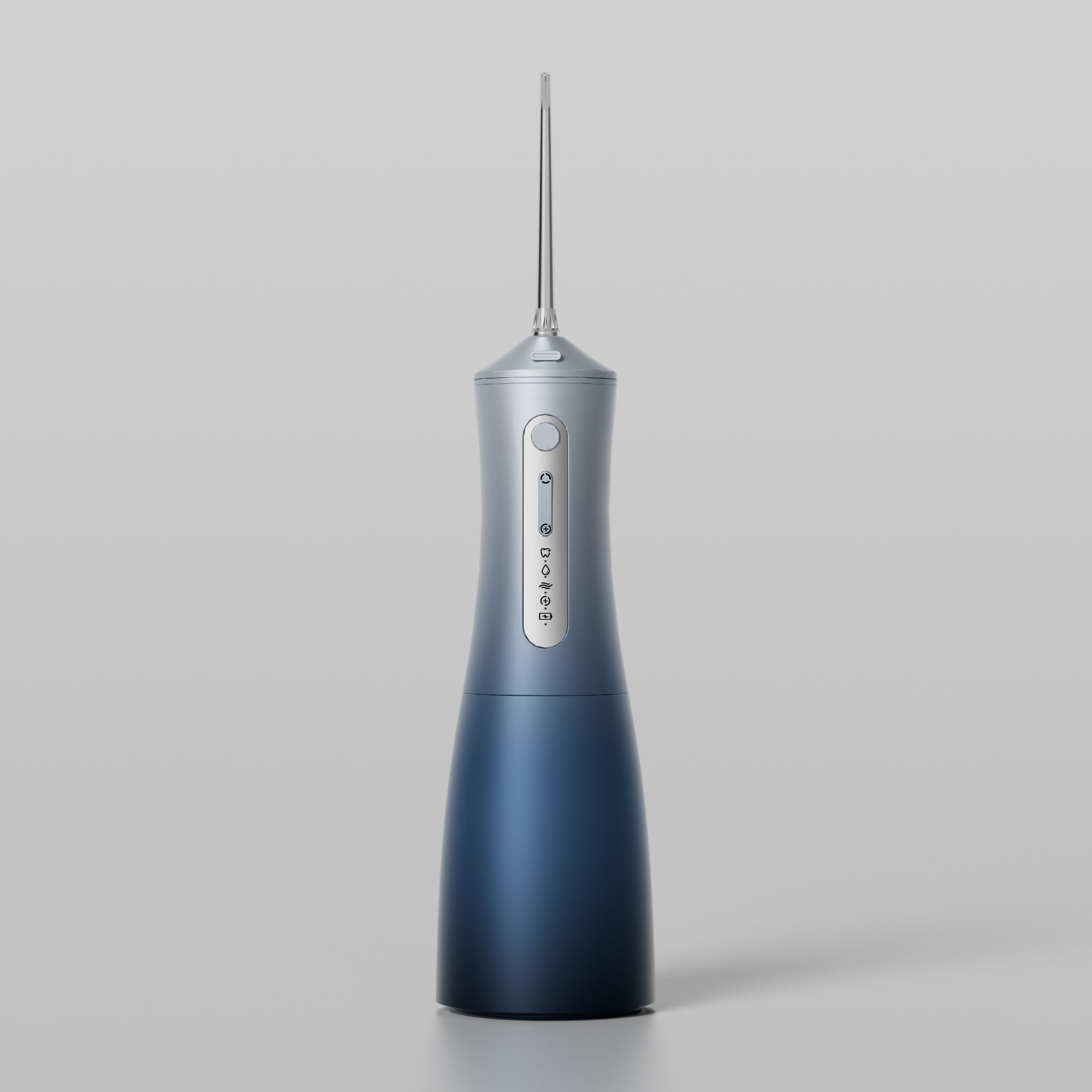
Prediction of the Future Development Trend of the Water Flosser Industry: Technological Innovation and Market Opportunities
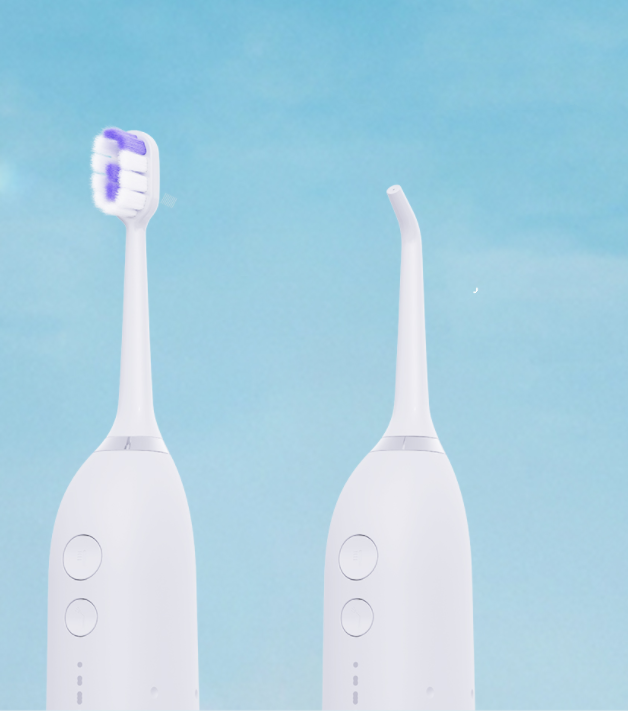
Market Feedback of Electric Toothbrush + Water Flosser Two-in-One Device
.jpg)
Wireless Charging Toothbrush Factory | Contactless Power for Modern Hygiene
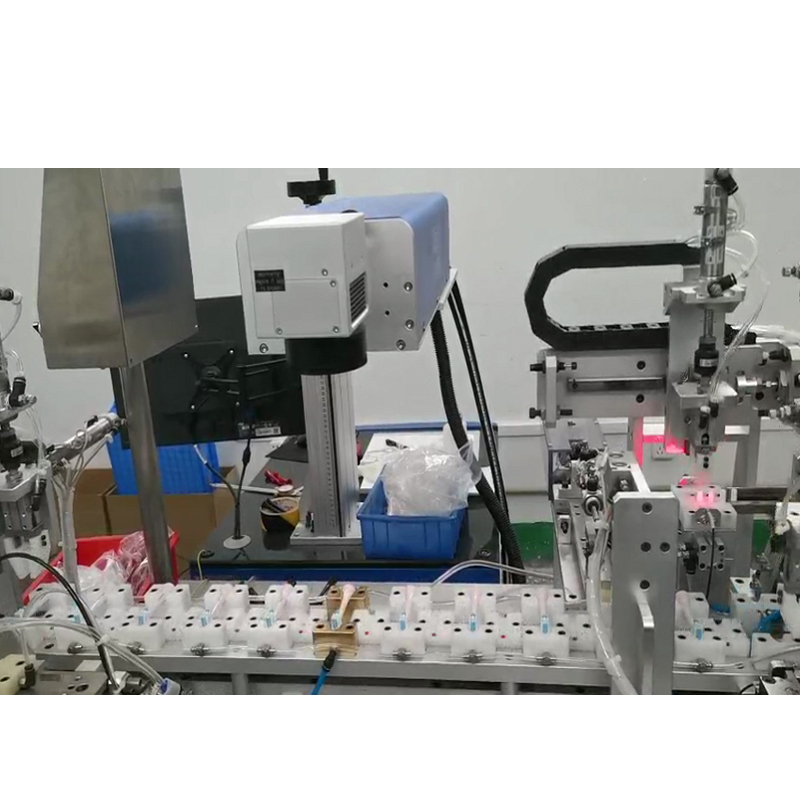
How Can Gradient Color Injection Molding Technology Improve the Attractiveness of Electric Toothbrushes?
OEM Electric Toothbrush Supplier Supporting Small Orders
.jpg)
Senior-Friendly Oral Care: Design & Sourcing Considerations for Aging Adults
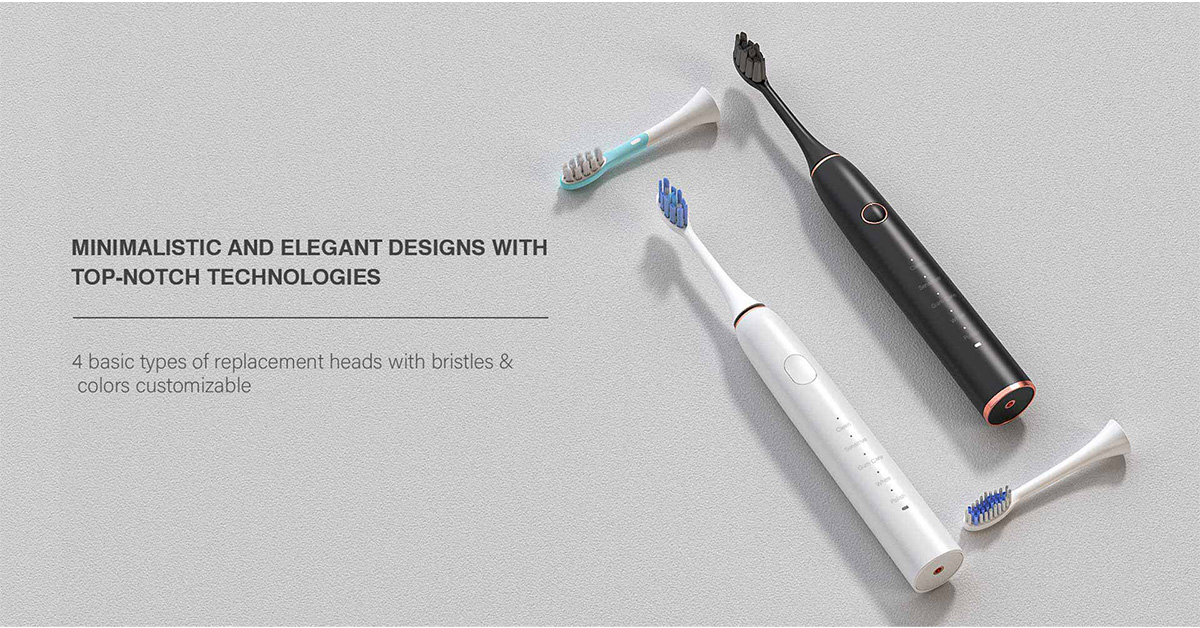
What is the Proofing Process of Electric Toothbrush?
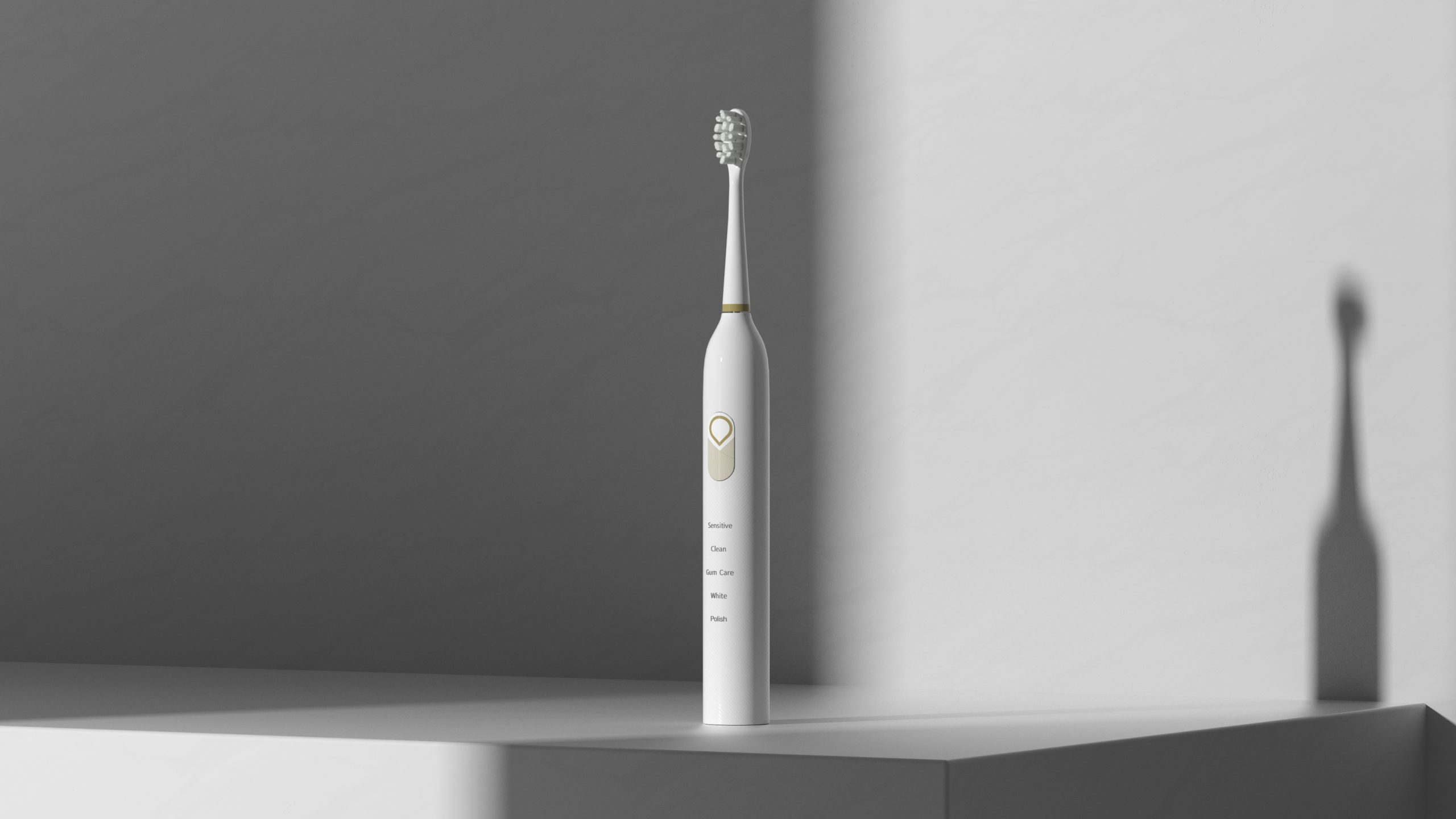
Electric Toothbrush Precision Mold Shell Manufacturing: How to Balance Aesthetics and Durability?
Biofilm Regrowth Inducing pH Imbalance – Vicious Cycle?
ADA-Approved Sonic Toothbrush OEM
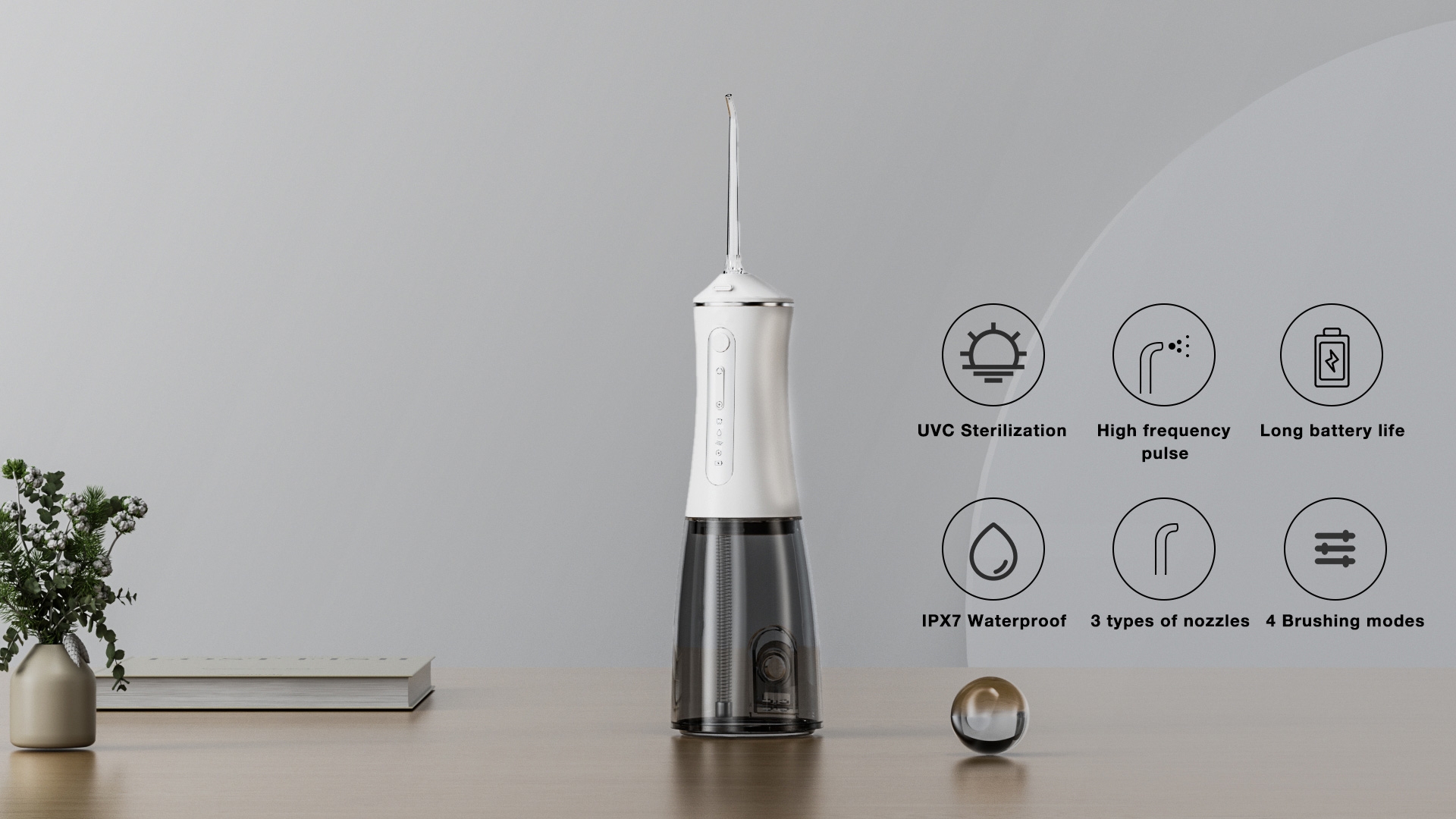
What is the Function of the Gravity Ball Design of the water Flosser?
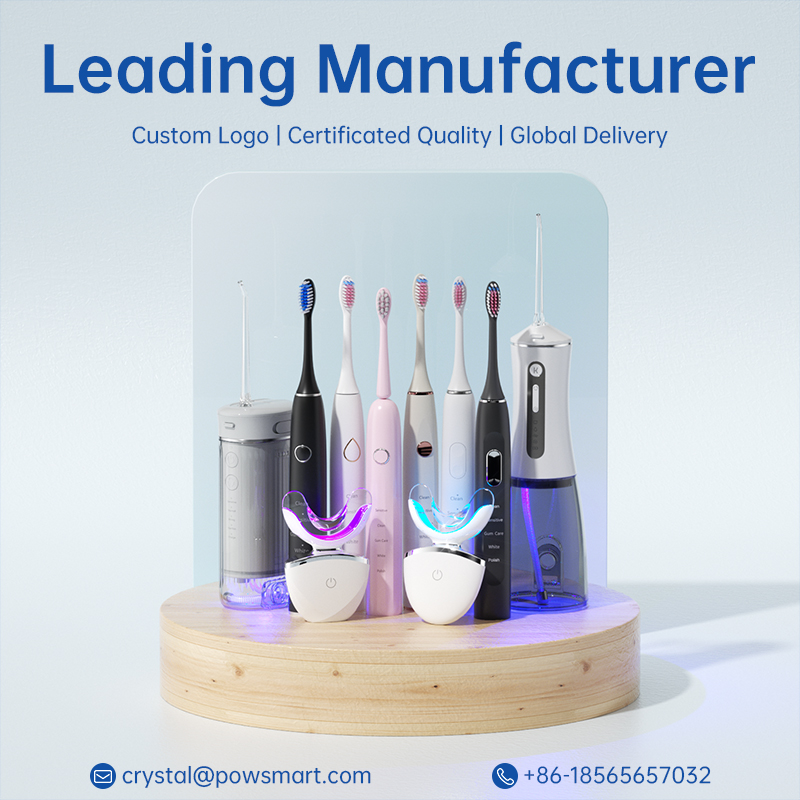
How to Make Your Own Toothbrush Brand with OEM/ODM Solutions
Why use Quad-brush Synchronization with Vortex Chamber Technology in advanced flossers?
Private Label Electric Toothbrush Manufacturer for Global Brands
Technique Affecting Periodontal Pocket – How Deep Is the Impact?


.jpg)
.jpg)
.jpg)
.jpg)
.jpg)






.jpg)
.jpg)