
As global oral beauty awareness grows, the teeth whitening category continues to expand rapidly. Yet, competition also intensifies. For brands aiming to stand out, simply offering generic products is no longer enough. The key to long-term success lies in correctly understanding teeth whitening market demand, breaking it down into precise segments, and building differentiated OEM product lines that respond to the needs of each group. Below are six practical strategies for leveraging market segmentation to elevate brand competitiveness.
The first step in market segmentation is to categorize customers by their primary motivations. Some consumers seek instant whitening results, while others prioritize enamel safety or daily maintenance solutions. By mapping these personas, brands can collaborate with manufacturers to develop targeted formulas and product formats that resonate with each segment.
Modern consumers have very different lifestyles, and their oral care habits reflect this. Busy professionals may prefer fast-acting whitening strips, while travelers gravitate toward compact whitening pens. Segmenting based on lifestyle helps brands diversify their OEM product lines and strengthen their value proposition.
The sensitivity level of consumers varies widely. Some tolerate strong peroxide formulas, while others need gentle, non-irritating solutions. Working with an experienced OEM partner enables brands to create multiple sensitivity-level options, directly addressing diverse teeth whitening market demand and improving consumer satisfaction.
Beyond whitening alone, consumers increasingly look for multifunctional benefits—fresh breath, anti-cavity ingredients, remineralization, or stain-prevention. Introducing functional variations within OEM product lines allows brands to occupy more niche segments, boosting brand competitiveness by offering something unique.
Consumers in different regions have distinct preferences and whitening expectations. For example, some markets may favor mild, natural formulations, while others prefer maximum whitening strength. Regional market segmentation enables brands to adjust formulas, packaging, and messaging accordingly—strengthening global and local market relevance.
Once segments are clearly defined, brands can position each product line with precise messaging—premium, eco-friendly, clinically proven, or fast-acting. This not only makes marketing more effective but also signals professionalism and credibility, significantly elevating the brand’s perceived competitiveness.
In an increasingly crowded oral care industry, accurately segmenting the teeth whitening market demand allows brands to tailor their OEM product lines and deliver solutions that truly match consumer expectations. By embracing market segmentation as a strategic tool, brands can build stronger differentiation, expand market share, and ensure sustained brand competitiveness.

Should a Custom Whitening Tray Include a Professional Teeth Shade Guide?
.jpg)
sonic toothbrush OEM supplier China
Smart Toothbrush for Professionals | Tech Lifestyle Care
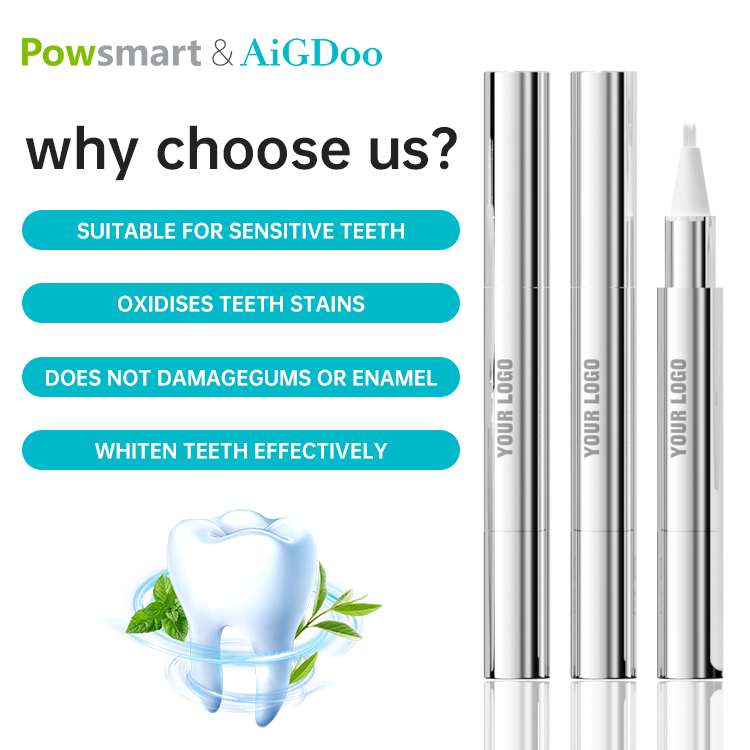
Solving the Sensitivity Problem: Best Teeth Whitening Options for Your Brand
.jpg)
How can USB-C fast charging keep your electric toothbrush ready at all times Long Battery Life?
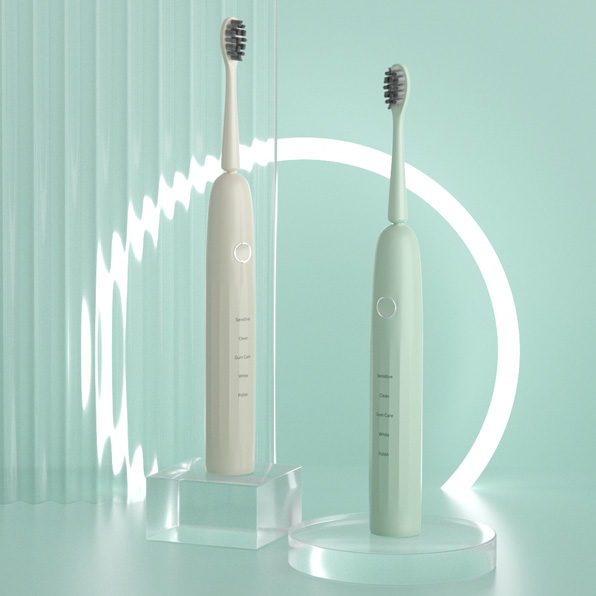
Why Pair a Portable Charging Case with Multi-mode Settings for the Modern User?
Powsmart-NYC electric toothbrush wholesale
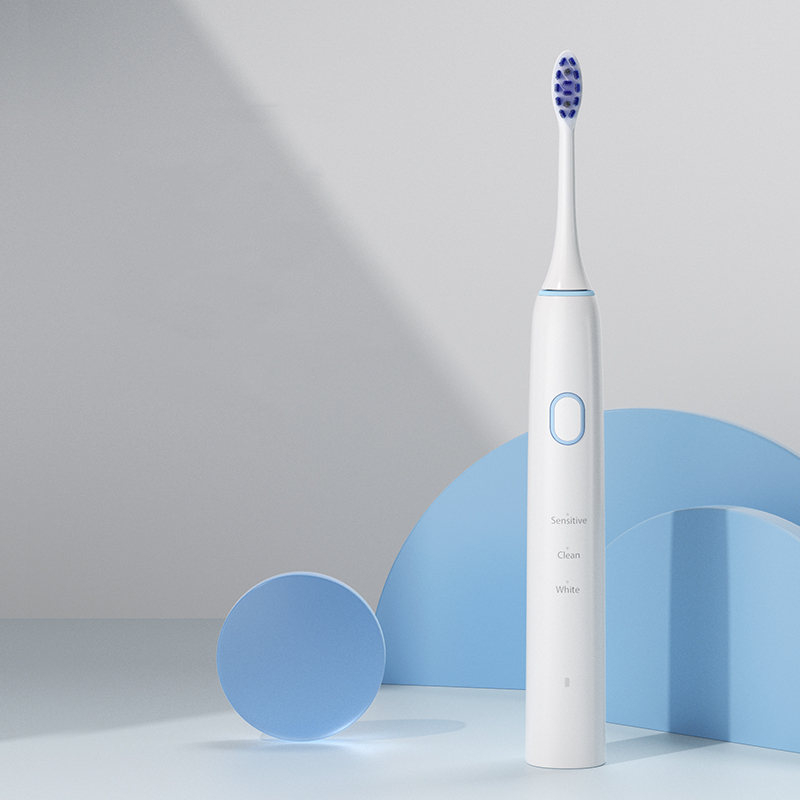
Electric Toothbrush for Students: Budget-Friendly OEM Options
App Connected Toothbrush: OEM Development for Smart Oral Care
Adult Sonic Toothbrush Wholesale Supplier for Global Distributors
.jpg)
Did you know a magnetic-levitation sonic motor can deliver 31,000 powerful cleaning strokes per minute?
Smart Brushing Timer Toothbrush Supplier for Global Brands

How Does Water Tank Capacity Interact with Flow Rate Adjustment in User Experience?
Does Your Contract Manufacturing Agreement Provide Quality Certification Support?
How a specialized Orthodontic Brush Head better cleans around braces and brackets
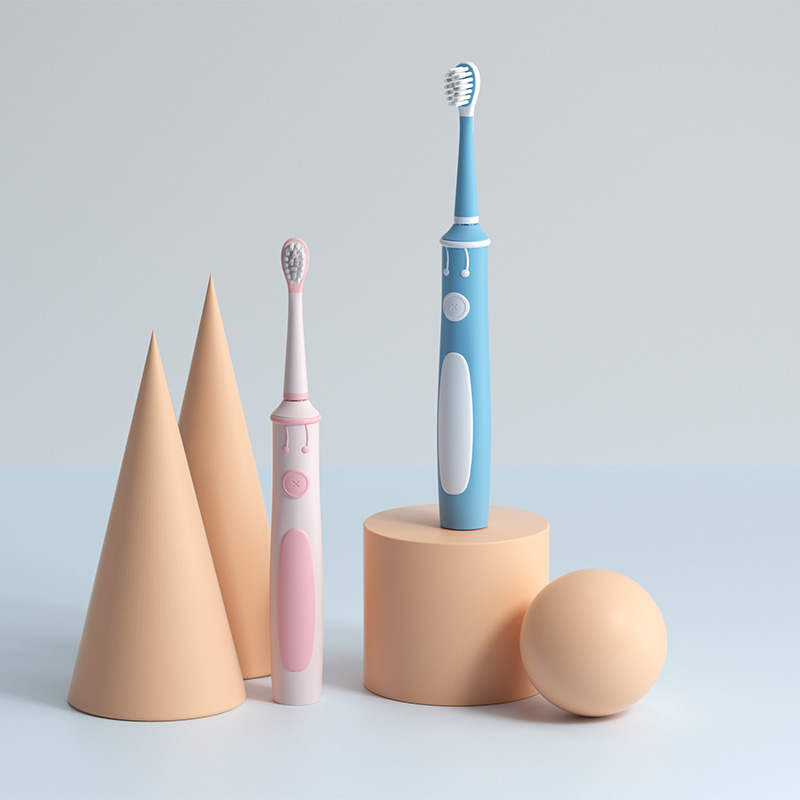
Sourcing Kids Electric Toothbrush Hyderabad: Regional OEM Manufacturing


.jpg)
.jpg)
.jpg)
.jpg)
.jpg)




.jpg)