
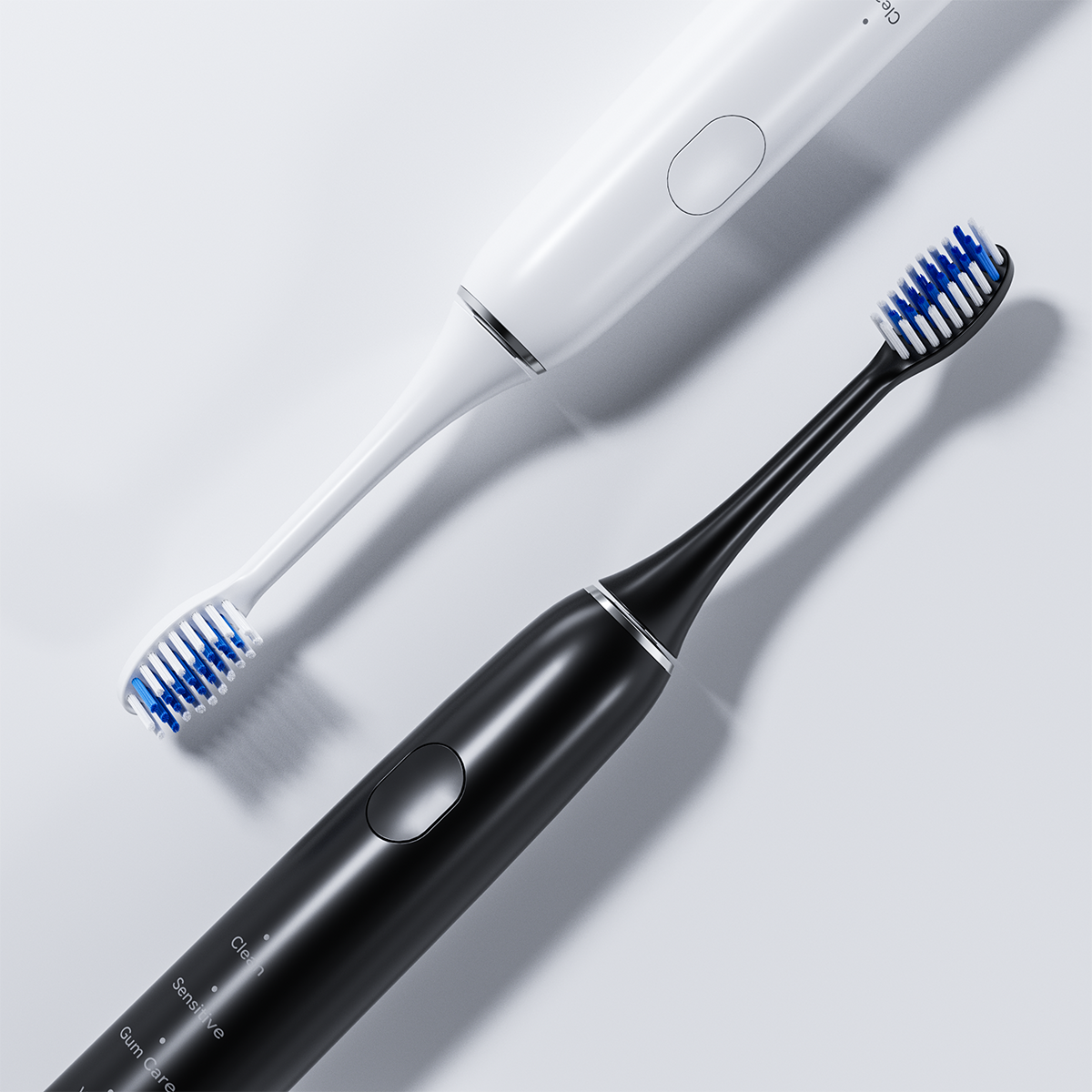
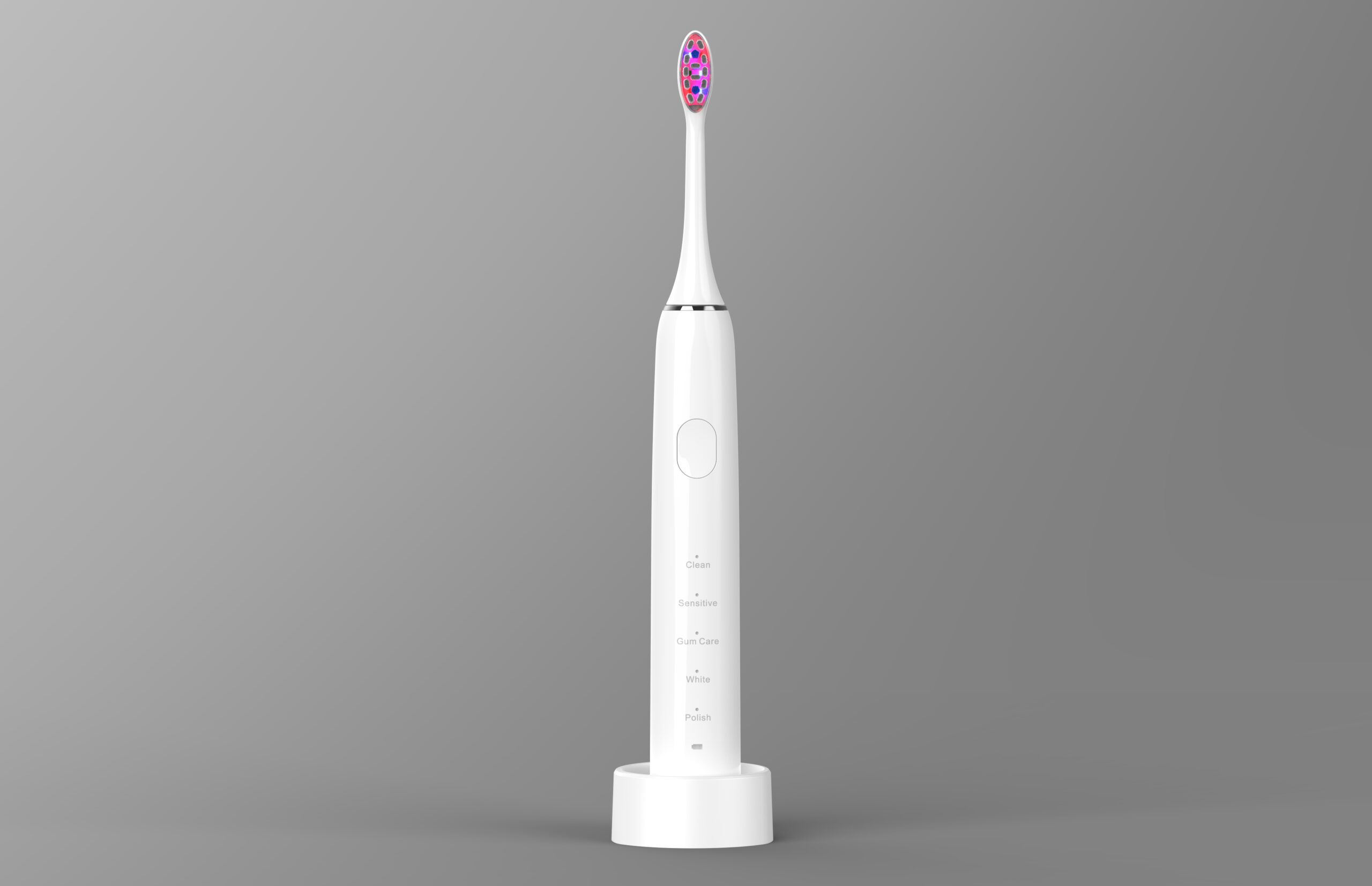
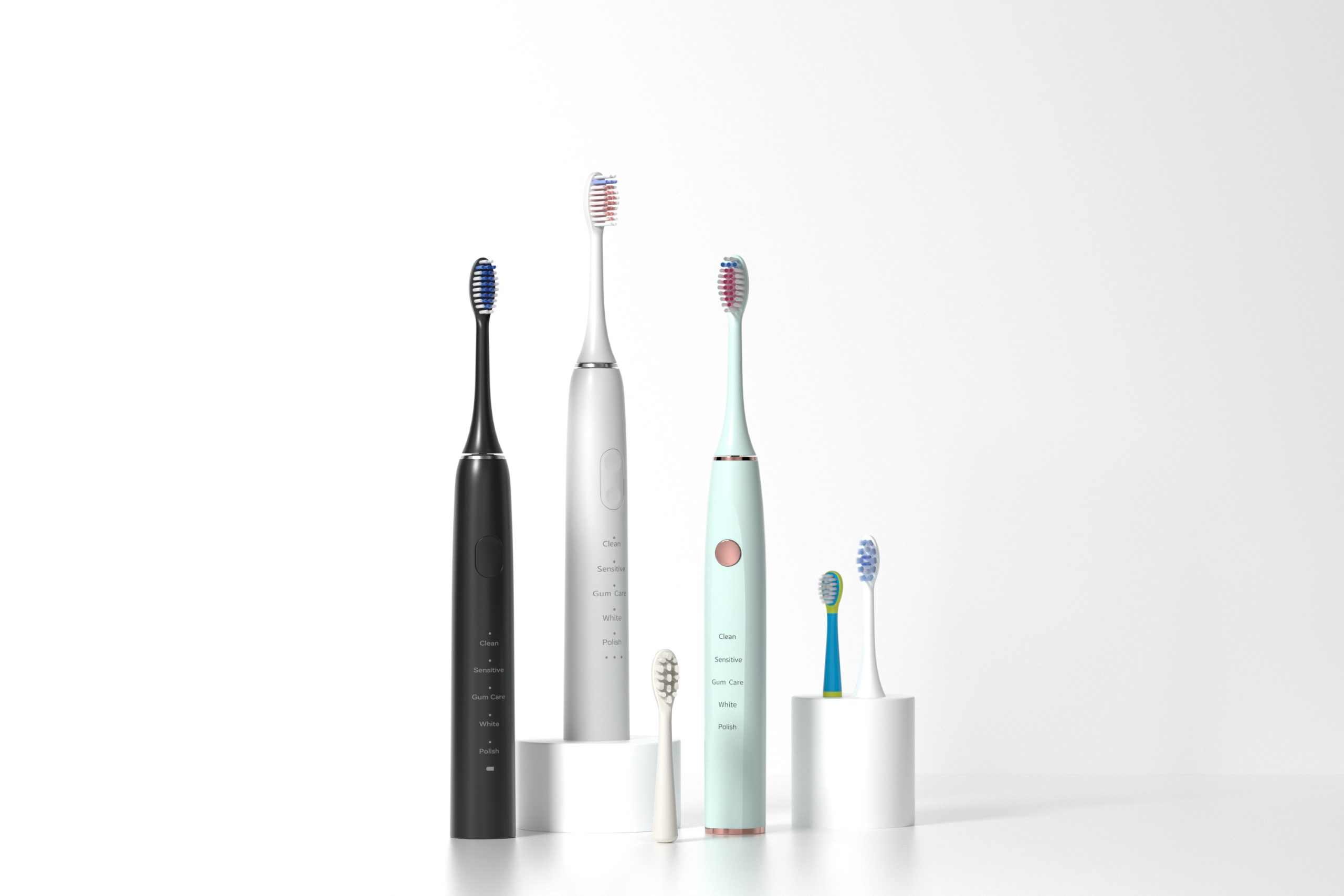
As electric toothbrushes continue evolving toward more minimalistic and modern aesthetics, one design trend has gained significant attention: integrated invisible buttons. These buttons blend seamlessly into the handle surface, offering a sleek look and a futuristic feel. But for oral-care brands searching for a reliable manufacturing partner, an important question arises—are these invisible buttons truly beneficial, or do they introduce new usability challenges? This blog explores the pros and cons of this trending electric toothbrush design, helping brands make informed decisions before moving forward with tooling and production.
Invisible buttons allow for a seamless interface, giving the product an ultra-clean, premium appearance. For brands competing in an oversaturated market, this can be a powerful differentiator. Manufacturers with advanced molding and assembly capabilities can help brands achieve this high-end finish without sacrificing structural integrity.
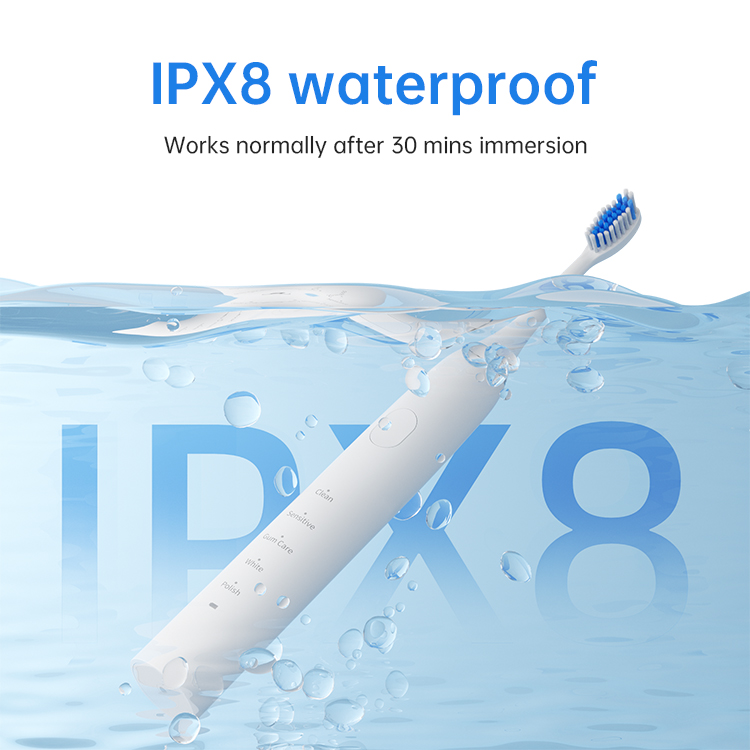
One of the biggest engineering benefits of integrated invisible buttons is improved sealing. With fewer exposed mechanical gaps, electric toothbrushes can more easily meet IPX7 or higher waterproofing standards. This can lower long-term failure rates and reduce warranty costs—an attractive advantage for both brands and OEM/ODM factories.
While the design is visually appealing, some users may struggle to locate or identify the control points, especially with wet hands. Ensuring optimal user experience requires precise tactile feedback, haptic vibration, or subtle surface patterning. Experienced manufacturers can incorporate micro-embossing or sensor calibration to address these usability issues.
Because invisible buttons rely on either capacitive sensors or pressure-sensitive layers, the production process becomes more complex. Factories must maintain strict quality-control standards for:
sensor sensitivity
activation consistency
surface alignment
mold precision
This may slightly increase unit cost and development time, making it essential to partner with a manufacturer with proven capabilities in smart consumer electronics.
Invisible buttons eliminate many traditional button components, but they still depend on sensor stability. Poor design can cause false triggers or reduced sensitivity after extended use. Brands should work with engineers who can test long-term activation cycles, sweat resistance, and material aging to ensure the design remains reliable over the product’s lifespan.
Before choosing this design direction, brands should assess whether integrated invisible buttons align with their target audience. Premium consumers appreciate minimalist design, while budget-focused users may prioritize straightforward tactile controls. A capable manufacturing partner can help adapt the design to different price tiers while maintaining functionality.
Integrated invisible buttons offer a stylish, modern solution for electric toothbrush design, elevating aesthetics and waterproof performance while supporting a truly seamless interface. However, they also introduce manufacturing and user-experience challenges that require professional engineering support.
For oral-care brands planning to adopt this trend, collaborating with an experienced factory is essential to ensure the perfect balance of beauty, usability, and durability.
Do I Need to Consider the Appearance Design When Choosing an Electric Toothbrush?
.jpg)
Sync Errors Causing Taste Distortion – Tech Glitch?
Water Flosser Effectiveness – Maintain & Improve Dental Hygiene
Why Do Replacement Part Scarcity Exacerbate Noise Level Spikes?
water flosser OEM factory
How to Use a Water Flosser Effectively: A Guide for Beginners
Blue vs Red Light for Teeth Whitening: Choosing the Right OEM Technology
Can an Electric Toothbrush Designer Drive Smart Toothbrush Innovation with AI Features?
Does Saline Solution Compatibility Increase the Demand for Filter Cartridge Supply?
What is the general lifespan of electric toothbrush
Enamel Scratching from Gum Irritation – Reversible?
Do You Have to Charge a Water Flosser for 24 Hours? OEM Fact Check
.jpg)
Exploring Toothbrush Partnership Models?
Pros and Cons of Silicone Electric Toothbrushes
Can a Portable Water Flosser incorporate elements of Desktop Irrigator Design for versatility?
Electric Toothbrush Gift Set Supplier


.jpg)
.jpg)
.jpg)
.jpg)
.jpg)





.jpg)