Every premium electric toothbrush team asks the same question: can a handset’s Deep Clean Mode actually reach and loosen stubborn plaque where everyday brushing misses it — and moreover, can it play a credible role in broader Tartar Control strategies? The short answer for B2B product teams is: yes — but only when the mode is engineered as a system (motion + head + sensing + safeguards + validation) and positioned with conservative, evidence-backed claims. Below are six manufacturer-ready dimensions that explain what to build, how to test it, and how to communicate benefits responsibly.
First, understand the mechanism. A well-tuned Deep Clean Mode increases the device’s effective cleaning by combining: (a) slightly higher amplitude or tailored waveform, which intensifies fluid micro-streaming around bristle tips; and (b) dwell time on anterior surfaces where visible stains and dense plaque accumulate. Consequently, this physics-driven approach helps dislodge adherent plaque more effectively than a generic daily cycle. However, be clear: hardened calculus (tartar) is mineralized and generally requires professional scaling — a toothbrush cannot reliably remove existing tartar. Instead, position the feature as a tool that aids Tartar Control by removing plaque before it mineralizes.
Next, pair the drive with a head designed for the use-case:
Moreover, firmware must balance efficacy and tissue protection:
Furthermore, sensors turn a powerful mode into an effective one:
Importantly, validate rigorously and keep claims conservative:
Finally, translate engineering into buyable value:
Conclusion:
A correctly engineered Deep Clean Mode can meaningfully improve removal of adherent plaque and therefore be a valuable component of a product-level Tartar Control strategy — but only if it’s delivered as a complete system (head + drive + sensing + education) and backed by objective validation. For B2B teams, the winning path is to build measurable performance into the product and then set honest, clinician-friendly expectations in market messaging.
If you’d like, I can convert this into a developer pack: suggested waveform targets, head cross-sections, safety thresholds, and a validation protocol template to accelerate prototyping and clinic pilots. Contact us
.jpg)
.jpg)
.jpg)
Are Clinic Waiting Room Demos Safe?
High Frequency 40000 VPM Electric Toothbrush Manufacturer
How Does Minimizing Chromatic Aberration Boost Luminescence Efficiency in LED Whiteners?
California Retailers Bulk Purchase PowSmart Electric Toothbrushes to Meet Diverse Consumer Needs
Electric Toothbrush Ergonomic Handle Design: OEM Product Development
Can a Micro-Fulfillment Network Integration Support Your Product’s Carbon Credit Offsetting Program?
How Does a Micro-filter Cartridge Interact with a Flow Sensor Module in a Flosser?
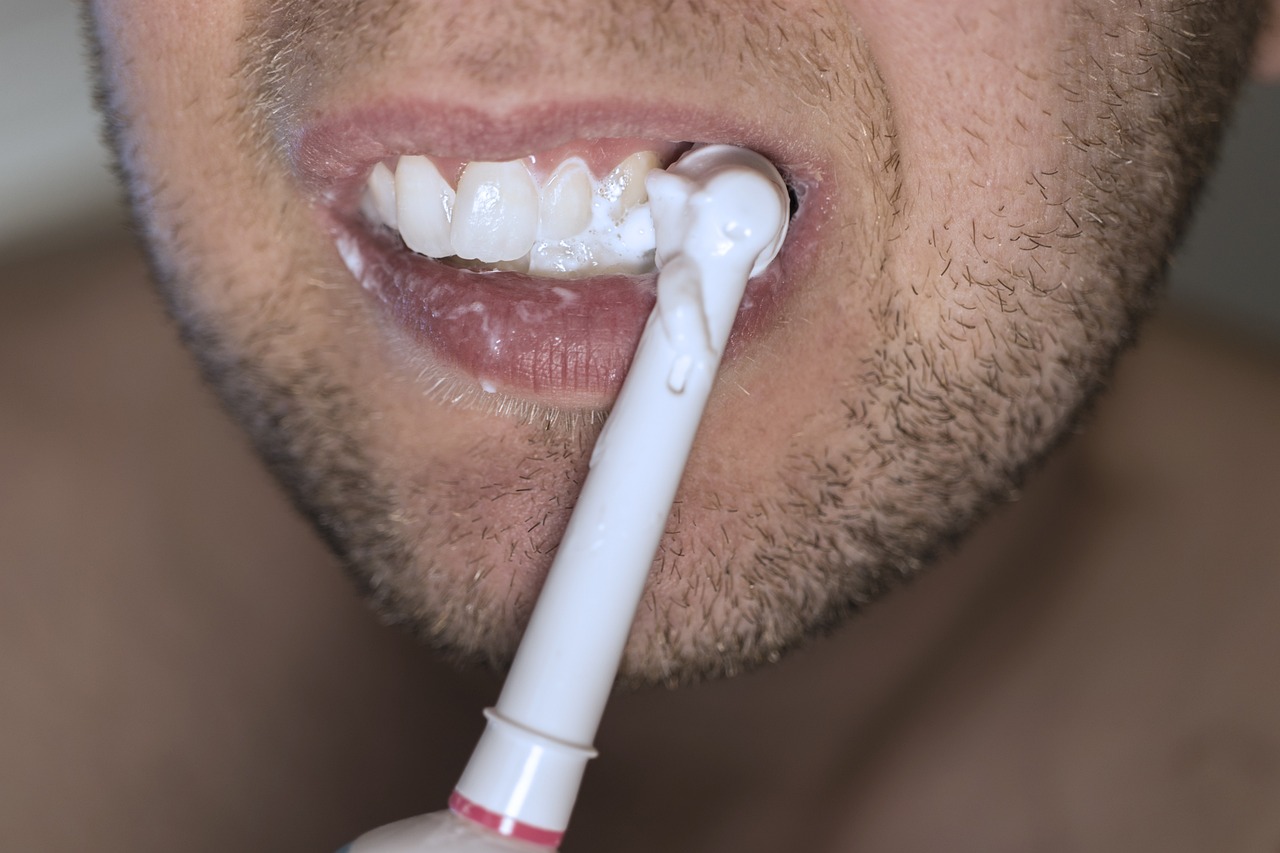
Is the Electric Toothbrush Market Growing?
Electric Toothbrush Charging Safety Design: OEM Engineering Guide
ADHD tooth brushing reminders: stay consistent
Post-Dental Procedure Brushing Guide: Safely Resume Brushing After Dental Work
Florida Electric Toothbrush Retailer Sources Electric Toothbrush from PowSmart Manufacturer in China
USB Rechargeable Electric Toothbrush OEM: Modern Charging Solutions
Water Flosser for Canker Core
bulimia teeth protection guide: acid neutralization
Denture Care Brushing Guide: Keep Dentures Fresh Without Damage


.jpg)
.jpg)
.jpg)
.jpg)
.jpg)