In the precision-driven world of oral care devices, user comfort is the ultimate benchmark. Yet, an increasing number of consumers report noise disturbance paired with sudden sensitivity spikes—a combination that transforms what should be a soothing hygiene ritual into an unbearable experience. While each issue alone is problematic, their overlap often points to deeper engineering flaws in sound insulation, vibration control, and motor stability. In this blog, we’ll examine how manufacturers can identify, prevent, and solve these twin pain points—before they impact end-user trust or B2B partner confidence.
What Is Noise Disturbance in Oral Care Devices?
Noise disturbance refers to the excessive or irregular sound output of devices such as sonic toothbrushes, water flossers, or whitening tools. Unlike steady operational hums, disturbance is usually:
- High-frequency buzzing
- Sudden pitch changes during usage
- Mechanical rattling from inside the casing
- Harmonics transmitted through brush heads or nozzles
These sounds are often amplified when used in confined environments like bathrooms, especially during early mornings or late evenings, compounding the user’s perception of discomfort.
Sensitivity Spikes: More Than Just a Minor Sting
Sensitivity spikes refer to sudden, sharp discomfort felt on the teeth or gums—typically triggered by abrupt changes in device vibration, fluid pressure, or contact surface hardness. These spikes can be caused by:
- Irregular amplitude in sonic vibration
- Unexpected water pressure bursts
- Poor alignment or balance in brush head rotation
- Motor “stall-then-surge” behavior under load
When paired with loud or erratic noise disturbance, these spikes are not only painful but anxiety-inducing, discouraging users from continuing regular use. Company web:https://www.powsmart.com/product/electric-toothbrush/
How Noise and Sensitivity Are Mechanically Linked
Though they manifest differently, noise disturbance and sensitivity spikes often share a common origin—mechanical instability. For instance:
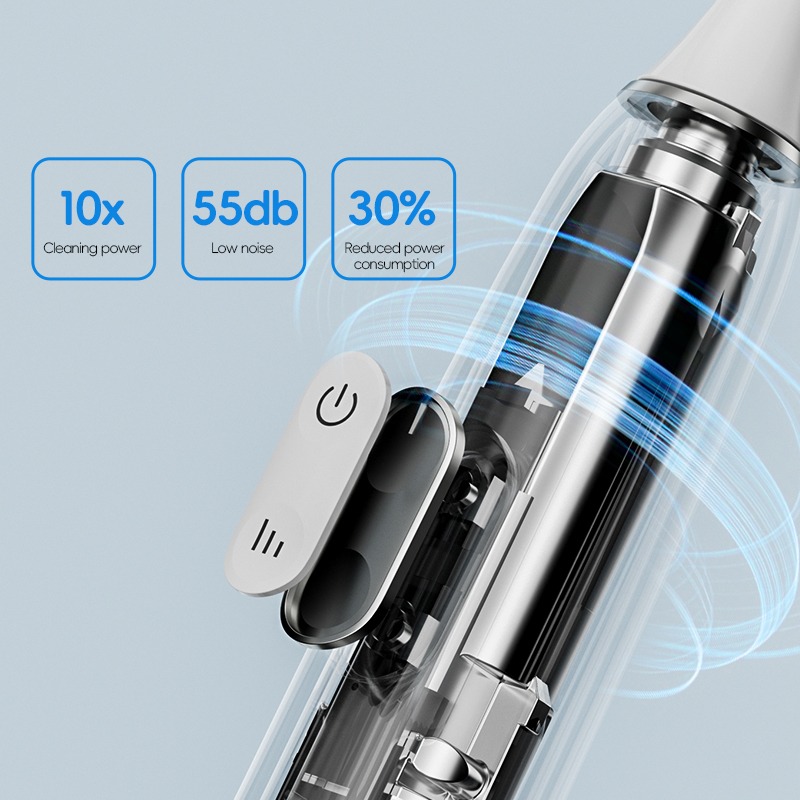
- A poorly stabilized gearbox can transmit both audible vibration and pressure surges
- Misaligned rotor shafts may create uneven oscillations and loud operational tones
- Inconsistent motor torque leads to variation in tip force and fluid dynamics
As a result, solving one without addressing the other risks leaving the root cause untouched.
Design and Assembly Factors That Amplify the Problem
Several overlooked factors in product development can exacerbate both issues:
- Inadequate acoustic damping material inside the housing
- Use of low-tolerance plastic parts that loosen over time
- Lack of dynamic balancing in moving parts
- Absence of a feedback loop in motor speed regulation
For example, using a non-balanced impeller in a water flosser pump can cause both loud noise and micro-pressure spikes—creating a dual-source irritation for sensitive users.
Testing and Validation Strategies for B2B OEMs
Manufacturers looking to offer consistent user comfort must enforce stringent validation protocols, including:
- Decibel-level testing under real-world usage angles and volumes
- Pressure pulse mapping in flossers to detect micro-surges
- Amplitude uniformity tests in sonic brushes
- A/B comparison trials with panels of sensitive-tooth users
These tests should be part of every pre-shipment QA batch for private label partners or high-end export markets.
Turning Comfort Engineering into Market Differentiation
Solving noise disturbance and sensitivity spikes isn’t just damage control—it’s an opportunity. Brands can position themselves as premium by:
- Marketing “SilentCore™ Technology” or similar IP-protected acoustic systems
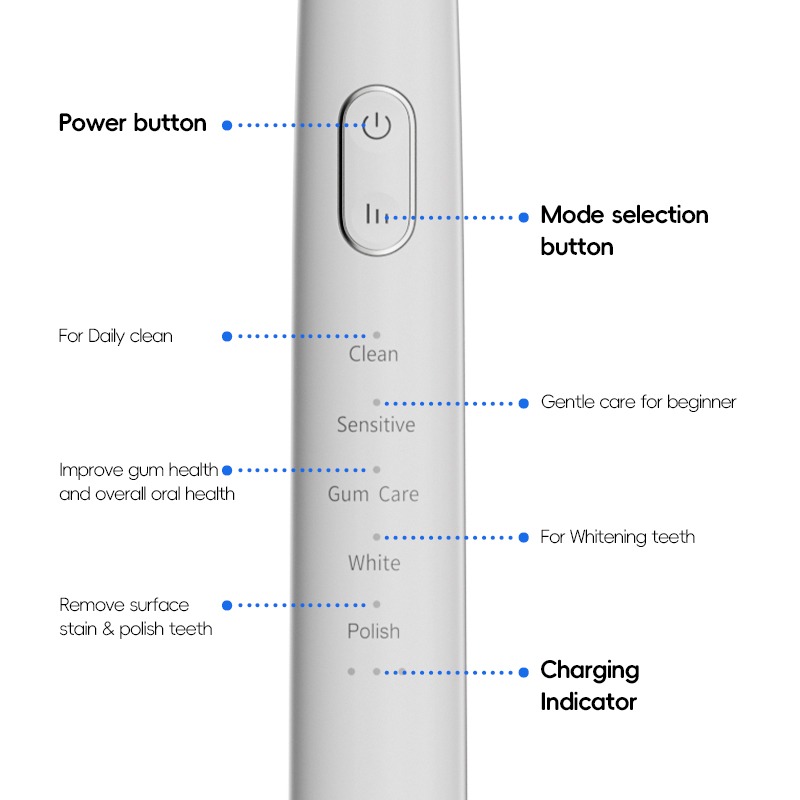
- Adding Comfort Mode with regulated pressure and vibration patterns
- Including “Noise below 60dB certified” icons on packaging
- Offering extended warranties for products with enhanced durability and balance
In an era where consumers value both function and feel, quiet and comfort are no longer optional—they are a core value proposition.
Conclusion
When noise disturbance and sensitivity spikes intersect, they don’t just irritate—they alienate. For B2B manufacturers and brand owners, these symptoms signal critical points of engineering refinement. Fortunately, with the right combination of acoustic control, vibration management, and smart quality validation, the problem is not only solvable—it can be flipped into a selling point that builds loyalty, reduces returns, and drives long-term product success. Contact us
.jpg)
