For brands developing or sourcing oral-care devices, few customer complaints are as common—and as damaging—as oral irrigator charging problems. When a device fails to charge, it affects user experience, product reviews, and long-term brand trust. For manufacturers, understanding the main reasons behind these issues is essential to improving reliability and demonstrating strong OEM quality control capabilities. Below we explore the six most common causes of oral irrigator charging failures and what brands should look for when selecting a manufacturing partner.
One of the leading causes of charging port failure is moisture intrusion. Because oral irrigators operate in wet environments, any weakness in port sealing can lead to:
Rusted contact plates
Short circuits
Intermittent charging
OEMs with robust waterproofing processes (e.g., ultrasonic welding, high-precision silicone sealing) greatly reduce the risk of charging issues caused by water damage.
Sometimes the device itself isn’t at fault—substandard cables cause unstable power flow or weak connections.
High-quality OEM partners test:
Cable lifespan
Plug insertion cycles
Voltage stability
This ensures that every accessory matches the performance and safety level of the device.
Lithium-ion batteries vary widely in stability depending on the supplier. Poor battery quality can lead to:
Slow charging
Failure to reach full charge
Sudden power loss
A strong OEM ensures battery supplier traceability, incoming inspection, and cycle-life testing to prevent early degradation.
Inexpensive or poorly protected PCBs can easily fail under heat or moisture.
Common symptoms include:
Charging lights blinking abnormally
Overheating during charging
Total charging failure
OEMs with strict PCB functional testing can catch these faults before devices reach the market.
Many modern irrigators use magnetic or wireless charging. Misalignment during design or assembly can result in:
Weak charging connection
Slow charging speed
Intermittent failure
Proper OEM quality control includes fixture-assisted assembly, coil alignment calibration, and drop-test validation.
Ultimately, many oral irrigator charging problems stem from inadequate OEM quality control. Without strong QC systems, even good components can fail. A capable factory should offer:
100% charging test before shipment
Water-resistance dust chambers
Aging tests (continuous charging/discharging)
Drop tests and vibration tests
These processes ensure long-term product reliability and minimize returns.
Understanding the main reasons behind charging failures helps brands develop better products—but prevention ultimately depends on selecting the right manufacturing partner.
A reliable OEM should excel in:
Component sourcing
Structural waterproof engineering
Battery and charging system integration
Full-process quality control
By working with a factory that prioritizes engineering and testing, brands can significantly reduce charging-related complaints and deliver a more durable, premium user experience.
.jpg)
How to Prevent Water Discoloration and Microbial Growth?
Compact Jet Water Flosser Manufacturer – OEM Factory for Global Brands
Can an Apical Irrigation Tip Utilize Hydro-kinetic Energy Transfer for Root Canal Cleaning?
Sonic Toothbrush Motor Comparison: Magnetic Levitation vs. Traditional Motors
.jpg)
sonic electric toothbrush Austin
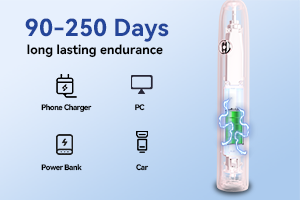
Wireless vs. Contact Charging: Which Is Better for Electric Toothbrushes?
Powsmart-Austin electric toothbrush B2B
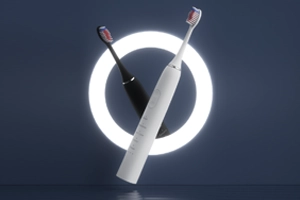
Why Pair Enamel Micro-abrasion With Chromophore Targeting Gel for Effective Teeth Whitening?
Red Blue Light Oral Care Device B2B Solutions for Global Brands
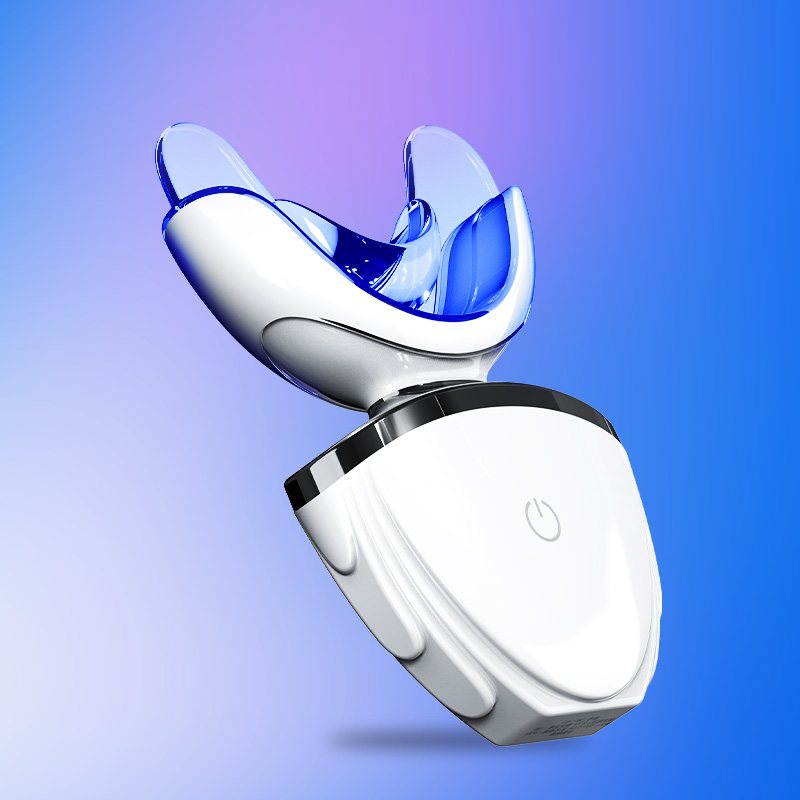
Explaining the Teeth Whitening Device and How to Use It
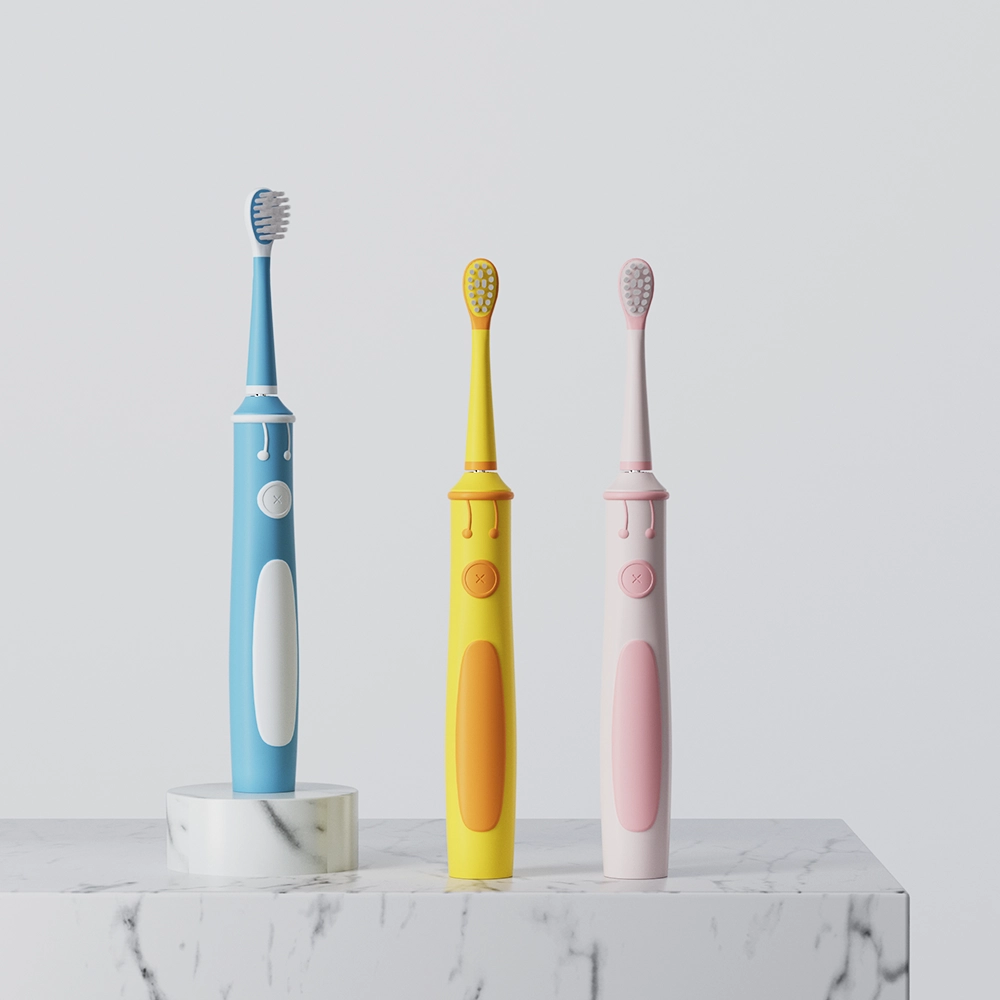
Why Kids’ Electric Toothbrushes Need Antibacterial Materials
Wireless Whitening Kit Wholesale Solutions for Global Sellers
Battery Corrosion + Charger Incompatibility — What’s Next?
Waterproof & Fast Charging? Inside High-End electric Toothbrush Charging Stations
Looking for a smart toothbrush Austin that understands Austin tech brush innovation?
What Does the Doctor Think About the Use of Electric Toothbrushes and Water Flossers?


.jpg)
.jpg)
.jpg)
.jpg)
.jpg)







.jpg)