For oral-care product brands evaluating new suppliers or manufacturing partners, understanding what dental professionals truly think about electric toothbrushes and water flossers is essential. A doctor’s perspective helps brands anticipate market expectations, design high-quality products, and align with credible dental recommendations. Below is a consolidated doctor opinion based on common clinical viewpoints and industry-backed insights.
Many dentists observe that patients struggle with manual brushing techniques—especially maintaining adequate pressure and brushing for a full two minutes.
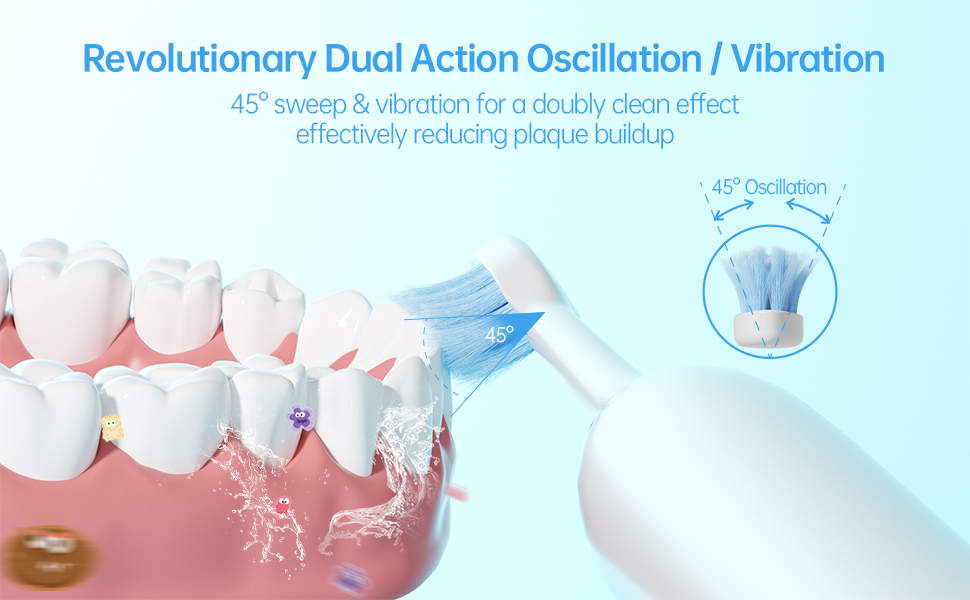
Electric toothbrushes, particularly oscillating-rotating or sonic models, help standardize brushing motions, making plaque removal more effective even for users with poor technique.
A frequent doctor opinion is that water flossers are especially helpful for people with braces, dental implants, or sensitive gums.
Because water flossing is gentle yet effective, dentists often see reduced bleeding and inflammation in patients who use them regularly.
From a clinical standpoint, dentists often recommend pairing the two devices. When used together, electric toothbrushes remove plaque on the tooth surface while water flossers help clean periodontal pockets and interdental areas.
This is one of the most common dental recommendations for patients with early signs of gingivitis.
Dental experts increasingly look for certain features that enhance both safety and compliance:
Pressure-sensing technology
Timers and quadrant reminders
Adjustable water-pressure settings
Replaceable or specialized brush heads
Brands that plan to work with a manufacturer should ensure these user-centric features can be supported in OEM/ODM production.
A recurring doctor opinion is that effectiveness depends more on consistent use than on device type.
Therefore, they often highlight the importance of ergonomic design, intuitive controls, and comfortable accessories—elements that directly impact daily adherence.
Dentists are more likely to endorse a product when:
The device meets international certifications (FDA, CE, RoHS)
The manufacturer provides documented product testing
Materials are safe and biocompatible
For brands seeking manufacturing partners, aligning production with these safety expectations is crucial for securing professional approval and growing market credibility.
From a professional standpoint, the combined use of electric toothbrushes and water flossers is strongly supported by dental experts. These tools make oral hygiene easier, more consistent, and more effective for a wide range of users.
For oral-care brands, understanding these clinical perspectives can guide better product development and supplier selection—ensuring that your product not only meets market demand but also aligns with trusted dental recommendations.
.jpg)
Electric Toothbrush Color Customization OEM Service
How to Control the Life of Key Components of Water Flosser and Reduce the After-Sales Rate?
Hose Cracking with Valve Jamming – Replace All or Repair Strategically?
Rechargeable Sonic Toothbrush Wholesale | High-Performance Oral Care Supplier
Life cycle of Electric Toothbrushes! Its Components and Effects
How to Pick the Right Water Flosser for Your Oral Health: Answers from an Oral Irrigator Manufacturer
The Importance of Water Resistance for Teeth Whitening Devices and Anti-Saliva Corrosion Structure

Custom Your Electric Toothbrush or Water Flosser Brand Now!
-1.jpg)
Does Premium Rose Gold Gift Toothbrush Cause Mode Confusion?
Oral Care is Personal Care: An Untapped OEM Opportunity for Your Brand

Why is an LED Whitening Lamp Critical for Activating an Accelerated Whitening Solution?
Does Warranty Cover Motor Overheating in Electric Toothbrushes?
Why Pair Enamel Micro-abrasion With Chromophore Targeting Gel for Effective Teeth Whitening?
Understanding and Treating Gum Bleeding problem When Brushing
Pressure Overkill Leading Sensitivity Spikes – Painful?
Electric Toothbrush Price Comparison for Home Maker


.jpg)
.jpg)
.jpg)
.jpg)
.jpg)






.jpg)
.jpg)
.jpg)