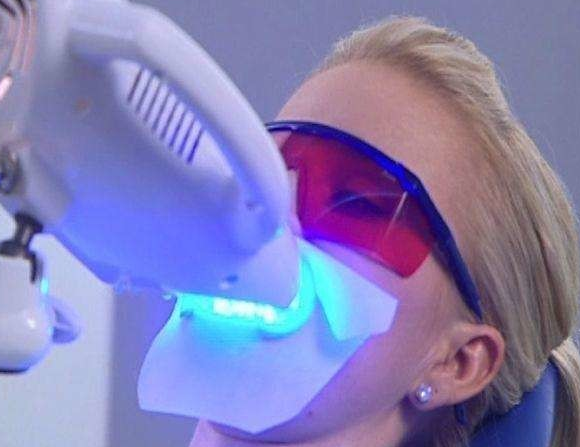
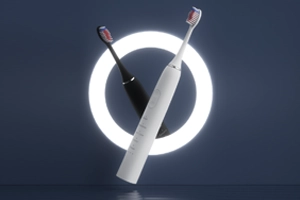
In the world of advanced oral care devices, safety and effectiveness must go hand in hand. One often-overlooked safety measure is allergen testing, which plays a vital role in preventing bleach residuals that could potentially cause allergic reactions or mucosal damage. When combined with technologies such as pressure sensors, allergen screening ensures whitening tools remain both high-performing and safe for sensitive users.
Allergen testing is more than just a regulatory checkbox—it is a proactive quality control strategy. By identifying potentially reactive compounds in bleaching gels or accessory materials, manufacturers can reformulate or substitute ingredients that tend to leave residual byproducts. This is especially important in products with extended contact time, like mouthpieces or whitening strips, where residuals may linger and cause irritation or immune responses.
Hydrogen peroxide, commonly used in whitening treatments, decomposes into water and oxygen. However, if stabilizers or additional agents are used without proper allergen testing, they may form chemical residues that persist on enamel surfaces or gum tissue. These residues can be especially problematic for individuals with heightened sensitivity. Accurate allergen screening helps ensure that all degradation pathways result in inert or biocompatible substances.Company web: https://www.powsmart.com/product/electric-toothbrush/
Modern whitening devices often incorporate pressure sensors to monitor the applied force during treatment. Excessive pressure can lead to micro-abrasions or damage to the mucosa, allowing allergens or residual bleach compounds to penetrate deeper. When allergen testing is paired with pressure-sensitive technology, the product not only avoids harmful ingredients but also promotes a safer mechanical interface.
Certain user demographics—such as pediatric, geriatric, or immunocompromised individuals—require additional safety considerations. For these groups, allergen testing becomes a critical filtering layer. It ensures that bleach formulations, adhesives, and plastics used in device construction do not contain irritants. This precision allows manufacturers to design targeted, hypoallergenic whitening systems that cater to at-risk populations.
Global markets increasingly demand transparency and testing documentation. Manufacturers who implement comprehensive allergen testing not only mitigate risks related to bleach residuals, but also meet compliance expectations across FDA, CE, and ISO frameworks. This diligence enhances brand trust and opens doors for premium positioning in the competitive B2B oral care sector.
The convergence of allergen testing with smart device features like pressure sensors and user feedback systems paves the way for predictive product design. Imagine whitening kits that adjust intensity based on allergen profile data or automatically halt operation when risk thresholds are met. This synergy could revolutionize the safety paradigm in at-home and professional oral whitening markets.
Conclusion:
As consumer awareness and regulatory scrutiny grow, allergen testing is no longer optional—especially when bleach residuals are involved. Combined with technologies like pressure sensors, allergen screening provides a robust defense against post-treatment complications and builds the foundation for safe, scalable whitening solutions in the B2B sector.Contact us
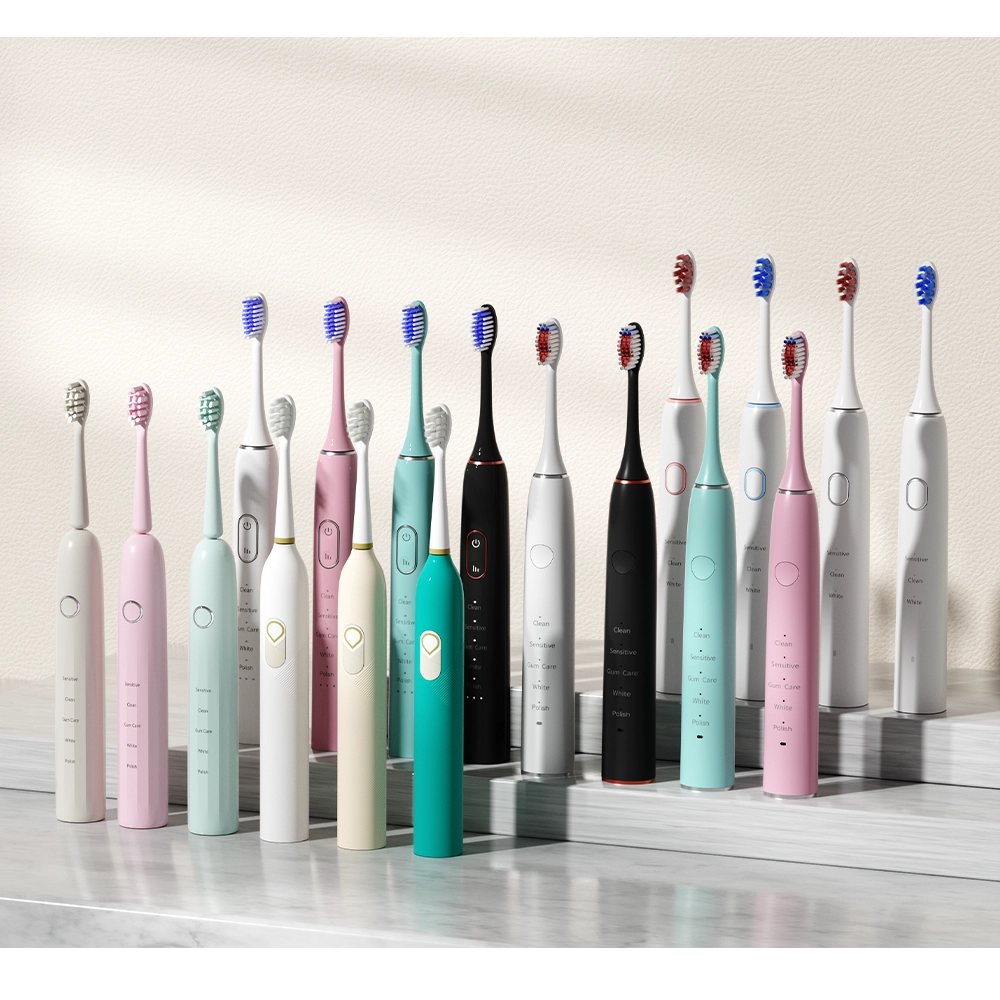
The Advantages of Teeth Whitening Devices: How to Enjoy Professional-Level Teeth Whitening Results at Home
.jpg)
Electric Toothbrush Durability Manufacturer
Electric Toothbrush Motor Technology Explained
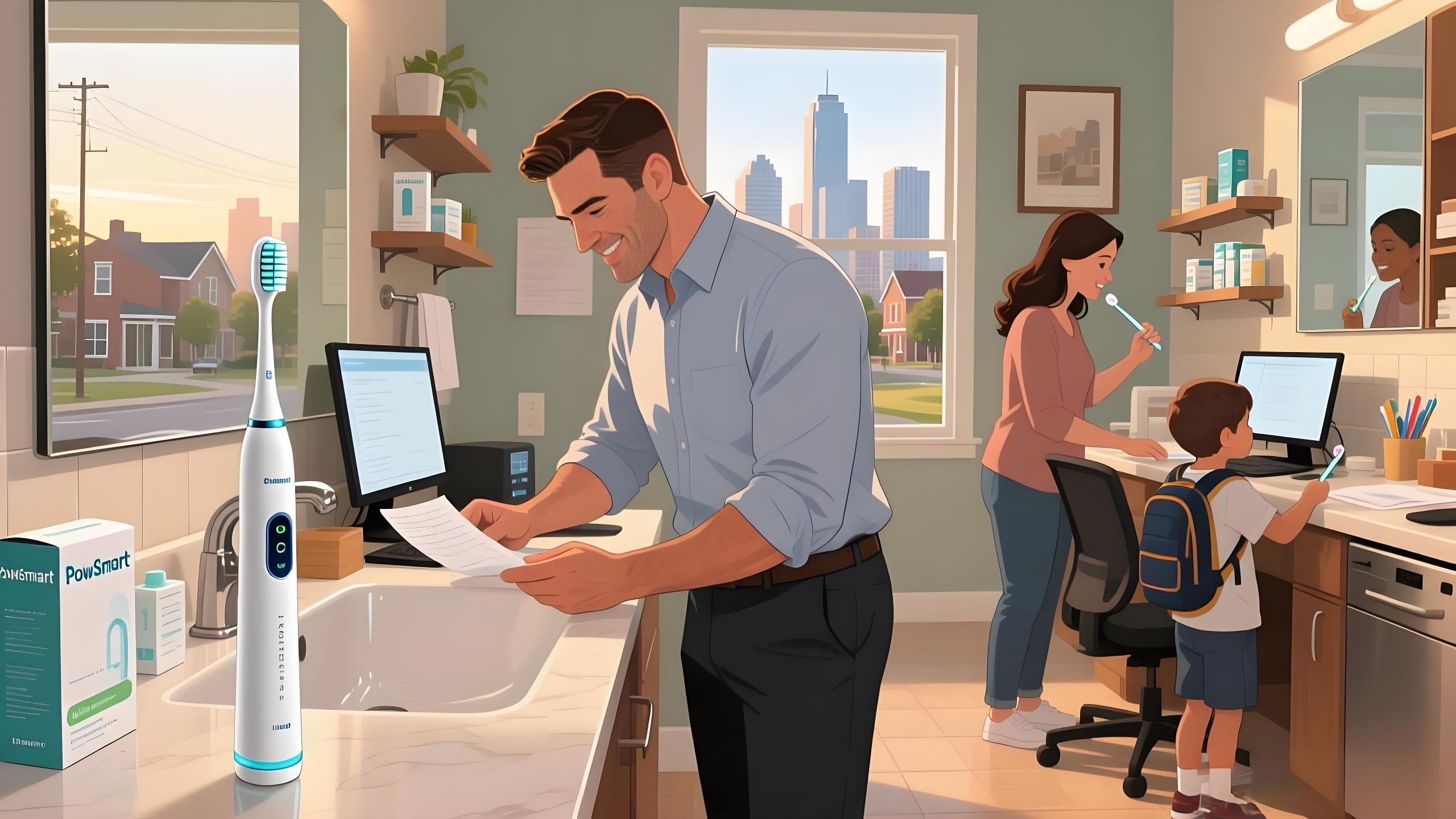
New York Electric Toothbrush Retailer Sources Electric Toothbrush from PowSmart Manufacturer in China
Bad Breath Water Flosser Solution: Beat Halitosis with Water Flossing
Why Dentist Consultations Mitigate Home Treatment Risks?
Professional Electric Toothbrush Manufacturer Guide
LED Light Sonic Toothbrush OEM
Tray Discomfort Triggering Mouth Ulcers – Coincidence?
Electric Toothbrush OEM Manufacturer Guide
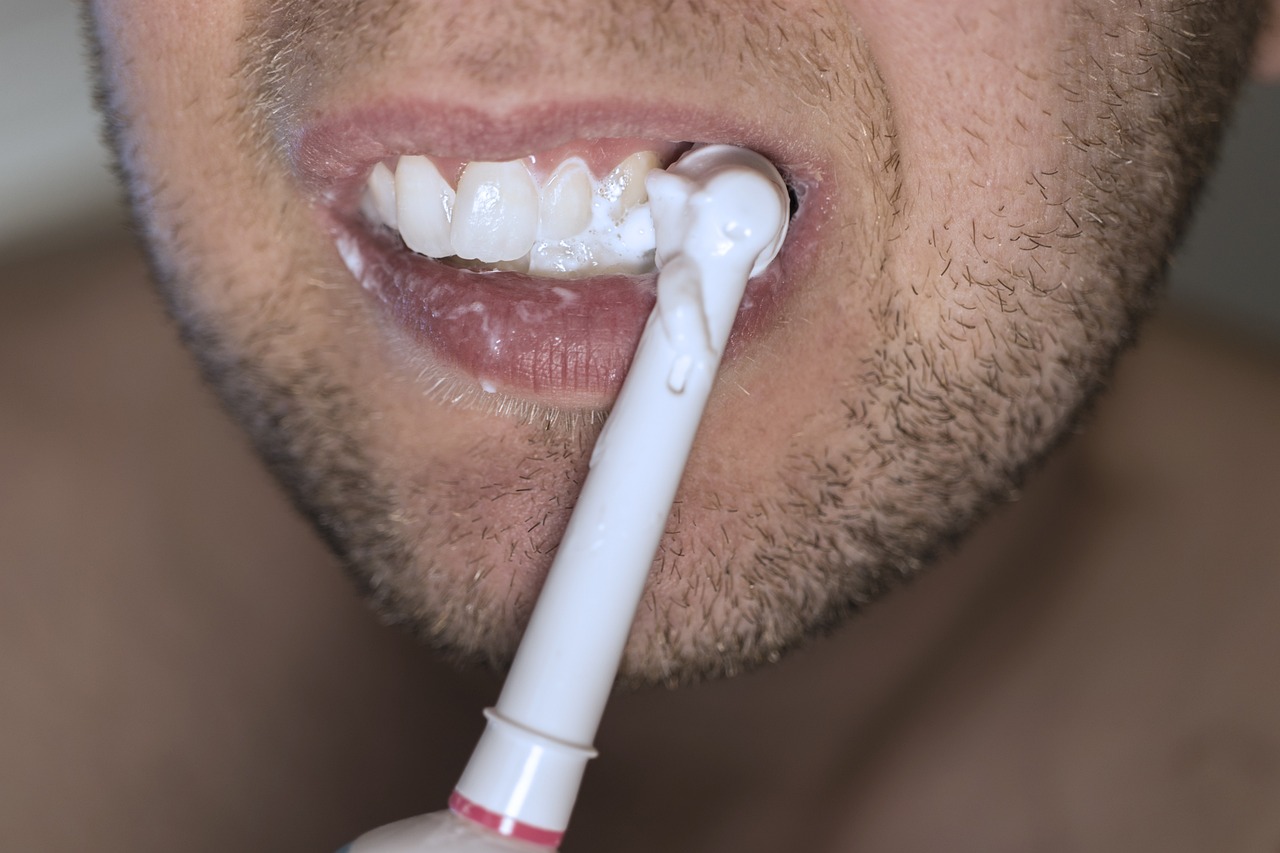
Is the Electric Toothbrush Market Growing?

Do Your Data Sovereignty Solutions Help Secure Cybersecurity Insurance Support?
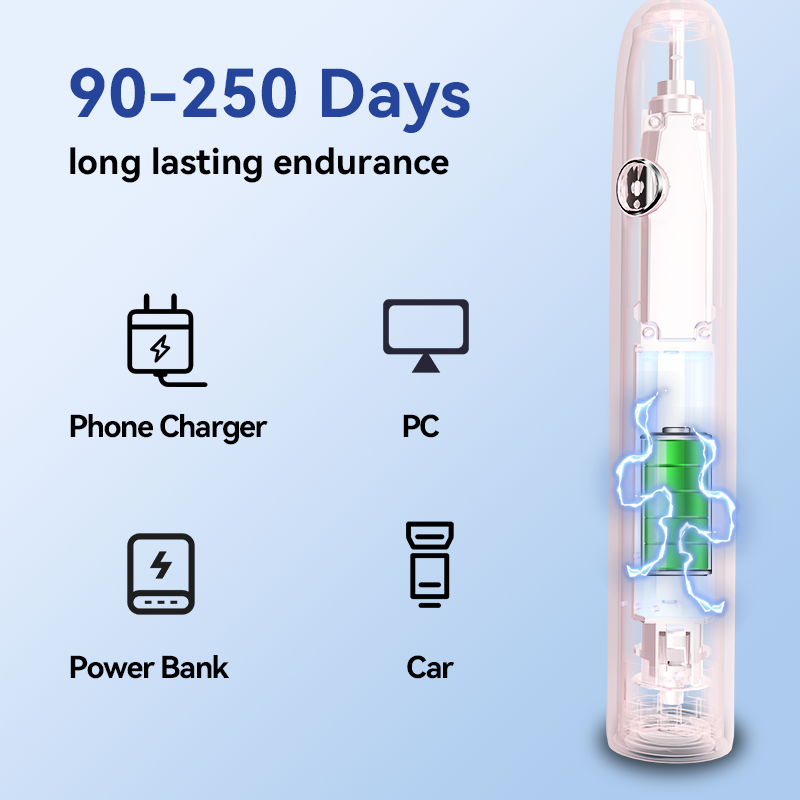
Want Hollywood smiles? Dental veneers via cosmetic dentistry — worth it?
Can Diamond-Like Carbon Coating Protect an Optical Encoder for Positioning?
soda teeth whitening guide: enamel challenges
Do Your Toothbrush OEM ODM Services Include Smart Toothbrush App Development?


.jpg)
.jpg)
.jpg)
.jpg)
.jpg)






.jpg)