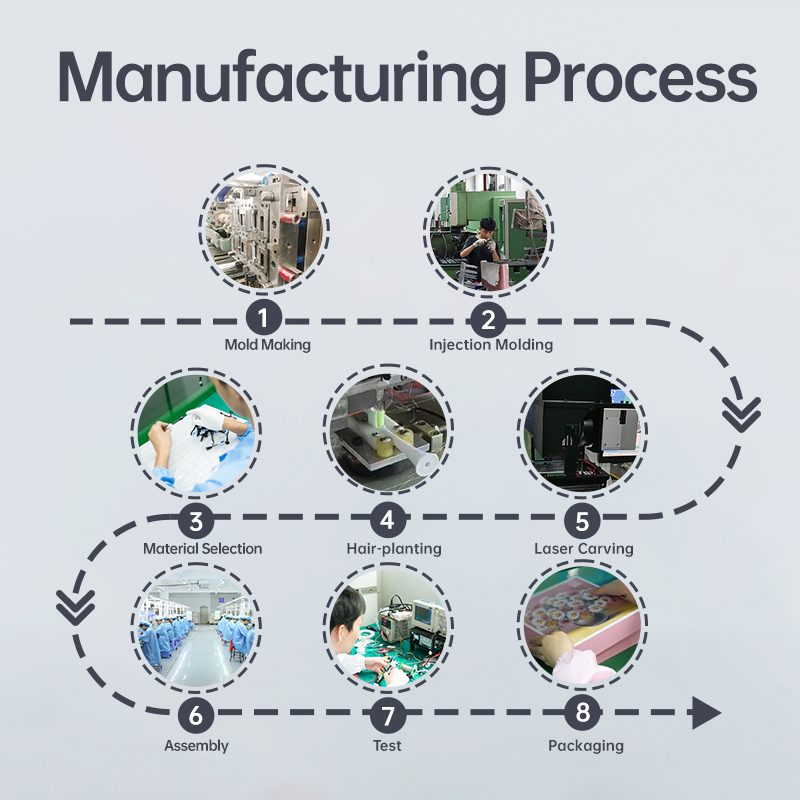
As the oral care device industry moves toward smarter and more efficient products, two recurring challenges have drawn the attention of both OEM/ODM manufacturers and end-users: weak vibration and sensor failure. While either issue alone can impact performance, their combination presents a serious threat to product reliability, user satisfaction, and brand credibility. But is this double malfunction an avoidable design flaw—or an inevitable risk of advanced technology?
Weak vibration in sonic toothbrushes or oral irrigators usually stems from:
When vibration intensity weakens, plaque removal efficiency plummets, compromising the primary function of the device. Customers may feel the product is ineffective or defective, triggering complaints and returns.
Simultaneously, sensor failure—whether pressure sensors, position detectors, or usage timers—leads to operational inaccuracy. Common reasons include:
A failed sensor may not detect excessive brushing pressure or incorrect positioning, raising the risk of gum damage and reducing brushing efficiency.
These two malfunctions are not isolated; they often occur together and amplify device dysfunction:
This double malfunction creates an unreliable, inconsistent user experience—a significant concern for premium product positioning. Company web: https://www.powsmart.com/product/electric-toothbrush/
For manufacturers, the following design and production flaws commonly contribute to this problem:
These weaknesses emerge more frequently in cost-driven or poorly controlled production processes.
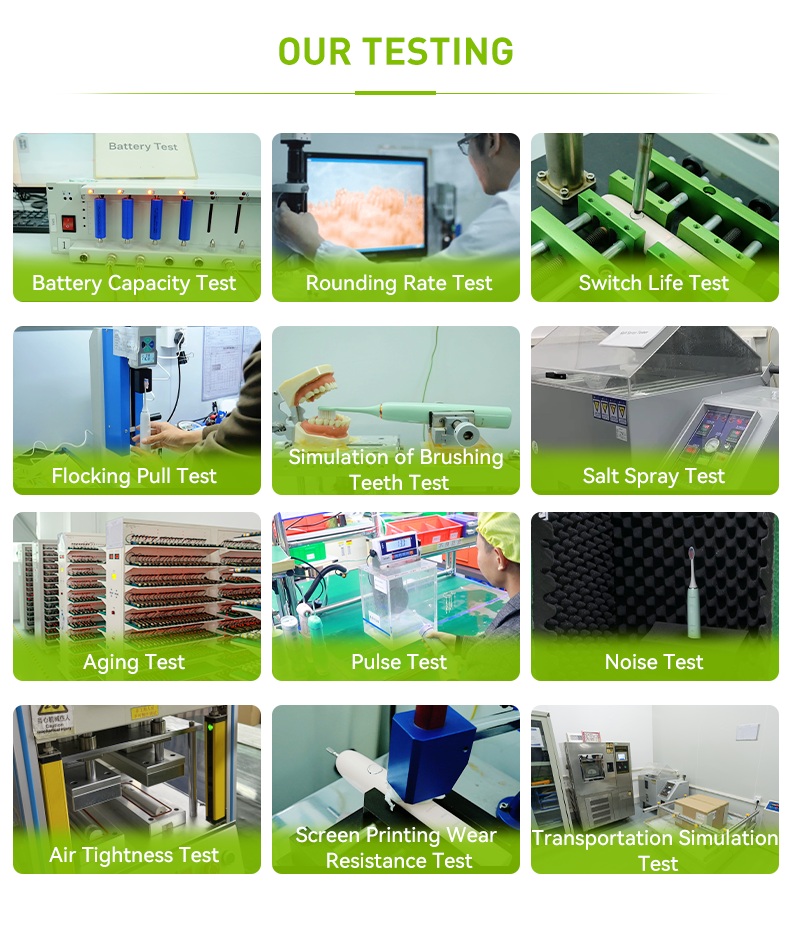
B2B suppliers can prevent weak vibration and sensor failure by:
Such improvements greatly reduce the risk of double malfunction and enhance product durability and user trust.
Emerging technologies offer solutions that directly address these dual risks:
Manufacturers who invest in these features will lead the market with reliable, advanced devices.
While weak vibration and sensor failure may seem like separate technical faults, their combination poses a critical risk to oral care device performance and brand integrity. Forward-thinking OEM and ODM manufacturers must prioritize quality materials, precision engineering, and rigorous testing to prevent this dual malfunction. Only then can products deliver on the promise of efficiency, safety, and smart functionality demanded by today’s consumers.
.jpg)
.jpg)
.jpg)
.jpg)
sonic electric toothbrush Little Rock
.jpg)
Charging Port Damage Triggering Bristle Shedding – Related?
Can Mold Development Service Reduce Costs Through Efficient Bulk Material Sourcing?
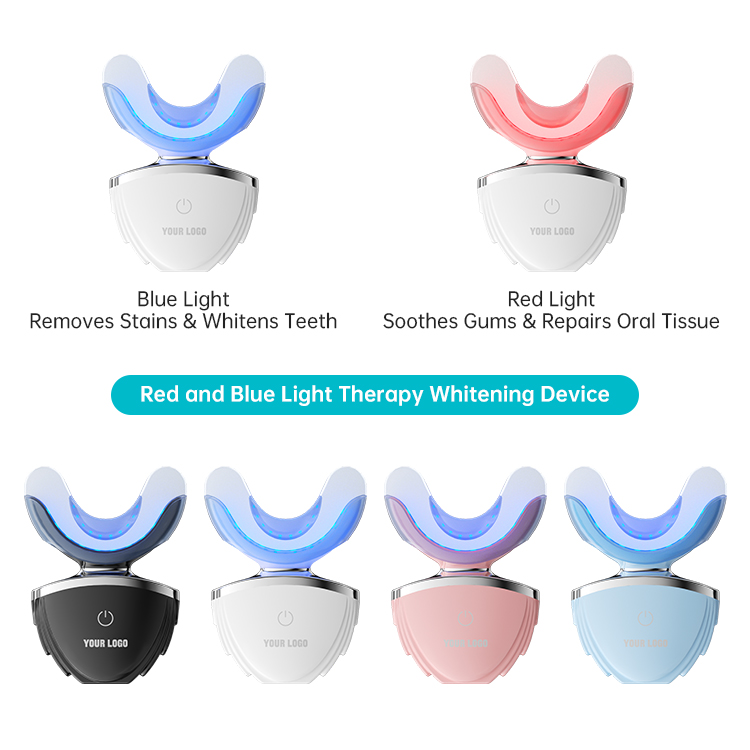
Why Pair Cosmetic Whitening Equipment with a Portable Charging Case?
Electric Toothbrush Quality Control Standards for OEM and ODM Manufacturing
How Does a Contract Manufacturing Agreement Secure a Steady Brush Head Replacement Supply?
How to Stand Out in Dallas Electric Toothbrush Wholesale Market

How to Choose an Electric Toothbrush Factory for Superior Cleaning Power?

Why Is Flow Rate Calibration Critical for a Precise Pressure Control System?
Taste Alteration After Tray Misalignment – Coincidence?
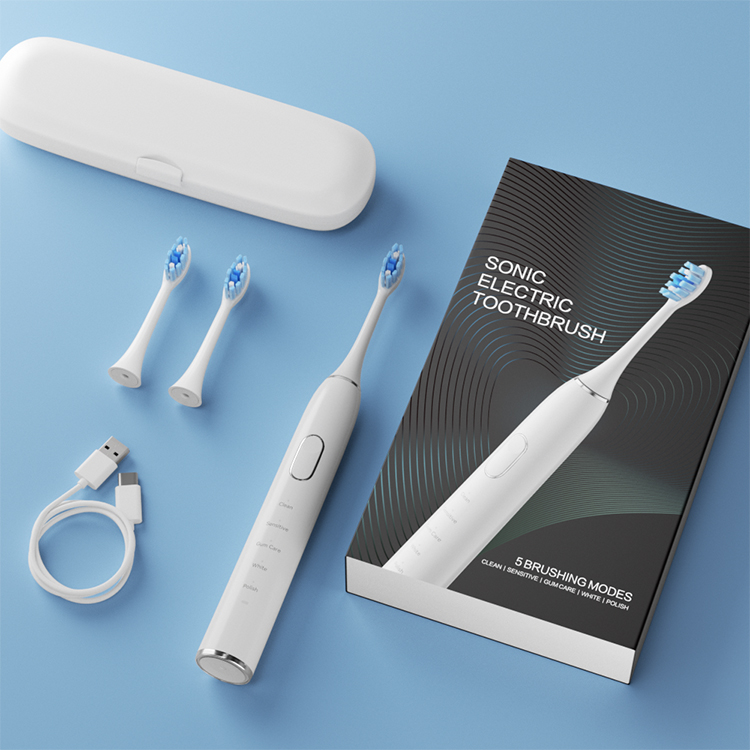
Need Packaging Customization Service for a Complete Private Label Solution?
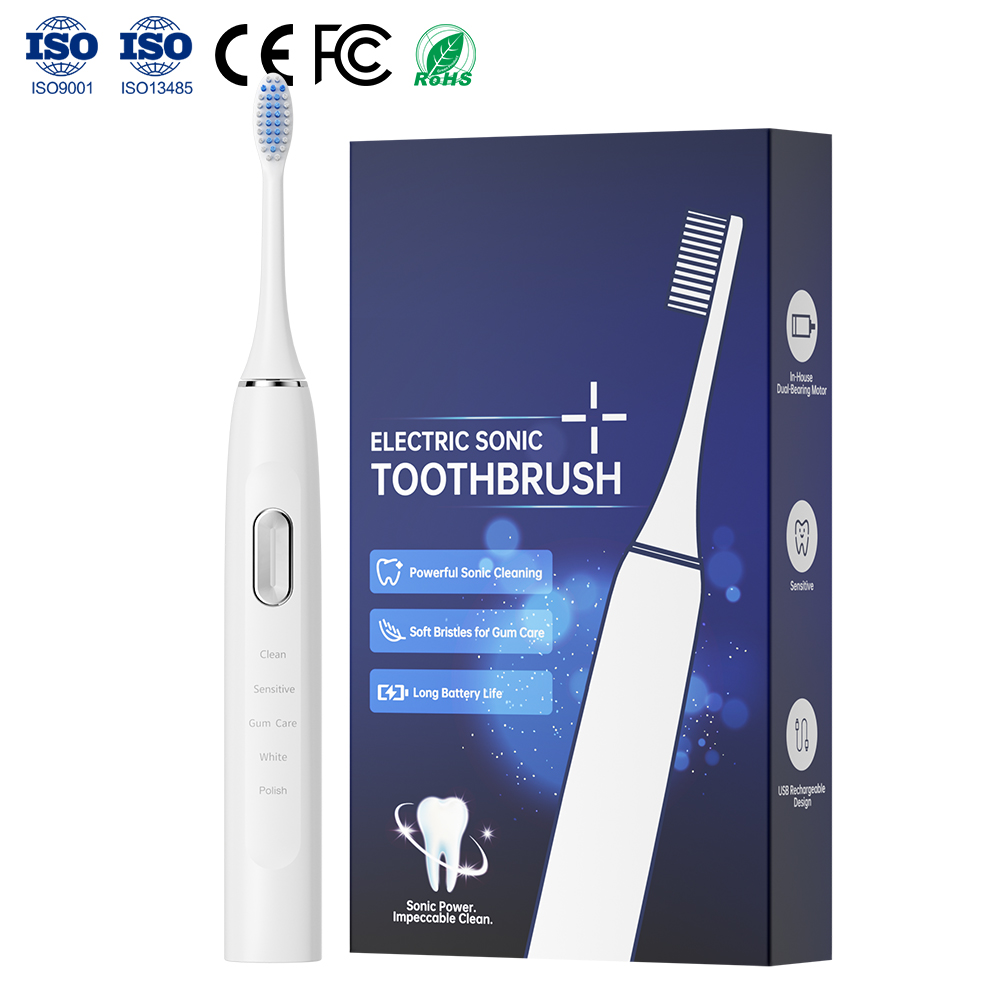
How Does Custom Handle Design Benefit from Full-scale OEM/ODM Manufacturing Capabilities?
Phoenix Electric Toothbrush Wholesale
.jpg)
Powsmart Electric Toothbrush Factory in Little Rock
Mucosal Irritation with Chemical Residues – Toxic?
Incomplete Flushing after Flow Interruption?


.jpg)
.jpg)
.jpg)
.jpg)
.jpg)





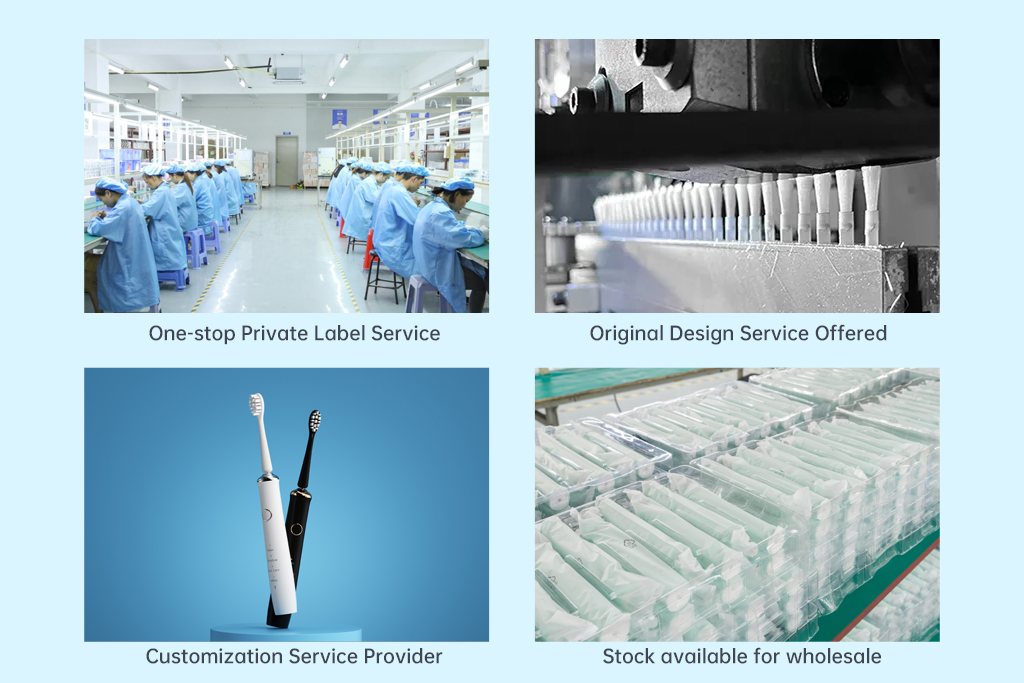
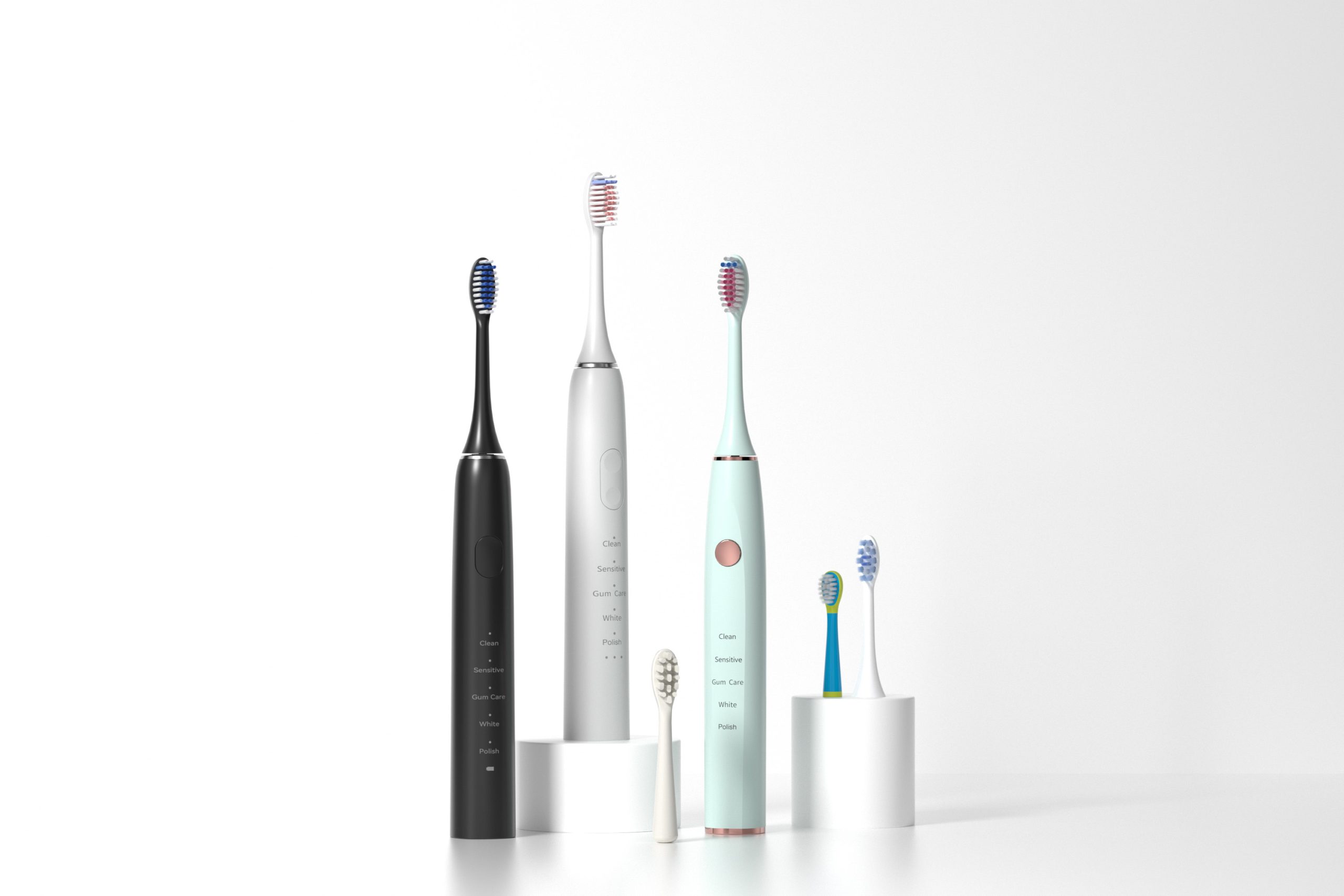


.jpg)