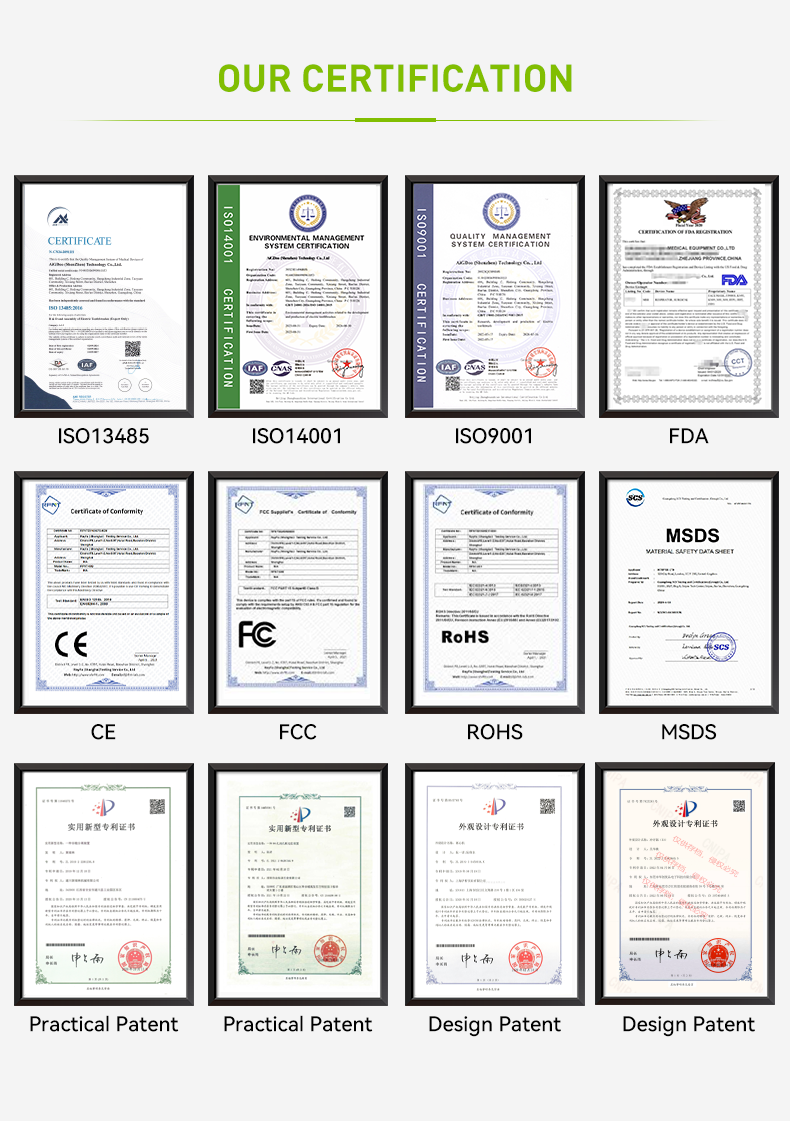
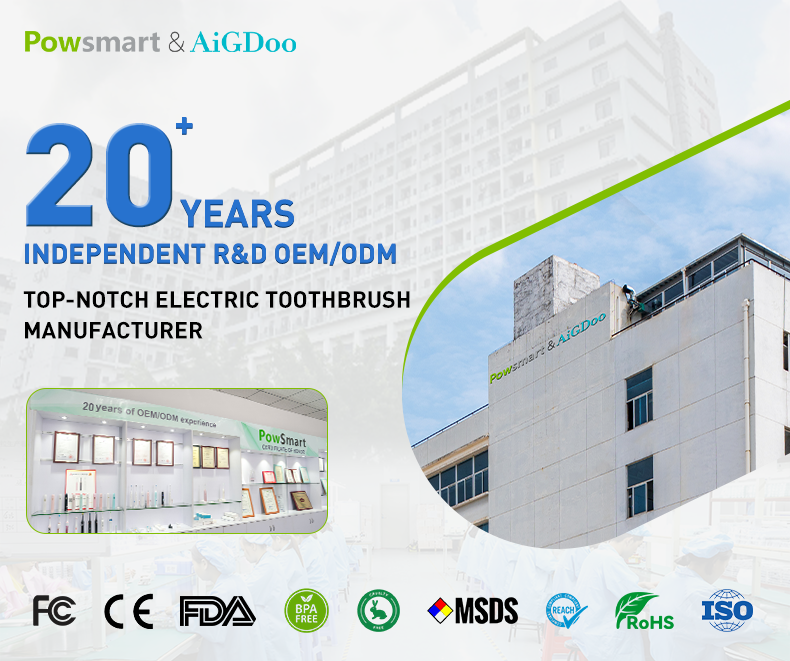
In the realm of personal care devices such as electric toothbrushes, water flossers, and oral whitening kits, the risk of mucosal irritation due to lingering chemical residues is an increasingly serious concern. While trace amounts of cleaning agents, lubricants, or manufacturing chemicals are often considered acceptable within industry standards, their cumulative effects on sensitive oral mucosa raise valid safety questions. Is this irritation merely a temporary discomfort—or a sign of potential toxicity?
Chemical residues may remain on or within devices due to several factors in manufacturing and user handling:
These residues can transfer to the oral cavity during use, potentially causing discomfort or harm.
When chemical residues contact the delicate mucosal tissues inside the mouth, several reactions may occur:
This is particularly critical for users with existing oral sensitivities, such as those undergoing orthodontic treatment or suffering from mucosal disorders.
While mild mucosal irritation may resolve on its own, repeated or high-level exposure to chemical residues poses greater risks:
Manufacturers must recognize that even low-level chemical exposure can have long-term biological impacts if not properly controlled. Company web: https://www.powsmart.com/product/electric-toothbrush/
Several production-related issues can increase the chance of residue-related irritation:
Such lapses not only compromise product safety but also risk regulatory non-compliance.
OEM/ODM manufacturers can adopt the following strategies to prevent mucosal irritation risks:
These measures ensure that end users experience both safety and comfort.
To stay ahead of evolving consumer safety demands, brands can explore:
These innovations can position manufacturers as leaders in safe, irritation-free oral care technology.
In conclusion, while occasional mucosal irritation from chemical residues might seem minor, it could indicate deeper product design or production flaws with potential toxic implications. For manufacturers, addressing these risks is not only a matter of regulatory compliance but also critical to ensuring long-term customer trust, product quality, and market competitiveness. Contact us
.jpg)
.jpg)
Water Flosser Advantages: Key Selling Points for Brands to Highlight
Benefits of Electric Toothbrushes: Why Brands Should Invest in electric toothbrush Quality Manufacturing
.jpg)
Pulse Instability with Noise Spikes – Motor Dying?

Why Is Flow Rate Calibration Critical for a Precise Pressure Control System?
.jpg)
Powsmart Electric Toothbrush Factory in Little Rock
Austin Electric Toothbrush Wholesale | Retail Growth Guide
Common Electric Toothbrush Issues & How Factories Can Prevent Them
Phoenix Electric Toothbrush Wholesale
Competitive Water Flosser Features That Drive Sales
Electric Toothbrush Product Customization for OEM and ODM Brands
Can Mold Development Service Reduce Costs Through Efficient Bulk Material Sourcing?
Taste Alteration After Tray Misalignment – Coincidence?
Need Packaging Customization Service for a Complete Private Label Solution?
San Diego Electric Toothbrush Wholesale
How to Stand Out in Dallas Electric Toothbrush Wholesale Market
.jpg)
sonic electric toothbrush Little Rock


.jpg)
.jpg)
.jpg)
.jpg)
.jpg)