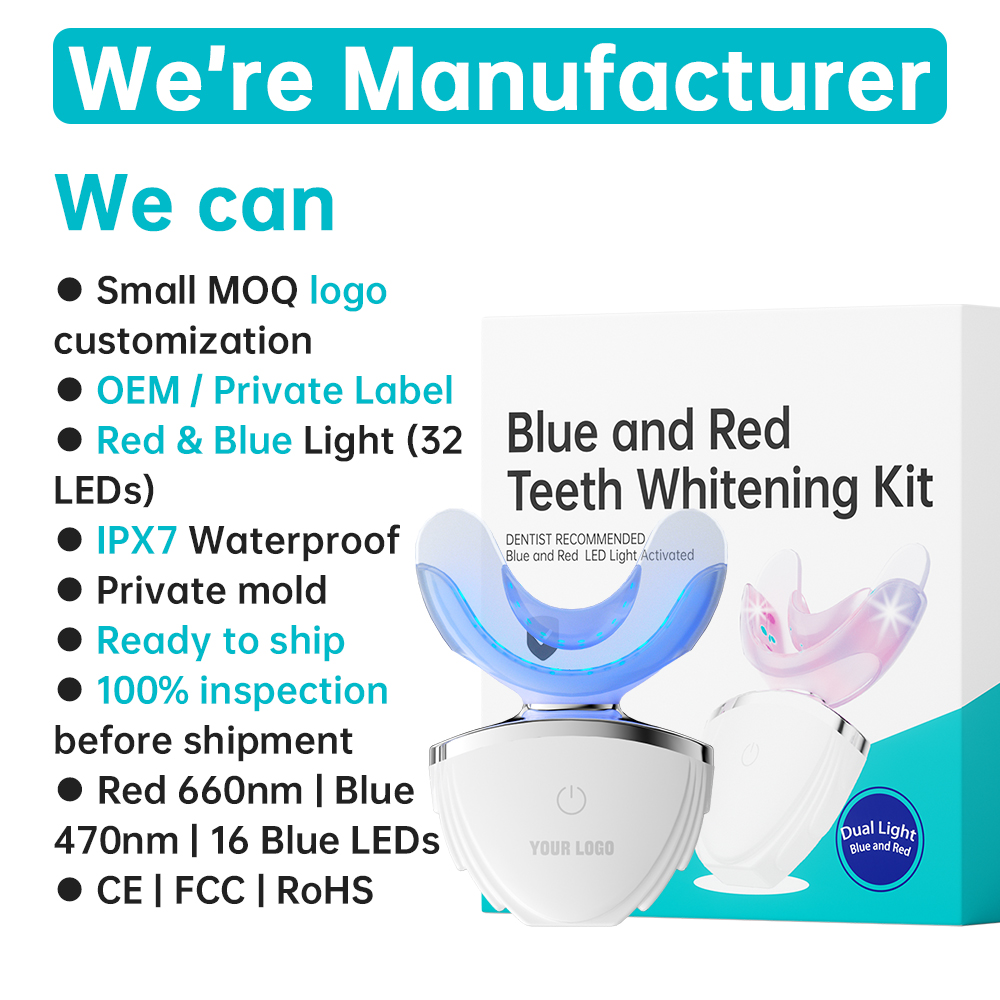
In the competitive world of oral care device manufacturing, even minor design or production flaws can trigger unexpected user complaints. Recently, customer feedback has highlighted a curious pairing: taste alteration following tray misalignment in teeth whitening kits. While it may seem like a coincidence, this phenomenon deserves closer inspection from both a design and safety perspective. Could this be an early warning sign of deeper product faults?
Tray misalignment typically refers to a whitening tray failing to properly conform to the user’s dental arch. This issue can stem from:
A misaligned tray does not sit flush with the teeth, resulting in improper distribution of whitening gel across the enamel surface.
When a whitening tray fits poorly, taste alteration becomes a likely side effect for several reasons:
Such chemical exposure can result in a temporary or, in severe cases, prolonged disruption of taste function. Company web: https://www.powsmart.com/product/electric-toothbrush/
For end users, the combination of tray misalignment and taste alteration quickly translates into dissatisfaction:
For B2B manufacturers, these reactions mean increased returns, warranty claims, and potential damage to brand reputation, especially in premium market segments.
Several upstream factors contribute to this linked issue:
The lack of synergy between tray design and gel formulation magnifies the problem.
To avoid the risk of tray misalignment and its side-effect, taste alteration, manufacturers can:
These measures reduce the likelihood of poor tray performance and protect end-user sensory comfort.
Advanced innovations promise better outcomes in tray-based whitening:
B2B brands adopting these solutions will set new standards for both safety and user satisfaction.
The occurrence of taste alteration following tray misalignment is far from random—it signals deeper design and production weaknesses that demand attention. For manufacturers, addressing this issue isn’t simply about aesthetics or taste—it’s about trust, product reliability, and market competitiveness. By tackling this hidden link head-on, OEM and ODM suppliers can deliver whitening products that truly meet modern consumer expectations for both performance and comfort. Contact us

.jpg)
San Diego Electric Toothbrush Wholesale
Motor Jamming with Overheating Alerts – Linked?
How to Stand Out in Dallas Electric Toothbrush Wholesale Market
.jpg)
sonic electric toothbrush Little Rock

The Rising Market Potential of At-Home Teeth Whitening Devices
Fort Worth Electric Toothbrush Wholesale
Electric Toothbrush Quality Control Standards for OEM and ODM Manufacturing
How Does a Contract Manufacturing Agreement Secure a Steady Brush Head Replacement Supply?
Rechargeable Electric Toothbrush Factory for OEM and ODM Production
.jpg)
Water Flosser Advantages: Key Selling Points for Brands to Highlight
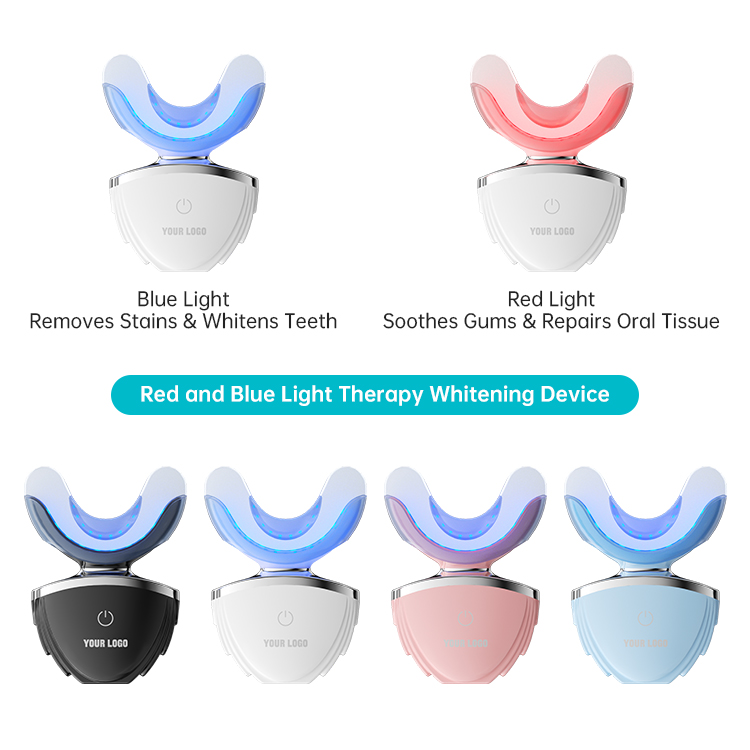
Why Pair Cosmetic Whitening Equipment with a Portable Charging Case?
San Antonio Electric Toothbrush Wholesale
How Can Dental Clinic Partnerships Promote Your Professional Whitening Kit?
How Do Quality Control Protocols Contribute to Rigorous Quality Assurance?
Can Mold Development Service Unlock a Truly Unique Custom Branding Solution?
Water Splashing plus Handle Slippage – Design Flaw?


.jpg)
.jpg)
.jpg)
.jpg)
.jpg)



.jpg)