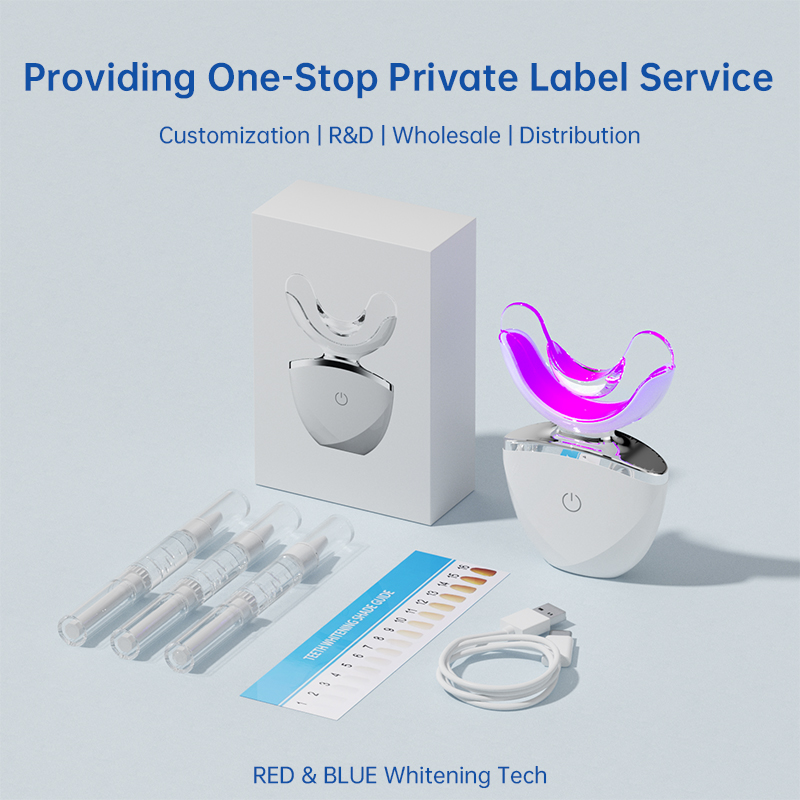
As teeth whitening solutions continue to evolve, safety has become just as important as effectiveness. Blue LED Technology is widely adopted in modern whitening devices not only for its activation efficiency but also for its role in supporting Gum Protection. For B2B manufacturers and OEM partners, understanding how blue light interacts with whitening systems is essential for delivering safe, compliant, and user-friendly products.
Blue LED Technology operates within a specific wavelength range designed to activate whitening agents efficiently. This controlled output limits unnecessary exposure, helping ensure Gum Protection during the whitening process.
Compared to other light sources, Blue LED Technology produces minimal heat. Lower thermal output reduces the risk of gum irritation, supporting safer whitening treatments and enhanced Gum Protection.
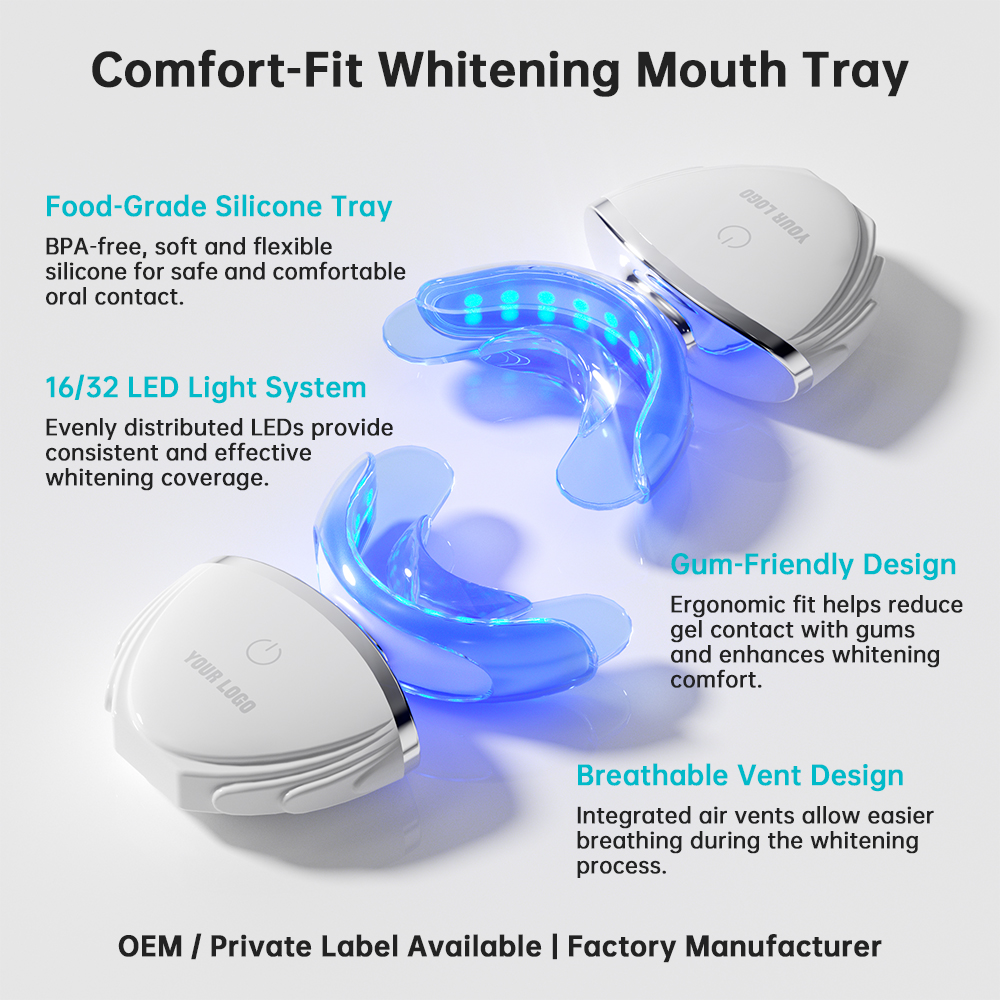
Uniform light distribution ensures consistent whitening results without overexposing sensitive areas. Optimized LED Technology allows focused illumination on teeth surfaces while minimizing contact with gum tissue.
LED Technology works effectively with low-sensitivity gels. This compatibility enables manufacturers to design systems that balance whitening performance with Gum Protection for users with sensitive oral tissues.
Efficient activation means whitening sessions can be shorter. By reducing exposure time, LED Technology further contributes to Gum Protection while maintaining effective results.
Products incorporating Blue LED Technology are easier to align with safety and compliance requirements. For OEM brands, this reinforces Gum Protection claims and strengthens market acceptance.
Blue LED Technology plays a vital role in ensuring Gum Protection in modern whitening devices. Through controlled wavelengths, low heat output, and precise activation, it enables manufacturers to deliver whitening solutions that are both effective and safe. For B2B manufacturers and OEM partners, this balance is key to building trusted, high-quality whitening products. Contact us
.jpg)
Professional vs. Home Use: Key Technical Differences in Teeth Whitening Blue Lights
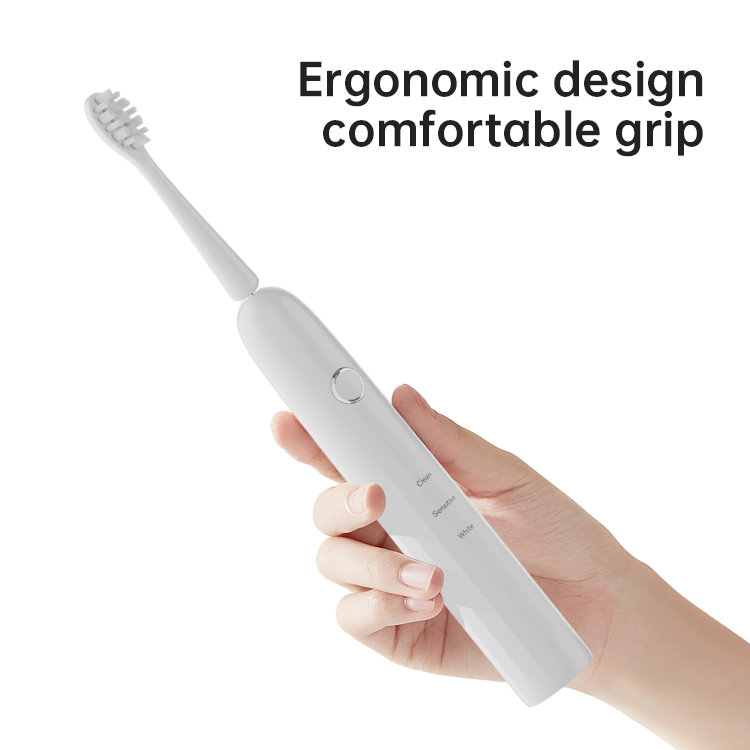
Optimizing Electric Toothbrush Shape: An OEM Guide to Grip and Maneuverability

The Science Behind Cold Light Teeth Whitening: How Wavelength Impacts Whitening Results
.jpg)
Why choose a US toothbrush distributor for ADA toothbrush compliance?
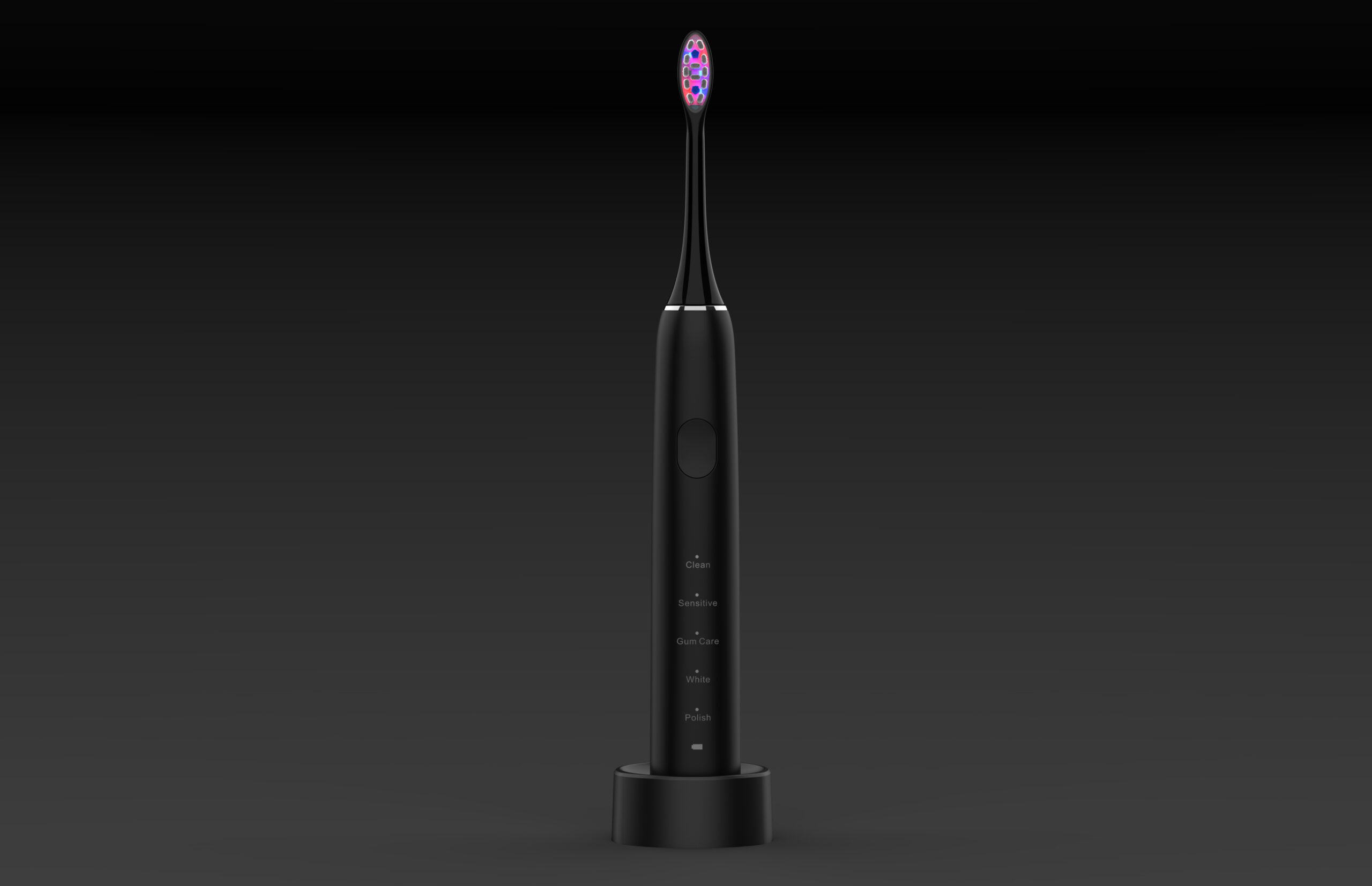
Does Your Rechargeable Battery Solution Support the Power Needs of an LED Display Module?
.jpg)
How Do CIE Whiteness Index Measurements Account for Hue Saturation Lightness in Whitening Results?
.jpg)
Is Dental tourism viable for Kirkland services?
.jpg)
Composite Fillings Whitening Guide | What Happens to Fillings During Whitening
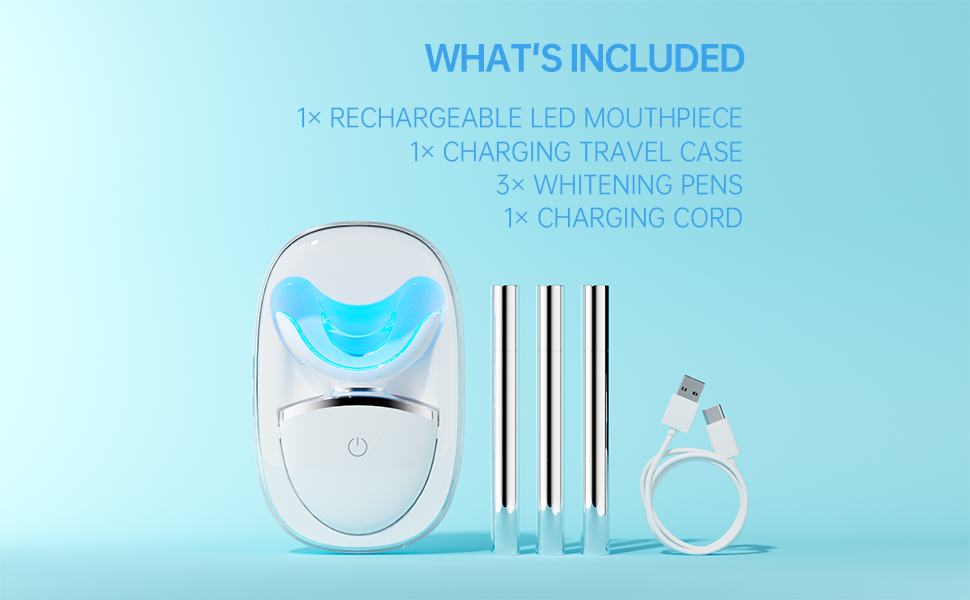
LED Teeth Whitening Kits: Maximizing Value with the Right OEM Partner

Navigating Toothbrush Import Regulations: What Every Buyer Should Know?

Combine Custom Packaging Toothbrush OEM with a Branded Water Flosser Minimum Order for a Unified Launch?
Does Your Salon Whitening Device Have the Necessary Whitening Kit Certification?
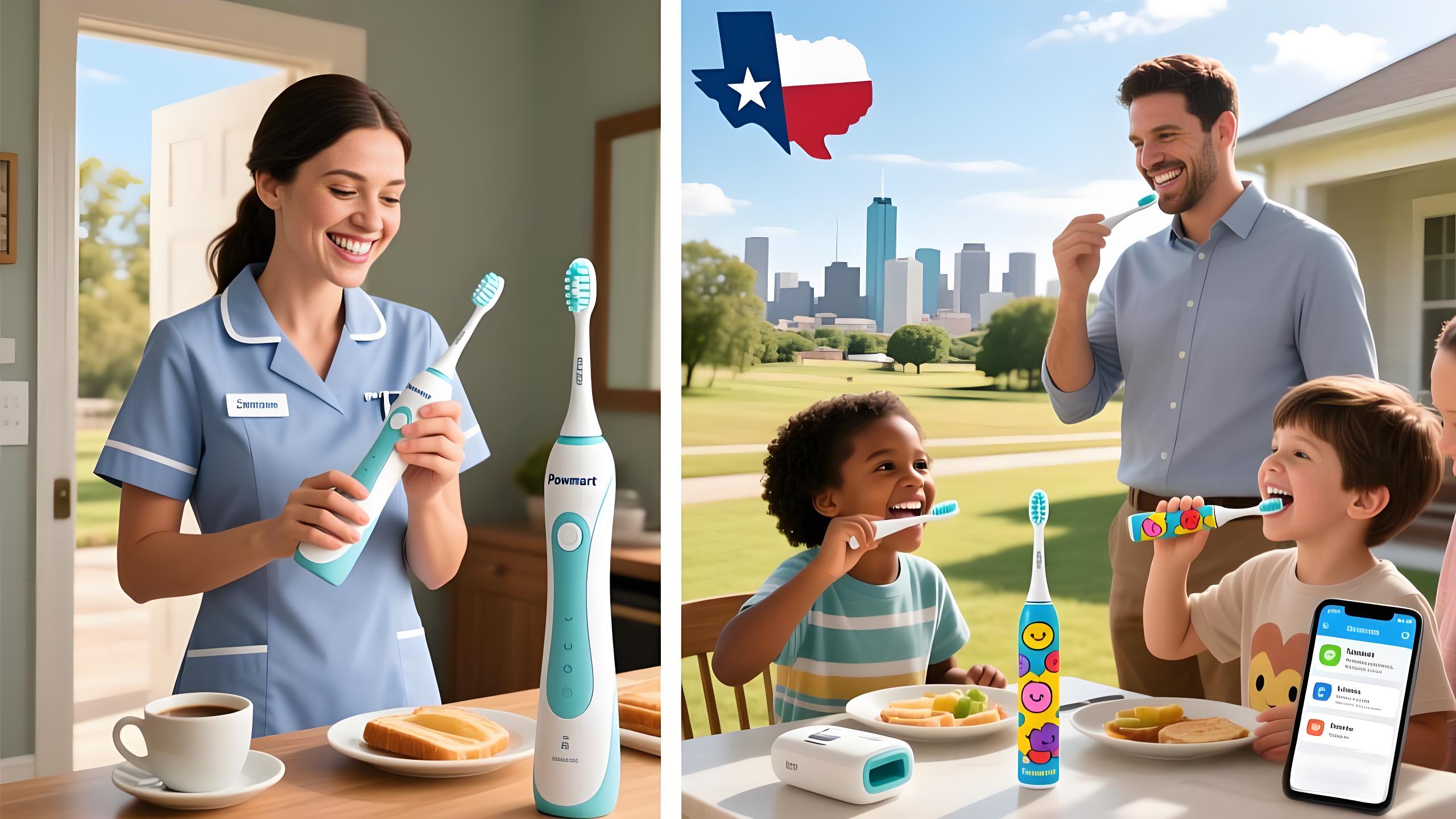
Kids Electric Toothbrush Wholesale USA – Safe & Fun Bulk Supply for Retail & Schools
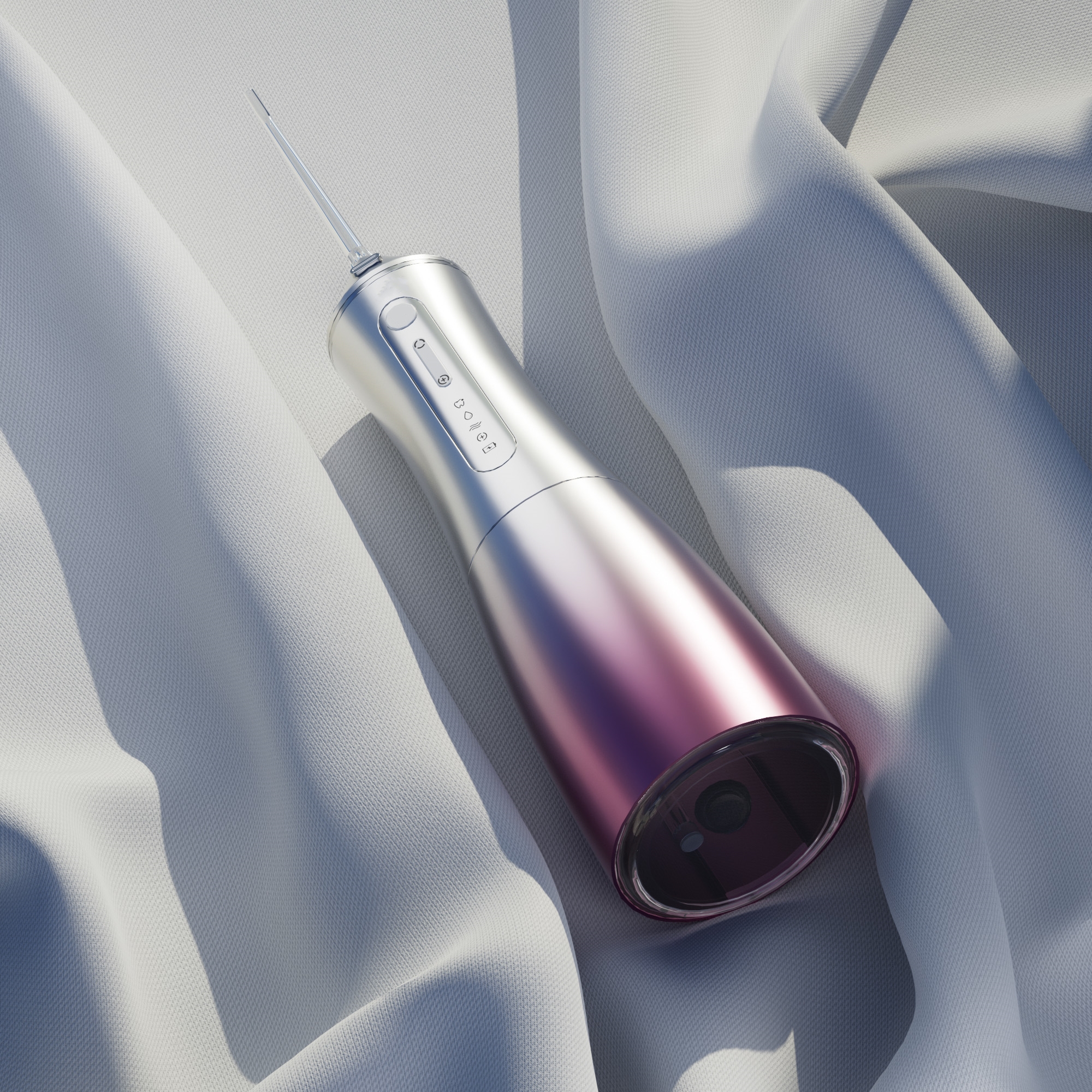
What Makes a High-Quality Water Flosser? Material Choices for Durability and Performance
.jpg)
Ergonomic Handle Designs in Electric Toothbrushes: A Key Differentiator for Brands
Waterproof IPX7 Toothbrush OEM | Durable Sonic Brush for Wet-Use Environments


.jpg)
.jpg)
.jpg)
.jpg)
.jpg)