For B2B buyers—retail buyers, procurement teams, and OEM partners—the sticker price of a toothbrush handle is only part of the story. Ongoing Replacement Cost for brush heads strongly shapes consumer behavior, subscription economics and clinic acceptance. In fact, the perceived upfront value of a handle and the true Long-Term Value of a product are often decided by how economical and convenient it is to keep replacing heads. Below are six pragmatic manufacturer-focused angles to help you design, price and commercialize a toothbrush lineup that wins both at shelf and over years of ownership.
First, purchasers think in lifetime dollars. A low handle ASP with expensive heads can be a false bargain; conversely, a premium handle with low head cost can prove economical. Therefore calculate and communicate simple TCO metrics: e.g., “Equivalent to $0.10/day for 1 year with recommended head-change cadence.” This transparent math makes Replacement Cost tangible to distributors and procurement teams and helps sales compare SKUs fairly.
Next, head engineering drives cost: tuft materials, filament tapering, polishing inserts, head molding complexity and embedded electronics (e.g., NFC tags) each add to BOM. While advanced heads can improve clinical performance or perceived quality, they raise replacement price. Thus, co-design heads with product positioning in mind: keep an economic core head for mass channels and offer performance heads for premium tiers. That way you protect Long-Term Value across segments.
Moreover, platform choices matter. Proprietary spline designs lock users into OEM refills (higher refill margin, but higher perceived replacement cost). On the other hand, cross-compatible interfaces lower consumer replacement friction and can increase refill velocity at lower margins. For manufacturers, pick a strategy: maximize aftermarket margin with closed platforms, or maximize market share and refill volume with compatibility—each path influences retailer buy-in and subscription take rates.
Furthermore, replacement head cost is a supply-chain story. Supplier consolidation, tool optimization, multi-year forecasts, and dual-sourcing critical components (filament, spline, insert) reduce unit price and risk. In addition, invest in DFA to reduce assembly labor and QC gates to avoid rework that increases per-head cost. These controls let you offer attractive refill pricing while maintaining head quality—directly improving perceived Long-Term Value.
Also, commercial programs shape how replacement cost is perceived. Bundles, first-refill discounts, and subscription pricing smooth the buyer’s pain of replacement spend. For example, a subscription with predictable monthly billing reduces sticker-shock and increases lifetime revenue. Furthermore, tie reminders and one-tap reorder flows in app or on-pack to increase conversion; a small decrease in perceived Replacement Cost friction can lift refill attach substantially.
Finally, environmental and after-sales considerations influence buying decisions. Using recycled plastics or offering head take-back/recycling programs can reduce perceived waste and justify a modest premium in certain channels. Meanwhile, clear warranty and replacement policies (e.g., swallow defective head replacements quickly) reduce support costs and preserve brand trust. Altogether, sustainable design and transparent service improve the product’s true Long-Term Value beyond simple per-head price.
Conclusion:
Yes — Replacement Cost is a fundamental purchase factor and one of the strongest levers to influence Long-Term Value. For B2B teams, that means designing heads, supply chains, and commercial programs together: optimize for a head price customers will accept, then monetize the ongoing relationship with subscriptions, bundles and sustainability. Get that balance right and your toothbrush becomes not just a one-time sale, but a durable source of recurring, defensible revenue. Contact us
.jpg)
.jpg)
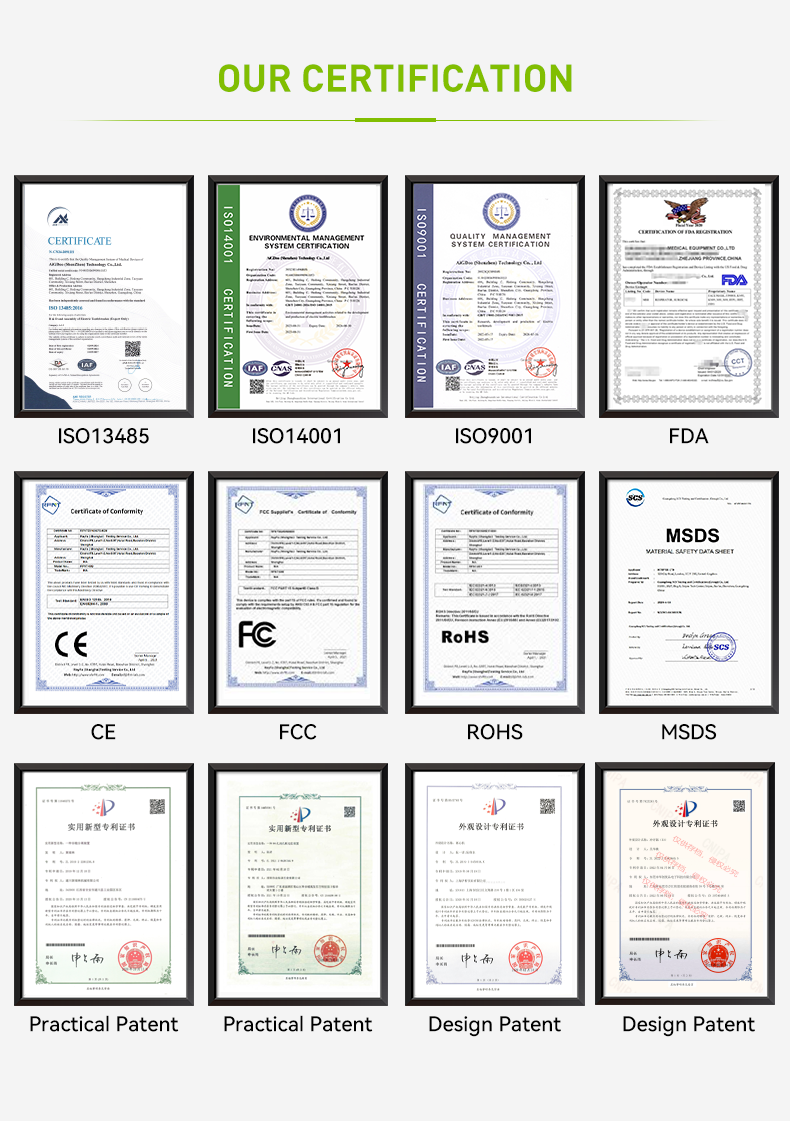
Is the Specific LED Wavelength the Key to Being Truly Enamel Safe?
.jpg)
Reviewing a Toothbrush Supplier Portfolio?
.jpg)
Is Your Kids’ Electric Toothbrush Too Loud?
How to Make Your Own Electric Toothbrush
.jpg)
Senior-Friendly Electric Toothbrush OEM: Accessible Oral Care
Does Your Water Flosser OEM Partner Guarantee ADA Certification?
.jpg)
Oakland toothbrush deals — can you claim a California tax-free benefit?

Electric Toothbrush Manufacturing Process

Is the Gujarat travel toothbrush truly a Durable travel toothbrush?

How to Secure the Best Wholesale Price for Electric Toothbrush Export?
OEM smart toothbrush manufacturer
Electric Toothbrush for Senior Living Facilities | Gentle & Easy-Care Design
.jpg)
Is the tongue cleaner on the back of the toothbrush useful?

How to choose a reliable electric toothbrush factory?
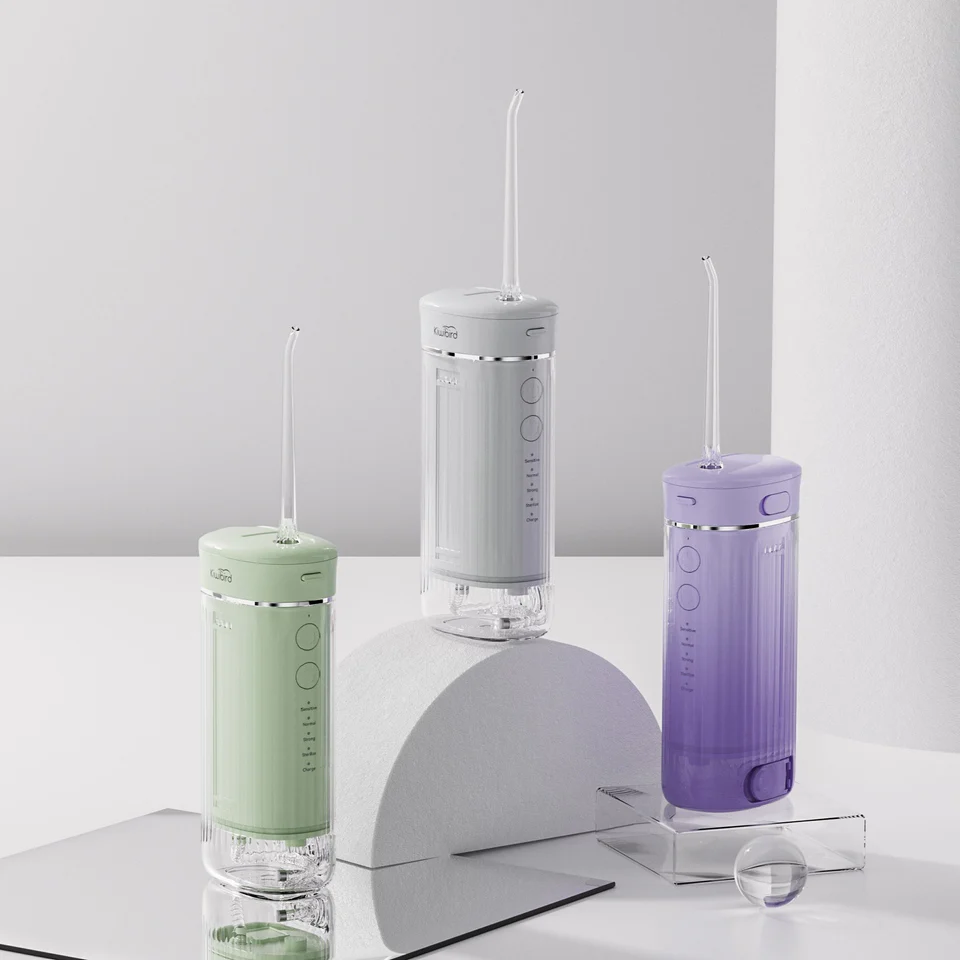
Tips for Preventing Mold in Water Flosser Tanks
China Electric Toothbrush Factory Shipping Seattle Port | Reliable Supply


.jpg)
.jpg)
.jpg)
.jpg)
.jpg)