
electric toothbrush certification is a critical step for brands planning to enter international oral care markets through OEM or ODM production.
For B2B buyers, certification is not only a regulatory requirement. More importantly, it determines whether products can be legally sold, distributed, and scaled across different regions. Therefore, understanding certification pathways early reduces risk and delays.
Electric toothbrushes are classified as consumer electrical devices. As a result, safety, electromagnetic compatibility, and material compliance must be addressed.
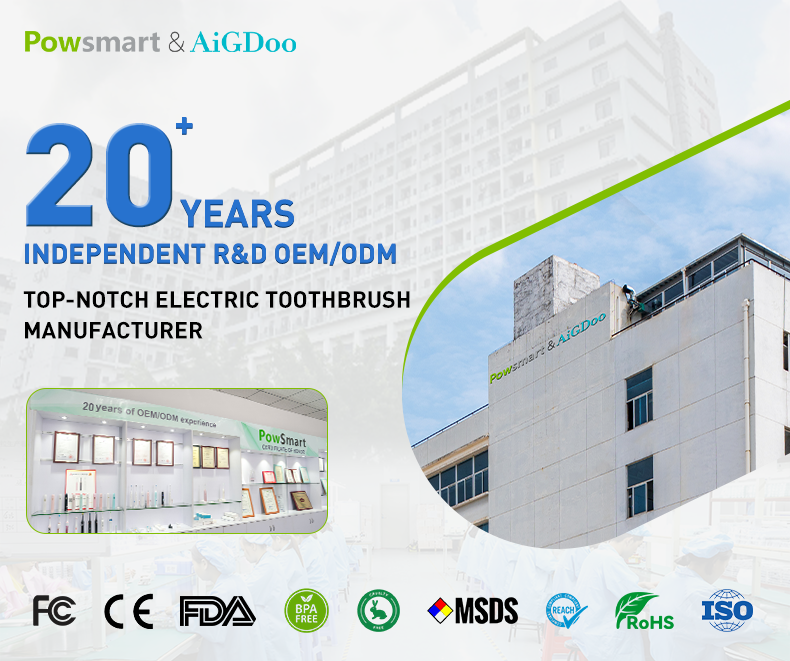
In the European market, CE compliance is required. This includes electrical safety and EMC testing. Meanwhile, RoHS focuses on hazardous substance restrictions.
For North America, FCC compliance ensures that electromagnetic emissions meet regulatory limits. Each certification targets a specific risk area.
Certification planning should begin during the design stage. Component selection, circuit layout, and housing structure directly affect test results.
Therefore, experienced manufacturers integrate compliance considerations into engineering decisions. As a result, redesign costs are minimized later.
In addition, documentation such as technical files and risk assessments is prepared alongside product development.
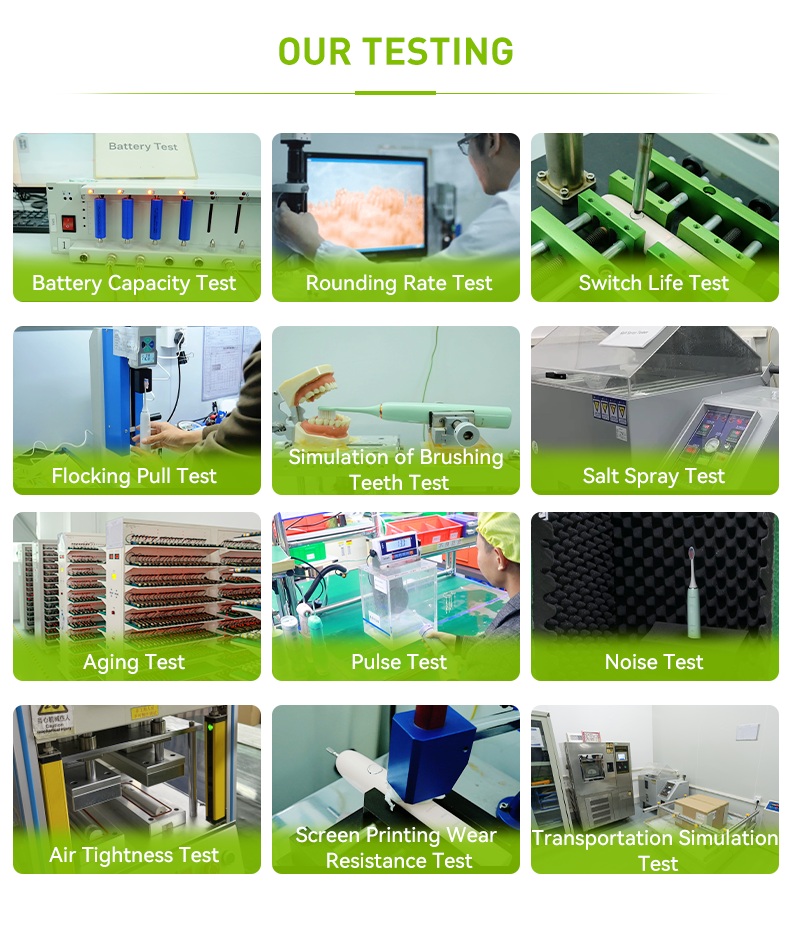
Testing is conducted through accredited laboratories. Products undergo electrical safety, EMC, and material testing based on target markets.
Because multiple tests may be required, timeline coordination is essential. Early sample validation helps avoid repeated testing cycles.
Consequently, brands that involve certification planning early achieve faster market entry.
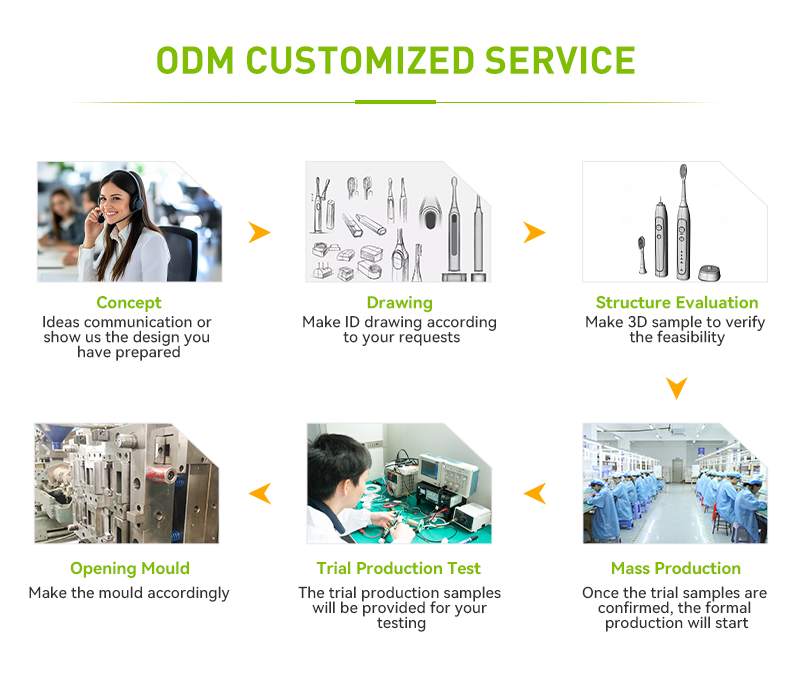
OEM and ODM factories with certification experience provide technical support throughout the process. Test samples are prepared according to laboratory requirements.
Furthermore, manufacturers assist with documentation and corrective actions if test issues occur. This reduces internal workload for brand owners.
Certification is not a one-time task. Product updates, component changes, or design modifications may require reassessment.
Therefore, traceable documentation and version control are important. Factories with structured compliance systems support long-term certification maintenance.
You can explore electric toothbrush manufacturing projects with integrated compliance support at
👉 https://www.powsmart.com
For official regulatory guidance, brands often reference the European Commission CE framework:
👉 https://ec.europa.eu
Proper electric toothbrush certification ensures legal market access, reduces compliance risk, and supports long-term global expansion for B2B brands.


.jpg)
Explore the Best Electric Toothbrushes from PowSmart, China’s Leading Manufacturer
Discover the Ultimate Oral Care Solution with PowSmart Electric Toothbrushes
Unleash the Power of Oral Health: Discover PowSmart Electric Toothbrushes from China
Discover the Ultimate Oral Care Solutions with PowSmart Electric Toothbrushes
What is the Market Outlook for Supplying Electric Toothbrushes to Hotels & Hospitals?
Discover the Best Electric Toothbrushes from PowSmart: Your Ultimate Oral Care Solution
Unveiling the Power of PowSmart Electric Toothbrush: The Ultimate Oral Care Solution from China
PowSmart: Leading Electric Toothbrush Manufacturer in China for the US Market
Discover the Best Electric Toothbrushes from PowSmart: Your Ultimate Oral Care Solution
Discover the Ultimate Electric Toothbrush Manufacturer: PowSmart from China
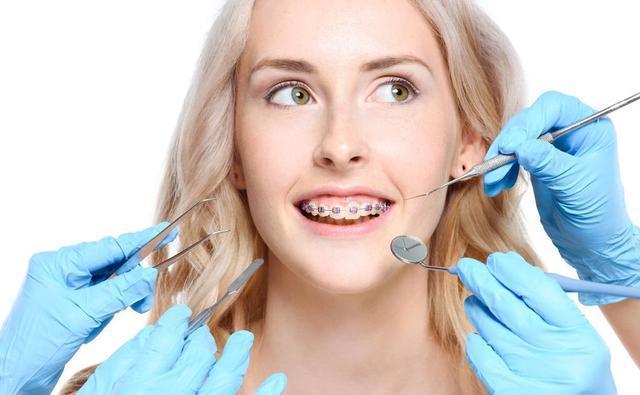
Does Braces Cleaning Electric Toothbrush Cause Sensor Failure?
.jpg)
40,000 VPM Smart Sonic Toothbrush OEM: High-Frequency Cleaning Technology
Discover the Best Electric Toothbrushes from PowSmart: Your Ultimate Oral Care Solution
PowSmart: Top Electric Toothbrush Manufacturer in China for the US Market
PowSmart: Your Ultimate Electric Toothbrush Manufacturer in China
Discover the Best Electric Toothbrushes from PowSmart: Your Ultimate Oral Care Solution


.jpg)
.jpg)
.jpg)
.jpg)
.jpg)



.jpg)
.jpg)
.jpg)