As the oral care market evolves, hygiene expectations for devices like water flossers have increased significantly. Modern consumers seek Water flosser sterilization function that ensures safety, cleanliness, and reliable long-term performance. Two popular sterilization methods have emerged: UV sterilizing water tanks and silver ion nozzles. But how do they compare in terms of effectiveness and cost? In this article, we break down the pros and cons of each sterilization method through a comprehensive structure that includes microbial testing results, long-term maintenance needs, and cost-performance analysis.
As more consumers adopt water flossers for daily oral care, concerns about microbial buildup inside the device—especially in water tanks and nozzles—are growing. Traditional cleaning methods are often insufficient, driving demand for integrated bacteria-free water flosser technology that ensures daily hygiene with minimal user effort.
Leading manufacturers are now incorporating UV and silver ion technologies into their products. But how do these solutions stack up?
UV sterilizing water tanks use ultraviolet light—typically UV-C—to kill bacteria, viruses, and fungi by disrupting their DNA.
Advantages include:
High sterilization rate (up to 99.9% effectiveness based on microbial testing)
Non-chemical, residue-free process
Automatic activation during or after use
UV sterilization is particularly effective in humid tank environments where microbes thrive. However, the cost of integrating UV LED modules and the need for power source design increase the unit’s complexity and price.
Silver ion nozzles utilize coatings or embedded materials infused with silver ions, which are known for their long-term antibacterial properties.
Advantages include:
Continuous passive sterilization during storage and use
Cost-effective compared to UV modules
No energy consumption or mechanical parts
While silver ion solutions are generally less aggressive than UV-C in instant kill-rate, they are effective for reducing microbial growth over time, particularly on surfaces in frequent contact with water.
Recent microbial testing comparing UV sterilization and silver ion coatings has shown:
| Method | Immediate Bacteria Reduction | Long-Term Prevention | Maintenance Needs |
| UV Sterilizing Tank | 99.9% within 2–3 minutes | Moderate (requires repeat use) | Medium (light aging after 1–2 years) |
| Silver Ion Nozzle | ~80% over 24 hours | High (resists microbial regrowth) | Low (no active parts) |
This data indicates that while UV provides rapid results, silver ion coatings offer longer-term surface protection. Manufacturers may choose either based on target market needs.
From a B2B manufacturing standpoint, here’s a cost-performance analysis:
UV Sterilization:
Higher initial component cost (LEDs, wiring, sensors)
Requires waterproofing and power integration
Enhances product positioning for premium markets
Silver Ion Coating:
Lower upfront cost
Easier to implement into existing mold structures
Appeals to cost-sensitive and volume-focused product lines
Finding the right solution depends on your production scale, pricing strategy, and desired market positioning.
Both UV sterilizing water tanks and silver ion nozzles offer valid solutions in the race toward Water flosser sterilization function.
Choose UV sterilization for high-end products where instant disinfection is a premium feature.
Opt for silver ion nozzles when seeking a cost-effective, passive sterilization solution for mainstream models.
By conducting proper microbial testing and understanding your customers’ expectations, manufacturers can confidently select the right sterilization function—and communicate that value clearly through marketing and packaging.
Looking for support with integrating UV or silver ion technologies into your water flosser line? Contact our team for technical consultation and component sourcing expertise.https://www.powsmart.com/product/water-flosser/
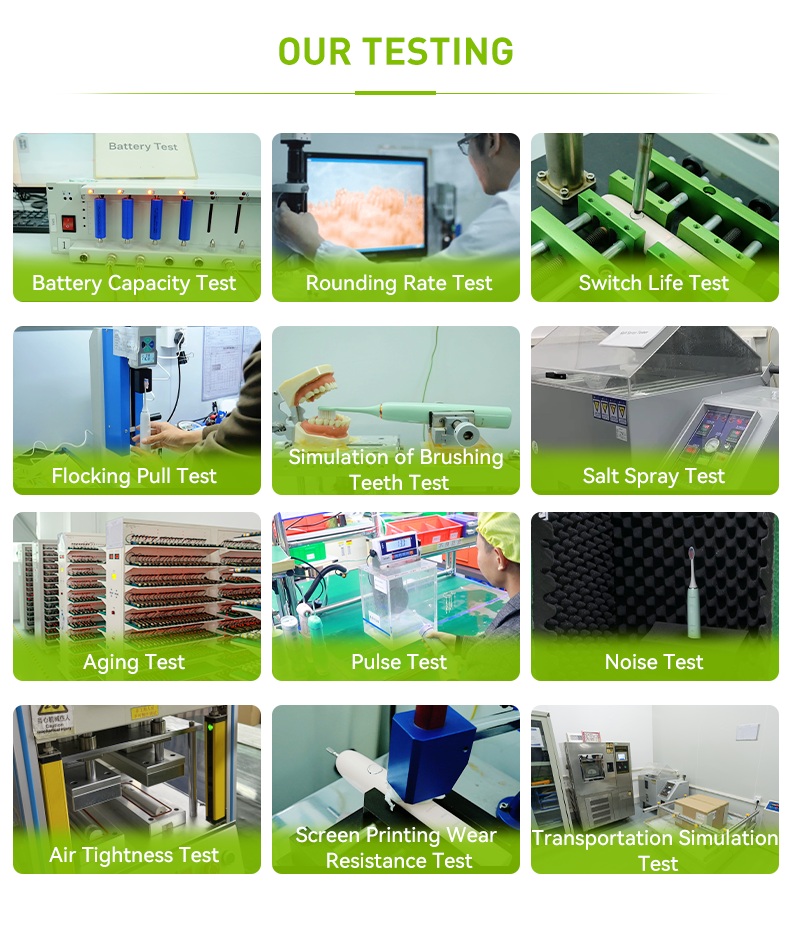
How Does Sonic Motor Core Technology Benefit from High-torque Motor Design in Electric Toothbrushes?
.jpg)
Dry Mouth Electric Toothbrush Guide: Protect Teeth with Low Saliva
wireless charging base toothbrush OEM
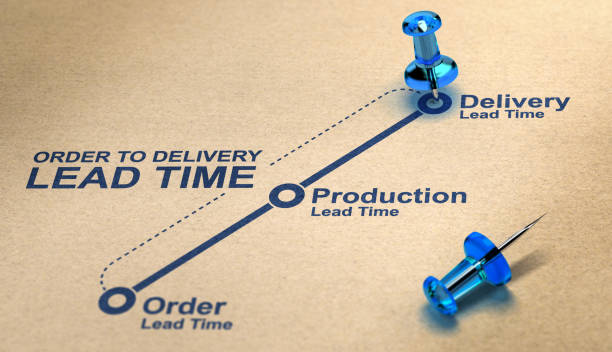
How to Optimize Electric Toothbrush Production Lead Time? Strategies for Shortening Lead Times and Enhancing Brand Competitiveness
.jpg)
Why combine Micro Bubble Technology with Colorimeter Calibration for accurate whitening?
Rechargeable Oral Care Kit Supplier | Complete OEM/ODM Solutions
.jpg)
How elderly oral health defines India senior care standards
.jpg)
Need an Electric Toothbrush Packaging Supplier with Integrated Electric Toothbrush Logistics Services?
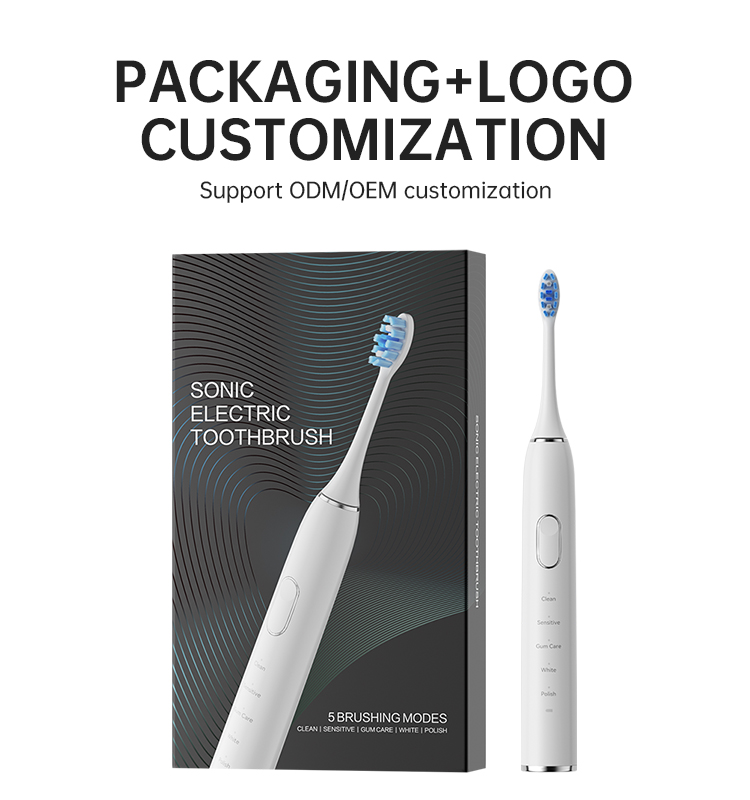
Why Combine a Photobleaching Catalyst with an Optical Brightener in Advanced Whitening Formulas?
How does a built-in timer ensure a dentist recommended clean?
Professional Dental Care Toothbrush Bulk
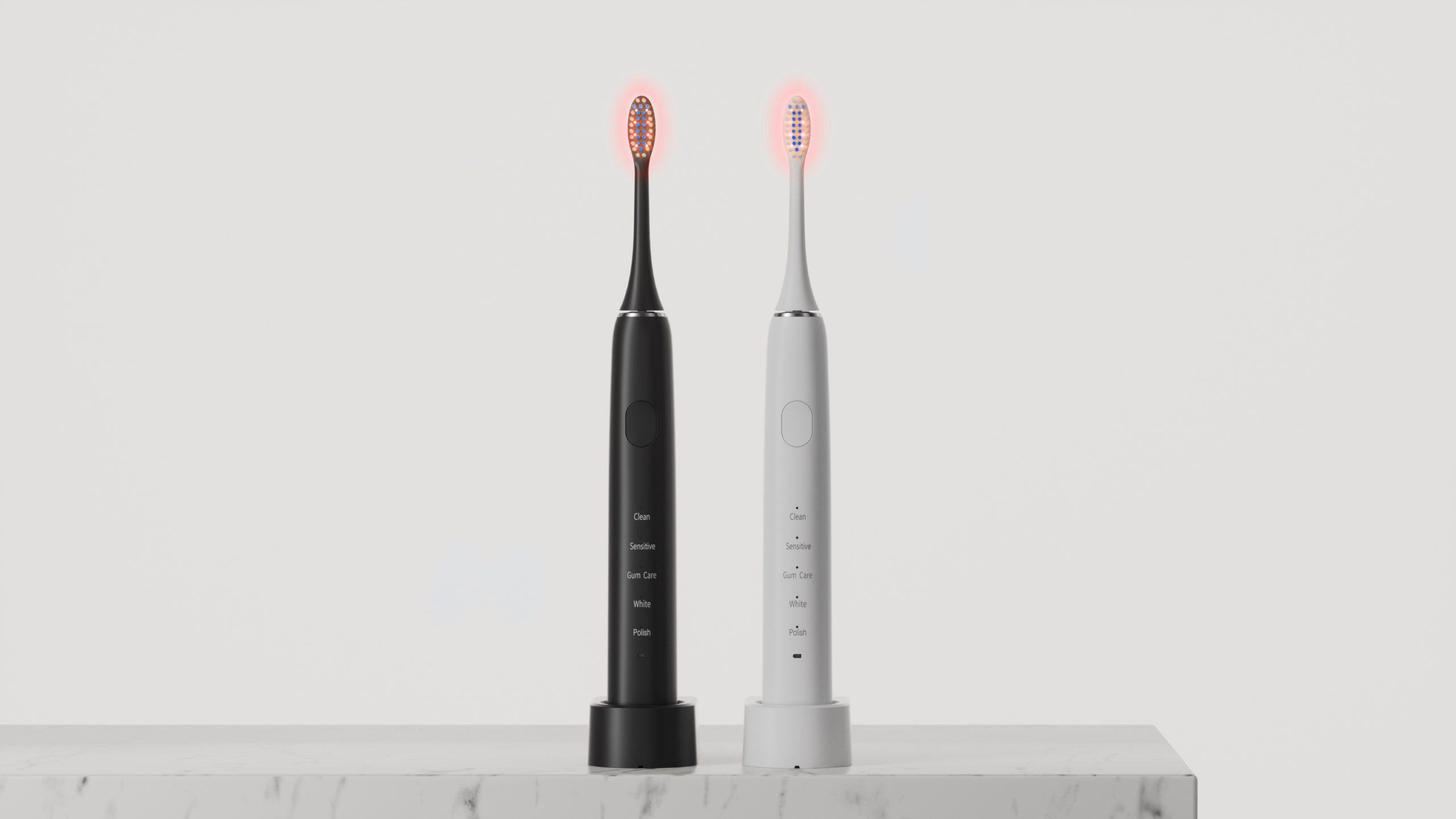
Is a Business owner toothbrush worth a Surat premium gift investment?
Electric Toothbrush OEM Quality Inspection: B2B Supply Chain Reliability
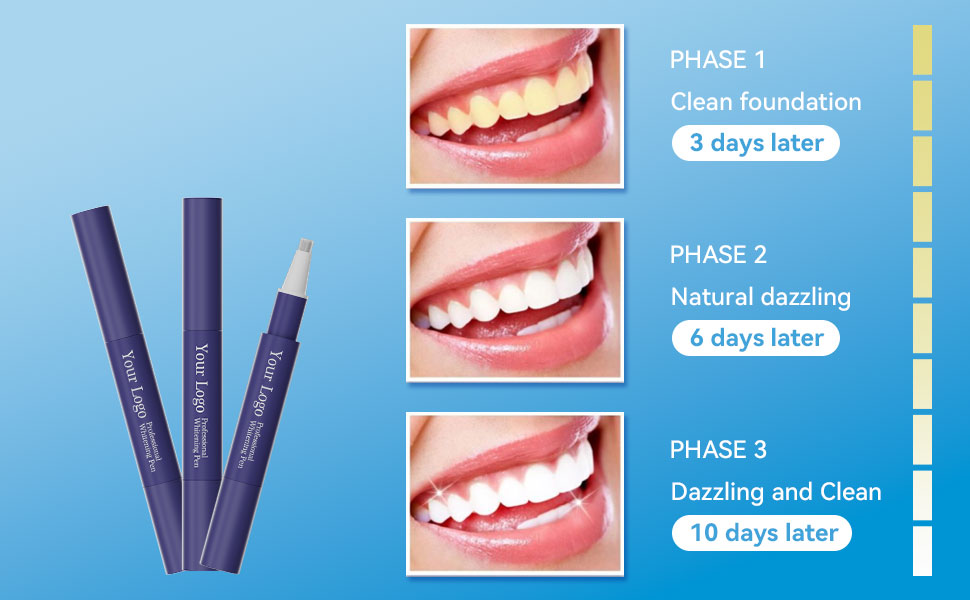
Hydrogen Peroxide vs. Carbamide Peroxide: Which Whitening Gel Formula is Right for You?
Hotel Luxury Electric Toothbrush Wholesale | Premium OEM for Hospitality Market
Affordable Electric Toothbrush Recommendations for Students: A Guide for Oral Care Brands


.jpg)
.jpg)
.jpg)
.jpg)
.jpg)