A Shelf-life Testing Protocol verifies product stability and performance over time. A Vigilance Reporting System monitors real-world safety and performance after market launch. Together, they support continuous compliance and risk management. This blog explains their importance.
Laboratory testing cannot predict every market condition. A Shelf-life Testing Protocol establishes expected product longevity and stability. A Vigilance Reporting System collects real-world performance information. This supports ongoing product evaluation.
Product risks may emerge after commercialization. A Vigilance Reporting System helps detect adverse events and safety concerns. A Shelf-life Testing Protocol provides baseline performance expectations. This improves risk management.
Regulators require ongoing post-market surveillance activities. A Shelf-life Testing Protocol demonstrates pre-market product validation. A Vigilance Reporting System fulfills post-market monitoring obligations. This strengthens regulatory compliance.
Continuous improvement relies on accurate field data. A Vigilance Reporting System identifies trends requiring investigation. A Shelf-life Testing Protocol provides reference data for comparison. This supports effective corrective actions.
Product quality directly affects customer trust. A Shelf-life Testing Protocol helps ensure reliable product performance. A Vigilance Reporting Systems enables rapid response to reported issues. This protects brand credibility.
Field feedback provides valuable development insights. A Vigilance Reporting Systems captures information from actual product usage. A Shelf-life Testing Protocol helps evaluate long-term product behavior. This improves future product design.
A Shelf-life Testing Protocol establishes product durability expectations, while a Vigilance Reporting Systems verifies real-world performance after launch. For B2B manufacturers, OEM partners, and medical device companies, combining both approaches strengthens compliance, enhances product quality, and supports long-term market success. Contact us
Need Electric Toothbrush Replacement Heads Bulk and Electric Toothbrush Charger OEM Parts?
.jpg)
dentist-approved sonic toothbrush factory
.jpg)
Can Water Flossers Be Safely Shared in Households?
Personalized Christmas Gifts for Employees: Electric Toothbrush Ideas
How Can a Sonic Toothbrush Manufacturer Collaborate on Portable Water Flosser Designs for Travel-Friendly Oral Care?
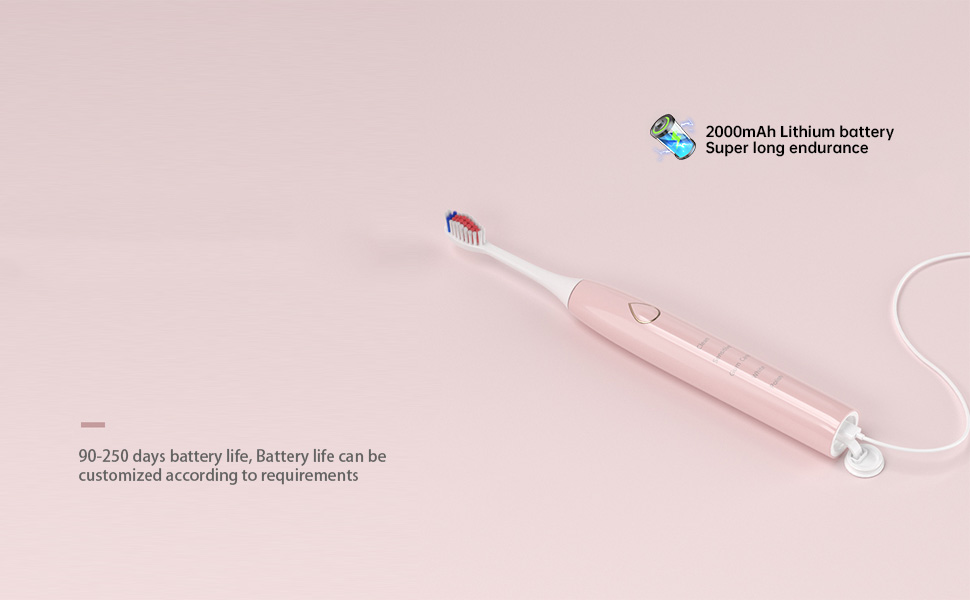
For an Electric Toothbrush, Is It Better to Choose a Type-C, Wireless, or Magnetic Charging?
Sustainable Electric Toothbrush Factory China | Eco-Friendly Oral Care
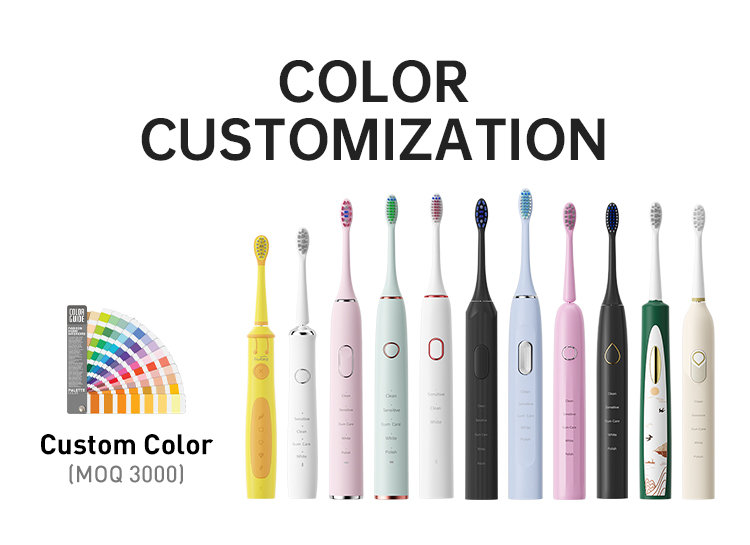
How Does Gravity-free Bottle Design Influence Modern Countertop Flosser Design?
Teeth Whitening Kit OEM: Customizable Solutions for Businesses
Could Poor Contact Be Undermining Your Sonic Pulse Tech Efficiency??
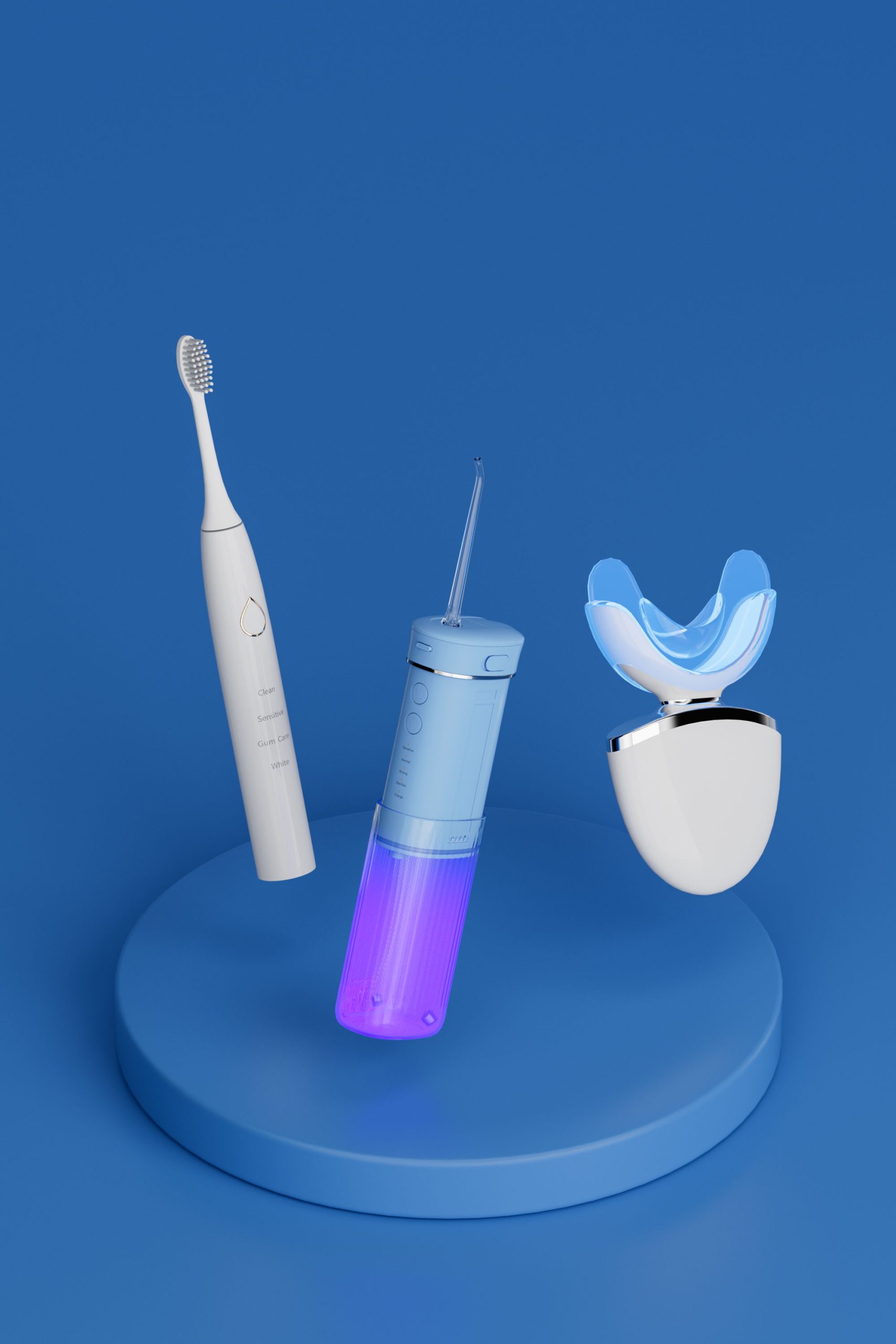
Professional Electric Toothbrush OEM – Dental Practice Custom Solutions
.jpg)
How does the dedicated massage mode promote gum blood circulation and health?
.jpg)
Ayurvedic neem toothbrush as an Indian household toothbrush
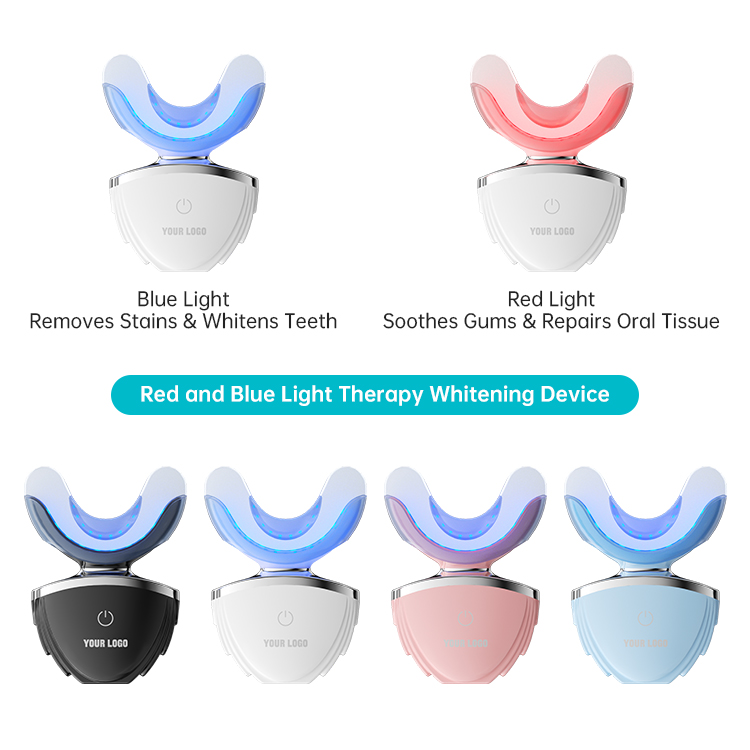
How Does a Photobleaching Catalyst Interact with Optical Brighteners in Advanced Whitening Formulations?
.jpg)
Do Teeth Whitening Pens from Seattle Suppliers Deliver Salon Results?
Why Is Aesthetic Device Compliance Important When Including a Teeth Shade Guide?


.jpg)
.jpg)
.jpg)
.jpg)
.jpg)