

Introduction As global demand for professional whitening products continues to grow, manufacturers must ensure that every Dental Grade Whitening kit is supported by appropriate Whitening Kit Certification. For B2B suppliers, OEMs, and brand owners, certification is not only a regulatory requirement but also a key indicator of product safety, quality, and market readiness. Understanding What “Dental Grade” Truly Means Dental Grade Whitening products expected to meet higher standards of formulation control, material safety, and performance consistency. Certification helps verify that these products are manufactured according to recognized quality systems rather than relying solely on marketing claims. Compliance with Regional Regulatory Requirements Proper Whitening Kit Certification ensures compliance with different regulatory frameworks across markets, including requirements related to chemical composition, device safety, and labeling. For manufacturers, this compliance is essential for smooth market entry and long-term distribution. Verification of Material and Formulation Safety Certification processes typically evaluate both device components and whitening formulations. This verification confirms that materials used in Dental Grade Whitening kits are biocompatible and that active ingredients meet established safety thresholds. Quality Management and Manufacturing Traceability Whitening Kit Certification often requires manufacturers to operate under standardized quality management systems. These systems support traceability, batch consistency, and process control—critical…
Introduction In the competitive dental whitening market, manufacturers are increasingly turning to UV Whitening Technology as a core driver behind an Accelerated Whitening Solution. For B2B suppliers and OEM partners, UV-based systems offer a compelling combination of rapid activation, system integration, and scalable performance—making them well suited for professional and premium consumer whitening applications. Faster Activation of Whitening Agents UV Whitening Technology delivers high-energy light that accelerates the breakdown of whitening agents within gel formulations. This rapid activation supports an Accelerated Whitening Solution by shortening treatment time while maintaining effective stain removal at the enamel surface. Enhanced Efficiency with Controlled Exposure Modern UV systems are engineered for precise wavelength and exposure control. By optimizing light output, manufacturers can maximize whitening efficiency while minimizing unnecessary exposure, helping ensure that Accelerated Whitening Solutions meet both performance and safety expectations. Compatibility with Advanced Whitening Formulations UV Whitening Technology pairs well with next-generation whitening gels designed for light responsiveness. This compatibility allows manufacturers to develop integrated systems in which gel chemistry and light activation work together to deliver consistent and predictable whitening outcomes. Reduced Treatment Cycles for Professional Settings For clinics and professional-use brands, fewer treatment cycles are a key value proposition. An Accelerated…
Introduction For brands targeting consumers with sensitivity concerns, combining a Custom Whitening Tray with a professionally engineered Sensitive Teeth Formula is essential to delivering safe, comfortable, and effective whitening results. From a B2B manufacturing perspective, tray design must work in harmony with the gel formulation to ensure controlled delivery, reduced irritation, and consistent performance across different user profiles. Precision Fit to Minimize Gel Contact with Gums A well-designed Custom Whitening Tray ensures even distribution of the Sensitive Teeth Formula while minimizing overflow. Accurate tray geometry reduces unnecessary gel contact with soft tissues, helping prevent irritation and enhancing user comfort during whitening sessions. Material Selection for Comfort and Biocompatibility When used with a Sensitive Teeth Formula, tray materials must be flexible, biocompatible, and free from harsh additives. Manufacturers often select medical-grade EVA or silicone materials to ensure long-term comfort, durability, and safety for repeated use. Controlled Gel Retention and Release A Custom Whitening Tray can be engineered with internal reservoirs or optimized wall thickness to hold the Sensitive Teeth Formula securely in place. This controlled retention supports gradual gel release, allowing active ingredients to work effectively without excessive exposure. Compatibility with Low-Peroxide or Non-Peroxide Gels Sensitive Teeth Formula products typically rely…
.jpg)
smart timer toothbrush wholesale demand continues to grow as consumers become more aware of proper brushing habits. Built-in smart timers help users follow dentist-recommended brushing durations, making these products attractive across mass and premium markets. For B2B buyers, smart timer functionality offers a balance between user guidance and cost control. What Defines a Smart Timer Toothbrush A smart timer toothbrush typically includes a two-minute brushing cycle with interval reminders, often every 30 seconds. This helps users evenly clean all quadrants of the mouth. From a wholesale perspective, these features can be implemented without complex electronics, making them suitable for large-volume distribution. Wholesale Advantages for Distributors Smart timer models appeal to a wide audience, including families, hotels, and entry-level electric toothbrush users. As a result, distributors can achieve higher turnover rates compared with fully smart app-connected devices. A reliable smart timer toothbrush wholesale supplier should offer consistent vibration output, accurate timing control, and stable component sourcing. Manufacturing and OEM Considerations Timer accuracy depends on PCB quality and firmware stability. Manufacturers with in-house electronics teams can better control these aspects and reduce defect rates. Suppliers like Powsmart integrate smart timer functions into multiple electric toothbrush platforms, supporting both OEM and private label…
induction charging toothbrush manufacturer searches typically come from brands and distributors seeking safer, more durable charging solutions for electric toothbrushes. Induction charging eliminates exposed metal contacts, reducing water ingress risk and improving long-term reliability. For B2B buyers, this charging method is not only a design choice but also a quality and positioning decision. How Induction Charging Improves Product Reliability Induction charging uses electromagnetic fields to transfer power wirelessly. As a result, charging ports are fully sealed, which significantly enhances waterproof performance. This structure is especially suitable for electric toothbrushes used in humid environments such as bathrooms and hotels. Fewer exposed components also reduce corrosion-related failures over time. Manufacturing Complexity and OEM Expertise Producing induction-charging toothbrushes requires precise coil alignment, stable PCB design, and optimized power conversion efficiency. Manufacturers without sufficient experience may struggle with slow charging speeds or excessive heat generation. An experienced induction charging toothbrush manufacturer will conduct thermal testing, charging efficiency validation, and long-cycle aging tests before mass production. Why OEM Buyers Prefer Specialized Manufacturers OEM buyers benefit from working with manufacturers that already have validated induction charging platforms. This reduces development time and ensures compliance with international electrical safety standards. Suppliers like Powsmart support induction charging toothbrush…
hotel electric toothbrush bulk sourcing has become a growing demand among hospitality groups, serviced apartments, and premium hotel brands that aim to upgrade guest experience while maintaining cost efficiency. Unlike retail-focused products, hotel-use electric toothbrushes require simplified functionality, stable quality, and reliable bulk supply. For B2B buyers in the hospitality sector, the decision is rarely about advanced features. Instead, consistency, hygiene standards, and brand compatibility are the primary considerations. Why Hotels Are Shifting to Electric Toothbrush Solutions Hotels increasingly focus on wellness-oriented amenities. Providing electric toothbrushes aligns with modern guest expectations, especially in business hotels, long-stay accommodations, and premium chains. Compared with disposable manual toothbrushes, electric models offer higher perceived value and better oral-care performance. As a result, hotels can differentiate themselves without significantly increasing per-room cost. Key Product Requirements for Hotel Bulk Programs A hotel-oriented electric toothbrush typically features moderate vibration strength, simple one-button operation, and durable waterproof construction. Battery life is also critical, as frequent charging is impractical in hospitality settings. Suppliers offering hotel electric toothbrush bulk programs should support standardized specifications, neutral design aesthetics, and easy logo customization. Packaging is usually minimal to reduce waste and storage space. Bulk Manufacturing and OEM Capabilities China-based manufacturers remain the…
charcoal bristle toothbrush wholesale sourcing has grown rapidly as consumers associate charcoal materials with odor control and stain-removal benefits. For B2B buyers, this trend represents an opportunity to expand product lines while maintaining competitive pricing and reliable supply. However, not all charcoal bristles are manufactured equally. Understanding material composition and processing standards is essential for sustainable wholesale business. What Charcoal Bristles Really Mean Charcoal bristles are typically nylon filaments infused with activated charcoal powder. This process aims to enhance adsorption properties while maintaining softness and durability. From a professional sourcing perspective, buyers should confirm charcoal concentration ratios, bristle end-rounding quality, and filament tensile strength to avoid excessive wear or gum irritation. Wholesale Advantages for Distributors Wholesale charcoal toothbrush programs allow distributors to offer visually distinctive products without redesigning core brushing mechanisms. This makes them ideal for line extensions in both manual and electric toothbrush categories. Factories that support both standard and premium bristle options give buyers more flexibility when targeting different price segments. Choosing the Right Manufacturer An experienced charcoal bristle toothbrush wholesale supplier should provide material traceability, batch consistency, and stable lead times. Quality factories also conduct bristle fatigue testing and color stability evaluation to ensure shelf appeal. Suppliers…
dual-motor electric toothbrush OEM projects are increasingly requested by premium oral-care brands that aim to differentiate cleaning performance through advanced motion control. Compared with single-motor designs, dual-motor systems allow more precise vibration distribution and improved plaque removal efficiency. For B2B buyers, this technology is less about marketing buzz and more about engineering stability, cost structure, and long-term manufacturability. How Dual-Motor Structures Improve Performance A dual-motor toothbrush typically separates vibration functions: one motor controls vertical sonic motion, while the second manages lateral or rotational assistance. As a result, brushing feels smoother while maintaining effective cleaning. However, improper calibration can increase noise or battery consumption. Therefore, buyers should work with manufacturers that have proven motor tuning experience and internal acoustic testing standards. OEM Challenges Buyers Should Understand From an OEM perspective, dual-motor designs introduce higher complexity in PCB layout, power management, and waterproof sealing. Suppliers without sufficient engineering depth may struggle to maintain consistency at scale. Professional OEM factories will conduct current-draw optimization and heat control testing before mass production. These steps help maintain stable performance across different batches. Why OEM Experience Matters More Than Price While unit cost is always important, an experienced dual-motor electric toothbrush OEM partner helps brands avoid…
ADA-style toothbrush supplier China is often searched by overseas brands that want both compliance alignment and stable OEM execution. For B2B buyers, the goal is not only product appearance, but also whether the supplier understands international dental standards, quality control logic, and long-term cooperation models. In global oral-care sourcing, ADA-style design usually refers to ergonomic brush heads, balanced vibration amplitude, rounded bristles, and clinically accepted cleaning angles. While official ADA acceptance is a separate certification process, many international brands require manufacturers to follow similar structural and material principles during development. What Defines an ADA-Style Electric Toothbrush An ADA-style electric toothbrush focuses on controlled sonic motion rather than aggressive vibration. This means stroke amplitude, frequency stability, and brush head density must be engineered carefully. In addition, materials such as Dupont nylon bristles, food-grade ABS housings, and waterproof sealing structures are commonly specified. From a sourcing perspective, buyers should confirm whether the factory has internal testing standards for vibration consistency, noise control, and long-term motor durability. These factors directly influence customer feedback and return rates in retail markets. Why China Remains the Core OEM Base China continues to lead global oral-care OEM production due to its mature supply chain, experienced engineering teams,…
For B2B toothbrush OEMs, integrating advanced Servo Motor Solutions into Brush Head Injection Molding processes is a proven way to achieve higher dimensional accuracy, repeatability, and production stability. As brush head designs become more complex—incorporating multi-material structures, fine bristle anchor points, and tight tolerances—precision motion control plays an increasingly critical role in manufacturing excellence. Achieving Precise Control Over Injection Speed and Pressure Servo-driven systems allow real-time adjustment of injection velocity and pressure profiles. This precision ensures consistent material flow into intricate brush head cavities, reducing defects such as short shots, flashing, or sink marks. Improving Dimensional Accuracy of Complex Brush Head Designs Modern brush heads require exact alignment for bristle tufts and micro-features. Servo Motor Solutions provide repeatable positioning accuracy, ensuring that each molded component meets strict geometric specifications required by premium toothbrush OEMs. Enhancing Process Stability and Repeatability Unlike traditional hydraulic systems, servo motors respond instantly to control commands. This responsiveness minimizes cycle-to-cycle variation, delivering uniform quality across high-volume Brush Head Injection Molding runs. Reducing Material Waste and Scrap Rates Accurate motion control enables optimized gate filling and controlled packing phases. This reduces over-injection and material waste, improving yield and lowering per-unit manufacturing costs. Supporting Multi-Material and Overmolding Applications…
In advanced whitening systems, achieving a high Quantum Yield is essential for maximizing the effectiveness of a Smart Timer Whitening Kit. By ensuring that a greater proportion of absorbed light energy drives the intended chemical reactions, manufacturers can deliver predictable whitening performance that aligns precisely with time-controlled treatment protocols. Maximizing Light-to-Chemical Conversion Efficiency Quantum Yield measures how efficiently absorbed photons trigger whitening reactions. A higher value means more effective stain breakdown per unit of light exposure, allowing Smart Timer Whitening Kits to achieve consistent results within predefined treatment durations. Enabling Accurate Time-Based Treatment Control Smart timers rely on predictable reaction kinetics. When Quantum Yield is optimized, each timed cycle produces a reliable level of whitening, reducing variability and enhancing user confidence in automated treatment programs. Supporting Lower Energy and Shorter Exposure Designs Efficient photochemical performance allows manufacturers to reduce light intensity or exposure time without sacrificing efficacy. This improves safety margins and extends component lifespan in timer-controlled whitening kits. Improving Consistency Across Users and Environments High Quantum Yield minimizes performance differences caused by variations in positioning, ambient conditions, or enamel characteristics. This ensures that the Smart Timer Whitening Kit delivers uniform results across a broad user base. Enhancing Compatibility Between…
In next-generation whitening formulations, combining a Photobleaching Catalyst with an Optical Brightener enables manufacturers to achieve faster stain breakdown while enhancing immediate visual brightness. For B2B developers of professional and consumer whitening solutions, this dual-mechanism approach delivers both chemical efficacy and perceptual enhancement in a controlled, scientifically validated manner. Accelerating Stain Decomposition Through Light Activation A Photobleaching Catalyst enhances the efficiency of light-activated reactions, accelerating the breakdown of chromogenic compounds. This allows whitening systems to achieve noticeable results at lower energy input or reduced treatment time. Enhancing Immediate Visual Whiteness Optical Brighteners absorb ultraviolet or high-energy visible light and re-emit it as blue light, creating an instant brightness effect. This complements chemical whitening by improving perceived whiteness even before full stain oxidation is complete. Reducing Dependence on High Peroxide Concentrations By improving reaction efficiency and visual output, the combined system allows formulators to lower peroxide levels while maintaining performance. This supports safer formulations with reduced sensitivity risk. Improving Color Balance and Shade Uniformity While photobleaching removes stains, Optical Brighteners help balance hue and reduce yellow tones. Together, they create a more uniform and natural-looking whitening result across the tooth surface. Supporting Compatibility With LED Whitening Devices This formulation strategy aligns…
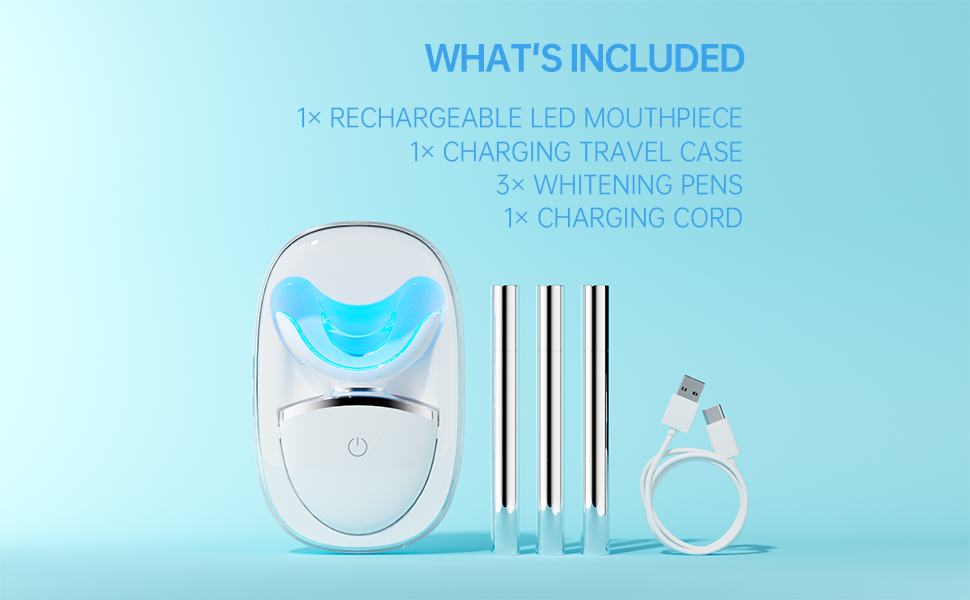
In advanced LED whitening systems, minimizing Chromatic Aberration is a critical design strategy for improving overall Luminescence Efficiency and treatment uniformity. For B2B manufacturers, precise optical control ensures that emitted light energy is effectively delivered to the whitening gel and tooth surface without spectral loss, color distortion, or uneven illumination. Improving Spectral Focus and Energy Utilization Chromatic Aberration causes different wavelengths to focus at different distances, leading to light dispersion. By reducing this effect, LED whiteners concentrate usable wavelengths more effectively, ensuring higher luminescence output reaches the treatment area. Enhancing Uniform Light Distribution Across the Dental Arch Minimized chromatic distortion enables consistent light intensity across all tooth surfaces. This uniformity improves whitening predictability and prevents localized under- or over-exposure during treatment cycles. Maximizing Photochemical Activation of Whitening Gels Whitening gels are optimized for specific wavelength ranges. Improved Luminescence Efficiency ensures that these wavelengths are delivered with higher intensity and stability, enhancing peroxide activation and overall whitening efficacy. Reducing Thermal Loss and Optical Waste When light improperly focused, excess energy converts to heat rather than useful illumination. Controlling Chromatic Aberration reduces thermal buildup, protecting both device components and oral tissues while maintaining performance efficiency. Supporting Compact and Durable Optical Module Design…
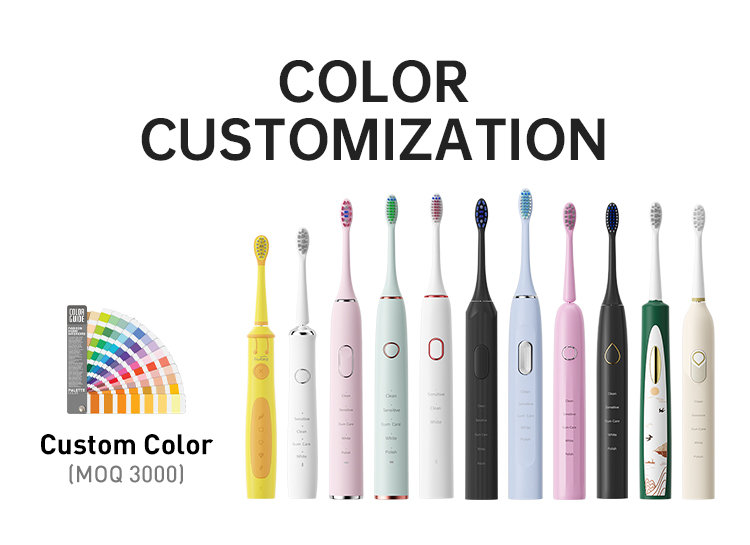
In modern whitening product evaluation, Surface Reflectance and Subsurface Scattering measurements provide a more complete understanding of how teeth interact with light during and after treatment. For B2B manufacturers developing gels, LED systems, and professional whitening devices, these optical data points move efficacy assessment beyond simple shade comparison toward a scientifically grounded evaluation of true visual improvement. Differentiating True Whitening From Surface Brightening Surface Reflectance data helps manufacturers distinguish between temporary surface-level brightness and long-lasting whitening effects. By measuring how much light is reflected at the enamel surface, R&D teams can identify whether results are cosmetic or structurally meaningful. Revealing Internal Light Diffusion Within Enamel Structures Subsurface Scattering captures how light penetrates and diffuses within enamel and dentin layers. This insight is critical for evaluating whitening systems that aim to enhance natural translucency rather than merely increasing surface luminance. Improving Formulation and Device Interaction Analysis By correlating Surface Reflectance with Subsurface Scattering data, manufacturers can evaluate how gel composition, peroxide release rates, and light activation interact. This supports data-driven optimization of both chemical and optical components in whitening systems. Enhancing Repeatability in Laboratory and Clinical Testing Optical metrics reduce reliance on subjective visual grading. Standardized measurement of reflectance and scattering…
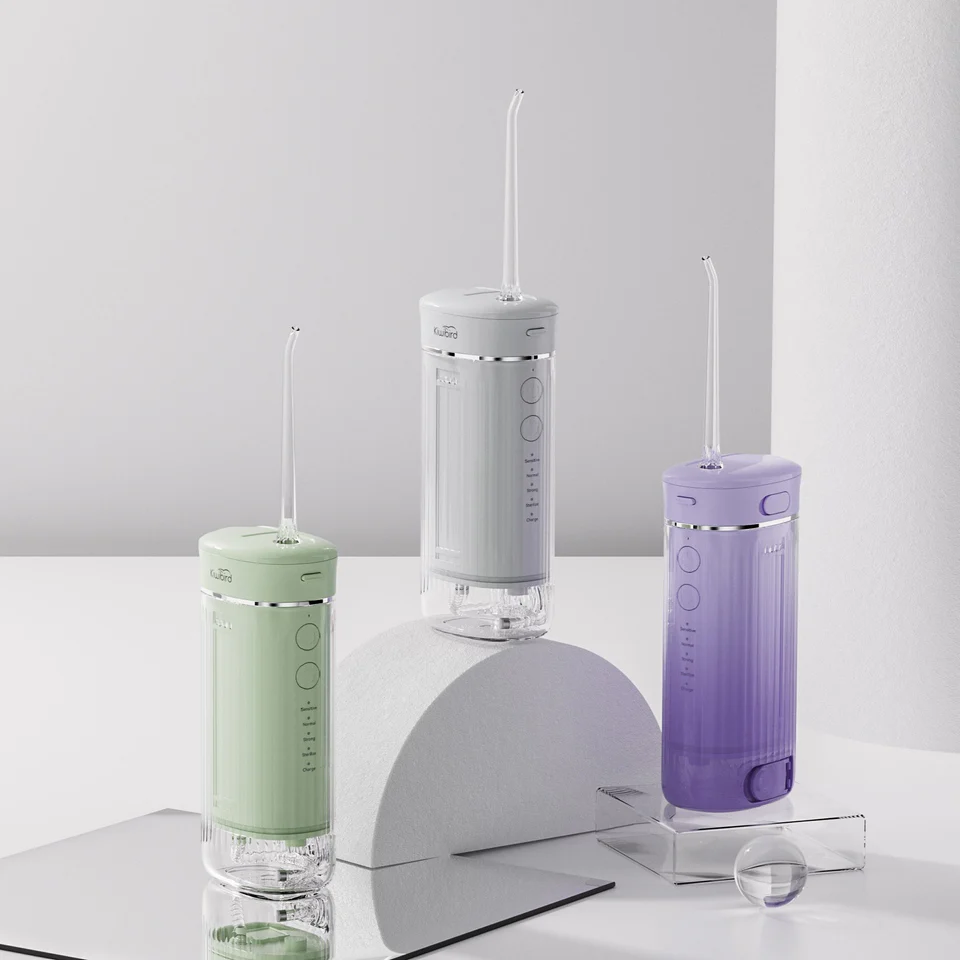
In professional teeth whitening development, Colorimeter Calibration is a foundational process for achieving reliable Opalescence Enhancement across gels, devices, and treatment protocols. As manufacturers push for higher aesthetic performance, precise optical measurement becomes essential to verify that perceived translucency, brightness, and light-scattering effects are consistently delivered from formulation to final product validation. Establishing a Reliable Baseline for Optical Measurement Colorimeter Calibration ensures that every measurement begins from a known, standardized reference. This baseline is critical when evaluating opalescence-related changes, as even minor deviations in sensor accuracy can lead to misleading conclusions about whitening performance or material transparency. Ensuring Consistent Evaluation of Translucency and Light Scattering Opalescence Enhancement is not only about increasing brightness but also about improving how light is diffused through enamel-like surfaces. A properly calibrated colorimeter accurately captures subtle shifts in lightness and chromatic response, allowing manufacturers to assess true visual improvements rather than subjective impressions. Supporting Cross-Batch and Cross-Formulation Comparability For OEMs producing multiple whitening gel formulations or device variants, calibrated colorimeters enable consistent comparison across batches. This ensures that Opalescence Enhancement targets are met regardless of raw material variation, production scale, or regional manufacturing differences. Improving Product Development and Optimization Cycles Accurate color data guides R&D…
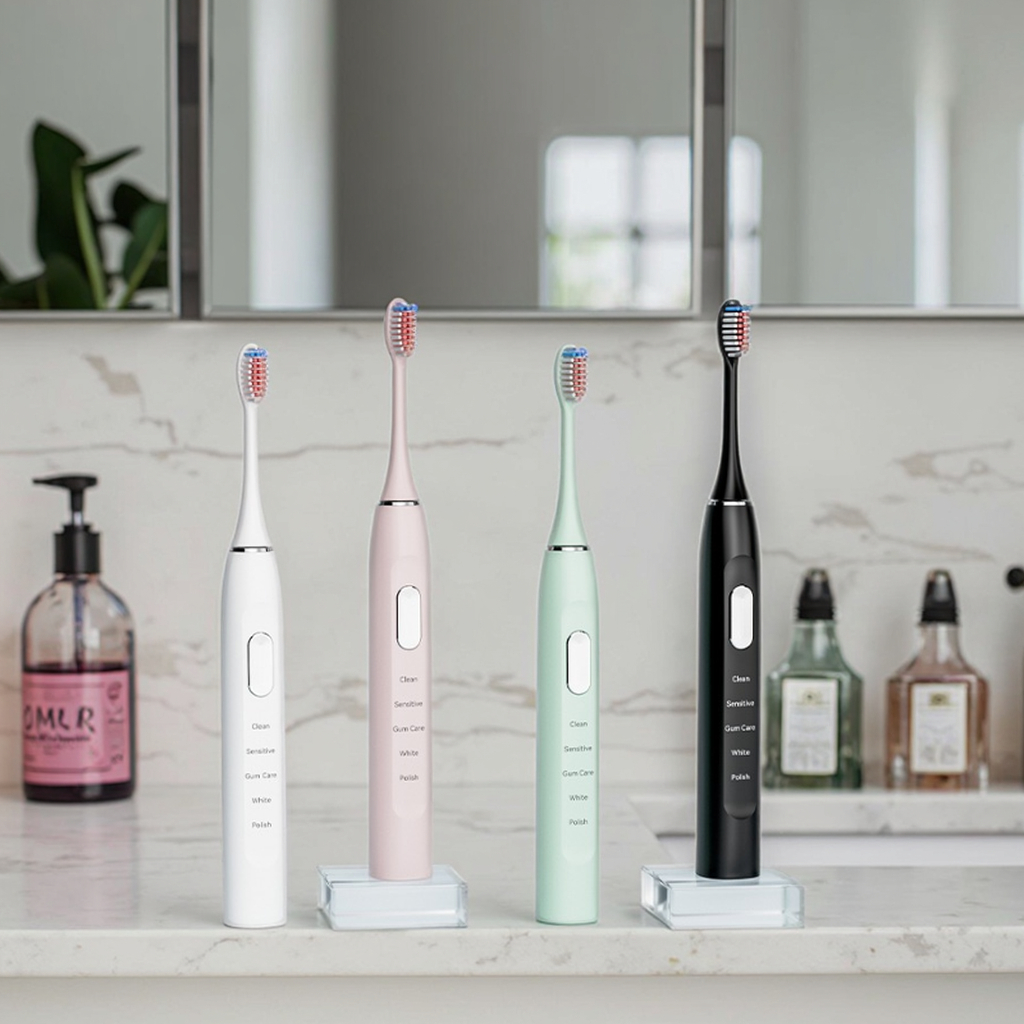
Accurate color evaluation is essential in modern whitening device and gel development, and metrics such as the CIE Whiteness Index and Hue Saturation Lightness (HSL) offer manufacturers a standardized and quantifiable way to measure results. By adopting these globally recognized colorimetry systems, OEM whitening brands can ensure consistent performance validation, regulatory compliance, and reliable consumer claims across diverse markets. Providing an Objective Benchmark for Shade Improvement The CIE Whiteness Index translates visual whiteness into numerical values, giving manufacturers an objective reference point. This eliminates subjective interpretation and ensures that every batch of whitening products meets targeted shade-enhancement thresholds. Capturing Full Color Dynamics With HSL Metrics Hue Saturation Lightness offers a more nuanced evaluation by measuring tonal shifts, saturation changes, and brightness. This helps manufacturers detect subtler improvements that may not be visible through shade tabs alone, especially when comparing before-and-after photos for clinical studies. Enhancing Global Consistency Across Production Batches Using standardized color metrics ensures that whitening performance is consistent across different production runs, facilities, and regions. This is especially critical for multinational B2B clients who require reliable quality control across all markets. Supporting Scientific Claims for Marketing and Compliance Clear numerical improvements in the CIE Whiteness Index and HSL…
Ensuring that Whitening Kit Packaging can withstand an Accelerated Aging Test is essential for brands shipping oral-care whitening systems worldwide. From temperature fluctuations to high-humidity environments, packaging must demonstrate structural integrity, chemical stability, and protective performance throughout long-distance logistics. OEM manufacturers therefore rely on standardized aging simulations to validate product reliability before mass production and international distribution. Simulating Global Logistics Conditions Through Accelerated Aging An Accelerated Aging Test condenses months of environmental exposure—heat, humidity, vibration—into a shortened timeframe. This ensures Whitening Kit Packaging can survive diverse climates ranging from tropical humidity to desert heat. Ensuring Structural Integrity Under Temperature and Humidity Stress Packaging materials such as PET trays, multilayer film, and rigid cartons are evaluated for warping, delamination, or brittleness. High-stress cycles verify that the packaging maintains its shape and protective function even after prolonged environmental stress. Protecting Whitening Gel Stability During Transit For kits containing peroxide or non-peroxide gels, chemical stability is critical. Aging tests confirm that packaging barriers effectively prevent moisture ingress, UV exposure, and oxidation—preserving gel effectiveness at delivery. Verifying Seal Strength and Closure Reliability Heat-seal bags, blister lids, and bottle caps must not fail during harsh conditions. Test results help manufacturers detect weak seal points and…
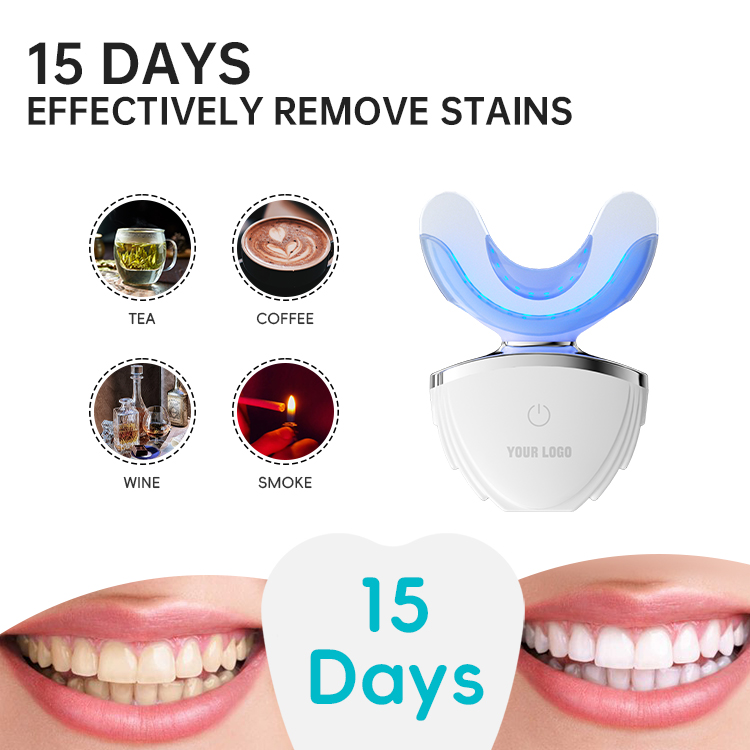
Selecting a Teeth Whitening Device equipped with advanced UV Whitening Technology is increasingly becoming the standard for achieving professional-grade whitening performance. By integrating UV activation with carefully engineered gel formulations, manufacturers can deliver faster stain breakdown, improved user satisfaction, and higher clinical consistency—making UV-assisted systems a compelling solution for dental clinics and premium home-use brands. Enhanced Oxidation Efficiency Through UV Activation UV Whitening Technology accelerates the breakdown of peroxide-based gels, enabling faster whitening reactions. This efficiency reduces chair time for clinics and provides B2B brands with a strong value proposition for high-performance product lines. Consistent and Controlled Light Output for Predictable Results A modern Teeth Whitening Device uses calibrated UV wavelengths that maintain uniform intensity across treatment cycles. This results in consistent whitening outcomes and reduces the risk of uneven shade transitions—critical for professional providers. Faster Treatment Cycles for Higher Throughput For B2B customers such as dental offices or beauty clinics, reduced treatment duration means higher patient throughput and improved operational efficiency. UV-enhanced systems offer strong marketing and revenue advantages. Compatibility With a Broad Range of Whitening Gels UV Whitening Technology is engineered to activate both peroxide and non-peroxide formulations. This compatibility allows manufacturers to create versatile whitening kits tailored…
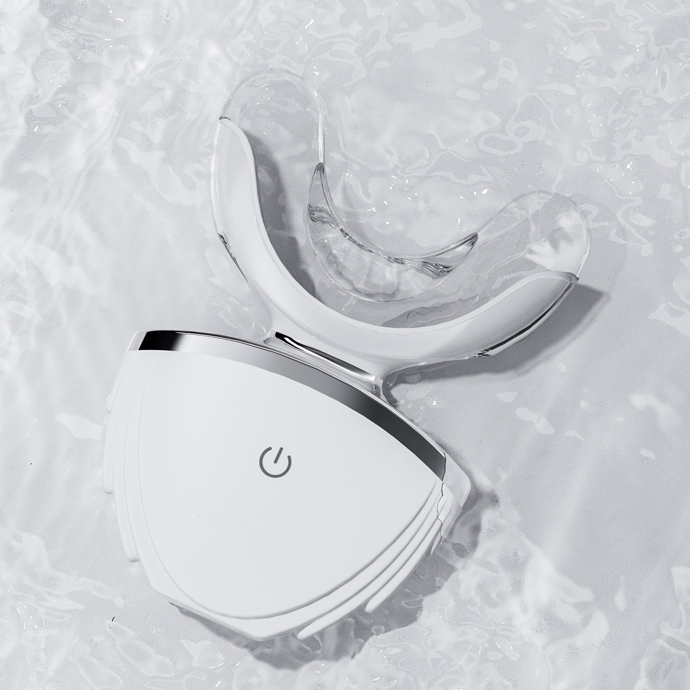
The integration of a Custom Whitening Tray with a Whitening Pen OEM design is becoming a strategic approach for oral care brands seeking highly personalized whitening solutions. By combining a precision-fit tray with a portable pen-based delivery mechanism, manufacturers can offer flexible, user-centric whitening systems that adjust to diverse treatment needs and consumer preferences. Personalized Gel Placement for Targeted Whitening A Custom Whitening Tray ensures that the whitening agent—dispensed from a pen—remains in close contact with the tooth surfaces. This improves the efficiency of the active ingredients and reduces product waste, especially for consumers with uneven staining. Dual-format Delivery for Multiple Use Scenarios A Whitening Pen OEM design provides on-the-go application, while the tray supports longer, more controlled sessions. This dual format offers brands versatility, appealing to consumers who need both quick touch-ups and intensive whitening treatments. Compatibility Engineering for Consistent Gel Viscosity To optimize performance, OEM developers ensure that the pen’s gel formulation is compatible with tray-based wear. The viscosity, peroxide concentration, and stabilizers are adjusted so the gel stays in place without overflowing or causing soft-tissue sensitivity. Improved User Compliance With Intuitive System Design When a Custom Whitening Tray is paired with a Whitening Pen OEM device, the…
Introduction: Ensuring Reliability in Vortex-Enhanced Devices For modern oral-care and fluid-control devices, units built with Vortex Chamber Technology require strict quality verification to ensure stable performance. Conducting a Pressure Decay Test is one of the most reliable and cost-effective methods to confirm airtightness, pressure retention, and overall system integrity. By combining vortex-driven flow mechanics with robust leak-testing protocols, manufacturers can confidently deliver high-performance devices to global OEM/ODM partners. Verifying Airtightness in High-Precision Flow Systems Vortex Chamber Technology relies on controlled turbulence to stabilize flow direction, enhance cleaning efficiency, or improve internal fluid mixing. Any microscopic leak will compromise this effect. A Pressure Decay Test detects even minimal pressure drops within the enclosed system, ensuring every unit maintains the necessary sealing structure to support vortex-driven performance. Maintaining Consistent Output Performance Across Batches One challenge for B2B manufacturers is guaranteeing uniform performance across large production volumes. By integrating Pressure Decay Test procedures into the QC workflow, engineers can confirm that the vortex chamber maintains its required internal pressure parameters, helping achieve consistent flow rate, pulsation strength, and turbulence behavior across all units. Protecting Motor, Pump, and Structural Components A small leak may cause pumps or motors to operate under excessive stress as…


.jpg)
.jpg)
.jpg)
.jpg)
.jpg)






.jpg)
.jpg)
.jpg)