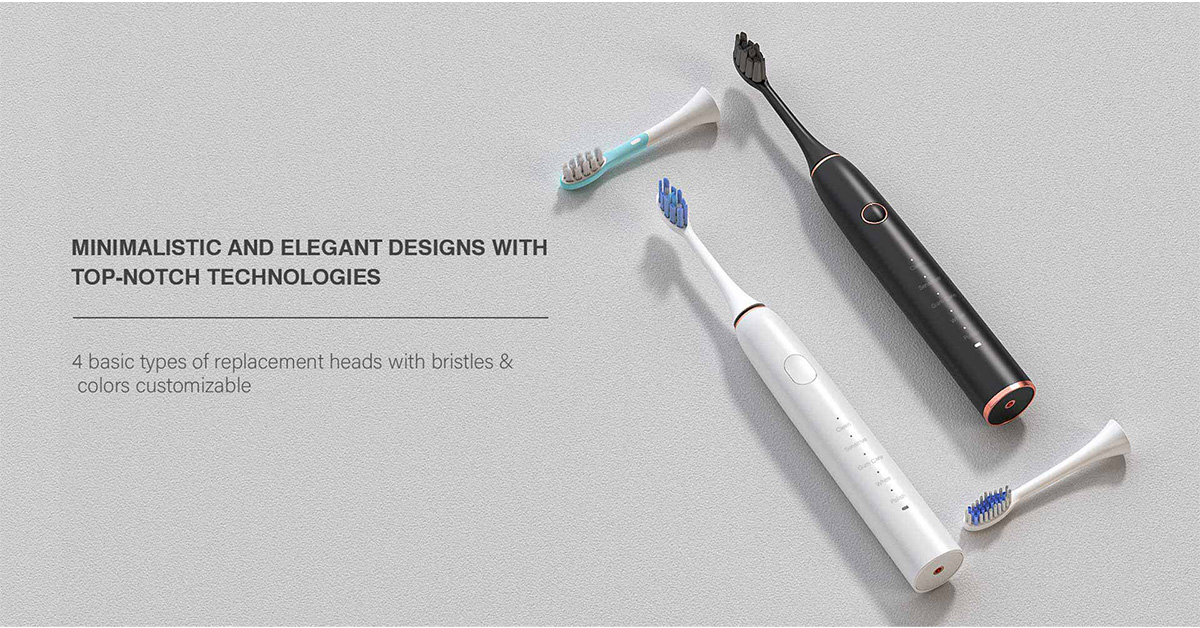
As oral care devices evolve, the POWSMART Rotating Oscillating Toothbrush has earned a reputation for precision plaque removal and gum-friendly cleaning. However, some industry professionals and procurement teams have raised concerns about water pressure instability—especially when these brushes are used with built-in or connected water-flushing modules. Does this indicate a design flaw, or is it an integration challenge between mechanical and hydraulic systems?
The POWSMART Rotating Oscillating Toothbrush operates by spinning and pulsing the brush head alternately, often at 7,600 to 8,800 RPM. This motion enhances surface coverage and dislodges debris with less user effort. However, when this mechanical motion is integrated with water flushing functionality—such as in hybrid electric toothbrush-flosser designs—it introduces additional complexity to water pressure management.
Water pressure instability refers to fluctuations or sudden drops/spikes in water delivery, which can lead to:
For ODM/OEM buyers, this instability can lead to customer dissatisfaction and potential product returns.
In the case of the POWSMART Rotating Oscillating Toothbrush, several factors may contribute to water flow inconsistencies:
These causes are often exacerbated by aggressive miniaturization in travel or compact models. Company web: https://www.powsmart.com/product/electric-toothbrush/
Manufacturers can prevent water pressure instability without compromising the rotating-oscillating feature by incorporating:
Such design approaches allow brands to uphold both cleaning power and hydraulic comfort.
To ensure optimal results across batches, B2B suppliers like POWSMART should adopt standardized testing for hybrid models:
These processes significantly reduce the risk of pressure-related complaints in consumer markets.
The POWSMART Rotating Oscillating Toothbrush does not inherently suffer from water pressure instability. Rather, this concern emerges in models where oscillation is combined with pressurized water delivery—typically in value-engineered or miniaturized formats. For OEM buyers, the key lies in sourcing from manufacturers who pair their mechanical innovation with rigorous hydraulic design and QA standards.
When these systems are harmonized, brands can confidently deliver multifunctional toothbrushes that meet both user comfort and cleaning performance expectations—without trade-offs. Contact us
How does a high-performance Water Pump OEM partnership ensure the success of Precision Nozzle Manufacturing?
.jpg)
How to Choose a Professional ultraviolet sterilized water flosser Manufacturer?
.jpg)
Why Dentist Consultations Mitigate Home Treatment Risks?
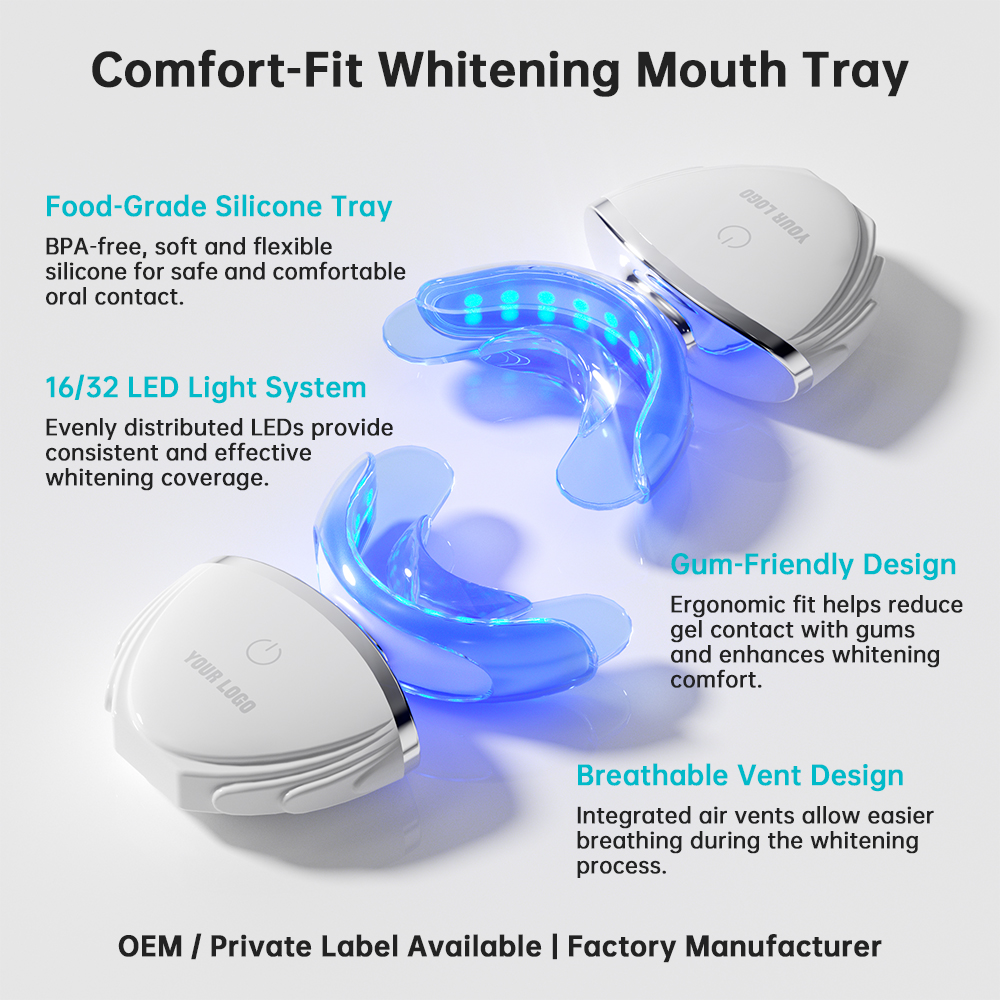
Can Custom Tray Design services coexist with Whitening Pen OEM production in a portfolio?
.jpg)
sonic electric toothbrush Mesa
Can Short Tank Runtime Delay Oral Ulcer Care?
Why Do Design Flaws Cause Gum Injury in Water Flossers?
Do Bluetooth Disconnect and Stream Splitting Affect Device Precision Together?
Compact Whitening Device Wholesale for Global Distributors and Brands
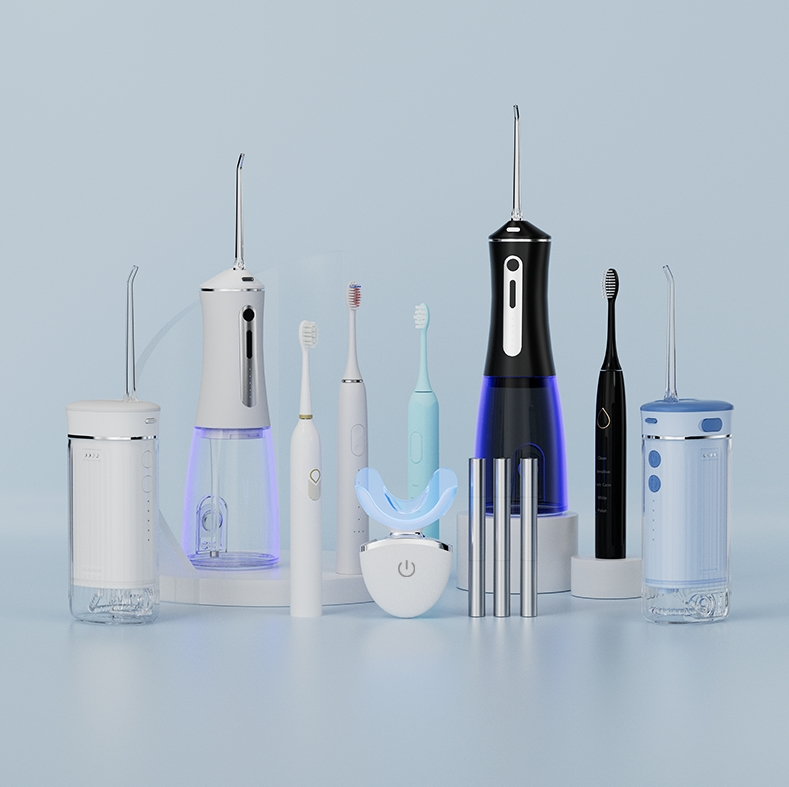
Smart Sonic Toothbrush Private Label: Complete OEM Services for Your Brand

The Ultimate Checklist for Evaluating an Oral Care Product Manufacturer
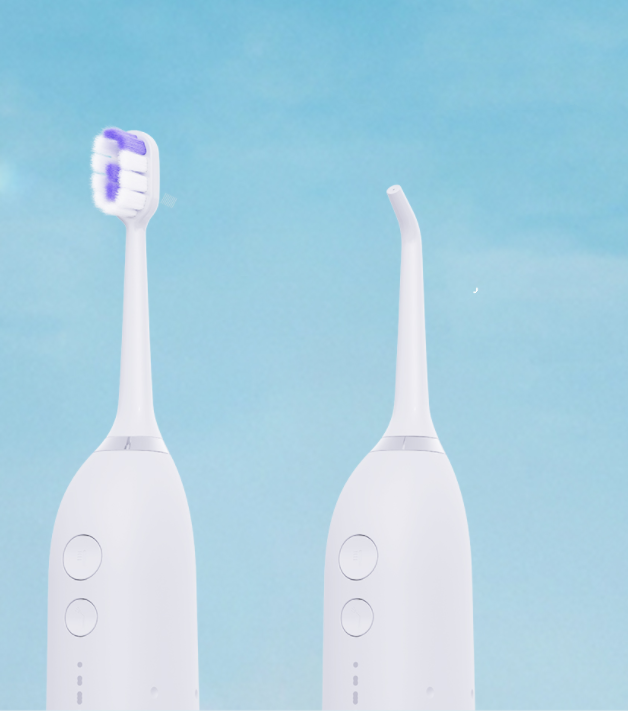
Multi-Function Electric Toothbrush Benefits for Family Oral Care
Oral Microbiome Impact from Color Relapse?
.jpg)
Best Smart Toothbrush Features for Bulk Buyers: A Supplier’s Guide
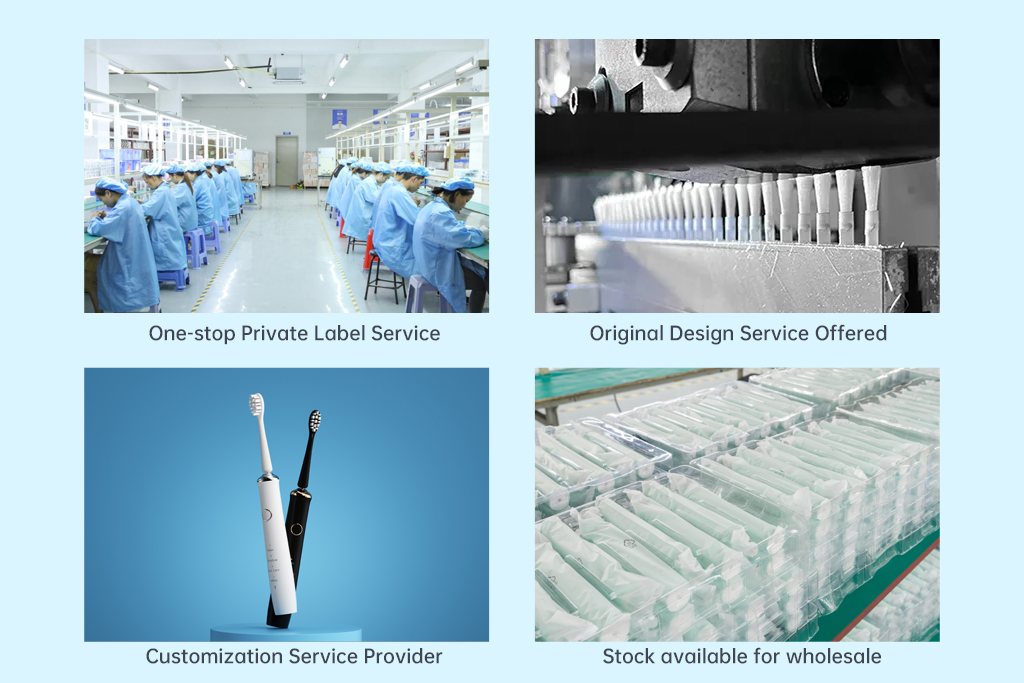
How Oral Care Brands Can Expand Product Line Strategically
Teeth Whitening Kit Private Label Solutions for B2B Brands


.jpg)
.jpg)
.jpg)
.jpg)
.jpg)






.jpg)

.jpg)