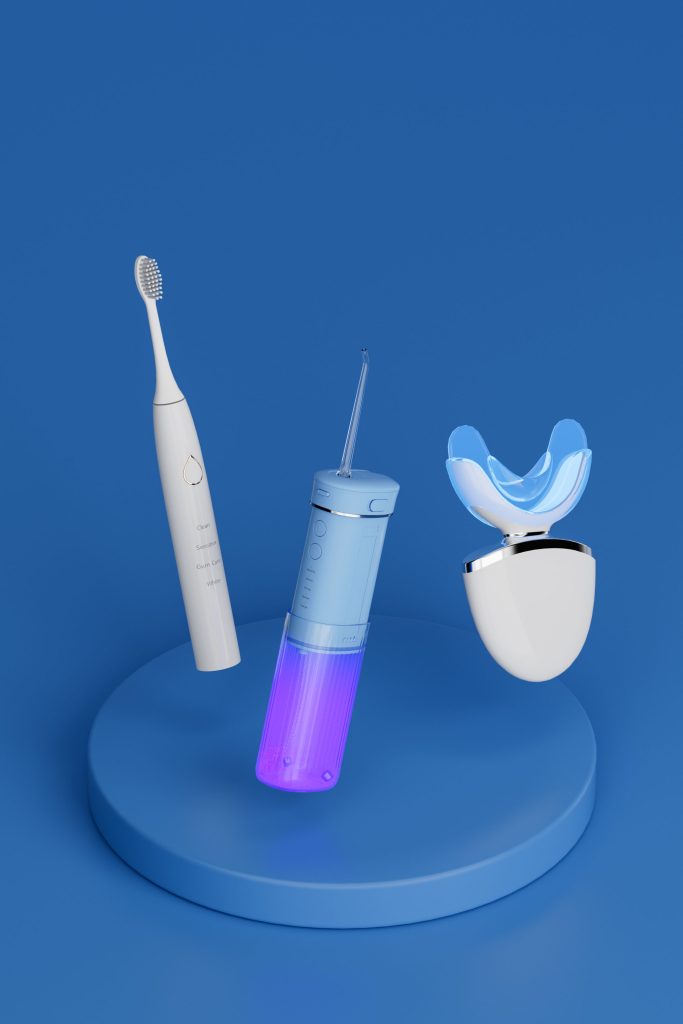
In the highly competitive oral care industry, product safety and hygiene are just as important as efficacy. With consumers demanding healthier, more reliable solutions, brands are increasingly turning to advanced sanitization methods. One of the most effective and innovative approaches is UVC sterilization. Understanding the UVC sterilization effect in oral care products can help brand owners and manufacturers differentiate themselves and deliver safer products to the market. Understanding the UVC Sterilization Effect UVC light operates at a specific wavelength capable of destroying bacteria, viruses, and fungi by breaking down their DNA structure. This UVC sterilization effect ensures that oral care devices and accessories such as toothbrush heads, water flossers, and retainers maintain superior hygiene. Unlike chemical sanitization, UVC requires no added agents, leaving products residue-free and safe for daily use. Meeting Consumer Demand for Antibacterial Oral Care Modern consumers are highly aware of hygiene and wellness. As a result, antibacterial oral care products are no longer considered a luxury but a necessity. Incorporating UVC sterilization into oral care products helps address consumer concerns by delivering scientifically backed, effective antibacterial protection. This enhances brand credibility while meeting market demand for cleaner and safer personal care products. OEM Sanitization Technology for Oral Care Brands For…
In recent years, water flossers have evolved beyond simple cleaning devices into high-tech oral care tools. One of the most noticeable additions has been the LCD screen on water flosser. For brand owners and product developers, the question remains: is this feature truly practical, or is it just a marketing gimmick? This article explores the role of LCD displays in water flossers and what it means for those considering OEM design considerations when sourcing from manufacturers. Understanding Consumer Expectations Today’s consumers expect more than just performance; they want products that feel modern and intuitive. Adding a digital display can enhance the perception of advanced technology. An LCD screen can show battery levels, pressure modes, or even timer functions—elements that may improve usability for certain customer groups. But not all buyers are seeking high-tech add-ons, which makes it crucial to align functional features with market demand. Practical vs. Cosmetic Additions When evaluating whether an LCD screen is a genuine benefit, practicality is key. Features such as adjustable pressure modes or a low-battery indicator displayed on a screen are undeniably helpful. However, a screen that only flashes icons without adding real utility risks being perceived as a gimmick. For brands, this balance between…
When oral care brands seek to deliver high-quality products to consumers, one question often arises: how can minor product issues be solved without compromising customer trust? A common topic in this context is resetting an electric toothbrush and whether such a simple step can truly address recurring issues. For brand owners and product developers, understanding the scope of this solution provides valuable perspective when evaluating manufacturers and partners. Why Resetting Matters Just like smartphones or other electronic devices, electric toothbrushes sometimes encounter minor glitches. These may include unresponsive buttons, unexpected power drainage, or inconsistent brushing modes. In many cases, resetting an electric toothbrush can serve as a quick and effective step in troubleshooting malfunctions, restoring functionality without the need for repair or replacement. Beyond Resetting: Recognizing Deeper Problems While resetting helps with software-related hiccups, it may not resolve underlying hardware or design flaws. If a toothbrush repeatedly malfunctions, this points to deeper concerns in product engineering or quality control. For oral care brands, these situations highlight the importance of reliable product designs that minimize recurring technical issues from the start. The Role of OEM Technical Support When choosing a manufacturing partner, brand owners should prioritize those that provide OEM technical support. A strong…
When it comes to personal care devices, the life expectancy of an electric toothbrush plays a critical role in consumer satisfaction and brand reputation. For oral care brands looking to partner with reliable manufacturing facilities, it’s important to understand how OEM quality considerations directly affect product durability and the overall electric toothbrush lifespan. Below, we’ll explore the key aspects that influence product longevity and what brands should look for when selecting an OEM partner. The Link Between OEM Quality Standards and Lifespan A toothbrush’s durability begins with OEM quality standards. High-quality materials, rigorous testing protocols, and strict compliance ensure the device can withstand years of daily use. Choosing a manufacturer that adheres to international certifications (such as ISO or CE) helps guarantee long-term performance. Battery Performance and Longevity The battery is one of the most decisive factors in determining the life expectancy of an electric toothbrush. OEMs that use premium lithium-ion batteries, coupled with intelligent charging systems, provide extended operating cycles and prevent premature power failures. Motor Efficiency and Durability An efficient motor not only enhances brushing effectiveness but also contributes to product durability. Quality OEMs integrate motors designed for low energy consumption, reduced heat output, and consistent vibration strength—ensuring that performance remains…
Launching a private label electric toothbrush is exciting — but for a brand, quality assurance is everything. Buyers expect reliable cleaning performance, safe batteries, robust waterproofing, and a pleasant user experience. Below I walk through how a professional toothbrush OEM factory guarantees quality for electric toothbrush projects, step by step, and highlight six core measures every brand should expect. At a glance — 6 core quality measures Rigorous supplier qualification & incoming material control Design verification & pilot (first-article) validation Precision manufacturing and process controls (PCBA, molding, assembly) Comprehensive functional, electrical and durability testing Regulatory compliance, certifications and third-party verification Traceability, after-sales support and continuous improvement Each of the six points above is expanded below with practical examples relevant to electric toothbrushes. Rigorous supplier qualification & incoming material control First and foremost, a trustworthy toothbrush OEM factory treats incoming materials as the first line of defense. For an electric toothbrush that means: Pre-qualifying suppliers for motors, batteries, PCBA components, bristle filaments and elastomers. Requiring material certifications (e.g., RoHS/REACH declarations for plastics and metals, food-contact statements for parts touching the mouth). Conducting incoming inspections (IQC): dimensional checks on injection-molded housings, chemical tests for toxic substances, and random sampling of batteries and…
Working with a dental practice gift toothbrush supplier allows clinics to create stronger bonds with patients while promoting better oral hygiene. Instead of relying only on treatments, dentists can use simple yet practical gifts such as toothbrushes to leave a lasting impression. Moreover, these gifts show that the clinic cares about patients beyond appointments. Why Toothbrush Gifts Matter in Clinics Toothbrushes are small but powerful reminders of a dental visit. They are useful, affordable, and directly tied to oral care. For example, a toothbrush handed to a patient after cleaning reinforces the importance of daily brushing. In addition, these gifts serve as constant reminders of the clinic’s brand whenever patients use them. As a result, patients often feel more valued and are more likely to return for regular visits. Features That Patients Appreciate When clinics choose the right supplier, they gain access to toothbrushes with features that match patient needs: Soft Bristles: Gentle on gums and recommended for sensitive mouths. Compact Design: Convenient for travel or school bags. Eco-Friendly Materials: Bamboo handles and recyclable packaging appeal to health-conscious families. Personalization: Logos or custom packaging help build long-term brand recognition. Benefits of Bulk Supply Bulk orders offer consistent stock and cost…
If your customers are dental clinics, then boosting their patient acquisition becomes your growth lever. Smart dental marketing partnerships help practices attract new patients — and they create demand for your electric-toothbrush product lines. Below are six practical strategies that manufacturers can deploy to help clinics convert more visits into long-term brush users and recurring revenue. 1) Turn clinics into co-marketers with co-branded campaigns Start by designing simple, co-branded marketing kits clinics can use immediately: in-office signage, patient handouts, social post templates, and short video clips demonstrating proper electric-brush technique. Moreover, offer clinics localized digital assets (editable language and images) so they can run Facebook/Instagram ads or Google Local campaigns with minimal setup. Because these materials are co-branded, clinics gain credibility while your product gets front-of-mind exposure — a win-win for patient acquisition. 2) Offer demo programs that convert curiosity into purchases Patients are far likelier to buy after hands-on experience. Therefore, provide demo units and single-visit samples to clinics so assistants can demonstrate brushing modes, timers, and pressure-sensing features during hygiene appointments. In addition, supply a simple demo script for staff that links the in-office demo to a clear next step (e.g., “Scan this QR to buy today with…
2025 is a turning point: innovation is coming less from single features and more from how devices connect into care pathways, patient data, and sustainability programs. For electric-toothbrush manufacturers, these dental trends aren’t abstract — they change product specs, go-to-market tactics, and after-sales services. Market data show continued growth for electric brushes as smart, rechargeable, and eco options gain share. Below are six dominant trends for 2025, each paired with practical implications for product teams and B2B sales. 1) AI + teledentistry: remote diagnostics meet home care Dental trends Trend: Dental practices increasingly use AI and teledentistry to triage, monitor, and coach patients remotely. That means home oral-care devices are no longer isolated consumer products but clinical endpoints in remote care workflows. Why it matters to manufacturers: integrate data outputs (cleaning coverage, pressure alerts, compliance logs) in formats dentists can ingest; support secure APIs and HIPAA-aware telemonitoring features; offer clinician dashboards or partner with teledentistry platforms. Quick action: ship an SDK or standardized CSV/API export so clinics can pull brushing metrics into patient records or telehealth platforms. 2) Connected brushes & remote monitoring (real-world adherence) Trend: Smart brushes with sensors, zone-tracking, and smartphone telemonitoring are moving from novelty to clinical…
If you make electric toothbrushes for dental professionals, the pipeline of trained dental assistants and the local certification programs that educate them are more than a hiring funnel — they’re a direct route to product adoption, clinical credibility, and long-term clinic relationships. This post explains why dental assistants trained near Tacoma matter to manufacturers, how to engage with certification programs, and six concrete ways to turn training partnerships into measurable business value. 1. Dental assistants are frontline product ambassadors Dental assistants spend the most time with patients during routine hygiene visits. Consequently, they shape patient behavior: recommending home care tools, demonstrating brushing techniques, and answering maintenance questions. For electric-toothbrush brands, winning the trust of dental assistants—especially those freshly trained in local certification programs—accelerates word-of-mouth adoption and increases the chances of clinic-level purchasing. Transition: Given their influence, manufacturers should treat dental assistants not just as end-users but as partners in education. 2. What local certification programs teach (and why it matters to product teams) Certification programs near Tacoma—community college dental assisting certificates, vocational schools, and continuing-education courses—focus on patient education, infection control, prophylaxis assistance, and basic oral-health counseling. While curricula vary, most cover patient instruction techniques that directly translate to how…
In short: by turning raw sensor streams from a smart brush into clinically meaningful signals, AI diagnostics close the gap between “did the user move the brush?” and “was the plaque removed correctly?” For B2B partners building connected oral-care products, this shift raises product differentiation, clinical credibility, and long-term service revenue — provided you design the right sensors, models, and workflows from the start. Why accuracy matters (for manufacturers and clinicians) First, accuracy drives trust. Dentists evaluate outcomes — not features — so if your toothbrush can reliably show improved plaque removal, reduced gum inflammation, or correct technique, clinics will prefer and recommend your device. Second, accurate diagnostics reduce false positives/negatives in user coaching (fewer unnecessary alerts, higher engagement). Third, from a commercial viewpoint, accurate AI enables new monetization (subscription coaching, replacement-head reorder triggers, warranty analytics). Moreover, dental technology is evolving: dentists expect devices that generate evidence, and AI diagnostics are the tool that converts IoT signals into evidence. For electric toothbrushes, accuracy improves patient outcomes and accelerates B2B adoption by clinics, insurance partners, and retailers. How AI diagnostics actually improve accuracy for electric toothbrushes Sensor fusion: Combining accelerometer/gyroscope, pressure sensor, acoustic/vibration, and battery/temperature telemetry reduces ambiguity. For instance, vibration…
If your company wants to meaningfully back dental charity work, partnering with Free clinics in Kirkland is a practical, high-impact route — especially when you supply evidence-based oral-care tools like electric toothbrushes. In this article I’ll explain why such partnerships matter for manufacturers and distributors, and then lay out six concrete, operational steps (1–6) you can implement to support clinics, protect patients, and build measurable CSR value. Why manufacturers and distributors should care First, community clinics fill a care gap: many low-income patients rely on Free clinics for preventive and urgent dental care. Therefore, when B2B partners supply reliable electric toothbrushes and aftercare bundles, they not only improve oral outcomes but also strengthen referral relationships with clinics and create recurring replacement-head demand. Moreover, supporting charity clinics builds brand trust and provides real stories you can use in CSR reporting and sales conversations. Furthermore, electric toothbrushes are uniquely suited to this context: compared with manual brushes they can deliver more consistent plaque removal, pressure-sensing models can prevent gum damage, and long-battery or USB-C rechargeable models reduce the need for replacement chargers. Consequently, a thoughtful donation or subsidy program is both a public good and a strategic business investment. Six practical ways…
When oral care brands plan to expand their product line, one of the most common questions is whether to launch private label electric toothbrushes or invest in full custom OEM electric toothbrushes. Both paths Private Label vs. Full Custom have unique advantages and trade-offs. In this blog, we’ll conduct a cost-benefit analysis to help brand owners make informed decisions about their product strategy. Understanding the Two Models: Private Label vs. Full Custom Private Label: Brands choose from pre-designed electric toothbrush models offered by a manufacturer. The products are ready-made, and the brand mainly adds its own logo, packaging, and minor design tweaks. Custom OEM: Brands work with a manufacturer to design and develop custom electric toothbrushes from scratch. This includes unique designs, functions, materials, and even proprietary technology. The choice of private label vs custom OEM sets the foundation for cost, speed-to-market, and brand differentiation. Product Development Cost Private Label: Minimal product development cost, since the design and engineering are already completed by the factory. Costs are limited to branding, packaging, and certifications. Custom OEM: Significantly higher product development cost due to R&D, mold creation, tooling, and testing. However, this investment ensures your brand owns the product concept and innovation. Speed-to-Market Private Label: Ideal for brands that want to…
In today’s competitive oral care market, brand owners need more than just a reliable supplier — they need a manufacturing partner that can guarantee consistent product quality. When it comes to Electric Toothbrush OEM Production, meeting rigorous Quality Control Standards ensures safety, performance, and consumer trust. This blog explores the critical aspects of quality management that brands should evaluate when choosing an OEM partner. Establishing Production Standards High-quality electric toothbrushes begin with strict production standards. From raw material selection to component assembly, every step must follow documented procedures. Well-defined standards help minimize defects, improve efficiency, and maintain uniformity across batches, ensuring customers receive the same trusted product each time. Comprehensive Product Testing Before reaching the market, electric toothbrushes undergo multiple stages of product testing. Tests typically cover motor performance, battery life, waterproofing, and brush head durability. By simulating real-life usage, manufacturers can identify weaknesses early and implement corrective actions to guarantee product reliability. Compliance with Safety Certifications Consumers expect oral care devices to be safe and reliable. That’s why top manufacturers adhere to recognized safety certifications such as CE, FDA, or ISO standards. These certifications validate that products meet international regulatory requirements and provide reassurance to both brand owners and end users.…
When most oral care product brands think of OEM partners, manufacturing capabilities usually come first: quality assurance, compliance with safety standards, and production efficiency. However, in today’s competitive market, the best OEM partners deliver more than just production—they provide marketing support that helps brands stand out, connect with customers, and grow sustainably. Below, we’ll explore how OEM partners go beyond manufacturing to support your marketing efforts and why this matters for oral care brands looking to scale. OEM Marketing Support as a Strategic Advantage Strong OEM partners understand that brand success relies on more than just having a product on the shelf. Many now offer OEM marketing support, helping brands shape messaging, refine product positioning, and even design go-to-market strategies. For oral care startups and established brands alike, this means having access to insights that would otherwise require additional investment in agencies or consultants. Co-Branding Opportunities for Market Differentiation Some OEMs go a step further by offering co-branding initiatives. This creates value for emerging oral care brands that want to leverage the credibility, technical expertise, or innovation reputation of their OEM partner. Co-branding can also speed up consumer trust-building—an important factor in categories like oral hygiene, where safety and efficacy matter…
In today’s fast-moving consumer health market, oral care brands face increasing complexity in bringing high-quality products to market. From toothbrushes and floss picks to whitening solutions and mouthwashes, the production process relies on a dependable network of suppliers, logistics providers, and manufacturing partners. However, Supply Chain Challenges in Oral Care OEM Manufacturing can disrupt timelines, increase costs, and put brand reputations at risk. In this blog, we will explore how oral care brands can overcome these hurdles and secure long-term growth. Understanding the Unique Supply Chain Challenges in Oral Care Unlike many other personal care segments, oral care often involves precision-engineered components, specialized packaging, and stringent regulatory requirements. The combination makes supply chain challenges oral care more complex. For example, delays in sourcing high-quality bristles for toothbrushes or medical-grade plastics for dental devices can lead to bottlenecks that cascade across the production line. Prioritizing OEM Manufacturing Reliability When selecting an OEM partner, OEM manufacturing reliability is crucial. A reliable OEM manufacturer ensures consistent product quality, regulatory compliance, and scalable production. Reliability also means having contingency plans in place, from alternative suppliers for critical components to flexible production lines that adapt to sudden demand surges. This reliability gives oral care brands the confidence to…
The world of oral care is changing rapidly. With the rise of smart technology OEM, toothbrushes are no longer just manual or even simple electric tools. Today, the focus is shifting toward Voice-Activated and AI-Driven Toothbrushes. They combine advanced sensors, artificial intelligence, and voice assistance to deliver personalized brushing experiences. For oral care brands, this trend signals an exciting opportunity to collaborate with innovative manufacturers and stay ahead in the future of brushing. Why Voice-Activated Oral Care Matters Consumers increasingly want hands-free, convenient solutions. Voice-activated oral care allows users to control brushing modes, track their habits, and even receive real-time guidance through simple commands. Imagine saying “Start gentle mode” or “Remind me if I miss a spot” — this level of interaction makes brushing intuitive and engaging, especially for children and elderly users. The Rise of AI-Driven Toothbrushes An AI-driven toothbrush goes beyond timers and vibrations. With built-in AI algorithms, it can analyze brushing patterns, detect pressure, and create personalized reports via mobile apps. This data-driven feedback transforms oral care into a measurable health practice. For brands, this opens the door to value-added features and premium product lines that meet growing consumer demand for health-focused innovation. The OEM Advantage in Smart Technology…
If you’re a clinic, distributor, or manufacturer working with implant cases, the maze of dental insurance and coverage plans can slow down treatment acceptance—and that’s where smart aftercare product strategies (like implant-safe electric toothbrush bundles) become a real competitive advantage. Below is a clear, business-focused primer to help B2B partners understand who typically pays for implants, what to check before treatment, and six concrete actions clinics and manufacturers can take to smooth approvals and improve patient outcomes. Quick primer — who potentially covers implants (and when) First, it’s important to note there is no one-size-fits-all answer: coverage for implants varies widely by insurer, plan type, patient circumstances, and geography. Nevertheless, patterns emerge that B2B teams should recognize: Commercial dental plans (PPO vs. HMO): Generally, PPO plans are more flexible and may offer partial coverage for implant prosthetics or associated procedures, whereas many HMO dental plans exclude implants as a routine covered benefit. Therefore, checking plan exclusions early is crucial. Medical vs. dental responsibility: Sometimes an implant is covered (or partly covered) by medical insurance if the tooth loss is due to trauma, cancer surgery, or a medically necessary condition. Consequently, clinics should verify both medical and dental coverage when the…
In today’s oral care market, consumer expectations are shifting rapidly. People are no longer satisfied with a one-time purchase of an electric toothbrush—they want convenience, personalization, and long-term value. For brands, this creates an opportunity: adopting a subscription model for oral care. In particular, focusing on brush head replacement as a recurring service has proven to be one of the most effective ways to build brand loyalty and ensure steady recurring revenue. This blog explores how oral care brands can leverage OEM strategies for brush head replacement to strengthen their market position and create seamless customer experiences. Why the Subscription Model Works in Oral Care The subscription model has already transformed industries like grooming, skincare, and nutrition. For oral care, it solves two major consumer pain points: Forgetting to replace brush heads on time. Inconvenience of frequent store visits. By sending brush head replacements directly to customers, brands offer not only convenience but also support better dental hygiene outcomes. For companies, this model creates predictable recurring revenue, smoothing out sales cycles and improving long-term profitability. The Role of OEM Compatibility A crucial factor in scaling this business is OEM compatibility. Consumers use a wide variety of electric toothbrush bases, and ensuring that replacement heads…
Many people want to know: what is the dentist recommended electric toothbrush? With countless models available, expert guidance helps patients and families make informed decisions. Why Dentists Recommend Electric Toothbrushes Dental professionals across Washington emphasize the benefits of electric toothbrushes compared to manual ones. Their recommendations are based on several advantages: Consistency: Automated brushing ensures proper motion and duration. Plaque control: Sonic vibration technology effectively cleans hard-to-reach areas. Gum protection: Pressure sensors prevent over-brushing and irritation. The American Dental Association confirms these findings, making electric toothbrushes a trusted choice. Key Features to Look For When asking dentists which toothbrush they recommend, these features often top the list: Timers to encourage two-minute brushing. Multiple cleaning modes for sensitive gums, whitening, or daily use. Rechargeable batteries for long-term cost savings. Smart app integration for progress tracking. Dentist Insights in Washington State Clinics in Seattle, Bellevue, and Tacoma often recommend suppliers such as Powsmart for sourcing reliable devices. Their toothbrushes include customizable packaging and bulk supply options, making them suitable for both individual and professional use. Proper Usage for Best Results Even the best electric toothbrush requires proper use. Dentists advise patients to: Brush at least twice per day. Replace brush heads every…
Every year, thousands of residents and professionals search online for the same question: where to buy electric toothbrush in Washington DC? The growing demand comes from people who value health, convenience, and modern technology in their daily routines. Local Retail Stores in Washington DC One of the most direct answers is to check local retail chains. Popular locations include: CVS and Walgreens: Both carry a variety of electric toothbrushes, from entry-level models to advanced sonic devices. Target and Best Buy: These stores provide affordable and mid-range toothbrushes, often bundled with seasonal discounts. Dentist offices: Many dental clinics in the DC area sell professional-grade brushes, recommended directly by hygienists. These in-person options allow buyers to examine products firsthand, compare features, and ask staff for recommendations. Online Shopping for Wider Selection For busy professionals and students, shopping online offers more flexibility. Platforms such as Amazon and Walmart provide extensive inventories. In addition, brands like Powsmart allow bulk ordering for businesses or families, offering: Custom logo options for corporate gifts. Subscription services to replace brush heads regularly. Specialized designs for kids, travelers, and seniors. Online shopping ensures convenience, price comparison, and direct home delivery. Benefits of Electric Toothbrushes Electric toothbrushes outperform manual brushes…