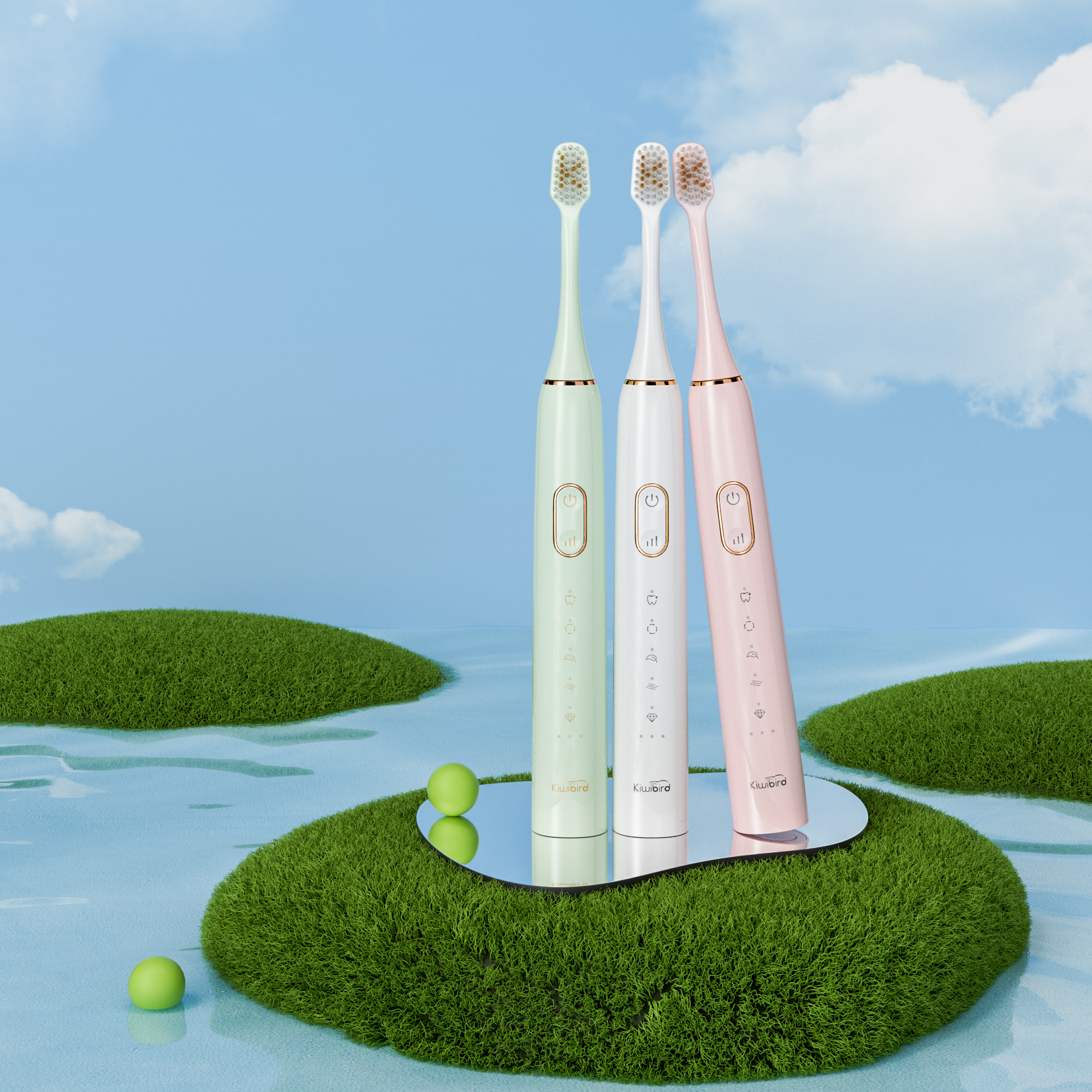
Brands and OEMs often get asked whether a Herbal toothbrush India concept (heads or filaments treated with botanical extracts) or a Natural bristle toothbrush (animal-hair filaments) is the safer, more credible option — especially when those heads are paired with electric handles. The short answer for electric toothbrush programs is: synthetic filaments with well-engineered herbal finishes are usually the safer, more practical path; true natural bristles introduce hygiene, durability and regulatory risks. Below are six manufacturer-focused dimensions that explain why, and what to do if you want to bring herbal or “natural” cues to market responsibly. Hygiene & microbiology — what survives between uses First and foremost, hygiene matters. Natural bristles (animal hair) are porous, hold moisture, and can trap organic matter — conditions that increase bacterial retention and odor risk compared with modern synthetic filaments. Consequently, a Natural bristle toothbrush is harder to dry and sanitize, which is especially problematic for electric toothbrush heads that sit in humid bathrooms or travel cases. By contrast, synthetic filaments (PBT/nylon) are non-porous and rinse/dry quickly. If you want a Herbal toothbrush India story, it’s safer to apply a stable, non-leaching botanical finish to synthetic filaments and then validate that finish with microbiological…
For B2B manufacturers and brand teams launching electric toothbrushes in India, localization is not optional — it’s revenue protection. Including a clear Hindi brushing guide inside the box and in onboarding flows makes your first-time user guide accessible, reduces returns, raises refill attach, and increases trust with retail and clinical partners. Below are six manufacturer-focused reasons — with practical design and rollout suggestions — for why Hindi belongs in every first-time user package. Reduce friction at unboxing — faster time-to-first-use First, language is the single biggest barrier to getting a new user brushing correctly on day one. If your first-time user guide is only in English, large segments of India may struggle with setup, charging, or basic safe-use instructions. By contrast, a short Hindi brushing guide (simple step-by-step illustrations + one-line Hindi captions) lets users: identify charger and dock orientation instantly, attach and swap heads correctly, and start a 2-minute cycle without app pairing. Consequently, more successful first uses mean fewer support tickets and higher early NPS. Improve correct technique & product efficacy — protect brand claims Moreover, electric toothbrushes often deliver their promised benefit only when used correctly. Therefore your first-time user guide should teach technique in plain language.…
In an increasingly connected landscape of smart oral care devices, sync errors have emerged as an unexpected contributor to taste distortion complaints. What may sound like an improbable connection—digital synchronization failures affecting sensory perception—has become a real issue for manufacturers seeking to deliver consistent, safe user experiences. If your customers are reporting metallic, bitter, or otherwise unusual tastes while using your products, it may be time to look beyond surface-level causes and scrutinize the underlying technology infrastructure. This article explores why sync errors can impact taste perception, what technical factors are involved, and how manufacturers can design more reliable solutions. Understanding the Role of Sync Errors Sync errors occur when internal systems or modules fail to communicate or update in a timely and accurate manner. In modern devices such as smart toothbrushes and whitening systems, synchronization governs: Motor speed modulation Pulsation frequency timing LED activation and intensity Automated session duration When synchronization drifts or fails outright, it can create unpredictable operational patterns. For instance, a misaligned motor pulse can alter the delivery of active ingredients, leading to taste distortion. How Sync Errors Alter Taste Perception Taste distortion often arises indirectly as a consequence of sync errors: Ingredient Dispensing Timing: If…
In professional oral care devices, grip fatigue combined with noise pollution isn’t just an inconvenience; it can be a clear signal that your design approach requires reevaluation. Many manufacturers focus on performance metrics—motor power, battery runtime, spray pressure—while overlooking how ergonomics and acoustics directly shape the user experience. Yet, when customers report hand strain and excessive operating noise, the consequences can include reduced compliance, negative reviews, and long-term brand erosion. This article explores why these two issues often appear together, what underlying design choices contribute, and how you can address them effectively. What Causes Grip Fatigue in Oral Devices? Grip fatigue refers to muscle strain in the hand and wrist during repeated use. In dental water flossers and electric toothbrushes, it often stems from: Excessive device weight without counterbalance. Large handle diameters that require constant tension. Slippery surfaces causing involuntary squeezing to maintain control. Continuous operation cycles exceeding recommended usage intervals. Importantly, fatigue is not merely a comfort concern—it can also impact brushing consistency and adherence to oral hygiene routines. Why Does Noise Pollution Occur Simultaneously? Noise pollution in this context describes high-decibel motor sounds, vibration resonance, and intermittent whining. Common causes include: Poor acoustic dampening in the motor housing.…
When customers experience mouth ulcers following allergic rashes, many manufacturers initially dismiss this as unrelated irritation. However, growing evidence suggests that oral ulceration and dermatologic hypersensitivity may share common triggers or reflect systemic reactions. Understanding this connection is essential for brands that prioritize safety and user satisfaction. This article will explore why these symptoms often occur together, what mechanisms may be responsible, and how manufacturers can proactively reduce the risk. Understanding Allergic Rashes in Oral Care Allergic rashes typically arise due to: Contact sensitivity to flavoring agents, preservatives, or bleaching gels. Reactions to latex, adhesives, or plasticizers in trays and devices. Cumulative irritation from prolonged exposure or inadequate rinsing. These rashes frequently manifest as erythematous patches, itching, and localized swelling on the lips, perioral skin, or cheeks. How Mouth Ulcers Develop Mouth ulcers—also called aphthous ulcers—are painful lesions that affect the mucosal lining. They can result from: Mechanical trauma (e.g., ill-fitting trays or sharp edges). Chemical burns from peroxide or acidic solutions. Immune reactions triggered by allergens. Unlike superficial redness, ulcers often penetrate deeper layers and take 7–14 days to heal, impacting user comfort and compliance. The Connection Between Rashes and Ulcers Although they appear distinct, allergic rashes and ulcers…
When customers report tooth chipping paired with root darkening, it signals a deeper problem than simple cosmetic damage. These two conditions often indicate structural compromise and internal deterioration, which can be difficult—or impossible—to reverse without invasive treatment. In this blog, we’ll explore why this combination occurs, what it means for product safety and performance, and how manufacturers can proactively prevent it. Understanding Tooth Chipping in Modern Oral Devices Tooth chipping frequently happens when excessive mechanical forces act on enamel during cleaning or whitening. Poorly calibrated motors, abrasive brush heads, or overly rigid trays can: Create microfractures in already weakened enamel. Accelerate wear, especially along incisal edges. Lead to cumulative chipping over repeated use. While minor chips might seem harmless, they often compromise the tooth’s ability to resist bacterial infiltration and chemical exposure. How Root Darkening Develops Root darkening is a more insidious process, usually caused by: Pulp necrosis following repeated trauma. Microleakage from poorly sealed whitening trays. Oxidative damage when high-concentration gels penetrate dentin. Unlike superficial discoloration, root darkening signals loss of vitality, making teeth more prone to fractures, sensitivity, and infection. Why Chipping and Darkening Often Occur Together Although these issues can appear separately, their coexistence usually points to:…
When gum bleaching appears alongside a heightened pulpitis risk, it’s time for manufacturers and dental professionals to ask whether whitening treatments have crossed the line from cosmetic enhancement to clinical hazard. While tooth whitening remains one of the most popular aesthetic procedures, inappropriate product formulations, poor application technique, and inadequate safeguards can trigger irreversible damage to both soft tissues and the pulp. This article explains why these problems occur, how they’re linked, and what steps companies can take to protect users—and their own reputations. Why Gum Bleaching Happens During Whitening Gum bleaching typically results from peroxide-based gels spreading beyond the tooth surface and contacting gingival tissue. Factors contributing to this include: Overfilled trays or syringes that leak excess gel. Ill-fitting whitening trays that fail to create a precise seal. High-concentration formulas applied without proper isolation. Although mild bleaching can be reversible, repeated exposure increases tissue irritation and sets the stage for more severe complications. How Pulpitis Risk Enters the Picture Pulpitis—inflammation of the tooth pulp—develops when peroxide penetrates enamel micro-cracks or dentin tubules, irritating the pulp chamber. In many cases, users initially notice transient sensitivity. However, if peroxide exposure persists, inflammation can escalate to irreversible pulpitis requiring endodontic treatment or…
When tray warping combines with switch corrosion, many companies fail to recognize just how quickly these issues can compromise device safety and functionality. Although each defect alone can be problematic, together they often signal deeper structural and electrical deterioration that may warrant immediate replacement. In this blog, we explore why these failures occur, how they interact, and when replacement becomes the best course of action. Why Tray Warping Shouldn’t Be Ignored Tray warping usually starts as subtle distortion, often due to: Excessive heat exposure during charging or sterilization. Low-grade polymers that can’t maintain their shape under stress. Improper mechanical loads during operation. Even minor warping can result in poor sealing, uneven pressure on internal components, or misalignment of moving parts—all of which increase the risk of performance failures over time. How Switch Corrosion Develops Alongside Warping While tray deformation compromises mechanical integrity, switch corrosion attacks the electrical system. Moisture and cleaning chemicals can infiltrate gaps created by warped trays, accelerating corrosion at contacts and terminals. Over time, this can lead to: Intermittent power failures. Unresponsive control inputs. Complete switch breakdown. When corrosion is advanced enough to affect continuity, replacement is often unavoidable. The Connection Between These Two Failures At first…
When LED flickering and adapter fires appear together, many manufacturers and distributors underestimate how dangerous this combination can be. What may start as minor performance inconsistencies can rapidly escalate into severe electrical hazards and product recalls. This article breaks down why these issues arise, how they are connected, and what proactive steps brands can take to protect end-users and maintain product integrity. How LED Flickering Signals Deeper Electrical Instability While occasional LED flickering is often dismissed as harmless, it frequently indicates: Voltage fluctuations caused by unstable power supplies. Loose or degraded solder joints. Deterioration of internal capacitors or driver circuits. These inconsistencies not only disrupt the user experience but also strain the components, increasing the chance of thermal stress and electrical shorts. Why Adapter Fires Often Follow Flickering In some cases, adapter fires are the direct consequence of ignoring flickering symptoms. Here’s why: Prolonged flickering stresses the adapter’s rectifiers and transformers. Heat accumulates in the adapter casing due to inefficient power conversion. Over time, the insulation around wires can degrade, leading to sparks or flames. Especially in high-demand environments—like professional clinics or large-scale retail displays—this chain reaction can trigger extensive damage. Company web: https://www.powsmart.com/product/electric-toothbrush/ Common Triggers of This Dangerous Duo Manufacturers…
In the rapidly evolving oral care market, standing out as a brand requires more than just a good product. Today’s successful oral care brands must implement well-rounded sales-boosting strategies that address both product innovation and market execution. Whether selling in retail outlets or via online platforms, aligning with the right manufacturing partner and optimizing your oral care marketing and ecommerce sales funnel are essential to achieving sustained growth. This blog explores six actionable strategies to help oral care brands thrive in a competitive environment. Partner with Scalable, Quality-Driven Manufacturers For any oral care brand looking to scale, the choice of manufacturing partner is critical. A reliable factory not only ensures product quality but also supports innovation and volume growth. Look for manufacturers with expertise in electric toothbrushes, water flossers, and custom product development. Ensure they follow international certifications (ISO, CE, FDA) to appeal to global markets. Prioritize factories that offer fast prototyping and white-label capabilities. A strong manufacturing relationship lays the groundwork for consistent product supply, faster time-to-market, and competitive pricing—key pillars of any effective sales-boosting strategy. Develop a Differentiated Product Portfolio To stand out in crowded shelves and search results, your product line must offer unique value. Product differentiation can significantly improve retail…
Many manufacturers underestimate how quickly water ingress can lead to motor rust and cascade into costly performance failures. When moisture penetrates seals or housing, it does more than cause superficial corrosion—it actively damages the core electrical and mechanical components that drive your device. In this article, we’ll explore the mechanisms behind water ingress and motor rust, why this issue is often overlooked, and what manufacturers can do to prevent long-term damage. How Water Ingress Starts Water ingress describes any unintended infiltration of moisture into a device’s interior. This can occur through: Micro-cracks in the casing Worn-out gaskets Improper assembly Capillary action along wiringEven small amounts of condensation or splashes can gradually accumulate inside enclosed spaces, creating a humid microenvironment ideal for corrosion. Why Water Ingress Accelerates Motor Rust When moisture reaches the motor assembly, several problems emerge: Oxygen and water react with metal surfaces, forming rust on motor shafts, bearings, and laminations. Rust disrupts smooth rotation, increasing friction and energy consumption. Corrosion can also lead to pitting and structural weakening.Once motor rust has started, it’s difficult to reverse without replacing parts entirely. Early Warning Signs of Moisture Damage Recognizing the symptoms before failure occurs is critical. Watch for: A grinding…
As consumer awareness of advanced oral hygiene continues to grow, water flossers have become a standout product in the personal care and dental wellness market. For oral care brands and distributors seeking to expand or upgrade their product lines, understanding the key selling points that truly make water flossers stand out is essential when sourcing from manufacturers. In this article, we’ll explore the core water flosser features, their competitive advantages, and the clear oral irrigation benefits that appeal to both retailers and end users. Superior Oral Irrigation Benefits Over Traditional Floss The most important reason water flossers are gaining traction is their proven effectiveness in improving gum health and deep-cleaning between teeth. Unlike string floss, water flossers: Reach deep below the gumline to remove plaque and debris Reduce bleeding and inflammation in sensitive gums Offer a more comfortable and accessible experience for users with braces, implants, or bridges These oral irrigation benefits are major decision-making factors for consumers, particularly in premium markets where health-driven purchasing dominates. User-Friendly Design and Multi-Mode Functions Today’s water flossers are not just effective—they are also engineered for comfort and customization. Leading water flosser features include: Adjustable water pressure for sensitive or deep-cleaning modes Rotating nozzles for targeted irrigation Ergonomic, non-slip designs…
The demand for electric toothbrushes continues to rise globally, with both startups and established oral care brands seeking to expand their portfolios. One of the most effective ways to enter this market quickly and efficiently is through Electric Toothbrush OEM projects. Partnering with an experienced manufacturer allows brands to offer high-quality, customizable products under their own label. However, successful OEM cooperation requires careful planning. In this article, we highlight the essential considerations that any brand should evaluate before starting an electric toothbrush private label or OEM project. Defining Your Product Vision and Brand Goals Before contacting potential manufacturers, it’s critical to define your product vision. What kind of electric toothbrush are you looking to offer — basic entry-level models or high-end smart toothbrushes with Bluetooth and app connectivity? Key Considerations: Target market segment (budget, mid-range, premium) Core features and innovations desired Packaging and branding requirements Clear direction from the brand side helps streamline the electric toothbrush OEM process and avoids unnecessary revisions later in production. Evaluating Manufacturer Capabilities and OEM Experience Not all suppliers are equipped to handle the complexity of Electric Toothbrush OEM projects. Brands should look for manufacturers with proven expertise in oral care device production and the ability to handle…
In the fast-growing oral care market, choosing the right electric toothbrush factory can be the difference between product success and failure. For brand owners and sourcing managers, understanding how to properly evaluate an electric toothbrush factory is essential to ensure product consistency, timely delivery, and long-term partnership success. This article outlines a six-part evaluation framework to help you assess a factory's comprehensive capabilities, including their OEM capabilities, manufacturing standards, and commitment to Electric Toothbrush Quality Manufacturing. Assessing the Factory’s Core Manufacturing Capabilities The first step in evaluating an electric toothbrush supplier is to investigate its core production competencies. A capable electric toothbrush factory should have: In-house facilities for plastic injection molding, PCB assembly, and motor integration. Experience with multiple product lines (oscillating, sonic, kids’ models). Scalable production capacity that aligns with your demand projections. This baseline assessment ensures the factory has the technical resources to meet your product specifications under various volumes. Reviewing OEM & ODM Capabilities Many oral care brands seek manufacturers that can provide OEM capabilities and even ODM (Original Design Manufacturing) services. During the evaluation, ask: Can the factory customize molds, packaging, and firmware? Do they offer product design support or only manufacturing? Are there R&D engineers on-site for product development or…
In recent years, global consumers have been shifting away from basic functional products toward higher-quality, technology-driven, and sustainable options — a phenomenon known as consumption upgrading. This shift is reshaping industries, and the oral care sector is no exception. For oral care product brands seeking reliable manufacturers, understanding how consumer demand changes are influencing oral care innovation is key to staying competitive in the market. Rising Expectations: From Basic Cleaning to Total Experience Traditional oral care products, such as manual toothbrushes and floss, once satisfied mass-market needs. Today’s consumers, however, expect much more: Smart toothbrushes with app integration and real-time feedback. Devices that offer personalization, from brushing intensity to tracking habits. Aesthetic product design that aligns with lifestyle values. Manufacturers must now design and produce oral care devices that deliver a premium user experience — functionally, emotionally, and digitally. The Role of Smart Technologies in Oral Care Innovation Oral care innovation is being driven by advances in IoT and sensor technologies. Smart toothbrushes are at the forefront of this change, offering: Pressure sensors and AI-guided brushing recommendations Bluetooth connectivity and mobile app control Adaptive cleaning modes for different oral conditions Factories that can support the integration of electronics, firmware, and cloud data platforms are becoming…
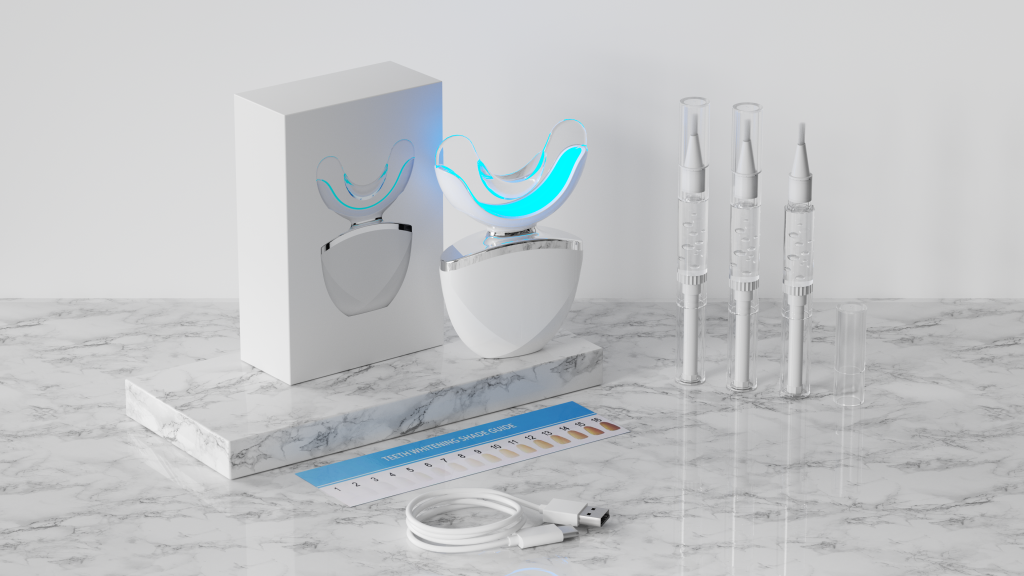
With increasing awareness around dental aesthetics and convenience, consumers are now shifting from clinic visits to at-home whitening solutions. This growing demand presents an excellent opportunity for oral care brands to expand their product lines with professional-grade teeth whitening devices. In this blog, we explore the advantages of home teeth whitening and why working with experienced OEM suppliers is essential for delivering high-quality, compliant, and innovative products to the market. At-Home Whitening Benefits: Why Consumers Are Switching Modern consumers want results — fast, effective, and safe. Advantages of home teeth whitening include: Convenience: No clinic appointments needed; treatment can be done anytime, anywhere. Affordability: Significantly lower cost compared to professional in-office whitening. Consistency: Ability to perform regular maintenance to prolong results. Brands that provide user-friendly, effective whitening kits can quickly gain a competitive edge in this expanding market. LED Acceleration Technology: Enhancing Whitening Efficiency One of the key innovations behind professional-grade devices is LED acceleration. These systems use blue LED light to activate the whitening gel and speed up the chemical reaction, resulting in faster stain removal with shorter treatment times. Helps improve visible results within days. Non-invasive and heat-free, increasing user comfort and safety. Offers a “tech-forward” brand image for companies…
For many professional oral care devices, stable suction performance is critical to maintaining hygiene standards and delivering a premium user experience. Yet one issue continues to undermine reliability across countless units: hose kinking. When hoses develop bends or kinks, weak suction inevitably follows, reducing effectiveness and creating operational headaches. In this article, we’ll unpack how hose kinking and weak suction are directly related, why this problem occurs, and how manufacturers can prevent it before it damages brand trust. What Is Hose Kinking and Why Does It Matter? Hose kinking happens when a flexible tube collapses or folds onto itself, restricting or blocking internal airflow or liquid movement. Unlike overt leaks, hose kinks can appear intermittently—sometimes allowing partial flow and sometimes cutting it off entirely. This inconsistency: Decreases the vacuum strength Delays water delivery or removal Leads to sudden device stalls Especially in clinical settings or for consumers who demand consistent performance, these interruptions quickly erode confidence in the product. How Hose Kinking Directly Causes Weak Suction Weak suction is the most obvious and measurable consequence of hose kinking. Whenever a kink forms: Airflow is constricted, lowering negative pressure in the pump chamber Motor load increases, reducing operational efficiency Partial vacuum…
Over the past few years, consumer interest in cosmetic oral care has surged, with at-home teeth whitening leading the trend. Fueled by social media, lifestyle aesthetics, and accessible technology, Growing Demand for at-home teeth whitening products presents a significant opportunity for oral care brands seeking to expand their product lines. This blog explores the key drivers of this demand, and how brands can respond effectively — especially by finding the right whitening factory or OEM/ODM manufacturing partner. Market Dynamics: Understanding the Teeth Whitening Boom The global teeth whitening market is expected to grow steadily, driven by: The rising influence of appearance-driven consumption. Greater consumer confidence in at-home teeth whitening technologies. Increasing awareness of cosmetic oral care routines.According to industry data, the segment of home-use whitening kits is outpacing professional in-clinic treatments in both growth rate and accessibility, making it a must-have in any brand’s product portfolio. What Consumers Want: Efficacy, Convenience, and Aesthetic Appeal Today's users are looking for: Safe and effective whitening formulas with visible results. Easy-to-use devices (e.g., LED whitening trays, pens, strips). Products that match their lifestyle — minimal time, maximal results.These demands are reshaping how cosmetic oral care products are formulated, packaged, and marketed. Brands that can deliver a premium at-home whitening experience…
In high-performance oral care devices, smooth operation and reliable performance are non-negotiable. Yet pulse lag and incomplete flushing remain two of the most frustrating issues for end users and B2B clients alike. When these problems occur together, they not only damage the user experience but also raise concerns about hygiene, device longevity, and brand reputation. This article explores why pulse lag and incomplete flushing often appear in tandem, the underlying causes, and actionable solutions to prevent these failures. Understanding Pulse Lag Pulse lag describes a noticeable delay between activating the device and the start of the water jet. While minor delays can be tolerable, excessive lag creates confusion and frustration. Typical causes of pulse lag include: Air pockets in the pump or tubing Low motor torque or inconsistent power delivery Software delays in triggering the pump cycle Valve obstructions reducing flow initiation speed Especially in professional or clinical contexts, any lag in response time undermines user confidence. Why Incomplete Flushing Is a Serious Problem Incomplete flushing occurs when residual fluid remains in the reservoir, hoses, or nozzle after a cleaning cycle. Over time, stagnant liquid can: Promote bacterial growth Cause foul odors or taste contamination Block narrow passages and damage…
As competition increases in the oral care market, more brands are searching for ways to stand out while maintaining healthy profit margins. One increasingly effective strategy is positioning water flossers as premium oral care products. In this blog, we explore how brand owners can use luxury branding, effective product design, and OEM manufacturing partnerships to turn water flossers into maximizing profit margins oral care solutions. Market Overview: Why Premium Positioning Works The global demand for advanced oral care solutions is rising rapidly, especially among middle- to high-income consumers. Today’s consumers are no longer looking for just functionality—they want convenience, style, and wellness benefits from their purchases. Positioning a premium water flosser taps into this desire. Premium branding not only elevates perceived value but also allows brands to increase retail pricing significantly, thus maximizing profit margins. Key Features that Define a Premium Water Flosser To justify a higher price point, premium water flossers must go beyond basic cleaning. Consider incorporating the following features: Smart technology: Bluetooth-enabled tracking or AI-powered usage analytics Customizable pressure settings: More options for sensitive gums and orthodontic users Elegant design: Sleek finishes, compact build, and travel-friendly packaging Long battery life and fast charging Low-noise operation A focus on design, functionality, and…