In today’s competitive oral care market, product quality alone is not enough. For brands working with an electric toothbrush manufacturer, comprehensive and reliable after-sales service is essential to build long-term trust with consumers. Especially in electric toothbrush OEM partnerships, strong post-sale support can enhance brand reputation, minimize return rates, and boost customer satisfaction. This blog outlines the core after-sales service content and commitment a professional manufacturer should offer to brand partners. Warranty Coverage and Service Timelines A reliable electric toothbrush manufacturer will offer clear warranty terms that protect both the brand and the end consumer. Key elements include: Standard warranty period (usually 12–24 months depending on product type) Coverage for manufacturing defects, battery issues, and electronic failures Clear service timelines, with commitments to respond to warranty claims within a defined period (e.g., 48 hours) This transparency helps OEM partners confidently communicate with end users and reduce disputes. After-Sales Maintenance and Technical Support Plan for Electric Toothbrushes Maintenance and technical support are critical components of a manufacturer’s after-sales infrastructure. A good after-sales maintenance and technical support plan for electric toothbrushes may include: Repair services or product replacement protocols for defective units Remote troubleshooting and firmware updates (especially for smart toothbrushes) Spare parts provision: replacement brush heads, batteries, or charging…
In today’s increasingly competitive personal care market, consumers' preferences of electric toothbrushes are becoming more discerning, not only about the features of the product but also the price point. For brands and suppliers aiming to remain competitive and relevant, it is essential to understand how consumers weigh functions and prices of electric toothbrushes in their purchasing decisions. This blog provides a strategic look at demand preference and analysis, helping brands align with the right electric toothbrush manufacturer who can meet evolving market expectations. Core Consumer Expectations: Smart, Efficient, and Affordable Modern consumers prioritize electric toothbrushes that are not just effective, but also intelligent and user-friendly. Based on recent consumer research, the most requested features include: Multiple brushing modes (sensitive, whitening, gum care) Smart timers and pressure sensors Long battery life and fast charging Quiet operation and compact design However, while many users desire advanced features, a large portion of consumers' preferences of electric toothbrushes remain price-sensitive. This is where the balance between functionality and affordability becomes crucial in product planning and sourcing. Demand Preference and Analysis: Features vs. Cost Demand preference and analysis reveal three major consumer segments: Premium Users: Willing to pay over $80 for AI-enabled brushes, Bluetooth connectivity, and ultra-sonic vibration technology. Mid-Market Consumers:…
In the development and manufacturing of oral care devices such as water flossers, two critical concerns often overlooked by many brands are Design Flaw and the resulting risk of Gum Injury. While these products are intended to improve dental hygiene and user comfort, improper design choices can inadvertently harm sensitive gum tissue. This risk not only impacts end-user health but also poses severe challenges to manufacturers in terms of product liability, brand reputation, and market competitiveness. The Connection Between Design Flaws and Gum Injury A Design Flaw in a water flosser can manifest in several ways, including incorrect nozzle shape, improper water pressure calibration, and inadequate control interfaces. These flaws may lead to excessive water force or an uneven spray pattern that directly impacts the gums, causing tissue irritation, bleeding, or long-term sensitivity—collectively known as Gum Injury. For example, if the nozzle tip is too sharp or angled improperly, it may focus pressure on a narrow gum area, increasing the risk of damage. Similarly, if water pressure levels are poorly regulated, even a brief exposure to an overpowered jet can injure soft gum tissue, particularly for users with sensitive or receding gums. Common Design Flaws Leading to Gum Injury Several…
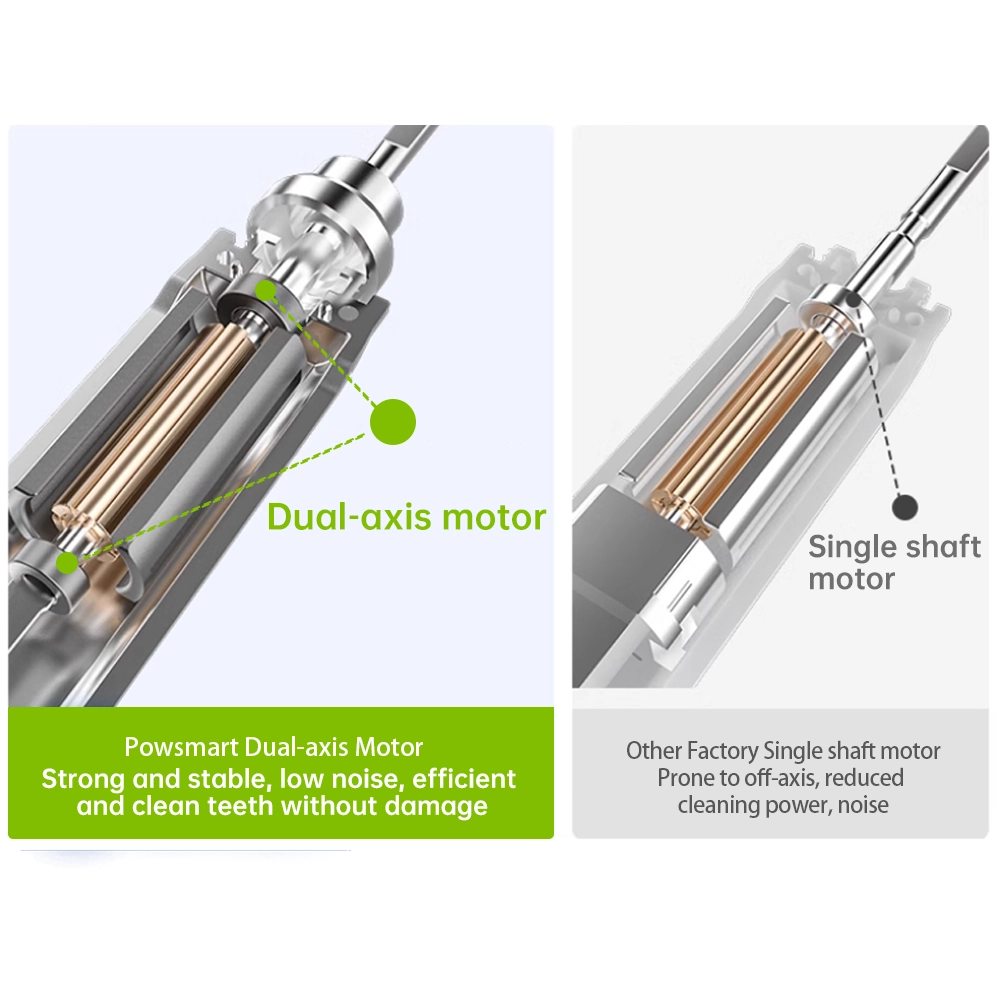
In today’s competitive oral care market, brand differentiation is more important than ever. Consumers are not just looking for basic hygiene—they’re looking for smart, effective, and safe oral care solutions that reflect modern health values. For brand owners, partnering with the right oral care product manufacturer is critical. High-quality electric toothbrushes are no longer optional—they are strategic assets that can enhance the brand image of oral care, attract loyal customers, and justify a premium price. Scientific Cleaning Power + Gingival Protection: Why It Matters Modern consumers are increasingly aware of the importance of gum health and deep cleaning. A high-quality electric toothbrush must deliver both scientific cleaning power + gingival protection technology. This means: Advanced motor performance for efficient plaque removal Soft, adaptive brush heads to avoid gum damage Pressure sensors to alert users to excessive force By delivering more scientific and effective oral health solutions, your product will naturally rise above low-end, generic alternatives. Consumers associate these features with quality and reliability—two cornerstones of strong brand identity. Stand Out: Different from Low-End Competitors Mass-produced, low-cost electric toothbrushes flood the market, but they often fail to meet real user needs. They may look similar on the outside, but lack the internal…
In the landscape of modern consumer and professional electronics, two hardware concerns are becoming increasingly critical—Dock Failure and Battery Swelling. While often regarded as separate reliability issues, these malfunctions can work in tandem to compromise device performance and user safety. From portable grooming tools to medical diagnostics equipment, manufacturers must recognize how these risks interact and what they imply for overall product safety in demanding real-world use scenarios. Understanding Dock Failure: More Than Just a Connection Problem Dock Failure refers to the malfunction of the charging dock or connection base that facilitates power transfer and often data synchronization. Causes range from poor contact design and corrosion to mechanical wear or foreign matter ingress. In B2B use cases, docks are often subjected to repeated cycles of docking and undocking, increasing the chances of degraded alignment or loose connections over time. When a dock fails, not only does it interrupt charging, but it can also lead to unexpected power drops, incomplete firmware updates, and unsafe charging conditions—especially if the dock fails mid-cycle. The situation becomes more severe when Battery Swelling is involved, compounding both mechanical and thermal stresses. What Triggers Battery Swelling? Battery Swelling occurs when a lithium-ion battery builds up internal…
With the rising awareness of dental hygiene and the growing adoption of electric toothbrushes, oral care brands are actively seeking new ways to build loyalty and grow sustainably. One of the most effective strategies in recent years is the brush head subscription service. More than just a convenience, it represents a long-term opportunity for oral care brand growth, boosting both customer retention and brand visibility. In this article, we will explore the advantages of the brush head subscription service, and how it can help increase brand influence and sales in an increasingly competitive market. What Is the Brush Head Subscription Service? A brush head subscription service is a business model where users receive new replacement heads for their electric toothbrushes automatically, typically every 3 months. This service eliminates the hassle of remembering to replace brush heads and ensures customers maintain optimal oral hygiene. Brands offering this service can integrate it directly into their e-commerce platforms, apps, or even through third-party marketplaces. When combined with a high-quality oral care product manufacturer, the subscription model can become a seamless part of the customer’s oral care routine. Advantages of the Brush Head Subscription Service for Oral Care Brands A. Recurring Revenue & Predictable Sales One…
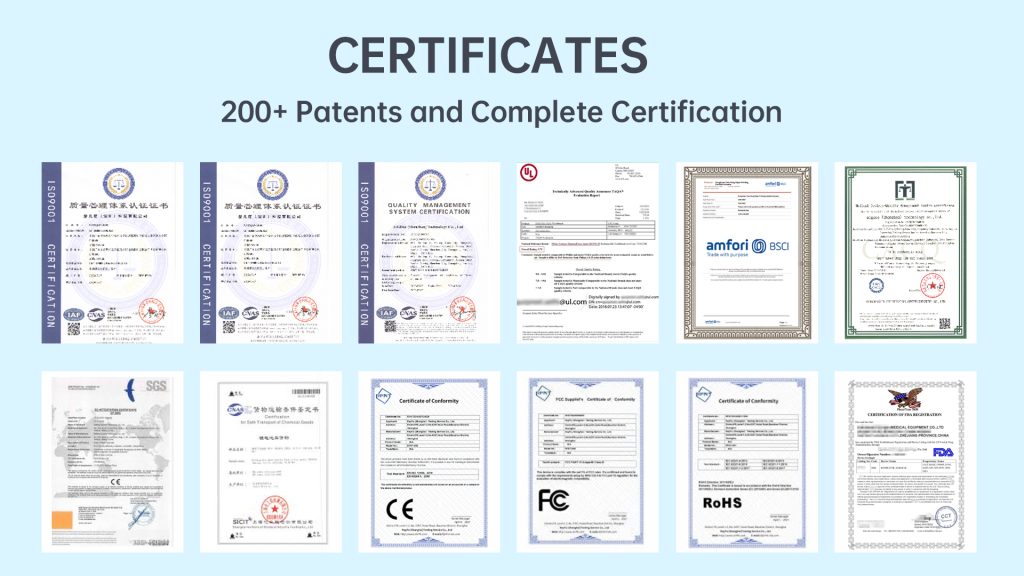
In the highly competitive oral care market, finding the right Oral Care Product Manufacturer is critical for any brand seeking to deliver safe, effective, and market-ready products. Whether you’re launching a new line of electric toothbrushes, oral irrigators, or whitening solutions, the choice of manufacturing partner can determine your product’s success—or failure. To streamline your decision-making process, we’ve created the ultimate checklist for evaluating a manufacturer, helping you identify quality dental suppliers who can act as your reliable OEM partner. Certification and Compliance: Look for an FDA-Certified Factory The first item on your checklist should be regulatory compliance. A reputable manufacturer should operate an FDA-certified factory and adhere to ISO standards relevant to medical or oral care devices (e.g., ISO 13485 for medical-grade production). What to check: FDA registration or certification documentation ISO certifications (especially ISO 13485 or ISO 9001) CE, RoHS, or other region-specific compliance (if targeting global markets) These certifications ensure that the manufacturer meets the legal and hygiene standards required to produce oral care products safely. Manufacturing Capabilities and Specialization Not every factory that makes beauty or healthcare products is optimized for oral care. You need a manufacturer that specializes in producing oral care devices such as electric toothbrushes or oral…
In today’s competitive market, oral care brands must constantly innovate to remain relevant. With increasing consumer demand for comprehensive dental solutions, oral care product expansion is no longer optional—it’s a strategic imperative. From electric toothbrushes to trending oral devices like water flossers, tongue scrapers, and whitening tools, diversification opens the door to new market segments, higher customer retention, and stronger brand positioning. This blog will explore how dental brands can expand product line strategically, supported by smart OEM/ODM collaboration, and align with current market trends for long-term growth. Analyze Market Trends and Consumer Needs Before introducing new products, brands must begin with thorough market trend analysis. The oral care market is shifting rapidly due to factors like: Growing awareness of preventive dental care Rising demand for smart and connected devices Interest in eco-friendly and travel-friendly oral hygiene products Tracking trending oral devices—such as ultrasonic toothbrushes, cordless oral irrigators, and UV sterilizers—can reveal untapped opportunities. Matching these trends with specific consumer pain points ensures your product development is need-driven rather than guesswork. Identify Strategic Gaps in Your Current Product Line Successful dental brand diversification requires more than simply adding more SKUs. Brands should evaluate their current offerings to identify: Missing categories (e.g., floss alternatives…
In today’s smart electronic devices—whether in personal care, medical equipment, or industrial tools—two frequently underestimated problems, Bluetooth Disconnect and Stream Splitting, can silently compromise device precision. These issues, when occurring separately, already pose performance challenges; when they appear together, they create a hidden but serious threat to the accuracy and reliability of data transmission, sensor feedback, and user control. Manufacturers must understand this dual risk to ensure consistent product quality and maintain customer trust. What is Bluetooth Disconnect? Bluetooth Disconnect refers to the unexpected interruption of wireless communication between devices, such as a main unit and its controller, a smartphone, or other smart accessories. Such disconnections can be triggered by signal interference, insufficient firmware stability, or limited antenna performance. When Bluetooth Disconnect happens during real-time data exchange—like streaming sensor readings or sending control commands—the device may enter error states, lose synchronization, or require a reset. In high-precision products like health monitors, grooming devices, or smart industrial tools, these disruptions directly reduce functional accuracy. Understanding Stream Splitting Stream Splitting is a less obvious but equally dangerous issue, describing the unintentional separation or fragmentation of a continuous data stream into disjointed packets or signals. This may result from bandwidth overload, buffer mismanagement,…
In the world of electronic and electro-mechanical devices, two often-overlooked factors—Indicator Error and Seal Deterioration—can silently mislead users, resulting in improper operation, reduced product trust, and premature failure. For OEM and ODM manufacturers, understanding the interaction of these two failure modes is essential for improving user experience and maintaining product reliability. Surprisingly, these issues not only affect functionality but also influence customer perception and satisfaction. Understanding Indicator Error Indicator Error refers to the failure or inaccuracy of status indicators—such as LEDs, display screens, or battery level indicators—which are designed to inform users of a device’s operational or charging state. When these indicators provide false or misleading information (e.g., showing full charge when the battery is low), users can make incorrect decisions such as overusing, undercharging, or mishandling the product. Such errors often stem from sensor malfunction, aging components, firmware bugs, or environmental stress such as heat and moisture. In battery-powered or liquid-resistant products, these mistakes become more critical because they may mask internal problems like Seal Deterioration. What is Seal Deterioration? Seal Deterioration describes the gradual loss of effectiveness in gaskets, O-rings, adhesives, or molded joints that protect the device's internals from water, dust, and other contaminants. This degradation occurs…
In the manufacturing of modern electronic and electro-mechanical devices, unexpected failures such as Charging Overheat and Joint Leakage can greatly reduce product reliability and shorten service life. Although these two issues appear to belong to different system domains—thermal management versus sealing integrity—they are in fact closely interrelated. For OEM and ODM manufacturers, understanding this hidden connection is critical to preventing costly after-sales failures and maintaining customer satisfaction. What is Charging Overheat? Charging Overheat occurs when a device's battery or charging circuit generates excessive heat during the charging process. This heat can be the result of design inefficiencies, poor component quality, or misuse by the end-user—such as charging in a high-temperature environment or using incompatible chargers. Excessive heat during charging not only threatens battery safety but also impacts surrounding structural components, especially plastic joints, seals, and adhesives that are sensitive to temperature rise. Understanding Joint Leakage Joint Leakage refers to the loss of sealing effectiveness at the device's assembly seams, gaskets, or bonded areas. Leakage points often allow moisture, dust, or other contaminants to enter the device interior, potentially damaging sensitive electronics or reducing mechanical performance. For devices like electric toothbrushes, grooming appliances, or medical instruments, maintaining watertight or airtight joints…
In the manufacturing of consumer electronics and precision appliances, problems such as Handle Cracking and Connector Corrosion are often underestimated, yet they play a critical role in determining the overall lifespan and reliability of the device. For OEM and ODM partners, understanding how these two failure modes impact product durability is essential to optimizing design, reducing warranty claims, and maintaining market competitiveness. What is Handle Cracking? Handle Cracking refers to the development of visible or internal fractures in the plastic, rubber, or composite material used in the handle of a device. This issue is common in products that are subjected to repeated mechanical stress, exposure to moisture, UV radiation, or temperature cycling. When cracks form in the handle structure, they compromise both the mechanical strength and the sealing capability of the device. Over time, handle cracking can lead to water ingress, contamination of internal components, or a loss of structural integrity—all factors that contribute to premature product failure. The Risks of Connector Corrosion Connector Corrosion occurs when metal contacts in electrical connectors are exposed to moisture, salts, or corrosive environments. This leads to oxidation or material degradation that increases electrical resistance, causes intermittent connections, or even total circuit failure. Connector…
Relieve Tooth sensitivity is a widespread oral health issue that affects millions globally, often triggered by cold, heat, sweetness, or even brushing. Many consumers don’t realize that using the wrong toothbrush can worsen the problem. In fact, manual brushing with excessive force is one of the most common causes of enamel wear and gum recession—two major contributors to tooth sensitivity. As a professional electric toothbrush factory, we often receive inquiries about whether an electric toothbrush can help relieve tooth sensitivity. The answer is yes—if the right design and technology are applied. How Can Electric Toothbrushes Help Relieve Tooth Sensitivity? Modern electric toothbrushes are equipped with features that specifically aim to address sensitive teeth: Pressure SensorsBuilt-in sensors automatically reduce brushing intensity when too much force is applied, helping protect delicate enamel and gums. Soft Bristle OptionsElectric toothbrushes designed for sensitive teeth use ultra-soft bristles that clean effectively without abrasion, reducing discomfort during brushing. Gentle Cleaning ModesMany models include modes such as “Sensitive” or “Gum Care,” providing low-frequency vibrations to ensure a soothing yet thorough clean. Consistent Brushing PerformanceUnlike manual brushes that vary with user technique, electric toothbrushes offer consistent cleaning action that minimizes the risk of over-brushing. These combined features demonstrate…
When home‐care devices suffer from battery degradation, users often postpone charging and skip essential upkeep—highlighting how maintenance complexity can cascade into enamel‐wear issues. In this post, we’ll examine six ways that complicated care routines and neglected device upkeep exacerbate enamel vulnerability, and offer practical recommendations for B2B manufacturers. Worn Brush Heads & Uneven Abrasion First, complex replacement procedures lead users to overstay brush‐head lifespans: Frayed Bristles: After three months, bristles splay unevenly, concentrating force on small enamel areas. Micro‐scratches: Hardened or misaligned filaments create microscopic grooves, accelerating demineralization. Variable Contact Pressure: Skipping timely head swaps forces users to press harder for perceived cleaning, increasing enamel stress. Thus, simplifying head‐exchange steps is critical to maintain uniform abrasion and protect enamel integrity. Plaque Buildup from Skipped Cleanings Moreover, when devices require time‐consuming disassembly for deep cleaning, many users defer: Residual Debris: Food particles lodged in nozzles or brush mounts feed acidogenic bacteria. Biofilm Formation: Plaque accumulation lowers oral pH, promoting enamel softening and early caries. Ineffective Rinse Cycles: Clogged channels disrupt spray patterns, leaving untreated zones where enamel degrades. To counteract this, devices should offer self‐cleansing cycles or tool‐less access to minimize deferred cleanings.Company web:https://www.powsmart.com/product/electric-toothbrush/ Reduced Torque due to Battery Degradation Furthermore,…
In the world of at-home whitening systems, efficacy debates often center on how quickly and completely bleaching agents decompose stains—and just as critically, on factors like wireless charging safety, which ensures devices remain powered without compromising chemical stability. By honing in on bleach breakdown, manufacturers and end users alike can compare true performance rather than superficial marketing claims. The Chemistry Behind Bleach Decomposition First and foremost, bleaching efficacy depends on the generation of reactive oxygen species: Photolytic Activation: Light-assisted devices split peroxide bonds into hydroxyl radicals (•OH), the primary stain-destroying agents. Thermal Catalysis: Elevated temperatures accelerate O–O bond cleavage, enhancing breakdown kinetics. pH Dependence: Alkaline environments favor peroxide stability but must be balanced to prevent enamel damage. Understanding these chemical pathways is the foundation for any meaningful efficacy comparison. Metrics for Measuring Breakdown Efficiency Moreover, standardized metrics enable clear side-by-side analysis: Free-Radical Yield: Quantified via electron spin resonance (ESR) to assess how many radicals are produced per milligram of bleach. Colorimetry Tests: ΔE measurements track actual stain diminution on dentin or enamel analogs. Reaction Rate Constants: Kinetic modeling reveals how quickly peroxide concentration drops under fixed conditions. Such objective data cuts through marketing noise and grounds efficacy debates in reproducible…
When developing and marketing advanced whitening devices, it’s vital not only to validate waterproof performance through IP rating tests but also to warn users about gum inflammation risks related to post-whitening diets. After bleaching, gum tissues enter a sensitive “high-risk” period—any oversight in diet can trigger inflammation, undermining whitening results and oral health. The “High-Sensitivity Window” After Bleaching First, bleaching agents mildly demineralize enamel and open dentinal tubules, causing gum micro-vascular dilation: Increased Permeability: Gums are more sensitive to acid or alkaline stimuli for 24–48 hours post-treatment. Inflammatory Mediator Release: Residual peroxide may provoke a local immune response, leading to slight swelling. Weakened Barrier: Salivary and mucosal defenses are still recovering, making tissues more susceptible. Hence, every rinse and meal in post-whitening diets must consider the gums’ fragile state. Acidic and Pigmented Foods Heighten Inflammation Risk Next, dietary acids and chromogens are primary culprits for post-bleach inflammation: High-Acid Foods: Citrus or vinegar further lower local pH and accelerate epithelial damage. Dark-Pigment Beverages: Coffee or red wine adhere to micro-etched enamel and irritate gums through friction. Spicy or Alcoholic Drinks: Disrupt blood flow and extend healing times. Avoiding highly acidic or deeply colored items in post-whitening diets is crucial to protect…
In next-generation portable testing devices, not only must you finely tune the oscillation angle to maximize sample collection, but true travel portability lets testing instruments go wherever they’re needed—closer to users and real-world scenarios. In this article, we examine six ways portability boosts allergen detection, helping B2B partners design solutions that are both flexible and reliable. On-Site Testing for Immediate Decisions First, travel portability frees allergen testers from the lab: Rapid Response: Instantly collect and analyze samples on-site at restaurants, factories, or schools after a suspected allergy incident. Reduced Transport Error: Eliminates cross-contamination or degradation risks from shipping samples to a central lab. Improved Client Experience: B2B customers can offer “on-site testing + immediate reporting” as a one-stop service. Portable devices therefore directly enhance testing speed and decision-making. Optimized Sampling with Tuned Oscillation Angles Next, fine control of the oscillation angle in the sampling module is essential: Directed Vibration: Using ±15°–±30° angles covers varied surface materials, ensuring trace peanut proteins or lactose are dislodged. Deep Extraction: Automatically adjust the angle based on surface roughness to capture representative micro-samples. Minimal Damage: Precise angle control prevents excessive wear on food contact or dental tray surfaces. Hardware-level angle tuning is key to efficient,…
For restricted user groups, avoiding stain residuals is critical—not only because leftover pigments mar appearance, but also because these users often have heightened vulnerability. Meanwhile, optimizing bristle roundness in brush-head design helps ensure gentle yet thorough stain removal. In the following six sections, we explore why stain residues pose special risks, and how to address them safely and effectively. Oral Characteristics of Restricted User Groups Restricted user groups include: Post-operative Patients: Gum and implant sites are still healing and prone to irritation. High-Sensitivity Individuals: Those with thin enamel or dentin hypersensitivity require extra care. Chronic Health Conditions: Diabetics or immunocompromised patients face greater infection risks from residual biofilm. These groups react more strongly to any remaining debris or pigments, making complete stain removal essential. Health Hazards of Stain Residuals Beyond aesthetics, retained pigments can: Promote Bacterial Growth: Chromogens combine with proteins to form biofilms that feed anaerobic pathogens. Cause Chemical Erosion: Some food pigments are mildly acidic and can accelerate enamel micro-abrasion. Trigger Immune Overreactions: Chronic exposure to residual agents can inflame gingival tissues and worsen swelling or pain. For vulnerable users, even trace residues can spark significant oral health issues. Contact us :https://www.powsmart.com/product/electric-toothbrush/ Bristle Roundness and Cleaning Efficiency Effective…
In today’s advanced at-home oral-care devices—some even powered by a Magnetic Levitation Motor for ultra-smooth operation—relying solely on gadget features is not enough to guarantee safety. Instead, regular dentist consultations serve as a vital complement, helping to identify contraindications, personalize protocols, and avert complications that no consumer manual can fully anticipate. Tailoring Treatment to Individual Anatomy First and foremost, dental anatomy varies widely: Gum Morphology: Some users have thin, recession-prone gingiva that require gentler cleaning pressures. Enamel Thickness: Variations in enamel density affect sensitivity thresholds and bleaching tolerance. Orthodontic Appliances: Braces, implants, or bridges alter fluid dynamics and pressure points, needing customized nozzle angles. Through dentist consultations, practitioners can assess each patient’s oral structures and recommend device settings or attachments that minimize home-use risks. Early Detection of Underlying Pathologies Moreover, what appears to be routine plaque buildup can mask deeper issues: Periodontal Pockets: Untreated periodontitis pockets deepen without professional scaling, making at-home jets counterproductive. Enamel Cracks: Micro-fractures are invisible to users but can worsen with high-pressure home devices. Caries Development: Early cavities may be exacerbated if home whitening or high-speed brushing continues unchecked. By scheduling regular consultations, dentists can spot and treat these pathologies before home routines aggravate them.Company web:…
In whitening devices, whitening cycle variations—differences in treatment duration and frequency—directly affect final shade improvement. Meanwhile, frequent low-battery alerts interrupt the process, leading users to question what constitutes an “effective cycle.” The root causes span chemistry, device power, user behavior, and battery management. Sources of Whitening Cycle Variations Whitening cycle variations encompass both single-session length (e.g., 10 vs. 20 minutes) and overall frequency (daily vs. every other day). Manufacturers differ in formula strength, light wavelength, and heat assistance, so claims like “results in 7 days” versus “10 days needed” are common. Interruption by Low-Battery Alerts Devices often trigger low-battery alerts, auto-pausing or throttling power to protect battery life. While this safeguards the battery, it can prevent completion of the intended whitening cycle—undermining results. For B2B partners, balancing fast charging and stable runtime is critical to minimize such disruptions. User Compliance with Cycle Protocols Users frequently restart interrupted treatments, losing adherence to standardized cycles. Both excessively long and overly brief sessions can lead to under-activated formulas or over-oxidation—causing sensitivity or color rebound. Chemistry vs. Exposure Time Trade-Off The relationship between active ingredient concentration and exposure time can be: High Concentration + Short Cycle: Rapid stain breakdown but higher sensitivity risk. Low…