Info Center
  • American OEM electric toothbrush manufacturers

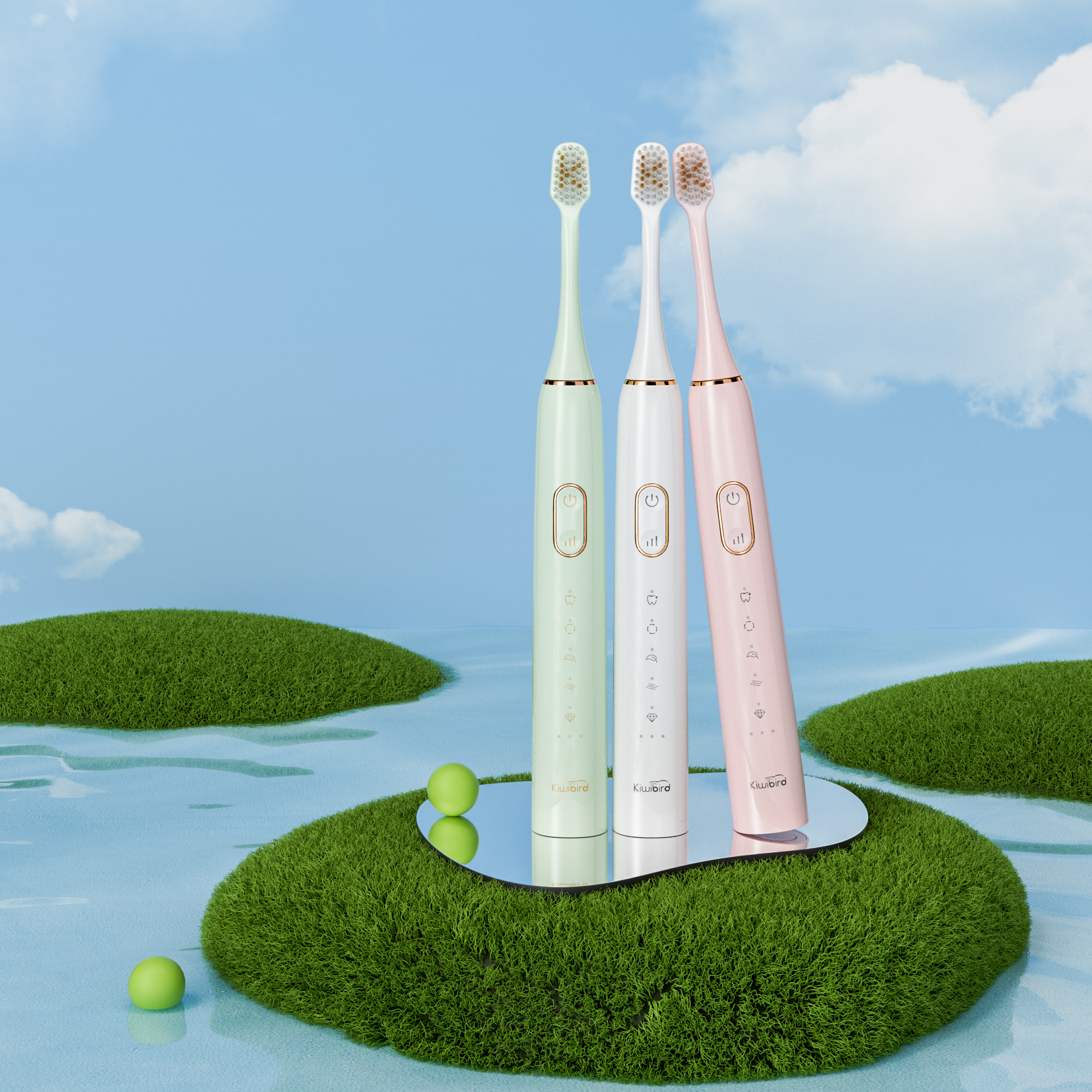
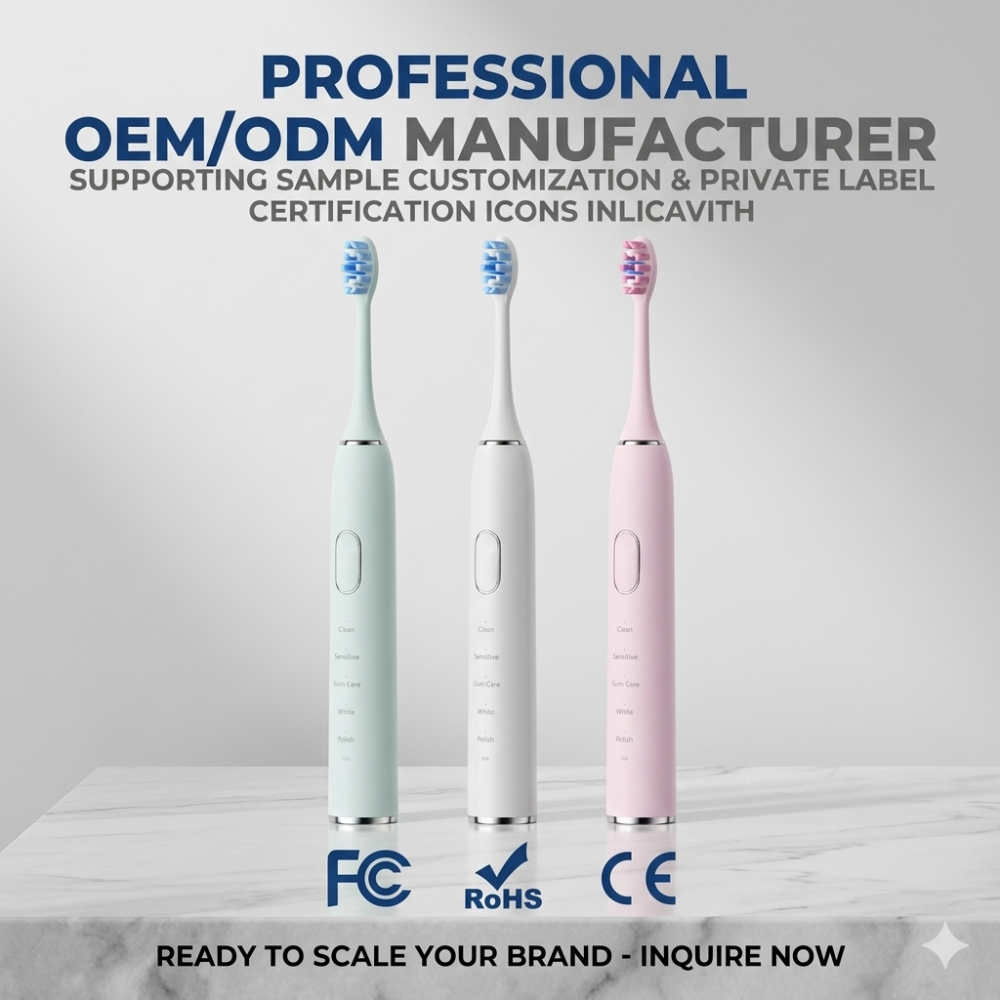
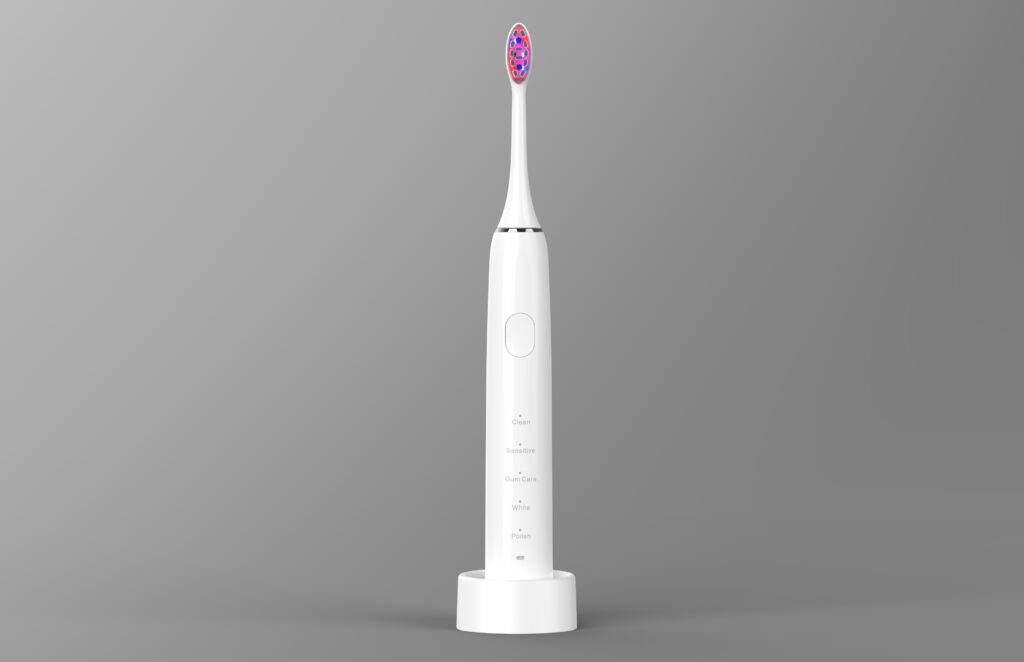
    Powsmart: Your Trusted American OEM Electric For American brands and retailers seeking a reliable, innovative, and quality-driven manufacturing partner for electric toothbrushes, look no further than Powsmart. Operating as both a high-tech manufacturer and a dedicated factory, Powsmart specializes in producing advanced oral care products tailored for the discerning U.S. market. Founded in 2004, our core philosophy is singular: to focus exclusively on the production of superior electric toothbrushes. We combine cutting-edge engineering with rigorous, 38-step quality control processes to ensure every product meets the highest international standards. As a trusted supplier to major global partners, Powsmart is the ideal Chinese factory and manufacturer dedicated to supplying American businesses with OEM and ODM solutions that drive success. Powsmart’s product line is built on technological innovation and user-centric design, offering compelling advantages for American distributors and private label clients. LED Sonic Electric Toothbrush with Phototherapy: This flagship product goes beyond basic cleaning. It features targeted red and blue LED light therapy—3 red lights to quickly repair gums and enhance anti-inflammatory effects, and 3 blue lights for effective teeth whitening. Combined with high-frequency sonic vibration, it offers a comprehensive oral care solution for the health-conscious American consumer. Advanced Wave Vibrating Sonic Toothbrush: Utilizing a new generation Duplex…

    2025-12-29
  • Understanding Water Flosser Compliance Certification for Global Markets

    water flosser compliance certification Any oral care device that enters international markets must satisfy a series of regulatory and safety expectations. Although classification varies by country, every importer remains responsible for ensuring that products meet the rules. Therefore, OEM buyers need a clear understanding of compliance pathways, documentation requirements, and supplier readiness. This is especially true for powered devices combining water flow and electrical components. Why Certification Protects Your Business Retailers and distributors increasingly screen suppliers for full documentation. Moreover, governments apply stricter controls on product safety. When certification gaps exist, shipments may face customs delays, relabeling requirements, or withdrawal from the market. As a result, strong compliance programs protect both revenue and brand credibility. Typical requirements include electrical safety approvals, EMC testing, material safety compliance like RoHS, and packaging labeling standards. In some regions, batteries and chargers require additional documentation. Therefore, your OEM partner must already understand these frameworks. Working With Factories That Support Certification Beyond price negotiation, supplier selection should include a compliance audit. Mature factories maintain internal labs or partnerships with external laboratories. Additionally, they generate test reports, risk assessments, and technical files. During development, they also recommend design improvements that simplify certification rather than causing repeated…

    2025-12-29
  • Why Water Flosser Pressure Calibration Matters for OEM Buyers

    water flosser pressure calibration For professional oral care brands, product performance is never random. Instead, every technical parameter should follow controlled engineering logic. Pressure output is one of the most critical performance indicators in a water flosser, because it directly affects user comfort, gum safety, and cleaning efficiency. Therefore, structured control of pressure settings becomes essential in OEM manufacturing. Why Stable Pressure Delivery Matters Consumers expect strong cleaning without discomfort. However, if water pressure fluctuates, the device may feel unpredictable or even irritating. Inconsistent output often results from pump variation, nozzle resistance, internal tube friction, and manufacturing tolerance. When calibration programs are weak, customer complaints and warranty claims usually increase. Consequently, brands need factory partners who understand validation testing. Moreover, stable pressure helps your marketing claims remain credible. Retail partners and distributors prefer measurable performance standards rather than subjective statements. This is why mature manufacturers design test benches to measure pressure curves across working modes. How OEM Factories Control Pressure Besides hardware engineering, calibration methods determine final consistency. Responsible suppliers set allowable tolerance windows and verify samples from each batch. Additionally, they monitor both peak output and long-term stability as components age. Because water minerals and internal vibration may influence…

    2025-12-29
  • Choosing a Reliable Water Flosser Nozzle Manufacturer for Your Brand

    water flosser nozzle manufacturer When oral care brands search for a dependable partner to supply key components, they quickly realize that the water flosser nozzle is not a simple plastic accessory. Instead, it plays a major role in user safety, water control, structural durability, and hygiene performance. Therefore, selecting the right OEM partner becomes a strategic sourcing decision rather than only a purchasing task. As competition increases in the oral care category, buyers look for suppliers who can consistently balance quality, price, and long-term technical stability. The Role of Precision Engineering in Nozzle Production Because the nozzle controls the final jet stream, precision manufacturing determines overall device comfort and cleaning efficiency. Moreover, material selection, mold consistency, and injection quality all influence daily performance. Many buyers underestimate how small dimensional deviations may affect pressure regulation, user experience, and leakage prevention. However, professional suppliers run tolerance control checkpoints across the full production cycle, which helps reduce returns. Additionally, brands need confidence that each batch will match previous shipments. A trustworthy OEM focuses on statistical process control, automated assembly, and traceability systems. As a result, your product performs more consistently in global markets and strengthens your brand reputation. Quality Systems and International Standards…

    2025-12-29
  • Teeth Whitening Device Reliability Test — What Importers Must Verify

    teeth whitening device reliability test procedures are essential for any importer or OEM brand that wants stable performance in the field. Because whitening devices combine electronics, batteries, plastics, and LED modules, every unit must remain safe and functional across its entire lifecycle. Therefore, structured reliability validation protects both the user and the brand. Why Reliability Testing Matters in B2B Supply Chains When a device fails after launch, warranty costs rise and brand trust declines. Moreover, channel partners lose confidence. As a result, forward-thinking brands treat reliability validation as a core engineering task rather than an optional activity. You can also review whitening devices similar to those on powsmart.com (for example: https://www.powsmart.com/products/whitening-led-device) to understand the types of components that require testing. Common Reliability Test Categories A professional program often includes: LED lifetime verification battery cycle durability charging port stress testing temperature and humidity exposure drop and vibration evaluation long-term storage simulation Additionally, software and driver stability should be confirmed where relevant. These activities help replicate real-world consumer use. Compliance and Industry Guidance Although whitening devices are typically consumer products, they still operate close to oral tissue. Therefore, testing must respect electrical safety, chemical safety, and consumer-health principles. Buyers often consult recognized…

    2025-12-29
  • How to Choose a Reliable Home-Use Whitening Device Supplier for Your Brand

    home-use whitening device supplier selection is one of the most critical decisions for any oral beauty brand entering the consumer market. When a device is used at home rather than in a clinic, safety standards become even more essential. Therefore, the supplier you choose must combine manufacturing capability, product design experience, and strong regulatory awareness. What Defines a Professional Whitening Device Manufacturer A capable producer does far more than assemble parts. Instead, they manage component sourcing, LED calibration, quality inspection, and long-term reliability validation. Moreover, the supplier should clearly document processes such as incoming quality control and final batch testing. When you review whitening device product lines like those available on powsmart.com (for example: https://www.powsmart.com/products/oral-beauty-device), you can better understand how professional production systems are structured. Certification Knowledge Is Essential Because these devices contact the mouth and soft tissue, regulatory awareness matters. Therefore, your partner should understand requirements such as CE, FCC, cosmetic rules, and electrical-safety standards. Additionally, familiarity with industry frameworks like ISO 13485 helps improve confidence. Buyers may also review external medical-dental organizations, such as the American Dental Association (https://www.ada.org), to stay aligned with responsible use guidance. OEM and Private Label Experience Brands often want private packaging, colors, accessories,…

    2025-12-29
  • Whitening Device Production MOQ — How Importers Plan Order Strategy

    whitening device production MOQ is one of the first topics serious importers ask about when sourcing oral beauty hardware. MOQ, or Minimum Order Quantity, directly shapes your inventory risk, unit price, and working capital strategy. For whitening devices, MOQ also connects to tooling planning, supply chain scheduling, and compliance preparation. Therefore, brands should fully understand how MOQ is defined by the manufacturer and what flexibility exists at different production stages. Why MOQ Exists in Whitening Device Manufacturing Manufacturers set MOQ because real production costs only make sense at scale. Tool changeovers, labor planning, LED calibration, plastic molding, battery assembly, and quality inspection all require setup time. Moreover, component suppliers often have their own minimum order levels. As a result, whitening device factories structure their order thresholds around both efficiency and risk. However, MOQ is not always fixed. When the device is already mass-produced, factories sometimes offer smaller production runs for OEM clients, especially if the brand plans long-term cooperation. But when the product requires custom tooling, custom LED layout, or firmware adjustments, MOQ will definitely increase. For reference, many buyers start discussions by reviewing the product family first. You can see typical whitening device offerings here on powsmart.com (for example:…

    2025-12-29
  • Understanding Teeth Whitening Device Tooling Cost for OEM Projects

    Teeth whitening device tooling cost often becomes one of the largest early investments in an OEM development program. Since injection molds define cosmetic quality, assembly accuracy, and production efficiency, their design and durability strongly influence total lifecycle cost. Therefore, B2B buyers should understand how tooling budgets are built, how they affect per-unit pricing, and how ownership or amortization negotiations impact long-term profitability. At the start, product managers and engineers translate the industrial design into manufacturable components. Consequently, parting lines, draft angles, and material choices begin to shape the tooling plan. Moreover, complex cosmetic shapes or tight tolerances increase the number of mold cavities and precision requirements, which naturally drives price higher. However, higher-quality molds also tend to extend lifespan and reduce defect rates, so the cheapest quotation rarely offers the best total value. Mid-project, suppliers estimate the teeth whitening device tooling cost based on steel grade, cavity count, hot-runner configuration, and expected output volumes. In addition, brands must decide whether to pay the full mold fee upfront or amortize it into the unit price. Therefore, finance teams should calculate how many units the program expects to sell and compare both scenarios. Moreover, ownership terms require attention. If the factory legally…

    2025-12-26
  • How to Build a Competitive Oral Beauty Device Private Label Brand

    Oral beauty device private label programs allow retailers, distributors, and digital brands to enter the fast-growing whitening and oral care technology segment without building their own factories. Moreover, partnering with an experienced OEM or ODM supplier enables faster market entry, controlled investment, and flexible customization. However, because the category touches both cosmetic and medical-adjacent regulation, B2B buyers must manage product, compliance, and marketing disciplines with care to avoid risk. To begin with, brand owners should define their target consumer group and preferred price band. Therefore, product specifications, material choices, and certification depth all align with that strategic decision. In addition, differentiation matters. For example, ergonomic mouth-tray design, battery life, or smart-app integration can help a new private label compete in crowded online channels. Moreover, packaging and unboxing experience strongly influence review quality and repeat purchase rates. Midway through the project, cooperation with the OEM partner shapes the technical foundation of the oral beauty device private label range. Engineering teams support LED configuration, optical output balancing, and safety testing, while quality managers build validation plans that meet EU and US expectations. In addition, documentation for regulatory filing must stay consistent and traceable. However, some factories still operate with informal processes, which…

    2025-12-26
  • Whitening Gel Compatibility Device Considerations for OEM Whitening Brands

    Whitening gel compatibility device planning has become a critical success factor for brands that want to deliver reliable performance and a comfortable user experience in the oral beauty market. Since whitening systems combine chemistry with electronics, poor compatibility can easily lead to irritation complaints, inconsistent results, or even product failure. Therefore, international OEM buyers should integrate compatibility thinking into the development process from the very beginning, not only during late-stage testing. First, product managers define consumer expectations and price positioning. In addition, engineering teams analyze gel viscosity, pH balance, peroxide levels, and flavoring ingredients. However, these elements interact with tray materials, temperature, and LED output. As a result, the design must stabilize the contact environment while still staying comfortable for the user. Moreover, factories that understand both device mechanics and gel properties can help accelerate validation and reduce market risk for B2B partners. During development, laboratory testing plays a central role. Therefore, prototypes undergo stability checks, leak detection, and thermal cycling while different gel suppliers remain under evaluation. In addition, bite-tray geometry and silicone hardness affect how evenly gel spreads during use. Moreover, communication with gel manufacturers helps clarify tolerances, storage limits, and shelf-life expectations. Retailers and regulators also expect…

    2025-12-26
  • Teeth Whitening Device Compliance in the EU Market: A Guide for OEM Buyers

    Teeth whitening device compliance EU requirements create a complex environment for B2B importers, private label brands, and distributors working in the European market. Since consumer safety remains the top priority for regulators, every device must meet strict documentation, labeling, and performance expectations before entering the region. Moreover, retailers increasingly demand full transparency from suppliers, therefore compliance is not only a legal duty but also a commercial necessity. To begin with, brands must first define whether the whitening system falls under cosmetic, medical, or general consumer product frameworks. This classification impacts testing, responsible person obligations, and documentation depth. In addition, chemical regulations may apply depending on gel concentration and ingredients. However, the device part itself must still follow electrical safety and EMC standards. Therefore, cross-functional coordination between legal, quality, and engineering teams becomes essential from the first concept meeting. Midway through the journey, technical files and risk assessments support teeth whitening device compliance EU audits. These files typically include circuit design records, material declarations, test reports, labeling proofs, and user instructions. Moreover, brands must ensure that translations match each target market within the EU. In addition, traceability systems should connect every product batch back to component suppliers and test results. Consequently,…

    2025-12-26
  • How to Select an LED Teeth Whitening OEM Factory for Global Brands

    LED teeth whitening OEM factory selection has become a strategic priority for global oral beauty brands that want consistent quality, reliable supply, and long-term cost control. Since competition in the whitening device market grows every year, buyers need partners that understand engineering, regulatory compliance, and consumer expectations at the same time. Moreover, strong factories support brands with design input instead of only basic assembly. As a result, the cooperation model becomes a real value driver rather than a simple sourcing transaction. When evaluating potential partners, the first step is capability mapping. Therefore, buyers should look beyond glossy sales presentations and verify the manufacturing process directly. For example, the factory should manage PCB assembly, LED layout validation, battery safety testing, and cosmetic housing finishing under strict controls. Moreover, traceability and process documentation matter because international retailers and authorities may audit production at any time. However, smaller workshops often lack this discipline, which increases risk for importers and private label brands. In addition, the ideal whitening device manufacturer invests in R&D. As a result, they can help optimize optical output, thermal management, and ergonomic design. Moreover, engineering teams that understand different whitening gels can help prevent compatibility complaints in the market. Since…

    2025-12-26
  • Toothbrush Product Lifecycle Management for Global OEM Buyers

    Toothbrush product lifecycle management plays a critical role for international distributors, brand owners, and OEM partners who compete in the fast-moving oral care market. From market research to end-of-life recycling plans, the lifecycle approach helps B2B buyers reduce risk, improve quality, and protect margins across the entire value chain. Moreover, it gives structure to decisions that would otherwise stay fragmented across departments such as purchasing, marketing, and compliance. As a result, companies that apply lifecycle thinking usually scale faster and maintain stronger brand trust in the long term. First, successful brands start with an evidence-based concept phase. During this stage, the team evaluates consumer insights, market price bands, regulatory requirements, and technical feasibility. In addition, the OEM factory or EMS partner supports with early feedback on tooling, materials, and certifications so that the plan remains realistic. However, gaps between marketing expectations and factory capability still happen, therefore disciplined project validation remains essential at every milestone. International buyers also review competitive products to ensure positioning matches the company’s portfolio strategy. Next comes the design-for-manufacturing stage. Here, the engineering team develops the handle, motor, battery configuration, and waterproof structure. Moreover, safety standards such as IEC and battery transport rules come under review.…

    2025-12-26
  • How Can Intuitive Touch Interface Design Incorporate a Reliable Child Lock Function?

    Introduction As smart oral care and personal care devices become more interactive, Touch Interface Design plays a key role in usability and product differentiation. At the same time, safety expectations are rising—especially for family-oriented products. Integrating a dependable Child Lock Function into a touch-based interface requires careful balance between intuitive user experience and robust protection against accidental activation. Defining Clear Activation Logic for Child Safety A reliable Child Lock Function begins with deliberate activation steps, such as long-press gestures or multi-touch sequences. Thoughtful Touch Interface Design ensures these actions are intentional for adults while remaining inaccessible to children through random touches. Visual and Haptic Feedback for Lock Status Clear visual icons or subtle haptic feedback help users instantly recognize whether the Child Lock Function is enabled. Touch Interface Design should communicate lock status without clutter, reinforcing safety without compromising a clean interface layout. Preventing Accidental Mode Switching Touch-sensitive surfaces can be prone to unintended input. By segmenting touch zones or requiring confirmation gestures, Touch Interface Design minimizes accidental mode changes and ensures the Child Lock Function remains active during storage or handling. Firmware and Hardware Coordination Reliable child lock performance depends on seamless coordination between firmware logic and touch sensors.…

    2025-12-26
  • Is Clear Instruction in the User Manual Vital for Proper Pressure Stabilization Use?

    Introduction For oral care devices and professional hygiene equipment, Pressure Stabilization is a critical function that directly affects safety, performance, and user confidence. However, even the most advanced technology can underperform if end users do not understand how to operate it correctly. This is why a clearly written and well-structured User Manual plays a vital role in ensuring proper use, especially in B2B-distributed products that serve diverse markets and user profiles. Preventing Misuse and Operational Errors Clear instructions in the User Manual guide users on how Pressure Stabilization works and when it is activated. Without proper explanation, users may apply incorrect pressure settings, leading to inconsistent results or potential device misuse. Supporting Consistent Performance Across Use Cases Pressure Stabilization systems designed to adapt to different operating conditions. A detailed User Manual helps standardize user behavior, ensuring that the feature performs consistently whether the device is used in clinical, professional, or home environments. Enhancing Product Safety and User Confidence When Pressure Stabilization limits clearly explained, users gain confidence in the device’s safety mechanisms. Transparent documentation reassures buyers and end users that the product engineered to protect both the device and the user during operation. Reducing After-Sales Support and Training Costs For…

    2025-12-26
  • How Does Including a Wireless Charging Module Influence Kit Packaging Design?

    Introduction As wireless power technologies mature, integrating a Wireless Charging Module into oral care or cosmetic devices is becoming a strategic upgrade for premium product lines. However, this innovation directly impacts Kit Packaging design, influencing everything from internal structure and material selection to user unboxing experience and logistics efficiency. For B2B manufacturers and OEM partners, packaging must evolve alongside charging technology. Internal Layout and Component Protection Requirements A Wireless Charging Module introduces additional components such as coils, receivers, and alignment structures. Kit Packaging must be redesigned to secure these elements during transit, preventing coil deformation, magnetic interference, or connector stress. Space Optimization and Form Factor Adjustments Wireless charging often allows the removal of exposed charging ports, but it may require additional internal space. Kit Packaging designers must balance compact outer dimensions with sufficient internal clearance to accommodate charging pads, docks, or multi-device layouts. Material Selection and Signal Compatibility Certain packaging materials can interfere with wireless charging efficiency. When a Wireless Charging Module is included, Kit Packaging must avoid excessive metal layers or shielding materials that could reduce charging performance during in-box demonstrations or testing. User Experience and Unboxing Guidance Wireless charging is still a learning curve for some users. Kit…

    2025-12-26
  • How Does an Accelerated Whitening Formula Work with a Built-in Timer Function?

    Introduction In professional and at-home oral aesthetics, combining an Accelerated Whitening formula with a precise Timer Function is essential for achieving fast, safe, and repeatable results. For OEM manufacturers and brand owners, this integration is not just about speed—it is about controlling exposure time, enhancing user safety, and ensuring regulatory-aligned performance across whitening devices. Controlling Exposure Time for Active Ingredients Accelerated Whitening formulas typically rely on higher-efficiency active agents. A built-in Timer Function ensures these ingredients remain in contact with enamel only for validated durations, reducing the risk of overexposure while maintaining whitening efficacy. Enhancing User Compliance and Consistency From a B2B design perspective, a Timer Function removes guesswork for end users. When paired with Accelerated Whitening, it ensures each session follows a consistent treatment cycle, supporting predictable outcomes and reducing misuse-related complaints. Supporting Sensitivity Management Strategies Shorter, precisely timed sessions are key to minimizing sensitivity. By synchronizing Accelerated Whitening performance with automated timing control, manufacturers can better balance whitening speed with enamel and gum protection requirements. Enabling Smart Device and System Integration A built-in Timer Function can be integrated with LED modules, mobile apps, or control chips. This allows Accelerated Whitening systems to deliver phased treatment cycles, pauses, or…

    2025-12-26
  • Why Is Universal Brush Head Compatibility a Challenge for Certification Compliance?

    Introduction In the oral care manufacturing industry, achieving Brush Head Compatibility across multiple devices is often seen as a commercial advantage. However, from a regulatory perspective, universal designs introduce significant complexity in meeting Certification Compliance requirements. For OEMs and brand owners, balancing modular compatibility with strict safety, performance, and regional certification standards remains a critical challenge. Variability in Mechanical Fit and Retention Universal brush heads must fit multiple handle designs, which can lead to inconsistent locking mechanisms or tolerances. Certification Compliance often requires validated retention force and detachment safety for each configuration, complicating approval processes. Differences in Electrical and Vibration Interfaces Brush Head Compatibility becomes more complex when devices use different drive systems, vibration frequencies, or power outputs. Certification bodies may require separate testing to confirm safe operation under each electrical or mechanical interface. Material Compliance Across Multiple Use Scenarios Universal brush heads are exposed to varied operating conditions. Materials must meet Certification Compliance standards for wear, chemical resistance, and biocompatibility across all compatible devices, increasing testing scope and documentation. Performance Consistency Requirements Regulatory frameworks often require consistent cleaning efficacy and user safety. Ensuring Brush Head Compatibility does not compromise performance across different platforms can trigger additional validation and repeat…

    2025-12-26
  • Does Jet Stream Precision Depend on Long-Term Hose Durability?

    Introduction In water-based oral care and personal hygiene devices, Jet Stream Precision is often evaluated by nozzle design and pump performance, but long-term consistency depends heavily on Hose Durability. For B2B manufacturers and OEM partners, understanding how hose materials, structure, and aging behavior influence pressure stability is critical to delivering reliable, high-performance products. Maintaining Stable Internal Pressure Over Time Hose Durability directly affects pressure retention. Degradation, micro-cracking, or elasticity loss can cause fluctuations that reduce Jet Stream Precision during extended product use. Preventing Flow Loss and Pulse Distortion Precision jet streams rely on smooth, uninterrupted flow. Durable hoses minimize internal deformation and flow resistance changes, ensuring consistent pulse patterns and controlled output. Supporting Accurate Pump-to-Nozzle Energy Transfer The hose acts as the transmission path between pump and nozzle. High Hose Durability ensures efficient energy transfer, allowing Jet Stream Precision to remain consistent even under repeated high-pressure cycles. Reducing Leakage Risk and Performance Drift Over time, inferior hoses may develop leaks or weak points. Enhanced Hose Durability reduces leakage risk, preserving Jet Stream Precision and protecting surrounding components. Enabling Material Compatibility and Hygiene Standards Durable hoses are more resistant to chemical exposure, temperature variation, and biofilm buildup. This stability supports Jet…

    2025-12-26
  • Can Sonic Wave Technology Benefit from a Motor Efficiency Upgrade?

    Introduction In high-performance oral care and personal hygiene devices, output quality and energy management are closely connected. Sonic Wave Technology relies heavily on stable and precise motor performance, making a Motor Efficiency Upgrade a strategic improvement rather than a simple component change. For B2B manufacturers and OEM partners, enhancing motor efficiency can unlock measurable gains in performance, reliability, and user experience. Improving Energy Conversion and Output Stability A Motor Efficiency Upgrade allows more electrical energy to be converted into mechanical motion. This improvement helps Sonic Wave deliver consistent vibration frequencies without unnecessary power loss. Extending Battery Runtime Without Reducing Performance Efficient motors draw less current for the same output. By implementing a Motor Efficiency Upgrade, devices using Sonic Wave can achieve longer runtime while maintaining effective cleaning performance. Enhancing Frequency Precision and Control Sonic Wave Technology depends on accurate frequency generation. A high-efficiency motor provides smoother operation and better response to control signals, improving frequency stability and overall performance. Reducing Heat and Mechanical Stress Inefficient motors generate excess heat and vibration. A Motor Efficiency Upgrade minimizes thermal buildup, protecting internal components and preserving the integrity of Sonic Wave Technology systems. Supporting Quieter and More Comfortable Operation Improved motor efficiency often…

    2025-12-25