teeth whitening device reliability test procedures are essential for any importer or OEM brand that wants stable performance in the field. Because whitening devices combine electronics, batteries, plastics, and LED modules, every unit must remain safe and functional across its entire lifecycle. Therefore, structured reliability validation protects both the user and the brand.
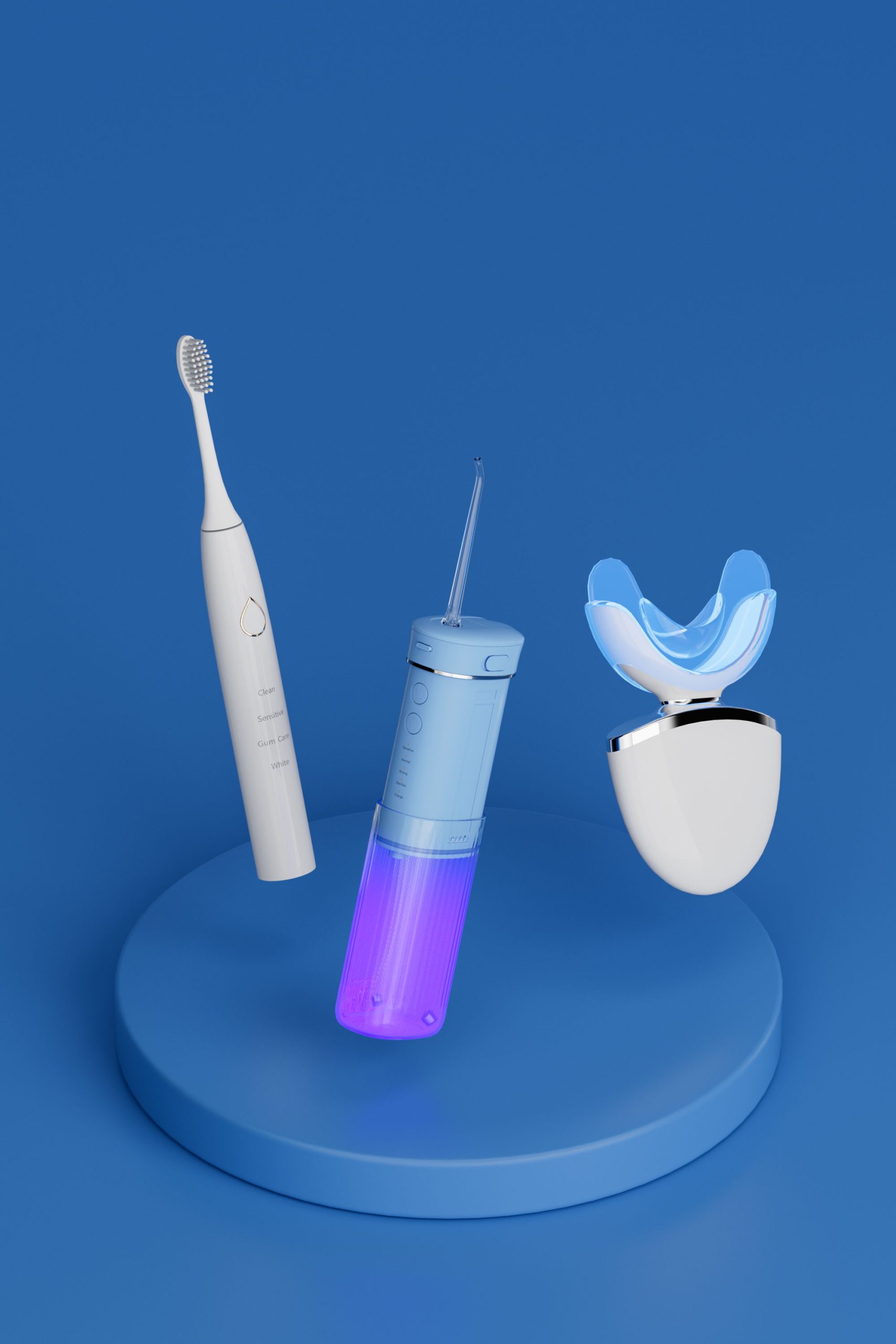
When a device fails after launch, warranty costs rise and brand trust declines. Moreover, channel partners lose confidence. As a result, forward-thinking brands treat reliability validation as a core engineering task rather than an optional activity. You can also review whitening devices similar to those on powsmart.com (for example: https://www.powsmart.com/products/whitening-led-device) to understand the types of components that require testing.
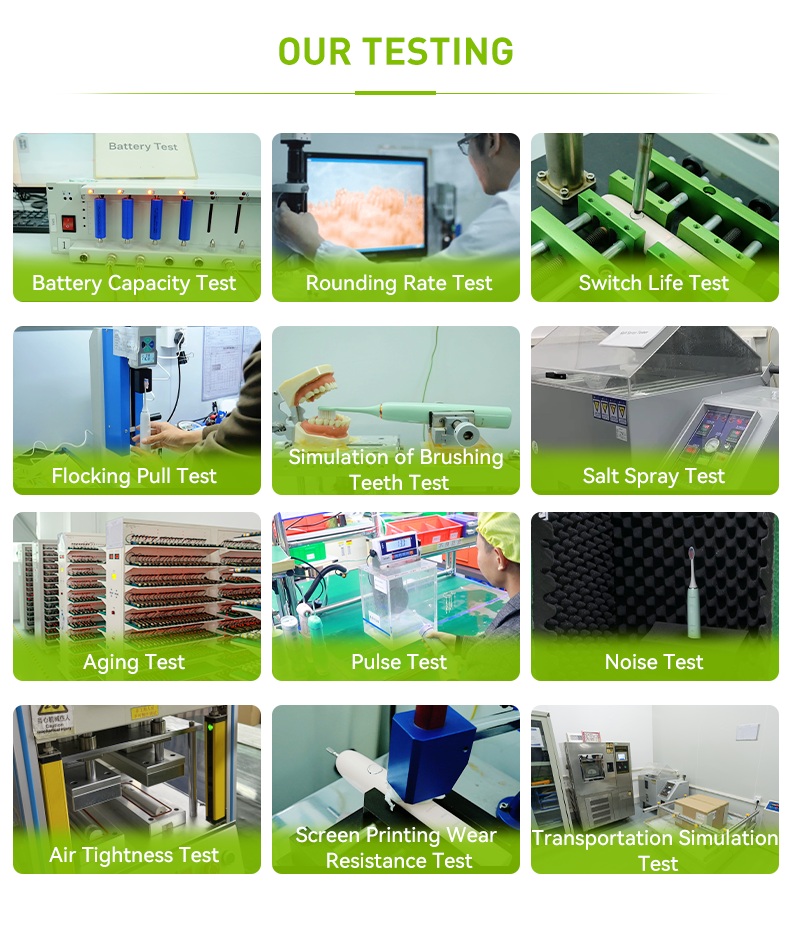
A professional program often includes:
LED lifetime verification
battery cycle durability
charging port stress testing
temperature and humidity exposure
drop and vibration evaluation
long-term storage simulation
Additionally, software and driver stability should be confirmed where relevant. These activities help replicate real-world consumer use.
Although whitening devices are typically consumer products, they still operate close to oral tissue. Therefore, testing must respect electrical safety, chemical safety, and consumer-health principles. Buyers often consult recognized organizations such as the American Dental Association (https://www.ada.org) for responsible-use reference perspectives. Moreover, structured quality systems aligned to standards such as ISO help factories run testing consistently.
Successful brands request written reliability plans before confirming mass production. This plan normally defines sample size, stress conditions, acceptance criteria, and corrective-action flow. Additionally, the factory should share real data rather than only sales claims. As a result, your commercial risk becomes far more controlled.
Moreover, strong partners continue testing during scaling, rather than only at prototype stage. This habit maintains quality as volumes rise.
When customers receive durable whitening devices, word-of-mouth improves and refund rates fall. Therefore, reliability engineering directly contributes to revenue stability. Furthermore, your service teams can operate more efficiently because they handle fewer complaints.
In conclusion, every importer should insist on a structured teeth whitening device reliability test program before launch. Because reliability equals trust in the oral-beauty category, disciplined validation protects your margins, your partners, and your reputation. Over time, this technical strength becomes a powerful competitive advantage grounded in your commitment to a professional teeth whitening device reliability test.
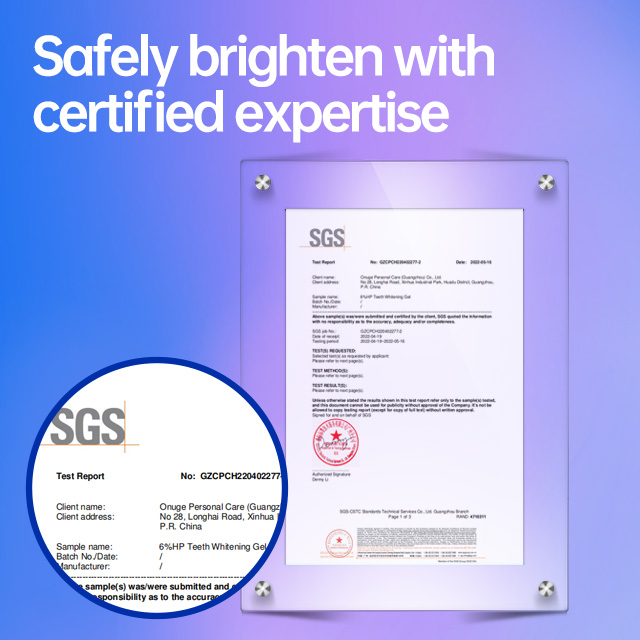
.jpg)
post-whitening toothbrush guide: gentle care
Electric Toothbrush Waterproof IPX8 Manufacturer
Promotional Electric Toothbrush for Tech Companies Redmond | Custom Branding
Customizing Family Oral Care Systems: OEM Solutions for Home Dental Health
Dentist Clinic Electric Toothbrush Supplier
-1-scaled.png)
Why Combine Whitening Tray Manufacturing with Whitening Gel Formula Development?
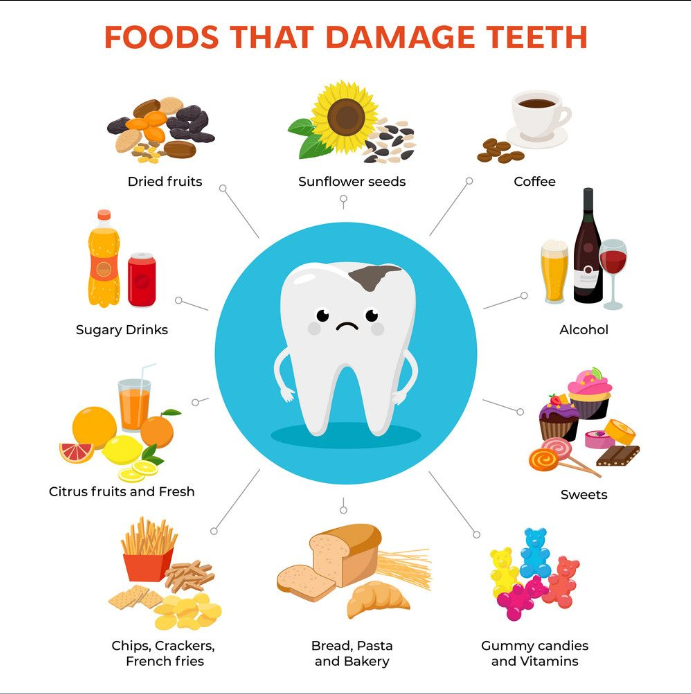
A Healthier Lifestyle for Protecting Your Teeth
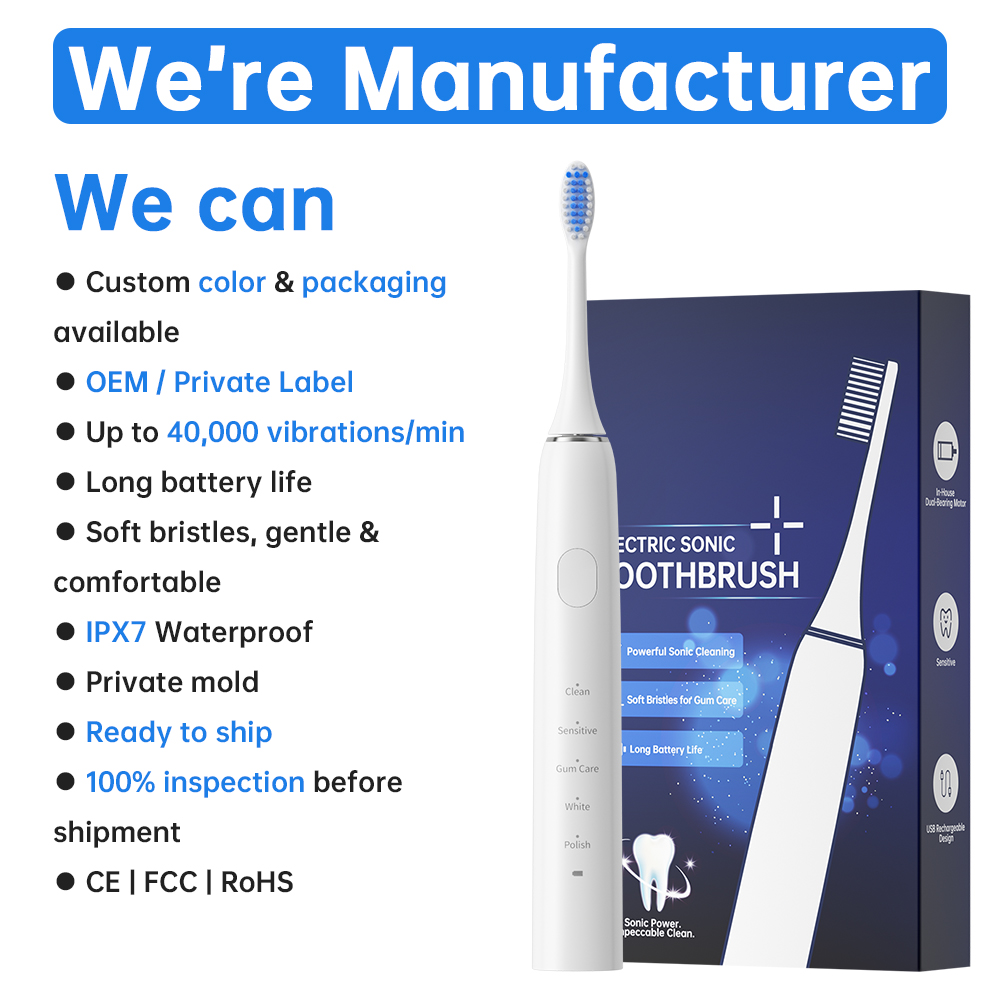
Can Smart App Connectivity Be Leveraged to Manage Brush Head Replacement Supply?
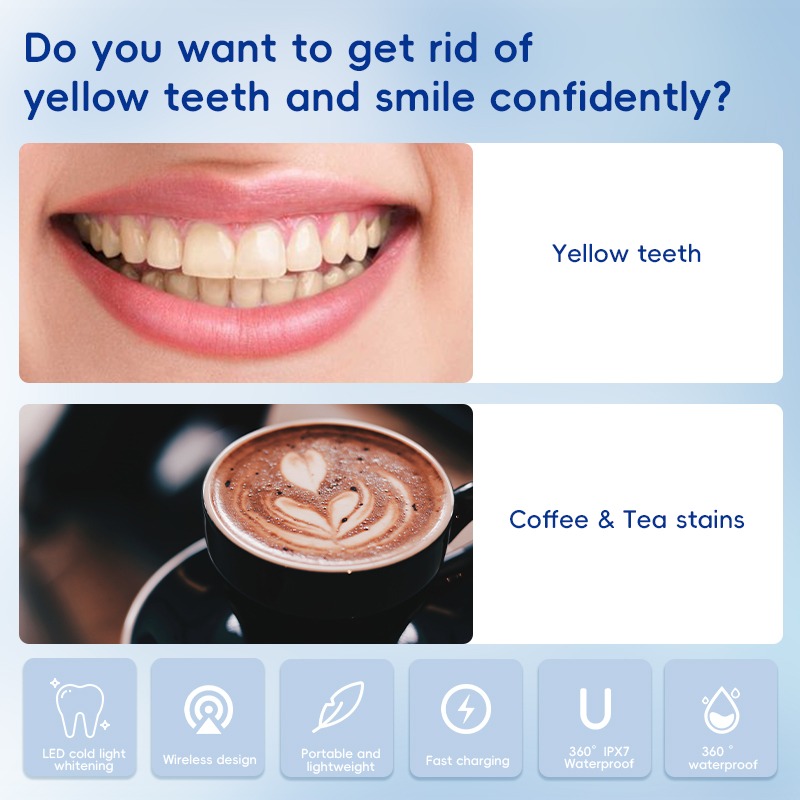
Popular At-Home Teeth Whitening Solutions
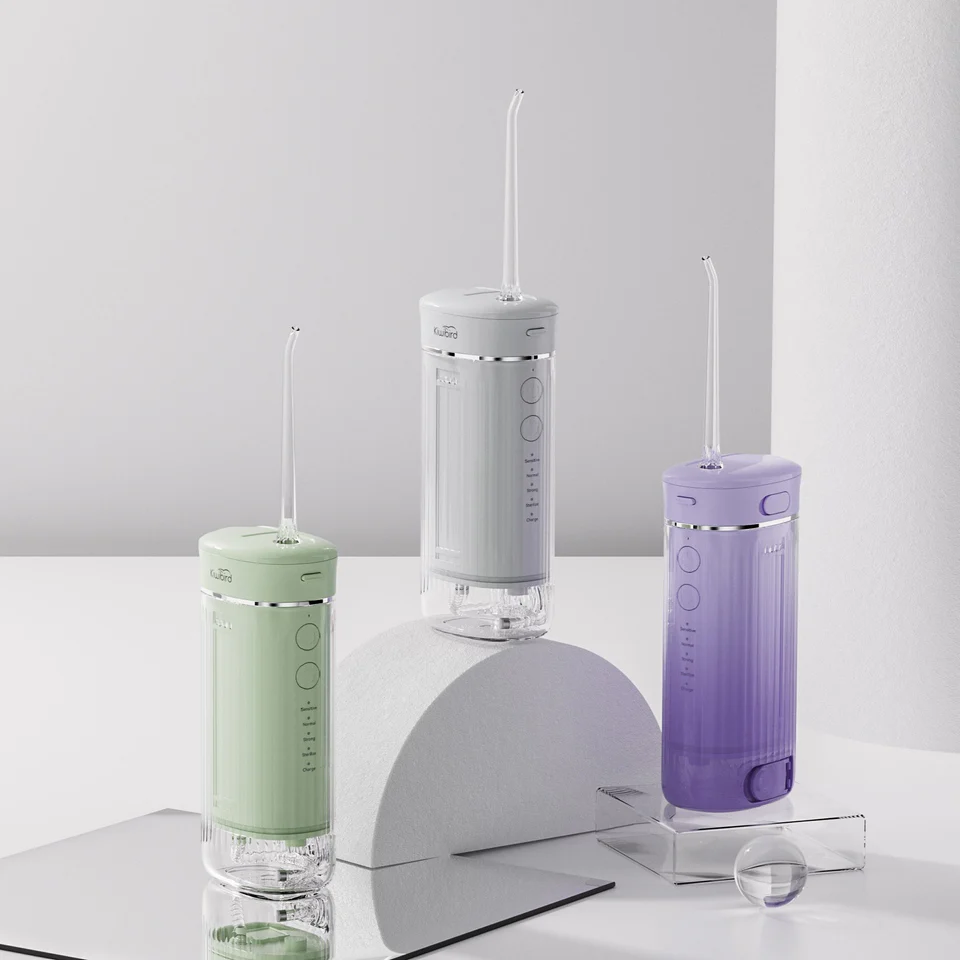
Appearance Economy Supply Chain: How to Improve Oral Care Product Appeal through Product Appearance Color
Oral Fistula Water Flosser | Safe Cleaning
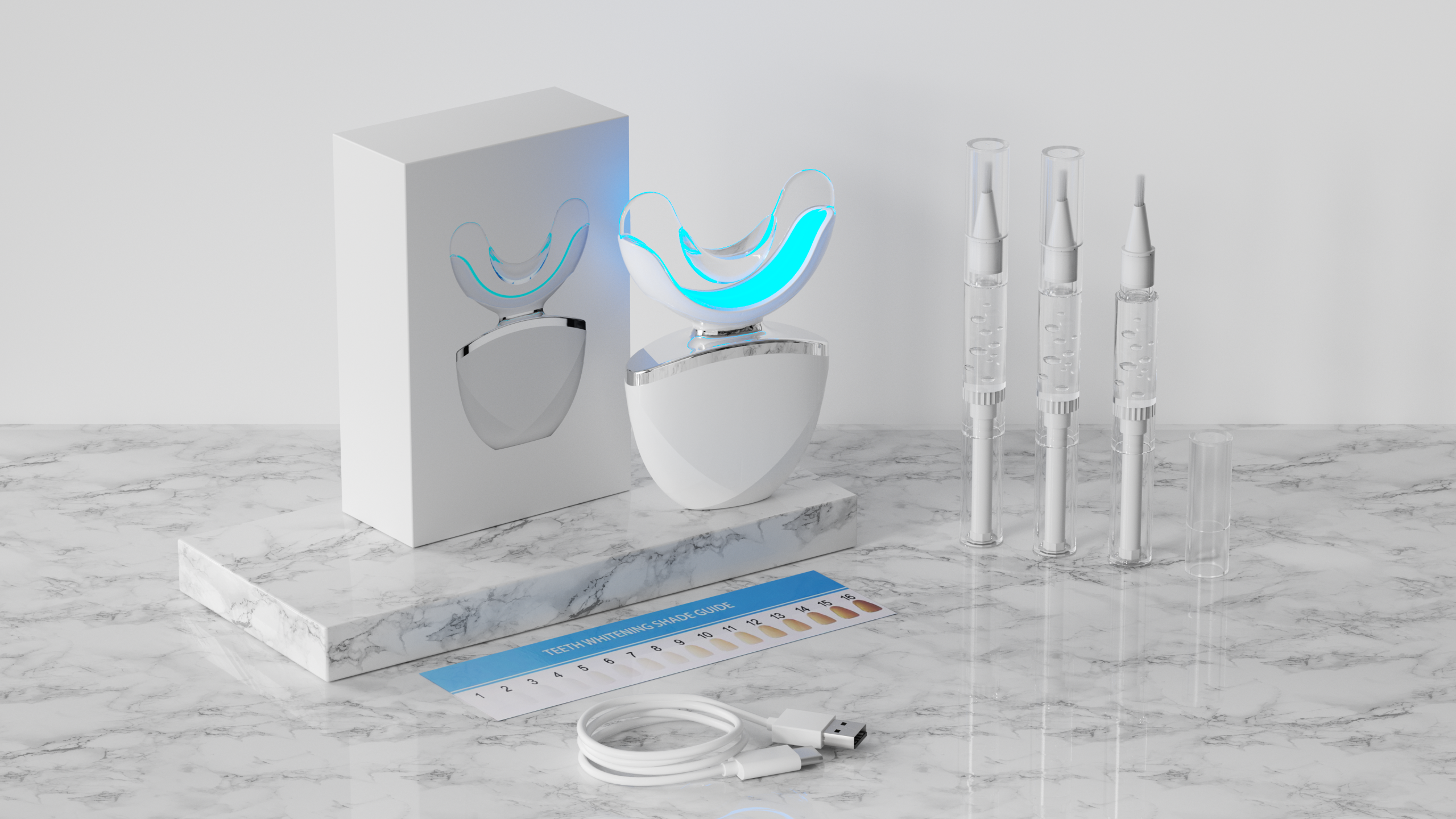
The Main Factors Contributing to the Rising Popularity of Household Teeth Whitening Products
The Market Prospect of Children Electric Toothbrush

Why Must Your Whitening Gel Formulation Adhere to Aesthetic Device Compliance Regulations?
Professional LED Teeth Whitening Kit Supplier
How Does a Smart Timer Chip Enhance the User Experience of an Ergonomic Handle Design?


.jpg)
.jpg)
.jpg)
.jpg)
.jpg)