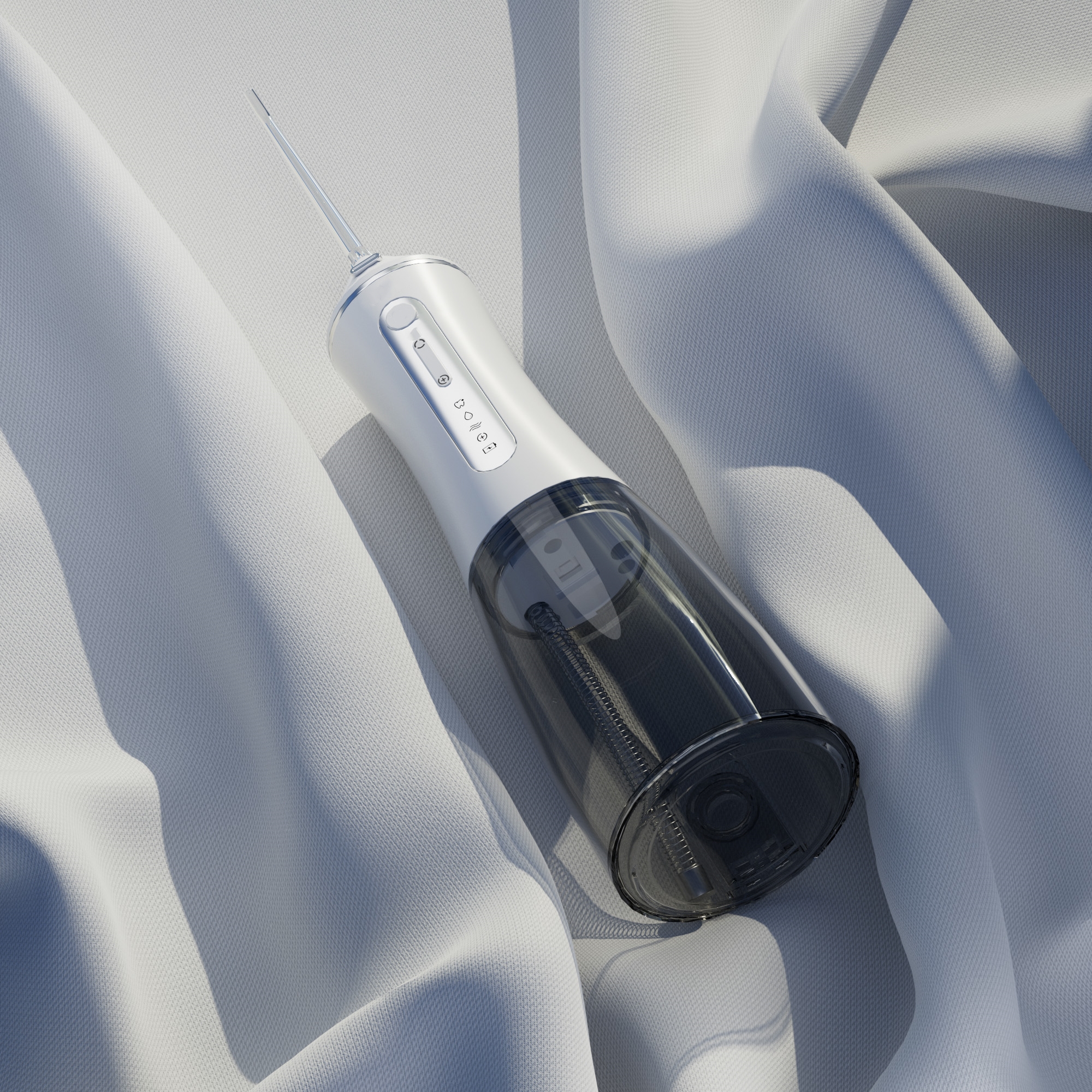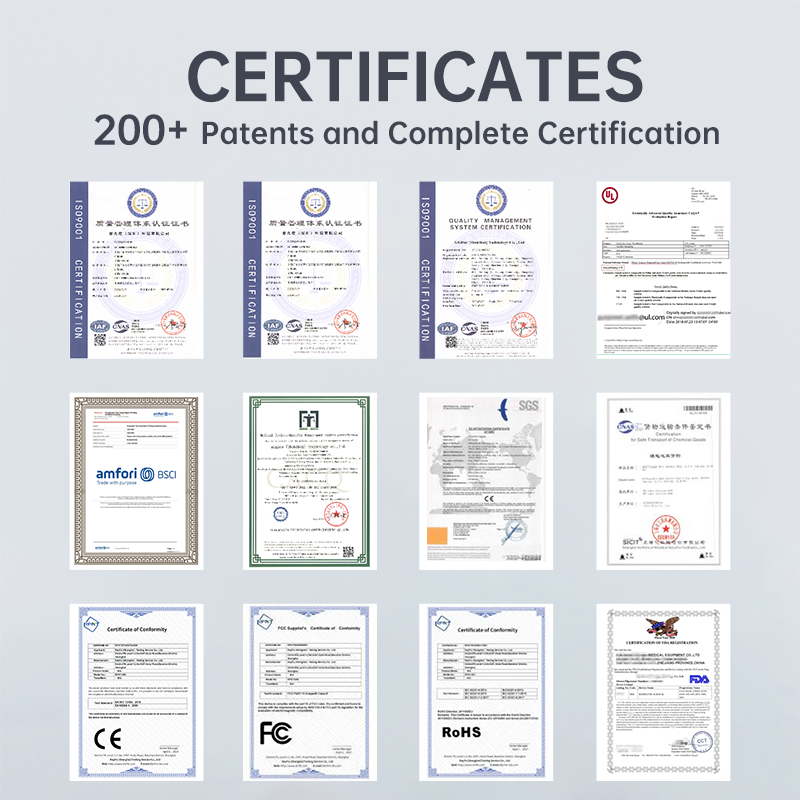
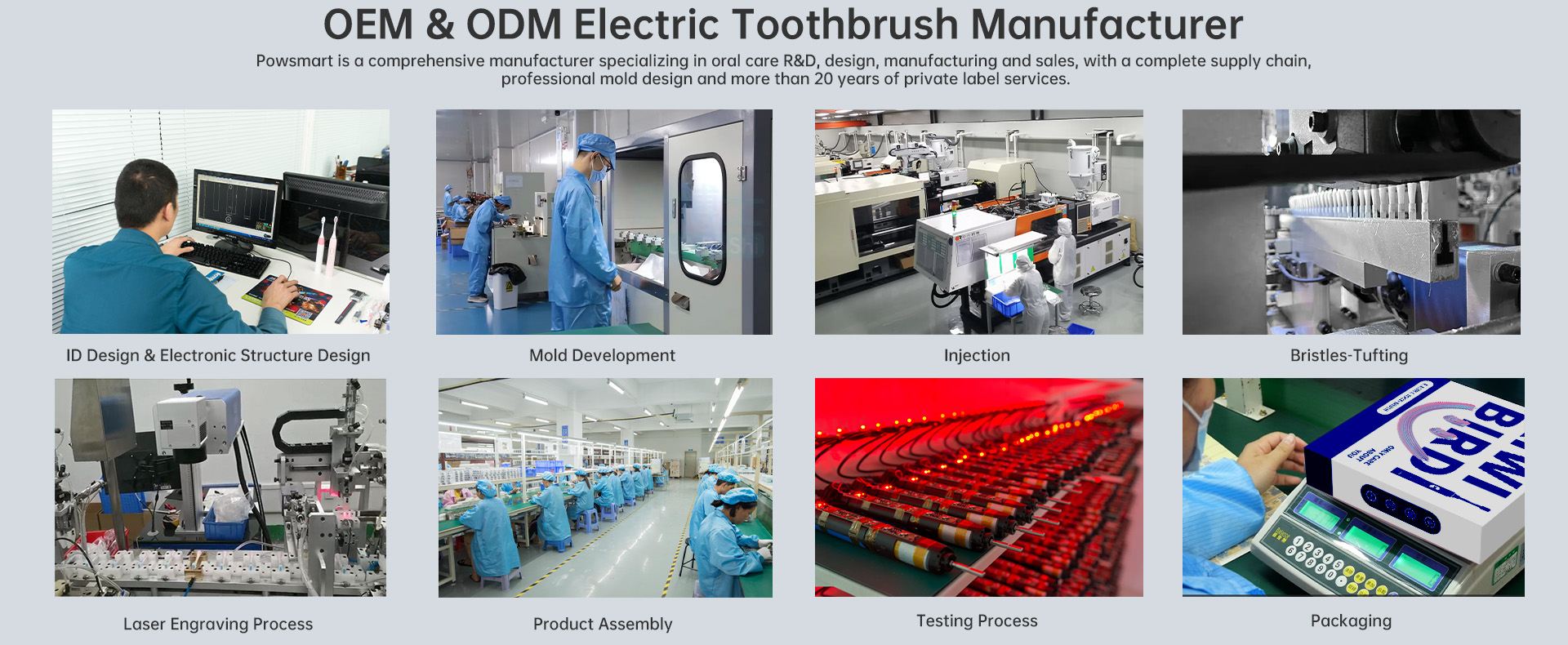
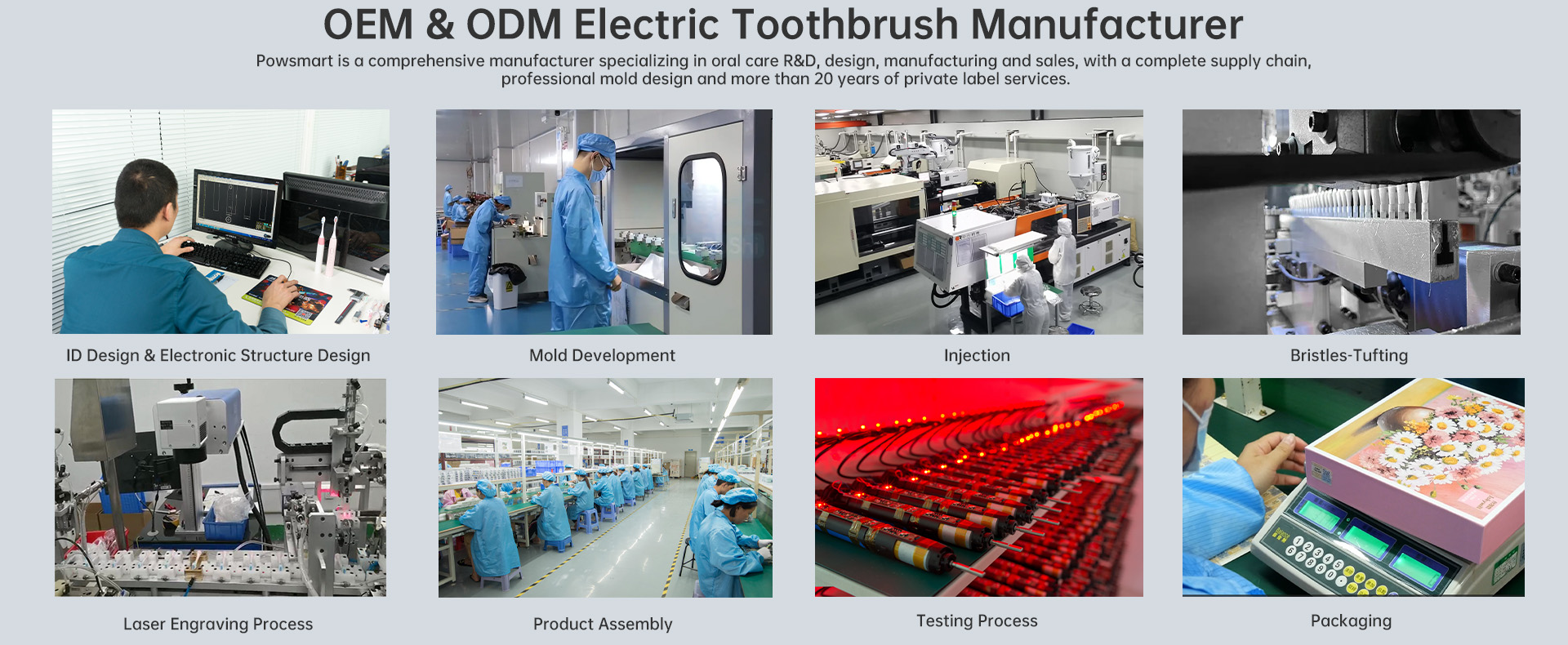
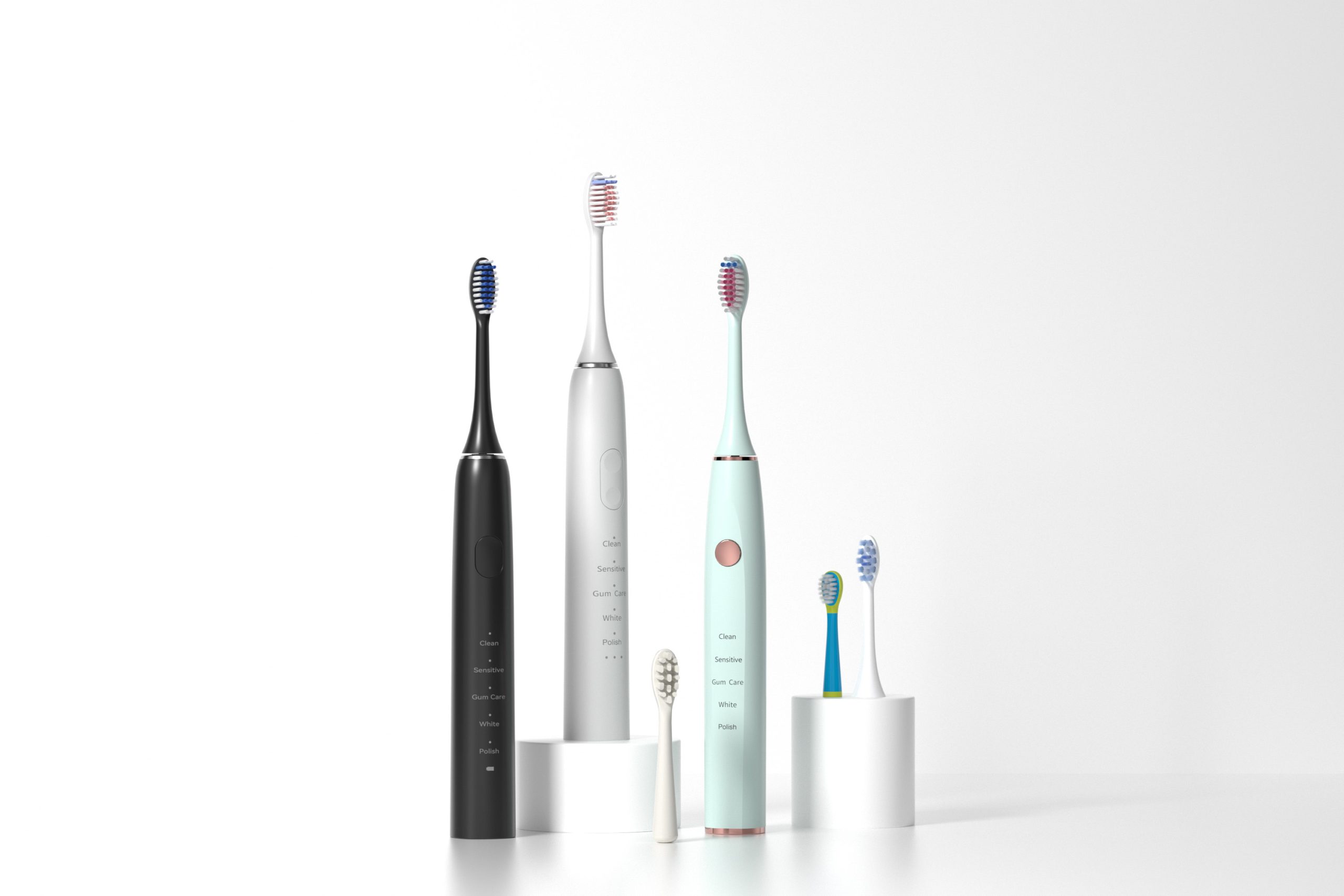
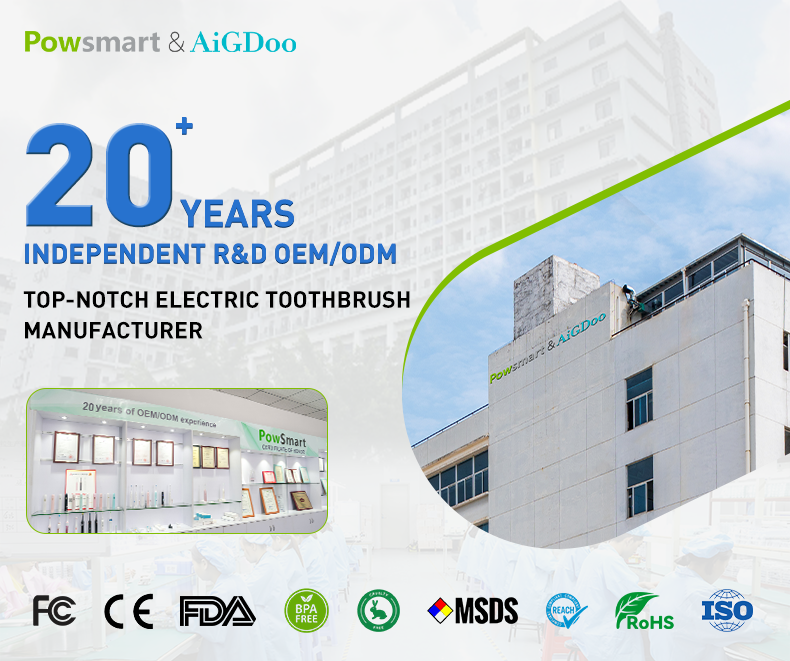
In today's highly competitive oral care market, our company leverages extensive Electric Toothbrush production expertise and a CE-certified OEM Manufacturing system to deliver a seamless one-stop solution from concept design to mass production, with six key sections below outlining our capabilities and services. Comprehensive OEM Manufacturing Solutions First, our OEM manufacturing services cover every step—from product development, prototype testing, and mold development to final mass production. Throughout the process, we prioritize Electric Toothbrush core functionality, design aesthetics, ergonomics, and user experience. Through close communication, we swiftly meet market demands with custom designs, enhancing brand competitiveness. Leading Technological Innovation and Smart Feature Integration Next, we consistently embrace technological innovation. Our R&D team continuously introduces advanced smart control technologies and innovative materials, ensuring that every electric toothbrush achieves industry-leading performance in cleaning efficacy, battery life, and intelligent interaction. Moreover, by integrating features such as Bluetooth connectivity and pressure sensors, we not only enhance the user experience but also provide our clients with distinct competitive advantages. This highlights our expertise as an OEM Manufacturing specialist in technological innovation. Strict Quality Management and CE Certified Production Furthermore, we understand that product quality is the cornerstone of brand success. Accordingly, we adhere to international quality…
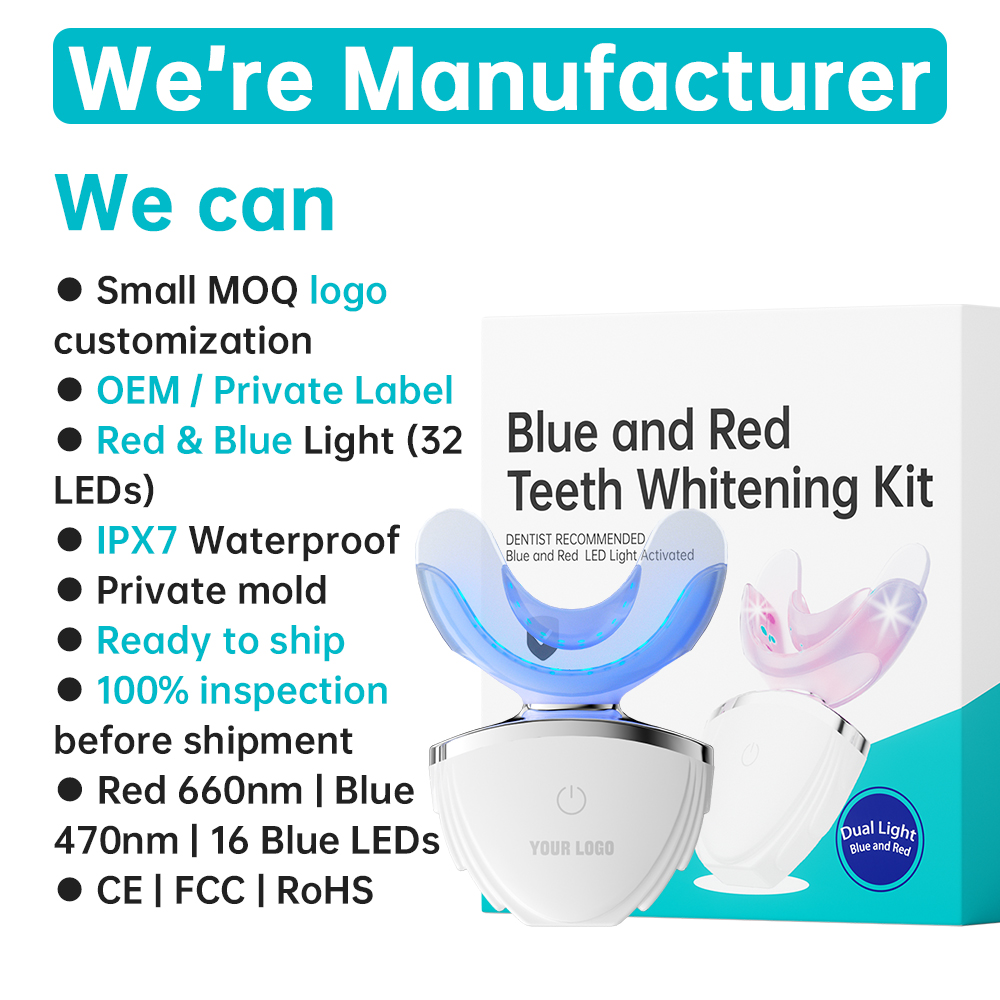
Choosing a reliable teeth whitening products factory is crucial for ensuring high-quality products and successful business collaborations. Looking for Teeth whitening device OEM process or seeking a manufacturer for ODM/OEM cooperation? Evaluating potential suppliers based on key indicators can help you make the right choice. Here are five essential factors to consider: Factory Certifications and Compliance A trustworthy teeth whitening products factory should comply with international quality and safety standards. Look for certifications such as ISO, FDA, CE, or GMP, which indicate that the factory follows stringent manufacturing protocols. Compliance with these regulations ensures that your products meet market entry requirements in different countries. Experience and Expertise in Teeth Whitening Industry Experience plays a crucial role in determining the reliability of a factory. A manufacturer with a long-standing reputation in the industry will have refined production processes, extensive knowledge of whitening formulations, and advanced Teeth whitening device OEM process capabilities. Always check the factory’s track record and ask for case studies or client references. Customization Capabilities for ODM/OEM Cooperation It's essential to ensure that the factory can customize products according to your branding and technical specifications. This includes custom formulations, packaging design, and logo printing. A good manufacturer should offer flexibility and provide professional…
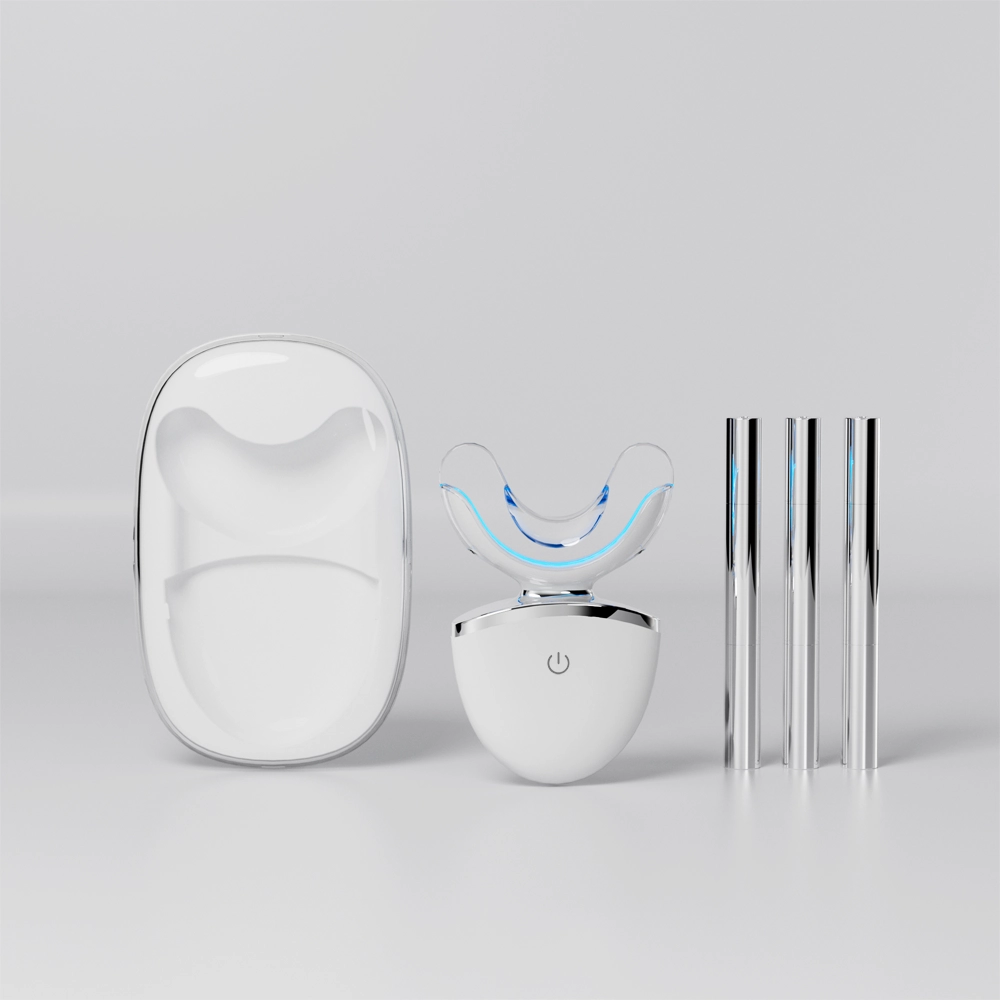
As the demand for teeth whitening products continues to rise, businesses seeking to enter the market often turn to OEM (Original Equipment Manufacturer) solutions. The Teeth whitening device OEM process allows brands to create customized products without investing in their own manufacturing facilities. In this guide, we will walk through the entire process, from initial design to final mass production, and explore the benefits of ODM/OEM cooperation with a reliable teeth whitening products factory. Market Research and Concept Development Before initiating an OEM project, thorough market research is essential. Understanding customer preferences, market trends, and competitive landscape ensures that your teeth whitening device meets consumer needs. Collaborating with an experienced teeth whitening products factory at this stage can provide insights into viable product features and design considerations. Product Design and Prototyping Once the concept is finalized, the next step involves creating a design blueprint. This includes: Device shape and ergonomic considerations Material selection for safety and durability Functional components such as LED lights, power sources, and whitening gel compatibility Manufacturers specializing in the Teeth whitening device OEM process will assist in prototyping, enabling you to test design feasibility before committing to mass production. Testing and Certification Quality assurance is crucial in the teeth whitening…
The Evolution of Smart Teeth Whitening Devices Teeth whitening technology has rapidly evolved over the past decade, shifting from traditional methods to high-tech, user-friendly solutions. One of the most significant trends in the industry is the development of smart teeth whitening devices, which integrate advanced technology to provide a seamless and effective whitening experience. This blog explores the key manufacturing trends driving the industry forward, including APP connections to whitening solutions and the rise of personalized whitening solutions. https://www.powsmart.com/ The Rise of Smart Teeth Whitening Devices Consumers today demand convenience, efficiency, and personalization in their oral care routines. Smart teeth whitening devices have emerged as a response to these needs, offering features such as real-time tracking, AI-powered whitening recommendations, and wireless connectivity. These advancements not only enhance the user experience but also provide manufacturers with valuable insights into consumer preferences and usage patterns. APP-Connected Whitening Solutions: The Future of Smart Oral Care One of the most transformative trends in the manufacturing of smart teeth whitening devices is the integration of APP-connected whitening solutions. This feature allows users to customize their whitening treatments through mobile applications, offering: Real-time monitoring of whitening progress Adjustable intensity levels for customized whitening Automated treatment reminders for consistent results Data…
In the dental beauty industry, safety and compliance are crucial for both manufacturers and consumers. To ensure product quality, manufacturers must obtain necessary certifications, such as FDA and CE, before entering global markets. This article explores the FDA and CE certification process for dental beauty devices, helping factories navigate the regulatory landscape. Understanding FDA and CE Certifications FDA Certification The U.S. Food and Drug Administration (FDA) regulates medical devices, including dental beauty devices, to ensure they meet safety and performance standards. Depending on the risk classification, manufacturers may need to submit a 510(k) premarket notification or a Premarket Approval (PMA) application. CE Certification The CE mark indicates compliance with European Union safety, health, and environmental requirements. To obtain CE certification, manufacturers must comply with Medical Device Regulation (MDR 2017/745) and undergo a conformity assessment, often involving a Notified Body. Key Requirements for FDA and CE Compliance Risk Classification Devices are classified based on their potential risks: FDA: Class I (low risk), Class II (moderate risk, requiring 510(k)), Class III (high risk, requiring PMA). CE: Class I, IIa, IIb, III, with stricter requirements for higher-risk devices. Safety and Performance Testing To ensure the compliance of dental beauty devices, manufacturers must conduct biocompatibility testing, electrical…
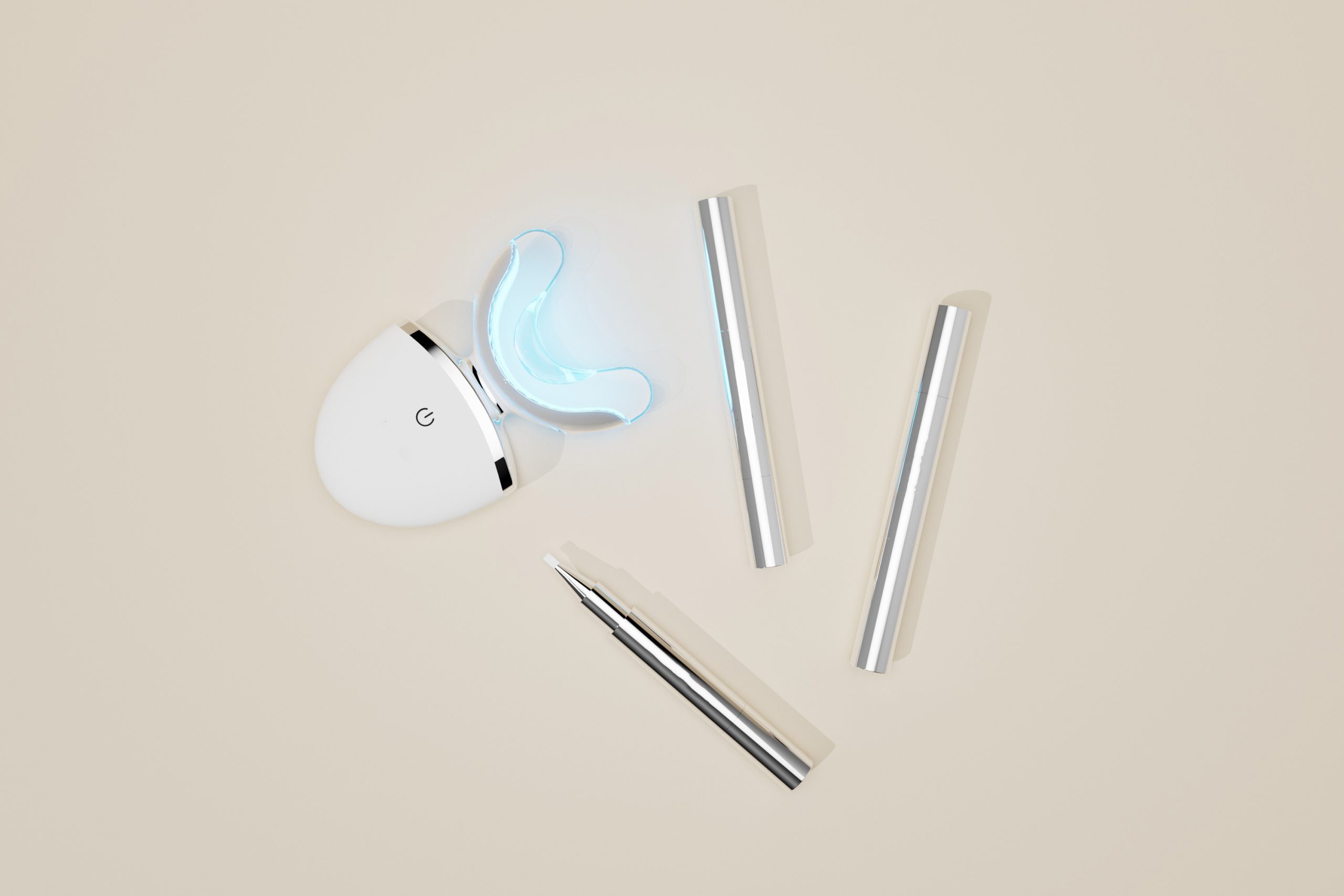
In the dental industry, the effectiveness of a whitening device heavily depends on the quality of its LED light source. Selecting the right LED ensures optimal whitening results, durability, and patient safety. But how do manufacturers ensure they are using the best LED light sources? This blog explores the key factors in the selection of LED light sources for teeth whitening device and the factory testing standards that guarantee performance and reliability. Understanding LED Light Wavelength and Power A crucial factor in selecting an LED light source is its wavelength and power output. The ideal wavelength for dental whitening typically ranges from 400nm to 500nm (blue light), which activates whitening gels efficiently. Manufacturers must ensure their LED light sources provide a stable and appropriate intensity to avoid overheating or ineffective whitening. Heat Dissipation and Energy Efficiency Excessive heat from LED lights can cause discomfort for patients and degrade the whitening gel. High-quality LED light sources incorporate efficient heat dissipation technologies, such as aluminum heat sinks or advanced cooling mechanisms. Factories must select LEDs with low thermal output while maintaining high energy efficiency. Longevity and Durability Testing Dental whitening devices require LEDs that can withstand extended usage without significant degradation. Manufacturers conduct lifetime…
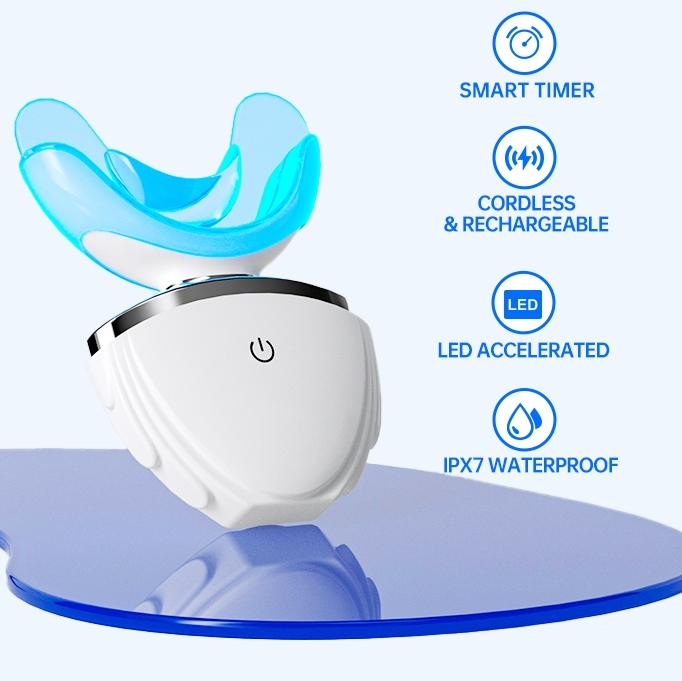
Teeth whitening has become a booming industry, with various teeth whitening devices emerging to meet consumer demands. Among them, two of the most widely used technologies are blue light technology and cold light whitening technology. While both techniques enhance the effectiveness of whitening agents, they operate on different principles and have distinct applications. This article provides an in-depth analysis of these core technologies, their differences, and their applications in the market. Understanding Teeth Whitening Devices Teeth whitening devices are designed to accelerate the breakdown of stains on the teeth by activating whitening agents, such as hydrogen peroxide or carbamide peroxide. These devices commonly utilize light-assisted technology to enhance the whitening process, making it faster and more effective. The two predominant types of light technology in the industry are blue light technology and cold light whitening technology. What is Blue Light Technology? Blue light technology utilizes a specific wavelength of blue LED light (typically around 480-520 nm) to activate the whitening gel applied to the teeth. This process accelerates the oxidation reaction, breaking down stains more effectively. Key advantages of blue light technology include: Fast activation of whitening agents Non-invasive and safe for dental enamel Widely used in at-home and professional whitening treatments…
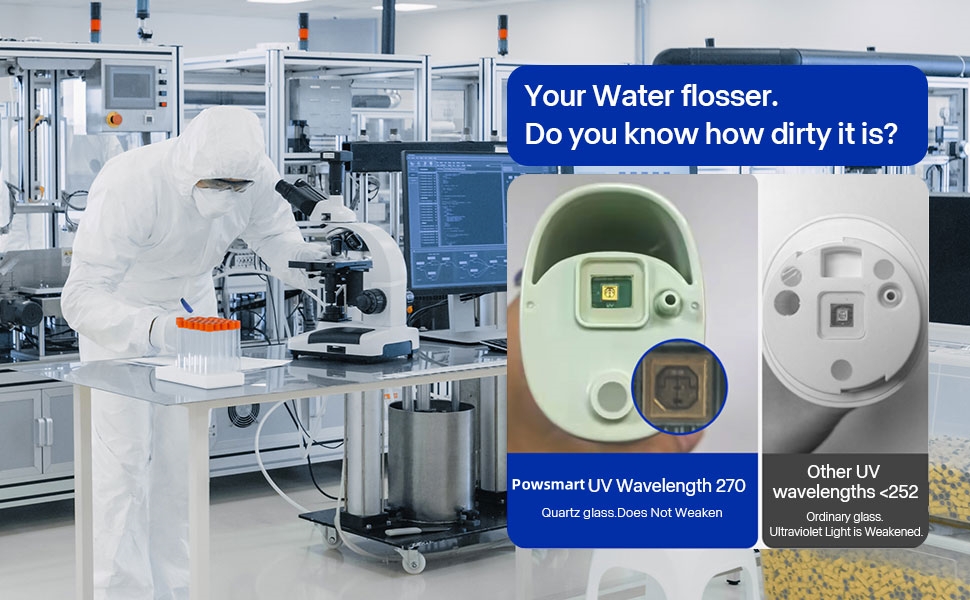
In recent years, the oral irrigator market has witnessed significant growth. It is driven by increasing awareness about oral health and advancements in dental technology. With the rising adoption of water flossers, the market is poised for continued growth. In this blog, we will analyze and explore the future development trend of oral irrigator market. We will also examine key factors shaping the market, from technological innovations to changing consumer preferences. Technological Advancements and Innovation One of the key drivers of the water flosser market's growth is the rapid technological advancement in product design and functionality. Manufacturers are focusing on enhancing the effectiveness of oral irrigators. These innovations are expected to play a pivotal role in the future development trend of the water flosser market. Because consumers increasingly demand smart, customizable, and user-friendly products. The integration of artificial intelligence and app synchronization for personalized oral care routines is an exciting area to watch. Rising Consumer Awareness and Oral Health Trends The growing oral hygiene awareness is also fueling the water flosser demand. More people are seeking preventive dental care solutions to maintain optimal oral health and avoid costly treatments. This trend is driving the adoption of water flossers. It's more…
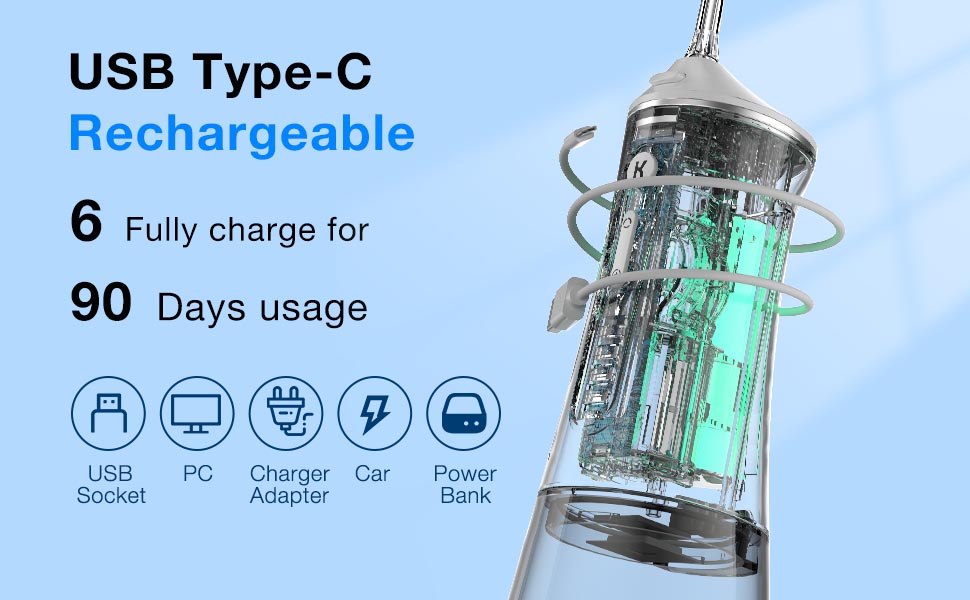
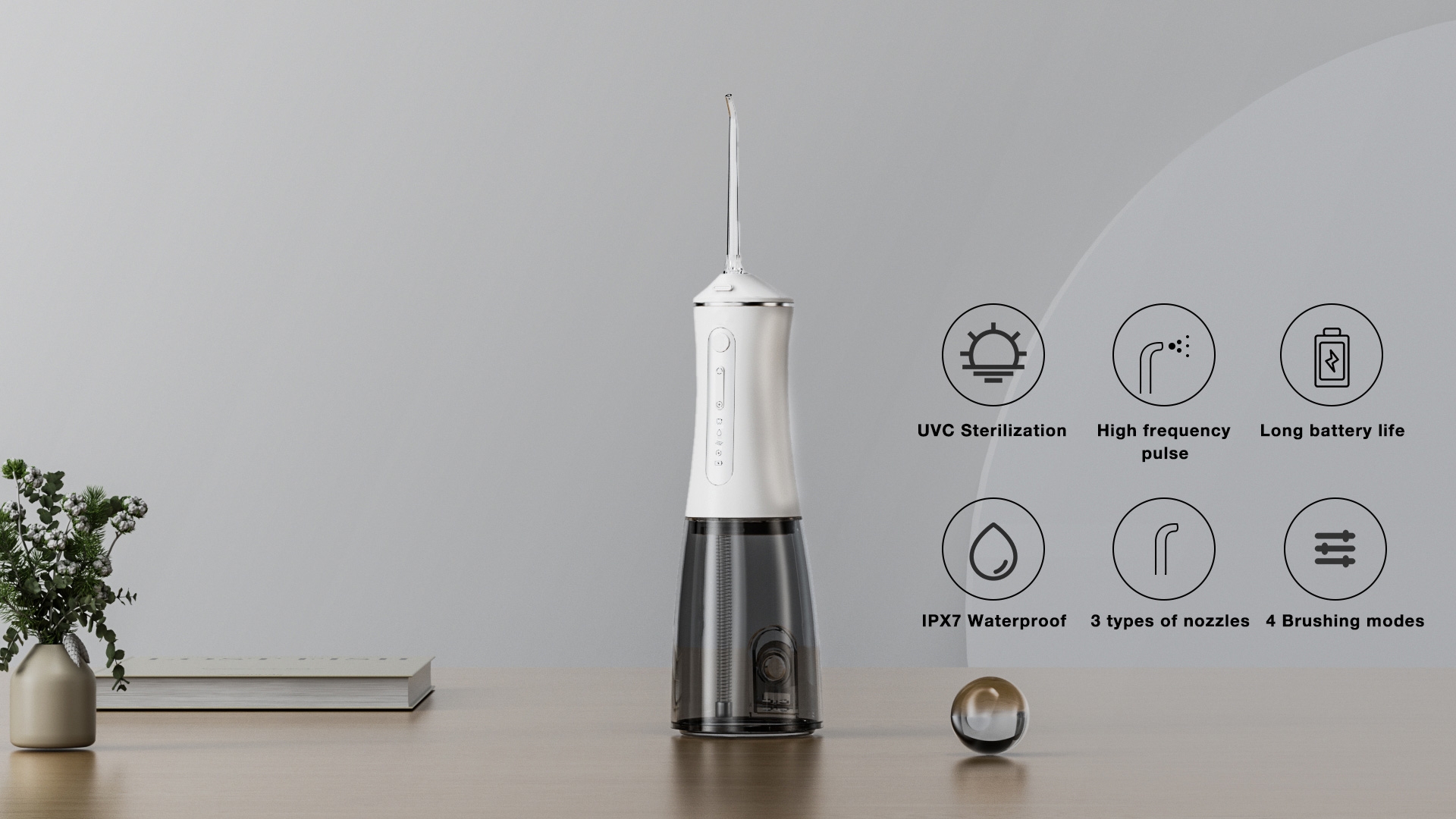
As the oral care industry continues to grow, the water flosser market has become increasingly competitive. With an ever-expanding range of options available to consumers, it is crucial for manufacturers to focus on enhancing the competitiveness of their water flosser products. This blog will outline five key factors that can help companies stand out in this dynamic market and appeal to both end-users and distributors. https://www.powsmart.com/about-powsmart/ Innovative Water Flosser Function and Design To stay ahead in the competitive market, manufacturers must prioritize innovation in both the functionality and design of their water flossers. Advanced water flosser functions, such as customizable pressure settings, multiple modes (e.g., pulse, deep clean, massage), and more ergonomic designs, can greatly enhance the user experience. A modern and sleek design can also contribute to a higher perceived value, encouraging consumers to view the product as not only a functional tool but also a stylish addition to their bathroom. By offering cutting-edge technology, manufacturers can position their water flosser products as high-quality, must-have oral care devices. Long Battery Life and Fast Charging Capabilities For many water flosser users, portability and convenience are paramount. The competitiveness of water flosser products can be significantly enhanced by incorporating long battery…
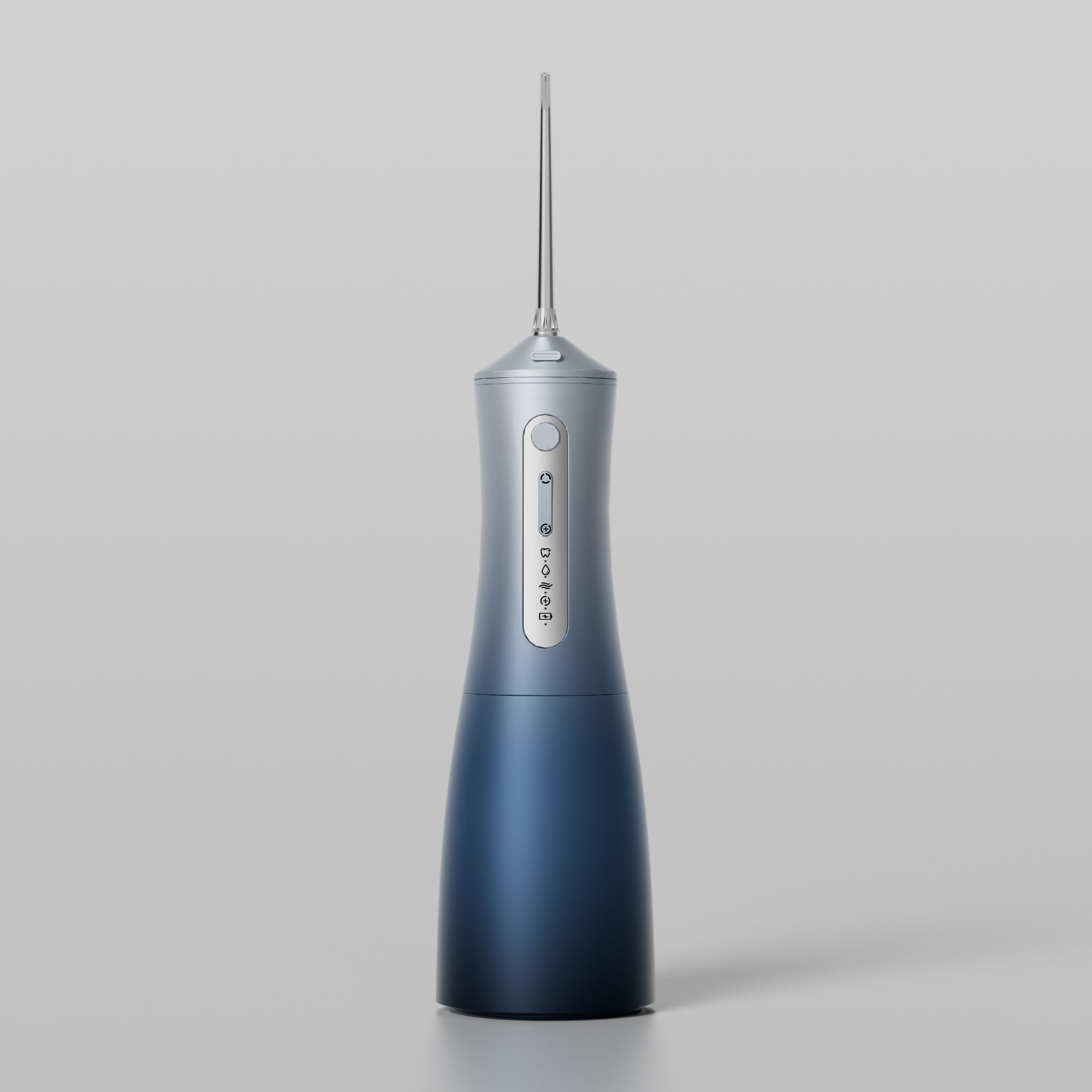
The water flosser industry has seen significant growth over the last decade, driven by increasing awareness of oral hygiene and advancements in dental care technology. As consumers become more health-conscious and look for convenient alternatives to traditional flossing, the demand for water flossers is rapidly increasing. In this article, we will explore the future development trend of the water flosser industry, focusing on technological innovation and emerging market opportunities. Evolution of the Water Flosser: From Basic to Smart Devices Water flossers, once simple devices designed to clean between teeth, have evolved considerably. The future development trend of the water flosser industry is increasingly leaning towards smart technology. With the integration of Bluetooth, app connectivity, and real-time feedback, water flossers are becoming more user-friendly and personalized. These innovations allow consumers to track their oral hygiene habits, improving the overall effectiveness of their flossing routine. Smart water flossers with features like pressure control, customizable pulsation settings, and mode adjustments for specific dental concerns are becoming more common. Technological innovation is not only improving user experience but also making water flossers more attractive to tech-savvy consumers, particularly younger generations who value both functionality and advanced features. Growing Consumer Awareness and Demand for Oral…
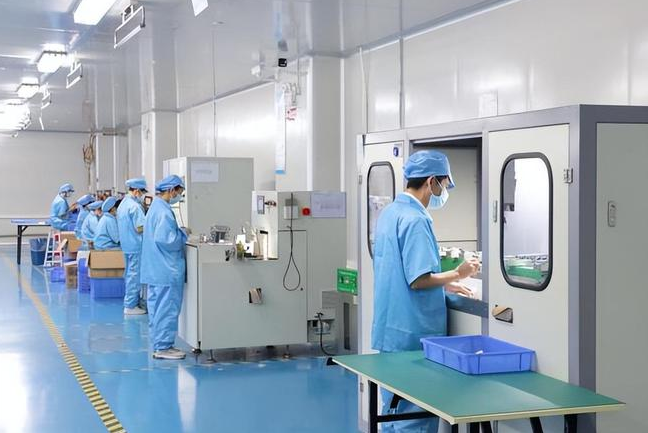
In the world of product manufacturing and retail, businesses are often faced with the decision of whether to pursue a branding vs private label solutions. Both models have their distinct advantages and disadvantages, and the right choice for your business largely depends on your specific goals, resources, and target market. In this blog, we’ll explore both branding and private label models, outlining their key benefits and challenges, so you can make an informed decision on which is best suited for your needs. Understanding Branding and Private Label Models Branding refers to creating a unique identity for your products. This includes developing a distinctive logo, messaging, packaging, and marketing strategies that set your products apart from competitors. The key here is to build a strong emotional connection with customers through your brand. On the other hand, private label products are manufactured by one company but sold under another company’s brand. For example, a retailer may purchase generic products from a manufacturer and sell them under their own store’s name. Private label products are often seen as an affordable alternative to well-known brands. The Advantages and Disadvantages of Branding Advantages: Customer Loyalty: When done right, branding can foster customer loyalty and long-term relationships. Customers tend to gravitate toward…
Building a strong and successful water flosser brand requires more than just creating a great product. It involves understanding market needs, crafting a solid brand positioning strategy, and effectively communicating your brand's value to consumers. Below, we’ll walk through some essential steps for building a thriving water flosser brand that resonates with your target audience. Understand Your Market and Consumer Needs Before launching a water flosser brand, you need to thoroughly understand your target market. What are the pain points and desires of your potential customers? Are they looking for a more efficient way to floss, or are they concerned about oral health issues such as gum disease or bad breath? Conducting market research and understanding these needs will help you create a product that not only satisfies but exceeds customer expectations. Your product's features, such as adjustable water pressure, ease of use, or portability, should be developed with consumer needs in mind. By aligning your product with these needs, you’ll have a clear competitive advantage. This research phase also plays a crucial role in determining your water flosser brand’s identity. Craft a Clear Brand Vision and Mission Brand building begins with defining a clear vision and mission for your…
In the fast-paced world of e-commerce, global opportunities are evolving rapidly. One of the sectors seeing significant growth is the oral care industry, with products like water flossers gaining traction worldwide. The global demand for innovative and effective oral care solutions has opened doors for manufacturers to tap into cross-border e-commerce. But how can brands leverage these opportunities? And what operational strategies should be considered to successfully market water flossers globally? In this blog, we explore the strategies and challenges associated with sell the water flosser to the world, as well as the key operational advice for oral care brands. Understanding the Growing Demand for Oral Care Products The global demand for oral care products is increasing as more consumers recognize the importance of maintaining good oral hygiene. Water flossers, which use a stream of pulsating water to clean between teeth, are quickly becoming a preferred option for many users. Unlike traditional flossing methods, water flossers offer a gentle yet effective cleaning process, making them popular with individuals seeking an alternative to manual flossing or those with dental issues that require extra care. With the global focus on health and wellness, people are investing more in products that support their…
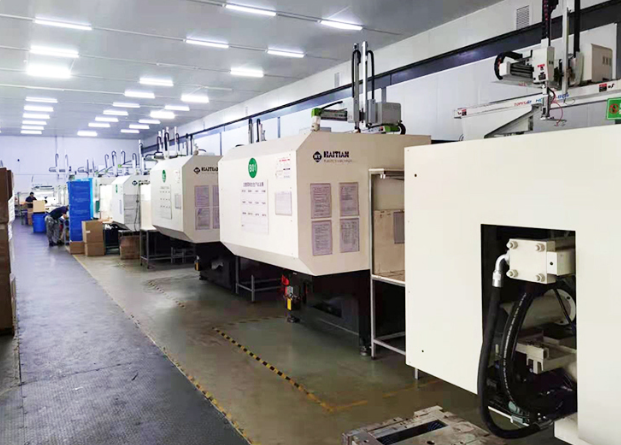
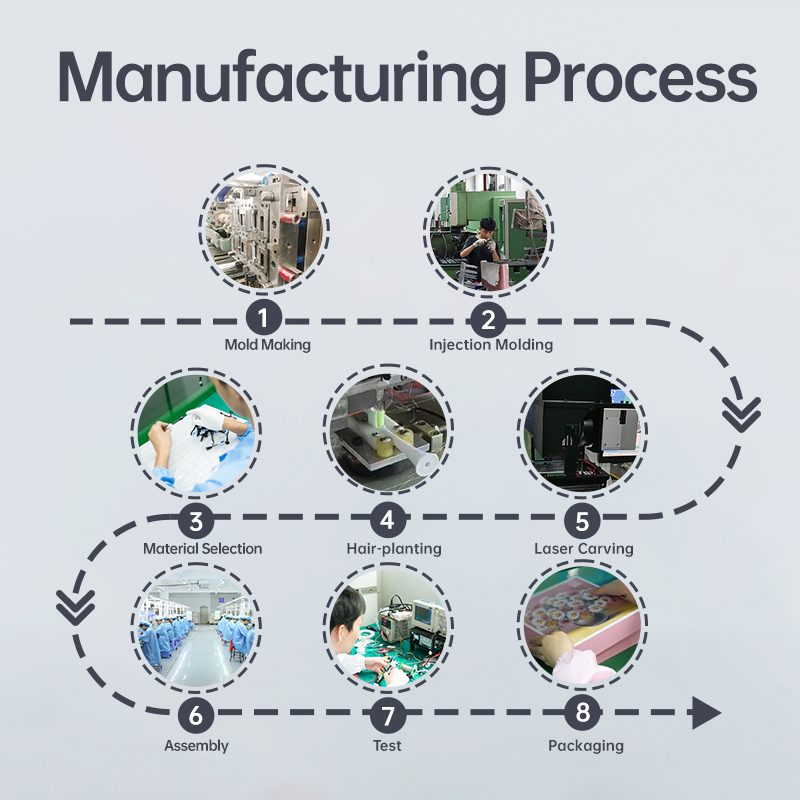
In today's fast-paced life, oral irrigators have become an essential tool for many people's oral care. As an efficient oral cleaning device, water flossers can not only remove food debris between teeth, but also effectively prevent oral problems such as bleeding gums, tartar and bad breath. So, how is this high-tech product completed from design to production? Let's go to the production process of water flossers to better understand. From Concept to Creation: The Design Stage Before entering the oral irrigator factory, all production steps are derived from precise design. The design team will first conceive the overall appearance and function of the water flosser based on market demand, user experience and technological innovation. At this time, designers work with engineers to determine key factors such as water flow pressure, nozzle angle, button layout and battery life of the water flosser. Material Selection: High-Quality Components for Better Performance The performance of water flossers depends not only on its design, but also on the materials used. In the oral irrigator factory, the first thing to do is to select durable and safe materials to ensure that the water flosser can maintain stable functions after long-term use. Commonly used materials include food-grade…
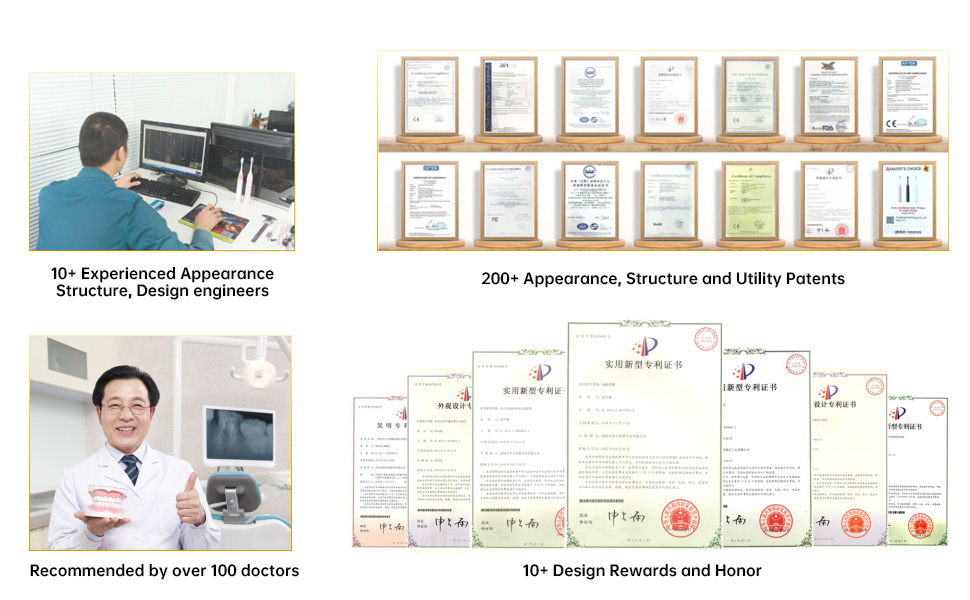
In today’s fast-evolving oral care market, choosing the right reliable water flosser factory to partner with is crucial for brands aiming to stand out with high-quality products. With numerous oral irrigator suppliers available, it can be overwhelming for brands to make the right choice. To help simplify this process, we’ve outlined practical guidelines that will assist brands in evaluating potential suppliers and ensuring they select a partner who aligns with their needs. Here are key factors to consider when choosing a reliable water flosser factory. Evaluate Manufacturing Capabilities and Technology When selecting an oral irrigator supplier, it's important to assess their manufacturing capabilities. A reliable water flosser factory should have state-of-the-art production equipment and modern manufacturing processes to ensure consistent quality. Brands should look for factories that offer advanced R&D departments and use innovative technology to improve product features such as water pressure control, battery life, and nozzle designs. The more technologically advanced the factory, the better equipped it will be to meet the demands of the market. Check for Certifications and Compliance with Industry Standards One of the most crucial steps in evaluating a potential oral irrigator supplier is to verify their compliance with international quality standards and certifications. A reliable water flosser…
In today’s rapidly evolving manufacturing landscape, environmental sustainability is becoming more than just a buzzword—it’s a crucial part of a company’s identity and operations. As the demand for water flossers grows, manufacturers must consider how they can minimize their environmental impact while maintaining high-quality production. In this blog, we’ll explore practical steps that a water flosser factory can take to achieve green production, focusing on energy saving and emission reduction. https://www.powsmart.com/contact-us/ Optimizing Energy Consumption in Manufacturing Energy consumption is one of the largest contributors to a factory’s environmental footprint. Water flosser factories can make significant strides in reducing energy usage by incorporating energy-efficient machinery and adopting smart energy management systems. For example, upgrading to energy-saving motors and automated systems can optimize production workflows, resulting in reduced energy consumption without compromising output quality. In addition, utilizing renewable energy sources, such as solar panels or wind energy, can greatly contribute to the factory’s overall sustainability efforts. By making these adjustments, a water flosser factory can significantly cut down on its carbon footprint, helping achieve energy saving and emission reduction goals. Reducing Water Usage in the Production Process Water is an essential component of water flossers, but it’s important to consider how much…
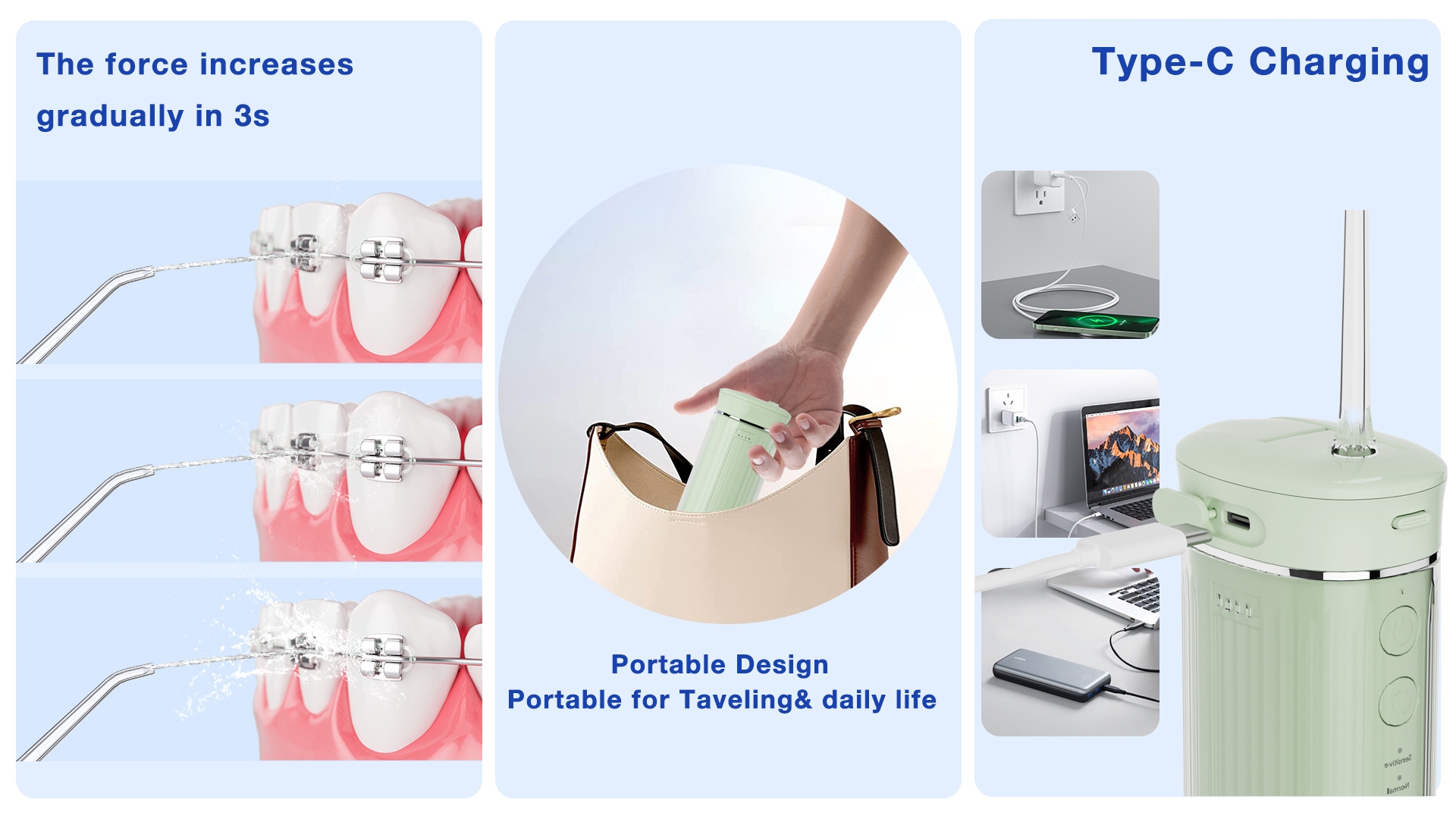
The Growing Popularity of Water Flossers In recent years, water flossers have become an essential part of oral care routines for millions of people worldwide. Their ability to effectively remove plaque, reduce gum inflammation, and improve overall oral hygiene has made them a popular choice among consumers. As the demand for advanced oral care solutions continues to rise, future development direction of water flosser must constantly innovate and invest in technological breakthroughs to maintain a competitive edge. The Current Situation of Water Flosser Brands Currently, the water flosser market is seeing a surge in growth, driven by both increased consumer awareness of oral health and the convenience that water flossers provide. Leading brands are focusing on enhancing their products by incorporating new technologies such as high-pressure pulsating water streams, customizable pressure settings, and more ergonomic designs. In the context of the current situation of water flosser brands, competition has intensified, and brands must leverage technology to differentiate themselves. The adoption of AI for personalized user experiences, smart sensors for real-time pressure adjustments, and even app connectivity are becoming key features in high-end models. Brands that fail to embrace these innovations risk being left behind in a rapidly evolving market. Technological…
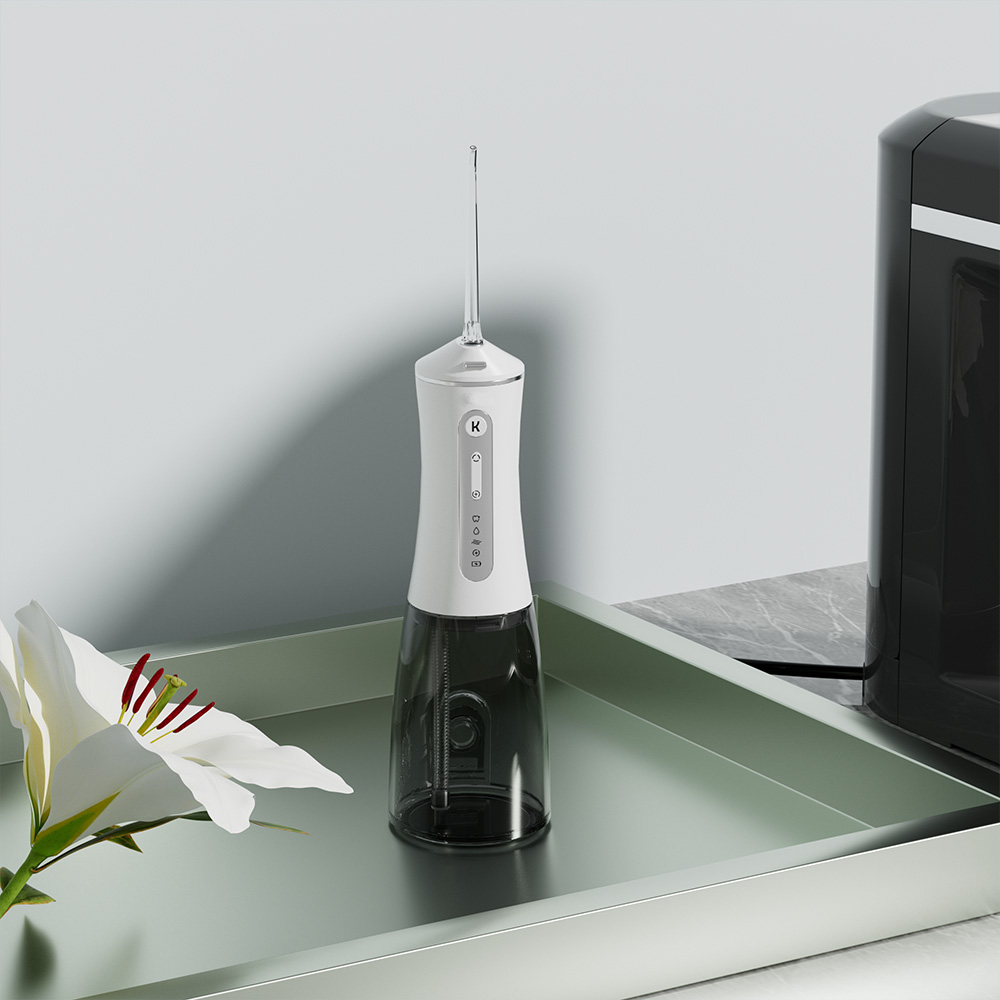
When it comes to maintaining oral hygiene, flossing remains one of the most effective methods for cleaning between teeth and along the gum line. Today, thanks to advancements in flossing technology, we have oral irrigators that make the process easier, faster, and more efficient. The two main types of oral irrigators are the cordless vs countertop type, and they each come with their own set of features, benefits, and drawbacks. In this article, we will dive into the competition between these two types, exploring the technical advantages and disadvantages of Cordless vs Countertop Type, and discussing how they measure up in the modern market of oral irrigator brands. Overview of Flossing Technology Flossing technology has come a long way from traditional string floss. Oral irrigators, which use water pressure to remove plaque and food particles from between teeth, offer an innovative and effective alternative. These devices have grown in popularity, largely due to their ability to clean hard-to-reach areas, and their ability to help prevent gum disease and improve overall oral health. Different oral irrigator brands offer a variety of features, with innovations such as different pressure settings, modes, and water flow types. As this technology evolves, two types have stood…
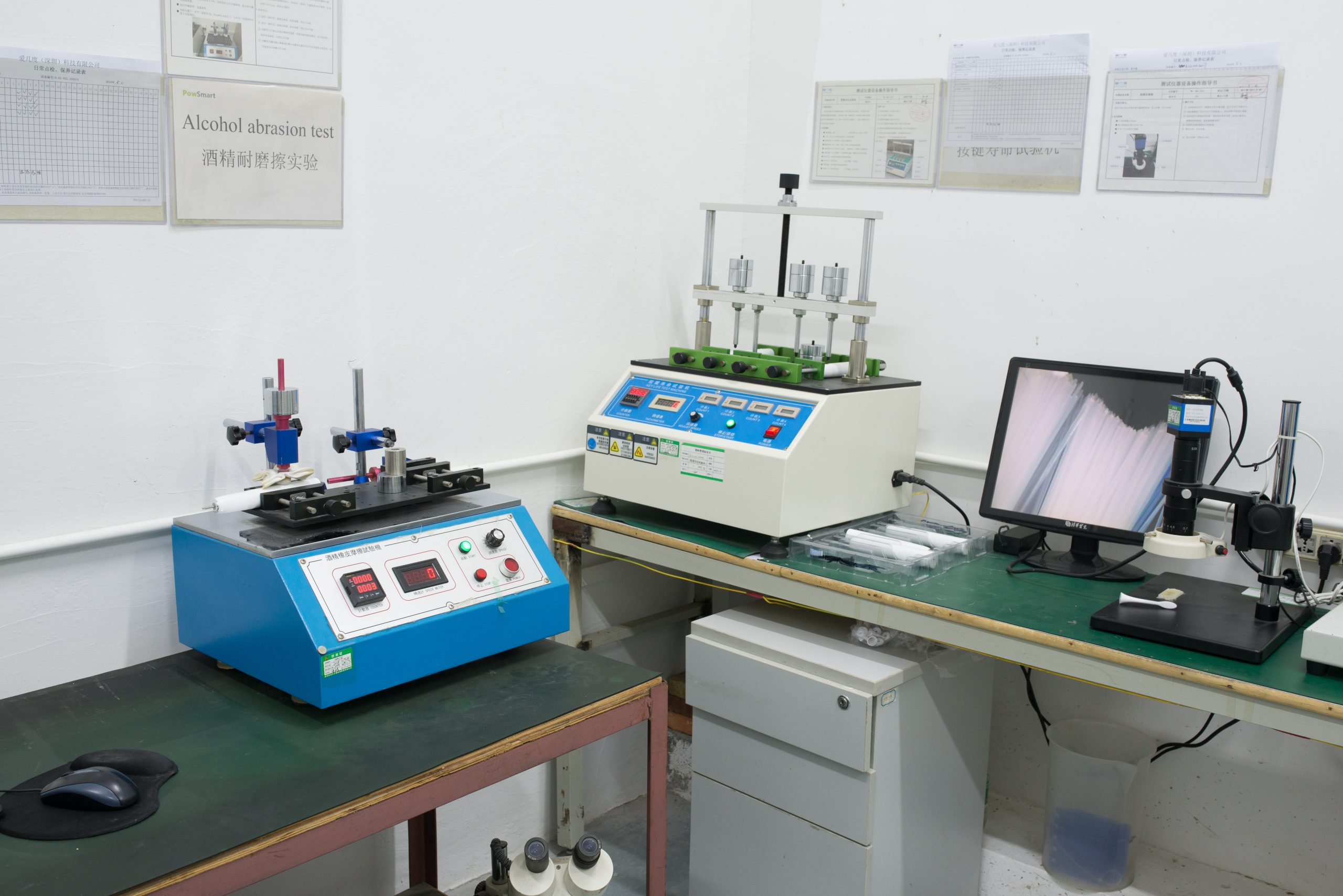
In today's fast-paced life, oral irrigators have become an essential tool for many people's oral care. As an efficient oral cleaning device, water flossers can not only remove food debris between teeth, but also effectively prevent oral problems such as bleeding gums, tartar and bad breath. So, how is this high-tech product completed from design to production? If you're a water flosser brand and curious about the production process, Let's go to the production factory of water flossers to understand the production process and technology of water flossers. From Concept to Creation: The Design Stage Before entering the oral irrigator factory, all production steps are from precise design. The design team will first conceive the overall appearance and function of the water flosser brand based on market demand, user experience and technological innovation. At this time, designers work with engineers to determine key factors such as water flow pressure, nozzle angle, button layout and battery life of the water flosser. Material Selection: High-Quality Components for Better Performance The performance of water flossers depends not only on its design, but also on the materials used. In the oral irrigator factory, the first thing to do is to select durable and safe…
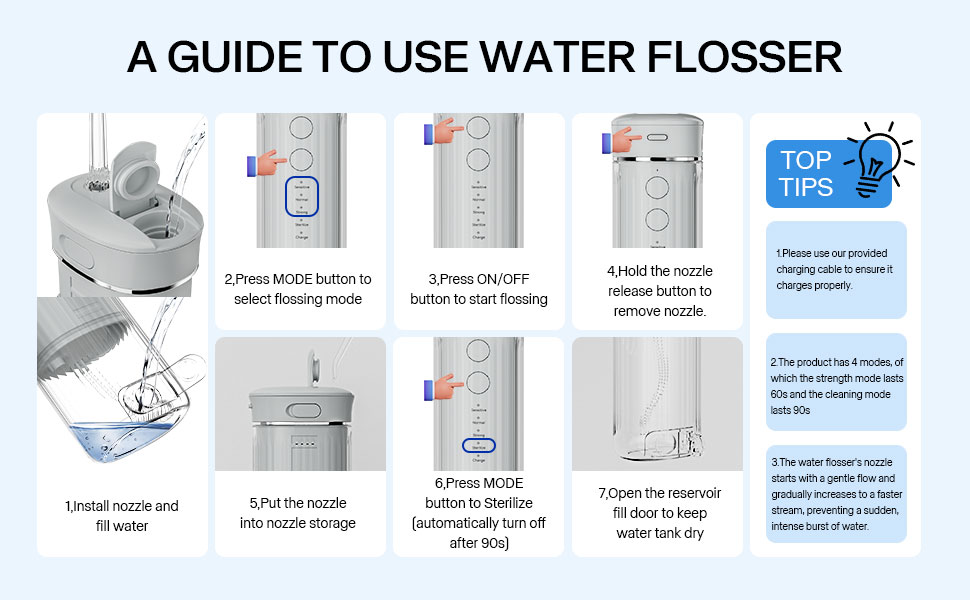
Water flossers, also known as oral irrigators, have rapidly become an essential part of oral hygiene routines worldwide. Unlike traditional flossing, they use a stream of pulsating water to clean between teeth and along the gum line. This innovative method has proven to be more effective than traditional flossing for many users, especially those with braces or dental implants. However, the cleaning effect of a water flosser is influenced by several technical indicators. In this blog post, we will delve into the key factors that determine how well a water flosser cleans and how manufacturers can optimize these factors for maximum efficiency. The Role of the Water Pump in Cleaning Performance The water pump is at the heart of any water flosser. It is responsible for generating the pressure and flow of water that is essential for removing food particles, bacteria, and plaque from between teeth and along the gumline. A high-quality water pump ensures consistent pressure and minimizes the chances of water leakage, which can negatively affect the cleaning efficiency. Manufacturers need to pay close attention to the pump’s power and its ability to maintain consistent performance over time. If the pump cannot generate sufficient pressure, the cleaning effect…


.jpg)
.jpg)
.jpg)
.jpg)
.jpg)






.jpg)
.jpg)
.jpg)
.jpg)