
.jpg)
Gum recession is a growing concern in oral health, often attributed to factors like aggressive brushing or periodontal disease. However, recent user feedback and clinical observations point to an overlooked culprit: pulse inconsistency in electric oral care devices, especially water flossers and sonic toothbrushes. For manufacturers in the B2B market, understanding and mitigating this issue is vital to product safety, user trust, and long-term brand reputation. What Is Pulse Inconsistency and Why Does It Matter? Pulse inconsistency refers to irregular or fluctuating pressure and frequency in electric toothbrushes and water flossers. Instead of delivering a stable, rhythmic action, the device may spike or dip unpredictably. This can occur due to: Inadequate motor regulation Inconsistent power supply Poor-quality control in pulse generator circuits Software glitches in smart devices While seemingly minor, such irregularity can have a significant cumulative effect on gum tissue. How Pulse Inconsistency Leads to Gum Recession Gums are highly sensitive to mechanical force. Consistent, gentle stimulation can promote circulation and health, but unpredictable pulses act like micro-traumas. Over time, the repeated application of uneven pressure may cause the gum line to shrink or detach from the tooth, leading to gum recession. Clinical professionals have begun to associate irregular…
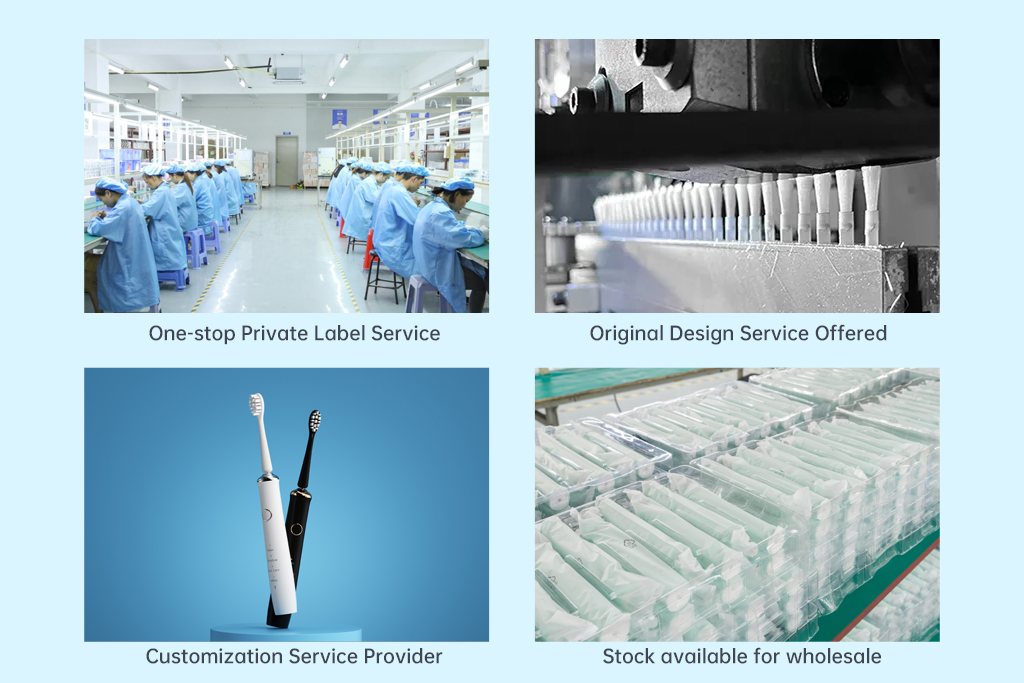
In today’s rapidly evolving market, consumers are no longer satisfied with “basic” functionality in personal care products. The personal care industry upgrade is evident, with consumers demanding smarter, safer, and more aesthetically pleasing solutions. At the same time, inflationary pressures and competitive markets push brands to pay close attention to Consumption Upgrade and Cost control. The question becomes: How can oral care product brands deliver upgraded products while still maintaining healthy margins? This blog explores practical strategies from an Oral Care Products Factory Perspective to help brands navigate this dual objective. The Rise of Consumption Upgrade in the Oral Care Market The consumption of oral care is upgrading. Consumers now prioritize features such as: Sonic and ultrasonic cleaning technologies in electric toothbrushes Water pressure customization in oral irrigators Smart connectivity (Bluetooth tracking, AI brushing guidance) Eco-friendly and sustainable materials This consumption upgrade is not limited to high-end markets—mid-range and even entry-level consumers are showing willingness to pay for better value. For brands, this creates both opportunity and pressure to evolve their oral care product options. The Cost Control Dilemma While investing in better features and materials is critical to meeting upgraded demand, it also brings higher production costs. Brands need to manage: R&D…
In the world of electric oral care devices, user comfort is closely tied not only to cleaning performance but also to acoustic experience. However, an increasing number of noise complaints are now being traced back to a lesser-known issue: handle corrosion. What appears to be a simple design flaw can, over time, evolve into a serious quality concern affecting both user satisfaction and product longevity. Where Function Meets Frustration: How Handle Corrosion Leads to Unusual Noise At first glance, handle corrosion may seem purely cosmetic. But when internal metal components within the handle oxidize—particularly around the motor mounts, drive shafts, or screw fixtures—it creates micro-vibrational shifts. These inconsistencies often result in unexpected mechanical buzzing, rattling, or high-pitched noise, especially during high-speed operation. Over time, this seemingly minor noise becomes a major customer service headache—especially for premium models expected to deliver a smooth, quiet experience. Root Causes of Handle Corrosion in Electric Devices Handle corrosion often stems from overlooked factors during design or assembly, including: Improper sealing at connection points, allowing moisture ingress Use of low-grade alloys or untreated metals for internal brackets Residue from chemical cleaning agents during assembly or consumer use Inadequate ventilation design, which traps condensation inside the…
In the world of oral irrigators, compatibility confusion during nozzle replacement is emerging as a silent quality pitfall. While end-users may perceive this as a minor inconvenience, B2B buyers understand its serious implications: customer dissatisfaction, increased return rates, and product line inconsistencies. Understanding the root causes behind mismatched parts and irregular nozzle replacement frequency is key for both manufacturers and brand owners to avoid long-term losses. The Hidden Risks Behind Compatibility Confusion At first glance, nozzle replacement should be a straightforward process. However, incompatibility between new nozzles and existing devices—especially across SKUs or production batches—has led to a surge in user complaints. Key contributing factors include: Inconsistent nozzle locking mechanisms Varying diameters across models Lack of standardization in fitting design Absence of clear labeling or identification codes This type of compatibility confusion often results in users forcing the wrong parts, damaging internal pump mechanisms, or abandoning the device altogether. Nozzle Replacement Frequency: A Quality Control Indicator The nozzle replacement frequency also acts as a proxy for quality assurance. Ideally, a nozzle should maintain its performance (spray pattern, flow rate, seal integrity) for at least 3 months. However, early wear due to substandard materials, poor ultrasonic bonding, or structural fatigue can:…
For any oral hygiene product manufacturer or distributor, educating your customers about water flosser maintenance is more than just value-add content—it’s a key step in enhancing product lifespan, performance, and brand loyalty. While water flossers are known for their effective plaque removal and gum health benefits, few users realize that regular care is essential. Without proper maintenance, even the best-engineered water flosser can suffer from performance drops, mold buildup, and early failure. Why Maintenance is Critical for Water Flossers First and foremost, water flossers operate with pressurized water and micro-tubing systems—environments where mineral buildup, bacterial contamination, and mechanical wear can develop silently. Over time, neglected flossers may: Lose water pressure Develop unpleasant odors Exhibit nozzle clogging or motor strain Create a breeding ground for mold and bacteria For OEMs, this reinforces the need to provide clear aftercare guidance with every unit shipped. Key Maintenance Zones: Where and Why to Clean There are several components of a water flosser that require periodic cleaning: Water Reservoir: Standing water breeds bacteria. Rinse daily and deep-clean weekly. Nozzle Tips: These come in contact with oral fluids. They should be rinsed after each use and replaced every 3–6 months. Pump System: Mineral deposits can build…
Waterproof failure is more than just a structural issue in water flosser design—it is a critical performance hazard that directly leads to pressure fluctuation, inconsistent water delivery, and ultimately, customer dissatisfaction. For OEM manufacturers and B2B distributors, understanding this chain reaction is essential for product optimization and market competitiveness. The Core Relationship: Waterproof Integrity and Internal Pressure Stability Water flossers rely on a closed-loop system to maintain stable water flow. When waterproof failure occurs—often due to weak seals, degraded adhesives, or poor housing integration—it compromises the vacuum and pressurization environment inside the device. The result? Rapid and unpredictable pressure fluctuation. Such instability not only disrupts cleaning effectiveness but can also confuse or frustrate users, especially those with sensitive gums or dental work. Root Causes of Waterproof Failure in Water Flossers Understanding the causes of waterproofing breakdown helps manufacturers prevent them at the source. Common contributors include: Low-grade sealing rings or gaskets Poor ultrasonic welding or adhesive bonding Overexposure to hot water or alcohol-based cleaners Micro-cracks from impact or drop tests Over time, even minor leaks allow air or moisture intrusion, destabilizing internal pump pressure and affecting spray consistency. How Pressure Fluctuation Affects User Experience When pressure fluctuation occurs, the user…
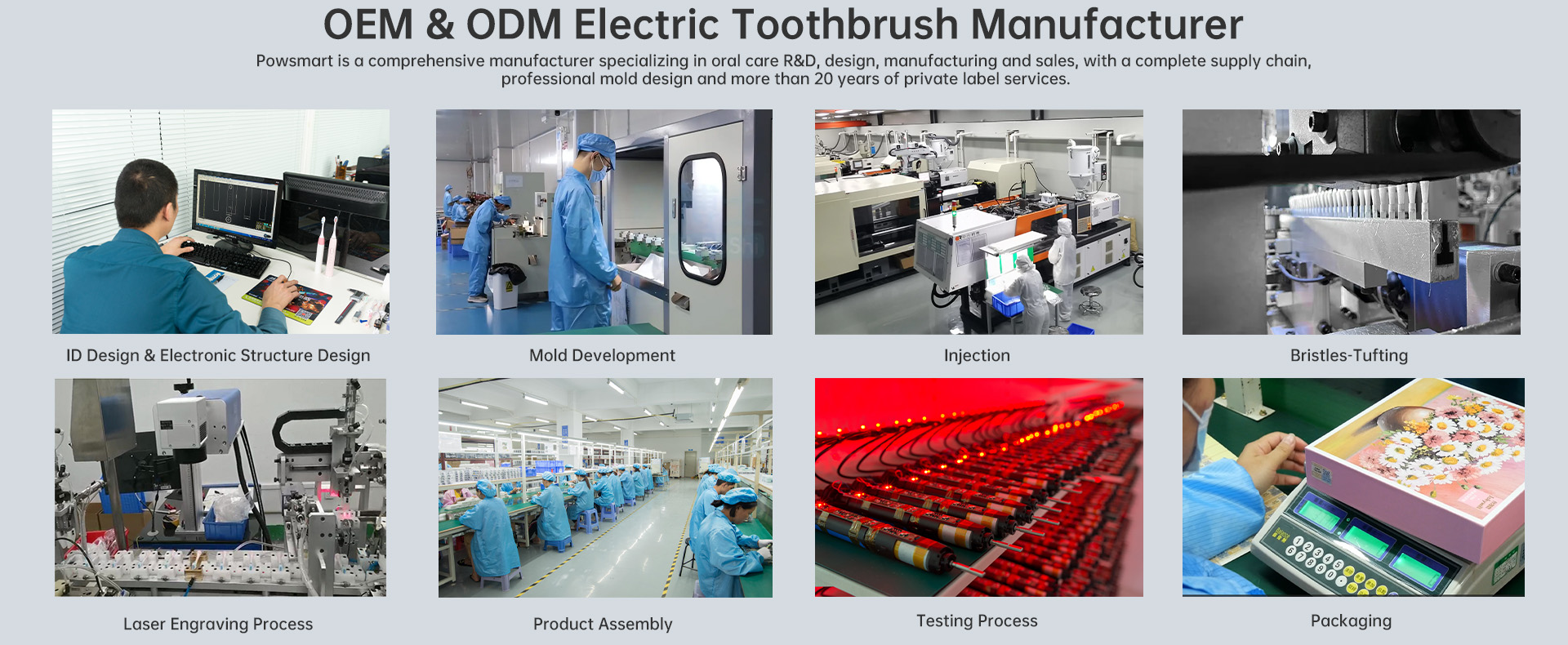
The global personal care industry is undergoing a shift. Consumers are no longer just looking for functional products—they are investing in experiences that reflect a lifestyle of self-respect and elevated standards. This consumption mindset, often described as the business idea of “Treating Yourself Well,” is rapidly influencing the oral care consumption upgrade trend. From smart electric toothbrushes to spa-like oral irrigators, oral care is becoming a premium and personalized wellness category.But how can oral care brands turn this shift into a competitive advantage? The answer lies in working closely with a manufacturing partner who understands both the emotional appeal of High-premium oral care products and the practicalities of product development. Here's how to bring this vision to life. Understand the Essence of “Treating Yourself Well” in Oral Care At its core, the business idea of Treating Yourself Well means designing oral care products that go beyond hygiene—they must offer comfort, personalization, and a sense of luxury. High-end packaging, smart features, skin-safe materials, and ergonomic design are all part of the user experience that supports this philosophy. These aren't just toothbrushes or flossers—they're lifestyle accessories. From an oral care products factory perspective, this requires a deep understanding of consumer psychology and the ability to align…
When users complain of whitening unevenness, many manufacturers focus solely on bleaching formulations and overlook how improper frequency settings can lead to motor overheating and undermine product durability. In fact, incorrect vibration frequencies not only reduce activation efficiency but also accelerate enamel fatigue in localized areas, resulting in uneven whitening and increased wear. The Link Between Frequency Settings and Whitening Uniformity First, the frequency of cold-light or sonic activation directly dictates the speed and depth of free-radical generation: Low-Frequency Modes (<20 kHz) lack sufficient energy to break down deeper stains, causing superficial whitening. High-Frequency Modes (>30 kHz) improve penetration but concentrate energy and risk over-oxidation “hot spots.” Frequency Fluctuations: Without proper firmware compensation for voltage drops, load-dependent frequency jumps amplify whitening unevenness. Achieving precise and stable frequency output is therefore fundamental to consistent whitening. How Improper Frequencies Stress Enamel Next, mismatched frequencies impose cyclic stresses on the enamel surface: Micro-fatigue: High-frequency oscillations propagate micro-cracks, diminishing enamel hardness. Chemical-Mechanical Synergy: Vibration accelerates peroxide erosion, increasing surface porosity where stains can re-adhere. Localized Overheating: Excessive frequency settings can lead to motor overheating, transferring heat to tooth surfaces and intensifying chemical attack. Altogether, improper frequency settings are a key driver of both enamel…
When frequency adjustment isn’t optimized, electric toothbrushes can underperform or over-stimulate—leading not only to poor plaque removal but also to thermal “hot spots” that risk chemical burns from fluoridated gels and aggravate gum bleeding. For B2B manufacturers, balancing vibration frequency is critical to safeguarding both cleaning efficacy and periodontal health. The Role of Frequency in Plaque Disruption Firstly, vibration frequency directly influences how effectively bristles dislodge plaque: Low Frequencies (<200 Hz) generate strong sweeping motions but may leave biofilm in interdental spaces. High Frequencies (>300 Hz) create micro-streaming in saliva, improving debris removal even between teeth. Misaligned Settings: Without precise calibration, mid-range frequencies can neither sweep nor micro-stream effectively, reducing cleaning efficiency. Thus, fine-tuning frequency settings maximizes both mechanical and fluid‐dynamic cleaning action. Excess Frequency and Thermal Risks Moreover, overly high frequencies can induce heat buildup in the brush head: Motor Overheating: Rapid oscillations generate friction inside the motor, elevating handle temperature. Gel Degradation: Heat can accelerate breakdown of whitening or fluoride gels applied concurrently, risking chemical burns on sensitive tissues. Localized Hot Spots: Users may feel sudden warmth at the gum line, leading to soft-tissue irritation. Controlled frequency limits and thermal cutoffs prevent these heat-related hazards.Company web:https://www.powsmart.com/product/electric-toothbrush/ Frequency-Induced Mechanical…
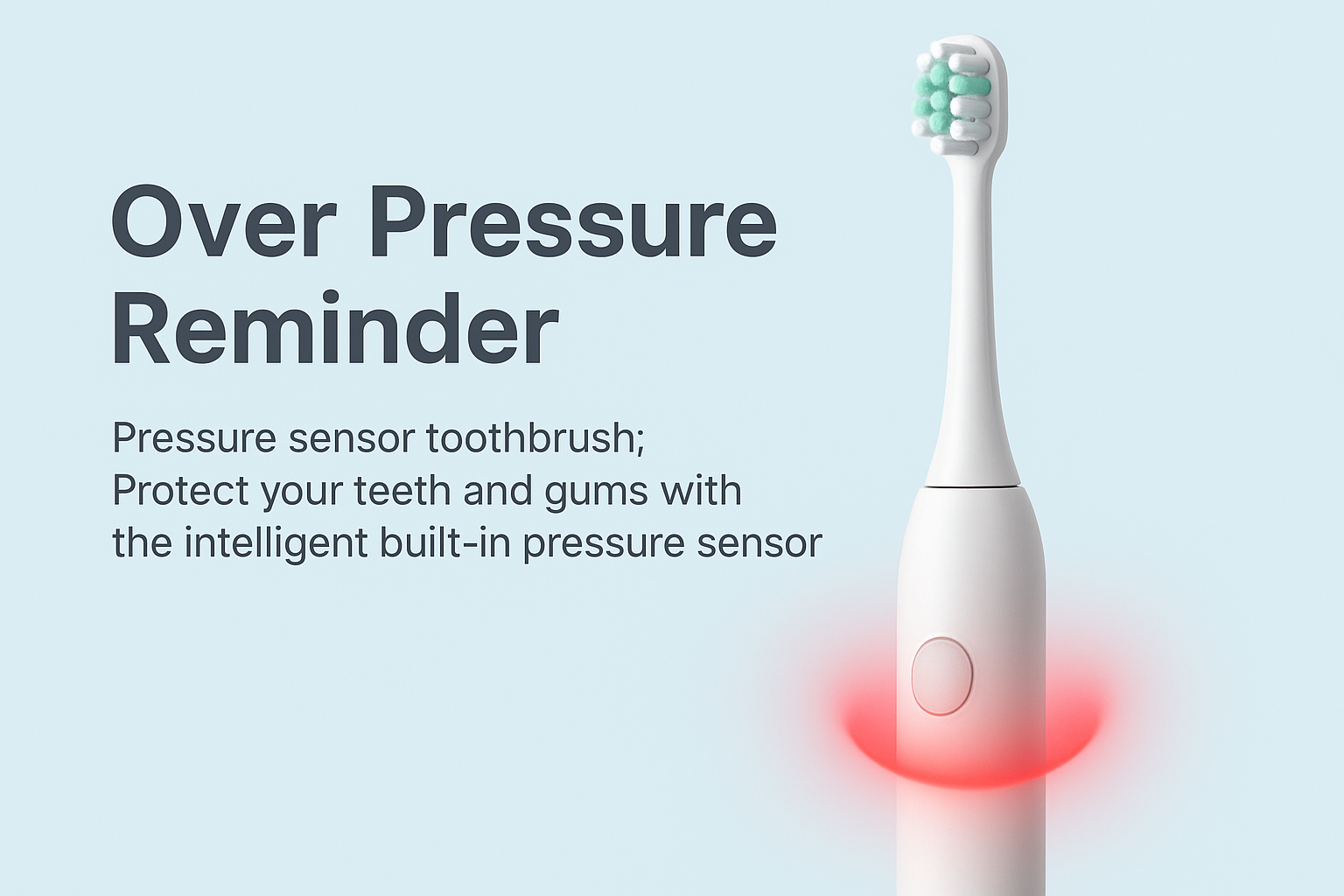
Many users experience gum bleeding problem during their daily brushing routine, which not only undermines oral‐health confidence but also generates high volumes of customer support inquiries. As a B2B manufacturer, it’s critical to understand the root causes and deliver a comprehensive solution package—helping channel partners offer more professional, reassuring electric toothbrush products and services. Main Triggers of Gum Bleeding First, identify the common factors that lead to gum bleeding: Gingival Inflammation: Plaque accumulation irritates the gums, causing redness, swelling, and bleeding. Abrasive Bristles or Excessive Pressure: Hard bristles or improper technique can damage the delicate gum tissues. Gum Recession: When the gums pull away, the exposed root surfaces become highly sensitive and prone to bleeding. Nutritional Deficiencies: Lack of vitamins C or K impairs tissue repair and makes the gums more fragile. Accurate diagnosis of these triggers guides targeted product enhancements and user guidance. Hardware Design Optimizations To reduce the risk of gum bleeding at its source, electric toothbrushes can incorporate: Ultra-Soft Bristles: High-density filaments ≤0.12 mm in diameter that minimize mechanical stress on the gums. Pressure Sensors: Built-in sensors automatically slow the brush or alert the user when excessive force is detected. Multi-Mode Cleaning: “Sensitive,” “Daily Clean,” and “Deep…
In practice, a tooth’s enamel vulnerability is closely tied to persistent staining residuals. Meanwhile, smart mode switching—allowing a device to adapt its cleaning stages—can effectively reduce pigment buildup and prevent secondary enamel erosion. In the following six sections, we’ll analyze their interconnection and offer optimization strategies. How Pigment Residues Amplify Enamel Vulnerability First, even minute pigment residues on enamel can: Clog Micro-Porosities: Chromogens from foods and drinks infiltrate micro-pores, forming a stubborn stain layer. Trap Acidic Metabolites: Pigments feed bacteria that produce acids, chemically attacking enamel minerals. Abrade Micro-Cracks: Bristle or polishing head friction against pigmented spots worsens tiny enamel fissures. Thus, residual staining not only mars appearance but undermines enamel strength at the microscopic level. pH Cycling and Enamel Loss Mechanisms Next, pigment residues interact with the mouth’s acid–base balance: Local pH Drops: Stain-laden areas remain more acidic, overwhelming saliva’s buffering capacity and accelerating demineralization. Mineral Leaching: Acidic conditions repeatedly dissolve calcium and phosphate, loosening enamel structure. Uneven Remineralization: Salivary minerals struggle to refill deep pores, creating weak “voids” that heighten enamel vulnerability. Controlling residual stains is therefore critical to preserving intact enamel.Company web:https://www.powsmart.com/product/electric-toothbrush/ Smart Mode Switching Strategies To tailor cleaning intensity and protect enamel, devices should implement smart…
For restricted user groups, avoiding stain residuals is critical—not only because leftover pigments mar appearance, but also because these users often have heightened vulnerability. Meanwhile, optimizing bristle roundness in brush-head design helps ensure gentle yet thorough stain removal. In the following six sections, we explore why stain residues pose special risks, and how to address them safely and effectively. Oral Characteristics of Restricted User Groups Restricted user groups include: Post-operative Patients: Gum and implant sites are still healing and prone to irritation. High-Sensitivity Individuals: Those with thin enamel or dentin hypersensitivity require extra care. Chronic Health Conditions: Diabetics or immunocompromised patients face greater infection risks from residual biofilm. These groups react more strongly to any remaining debris or pigments, making complete stain removal essential. Health Hazards of Stain Residuals Beyond aesthetics, retained pigments can: Promote Bacterial Growth: Chromogens combine with proteins to form biofilms that feed anaerobic pathogens. Cause Chemical Erosion: Some food pigments are mildly acidic and can accelerate enamel micro-abrasion. Trigger Immune Overreactions: Chronic exposure to residual agents can inflame gingival tissues and worsen swelling or pain. For vulnerable users, even trace residues can spark significant oral health issues. Contact us :https://www.powsmart.com/product/electric-toothbrush/ Bristle Roundness and Cleaning Efficiency Effective…
If you neglect proper Hygiene Monitoring and let your device run long enough to risk Motor Overheating, your brush can quickly become a breeding ground for bacteria and mold. Below, we dive into six key areas that explain why brushes harbor germs—and how you can design and manage your products to eliminate that risk once and for all. How Brush-Head Geometry Traps Microbes At the tip of every brush head, tiny gaps and overlapping filaments create perfect hiding spots for pathogens: Stagnant water droplets cling to bristle tips and base crevices. Saliva and toothpaste residues provide nutrients that fuel biofilm formation. Dense tuft patterns make thorough rinsing difficult, leaving pockets of moisture. Together, these features can turn a seemingly clean brush into a microbial reservoir overnight. The Danger of Skipping Hygiene Monitoring Without built-in hygiene alerts, both users and service teams remain unaware of a brush’s true cleanliness: No end-of-life indicators mean brushes stay in use long past their sanitary threshold. Lack of contamination warnings leaves users prone to reusing heavily colonized heads. Data vacuum prevents tracking of usage frequency and cleaning habits essential for maintenance planning. In short, without smart hygiene monitoring, dirty brushes go unnoticed until problems arise.Company…
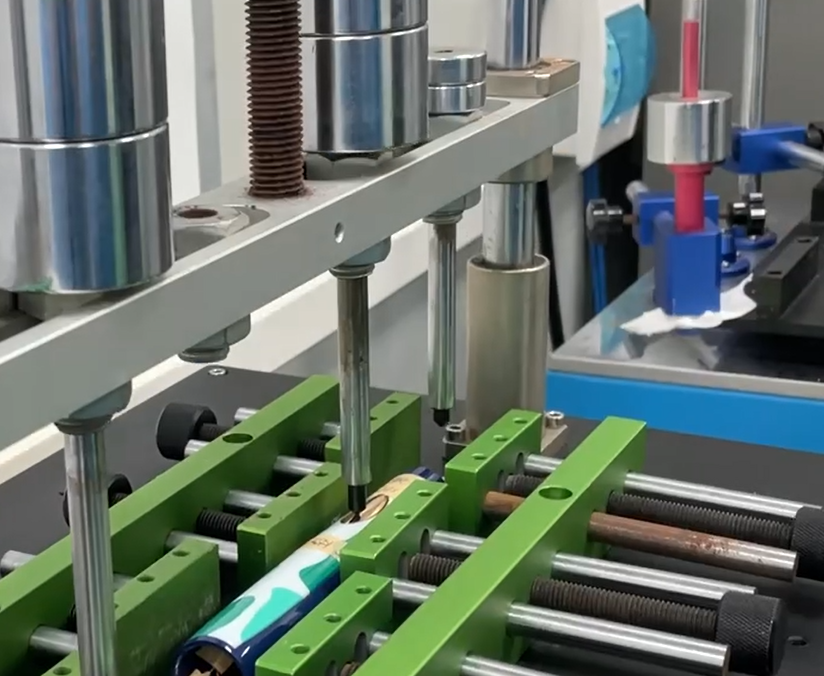
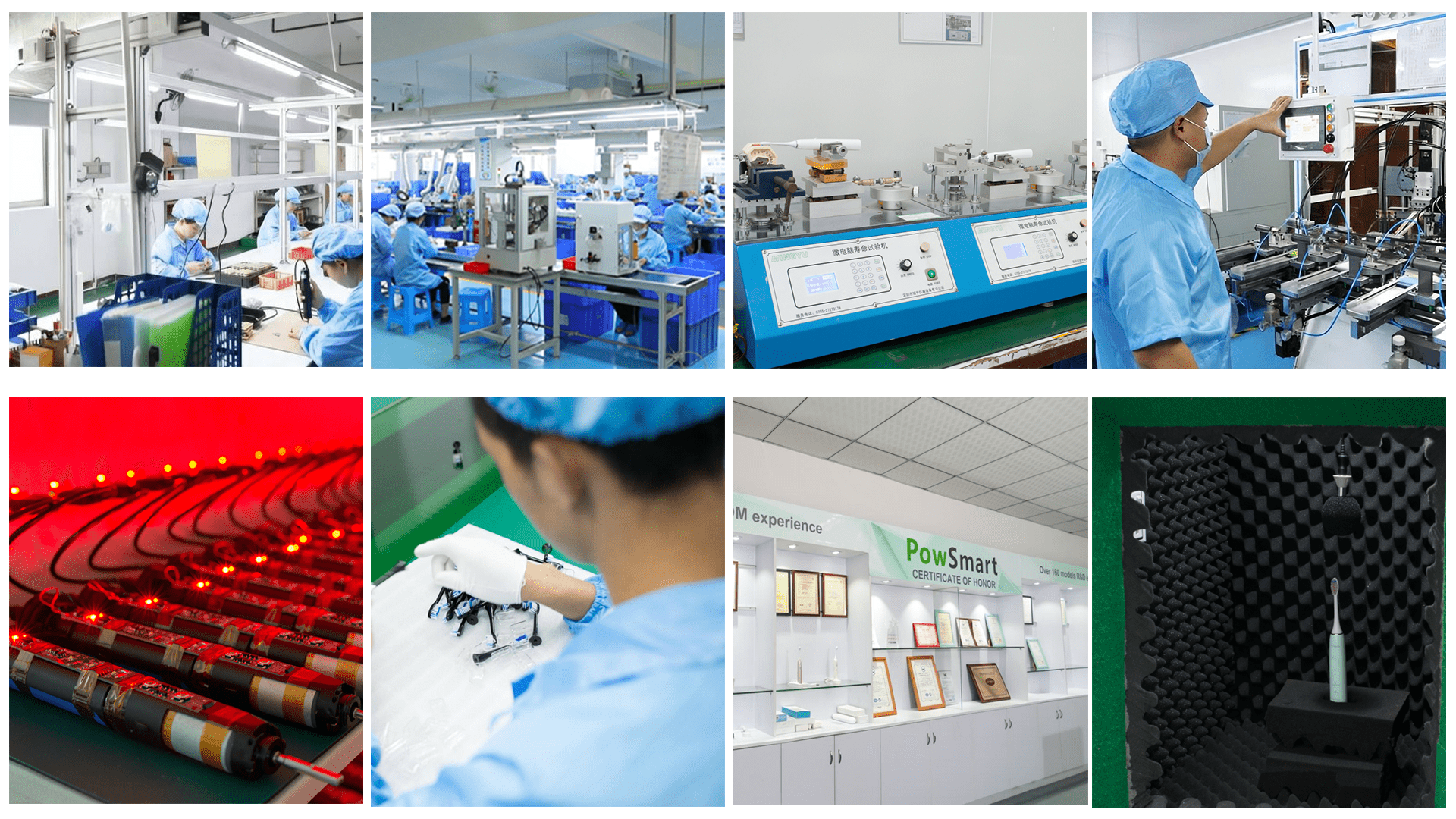
Ensuring high-quality electric toothbrushes is crucial for both manufacturers and consumers. A well-manufactured toothbrush not only enhances the user experience but also plays a vital role in maintaining oral health. For an ISO-certified manufacturer, adhering to strict electric toothbrush quality control processes is essential to meet global safety and performance standards. This blog will explore the manufacturer quality control process and highlight five essential testing standards that every oral care quality control program should follow. Material Safety and Compliance Testing The first step in quality control is ensuring that all materials used in electric toothbrush production are safe, non-toxic, and compliant with international regulations. Key factors include: BPA-Free and FDA-Approved Materials: The plastic components, bristles, and rubber elements must be free from harmful substances. RoHS and REACH Compliance: Ensuring that the product is free from hazardous substances like lead, mercury, and cadmium. ISO 10993 Biocompatibility Testing: This standard ensures that materials in contact with the human body do not cause irritation or allergic reactions. Mechanical Durability and Life Cycle Testing A high-quality electric toothbrush should withstand long-term use without mechanical failure. Manufacturer quality control processes should include: Motor Performance Testing: Verifying that the brush maintains consistent power and vibration levels over its lifespan. Drop…
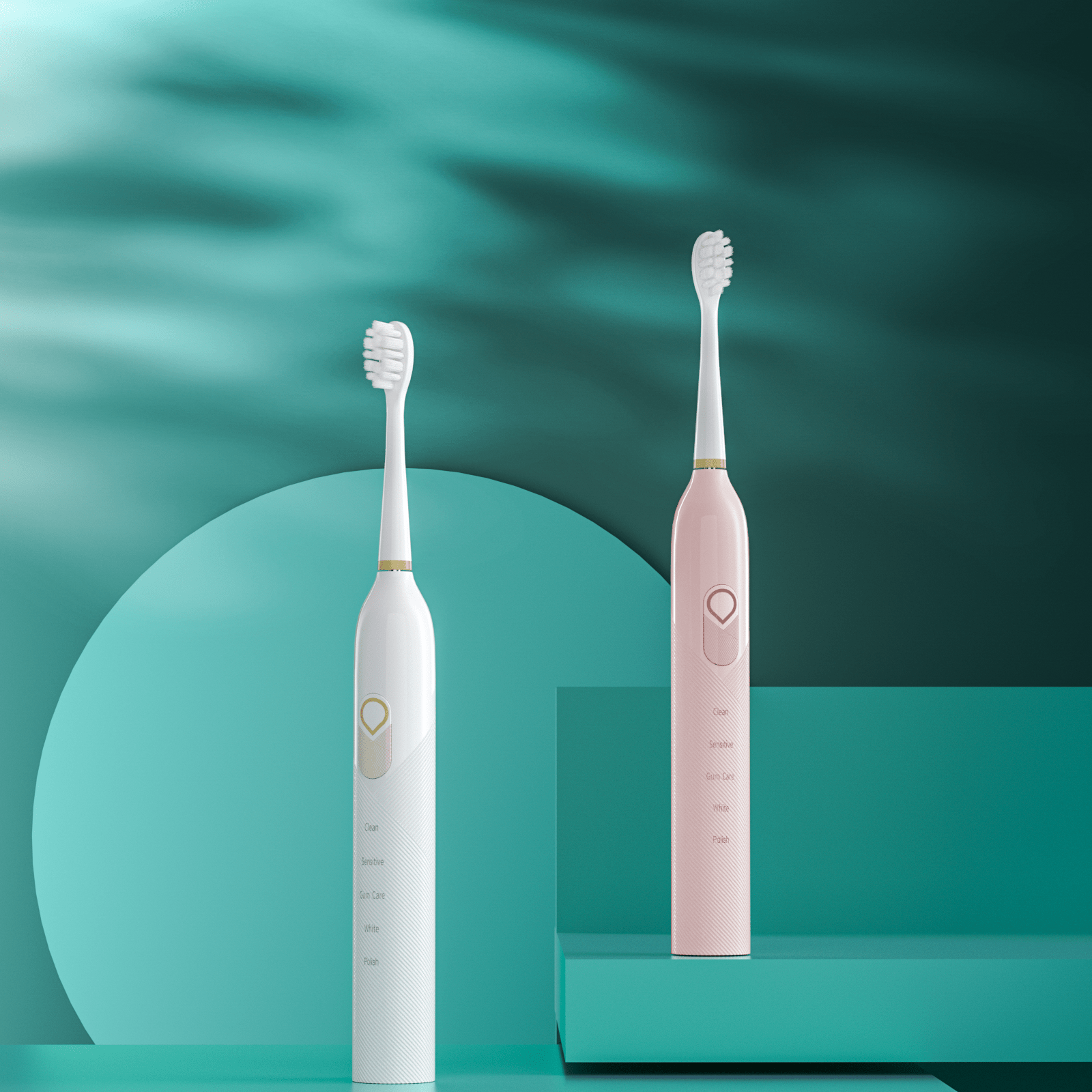
Maintaining optimal oral hygiene requires more than just brushing—it demands the right tools. Sonic electric toothbrushes have revolutionized dental care, offering superior cleaning power and advanced features that manual brushes simply can’t match. In this blog, we’ll explore how these innovative devices contribute to long-term dental care and why they should be a staple in every oral hygiene routine. 1. Deep Cleaning for a Healthier Mouth Unlike manual brushing, which relies on inconsistent motion, sonic electric toothbrushes use high-frequency vibrations (up to 31,000 strokes per minute) to dislodge plaque and debris effectively. This deep cleaning action reaches between teeth and along the gumline, areas often missed by traditional brushing. The result? A cleaner mouth and reduced risk of cavities and gum disease. 2. Enhanced Gum Health with Gentle Yet Effective Cleaning One of the biggest advantages of sonic toothbrushes is their ability to improve gum health. The oscillating bristles stimulate blood flow in the gums while gently removing plaque buildup—a leading cause of gingivitis. Many models include pressure sensors to prevent over-brushing, ensuring a safe and effective clean every time. 3. Customizable Brushing Experience for Personalized Care Not all mouths are the same, and neither should brushing routines be. Modern sonic electric toothbrushes offer a customizable brushing experience with multiple modes (such as…
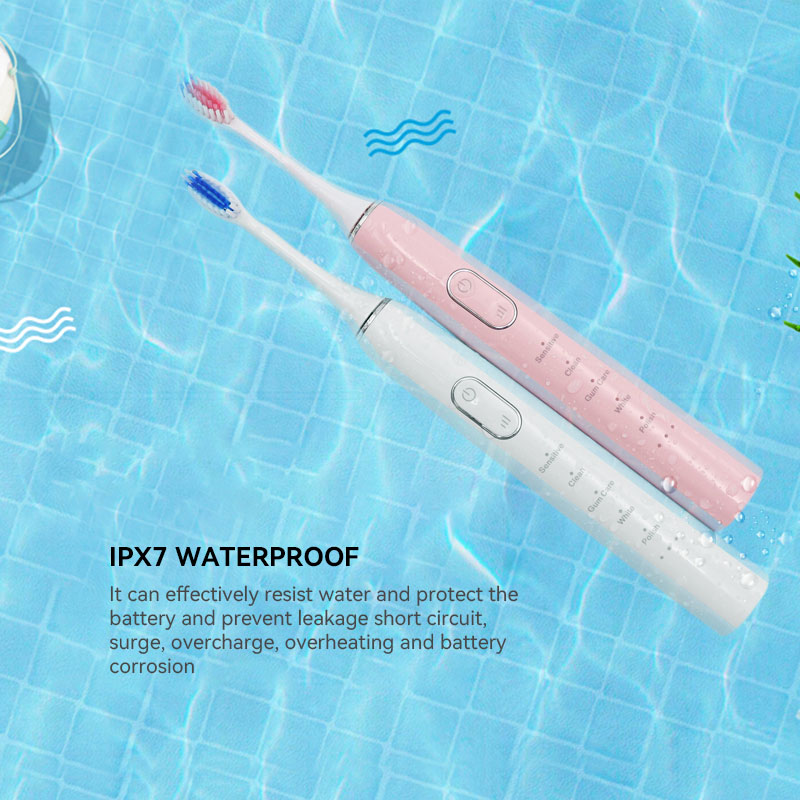
With the increasing popularity of electric toothbrushes, ensuring their durability and longevity has become a key concern for both manufacturers and consumers. One of the most common issues affecting product performance is the water ingress problem in electric toothbrush charging ports. When water seeps into the charging port, it can cause short circuits, corrosion, and device failure. From a manufacturing perspective, preventing water damage requires careful engineering, material selection, and production techniques. In this article, we will analyze the causes of water ingress, explore effective prevention tips for water ingress problems, and discuss advanced solutions to enhance the reliability of charging ports. Understanding the Water Ingress Problem in Charging Ports The charging port of an electric toothbrush is exposed to a high-moisture environment due to regular use in bathrooms. Water ingress can occur due to: Condensation: Steam from hot water can accumulate inside the device. Direct exposure: Splashes from rinsing or accidental submersion in water. Capillary effect: Water creeping into small gaps in the charging port design. If not addressed properly, water ingress can lead to:Electrical failure – Short circuits and malfunctions.Corrosion – Internal components degrade over time.Reduced lifespan – Frequent replacements and increased warranty claims. Common Weaknesses in Charging Port Designs Manufacturers need to be…
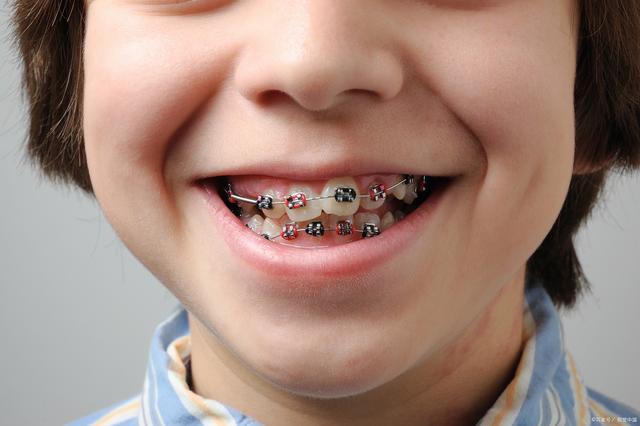
Adolescents undergoing fixed orthodontic treatment often face challenges in maintaining proper oral hygiene. Braces and wires create hard-to-reach areas where plaque can accumulate, leading to issues like gingivitis and tooth decay. As a leading manufacturer of oral care products, we’ve conducted research to understand how electric toothbrushes, particularly those with sonic vibration technology, can address these challenges. In this blog, we’ll explore the high efficiency of electric toothbrushes in providing deep cleaning for adolescents with fixed orthodontics. 1. The Challenge of Poor Oral Hygiene in Orthodontic Patients Fixed orthodontic appliances, such as braces, make it difficult for adolescents to clean their teeth effectively. Food particles and plaque often get trapped around brackets and wires, increasing the risk of gingivitis (gum inflammation) and other oral health issues. Traditional manual brushing may not be sufficient to remove plaque from these complex areas, leading to a higher prevalence of oral hygiene problems among orthodontic patients. 2. How Electric Toothbrushes Address These Challenges Electric toothbrushes, especially those with sonic vibration technology, are designed to tackle the unique challenges faced by orthodontic patients. The rapid movements of the brush head, often reaching thousands of vibrations per minute, create micro-movements that dislodge plaque and food particles from around brackets and wires. This high efficiency ensures a more thorough clean compared to…
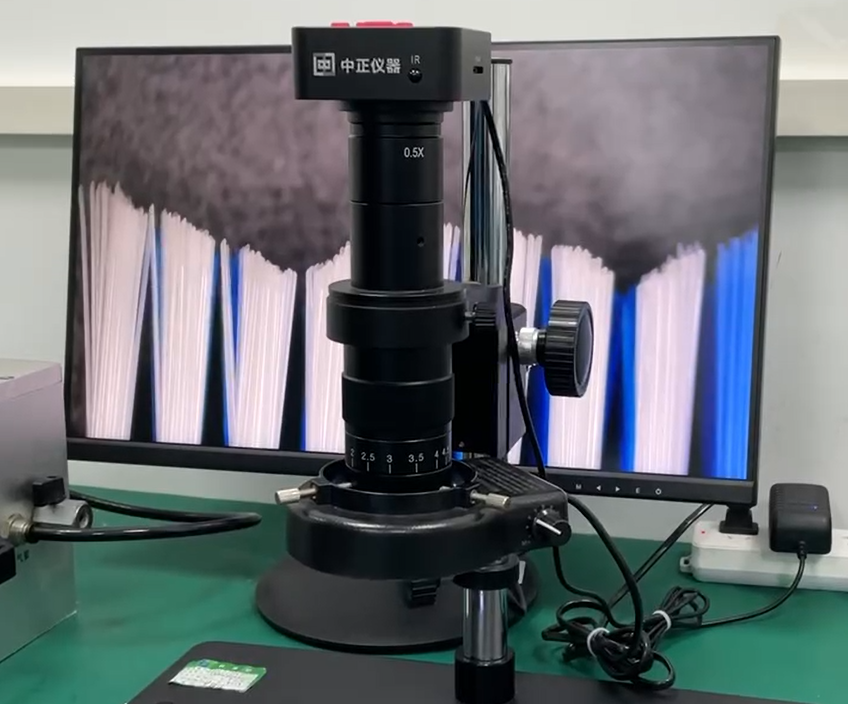
The quality of electric toothbrush bristles plays a crucial role in ensuring an optimal brushing experience. The Electric toothbrush bristle Implantation process has evolved to provide enhanced durability, comfort, and efficiency. However, choosing the right bristles requires an understanding of various factors, including material composition, manufacturing techniques, and implantation methods. In this article, we will explore how to select the most suitable bristles for electric toothbrushes, comparing different transplantation processes and analyzing bristle materials. https://www.powsmart.com/ Understanding the Electric Toothbrush Hair Transplantation Process The Electric toothbrush bristle Implantation process involves embedding bristles into the toothbrush head using specialized technology. This process impacts bristle retention, durability, and overall user experience. The most common methods include: Staple-type implantation: Traditional and widely used, this method involves embedding bristles into a brush head with the help of metal staples. Hot-melt implantation: A more advanced technique that melts bristle bases into the toothbrush head, eliminating the need for metal staples and ensuring a softer feel. Ultrasonic welding: This method uses ultrasonic waves to fix the bristles securely, offering superior strength and longevity. Each technique affects the firmness and lifespan of the bristles, making it essential to choose the right transplantation method based on the target audience and usage…
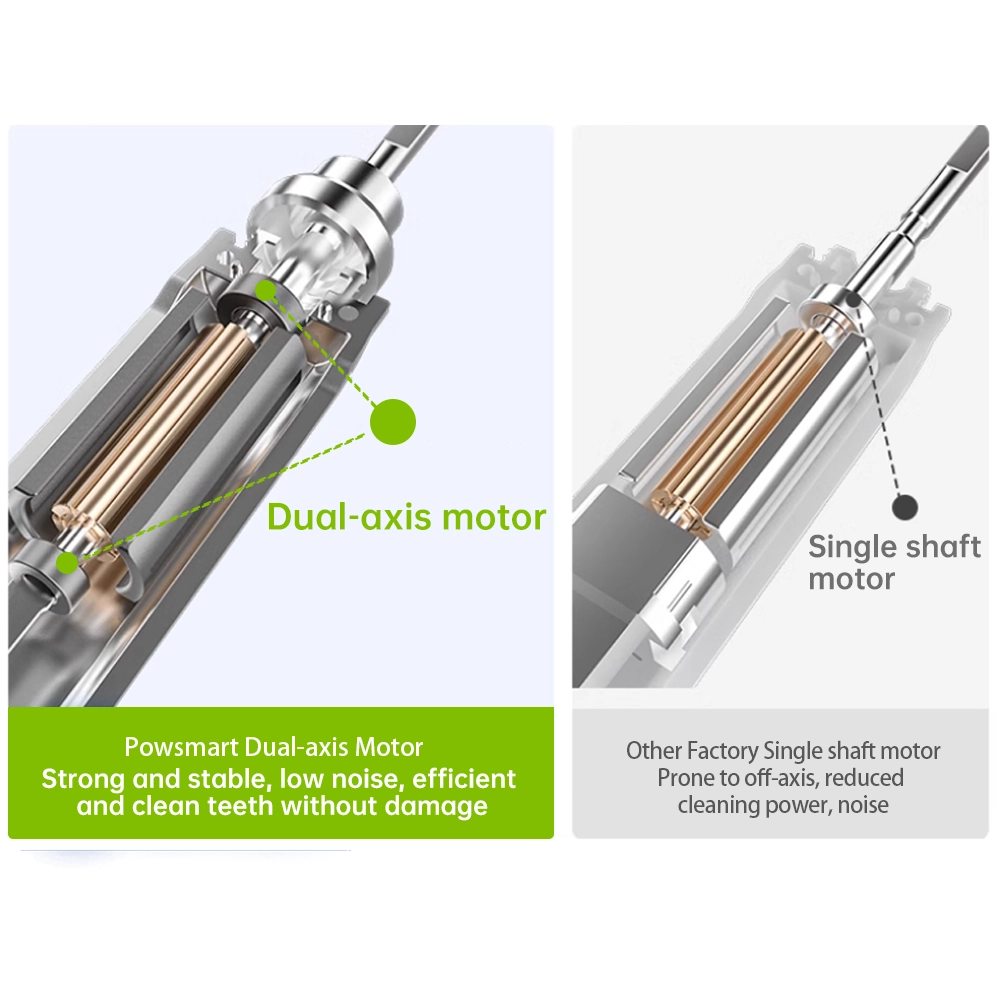
Motor frequency is a key factor influencing the cleanliness of electric toothbrushes. Choosing the right frequency directly impacts cleaning efficiency, user comfort, and overall brushing effectiveness. As an electric toothbrush manufacturer with our own sonic motor production line, Powsmart is going to introduce the importance of motor frequency selection, conduct a comparison of cleaning effects, and examine the relationship between frequency and noise to help optimize the electric toothbrush designs. https://www.powsmart.com/about-powsmart/ Understanding Motor Frequency in Electric Toothbrushes Motor frequency refers to the number of vibrations or rotations per minute (RPM) that an electric toothbrush motor generates. It determines how effectively plaque and debris are removed from teeth and gums. Generally, electric toothbrush motors fall into two categories: Sonic toothbrushes: 24,000 to 48,000 vibrations per minute Rotary toothbrushes: 2,500 to 7,500 oscillations per minute Choosing the optimal motor frequency is crucial for ensuring a balance between deep cleaning and user comfort. Motor Frequency Selection: Key Factors to Consider Selecting the right motor frequency involves considering multiple factors, including: Cleaning performance: Higher frequencies generally enhance plaque removal but may not be suitable for all users. Gum sensitivity: Users with sensitive gums may prefer lower frequencies to reduce irritation. Battery efficiency: Higher frequencies tend…
The electric toothbrush market has grown rapidly in recent years, driven by increasing consumer awareness of oral health and advancements in technology. However, competition within the industry is fierce, and brands must continuously innovate to maintain their competitiveness. In this blog, we will analyze the core competitiveness of electric toothbrushes and explore how companies can win the market through technological innovation from an electric toothbrush manufacturer's point of view. Understanding the Competitiveness of Electric Toothbrushes The competitiveness of electric toothbrushes is determined by several key factors, including performance, user experience, brand reputation, and technological differentiation. Companies that can integrate these elements effectively will gain a strong foothold in the market. The Role of Technological Innovation in the Electric Toothbrush Market Technological advancements play a crucial role in shaping the electric toothbrush market. Innovations in motor efficiency, smart connectivity, and personalized brushing modes have significantly improved product performance. To stay ahead, manufacturers must invest in research and development (R&D) to introduce cutting-edge features that enhance the user experience. Key Technological Innovations Driving Market Competitiveness a. Smart Sensors and AI Integration Modern electric toothbrushes are equipped with smart sensors that provide real-time feedback on brushing habits. AI-powered features can analyze brushing patterns…


.jpg)
.jpg)
.jpg)
.jpg)
.jpg)



.jpg)
.jpg)