.jpg)
When it comes to consumer safety in oral care devices, waterproof failure isn't just a mechanical flaw—it could be a direct cause of material toxicity. Many assume that as long as a product functions electrically, it’s safe. However, water intrusion can trigger chemical degradation in materials not designed to withstand prolonged moisture exposure. For OEMs and B2B buyers, understanding the correlation between waterproof integrity and toxic material leaching is crucial to both compliance and brand reputation. Waterproofing: More Than Just Electronics Protection Traditionally, waterproofing is associated with protecting internal components like motors or batteries. However, in modern electric toothbrushes, water can infiltrate and compromise: Handle casing materials Silicone seals and adhesives Internal plastic housings When waterproof failure occurs—due to poor IP sealing, failed ultrasonic welding, or loose assembly—the materials not intended for water exposure may begin to degrade, leading to the release of harmful substances into contact areas like grip zones or brush necks. How Waterproof Failure Triggers Material Toxicity The connection between waterproof failure and material toxicity is chemical in nature. Prolonged moisture intrusion can: Accelerate plasticizer migration from low-grade plastics Reactivate residual solvents in adhesives Break down coatings and produce toxic residues Especially in high-temperature environments like bathrooms,…
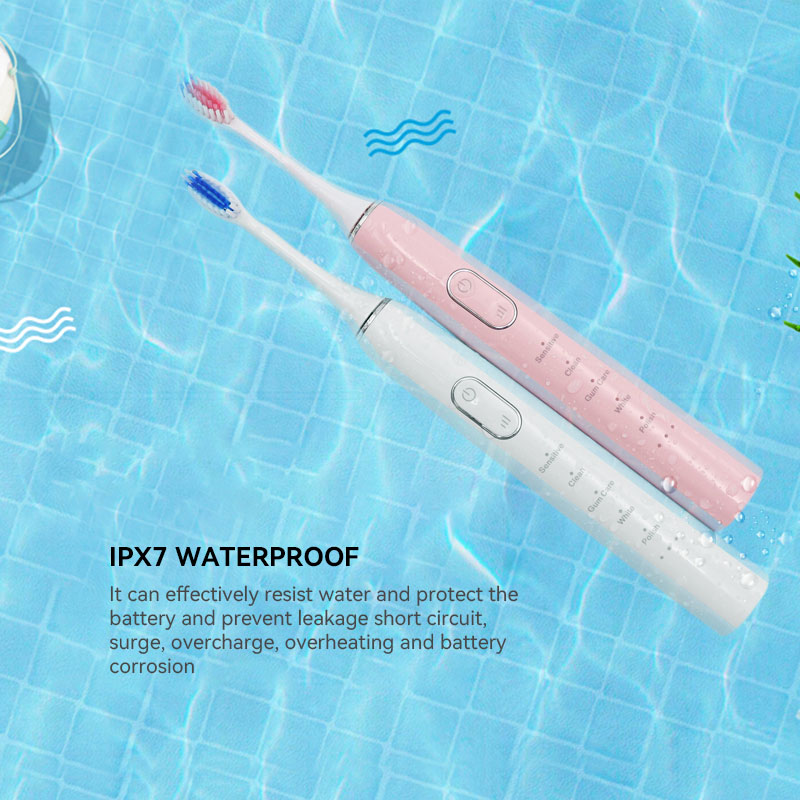
With the growing demand for durable and high-performance electric toothbrushes, We are continuously improving the electric toothbrush waterproofing technology. A breakthrough in waterproofing technology ensures longer product lifespan, enhanced user safety, and better overall functionality. From the perspective of an electric toothbrush manufacturer, Powsmart provides a detailed explanation of waterproof technology, explores different waterproof levels, and discusses comprehensive waterproof solutions for electric toothbrushes in this blog. Why Waterproofing is Critical for Electric Toothbrushes Electric toothbrushes operate in humid environments and are frequently exposed to water. Without proper waterproofing, issues such as motor damage, battery failure, and short circuits can arise. Key benefits of advanced waterproofing technology include: Enhanced durability: Protection against water ingress ensures long-lasting performance. User safety: Prevents electrical hazards caused by water exposure. Improved product reliability: Reduces maintenance costs and increases customer satisfaction. Detailed Explanation of Waterproof Technology Achieving full waterproofing in electric toothbrushes requires multiple layers of protection. The core waterproof technology methods include: a. Seamless Housing Design A fully sealed casing with minimal gaps prevents water penetration. Ultrasonic welding and precision molding are commonly used to achieve a seamless structure. b. Advanced Sealing Materials The use of high-quality rubber gaskets and silicone seals around critical areas, such as the battery…
In professional oral care manufacturing, preventing enamel scratching during device use is a critical design and quality concern. Increasing evidence shows that tooth porosity—whether natural or treatment-induced—can significantly elevate the risk of enamel abrasion when using mechanical cleaning devices like sonic toothbrushes or whitening applicators. But once enamel is scratched, is the damage truly irreversible? Understanding the interaction between tooth porosity and surface wear helps manufacturers design safer, more consumer-trusted products. Why Tooth Porosity Matters More Than You Think Tooth porosity refers to microscopic pores or structural irregularities in enamel, resulting from: Natural genetic conditions Acid erosion from diet or gastric reflux Overuse of abrasive whitening pastes Post-bleaching dehydration of enamel surface Porous enamel lacks the uniform hardness of healthy enamel. This makes it more prone to enamel scratching during mechanical brushing, especially with stiff bristles or aggressive polishing heads. How Enamel Scratching Occurs: The Microscopic Damage Process Scratching doesn’t mean deep cuts—it refers to microabrasions at the enamel surface level: Hard bristles or brush heads scrape against weakened enamel Abrasive particles trapped during brushing intensify localized surface wear Vibratory or rotational force amplifies contact pressure at pore edges Repeated cycles create visible dullness and microscopic surface cracks These scratches…
As the old saying goes, "an ounce of prevention is better than a pound of cure"—and this couldn't be truer when it comes to toothache. Toothaches are often the result of neglected oral care, but with the right habits, you can avoid pain before it starts. Here are six key strategies to keep toothaches at bay. 1. Master the Basics: Brushing Your Teeth Properly The foundation of dental health starts with brushing your teeth at least twice daily. Use a soft-bristled brush and fluoride toothpaste, gently cleaning all surfaces of your teeth for two minutes each session. Pay special attention to the gumline, where plaque tends to accumulate. 2. Upgrade to an Electric Toothbrush for Superior Cleaning Studies show that electric toothbrushes remove more plaque than manual brushes, thanks to their oscillating or sonic technology. They provide consistent brushing pressure and often include timers to ensure you clean your teeth thoroughly. Investing in one can significantly reduce your risk of cavities and gum disease. 3. Don’t Skip Flossing—Your Teeth’s Best Friend Flossing your teeth daily is just as important as brushing. It removes food particles and plaque between teeth—areas your toothbrush can’t reach. If traditional floss is tricky, try water flossers or interdental brushes for an…
Electric Toothbrush for Beauty Box Subscription electric toothbrush for beauty box subscription programs combine innovation, lifestyle, and beauty in one elegant product. Monthly boxes have evolved beyond skincare—they now embrace wellness and oral aesthetics. Therefore, brands including oral care in their subscription boxes can attract loyal, health-conscious consumers. Moreover, an electric toothbrush adds functional value while reinforcing a polished, modern image. Our OEM solutions are tailored for beauty subscription services. We focus on sleek form factors, soft color palettes, and compact packaging suitable for mail delivery. Furthermore, Type-C fast charging and replaceable brush heads make them practical and eco-conscious. Consequently, beauty box curators can expand their product category while maintaining brand aesthetics. A Perfect Addition to Subscription Boxes An electric toothbrush complements other wellness items like whitening strips, serums, or travel skincare kits. Moreover, it demonstrates care for customers’ complete beauty routine—from smile to skin. In addition, offering a toothbrush in subscription form encourages long-term use, building brand loyalty and repeat engagement. For customization, our OEM team designs limited-edition colors, logo embossing, and co-branded packaging. Furthermore, we provide design mockups to ensure visual alignment with your box theme. For inspiration, visit: Private Label Electric Toothbrushes | Powsmart Smart Design Meets…
.jpg)
In today’s oral care market, performance alone isn’t enough—toothbrush noise level has become a critical factor in consumer choice, especially among high-end and tech-savvy users. A quiet sonic toothbrush OEM solution not only improves user comfort but also reflects the engineering and manufacturing quality behind the product. This blog provides a detailed electric toothbrush noise level test comparing Powsmart with established brands like Philips and Oral-B, offering valuable insights for brands seeking low noise toothbrush manufacturing partners. Test Methodology: How We Measured Noise Levels To ensure an objective comparison, we conducted the electric toothbrush noise test under the following conditions: Environment: Sound-isolated lab room (ambient noise < 30 dB) Equipment: Digital sound level meter placed 30 cm from the toothbrush Modes Tested: Standard cleaning mode on each device Measurement Time: After 5 seconds of activation, average over 10 seconds This approach ensures consistency across all tested models and reflects real-world usage conditions. Results: Noise Level Contrast Between Powsmart, Philips & Oral-B Here is the toothbrush noise level contrast recorded during testing: Brand Model Tested Average Noise Level (dB) Notes Powsmart SonicClean Pro 45 dB Quiet, smooth vibration feel Philips Sonicare ProtectiveClean 5100 53 dB Noticeable hum at full power Oral-B Pro 1000 62 dB Audible oscillation, higher pitch…
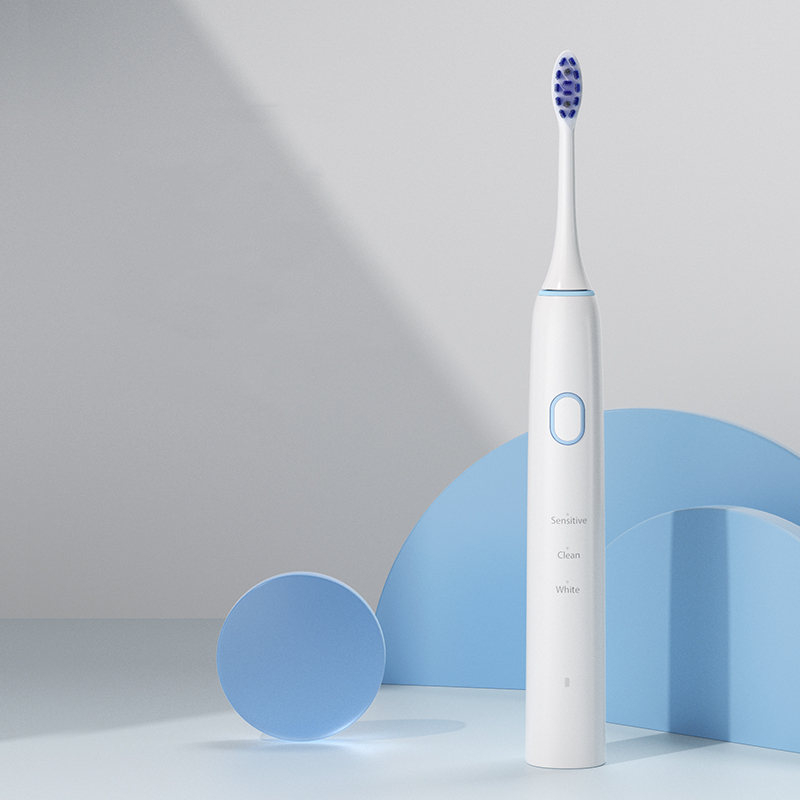
In today’s competitive oral care market, user comfort has become as important as performance. One of the biggest complaints among electric toothbrush users is noise. That’s where the demand for quiet electric toothbrush manufacturing is rapidly rising. Brands are now looking for manufacturers that can deliver high-quality, low noise sonic technology to offer their customers a superior, near-silent brushing experience. Whether you're an established oral care brand or launching a new product line, understanding the technical and manufacturing aspects of silent sonic brush development is key to success in this evolving category. The Rise of Low-Noise Oral Care Products Noise reduction in personal care devices is no longer a niche feature—it's a standard expectation. Consumers are gravitating toward electric toothbrushes that operate below 60 dB. This trend is driving brands to seek specialized quiet electric toothbrush manufacturing partners who understand the nuances of low db sonic technology and its impact on user experience and marketability. What Is Low Decibel Sonic Technology? Low noise sonic technology refers to the integration of precision motor systems, sound insulation components, and vibration damping structures in electric toothbrushes. Key innovations include: Brushless motors with minimal vibration Floating brush head suspension to absorb excess movement Internal acoustic insulation designs to reduce audible frequencies…
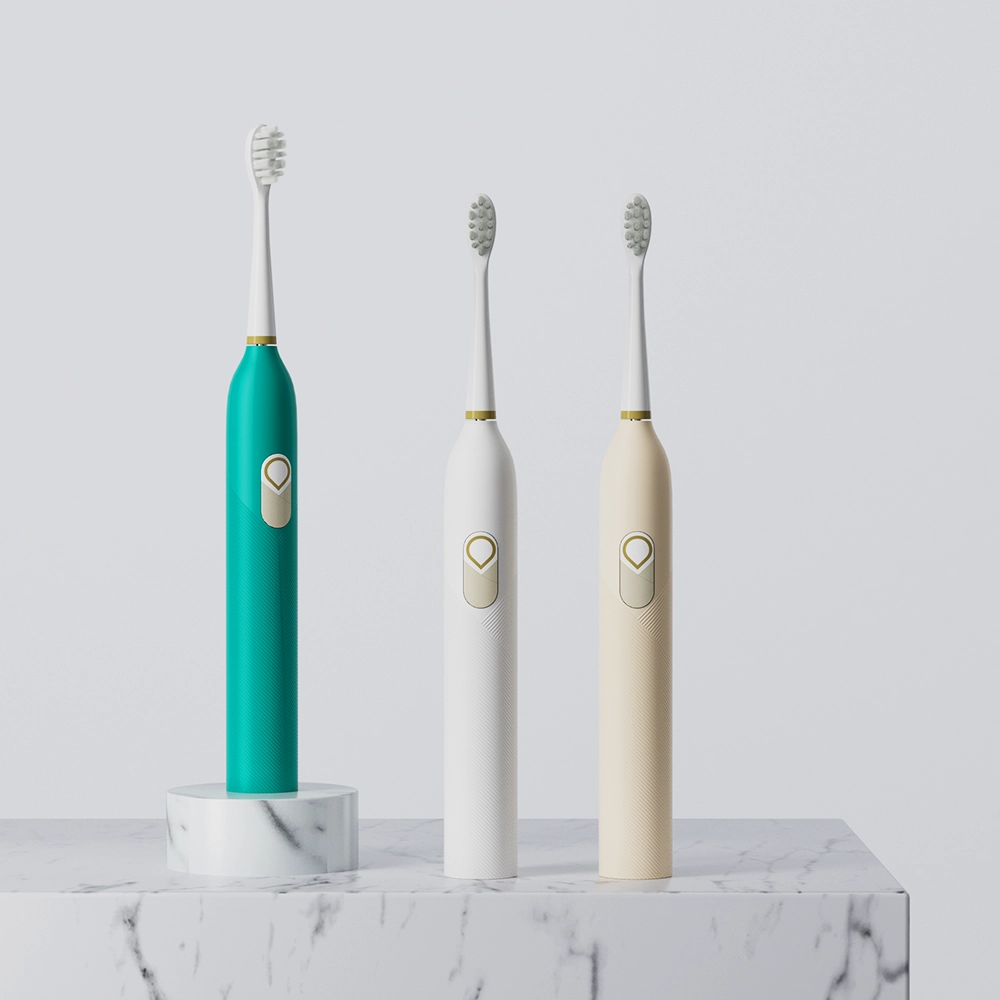
As consumer awareness of dental hygiene grows, brands in the oral care industry are looking for next-generation product features that combine performance, technology, and marketability. One of the most promising developments in recent years is the integration of Bass Brushing Technology. Vibration and oscillation electric toothbrush designs. The Bass brushing method, recommended by dental professionals, focuses on cleaning along the gum line with a 45-degree angle cleaning technique. By incorporating this into product design, brands can now offer users a clinically effective yet easy-to-use brushing experience. For those seeking electric toothbrush OEM manufacturing, this feature presents a unique selling point in a competitive market. What is Bass Brushing Technology and Why Is It Effective? Bass Brushing Technology involves placing the brush head at a 45-degree angle toward the gum line and using gentle, small back-and-forth motions. This technique helps remove plaque in the sulcus (the gap between the teeth and gums). Making it particularly effective at preventing gingivitis and periodontal disease. By integrating this brushing method into electric toothbrushes, manufacturers can offer products that: Promote healthier gums and better plaque removal. Educate users on proper dental care technique and Deliver a clinically backed feature that appeals to health-conscious consumers This innovation is gaining…
.jpg)
In today’s oral care market, an increasing number of consumers suffer from tooth sensitivity caused by gum recession, enamel wear, or dental treatments. This has created a growing demand for Electric Toothbrush for Sensitive Teeth that prioritize Gentle Sonic Vibrations. For oral care brands looking to expand their portfolio, understanding the needs of this segment and working with the right sensitive teeth toothbrush OEM can be the key to capturing market share. Why Sensitive Teeth Need Special Attention Unlike standard oral care products, brushing solutions for sensitive teeth must avoid harsh movements or bristle types that can trigger pain. Traditional brushing methods often aggravate sensitivity, which leads consumers to seek alternatives such as: Gentle sonic vibrations instead of aggressive rotary motion Soft bristle materials that cushion contact with enamel and gums Smart sensors that prevent excessive pressure As a result, a gentle electric toothbrush becomes the ideal solution, offering effective cleaning while delivering pain-free brushing for users with sensitivity. The Power of Gentle Sonic Vibrations What sets these toothbrushes apart is the use of gentle sonic vibrations—typically in the range of 20,000–30,000 strokes per minute. Unlike hard scrubbing, sonic pulses dislodge plaque with minimal physical contact, offering: Efficient cleaning with reduced irritation Safe use for those…
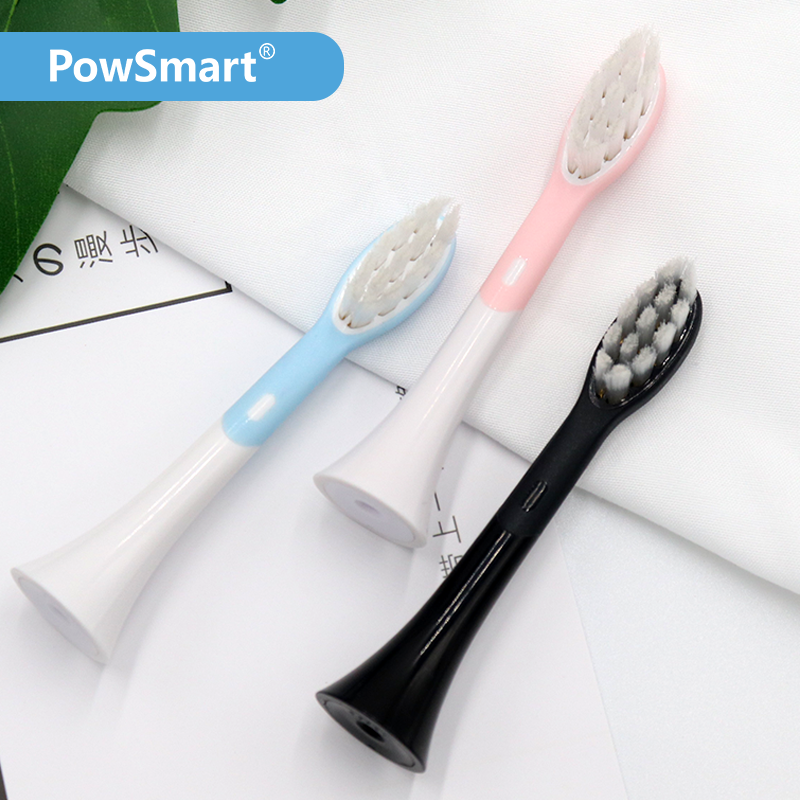
Maintaining oral hygiene with orthodontic appliances requires precision, patience, and the right tools. The clean braces technique—a structured approach to keeping teeth and gums healthy during orthodontic treatment—has gained popularity among dental professionals. At the center of this technique is the Powsmart ortho head, a brush head designed to solve the unique cleaning challenges faced by individuals with braces. The Hygiene Challenges of Orthodontic Braces Braces introduce a complex environment in the oral cavity: brackets, wires, ligatures, and limited space create ample opportunity for plaque buildup and food retention. Without proper tools, users often fail to reach behind wires and around brackets, leading to: Gingivitis and gum inflammation Decalcification and white spot lesions Bad breath and oral discomfort This is where the clean braces technique comes into play—with the Powsmart ortho head playing a vital role. What Sets the Powsmart Ortho Head Apart? The Powsmart ortho head is engineered with a V-shaped bristle pattern, specifically contoured to clean around orthodontic fixtures. Unlike flat or dome-shaped heads, it is tailored to: Reach both above and below the bracket with one pass Glide along the gum line without causing irritation Provide controlled contact to prevent enamel abrasion Its slim profile also improves…
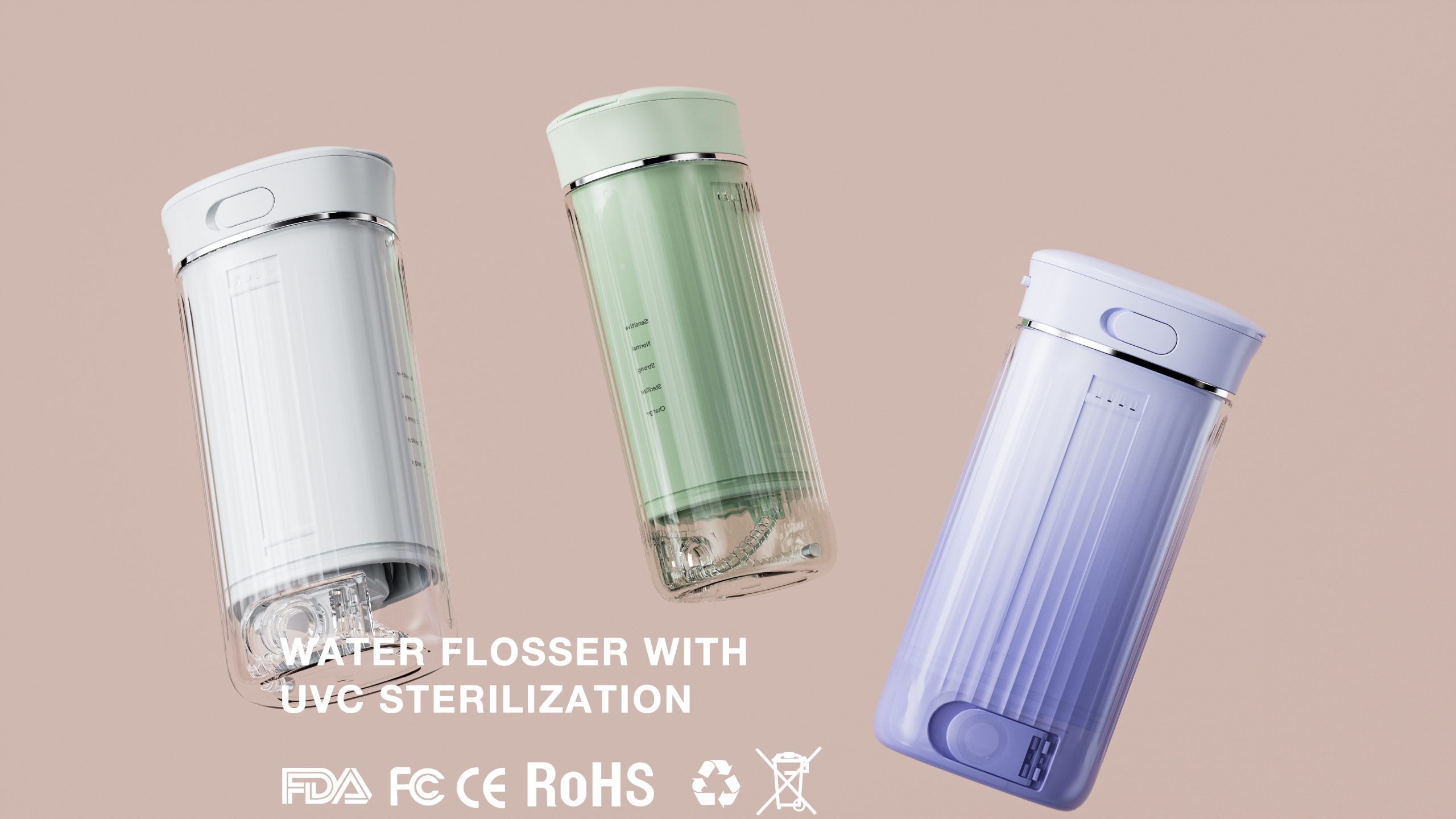
With the rise in demand for compact and portable hygiene tools, the idea of a travel electric toothbrush that fits in a wallet may sound futuristic—but it’s closer to reality than many think. Manufacturers and OEM brands are now exploring advanced folding toothbrush design solutions to maximize portability without compromising on brushing performance. Why Portability Matters in Travel Oral Care Business travelers, minimalists, and digital nomads are increasingly seeking ultra-compact personal care devices. Traditional electric toothbrushes are often bulky and require a dedicated case or bag space. A folding toothbrush design offers a revolutionary answer to this challenge by minimizing dimensions without eliminating core features. Key user demands include: Pocket-sized or wallet-friendly form factor Built-in hygienic bristle protection Lightweight construction without fragile mechanisms This presents an opportunity for B2B innovation in the travel hygiene category. Design Mechanics Behind Folding Toothbrush Technology To make a travel electric toothbrush truly compact, folding technology must go beyond aesthetics. It needs to incorporate: A collapsible handle without compromising grip strength Hinge materials that resist corrosion and wear from moisture Magnetic or secure lock systems to ensure stability during use Advanced prototypes have shown that bristle heads can be flipped into the handle, or that…
.jpg)
As we all know, the rise in conditions such as gingivitis, periodontitis, and, overall gum sensitivity has created strong demand for sensitive gums electric toothbrush products. In response, oral care brands are turning their attention to gum care electric toothbrush OEM opportunities to deliver targeted, effective solutions to their end users. In this blog, we explore the key manufacturing considerations, technology trends, and benefits of partnering with a factory that understands clinically proven oral care requirements for gum-focused electric toothbrushes. And, A periodontal toothbrush differs from standard models in both design and functionality. It’s engineered to deliver a gentle yet effective cleaning experience, ideal for users with inflamed, bleeding, or post-surgical gums. Soft, high-density bristles for less abrasion Low-frequency sonic vibrations to avoid irritation Pressure-sensitive sensors to prevent overbrushing Gum massage modes to stimulate blood circulation OEM manufacturers must be able to incorporate these features, while maintaining consistent quality and performance. What Makes a Gum Care Toothbrush Clinically Proven? To be labeled as a clinically proven oral care device, a gum care toothbrush must undergo rigorous testing. Brand owners looking to establish credibility in the market should prioritize manufacturers who offer: Access to independent clinical trials or in-house testing labs Compliance with international medical device standards (FDA, CE,…
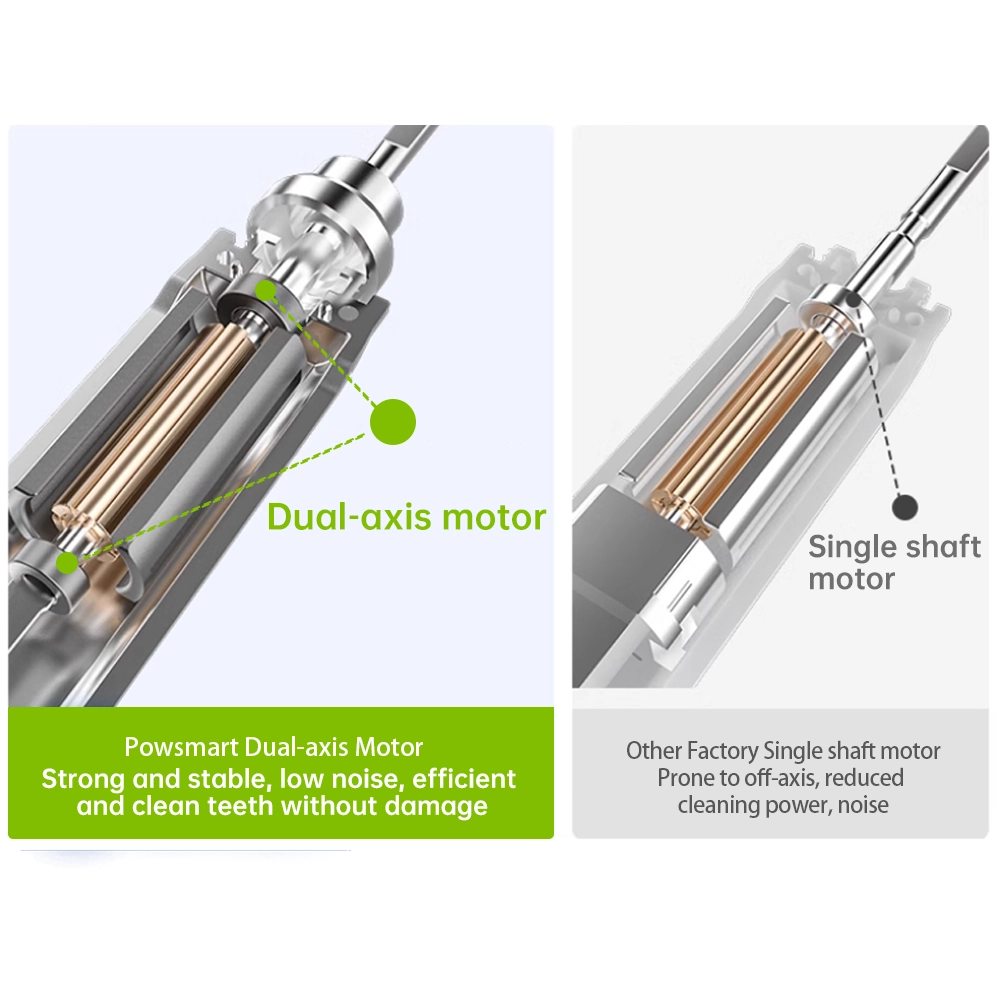
As the demand for smarter, quieter, and more effective oral care devices grows, magnetic levitation motor toothbrushes are emerging as the next big innovation. This advanced dental tech offers high-performance brushing, ultra-low noise, and minimal mechanical wear—key selling points in today’s competitive personal care market. For brands seeking innovative oral care products, understanding this breakthrough technology is essential. Whether you're a startup entering the market or an established brand looking to upgrade your lineup, partnering with an oral care products supplier specializing in levitation motor integration could be the key to staying ahead. What Is a Magnetic Levitation Motor Toothbrush? A magnetic levitation motor toothbrush utilizes a linear magnetic drive system, replacing traditional mechanical components with electromagnetic force to create high-frequency oscillations. Key Advantages: High-speed vibration (31,000–48,000 RPM) for superior plaque removal Quieter operation due to reduced mechanical friction Longer motor lifespan with minimal wear-and-tear Smooth, consistent performance even after prolonged use This cutting-edge magnetic levitation motor toothbrush technology has set new standards for performance and durability in electric oral care devices. Why Magnetic Levitation Motors Outperform Traditional Motors Traditional motors rely on gear systems or rotor-based designs. While effective, they create: More vibration noise Greater energy loss through friction Faster wear on internal parts In contrast, levitation motors use magnetic…
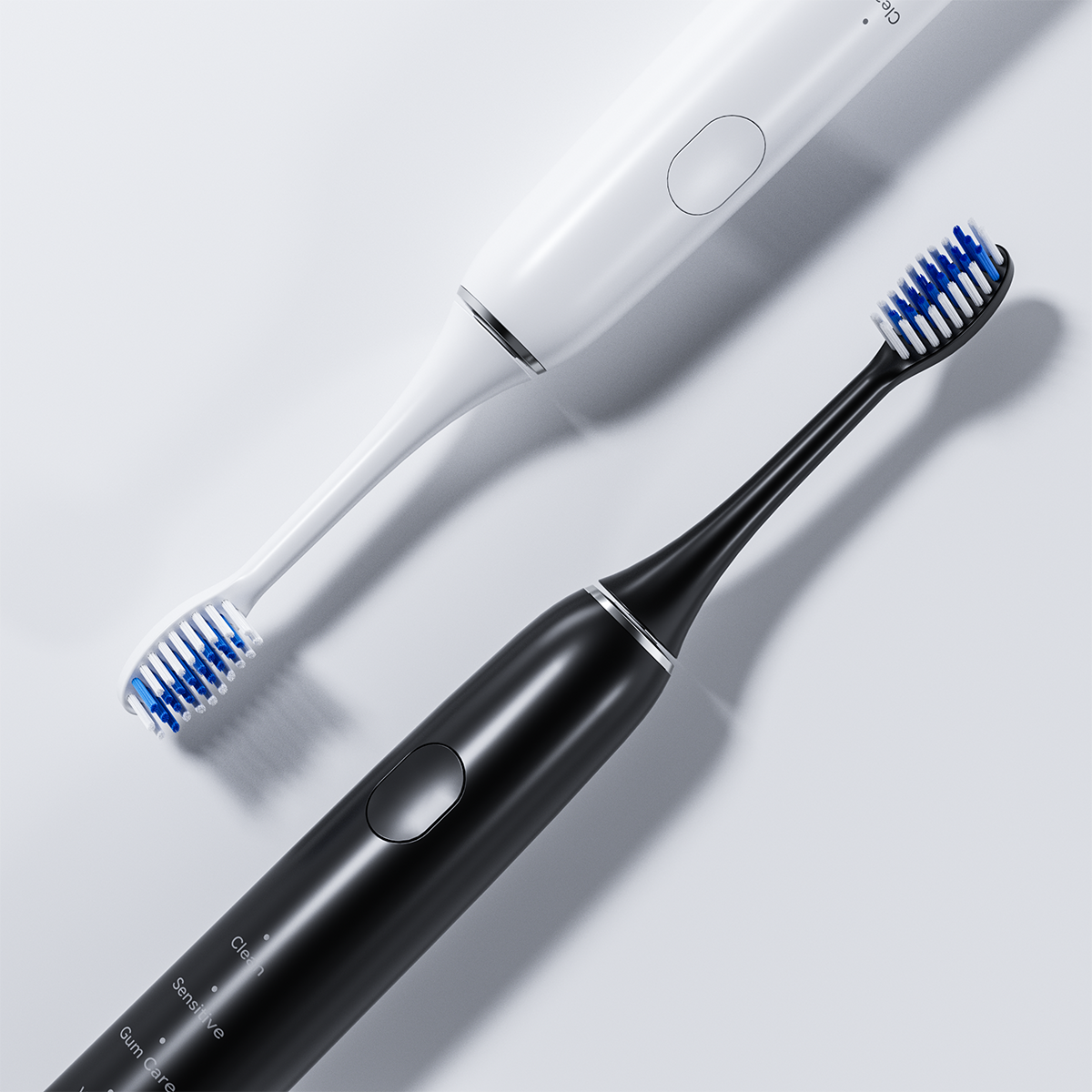
As consumers increasingly prioritize smart, effective, and health-focused technologies, demand for cutting-edge magnetic levitation motor toothbrushes is rapidly growing. Brands seeking to enter or expand in this space need a reliable Magnetic Levitation Toothbrush Factory with proven experience in both innovation and large-scale manufacturing. This article outlines what to look for in a top-tier manufacturing partner offering premium dental OEM services. What Is a Magnetic Levitation Toothbrush? Magnetic levitation (maglev) toothbrushes use advanced brush motors driven by magnetic fields, enabling ultra-high-speed vibrations with minimal noise and friction. Compared to traditional sonic motors, maglev motors deliver smoother performance, higher cleaning efficiency, and longer product lifespan. Key advantages include: High-frequency vibration (31,000–40,000 rpm) for superior plaque removal Quieter operation due to frictionless motor design Energy efficiency and longer battery life Improved durability, ideal for long-term consumer use For brands seeking innovative oral care products, maglev motor technology offers a premium experience that appeals to tech-savvy and health-conscious consumers alike. What Makes a Reliable Maglev Toothbrush Factory? When selecting a maglev toothbrush factory, it’s critical to evaluate the following factors: Engineering and R&D capabilities: Can the factory develop proprietary brush motor systems or adapt designs to your brand’s needs? Production scalability: Can they meet your volume needs without sacrificing…
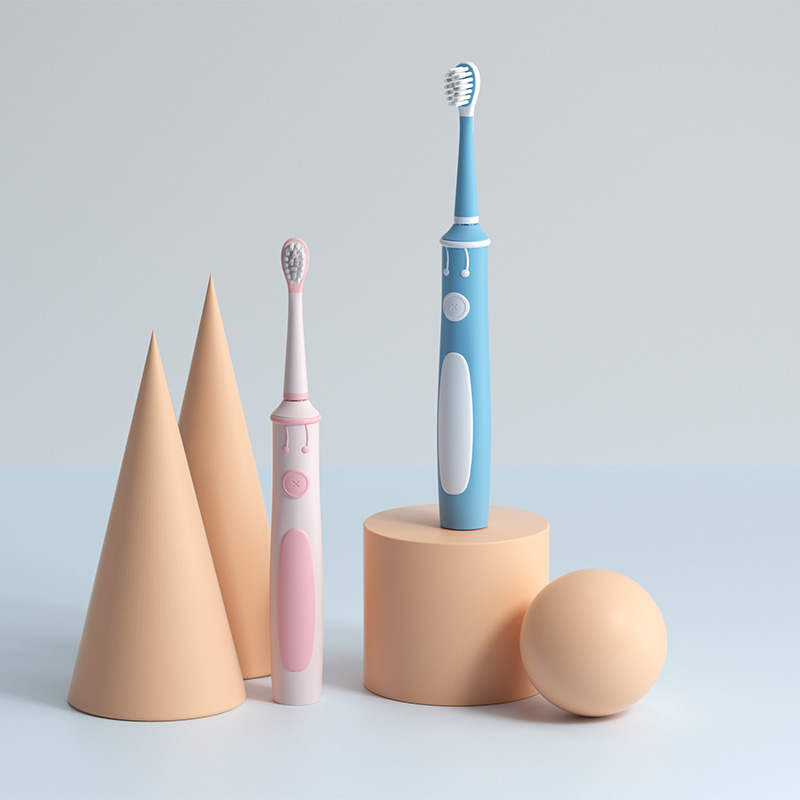
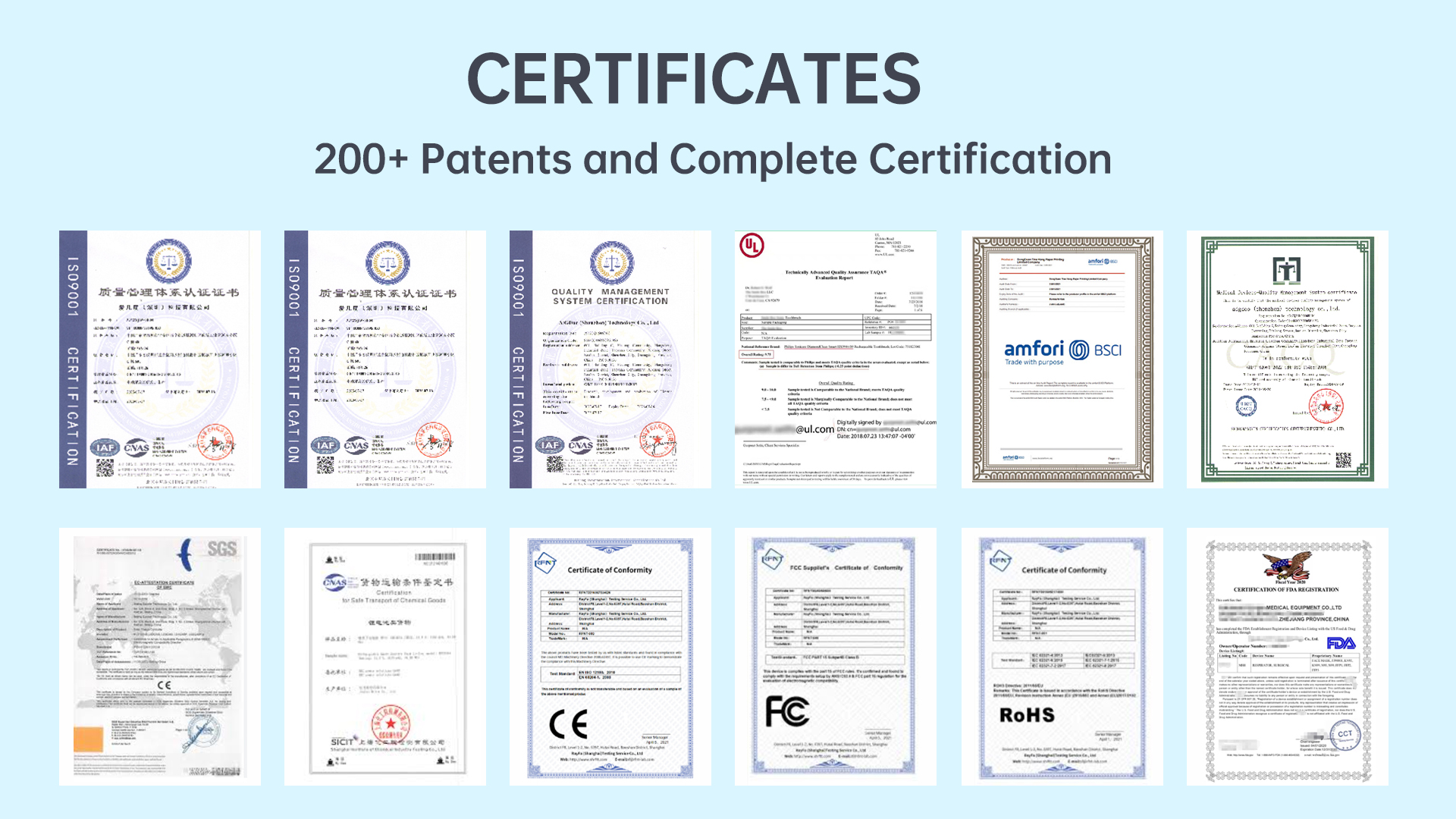
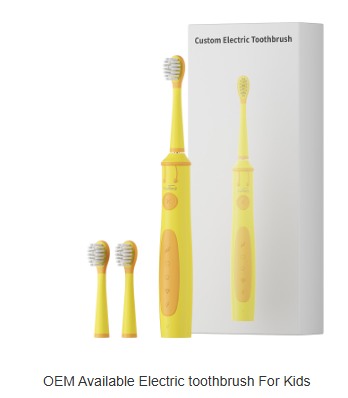
In today’s highly competitive oral care market, offering a high-quality, safe, and attractive electric toothbrush for children is essential for any brand targeting the pediatric segment. However, success in this market depends heavily on choosing the right toothbrush manufacturer for kids—one that understands the specific safety, design, and functional needs of young users. This is where Powsmart stands out as a leading Kids electric toothbrush OEM partner with extensive experience in delivering innovative, child-friendly oral care solutions. Experience and Specialization in Child Toothbrush Manufacturing When it comes to child toothbrush manufacturing, specialization makes all the difference. Powsmart has over a decade of experience in designing and producing electric toothbrushes specifically for children. From ergonomic handle sizes to ultra-soft bristles and colorful, engaging designs, every aspect is tailored to support a fun and safe brushing experience for kids aged 3 to 12. We strictly follow global child safety regulations and offer certifications such as CE, FDA, and RoHS, ensuring that every product meets international standards. Customization Capabilities for Brand Differentiation As a premium custom electric toothbrush supplier, Powsmart understands that brand identity is vital. That’s why we offer full OEM/ODM customization, including: Handle shape and size Vibrating or sonic motor options Brush…
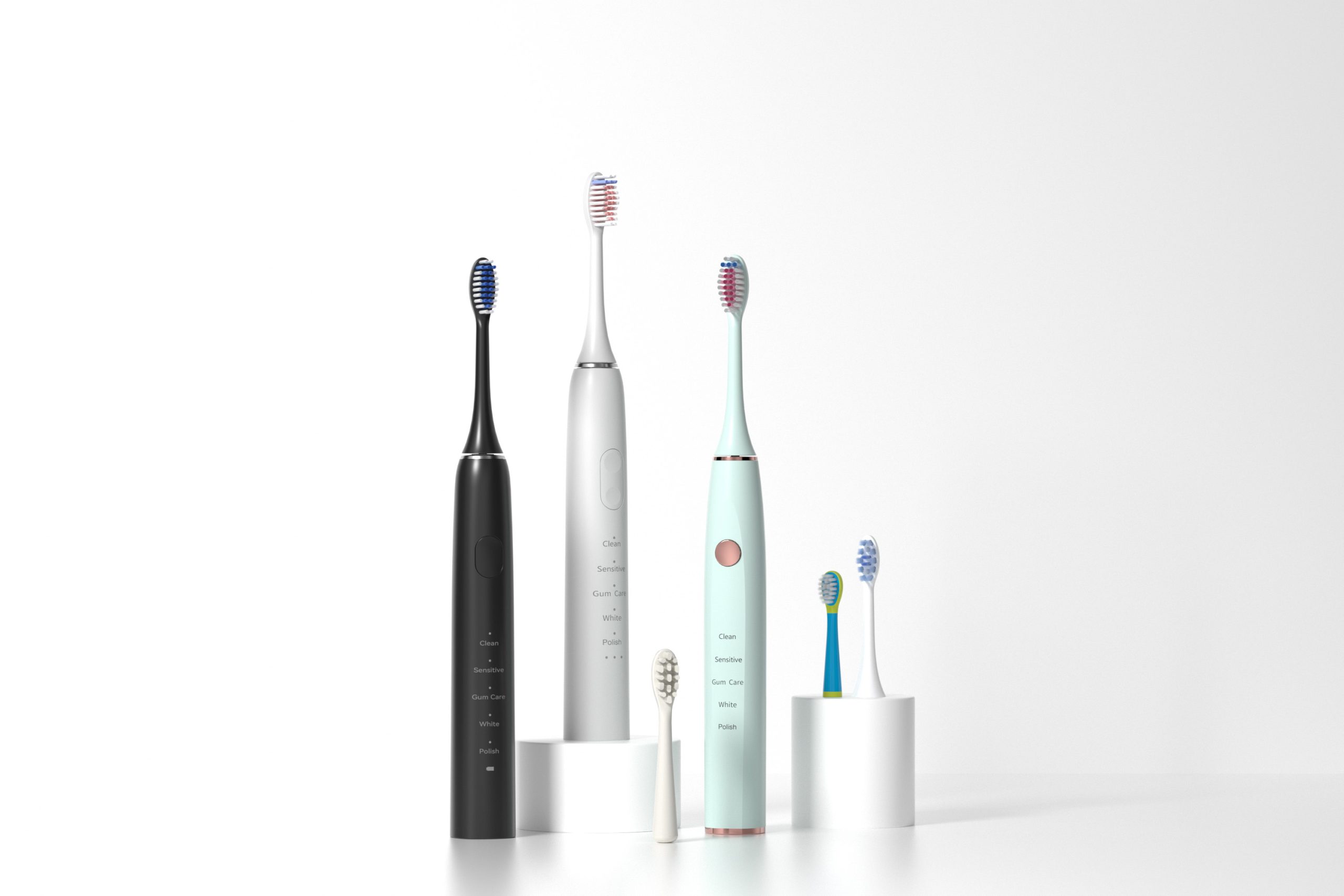
Introduction: Can a Gum Health Sonic Toothbrush Cause Unexpected Jaw Discomfort? The Gum Health Sonic Toothbrush is widely marketed as a solution for users with sensitive gums and periodontal concerns. Designed to offer gentle, effective plaque removal with high-frequency vibration, it seems like an ideal fit for oral care routines focused on long-term gum maintenance. However, some users have raised concerns about increased jaw discomfort after switching to this type of toothbrush. This blog explores the design implications, usage patterns, and OEM considerations behind this growing user feedback. Sonic Frequency vs. Muscular Response: Where Is the Link? One of the hallmarks of a Gum Health Sonic Toothbrush is its ability to deliver micro-vibrations at 30,000–40,000 strokes per minute. While these frequencies effectively dislodge plaque along the gumline, they can also result in subtle muscle activation in the temporomandibular region during prolonged use. For individuals with pre-existing TMJ sensitivity, this may lead to: Muscle tension buildup during brushing Post-use soreness in the lower jaw Potential aggravation of underlying jaw disorders The issue doesn’t lie in the brush's performance, but rather in how users interact with it based on grip strength, brushing duration, and head pressure. Company web: https://www.powsmart.com/product/electric-toothbrush/ Ergonomics and Jaw…
Introduction: Addressing Chemical Residue in POWSMART Ultrasonic Toothbrush Manufacturing As the demand for advanced oral care technology grows, the POWSMART Ultrasonic Toothbrush has gained attention for its precision cleaning and ergonomic design. However, concerns have surfaced within certain procurement and compliance circles about chemical residue levels in these devices. Are the materials used during manufacturing or post-processing leaving behind residue levels that surpass regulatory limits? This article examines whether these concerns are substantiated and how B2B clients can evaluate material safety with confidence. Understanding Chemical Residue in Oral Care Products Chemical residue refers to trace amounts of solvents, adhesives, coatings, or cleaning agents that may remain on product surfaces after production. In the context of the POWSMART Ultrasonic Toothbrush, this could potentially involve: Mold release agents used in plastic injection Surface coatings for waterproofing or anti-slip finishes Disinfectants or ultrasonic bath chemicals used during final assembly While these materials are essential for product functionality, improper processing or insufficient rinsing can lead to residual buildup. Regulatory Thresholds: What Is “Over the Limit”? In most major markets—including the U.S., EU, and parts of Asia—oral hygiene products are subject to strict material safety standards. Regulations typically cover: BPA content in plastics Volatile Organic…
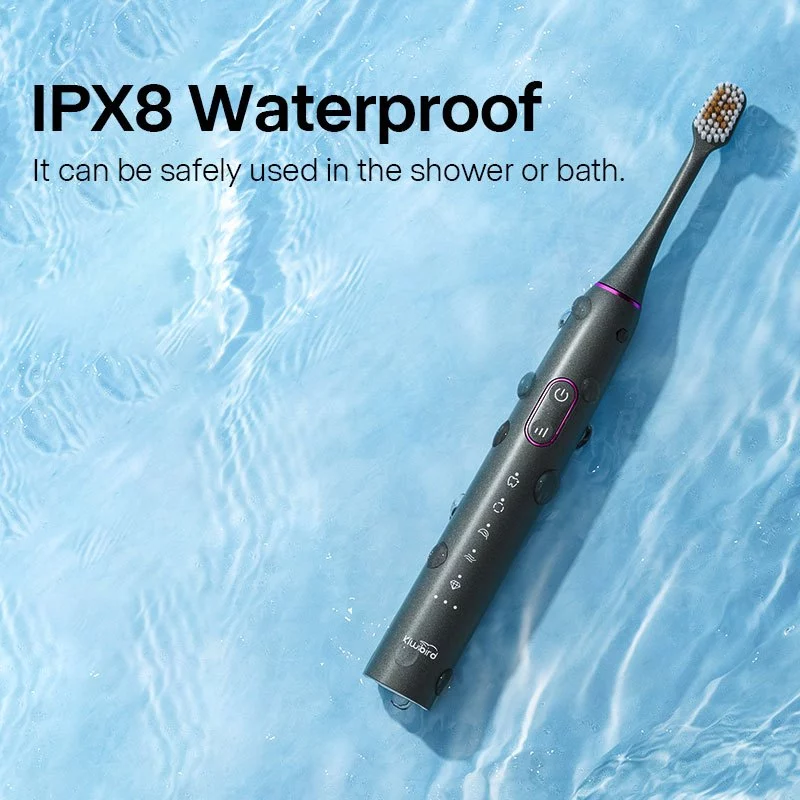
As consumer lifestyles become increasingly dynamic, the demand for shower-safe dental care solutions is rising globally. Brands seeking to enter or expand in international markets must offer products that combine innovation, reliability, and user convenience. Among them, the IPX7 waterproof electric toothbrush has become a key product category, offering users peace of mind during wet-environment usage. In this blog, we explore how electric toothbrush customization for global markets, when paired with IPX7 waterproof certification, can help brands stay ahead of market trends and consumer expectations. Understanding the IPX7 Waterproof Standard The IPX7 waterproof rating means that a device can withstand immersion in up to 1 meter of water for 30 minutes without suffering damage. For electric toothbrushes, this translates to: Safe usage in showers and wet environments Enhanced durability and corrosion resistance Improved product lifespan and customer satisfaction By offering a waterproof electric toothbrush, brands can provide users with shower-safe dental care solutions that align with modern hygiene routines. Customization Opportunities for Global Brands Electric toothbrush customization for global markets involves more than just logo printing. Manufacturers must offer flexible and scalable solutions, such as: Custom handle designs and ergonomic features tailored to target demographics Multi-mode brushing functions (clean, sensitive, polish, etc.) Custom packaging and branding to suit different…
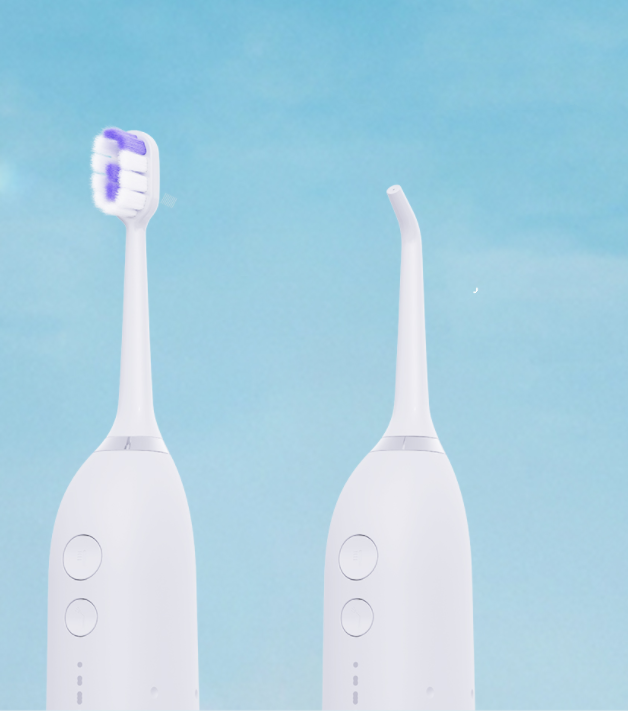
As consumers become more aware of comprehensive oral hygiene, the demand for specialized devices that go beyond surface-level cleaning is on the rise. One such product is the Deep Clean Interdental Electric Toothbrush — a toothbrush engineered to reach between teeth and along the gum line with precision. For oral care brands, sourcing the right electric toothbrush manufacturing solutions that deliver effective interdental cleaning is key to product success in this evolving market. This blog explores how manufacturers can support oral care brands in developing next-generation gum line toothbrush solutions, with a focus on deep clean oral care OEM strategies. Understanding the Importance of Interdental Cleaning Traditional brushing methods often leave behind plaque and food particles between teeth. This is where interdental cleaning becomes essential. A Deep Clean Interdental Electric Toothbrush is designed to reach those hard-to-access spaces. Offering consumers an efficient way to prevent gingivitis, cavities, and bad breath. Brands that want to stay ahead in oral care innovation must prioritize gum line toothbrush designs that address these specific hygiene needs. Key Features of a Deep Clean Interdental Electric Toothbrush When developing or sourcing a Deep Clean Interdental Electric Toothbrush, manufacturers must integrate certain performance features that cater to both function and user comfort: Slim,…
.jpg)
As consumer awareness of oral health continues to grow, the market for sensitive teeth toothbrushes has expanded rapidly. People with gum sensitivity require products that offer effective cleaning while minimizing irritation. In response to this demand, many brands are now seeking trusted partners for electric toothbrush production for sensitive teeth. For businesses aiming to meet this niche market, collaborating with experienced OEMs that specialize in gentle gum care technology is key to success. Understanding the Needs of Users with Sensitive Teeth Sensitive teeth and gums require special care. Aggressive brushing or hard bristles can cause pain, gum recession, or further enamel erosion. This is where the gum care electric brush plays a vital role. These brushes are engineered to deliver a gentle cleaning experience, using soft bristles and low-frequency vibration or sonic technology to protect gum tissue while removing plaque effectively. To meet user expectations, brands need to develop products with features such as: Ultra-soft bristles for minimal abrasion Pressure sensors to prevent over-brushing Multiple cleaning modes, especially “Gentle” or “Sensitive” modes Rounded brush heads for a soothing feel on gums Key Design Considerations for Gentle Cleaning OEM Solutions When selecting a manufacturer for a gentle cleaning OEM solution, it’s important to prioritize factories that…


.jpg)
.jpg)
.jpg)
.jpg)
.jpg)



.jpg)
.jpg)