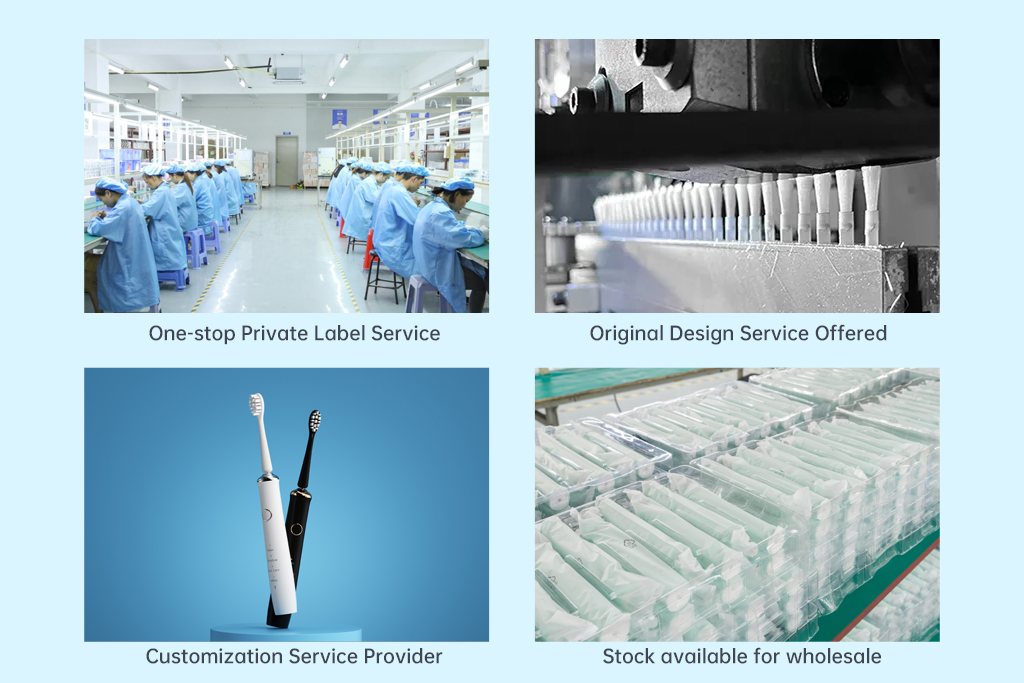
In today’s highly competitive market, find the right electric toothbrush manufacturers is critical for oral care brands aiming to scale efficiently. Whether you are a startup entering the market or an established company seeking product diversification, partnering with a trustworthy oral care supplier is the foundation of quality, innovation, and long-term brand influence. This article offers a comprehensive roadmap for selecting a manufacturer that aligns with your business goals, supports OEM electric toothbrush production, and drives your oral care brand expansion strategy. Define Your Product and Brand Requirements First Before contacting any factory or supplier, clearly define your product specifications and brand positioning. Ask yourself: What type of branded toothbrush production do you require (e.g., sonic, oscillating, kids’ brushes)? Do you need full OEM electric toothbrush solutions or white-label production? What certifications (e.g., CE, FDA, ISO) must the products comply with? What are your expected order quantities, price range, and delivery timelines? Having a solid product brief helps you find suitable electric toothbrush manufacturers early and avoid costly mismatches. Where and How to Source Reliable Manufacturers Finding a reliable oral care supplier goes beyond a simple online search. Here are proven sourcing strategies: Trade shows: Events like IDS (Germany), Dental South China, and Cosmoprof Asia are great for…

With the continuous oral care industry upgrade, global consumers are becoming more health-conscious and tech-savvy. This shift is accelerating demand for innovative, reliable, and personalized oral care product options such as electric toothbrushes and oral irrigators. For oral care brands, finding the right manufacturing partner—especially high-quality electric toothbrush factories—is critical to staying competitive in this fast-changing market. Understand the Current Trends in Oral Care Consumption Before seeking cooperation, it’s important to understand trends in oral care consumption. Today’s consumers demand more than just functionality—they expect intelligent features, sleek designs, and sustainable materials. The rise of smart devices, travel-ready designs, and kid-friendly oral care tools has redefined what successful oral care OEM partnerships should deliver. A factory that understands these trends can offer better product insight and adaptability, ultimately supporting your brand’s long-term growth. Define Your Product Needs: Standard vs. Customized Electric Toothbrush Not all factories offer the same level of flexibility. Do you need a basic, ready-to-ship model, or are you developing a customized electric toothbrush with unique branding, smart features, or special materials? Standard Products: Quicker turnaround and lower cost. Customized OEM/ODM: Requires more R&D capability but offers brand differentiation. Clarity in product direction helps you filter suppliers early and align with…
.jpg)
In today's smart personal care devices, features like the travel lock are designed to enhance user safety and convenience. However, recent engineering reports and field failures have exposed a surprising vulnerability: travel lock failure may inadvertently trigger a power surge, leading to electronic malfunctions, battery degradation, or even fire hazards. For B2B manufacturers, this risk demands urgent attention—not only to uphold product reliability but also to maintain compliance and market trust. What Is a Travel Lock and How Does It Work? The travel lock is a safety function built into electric toothbrushes and grooming devices to prevent accidental activation during transport. It’s typically engaged by holding a button for a few seconds, disabling the power function until manually released. However, when poorly implemented or damaged during manufacturing or transit, this lock can fail—causing the device to activate unexpectedly while packed in a confined space, such as luggage. How Travel Lock Failure Leads to Power Surges Unexpected activation of a device inside a sealed environment causes the motor to run without ventilation or resistance, potentially leading to: Internal component overheating Prolonged, unmonitored power draw Battery stress and swelling Faulty circuit load distribution This excessive, irregular power consumption can result in a…
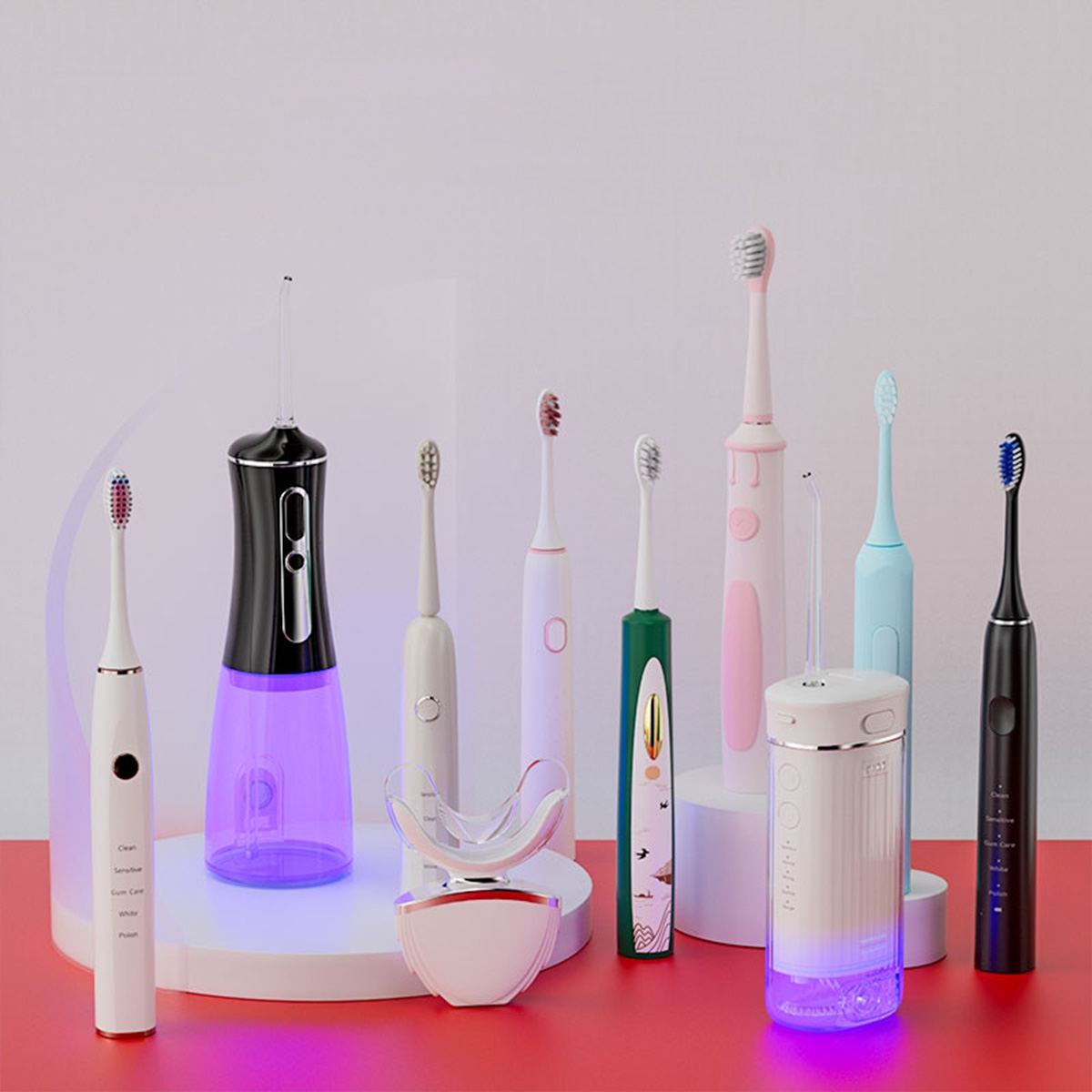
The global oral care industry is undergoing rapid transformation. With rising awareness of preventive dental hygiene, consumers no longer look for single-function products—they seek complete care solutions. This shift is creating exciting new opportunities for oral care brands. One such opportunity lies in offering Electric toothbrush & water flosser combination sets, a product format that not only meets diverse consumer needs but also helps increase the average transaction value. In this blog, we explore how scenario-based oral care product design, combined with strategic product bundling, is unlocking significant business potential for brands—and what this means from an oral care products factory perspective. The Market Potential of Oral Care: More Than Just Brushes and Flossers The market potential of oral care products is immense. According to industry research, global demand for electric toothbrushes and oral irrigators is growing at a CAGR of over 5%. However, what sets leading brands apart is not just quality—it's the ability to sell solutions, not just products. Consumers are upgrading: They’re moving from manual brushing to comprehensive oral care routines. Retailers want value packs: Multiproduct bundles lead to higher shelf presence and consumer spend. E-commerce favors sets: Online platforms reward bundled products with better visibility and upselling…
When it comes to child safety, the materials used in kids' electric toothbrushes play a critical role. With increasing concern around material toxicity, parents are more cautious than ever, and brands that manufacture or supply children's oral care products must meet rising standards. For B2B buyers—whether you're sourcing for retail, OEM, or private label—understanding the safety implications of materials is no longer optional, it's essential. Why Child-Specific Material Standards Matter Children’s oral tissues are more sensitive, and their immune systems less developed than adults'. A brush head made from substandard plastic or pigment may leach harmful chemicals into the mouth during brushing. This is especially risky for children who tend to chew on brush heads. That’s why child safety begins with choosing certified, non-toxic, BPA-free, and phthalate-free materials that are compliant with FDA, LFGB, or EU EN71 standards. Common Risks: What Does “Material Toxicity” Really Mean? The term material toxicity refers to the potential for a material to release harmful substances under normal or stressed use. In kids' toothbrushes, this can involve: Plasticizers like DEHP used in flexible components Heavy metals in colored plastics or paint Low-grade adhesives that release formaldehyde Flavored coatings that don’t meet food-grade standards These substances…
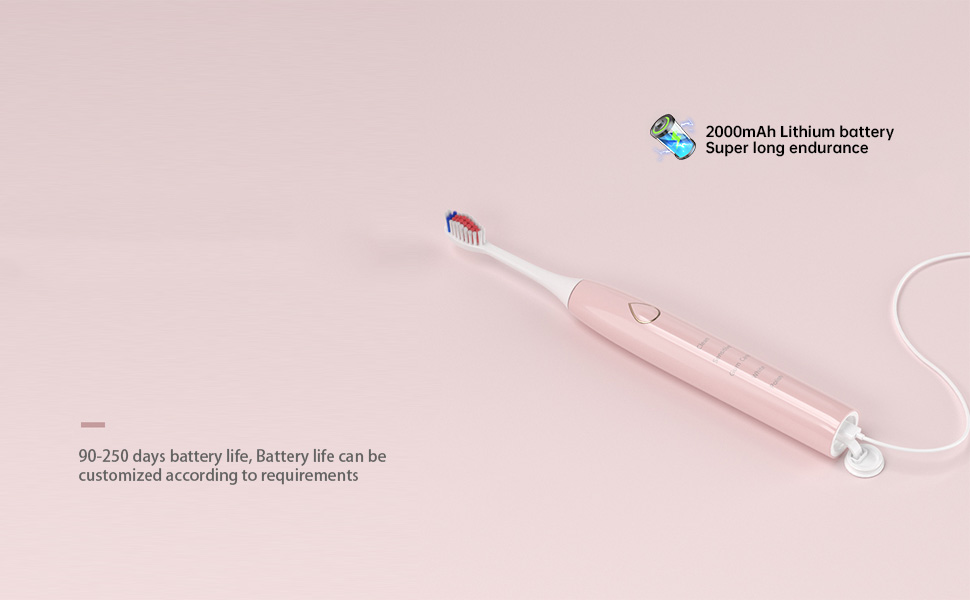
In today’s rapidly evolving personal care industry, consumer expectations are shifting. With the ongoing consumption upgrade, high-end users now demand not only superior cleaning performance but also long-lasting battery life from their devices. This is especially true for the high-premium oral care products market, where convenience and reliability are essential. This article explores how long-endurance electric toothbrushes are becoming the new standard in the premium segment—and what role factories and manufacturers must play in meeting this demand. The Growing Demand for Long-Endurance Electric Toothbrushes Consumers are no longer satisfied with electric toothbrushes that require frequent recharging. Market research shows a strong preference for models that can operate for 30 to 90 days on a single charge. This trend is particularly significant in the high-premium oral care products market, where travelers, busy professionals, and tech-savvy users demand reliable, long-lasting performance. From a factory perspective, this shift represents both a challenge and an opportunity to differentiate through battery technology and innovation. Lithium Battery Capacity Options: Balancing Power and Form Factor One of the core technical components behind long-endurance electric toothbrushes is the battery itself. Manufacturers must carefully select from various lithium battery capacity options, ranging from 600mAh to over 2000mAh, depending on product design, size constraints,…
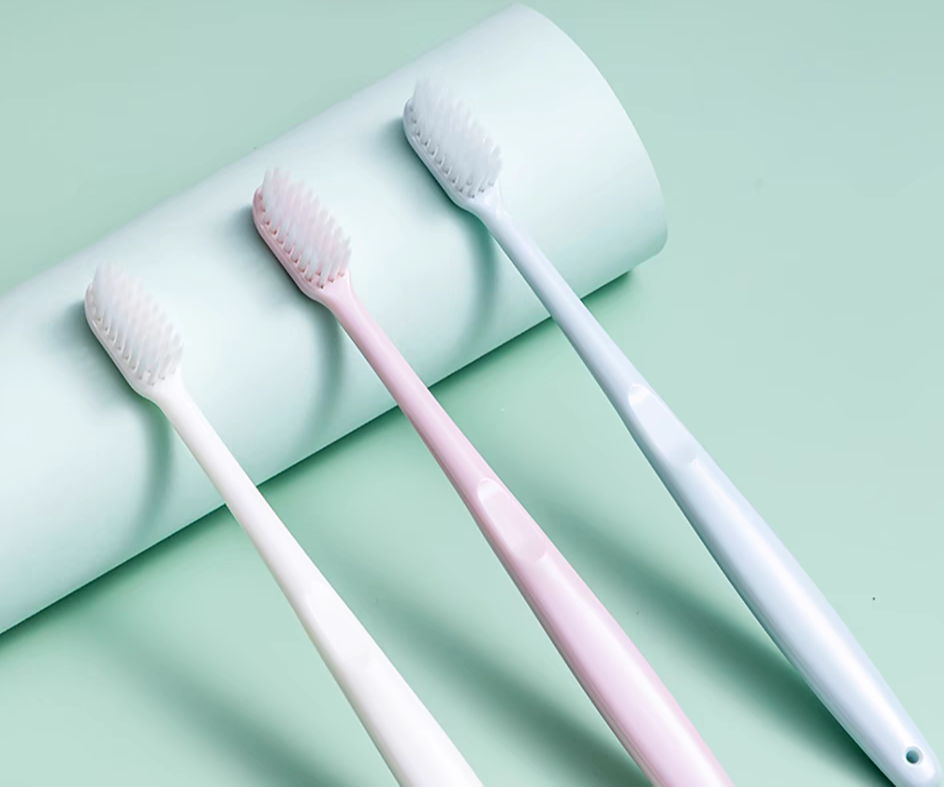
As oral care devices become more personalized and technology-driven, electric toothbrush head customization is gaining traction, especially among brand owners and private label clients. For OEMs and B2B buyers, understanding the range of customization options available is essential to meeting diverse consumer demands. In this blog, we explore the complete toothbrush head OEM solution, covering materials, structure, compatibility, and performance — to help you develop a product line that stands out in today’s competitive oral care market. OEM Customization Options: Materials, Shape, and Branding A successful toothbrush head OEM project starts with selecting the right materials and defining core parameters. Manufacturers can customize: Head shape (round, oval, diamond-cut) Base material (ABS, PP, or eco-friendly alternatives) Color schemes to align with brand identity Logo imprinting on the neck or base of the brush head By offering complete control over design and aesthetics, OEM partners can help businesses establish unique product lines. Nylon Wire Specifications: Performance Meets Comfort The type of bristles used greatly influences brushing efficiency and comfort. Customizing nylon wire specifications involves selecting: Diameter (commonly 0.15mm to 0.22mm) Hardness (soft, medium, or hard) Tip processing (tapered, end-rounded, polished) Material types (Dupont Tynex®, PBT, antibacterial filaments) Adjusting bristle specs not only supports brand differentiation but also tailors the user experience for different…
.jpg)
In the electric toothbrush industry, design details matter — especially when it comes to gum protection design. One often-overlooked feature is the cross-sectional shape of the bristle tips. The shape of electric toothbrush bristles— diamond, round, and cone — influence both cleaning performance and how gentle the brush is on gums. Understanding the differences is essential not only for end-user comfort but also for brands and manufacturers focused on innovation and product differentiation. This blog explores how bristle tip treatment and shape impact oral care performance, especially in the context of gum protection. The Role of Bristle Tip Treatment in Oral Hygiene Before diving into shapes, it’s important to understand the purpose of bristle tip treatment. High-quality electric toothbrushes undergo specialized processes like end-rounding or polishing to smoothen the tips. These treatments reduce the risk of micro-abrasions to enamel and soft tissue. Inadequately treated bristle tips — regardless of shape — can irritate gums, leading to discomfort or even recession over time. Proper bristle tip treatment ensures consistent smoothness, which complements the shape in achieving safe and effective cleaning. Round Bristles: The Industry Standard for Safety Round bristles are the most common and widely accepted design in electric toothbrushes. Their main advantages include:…
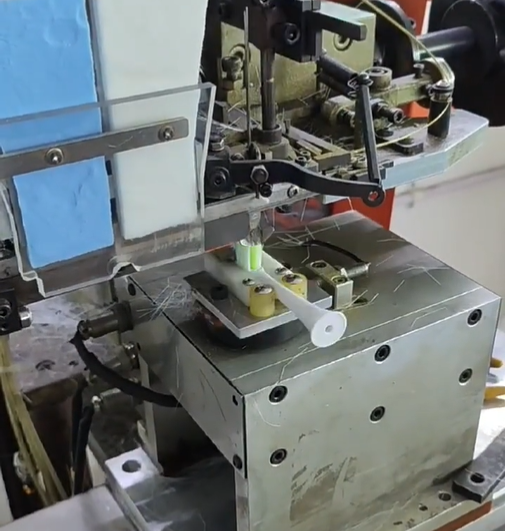
In the evolving world of oral care, the electric toothbrush has become a cornerstone product for deep and efficient cleaning. However, one often overlooked factor behind a toothbrush’s success is its Electric Toothbrush Bristle layout. Different bristle arrangements—such as cross-pattern, wave-pattern, and multi-height configurations—not only influence comfort and reach but significantly impact toothbrush cleaning efficiency. In this blog, we explore how manufacturers can leverage customized Electric Toothbrush Bristle layout to deliver better user outcomes and differentiate in a competitive market. Bristle Patterns and Their Functional Role Cross-pattern A cross-pattern layout features angled bristles pointing in different directions. This design is particularly effective at loosening plaque and reaching into the interdental spaces. Benefit: Enhanced rotational cleaning motion. Target Users: Those with plaque build-up and tight interdental spaces. Design Insight: Works well when combined with dynamic brush heads that rotate or oscillate. Wave-pattern Wave-pattern bristles follow a sinusoidal curve across the brush head, adapting to the natural contours of teeth. Benefit: Consistent contact with curved tooth surfaces. Target Users: People with irregular or sensitive dental topography. Design Insight: Improves surface coverage and provides gentle cleaning on enamel and gum lines. Height-Difference Design This layout alternates bristle heights to increase vertical reach. It’s commonly…
When an electric toothbrush suffers a waterproof failure, moisture can penetrate the handle and trigger battery leakage—a hazardous condition that risks device shorting, corrosion, and even user injury. In this deep‐dive article, we’ll examine six critical dimensions of this defect and show B2B manufacturers how to eliminate it at the source. Common Modes of Waterproof Failure First, it’s essential to identify how seals break down: Gasket Compression Fatigue: Repeated brush‐head changes or cleaning cycles gradually deform O-rings, compromising their seal. Assembly Misalignment: Even minor tolerance slips during production can leave micro‐channels at seams. Material Degradation: Harsh disinfectants or UV‐sterilization steps can embrittle plastics and elastomers, leading to cracks. Recognizing these failure modes helps target the weakest points in your water-resistance design. How Battery Leakage Manifests and Why It’s Dangerous Moreover, once water breaches the housing, battery compartments suffer: Electrolyte Seepage: Lithium‐ion cells leak corrosive electrolytes that erode internal circuitry. Short Circuits: Conductive fluid bridges battery terminals, leading to sudden device shutdowns or thermal runaway. User Hazard: Leaked chemicals can escape through vents or cracks, posing skin irritation or ingestion risks. Understanding these hazards underscores why waterproof integrity is non‐negotiable.Company web:https://www.powsmart.com/product/electric-toothbrush/ Design Flaws That Amplify Risk In addition, specific design shortcuts…
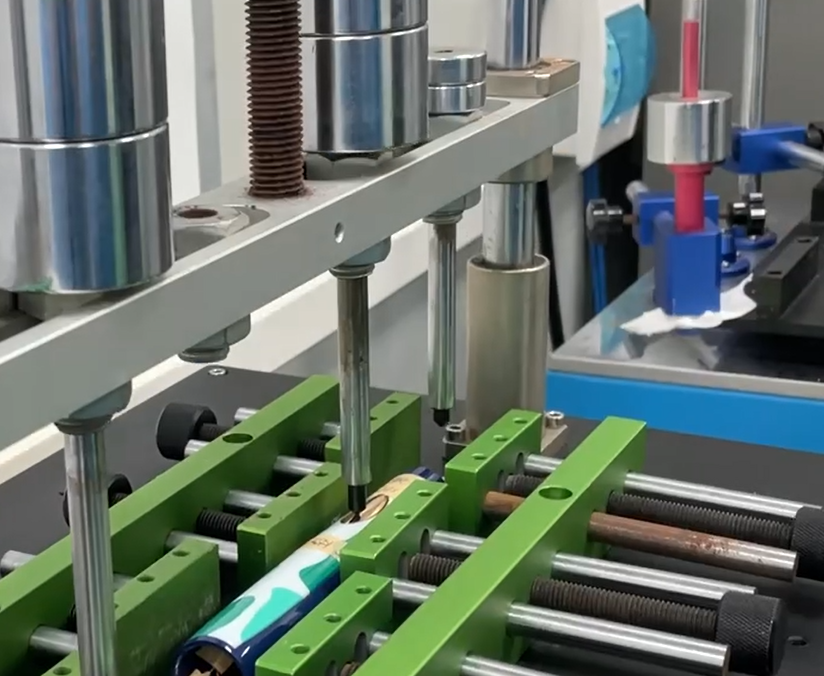
In the highly competitive electric toothbrush market, product aesthetics, functionality, and safety play an increasingly critical role. A high-quality surface finish not only enhances the user experience but also reinforces the brand image. Two of the most widely used surface finishing techniques in the industry are toothbrush UV spraying and PU coating process. But how do they compare in terms of matte finish, anti-slip properties, and environmental safety? This blog presents a detailed comparison to help sourcing managers and product developers make informed decisions. Understanding the Two Coating Methods What is Toothbrush UV Spraying? UV spraying involves applying a specialized UV-curable coating to the toothbrush handle, followed by exposure to ultraviolet light to harden the coating. This method offers excellent scratch resistance, a sleek appearance, and faster production cycles. It is commonly used in modern electric toothbrush factories looking for efficiency and a high-gloss or matte finish. What is PU Coating Process? The PU coating process involves the application of polyurethane layers, which are air-cured or heat-cured. PU coatings are valued for their soft-touch feel, durability, and versatility. They are particularly effective when used for matte anti-slip treatment, making them ideal for handheld devices that are frequently exposed to water. Matte Finish…
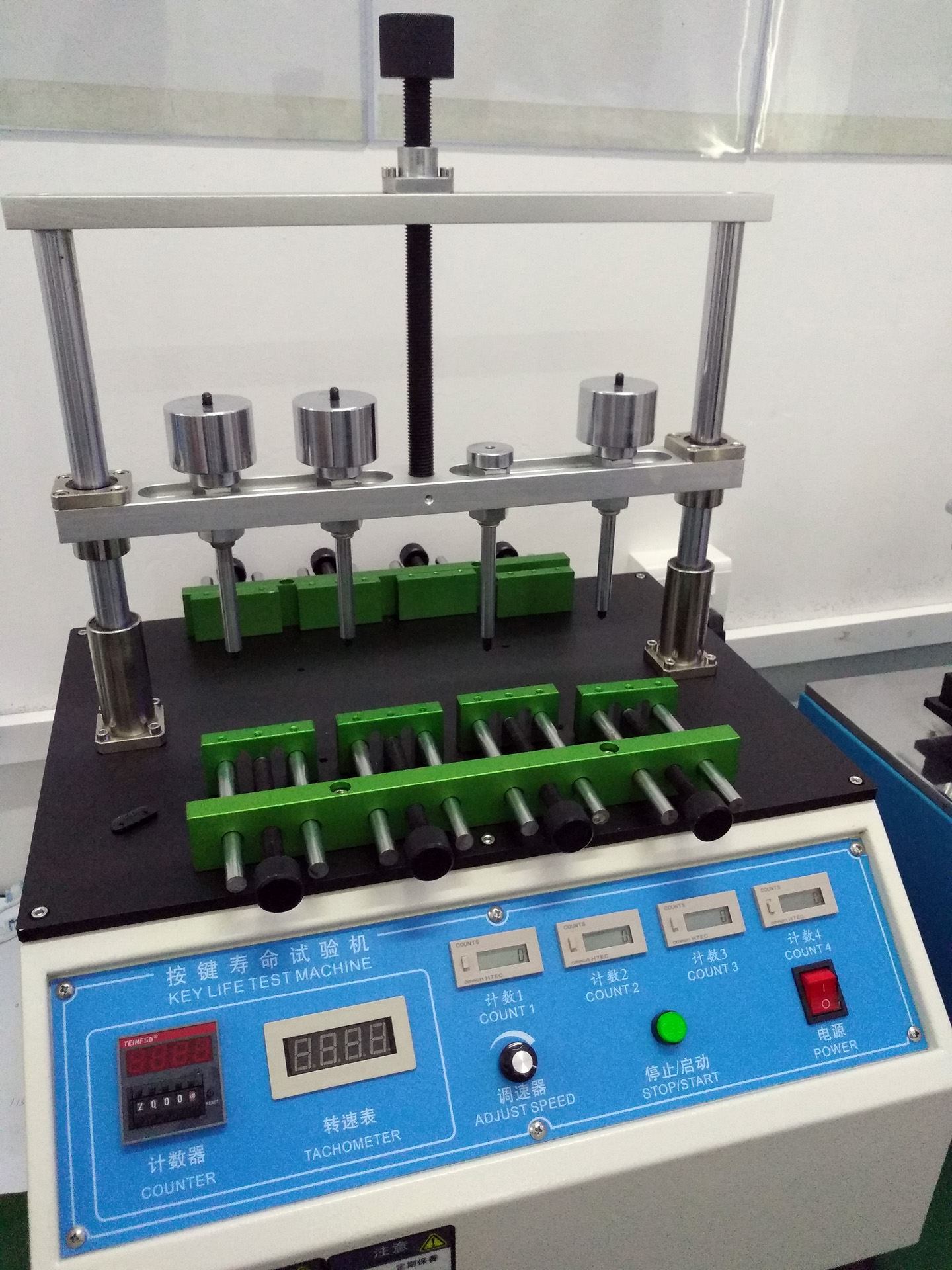
As the electric toothbrush market becomes increasingly competitive, design innovation and surface customization have become key differentiators for brands. Manufacturers are now exploring advanced decoration techniques such as water transfer printing and thermal transfer printing to improve both the visual appeal and surface durability of toothbrush shells. This article explores how these processes enhance the 3D texture shell appearance and the results of the transfer wear test, offering practical insights for any electric toothbrush factory aiming to elevate their product quality. Toothbrush Water Transfer Process: Realistic, Immersive 3D Effects The toothbrush water transfer process (also known as hydrographic printing) involves applying printed patterns onto three-dimensional surfaces via a water-soluble film. This technique allows electric toothbrush shells to adopt a wide variety of natural textures such as carbon fiber, marble, or woodgrain, giving products a high-end, customized look. Advantages: Achieves complex full-surface decoration. Supports high-resolution pattern fidelity. Ideal for creating 3D texture shells with depth and realism. Water transfer printing is especially beneficial for ergonomic, curved surfaces that are difficult to decorate using conventional printing methods. Thermal Transfer Customization: Precision and Mass Production Efficiency Thermal transfer customization uses heat and pressure to apply pre-printed patterns or graphics to the toothbrush shell. This method is often favored for large-scale…
For electric toothbrush manufacturers, printing technology is not just about labeling—it’s a vital part of branding and user experience. Choosing the right technique between the toothbrush screen printing process and pad printing technology can significantly impact both production quality and visual appeal, especially when dealing with multi-color pattern printing or gradient effects. This blog provides a technical pad printing technology comparison and helps you determine the best method based on your product design complexity, material compatibility, and performance requirements. Understanding the Screen Printing Process for Electric Toothbrushes The electric toothbrush screen printing process involves transferring ink through a mesh stencil onto the curved surface of the brush handle. It's ideal for: Simple, bold designs High ink deposit for durability Flat or slightly curved surfaces Advantages: Strong color density and sharp edges Excellent for single or dual-color logos Proven durability under abrasion and humidity However, screen printing may face limitations with detailed gradients and complex multi-tone images, especially on highly contoured surfaces common in modern toothbrush handle designs. Pad Printing Technology: Flexible and Precise for Complex Designs Pad printing technology uses a silicone pad to transfer ink from an etched plate onto the product surface. This flexible pad adapts to curved and textured shapes, making it an excellent…
When an electric toothbrush experiences a vibration malfunction, the handle can produce excessive or erratic amplitudes that not only compromise cleaning but, over time, may trigger gum recession. To help B2B manufacturers understand this critical risk, we analyze six key dimensions and provide actionable design and support strategies. How Vibration Malfunctions Damage Periodontal Tissue First, abnormal vibration patterns harm gums through: Excessive Instant Amplitude: Sudden high-amplitude jolts tear the fibers attaching the gum to the tooth neck. Frequency Instability: Rapid frequency shifts create micro-tears in the gingival tissue that accumulate into recession. Resonance Amplification: If the motor frequency resonates with the handle’s structure, localized motion spikes, worsening the impact. Understanding these mechanisms enables targeted improvements to vibration control. User Habits That Amplify the Risk Next, brushing behaviors can magnify the harm from malfunctions: Increased Brushing Force: Users often press harder to compensate for lost cleaning power, further stressing the gums. Prolonged Dwell Time: Lingering on one area subjects the same gum region to repeated impacts. Frequent Mode Switching: Repeatedly toggling modes can trigger more erratic vibrations, intensifying tissue damage. Guiding users on correct grip and brushing motion is therefore essential. Common Design Flaws Leading to Vibration Malfunction Furthermore, these design…
When customers experience motor overheating and unexpectedly shortened battery lifespan, they often turn to their warranty coverage for relief. However, many B2B partners find that without clear policy language and robust product design, warranty claims become a source of friction rather than trust. In this post, we’ll explore six key considerations to ensure your warranties align with product realities. Identifying the Root Causes of Motor Overheating First, it’s essential to understand why an electric toothbrush motor overheats: Excessive Load: Continuous high-speed or high-torque modes can push the motor beyond its thermal limits. Poor Heat Dissipation: Inadequate internal airflow or thermal interface materials trap heat around the winding. Battery Strain: A weakened cell forces the motor to draw higher current, compounding thermal stress and reducing overall battery lifespan. By diagnosing these failure modes, you can determine whether an overheating incident stems from user misuse, design gaps, or component defects—and thus whether it should be covered under warranty. The Impact of Overheating on Customer Satisfaction Next, consider how motor overheating affects end users: Unexpected Shutdowns: Thermal cut-outs may stop brushing mid-session, undermining cleaning efficacy. Handle Warmth: A hot grip can discourage proper brushing technique or cause discomfort. Perceived Quality: Frequent overheating erodes…
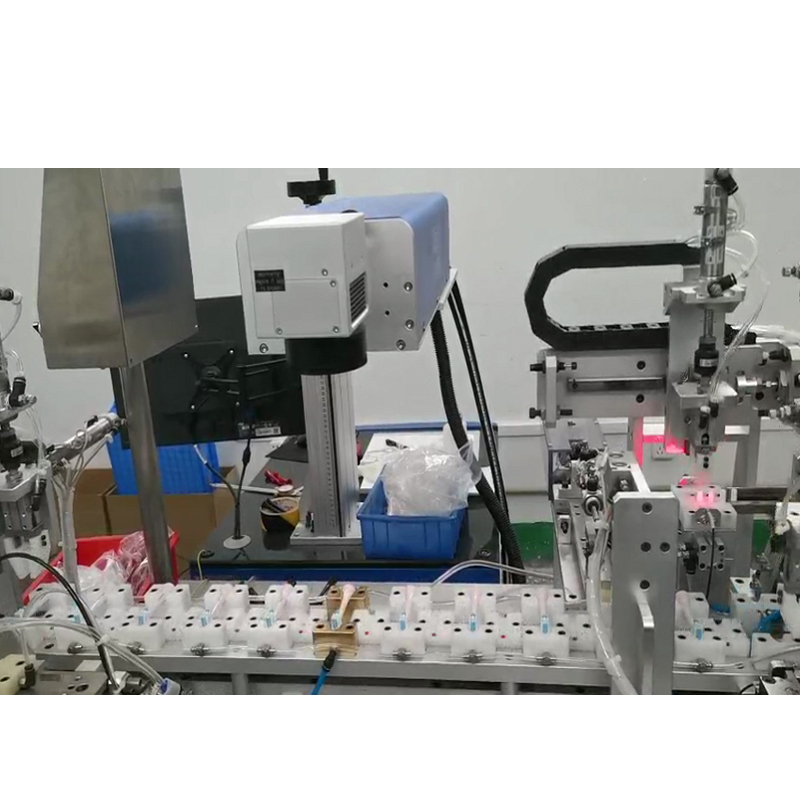
In today’s competitive oral care market, Electric toothbrush laser engraving is more than just decoration—it’s a core part of brand identity and consumer recognition. For electric toothbrush factories, offering toothbrush laser engraving customization adds value, enhances brand consistency, and ensures that the logo remains clear and durable throughout the product’s lifecycle. Laser engraving, as a permanent LOGO process, is widely favored because it doesn't fade, peel, or wear off like ink printing. But achieving high-quality engraving depends heavily on fine-tuning the right parameters: depth, speed, and power. Understanding the Basics of Laser Engraving Parameters To achieve precise and durable results, manufacturers must control three key laser engraving parameters: Power (W): Determines how much energy is delivered to the surface. Higher power increases depth but may burn or deform soft plastics. Speed (mm/s): Dictates how fast the laser moves. Faster speeds result in lighter engravings; slower speeds go deeper but may overheat the material. Depth (mm): Not a directly set parameter, but the result of how power and speed interact. For toothbrush handles (usually ABS or PP), ideal depth is 0.1–0.3 mm. Proper tuning ensures the OEM brand logo looks sharp, professional, and permanent on every unit. Material Consideration: Matching Settings to Handle Composition Electric…
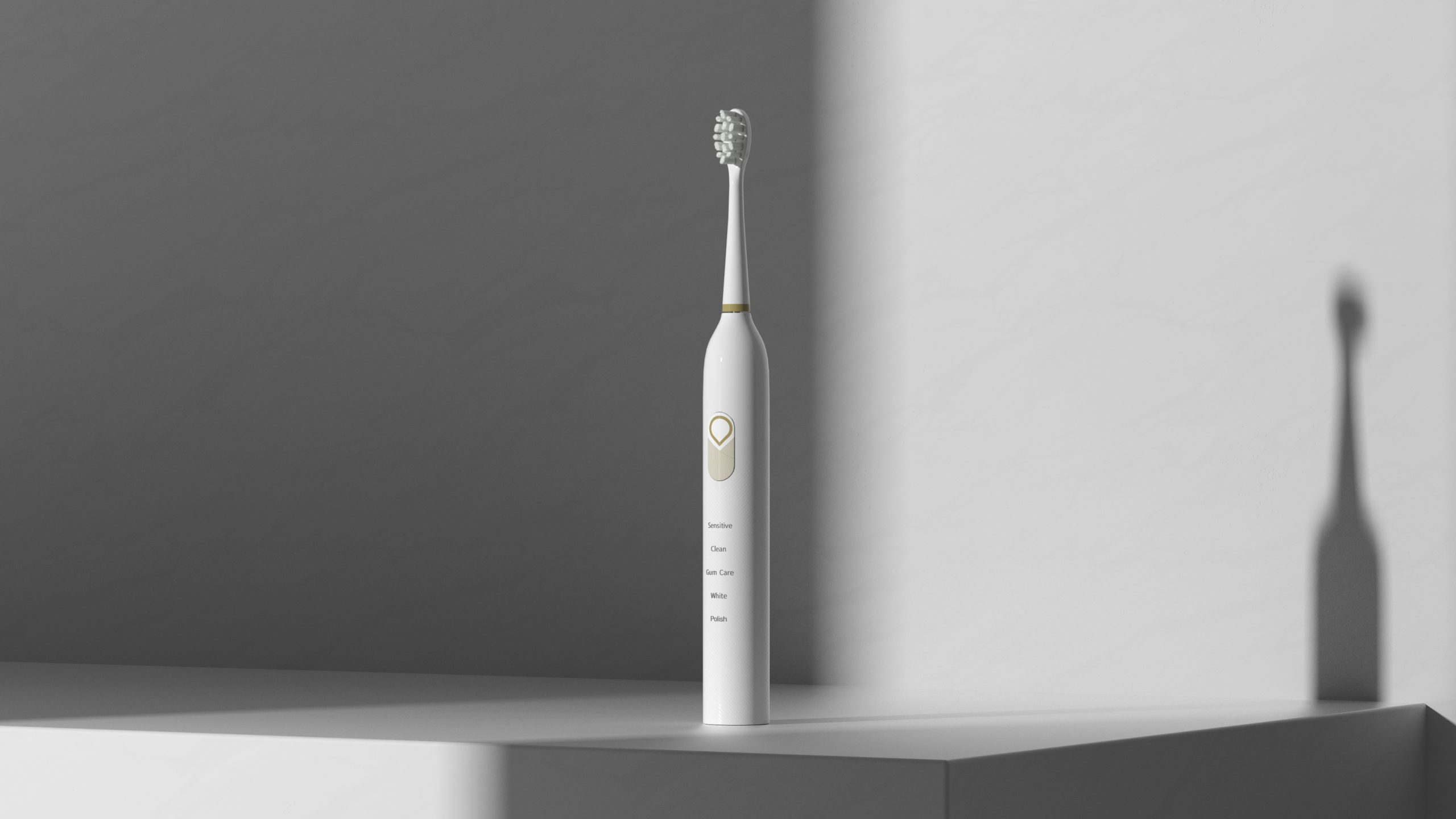
From a manufacturing perspective, achieving both aesthetics and functionality in toothbrush components is no small task. Electric toothbrush injection molding process requires precision and deep understanding to ensure consistent quality. In this blog, we will explore the core challenges in the precision injection molding customization of electric toothbrush parts, especially focusing on how to avoid common defects such as shrinkage marks and flash. We’ll also highlight crucial considerations in toothbrush mold design, material selection, and manufacturing techniques that electric toothbrush factories should pay close attention to. Understanding the Electric Toothbrush Injection Molding Process The electric toothbrush injection molding process involves injecting molten plastic into specially designed molds under high pressure. This process must be tightly controlled to meet aesthetic standards and mechanical strength requirements. For toothbrush manufacturers, achieving consistent dimensions, smooth surfaces, and reliable structural integrity is key. Any deviation, such as shrinkage or flash, not only affects appearance but can lead to assembly issues or user discomfort. Toothbrush Mold Design: The Foundation of Precision A high-quality toothbrush mold design is critical to success. Poorly designed parting lines, inadequate venting, or incorrect runner placement can lead to flash and shrinkage issues. Best practices in mold design include: Optimized gate placement to ensure uniform material…
.jpg)
In today’s competitive oral care market, electric toothbrush manufacturers face increasing demand for both functionality and sustainability. A crucial part of the product design process lies in the OEM shell process, which directly impacts durability, aesthetics, cost, and environmental footprint. As a professional electric toothbrush factory, selecting the right shell material during the OEM shell material process is critical. This blog provides a full OEM shell process comparison of ABS, PP, and bio-based plastics to help you make an informed choice. ABS – The Standard Choice in Electric Toothbrush Manufacturing ABS (Acrylonitrile Butadiene Styrene) is one of the most widely used materials in electric toothbrush shells. Its popularity stems from a solid balance of strength, rigidity, and processability. Advantages: High impact resistance Smooth surface finish, ideal for painting or UV coating Consistent in injection molding and mass production Disadvantages: Derived from petroleum, not environmentally friendly Heavier than other plastic options ABS remains the go-to option for premium-looking products with complex designs. It is still a favorite for many OEM projects seeking durability and a refined appearance in electric toothbrush shell customization. PP – A Lightweight and Cost-Effective Alternative Polypropylene (PP) is often used for more economical toothbrush models. It offers sufficient durability…
When slippery handle grip lead users to tighten their hold, their altered brushing force can trip sensitive pressure sensitivity circuits—exposing hidden compatibility issues between mechanics and electronics. In this article, we explore six areas where grip design and sensor calibration intersect, and provide actionable solutions for B2B manufacturers to ensure secure handling and reliable performance. Understanding the Grip–Sensor Feedback Loop First, recognize how a user’s grip affects sensor readings: Reduced Friction: Smooth finishes or worn coatings cause slippage, prompting users to apply uneven finger pressure. Sensor Overcompensation: Pressure sensors calibrated for moderate force interpret sudden grip changes as excessive brushing and trigger auto–slowdown. False Alarms: Repeated unintentional sensor trips frustrate users and mask true pressure‐controlled cleaning. Therefore, aligning grip ergonomics with sensor thresholds is the first step in resolving these compatibility issues. Material Selection for Enhanced Handle Grip Next, choosing the right materials can dramatically improve slip resistance: Multi‐durometer Overmolds: Combining firm core plastics with softer TPE zones under the fingers increases friction without bulk. Micro‐Textured Surfaces: Laser‐etched patterns channel moisture and create micro‐anchors for fingertips. Hydrophobic Coatings: Strategically placed coatings repel water where you don’t grip, keeping tactile zones dry. By specifying high‐traction materials only in critical areas, manufacturers…
In the increasingly competitive oral care market, electric toothbrush brands must go beyond traditional marketing to capture consumer attention. Social media has become a powerful tool for connecting directly with target users, building trust, and driving conversions. Through effective social media to increase sales, brands can unlock new opportunities to expand their reach and grow sales.This blog outlines a 6-step strategy for manufacturers and brands, integrating oral care KOL cooperation, creative content, and a data-driven brand promotion strategy. Identify Target Audiences and Platform Preferences Before launching any campaign, brands need to define their ideal customer profiles—are they health-conscious millennials, parents buying for their children, or tech enthusiasts seeking the latest oral care innovation? Once personas are clear, choose the right platforms: Instagram & TikTok for visual storytelling and product demos YouTube for in-depth reviews and tutorials Facebook for community engagement and paid promotions Successful electric toothbrush social media marketing begins with meeting your audience where they spend their time. Leverage Oral Care KOL Cooperation Collaborating with oral care KOLs (Key Opinion Leaders) and influencers is one of the most effective tactics to build trust and generate authentic buzz. These influencers already have the audience—and the credibility—to recommend your brand. Types of collaborations include: Unboxing and…


.jpg)
.jpg)
.jpg)
.jpg)
.jpg)






.jpg)
.jpg)
.jpg)