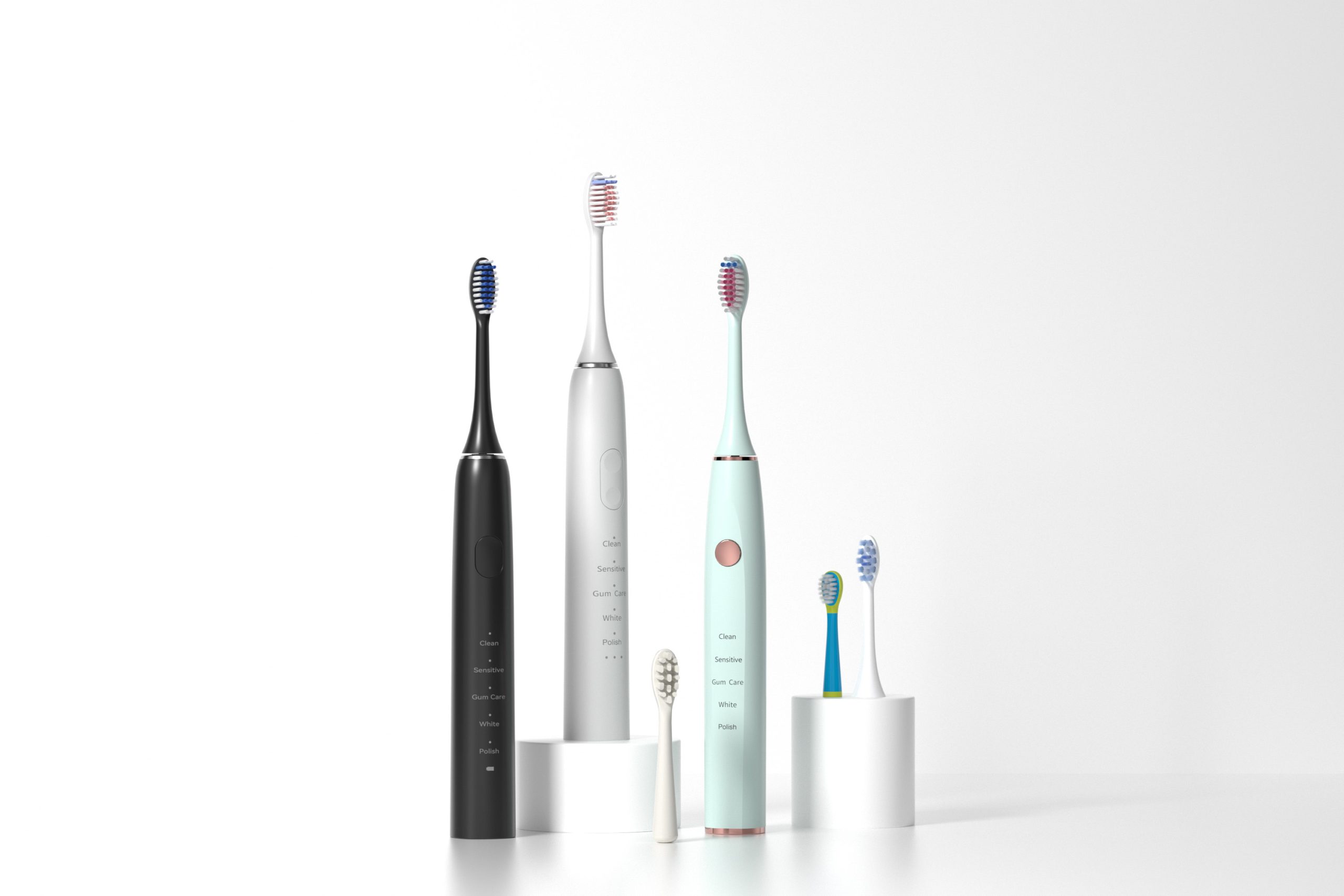
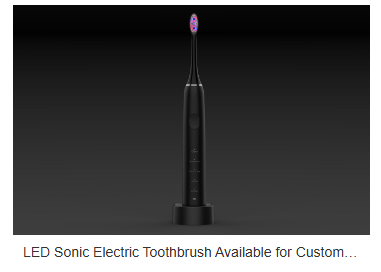
In today's competitive oral care market, product performance is no longer the only driver of consumer preference—appearance now plays a vital role. Consumers are increasingly drawn to products that are not only functional but also visually striking. This is especially true in personal care electronics such as electric toothbrushes. For manufacturers, adopting gradient color technology through injection molding offers a powerful way to improve attractiveness of electric toothbrushes that resonates with modern consumers and stands out on retail shelves. What Is Gradient Color Injection Molding Technology? Gradient color technology is a specialized plastic injection molding process that allows multiple color tones to blend seamlessly into one another on a single molded part. Unlike traditional single-color molding, this technique: Enables smooth color transitions (e.g., blue to white, pink to purple) Creates a premium, dynamic look without painting or secondary processing Offers long-lasting, scratch-resistant finishes directly out of the mold This innovative technology for electric toothbrushes not only enhances aesthetics but also increases manufacturing efficiency. Boosting Product Appeal Through Visual Marketing Visual marketing is a crucial part of selling consumer electronics. In retail environments and online platforms, buyers often make split-second decisions based on product appearance. Gradient color finishes offer several benefits: Striking shelf presence: Unique…
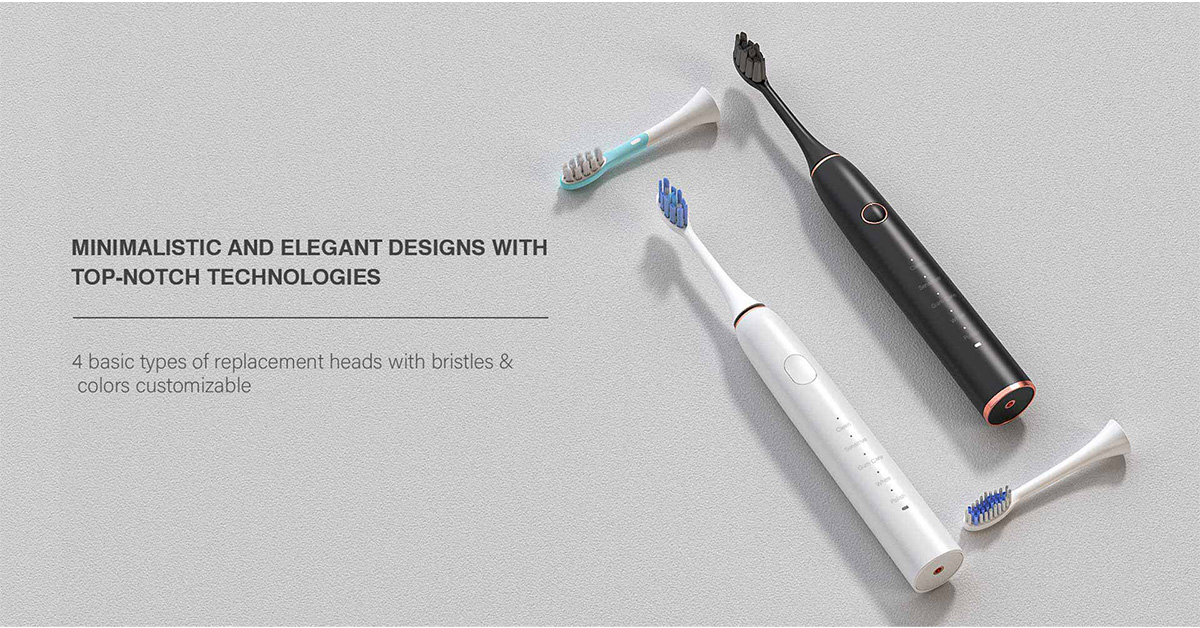
For electric toothbrush brands and OEM partners, improving customer lifetime value is critical. One effective strategy is optimizing the brush head + toothbrush handle adaptation structure to encourage repeat purchases. A smart design approach not only enhances usability and satisfaction, but also opens the door to recurring revenue through replaceable parts, especially brush heads. In this blog, we explore how thoughtful engineering and product planning—aligned with sustainability and market trends—can help electric toothbrush manufacturers increase repurchase rate. The Power of Modular Design: Making Repurchase Easy A modular accessory design that allows users to easily detach and replace the brush head is fundamental. Key considerations include: Universal fit systems across product lines Durable locking mechanisms that are user-friendly Stable electrical connections for sonic or oscillating performance By simplifying replacement, manufacturers lower the barrier for consumers to repurchase brush heads regularly—either individually or through a brush head subscription service. Replaceable Parts = Sustainable Strategy Modern consumers are increasingly eco-conscious. Offering replaceable parts, such as interchangeable brush heads, supports sustainability in product design. Instead of discarding an entire device, users can extend product life by only replacing worn-out components. This approach positions your brand as environmentally responsible, which enhances customer loyalty and aligns with global ESG trends—especially important…

Relieve Tooth sensitivity is a widespread oral health issue that affects millions globally, often triggered by cold, heat, sweetness, or even brushing. Many consumers don’t realize that using the wrong toothbrush can worsen the problem. In fact, manual brushing with excessive force is one of the most common causes of enamel wear and gum recession—two major contributors to tooth sensitivity. As a professional electric toothbrush factory, we often receive inquiries about whether an electric toothbrush can help relieve tooth sensitivity. The answer is yes—if the right design and technology are applied. How Can Electric Toothbrushes Help Relieve Tooth Sensitivity? Modern electric toothbrushes are equipped with features that specifically aim to address sensitive teeth: Pressure SensorsBuilt-in sensors automatically reduce brushing intensity when too much force is applied, helping protect delicate enamel and gums. Soft Bristle OptionsElectric toothbrushes designed for sensitive teeth use ultra-soft bristles that clean effectively without abrasion, reducing discomfort during brushing. Gentle Cleaning ModesMany models include modes such as “Sensitive” or “Gum Care,” providing low-frequency vibrations to ensure a soothing yet thorough clean. Consistent Brushing PerformanceUnlike manual brushes that vary with user technique, electric toothbrushes offer consistent cleaning action that minimizes the risk of over-brushing. These combined features demonstrate…
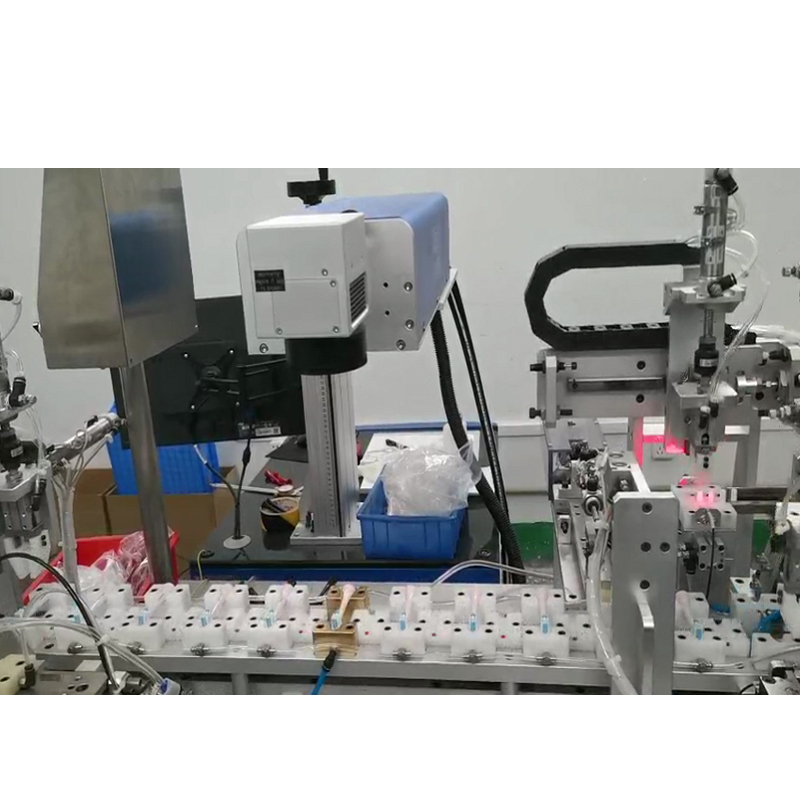
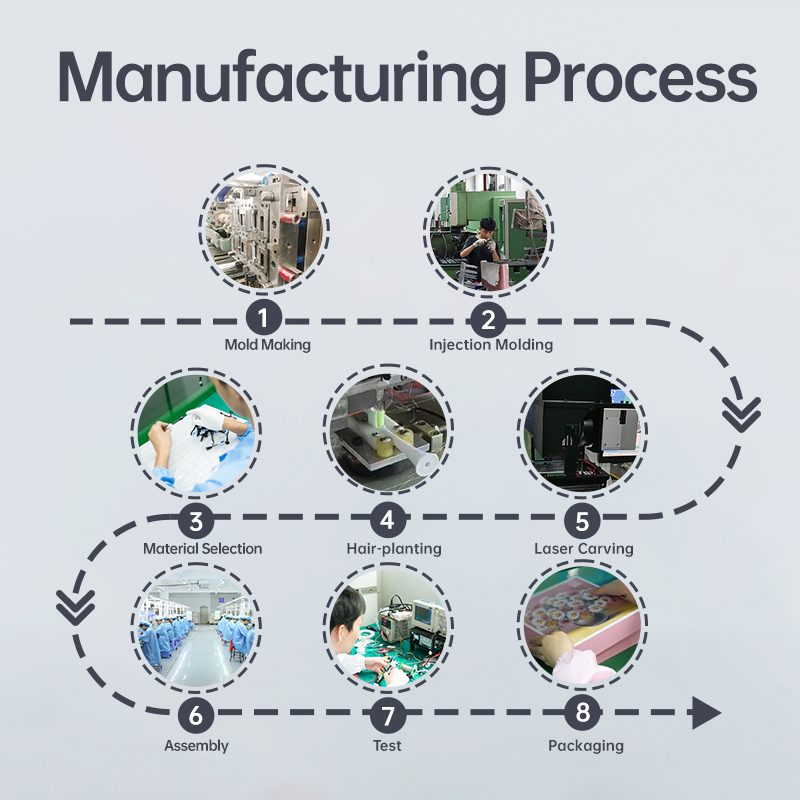
In today’s competitive oral care market, manufacturers must ensure that every electric toothbrush production process is standardized, efficient, and meets high-quality requirements. This article presents a full overview of the production process diagram, from injection molding to final assembly, highlighting injection molding process standards, assembly process specifications, and the key points for quality inspection necessary to guarantee superior product performance. Injection Molding – The Foundation of Precision The first critical step in the electric toothbrush production process is injection molding. High-quality shell and component manufacturing rely on strict injection molding process standards, including: Precise temperature and pressure control to prevent defects like shrinkage or warping Material selection (commonly medical-grade ABS, PP, or TPE) for durability and aesthetics Mold maintenance and polishing to ensure smooth finishes Adhering to consistent injection molding process standards is vital for ensuring a strong and attractive product base. Component Preparation – Quality Starts from Parts After molding, key components including motor units, battery packs, PCBs, and sealing gaskets. Every component must: Pass functional pre-tests (e.g., battery charging cycles, motor rotation tests) Be cleaned and anti-static protected before entering the assembly area Match design tolerances exactly to fit into the production line seamlessly Meticulous preparation at this stage helps maintain consistency throughout…
In the competitive oral care market, electric toothbrush manufacturers must deliver consistent product quality while managing potential risks effectively. One of the most crucial ways to ensure product reliability is through a robust traceability of electric toothbrushes. Especially for key components like motors and the waterproof casing, strict control through motor calibration standards and a detailed waterproof test process is vital. Together with proper quality inspection record archiving, these measures help maintain brand reputation and significantly contribute to product recall prevention. Motor Calibration: Setting and Managing High Standards The motor is the heart of any electric toothbrush, directly impacting performance, user experience, and product life. Adhering to precise motor calibration standards ensures that each unit operates within specified parameters, including: Rotational speed (RPM) consistency Vibration strength within optimal ranges Noise level control to enhance comfort During production, every motor undergoes calibration using specialized testing equipment. Detailed calibration data are recorded in the production traceability system, linking each motor to its corresponding toothbrush serial number. This practice guarantees that any deviation can be traced back instantly. Waterproof Testing: Safeguarding Daily Use Reliability Daily exposure to water makes the waterproof test process critical for electric toothbrushes. The standard testing procedures typically include: IPX7 or IPX8 level testing (depending on product…
.jpg)
As oral care markets expand globally, brands are seeking unique products that reflect their identity and meet diverse customer needs.Electric toothbrushes OEM customization has become a powerful tool, allowing businesses to create differentiated products quickly and efficiently.This guide covers the full customization journey—from LOGO printing processes to appearance design modification, core function development, and how an ODM cooperation model can streamline the entire process. LOGO Printing Process: Building Brand Identity One of the first and most visible steps in electric toothbrush OEM customization is adding the client's logo to the product. The LOGO printing process typically involves: Silk-screen printing: Ideal for simple, cost-effective designs. Laser engraving: For a premium look and long-lasting durability. Pad printing: Suitable for curved surfaces and multicolor logos. A precise and durable LOGO not only enhances brand recognition but also increases product value in competitive retail environments. Appearance Design Modification: Creating a Unique Look Beyond logo placement, many clients seek appearance design modification to ensure their electric toothbrush stands out. This may include: Custom colors and finishes: Matte, glossy, metallic coatings. Material upgrades: Soft-touch coatings or eco-friendly plastics. Ergonomic handle designs: Improved grip comfort and user experience. Professional OEM partners provide 3D renderings and prototypes during this phase, ensuring the new design…

In the electric toothbrush OEM business, controlling production costs is crucial to staying competitive. Among various expenses, mold cost is often one of the highest upfront investments. Many manufacturers have developed an electric toothbrush mold library, offering ready-made solutions that significantly shorten the mold opening cycle and reduce costs. But exactly how much money can be saved by using an existing mold? Let's dive deeper. What is an Electric Toothbrush Mold Library? An electric toothbrush mold library is a collection of pre-existing injection molds covering various designs of toothbrush handles, brush heads, and chargers. These molds are production-ready and meet common industry standards. By leveraging these existing resources, OEM clients can: Avoid the lengthy and costly mold development process Accelerate time-to-market Reduce risks associated with new product tooling Mold Opening Cycle vs. Ready-Made Mold Modification Typically, creating a new mold (from design to production) involves a mold opening cycle of 45 to 90 days, depending on complexity. This timeline includes: Industrial design and structural optimization Mold fabrication and testing Correction and final approval In contrast, using ready-made mold modification (such as minor logo engraving, color changes, or slight structure adjustments) can be completed within 2 to 4 weeks — drastically reducing project lead time. Cost Savings Breakdown:…
.jpg)
In modern oral care, simply removing interdental debris isn’t enough—effective Tongue Cleaning combined with optimized Pulse Frequency can dramatically reduce volatile sulfur compounds and leave users with truly fresh breath. In this article, we’ll explore six critical factors that B2B partners should consider when specifying a water flosser designed to tackle halitosis and elevate daily oral hygiene. Addressing the Root Cause of Bad Breath Bad breath often originates on the tongue and between teeth, where bacteria flourish. Microbial Colonies on the Tongue: A rough dorsal surface traps food particles, fostering odor-causing microbes. Interdental Plaque: Leftover debris between teeth releases foul odors as bacteria break it down. Salivary Flow and pH: Stagnant or acidic saliva can exacerbate bacterial growth and malodor. By targeting both interdental spaces and the tongue’s surface, a well-engineered flosser lays the foundation for lasting breath freshness. The Power of Dedicated Tongue Cleaning Moreover, integrating a specialized tongue-cleaning tip transforms a standard flosser into a breath-refreshing tool: Angled Nozzle Design: Slim, flat-profile tips reach the posterior tongue without gagging. Gentle Bristle Inserts: Soft polymer bristles dislodge biofilm while conforming to tongue contours. Combined Water-Brush Action: Pulsed water jets flush away loosened debris and microbes. This multi-action approach ensures…
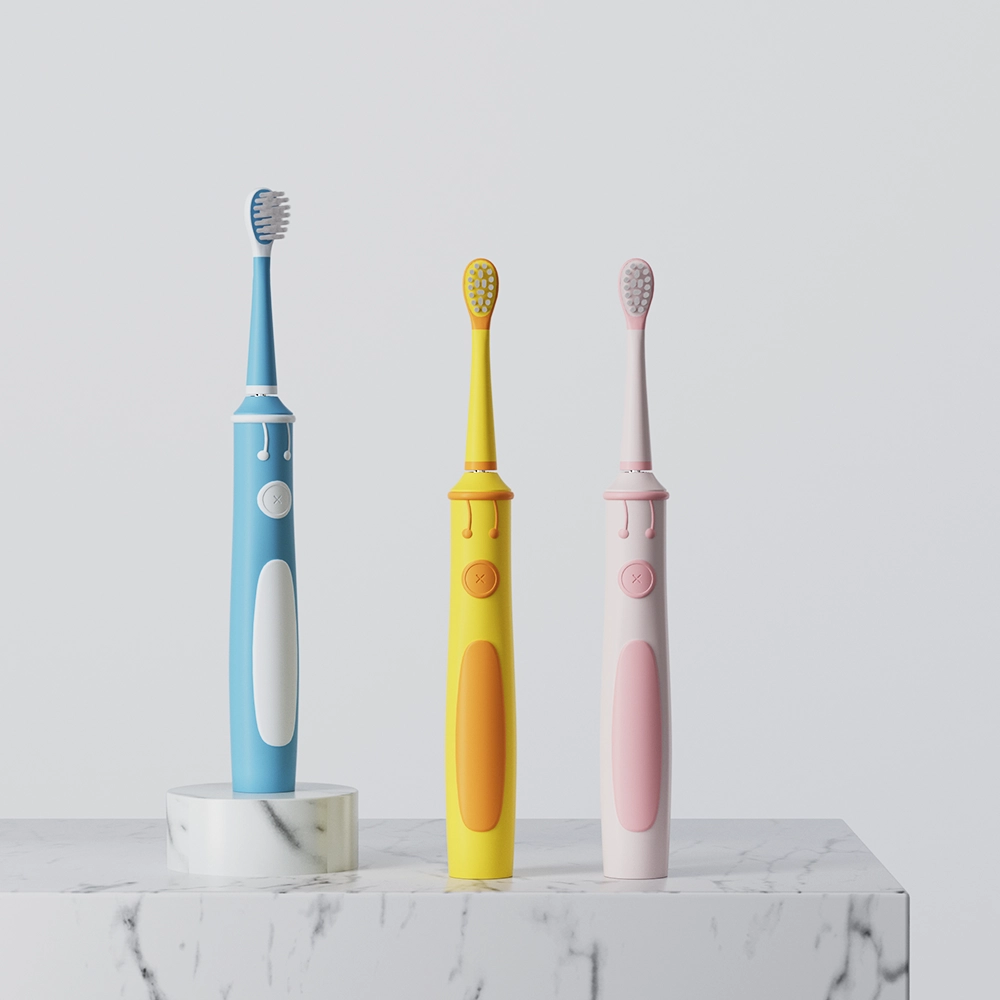
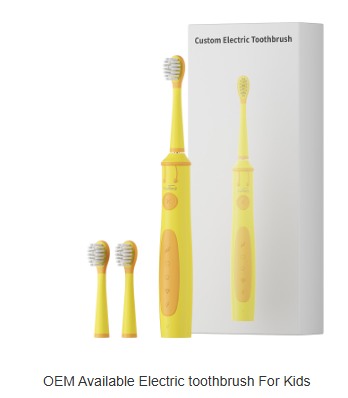
As parents become increasingly aware of the importance of oral health for their children, the demand for kids' electric toothbrushes continues to rise. It not only for effective cleaning but also for making brushing more fun and engaging for children. However, an often overlooked feature in the design of these devices is the use of antibacterial materials. In this blog, we will explore why incorporating antibacterial materials into kids' electric toothbrushes is essential for their hygiene, safety, and durability.https://www.powsmart.com/ Why Antibacterial Materials Are Crucial for Kids' Electric Toothbrushes Children's toothbrushes are subject to frequent contamination, especially in a shared bathroom environment where germs and bacteria can easily transfer. The inclusion of antibacterial materials in kids' electric toothbrushes offers several key benefits: Preventing Bacterial Growth: Kids are more likely to forget to clean their toothbrushes properly, and an antibacterial material can help inhibit the growth of bacteria and mold on the toothbrush handle and bristles. Reducing the Risk of Illness: Antibacterial properties help prevent the buildup of harmful bacteria, which is especially important for children who have weaker immune systems. Maintaining Hygiene: As kids often leave their toothbrushes wet or stored improperly, antibacterial materials help ensure that their toothbrush remains hygienic…
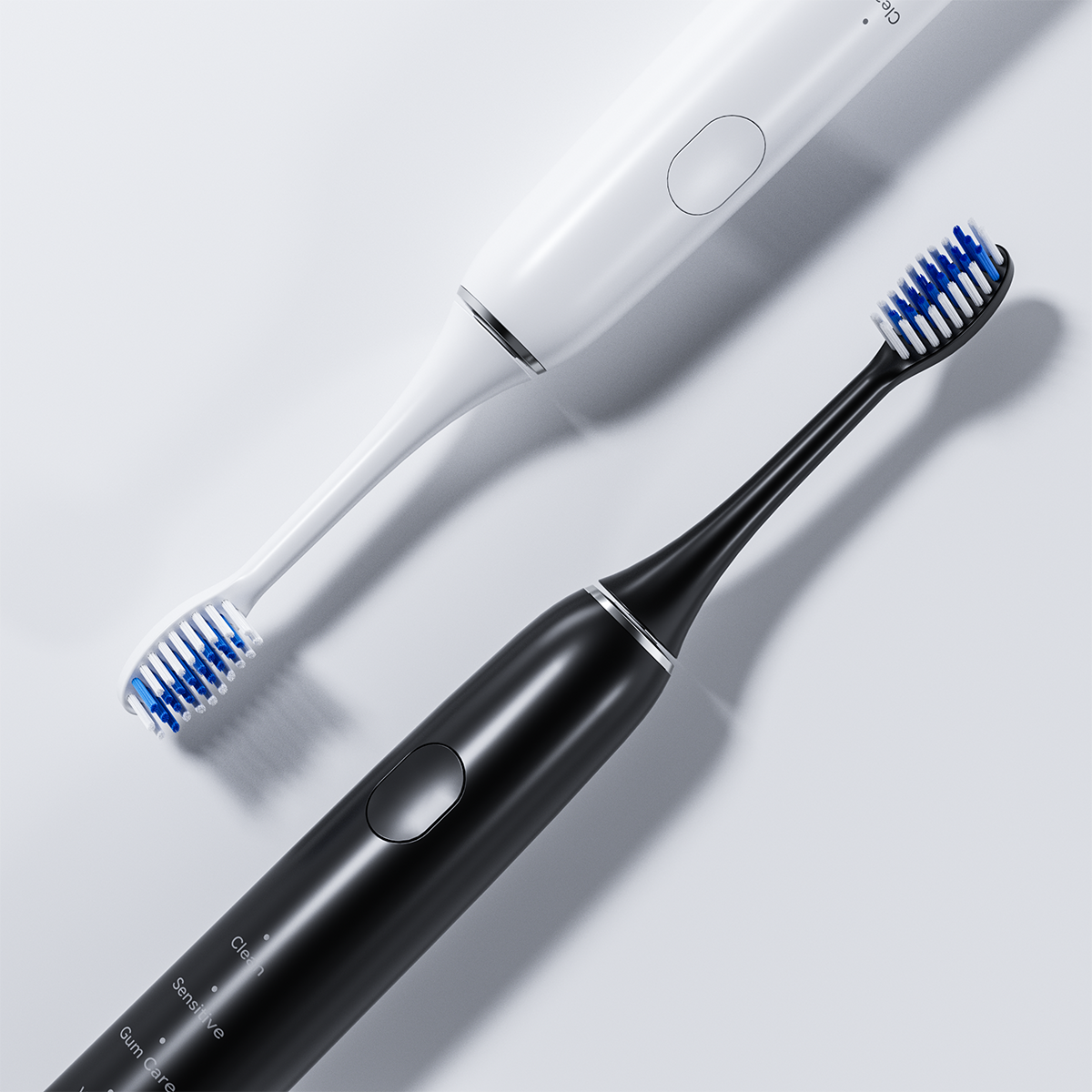
As more consumers embrace high-end electric toothbrush, manufacturers are faced with the challenge of delivering not just advanced cleaning technology but also seamless user experiences. One key component of this experience is the toothbrush charging station. For premium electric toothbrushes, charging stations need to offer a combination of waterproof functionality, fast charging capabilities, and sleek, practical designs. In this blog, we’ll take a closer look at the innovative features of high-end toothbrush charging stations from the point of an OEM electric toothbrush manufacturer. The Importance of Waterproof Features in High-End Toothbrush Charging Stations A waterproof charging station is essential for high-end electric toothbrushes. Without adequate water resistance, charging stations can suffer from short circuits or damage, affecting both the safety and durability of the device. Key waterproof features include: Sealed Charging Ports: Prevent water from entering the charging mechanism. IP Rating (Ingress Protection): High-end stations are IPX7 or higher ratings, ensuring they can withstand splashes or brief submersion. Durable Materials: Use of corrosion-resistant metals and plastics to protect internal components. For manufacturers looking to provide a waterproof & fast charging experience, investing in quality sealing technology is crucial. The Need for Fast Charging in Premium Toothbrushes In today’s fast-paced world, consumers expect their high-end electric toothbrushes to…
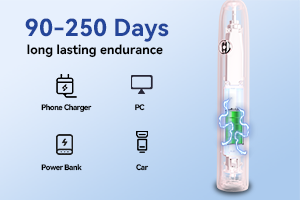
The electric toothbrush market is growing rapidly, with innovations not only in brushing technology but also in charging methods. As manufacturers, understanding the different electric toothbrush charging methods is crucial, particularly the debate between wireless charging vs contact charging. This blog explores the advantages and challenges of both methods, providing insights into which option is best for your OEM electric toothbrush products and how to choose the right charging system for your customer base. Understanding Wireless Charging for Electric Toothbrushes Wireless charging, also known as inductive charging, has become a popular choice in consumer electronics, including electric toothbrushes. This method works by transferring power through an electromagnetic field between the toothbrush and its charging base. Advantages of Wireless Charging Convenience: No need to plug in the toothbrush directly, reducing wear and tear on connectors. Waterproof and Durable: Since there are no exposed charging pins, wireless charging systems are more resistant to water damage, a critical factor for electric toothbrushes. Sleek Design: Wireless chargers allow for cleaner, more minimalist designs, appealing to modern consumers who value aesthetics. Disadvantages of Wireless Charging Longer Charging Times: Compared to contact charging, wireless charging may take longer to fully charge the toothbrush. Higher Cost: The technology behind wireless…
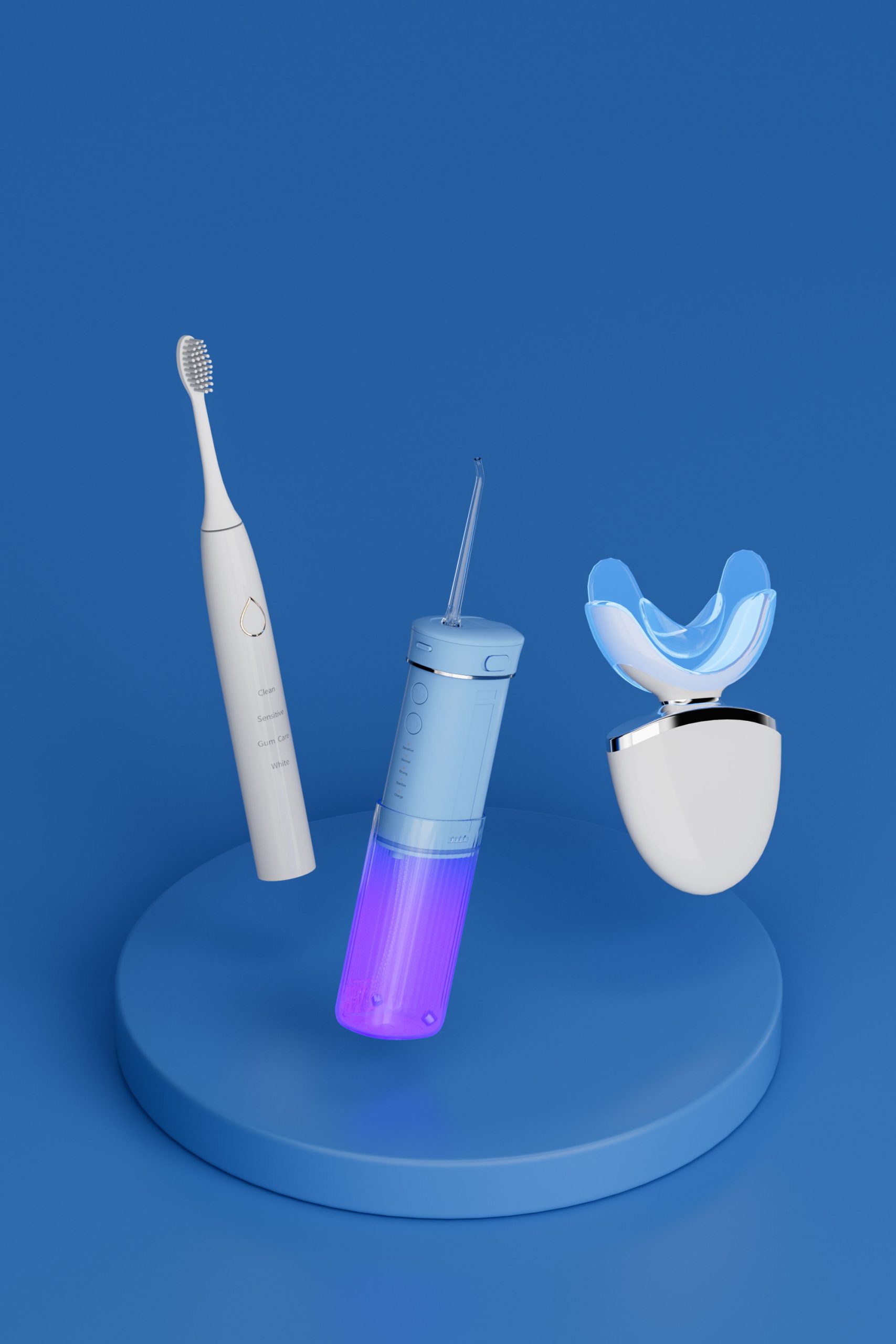
At PowSmart, we don't just manufacture oral care products - we engineer smiles. Our unwavering dedication to quality and innovation has positioned us as a trusted partner for dental professionals and retailers worldwide. Here's what makes our products truly exceptional. 1. Innovation Through Our Own R&D Team Unlike many manufacturers who outsource product development: We maintain a full-time own R&D team of dental engineers and material scientists Our 3,000 sq ft innovation lab develops proprietary technologies We hold 200 patents for brush head designs and motor technologies Every product undergoes at least 18 months of development before launch 2. Rigorous Quality Assurance Protocols Our Quality Assurance process is unmatched in the industry: We conduct 38 reliability tests on every product batch Each electric toothbrush undergoes individual performance testing Our factory maintains ISO9001:2015 andI SO9001:14001 Third-party lab verification for all safety claims 3. Substance Over Style: Our Engineering Philosophy While competitors focus on flashy designs, we focus on substance: Motor performance prioritized over aesthetic gimmicks Clinically-proven cleaning efficacy in every product Ergonomic designs based on dental professional input Transparent specifications - no exaggerated claims 4. Continuous Improvement Process Our Continuous Improvement program ensures we never stagnate: Monthly dental professional feedback sessions Quarterly product performance reviews Annual technology upgrades Real-world usage data collection from…
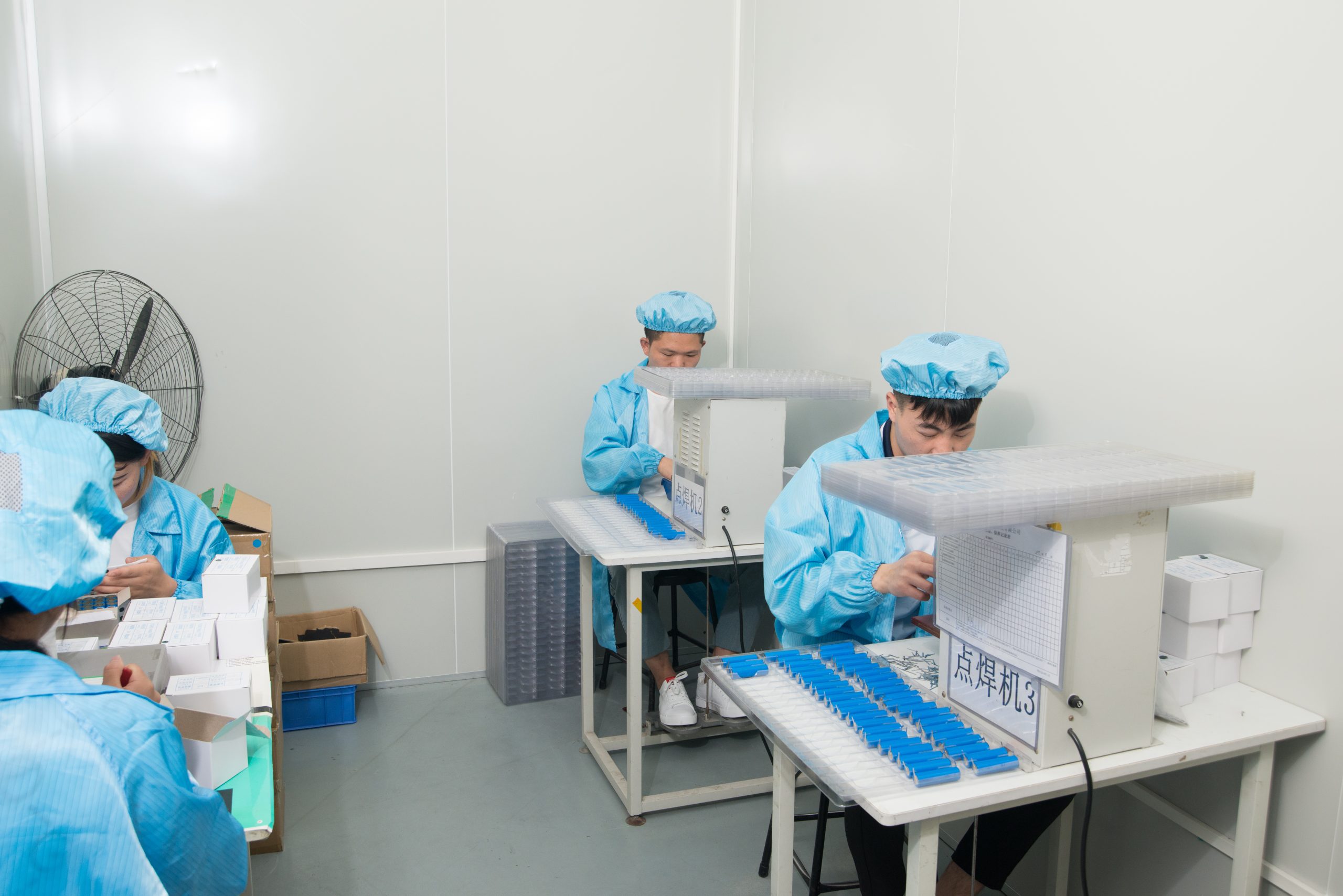
As the global demand for high-quality electric toothbrush continues to grow, brands and distributors are increasingly selective about the manufacturing partners they choose. The quality, reliability, and scalability of your supply chain begins with choosing the right factory. But what truly defines a trustworthy manufacturer in this space? In this blog, we outline the five essential characteristics of a high-quality electric toothbrush factory — the kind of partner that ensures product consistency, innovation, and long-term cooperation. Proven Manufacturing Experience – Over 20 Years in the Industry Experience matters, especially in precision manufacturing. A factory with over 20 years of manufacturing experience has: Refined production workflows Deep understanding of motor control and ultrasonic cleaning technology Proven ability to handle volume orders with consistent quality Such a factory is more than just a supplier — it is a strategic partner who understands market trends, end-user preferences, and regulatory challenges. Strict Quality Control Systems The production of high-quality electric toothbrushes depends on robust quality assurance procedures. Leading factories will have: QC checkpoints across every stage of production Automated testing equipment for vibration, battery life, and waterproofing Final product audits before packaging These practices ensure that every toothbrush delivered meets international standards and brand…
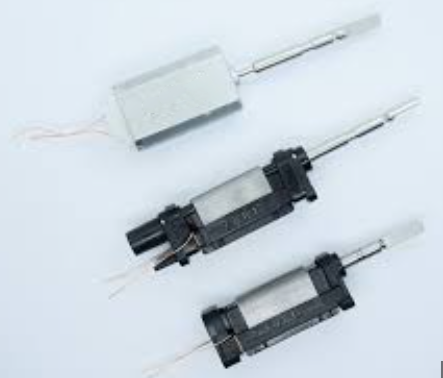
The Motor—The Heart of Every Electric Toothbrush In the rapidly evolving oral care industry, performance and user experience are everything. While brush head design and battery life are essential, it is ultimately the electric toothbrush motor that determines how effective the product truly is.This blog dives deep into the technical aspects of how do motors improve cleaning efficiency, especially the rise of magnetic levitation motors and sonic technology, and explains how these innovations contribute to better cleaning results. We also highlight how OEM customized solutions empower brands to differentiate in a competitive market. Types of Motors Used in Electric Toothbrushes Understanding the different motor types is key to selecting the right technology for your target market: Conventional DC motors: Affordable, widely used in entry-level toothbrushes, but limited in vibration stability and lifespan. Magnetic levitation motors: The new industry standard for premium models. They offer smoother operation, higher vibration frequency, and lower noise. The choice of electric toothbrush motor affects everything from brushing effectiveness to product durability and comfort. Advantages of Magnetic Levitation Motor Technology Magnetic levitation motors use magnetic fields to suspend and move the internal rotor, reducing friction and improving control. Key advantages include: High vibration frequency (up to…

As oral care specialists, we're often asked about proper toothbrush replacement protocols after illness. The answer isn't one-size-fits-all - it depends on the type of infection and your oral care products. Here's what manufacturers and dental professionals need to know. 1. The Golden Rule: Bacterial vs. Viral Infections "Bacterial infection requires immediate replacement of toothbrush" - this is non-negotiable. Pathogens like strep can survive on brush heads and potentially cause reinfection. However, "don't have to change your toothbrush immediately if you are infected with the virus" like the common cold, as most viruses don't survive long on brush surfaces. 2. Common Cold Considerations After a "Common cold": Viruses typically remain viable on toothbrushes for <24 hours The immune system develops antibodies making reinfection unlikely Proper storage (upright, dry location) minimizes risksReplacement is more about personal preference than medical necessity. 3. High-Risk Oral Diseases Demand Replacement For certain "Oral Diseases": Oral thrush (fungal) - replace immediately Herpes outbreaks - replace after healing Periodontal infections - replace after treatmentThese pathogens can persist and potentially spread to others. 4. Maintaining Good Care of Oral Hygiene Regardless of illness, "good care of oral hygiene" includes: Replacing manual brushes every 3 months Changing electric toothbrush heads every 2-3 months Weekly deep cleaning…
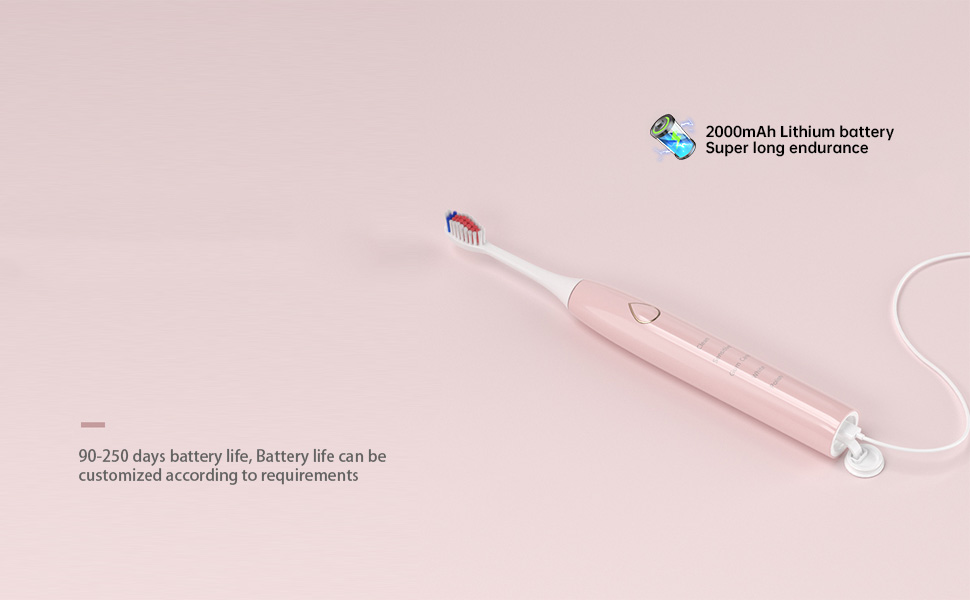
In the competitive electric toothbrush market, battery selection plays a vital role in user experience, product lifespan, and cost control. Whether you're launching an entry-level product or a premium smart toothbrush, understanding different electric toothbrush battery types is essential to align performance with your brand positioning. This blog explores the key differences between lithium battery vs. NiMH battery, the importance of battery life optimization, and how to match the right solution through OEM customization. Overview of Electric Toothbrush Battery Types There are two primary battery technologies used in electric toothbrushes today: Nickel-Metal Hydride (NiMH) Batteries Widely used in mass-market toothbrushes Lower cost, environmentally safer than older NiCd batteries Average cycle life: ~300–500 charges Longer charging times and moderate energy density Lithium-ion (Li-ion) Batteries Common in mid-to-high-end models Higher energy density, lightweight, and fast charging Longer cycle life: ~500–1000 charges Supports modern features like Bluetooth connectivity and smart sensors Understanding the pros and cons of each helps brands make informed decisions based on their market segment and performance goals. Lithium Battery vs. NiMH Battery: Which Is Right for Your Product? Here’s a direct comparison of lithium battery vs. NiMH battery in the context of electric toothbrush applications: FeatureNiMH BatteryLithium BatteryEnergy DensityModerateHighCharging…
As a B2B electric toothbrush manufacturer, we understand that battery performance is one of the most critical factors affecting product satisfaction. Through extensive testing and customer feedback, we've identified the key factors that impact battery longevity. Let's examine the technical reasons behind poor battery life. 1. Insufficient Battery Capacity The most obvious factor is battery capacity. Many budget models cut costs by using: Lower-grade lithium-ion cells Smaller battery sizes (under 600mAh) Non-branded battery suppliers Solution: Opt for premium 800mAh+ batteries from reputable suppliers. 2. Motherboard Power Management Issues The motherboard plays a crucial role in power efficiency. Common problems include: Poor voltage regulation circuits Inefficient charging ICs Lack of sleep mode optimization Solution: Implement advanced power management chips with: Low quiescent current (<5μA) Smart charging algorithms Over-discharge protection 3. Motor Efficiency Matters The motor accounts for 70% of power consumption. Key considerations: Brushed vs brushless motors (20% efficiency difference) Optimal frequency settings (250-300Hz ideal) Quality of bearings and mechanical parts Pro Tip: Japanese-made brushless motors typically offer best performance. 4. Quality of Charging System Charging components significantly impact battery health: Poor quality charging coils cause energy loss Incorrect charging voltage damages cells Lack of temperature monitoring Recommendation: Use Qi-standard wireless charging with: Foreign object detection…
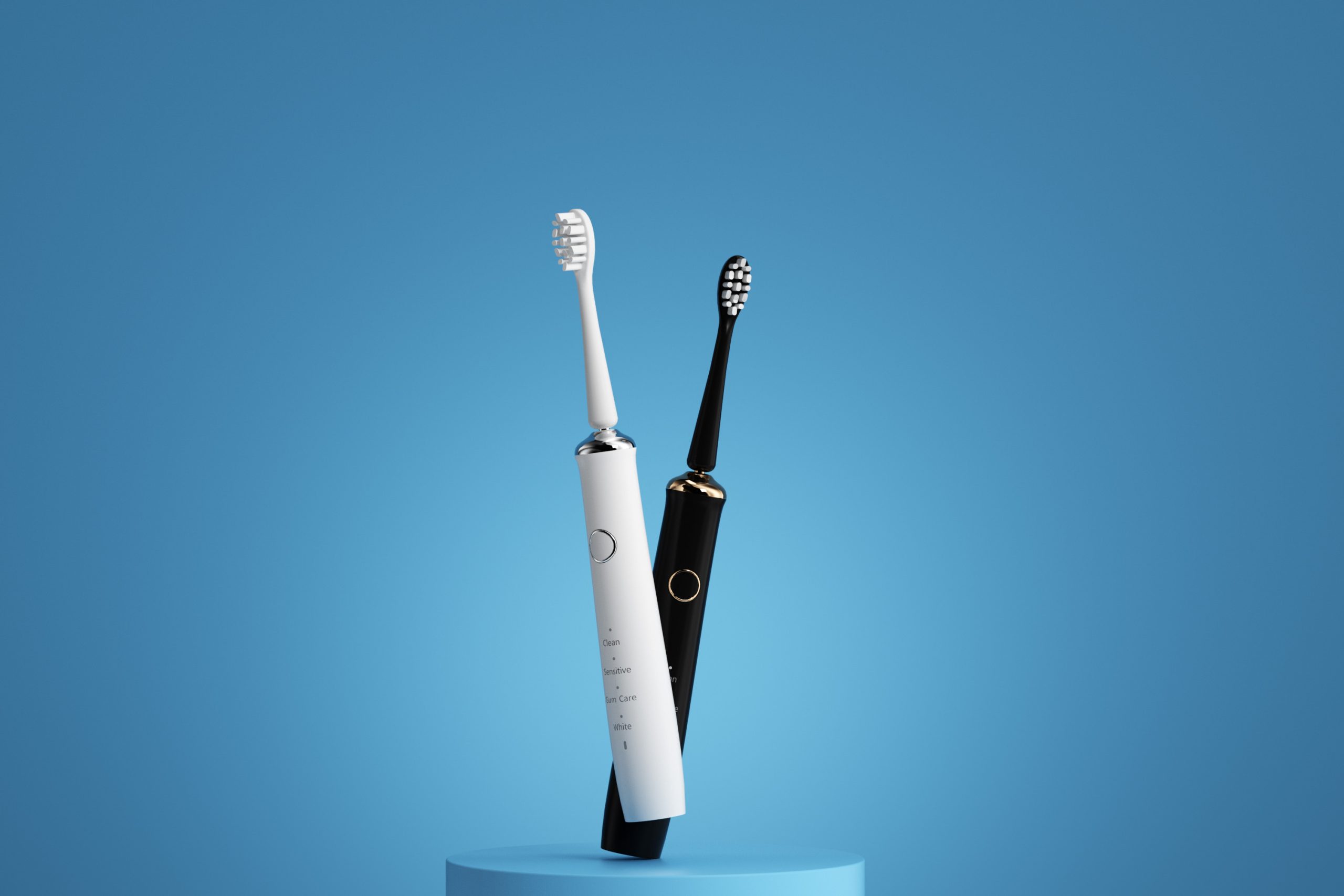
As electric toothbrushes become a standard in personal oral care, consumers are expecting more than just effective cleaning—they demand reliability, safety, and durability. For B2B buyers, this makes electric toothbrush quality control a non-negotiable factor when selecting a manufacturer. In this blog, we walk through the full quality control process, from incoming materials to final product shipment, with a focus on essential checkpoints like waterproof testing, motor reliability, and functional performance. Raw Material Inspection: The First Line of Defense Quality begins at the very beginning. Every batch of components, such as ABS/PP plastics, PCB boards, batteries, and motor parts, undergoes rigorous incoming quality inspection (IQC). Plastic shell parts are checked for uniformity, color consistency, and impact resistance Electronic components are verified against BOM and tested for compliance Motors are pre-tested for torque, speed, and noise before assembly By filtering out defects at the start, we lay a solid foundation for reliable production. In-Process Quality Control (IPQC): Spot Checks During Assembly During assembly, in-process quality control ensures that each production step meets required standards. Our trained QC technicians perform inspections at every major stage: Circuit board mounting Battery welding and installation Motor integration into the toothbrush body Initial functional testing (on/off switch, LED indicators, vibration…
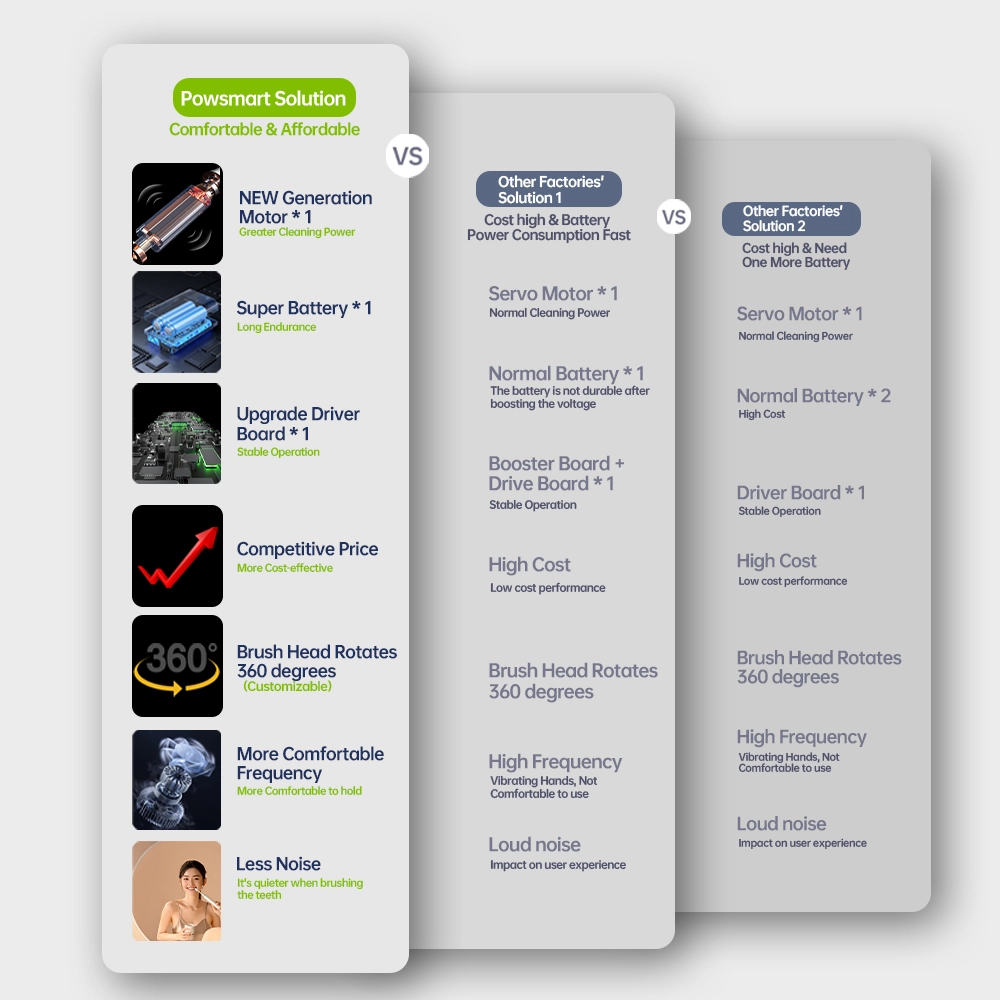
As electric toothbrushes continue to gain popularity, consumers are placing greater emphasis on cleaning power, comfort, and overall user experience. Core components of electric toothbrush — the electric toothbrush motor.This blog explores how high-performance motors, especially magnetic levitation motors powered by sonic technology, significantly enhance brushing efficiency. We’ll also cover how manufacturers can offer OEM customized solutions to help brands tailor performance for different user needs. Understanding the Electric Toothbrush Motor: The Core Driver of Cleaning Action The electric toothbrush motor is the core component of electric toothbrush that drives brush head movement, converting electrical energy into high-frequency mechanical oscillation. Its precision and power directly affect: Brushing speed (vibrations per minute) Stroke amplitude User comfort and noise level A well-designed motor ensures consistent motion and optimized vibration, delivering thorough plaque removal while protecting gum tissue. Magnetic Levitation Motor: Elevating Vibration Efficiency and Stability Among motor types, the magnetic levitation motor stands out due to its efficiency and low noise profile. It suspends the moving parts with magnetic force, reducing mechanical friction. Key benefits include: High-frequency oscillation (up to 42,000 times/min) Minimal energy loss and smoother vibration transfer Quiet operation compared to traditional motors Longer lifespan due to reduced wear For manufacturers, integrating magnetic levitation motors into electric toothbrush designs…
As the demand for smart and stylish oral care products rises, manufacturers of electric toothbrushes face a dual challenge: how to ensure long-term durability while also delivering a visually appealing design. At the heart of this lies the quality of the electric toothbrush precision mold shell, the choice of materials, and the strength of design-engineering collaboration. This article outlines the six key strategies manufacturers use to create electric toothbrush shells that are both durable and attractive, naturally incorporating the keywords "Electric toothbrush mold", "shell customization", "ABS/PP material", and "industrial design support". Precision Mold Design: The Foundation of a Reliable Shell The first step in producing a high-quality toothbrush precision mold shell is developing a high-precision electric toothbrush mold. A well-designed mold ensures: Consistent dimensions and tight tolerances Seamless fit with internal components A smooth, refined surface ready for finishing touches By investing in precision mold technology, manufacturers lay the groundwork for both durability and visual appeal right from the tooling stage. Smart Material Selection: ABS/PP for Optimal Performance Choosing the right materials is critical for performance. The most common choices for toothbrush shells are ABS (Acrylonitrile Butadiene Styrene) and PP (Polypropylene): ABS material: Offers high impact resistance, excellent dimensional stability, and…


.jpg)
.jpg)
.jpg)
.jpg)
.jpg)



.jpg)