.jpg)
For any oral hygiene product manufacturer or distributor, educating your customers about water flosser maintenance is more than just value-add content—it’s a key step in enhancing product lifespan, performance, and brand loyalty. While water flossers are known for their effective plaque removal and gum health benefits, few users realize that regular care is essential. Without proper maintenance, even the best-engineered water flosser can suffer from performance drops, mold buildup, and early failure. Why Maintenance is Critical for Water Flossers First and foremost, water flossers operate with pressurized water and micro-tubing systems—environments where mineral buildup, bacterial contamination, and mechanical wear can develop silently. Over time, neglected flossers may: Lose water pressure Develop unpleasant odors Exhibit nozzle clogging or motor strain Create a breeding ground for mold and bacteria For OEMs, this reinforces the need to provide clear aftercare guidance with every unit shipped. Key Maintenance Zones: Where and Why to Clean There are several components of a water flosser that require periodic cleaning: Water Reservoir: Standing water breeds bacteria. Rinse daily and deep-clean weekly. Nozzle Tips: These come in contact with oral fluids. They should be rinsed after each use and replaced every 3–6 months. Pump System: Mineral deposits can build…
Waterproof failure is more than just a structural issue in water flosser design—it is a critical performance hazard that directly leads to pressure fluctuation, inconsistent water delivery, and ultimately, customer dissatisfaction. For OEM manufacturers and B2B distributors, understanding this chain reaction is essential for product optimization and market competitiveness. The Core Relationship: Waterproof Integrity and Internal Pressure Stability Water flossers rely on a closed-loop system to maintain stable water flow. When waterproof failure occurs—often due to weak seals, degraded adhesives, or poor housing integration—it compromises the vacuum and pressurization environment inside the device. The result? Rapid and unpredictable pressure fluctuation. Such instability not only disrupts cleaning effectiveness but can also confuse or frustrate users, especially those with sensitive gums or dental work. Root Causes of Waterproof Failure in Water Flossers Understanding the causes of waterproofing breakdown helps manufacturers prevent them at the source. Common contributors include: Low-grade sealing rings or gaskets Poor ultrasonic welding or adhesive bonding Overexposure to hot water or alcohol-based cleaners Micro-cracks from impact or drop tests Over time, even minor leaks allow air or moisture intrusion, destabilizing internal pump pressure and affecting spray consistency. How Pressure Fluctuation Affects User Experience When pressure fluctuation occurs, the user…
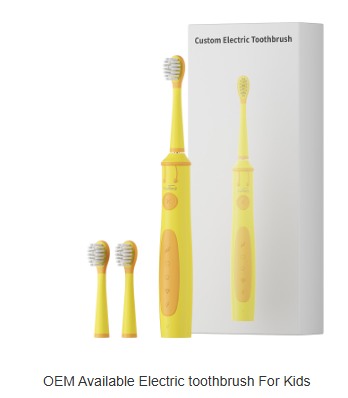
In today’s highly competitive market, find the right electric toothbrush manufacturers is critical for oral care brands aiming to scale efficiently. Whether you are a startup entering the market or an established company seeking product diversification, partnering with a trustworthy oral care supplier is the foundation of quality, innovation, and long-term brand influence. This article offers a comprehensive roadmap for selecting a manufacturer that aligns with your business goals, supports OEM electric toothbrush production, and drives your oral care brand expansion strategy. Define Your Product and Brand Requirements First Before contacting any factory or supplier, clearly define your product specifications and brand positioning. Ask yourself: What type of branded toothbrush production do you require (e.g., sonic, oscillating, kids’ brushes)? Do you need full OEM electric toothbrush solutions or white-label production? What certifications (e.g., CE, FDA, ISO) must the products comply with? What are your expected order quantities, price range, and delivery timelines? Having a solid product brief helps you find suitable electric toothbrush manufacturers early and avoid costly mismatches. Where and How to Source Reliable Manufacturers Finding a reliable oral care supplier goes beyond a simple online search. Here are proven sourcing strategies: Trade shows: Events like IDS (Germany), Dental South China, and Cosmoprof Asia are great for…
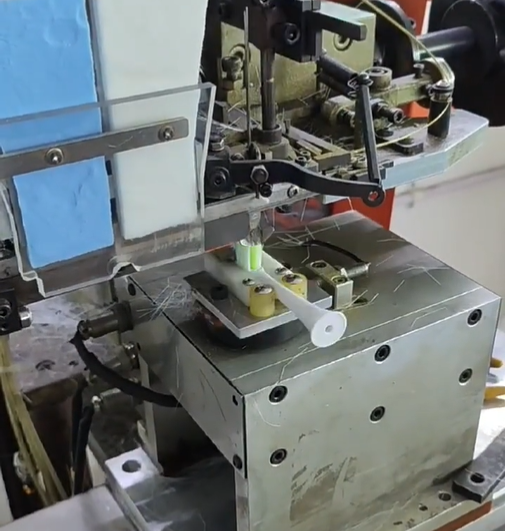
In the evolving world of oral care, the electric toothbrush has become a cornerstone product for deep and efficient cleaning. However, one often overlooked factor behind a toothbrush’s success is its Electric Toothbrush Bristle layout. Different bristle arrangements—such as cross-pattern, wave-pattern, and multi-height configurations—not only influence comfort and reach but significantly impact toothbrush cleaning efficiency. In this blog, we explore how manufacturers can leverage customized Electric Toothbrush Bristle layout to deliver better user outcomes and differentiate in a competitive market. Bristle Patterns and Their Functional Role Cross-pattern A cross-pattern layout features angled bristles pointing in different directions. This design is particularly effective at loosening plaque and reaching into the interdental spaces. Benefit: Enhanced rotational cleaning motion. Target Users: Those with plaque build-up and tight interdental spaces. Design Insight: Works well when combined with dynamic brush heads that rotate or oscillate. Wave-pattern Wave-pattern bristles follow a sinusoidal curve across the brush head, adapting to the natural contours of teeth. Benefit: Consistent contact with curved tooth surfaces. Target Users: People with irregular or sensitive dental topography. Design Insight: Improves surface coverage and provides gentle cleaning on enamel and gum lines. Height-Difference Design This layout alternates bristle heights to increase vertical reach. It’s commonly…
.jpg)
In the electric toothbrush industry, design details matter — especially when it comes to gum protection design. One often-overlooked feature is the cross-sectional shape of the bristle tips. The shape of electric toothbrush bristles— diamond, round, and cone — influence both cleaning performance and how gentle the brush is on gums. Understanding the differences is essential not only for end-user comfort but also for brands and manufacturers focused on innovation and product differentiation. This blog explores how bristle tip treatment and shape impact oral care performance, especially in the context of gum protection. The Role of Bristle Tip Treatment in Oral Hygiene Before diving into shapes, it’s important to understand the purpose of bristle tip treatment. High-quality electric toothbrushes undergo specialized processes like end-rounding or polishing to smoothen the tips. These treatments reduce the risk of micro-abrasions to enamel and soft tissue. Inadequately treated bristle tips — regardless of shape — can irritate gums, leading to discomfort or even recession over time. Proper bristle tip treatment ensures consistent smoothness, which complements the shape in achieving safe and effective cleaning. Round Bristles: The Industry Standard for Safety Round bristles are the most common and widely accepted design in electric toothbrushes. Their main advantages include:…
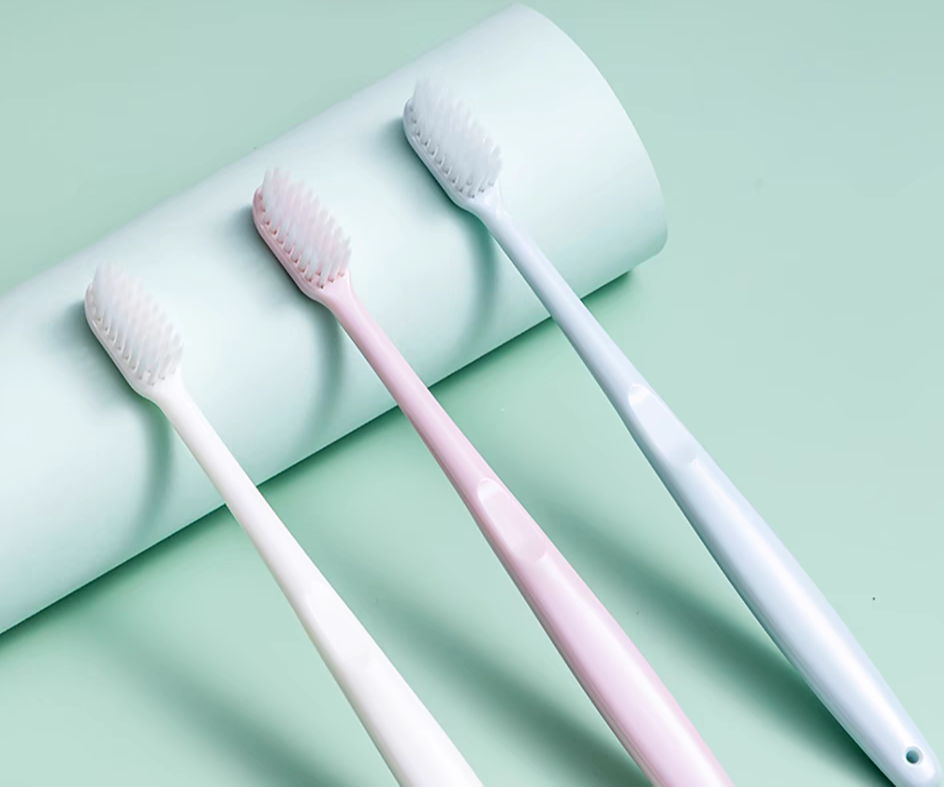
As oral care devices become more personalized and technology-driven, electric toothbrush head customization is gaining traction, especially among brand owners and private label clients. For OEMs and B2B buyers, understanding the range of customization options available is essential to meeting diverse consumer demands. In this blog, we explore the complete toothbrush head OEM solution, covering materials, structure, compatibility, and performance — to help you develop a product line that stands out in today’s competitive oral care market. OEM Customization Options: Materials, Shape, and Branding A successful toothbrush head OEM project starts with selecting the right materials and defining core parameters. Manufacturers can customize: Head shape (round, oval, diamond-cut) Base material (ABS, PP, or eco-friendly alternatives) Color schemes to align with brand identity Logo imprinting on the neck or base of the brush head By offering complete control over design and aesthetics, OEM partners can help businesses establish unique product lines. Nylon Wire Specifications: Performance Meets Comfort The type of bristles used greatly influences brushing efficiency and comfort. Customizing nylon wire specifications involves selecting: Diameter (commonly 0.15mm to 0.22mm) Hardness (soft, medium, or hard) Tip processing (tapered, end-rounded, polished) Material types (Dupont Tynex®, PBT, antibacterial filaments) Adjusting bristle specs not only supports brand differentiation but also tailors the user experience for different…
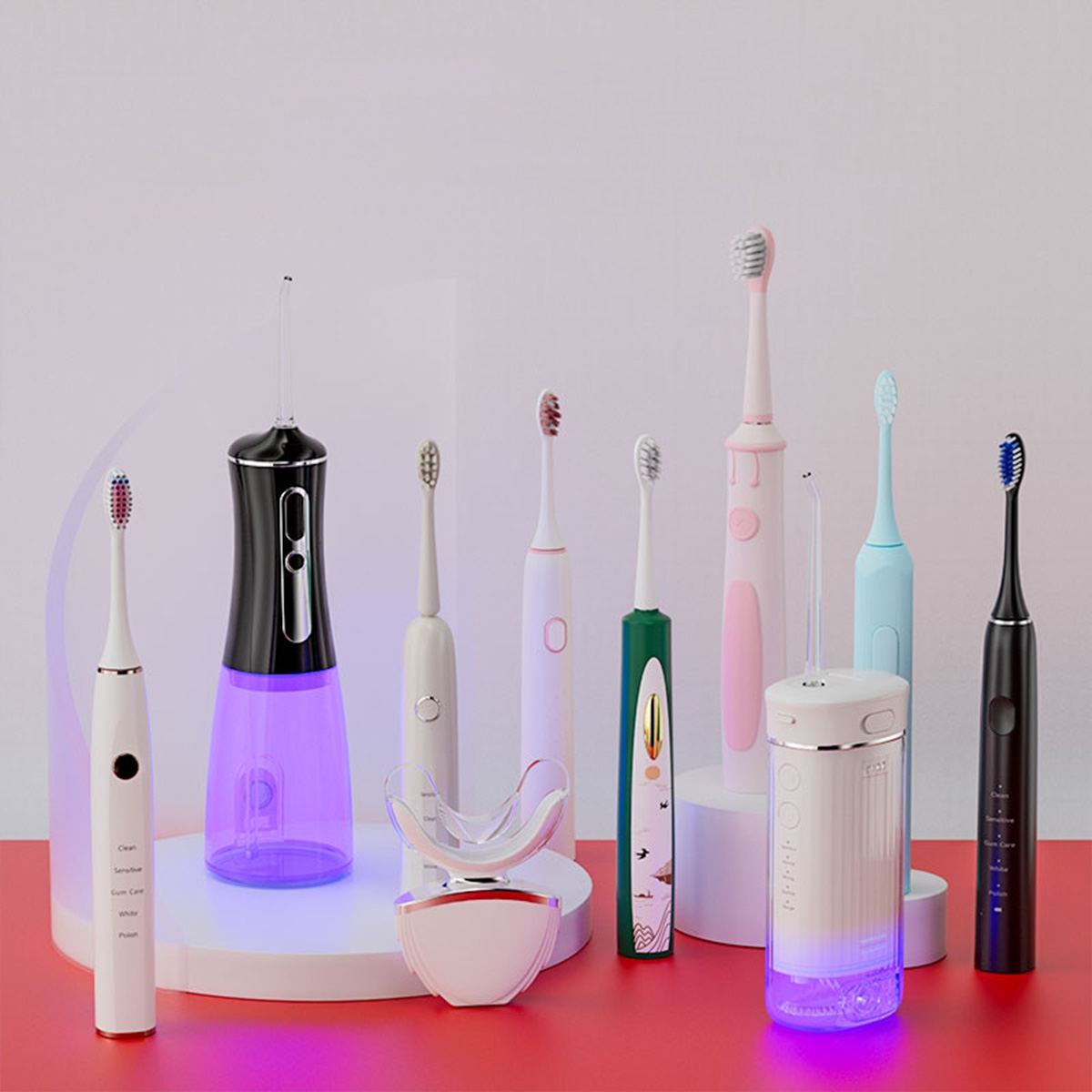
The global oral care industry is undergoing rapid transformation. With rising awareness of preventive dental hygiene, consumers no longer look for single-function products—they seek complete care solutions. This shift is creating exciting new opportunities for oral care brands. One such opportunity lies in offering Electric toothbrush & water flosser combination sets, a product format that not only meets diverse consumer needs but also helps increase the average transaction value. In this blog, we explore how scenario-based oral care product design, combined with strategic product bundling, is unlocking significant business potential for brands—and what this means from an oral care products factory perspective. The Market Potential of Oral Care: More Than Just Brushes and Flossers The market potential of oral care products is immense. According to industry research, global demand for electric toothbrushes and oral irrigators is growing at a CAGR of over 5%. However, what sets leading brands apart is not just quality—it's the ability to sell solutions, not just products. Consumers are upgrading: They’re moving from manual brushing to comprehensive oral care routines. Retailers want value packs: Multiproduct bundles lead to higher shelf presence and consumer spend. E-commerce favors sets: Online platforms reward bundled products with better visibility and upselling…
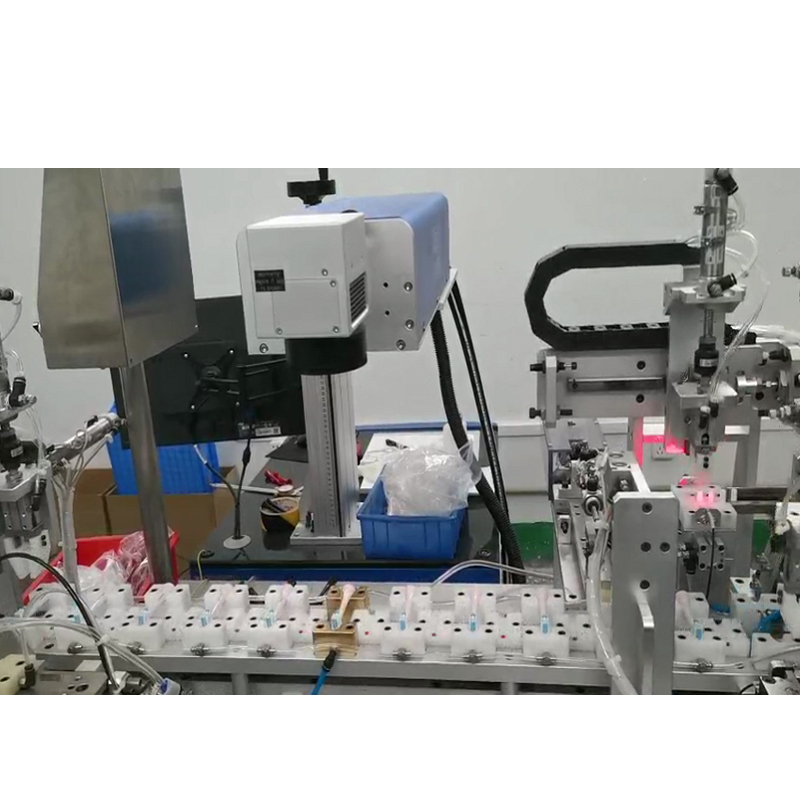
In today’s competitive oral care market, Electric toothbrush laser engraving is more than just decoration—it’s a core part of brand identity and consumer recognition. For electric toothbrush factories, offering toothbrush laser engraving customization adds value, enhances brand consistency, and ensures that the logo remains clear and durable throughout the product’s lifecycle. Laser engraving, as a permanent LOGO process, is widely favored because it doesn't fade, peel, or wear off like ink printing. But achieving high-quality engraving depends heavily on fine-tuning the right parameters: depth, speed, and power. Understanding the Basics of Laser Engraving Parameters To achieve precise and durable results, manufacturers must control three key laser engraving parameters: Power (W): Determines how much energy is delivered to the surface. Higher power increases depth but may burn or deform soft plastics. Speed (mm/s): Dictates how fast the laser moves. Faster speeds result in lighter engravings; slower speeds go deeper but may overheat the material. Depth (mm): Not a directly set parameter, but the result of how power and speed interact. For toothbrush handles (usually ABS or PP), ideal depth is 0.1–0.3 mm. Proper tuning ensures the OEM brand logo looks sharp, professional, and permanent on every unit. Material Consideration: Matching Settings to Handle Composition Electric…
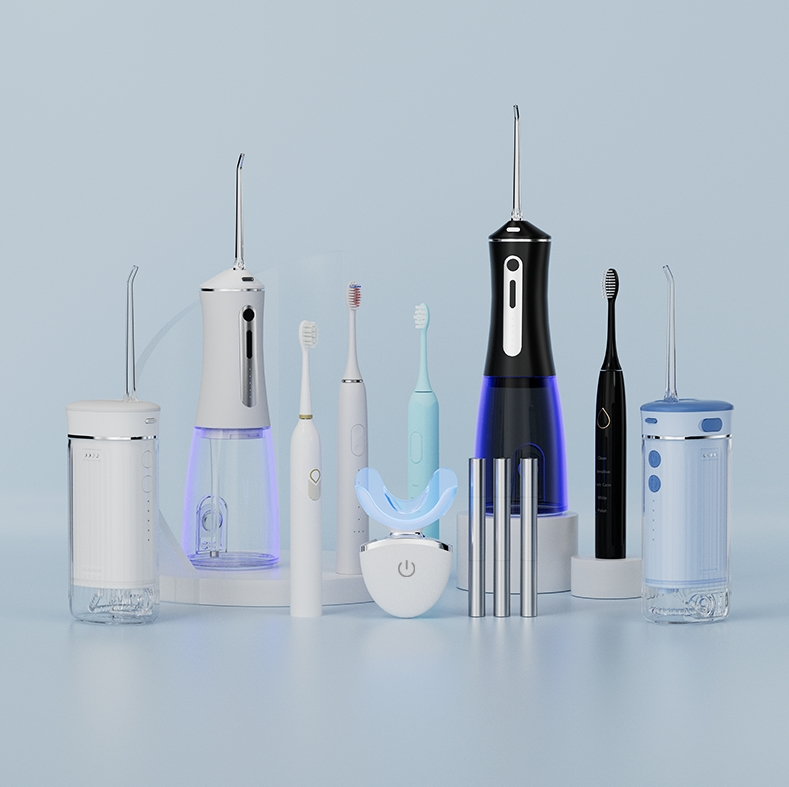
As oral hygiene awareness continues to rise globally, the electric toothbrush industry is experiencing unprecedented momentum. With innovation driving consumer interest and healthcare professionals recommending powered brushing, this segment has become a key driver within the larger personal care category. This blog outlines the major oral care growth trends, electric Toothbrush Growth Opportunities, identifies emerging markets, and evaluates the current electric toothbrush brand competition landscape for strategic insight. Global Electric Toothbrush Market Analysis: A Sector on the Rise Recent electric toothbrush market analysis reveals that the global market is expected to surpass USD 8.5 billion by the end of 2025, growing at a CAGR of over 7%. Key growth drivers include: Increased awareness of oral health Rise in disposable incomes in emerging economies Technological innovations such as AI brushing assistance and smart app integration North America and Europe currently lead in adoption, but Asia-Pacific, particularly China and India, are rapidly expanding markets due to changing consumer habits and urbanization. Oral Care Growth Trend: Beyond Brushing The electric toothbrush is no longer viewed as a luxury item but as a fundamental component of a complete oral care growth trend. The rise in dental care education and preventive healthcare is fueling demand.Key supporting trends include:…
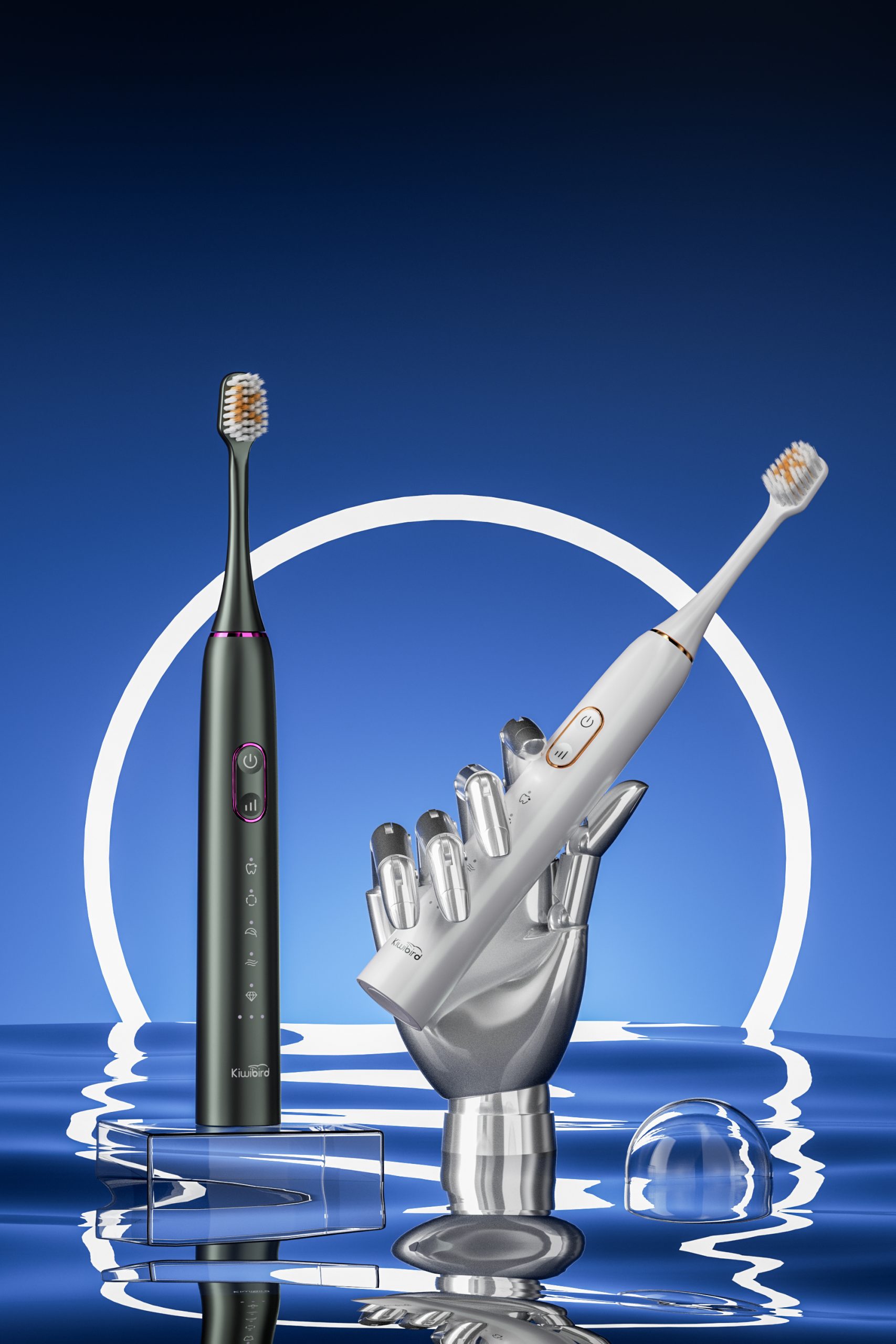
In the highly competitive personal care device market, the after-sales return rate is more than just a customer service issue — it directly impacts brand reputation, profitability, and long-term customer loyalty. For manufacturers and brand owners, minimizing the return rate of electric toothbrushes is a critical component of product lifecycle management. In this blog, we’ll explore six effective strategies to reduce the after-sales return rate of electric toothbrushes, from design and production improvements to customer education and support. Improve Product Quality from the Start The most direct way to reduce returns is by ensuring superior product quality at every stage of development and manufacturing. Use high-quality raw materials and components (e.g., long-life lithium batteries, durable ABS plastics). Conduct stringent quality checks during incoming material inspection and final assembly. Implement precision injection molding for shell components to reduce mechanical failures. By eliminating quality-related defects, manufacturers can significantly lower the return rate of electric toothbrushes caused by technical malfunctions or early product failure. Optimize Waterproof and Sealing Design One of the most common causes for electric toothbrush returns is water damage. Invest in advanced sealing technologies (such as ultrasonic welding or rubber overmolding). Design battery compartments and charging ports to be IPX7 or higher waterproof-rated.…
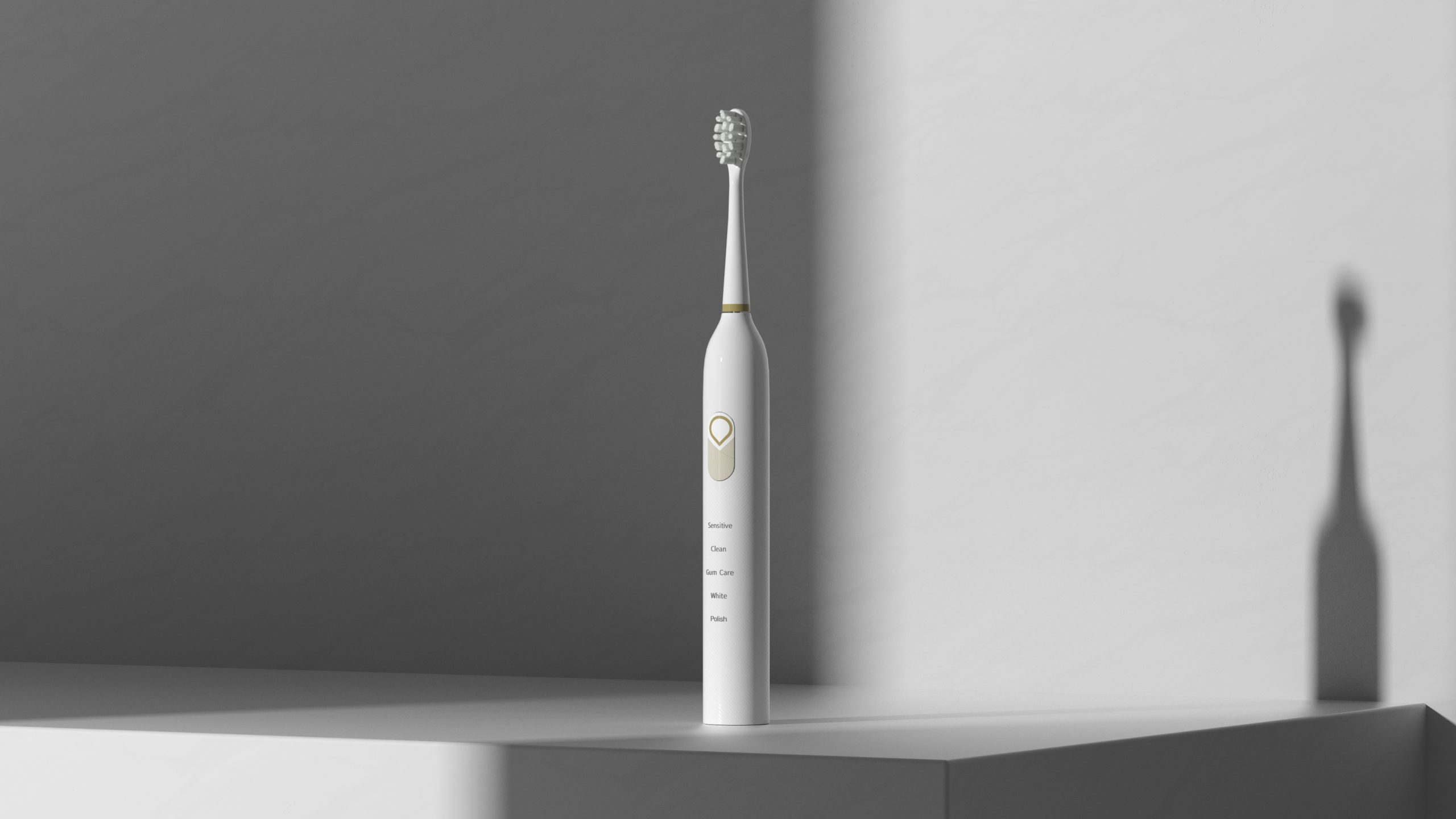
In the increasingly competitive oral care market, electric toothbrush brands must go beyond traditional marketing to capture consumer attention. Social media has become a powerful tool for connecting directly with target users, building trust, and driving conversions. Through effective social media to increase sales, brands can unlock new opportunities to expand their reach and grow sales.This blog outlines a 6-step strategy for manufacturers and brands, integrating oral care KOL cooperation, creative content, and a data-driven brand promotion strategy. Identify Target Audiences and Platform Preferences Before launching any campaign, brands need to define their ideal customer profiles—are they health-conscious millennials, parents buying for their children, or tech enthusiasts seeking the latest oral care innovation? Once personas are clear, choose the right platforms: Instagram & TikTok for visual storytelling and product demos YouTube for in-depth reviews and tutorials Facebook for community engagement and paid promotions Successful electric toothbrush social media marketing begins with meeting your audience where they spend their time. Leverage Oral Care KOL Cooperation Collaborating with oral care KOLs (Key Opinion Leaders) and influencers is one of the most effective tactics to build trust and generate authentic buzz. These influencers already have the audience—and the credibility—to recommend your brand. Types of collaborations include: Unboxing and…
.jpg)
In today’s competitive oral care market, electric toothbrush manufacturers face increasing demand for both functionality and sustainability. A crucial part of the product design process lies in the OEM shell process, which directly impacts durability, aesthetics, cost, and environmental footprint. As a professional electric toothbrush factory, selecting the right shell material during the OEM shell material process is critical. This blog provides a full OEM shell process comparison of ABS, PP, and bio-based plastics to help you make an informed choice. ABS – The Standard Choice in Electric Toothbrush Manufacturing ABS (Acrylonitrile Butadiene Styrene) is one of the most widely used materials in electric toothbrush shells. Its popularity stems from a solid balance of strength, rigidity, and processability. Advantages: High impact resistance Smooth surface finish, ideal for painting or UV coating Consistent in injection molding and mass production Disadvantages: Derived from petroleum, not environmentally friendly Heavier than other plastic options ABS remains the go-to option for premium-looking products with complex designs. It is still a favorite for many OEM projects seeking durability and a refined appearance in electric toothbrush shell customization. PP – A Lightweight and Cost-Effective Alternative Polypropylene (PP) is often used for more economical toothbrush models. It offers sufficient durability…
From a manufacturing perspective, achieving both aesthetics and functionality in toothbrush components is no small task. Electric toothbrush injection molding process requires precision and deep understanding to ensure consistent quality. In this blog, we will explore the core challenges in the precision injection molding customization of electric toothbrush parts, especially focusing on how to avoid common defects such as shrinkage marks and flash. We’ll also highlight crucial considerations in toothbrush mold design, material selection, and manufacturing techniques that electric toothbrush factories should pay close attention to. Understanding the Electric Toothbrush Injection Molding Process The electric toothbrush injection molding process involves injecting molten plastic into specially designed molds under high pressure. This process must be tightly controlled to meet aesthetic standards and mechanical strength requirements. For toothbrush manufacturers, achieving consistent dimensions, smooth surfaces, and reliable structural integrity is key. Any deviation, such as shrinkage or flash, not only affects appearance but can lead to assembly issues or user discomfort. Toothbrush Mold Design: The Foundation of Precision A high-quality toothbrush mold design is critical to success. Poorly designed parting lines, inadequate venting, or incorrect runner placement can lead to flash and shrinkage issues. Best practices in mold design include: Optimized gate placement to ensure uniform material…

In the rapidly evolving personal care industry, distributors of toothbrushes, electric oral devices, and related products face increasing pressure to meet market demand efficiently. A stable and responsive oral care supply chain is no longer a competitive advantage — it's a necessity. This guide will help oral care product distributors understand the essentials of building a stable, scalable, and transparent supply chain through solid supplier management and effective distributor cooperation strategies. Identify the Right Manufacturing Partners The foundation of a strong oral care supply chain begins with selecting trustworthy and capable manufacturers. Distributors should: Evaluate production capacity and quality control systems Check certifications (e.g., ISO, CE, FDA if applicable) Request case studies or client references Working with experienced oral care OEM/ODM suppliers ensures product consistency, production scalability, and timely delivery — key pillars of a reliable supply chain. Build Long-Term Supplier Management Systems Effective supplier management goes beyond procurement. It involves building strategic partnerships. Distributors should: Establish clear KPIs for lead times, defect rates, and communication response times Schedule regular audits and production feedback meetings Use software systems to track performance and inventory Stable supplier relationships minimize risk, reduce costs, and allow for more agile responses to market fluctuations. Diversify Supply Channels Without Compromising Quality To avoid…
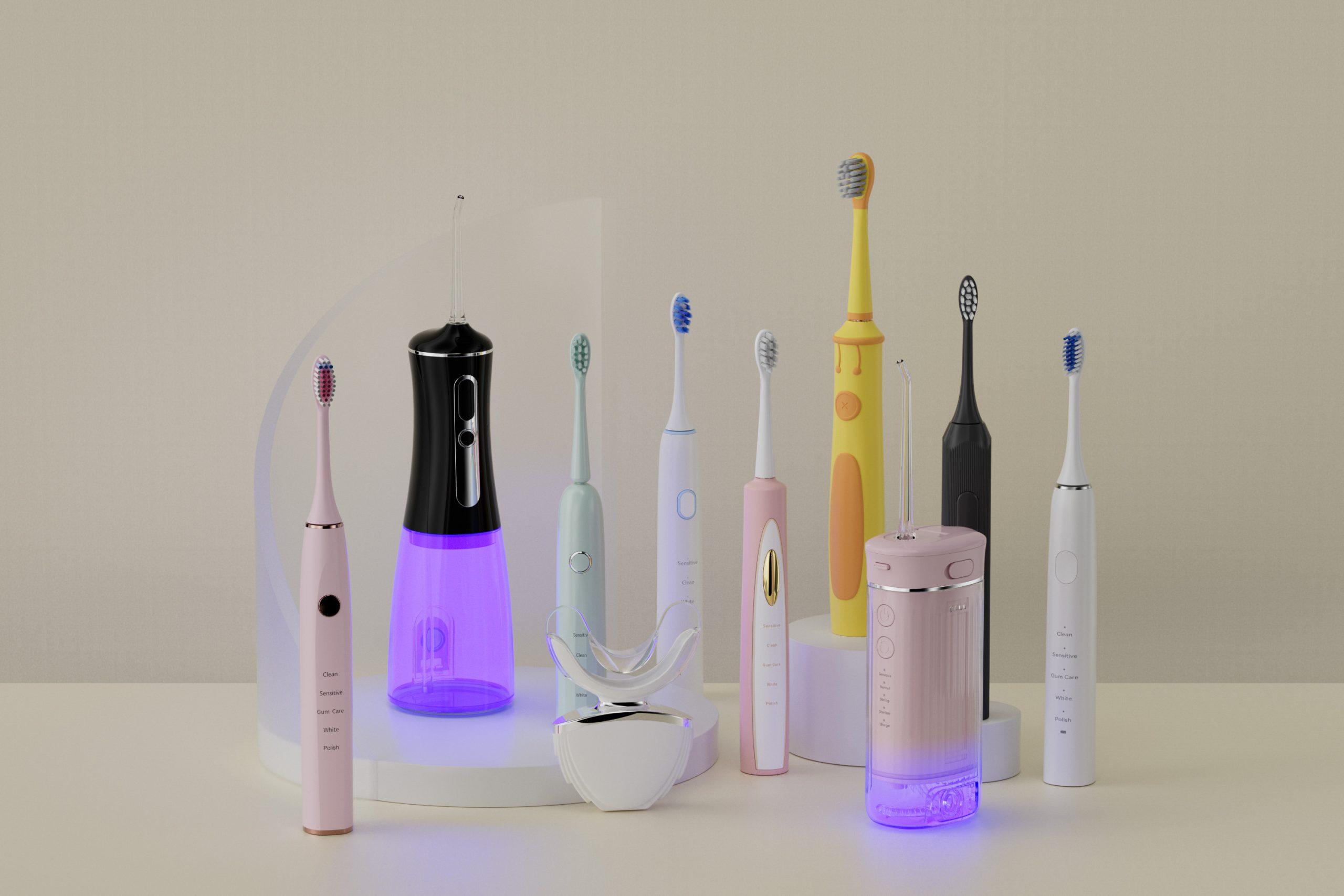
The oral care industry has witnessed rapid growth in recent years, driven by rising health awareness, technological advancements, and increasing demand for smart personal care products such as electric toothbrushes and oral irrigators. For manufacturers and brands, now is a pivotal time to focus on expand the global market. As competition intensifies locally, companies must look beyond borders. This blog outlines actionable strategies and practical market expanding tips to help oral care businesses succeed internationally—especially through emerging platforms like oral care cross-border e-commerce. Understand International Market Demand and Consumer Behavior Every region has unique consumer habits and product preferences. For successful global expansion: Conduct market research on oral care habits (e.g., preference for electric vs. manual toothbrushes, floss vs. oral irrigators) Study regulatory requirements (e.g., FDA, CE, CFDA) for product safety and certifications Tailor marketing to cultural expectations, such as packaging, language, and promotional messaging Understanding localized demand is the foundation of effective global market expansion. Leverage Cross-Border E-Commerce for Rapid Entry Oral care cross-border e-commerce platforms offer fast, scalable ways to enter new regions. Popular platforms include Amazon Global, Alibaba International, Shopee, and Tmall Global. Advantages: Low entry barriers (no physical retail setup required) Direct consumer feedback and data Quick adaptation…
.jpg)
In today’s consumer-driven market, oral care devices are no longer just functional tools—they’re lifestyle statements. A new generation of users, especially younger demographics, value both design and smart features. As a result, manufacturers must rethink the appearance design of electric toothbrushes to balance beauty, functionality, and tech integration. This article explores how the fusion of Macaron colors electric toothbrush designs and APP interconnectivity creates a winning premium strategy for smart toothbrush brands—while still offering affordable oral care options. The Role of Color in Product Differentiation: Why Macaron Colors Work Traditional electric toothbrushes often stick to clinical whites and silvers. However, this trend is shifting. The Macaron color electric toothbrush palette—pastel pinks, mint greens, sky blues, and lavender purples—evokes a sense of freshness, style, and personalization. Why this matters: Visual differentiation on shelves and e-commerce platforms Emotional connection with users, especially Gen Z and Millennials Increased shareability and “Instagrammability”, boosting organic brand exposure Adopting trendy colors is a cost-effective way to enhance perceived product value and appeal, an important element in today’s premium strategy for smart toothbrush offerings. APP Interconnection: Elevating Functionality Through Smart Design Modern consumers are increasingly looking for intelligent features in their personal care tools. APP connectivity is no longer a luxury—it’s becoming a…
When brush head compatibility is overlooked—whether due to minor dimensional mismatches or non-standard attachment interfaces—tiny gaps can form where cleaning fluid pools and evaporates, leading to hidden liquid residue buildup. Such residue not only harbors bacteria but also degrades performance over time. In this article, we explore six critical facets to help B2B manufacturers eliminate compatibility pitfalls and keep their devices hygienic and reliable. Dimensional Tolerance Mismatches Even slight deviations in brush-head stem diameter or locking-ring geometry prevent a snug fit: Micro-gaps form around the base where liquid seeps in and stagnates. Vibration-induced Looseness over time widens these gaps and accelerates residue accumulation. Cross-Brand Interchangeability often exacerbates the issue when parts aren’t optimized as a system. By tightening CNC machining tolerances and standardizing interface specs, these hidden voids can be eliminated. Material Absorption & Capillary Effects Material choices at the interface can promote fluid retention: Hydrophilic Plastics draw water into microscopic pores, trapping moisture at the joint. Surface Roughness at the mating faces creates capillary channels that wick liquid inward. Aging Polymers lose dimensional stability, opening new pathways for fluid migration. Switching to low-absorption, high-precision polymers and mirror-finish mating surfaces minimizes capillary residue buildup. Sealing & Secondary Retention Strategies Effective…
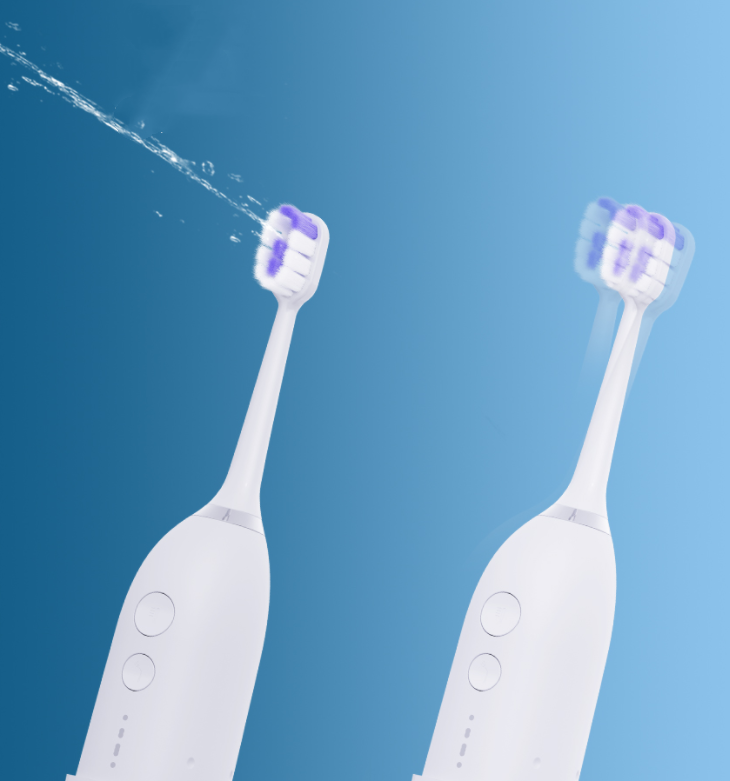
As consumer expectations evolve, the demand for multi-function oral care solutions has surged. Among the most innovative developments are two-in-one electric toothbrushes and oral irrigators—devices that combine brushing and water flossing in one compact unit. But are these hybrid devices truly the best option? In this guide, we provide a balanced analysis of the pros and cons of two-in-one electric toothbrushes and oral irrigators, offering insights for brands and manufacturers considering this category. https://www.powsmart.com/ Market Demand: Why Consumers Love Multi-Function Oral Care The modern consumer seeks efficiency, convenience, and space-saving design. A two-in-one electric toothbrush and oral irrigator caters perfectly to: Urban dwellers with limited bathroom space Travelers seeking compact oral care solutions Users desiring a simplified daily routine without compromising dental hygiene These trends drive growing interest from distributors and OEM partners to expand their product lines with multi-function oral care solutions. Advantages of Two-in-One Devices Let’s break down the key benefits of these hybrid solutions: Space Efficiency Combining two essential devices into one saves counter space and reduces clutter—ideal for modern, minimalist bathrooms. Cost-Effectiveness From a consumer perspective, buying one device instead of two can lower upfront costs. For brands, bundling features into a single SKU simplifies logistics. Travel Convenience Most…
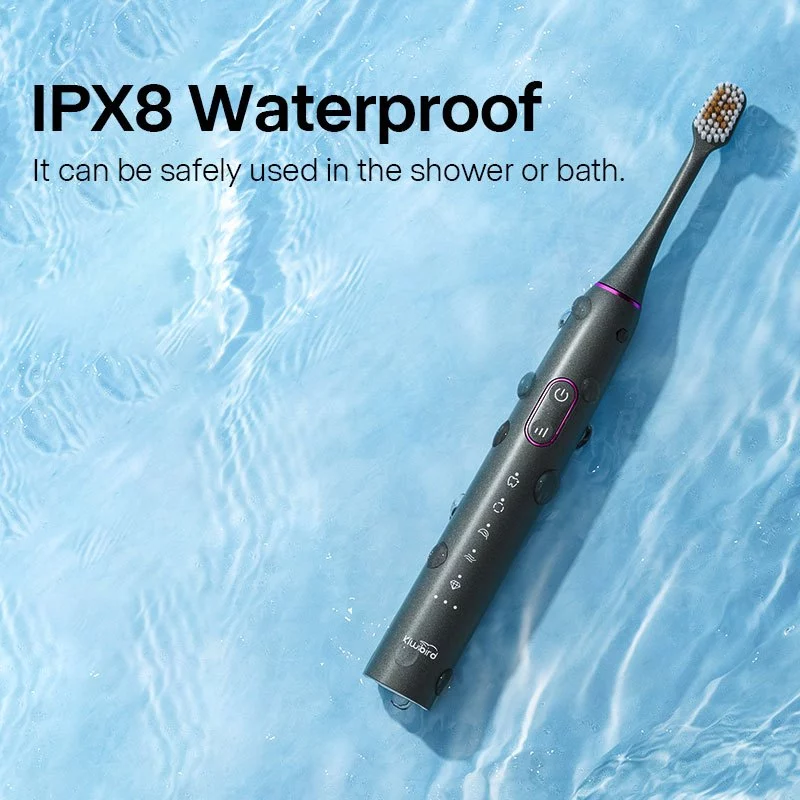
In today’s review-driven marketplace, common negative reviews of electric toothbrushes can directly affect brand reputation and sales performance. For any OEM or ODM electric toothbrush manufacturer, understanding the root causes of customer complaints and proactively solving them is not just important—it's essential. This article explores common quality issues, the most frequent negative feedback from end users, and how suppliers can implement effective solutions to quality issues of electric toothbrushes during product design and manufacturing stages. Weak Battery Life and Charging Failures User Complaint:“Battery dies too quickly” or “Won’t charge after a few weeks.” Common Quality Issue:Low-grade lithium batteries, poor charging port designs, or inadequate battery management systems. Supplier-Side Solution: Use high-quality, certified lithium batteries with tested charge cycles. Integrate intelligent battery management systems to prevent overcharging or deep discharge. Perform aging tests on power units during QC inspections. As a reliable electric toothbrush manufacturer, it’s critical to test battery systems under simulated daily use to avoid early failures. Motor Malfunction or Insufficient Vibration User Complaint:“Motor stopped working” or “Not strong enough to clean properly.” Common Quality Issue:Substandard motor components or poor assembly leading to motor disconnection or weak performance. Supplier-Side Solution: Source high-performance, durable micro motors from trusted suppliers. Reinforce internal motor…
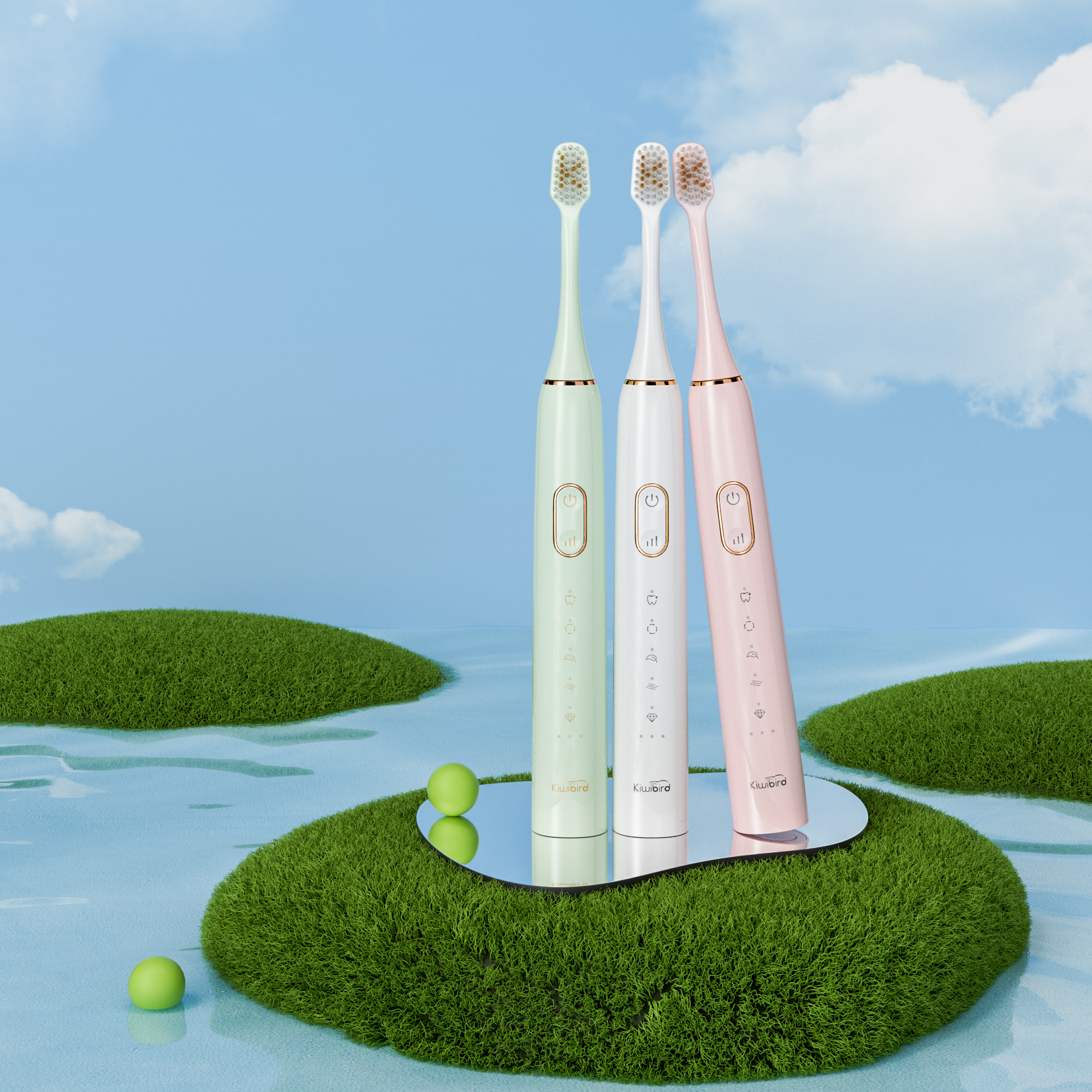
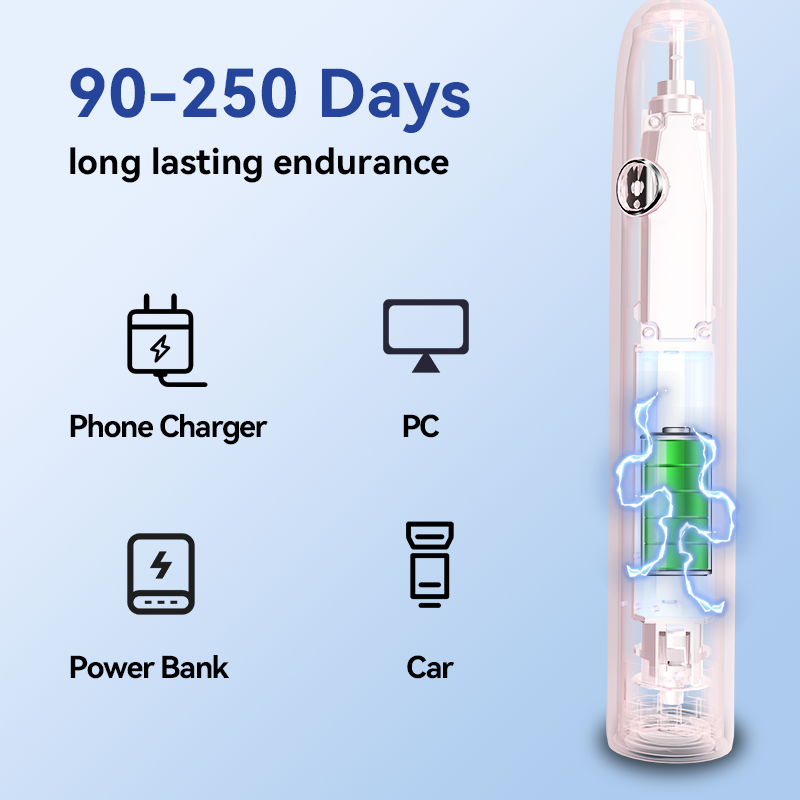
In today’s competitive oral care market, consumers expect more than just effective cleaning from their electric toothbrush—they expect convenience, reliability, and portability. A long endurance electric toothbrush has emerged as a powerful selling point, helping brands differentiate their products in crowded retail and e-commerce spaces. For B2B clients such as retailers, importers, and private label brands, partnering with a forward-thinking electric toothbrush manufacturer that prioritizes battery endurance can result in stronger market appeal and higher customer satisfaction. Consumer Lifestyle Demands: The Need for Less Frequent Charging Modern consumers lead busy, mobile lifestyles. They prefer devices that can keep up with their pace. A long-lasting electric toothbrush typically offers: Up to 30–60 days of use on a single charge Hassle-free morning routines without daily recharging Peace of mind during travel or outdoor use This benefit strongly resonates with end users and increases perceived value, especially in premium and mid-range markets. Lithium Battery Technology: Powering Endurance and Efficiency At the heart of every long-endurance toothbrush is advanced lithium battery technology. Compared to traditional NiMH batteries, lithium batteries offer: Higher energy density Faster charging time Longer lifespan Lightweight design Professional electric toothbrush manufacturers increasingly use lithium-ion or lithium-polymer cells to power high-performance, compact devices that meet today’s…


.jpg)
.jpg)
.jpg)
.jpg)
.jpg)



.jpg)