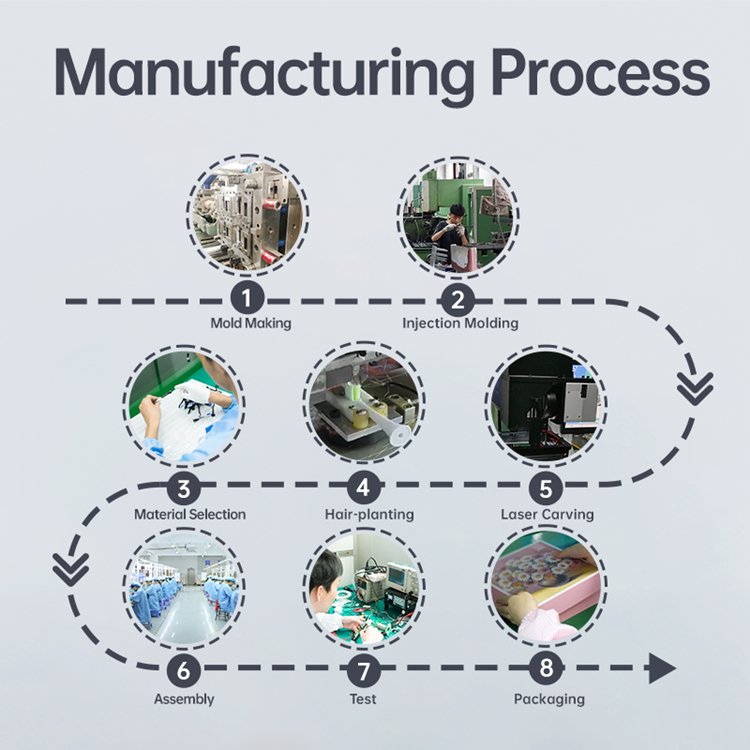
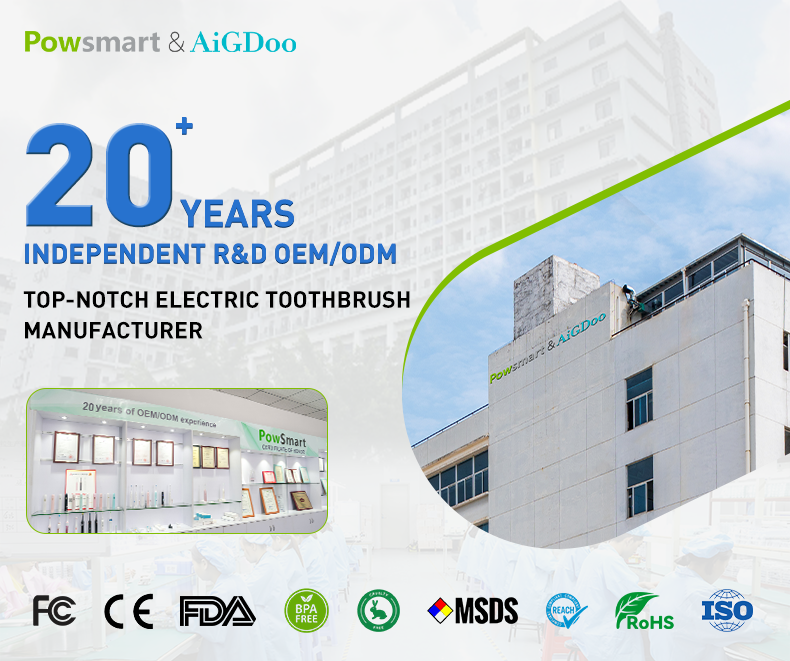
.jpg)
In the world of advanced oral hygiene devices, bristle deformation and nozzle clogging may seem like minor issues—but they represent two of the most overlooked factors impacting cleaning efficiency and long-term oral health. For OEM partners, recognizing the consequences of these quality pitfalls is crucial to product reliability and brand integrity. Bristle Deformation: The Invisible Efficiency Killer When toothbrush bristles lose their original shape—either by bending, fraying, or flattening—their ability to sweep away plaque diminishes dramatically. Bristle deformation commonly results from: Use of low-resilience filament materials High brushing force by users Inadequate tufting techniques Exposure to excessive heat or chemicals during production or usage Over time, distorted bristles not only reduce contact with tooth surfaces but can also irritate gums or fail to clean interdental spaces, undermining the very function the brush was designed for. Impact on Oral Hygiene Performance Deformed bristles deliver uneven pressure, resulting in: Missed plaque on molar grooves and gum lines Risk of enamel erosion from exposed filament ends Increased bacterial buildup due to reduced mechanical scrubbing For B2B buyers and ODM brands, this translates into higher return rates and lower customer satisfaction—especially in premium product segments that promise “deep clean” performance. Nozzle Clogging in Water…
In the manufacturing of personal oral care devices, charging failure and tank odor may appear to be unrelated issues. However, recent field reports and internal quality audits reveal a surprising correlation—especially in water flossers and multifunctional electric devices. These two symptoms often occur simultaneously, signaling a deeper systemic flaw in device design or material interaction. Moisture Ingress: The Common Root of Dual Failures One of the primary causes linking charging failure and tank odor is moisture ingress. When the sealing integrity between the tank and the electrical housing is compromised—even slightly—water vapor can penetrate into the internal circuitry. This results in: Corrosion of charging contacts Battery oxidation or short circuits Microbial growth within warm, humid tanks In many cases, a user may notice an unpleasant smell from the tank just days before the device fails to recharge—a subtle but telling warning. Material Selection: Unseen Chemical Interactions Another contributing factor lies in subpar material selection. Low-grade plastics used in the tank or inner components can leach chemicals when exposed to repeated moisture and temperature fluctuations. These materials: Promote bacterial colonization, intensifying tank odor Release acidic byproducts that interfere with charging board function May emit volatile compounds that corrode internal electronics over…
In the competitive market of electric oral care products, mode malfunction and pulse instability are two issues that are often overlooked—until they begin to erode overall device stability and consumer trust. Although these two failures may appear isolated, they are frequently symptoms of deeper flaws in design, firmware control, or component compatibility. The Hidden Role of Mode Malfunction in Product Failure Mode malfunction refers to the improper switching, freezing, or unintended behavior of pre-set cleaning modes. This issue often stems from: Faulty microcontroller firmware Inconsistent voltage supply Substandard mode-selector buttons or PCB contact points A mode malfunction does more than disrupt the user experience—it can lead to incomplete cleaning cycles, overuse of sensitive settings, or total system lockout, all of which severely undermine product credibility. Pulse Instability: More Than Just a Comfort Issue While some manufacturers dismiss pulse instability as a user comfort concern, its implications are far more serious. A stable pulse frequency is critical to: Effective plaque removal User gum safety Internal motor balance and longevity Pulse irregularities can result from degraded sensors, power surges, or inconsistent motor performance. Over time, they contribute to wear and tear that accelerates device failure and customer returns. The Interconnection: When One…

As consumer expectations around personal health rise, the oral care sector is experiencing a clear transformation. One of the standout trends is the rise of the Smart Electric Toothbrushes. These high-tech products are no longer limited to premium markets—they are rapidly becoming the standard. For oral care brands, responding to this demand requires collaboration with a tech-driven oral care supplier that can deliver advanced, customized solutions. This blog provides insight into why smart toothbrushes are gaining momentum and what brands should look for in a reliable innovative toothbrush factory manufacturer. Rising Consumer Awareness of Oral Health Consumers are now more educated than ever about oral hygiene's link to overall health. They seek tools that offer efficiency, accuracy, and data. A Smart Electric Toothbrush meets this demand by offering features such as: Real-time brushing feedback via apps Pressure sensors to prevent gum damage AI-powered brushing habit tracking Bluetooth integration and cloud-based data analysis These features make smart toothbrushes not just functional but essential in consumers' personal care routines. As a result, brands looking to stay competitive need to include smart oral care options in their product lineup. The Role of Smart Technologies in Oral Care Devices The integration of smart technologies in oral care…
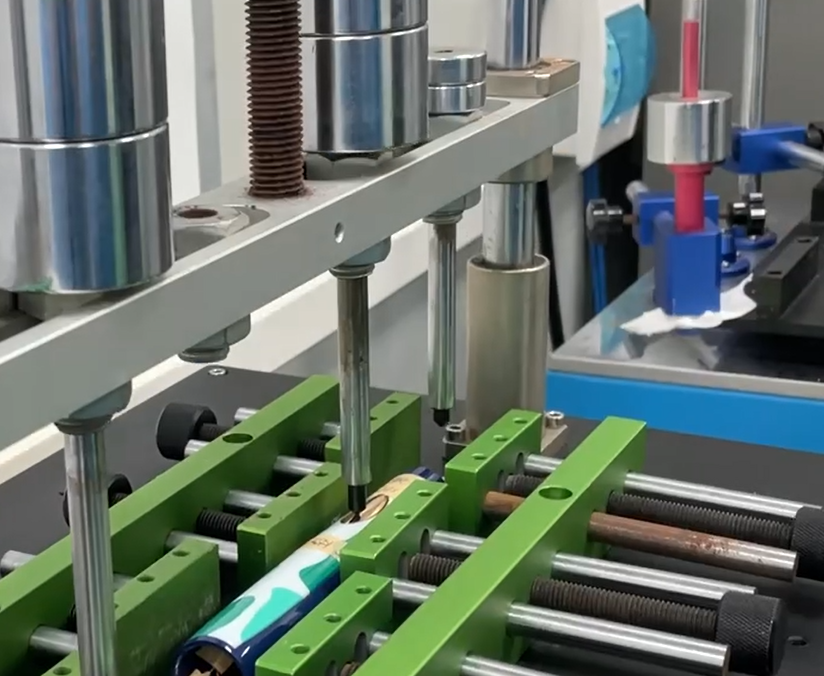
In today’s competitive oral care market, brand success often hinges on product quality, innovation, and speed to market. For brands looking to expand their presence with a Smart Electric Toothbrush line, choosing a high-quality Electric Toothbrush Factory is a crucial decision. The right partner doesn’t just manufacture your products—they help shape your brand’s reputation and future. This article offers a step-by-step guide for oral care brands to identify the right tech-driven oral care supplier for their business, with insights into what makes an innovative toothbrush factory manufacturer stand out. Define Your Product and Market Needs Before contacting any factory, you need a clear understanding of your own brand’s needs: Are you launching a premium Smart Electric Toothbrush with app connectivity? Do you need a simple yet reliable OEM electric toothbrush model for entry-level markets? What certifications (FDA, CE, ISO) must the factory support? Knowing your positioning and technical requirements ensures better communication with potential partners and helps in user-targeted oral care manufacturing planning. Key Qualities of a High-Quality Electric Toothbrush Factory When evaluating potential manufacturers, prioritize these attributes: Strong R&D Capabilities: An innovative toothbrush factory manufacturer should have in-house product development, circuit design, and firmware capabilities to support smart features. Production Precision: Look for factories with automated assembly…
In the fiercely competitive oral care market, motor noise and pump noise are often underestimated factors that significantly impact the overall user experience. While performance, functionality, and design are primary selling points, excessive operational noise can quickly erode consumer satisfaction and brand reputation. Understanding how these noise sources originate and affect end-users is crucial for manufacturers striving for excellence. The Hidden Impact of Motor Noise on Daily Use A key contributor to an unpleasant user experience is excessive motor noise. Motors, especially in electric toothbrushes and water flossers, are expected to deliver smooth, quiet performance. However, factors such as: Low-grade motor components Poor bearing quality Inadequate sound insulation can lead to high-pitched whining or grating noises. This unwanted sound becomes especially disruptive in morning or late-night use, making products feel "cheap" or unreliable, regardless of their actual cleaning efficiency. The Problem of Pump Noise in Water Flossers Similarly, pump noise is a critical pain point for water flosser users. When the internal water pump generates loud vibrations or humming, it can: Disturb household members Make the product unsuitable for shared living spaces Lead to user fatigue due to sensory overload These discomforts reduce the willingness of consumers to use the…
In the field of oral care appliances, particularly water flossers and electric toothbrushes, Head Loosening and Filter Fouling are two hidden but serious problems that can directly undermine cleaning efficiency. When manufacturers overlook these factors in product design or production, the result can be poor cleaning performance, reduced consumer satisfaction, and higher return rates. How Does Head Loosening Occur? Head Loosening typically results from repeated usage, subpar material selection, or improper assembly techniques. When the brush head or flosser nozzle is not tightly secured to the main body: Vibration transmission weakens cleaning force. Inconsistent water or bristle pressure impacts debris removal. The user may need to apply excessive force, increasing discomfort. Such defects cause loss of mechanical energy, reducing the device’s intended cleaning effectiveness while simultaneously damaging consumer trust in the product's quality. The Overlooked Problem of Filter Fouling Filter Fouling is another major factor that reduces performance but is often underestimated during design and testing phases. Filters in water flossers are designed to prevent debris and contaminants from entering the water stream, but over time: Mineral buildup from hard water Accumulation of biofilm or mold Trapped food particles can clog the filters, leading to decreased water flow, reduced spray…
In the manufacturing of high-performance electronic devices, two issues often come under scrutiny—Runtime Drop and Thermal Failure. While these problems may appear independent at first glance, deeper technical analysis reveals that they are, in fact, closely interrelated. Understanding the relationship between runtime decline and thermal stress is critical for OEM and ODM partners who demand reliability, safety, and durability in their products. What is Runtime Drop? Runtime Drop refers to the unexpected reduction in operational time of battery-powered devices such as electric toothbrushes, water flossers, or portable appliances. When the runtime does not meet the expected or rated duration, it causes end-user dissatisfaction and increases warranty returns. This can be caused by various factors—such as battery degradation, increased internal resistance, or external environmental conditions. However, an often-overlooked contributor to runtime drop is thermal stress. Excessive heat generation within the device during operation can accelerate battery aging, directly reducing usable capacity and causing runtime to shorten over time. What is Thermal Failure? Thermal Failure happens when a device or component fails to manage or dissipate heat effectively, resulting in overheating. This condition not only risks immediate functionality loss but may also lead to permanent damage of internal parts—such as PCB warping,…
In the production of battery-powered devices, two critical issues that can significantly affect product reliability are Battery Leakage and Valve Sticking. While they might seem unrelated at first glance, battery leakage can directly lead to valve malfunction and sticking, ultimately compromising the performance and lifespan of the entire device. Understanding this connection is essential for OEM and ODM partners striving for quality, consistency, and customer satisfaction. What is Battery Leakage? Battery Leakage occurs when electrolytes or other chemical substances escape from the battery casing. This leakage can be caused by various factors such as overcharging, deep discharge, manufacturing defects, or prolonged storage in unsuitable environmental conditions like high humidity or extreme temperatures. When battery leakage happens, the leaked substance can corrode nearby components, affect circuit boards, and even cause safety hazards. In sealed systems such as electric toothbrushes, water flossers, or medical devices, leaked battery fluids often reach mechanical parts—including delicate valves—causing unintentional side effects such as Valve Sticking. Understanding Valve Sticking in Precision Devices Valve Sticking refers to the failure of a valve to open or close smoothly, resulting in restricted or uncontrolled fluid or air flow. In consumer or medical devices that depend on precise fluid delivery (like…
In the design and manufacture of electronic devices, particularly those intended for portable or high-performance applications, Vibration Weakening and Circuit Short are two critical risk factors that can significantly impact product reliability and safety. While these issues are often analyzed separately, recent failure analyses suggest a strong connection between vibration-induced mechanical wear and the increased likelihood of electrical short circuits. For OEM and ODM manufacturers, understanding this relationship is crucial to minimizing defect rates and ensuring long-term product durability. What is Vibration Weakening? Vibration Weakening refers to the gradual reduction in structural or mechanical integrity of components due to continuous or repeated exposure to vibration. This phenomenon is common in battery-powered portable devices such as electric toothbrushes, grooming tools, or industrial handheld equipment. Frequent vibration can loosen screws, degrade solder joints, wear down plastic mounts, and shift internal assemblies out of alignment. As the internal structure becomes unstable, the device may experience performance degradation, audible noise, and even malfunction. Understanding Circuit Short A Circuit Short (short circuit) occurs when an unintended connection forms between two conductive paths, allowing current to bypass its designated route. This can cause excessive current flow, overheating, and potentially catastrophic failures such as component burn-out or…
In the world of high-precision electronic and mechanical devices, unexpected problems such as Contact Oxidation and Weak Pressure can severely impact overall product performance and end-user satisfaction. Many OEM and ODM partners are beginning to realize that these two seemingly unrelated issues may, in fact, be closely connected. Understanding how electrical contact quality can influence mechanical output like pressure stability is critical for improving the durability and reliability of modern devices. What is Contact Oxidation? Contact Oxidation refers to the formation of an insulating oxide layer on metallic contact surfaces, typically resulting from exposure to oxygen, humidity, or contaminants over time. In battery-powered or electrically actuated devices, contact oxidation can occur at the battery terminals, PCB connectors, motor brushes, or micro-switches. As oxidation builds up, the electrical conductivity at these points decreases, leading to increased resistance and inconsistent power delivery. This seemingly minor issue in the electrical system can ripple through the device’s operation—ultimately affecting mechanical systems that depend on stable electrical input to function correctly. Defining Weak Pressure in Powered Devices Weak Pressure occurs when a device fails to generate or maintain its intended mechanical force—such as air pressure, water pressure, or hydraulic pressure. In consumer appliances like water…
As water flossers gain popularity for daily oral care routines, concerns around battery leakage and overheating risks have started surfacing across consumer platforms and return reports. For B2B manufacturers, these issues are more than isolated defects—they represent systemic challenges tied to design, assembly, and quality control. This blog explores the engineering and safety implications behind battery-related failures and what proactive steps can be taken to mitigate them. Why Battery Safety Matters in Compact Oral Devices Water flossers rely on rechargeable lithium-ion or NiMH batteries for portability and power. However, due to the compact, moisture-prone environments these devices operate in, battery integrity becomes highly vulnerable. Unlike larger electronics, there's limited room for heat dissipation, and inadequate sealing can directly contribute to battery leakage and overheating risks, often simultaneously. Root Causes of Battery Leakage in Water Flossers Battery leakage typically results from: Poor sealing or waterproof failure in the internal housing Low-quality cell materials that degrade over cycles Exposure to high humidity inside the tank compartment Improper charging behavior not safeguarded by BMS (Battery Management System) Once a battery starts leaking, it not only reduces device performance but may also corrode circuit boards, damage surrounding components, and cause unpleasant odors—leading to a…
Hose cracks in water flosser devices are an often underestimated issue that can silently lead to water pressure instability, user dissatisfaction, and even safety concerns. For manufacturers and OEM/ODM suppliers, understanding and preventing this problem is essential to maintaining product performance, quality reputation, and customer trust. What Causes Hose Cracks in Water Flossers? Hose cracks typically result from a combination of mechanical stress and environmental degradation. Common contributing factors include: Repeated bending and torsion from daily usage Poor-quality thermoplastic elastomers or PVC materials Exposure to high water temperatures or disinfectants Aging and material fatigue in long-term storage conditions Over time, these cracks may begin microscopically, eventually leading to visible rupture or sudden hose failure under pressure. How Do Hose Cracks Lead to Water Pressure Instability? Once hose integrity is compromised, water pressure instability becomes inevitable. The internal pressure becomes uneven, resulting in: Interrupted or weak water pulses, affecting flossing efficiency Backflow or leakage around cracked areas Fluctuating spray that fails to reach target zones in the mouth Increased motor strain, potentially reducing device lifespan This undermines the core functionality of the device and leads to higher customer complaints or returns.Company web: :https://www.powsmart.com/product/electric-toothbrush/ Early Warning Signs Manufacturers Should Not Ignore Detecting…
Post-surgery risks in dental and oral care are highly sensitive issues, and unexpected jaw discomfort caused by oral care devices can significantly complicate recovery. This is a growing concern for medical professionals and device manufacturers alike, as seemingly minor discomfort may exacerbate healing complications or delay tissue regeneration. Understanding this link is crucial for designing safer, surgery-compatible oral hygiene products. Why Jaw Discomfort Matters More in Post-Operative Recovery After oral or maxillofacial surgery—whether wisdom tooth extraction, implant placement, or jaw alignment—patients are in a delicate healing phase. Devices that apply unnecessary pressure to the jaw, such as electric toothbrushes with aggressive vibration, can: Aggravate inflammation at surgical sites Trigger TMJ (temporomandibular joint) flare-ups Cause bruxism-like pain or cramping during brushing Extend the patient’s recovery timeline Therefore, even light jaw discomfort becomes a serious contributor to post-surgery risk profiles. Design Features That May Intensify Jaw Pressure Many post-operative patients report that certain electric toothbrushes and oral irrigators inadvertently worsen their condition. Key design flaws include: High amplitude vibration motors that create side pressure Heavy or non-ergonomic brush handles that require extra grip force Large brush heads that require wider mouth opening Poorly balanced weight distribution, increasing strain on jaw joints Manufacturers…
In the increasingly competitive smart oral care market, reliability and consistency are expected as the baseline. However, users and industry auditors alike are raising concerns about simultaneous mode confusion and timer malfunction in some electric toothbrush models. These issues not only disrupt user experience but can severely impact brand trust and compliance in clinical and export markets. Understanding the Dual Problem: Mode Confusion + Timer Malfunction Most high-end electric toothbrushes offer multiple brushing modes—whitening, sensitive, gum care, etc.—alongside built-in timers to guide users toward optimal brushing time. Yet, when brushing modes switch erratically or timers fail to signal accurately, the entire brushing session becomes ineffective or even uncomfortable. This dual malfunction often goes unnoticed in early QC but becomes highly visible during consumer use, leading to frequent complaints and high return rates. Root Causes Behind Mode Confusion Mode confusion refers to inconsistent behavior in brushing patterns: skipping modes, randomly switching intensity levels, or failing to respond to user input. The common technical triggers include: Unstable PCB logic or firmware conflicts Cross-interference in button circuits due to poor internal layout Low-quality tactile switches that trigger unintended inputs Incomplete mode memory logic, causing resets after each use These malfunctions not only disrupt…
With the continuous oral care industry upgrade, global consumers are becoming more health-conscious and tech-savvy. This shift is accelerating demand for innovative, reliable, and personalized oral care product options such as electric toothbrushes and oral irrigators. For oral care brands, finding the right manufacturing partner—especially high-quality electric toothbrush factories—is critical to staying competitive in this fast-changing market. Understand the Current Trends in Oral Care Consumption Before seeking cooperation, it’s important to understand trends in oral care consumption. Today’s consumers demand more than just functionality—they expect intelligent features, sleek designs, and sustainable materials. The rise of smart devices, travel-ready designs, and kid-friendly oral care tools has redefined what successful oral care OEM partnerships should deliver. A factory that understands these trends can offer better product insight and adaptability, ultimately supporting your brand’s long-term growth. Define Your Product Needs: Standard vs. Customized Electric Toothbrush Not all factories offer the same level of flexibility. Do you need a basic, ready-to-ship model, or are you developing a customized electric toothbrush with unique branding, smart features, or special materials? Standard Products: Quicker turnaround and lower cost. Customized OEM/ODM: Requires more R&D capability but offers brand differentiation. Clarity in product direction helps you filter suppliers early and align with…
In the world of electric oral care devices, user comfort is closely tied not only to cleaning performance but also to acoustic experience. However, an increasing number of noise complaints are now being traced back to a lesser-known issue: handle corrosion. What appears to be a simple design flaw can, over time, evolve into a serious quality concern affecting both user satisfaction and product longevity. Where Function Meets Frustration: How Handle Corrosion Leads to Unusual Noise At first glance, handle corrosion may seem purely cosmetic. But when internal metal components within the handle oxidize—particularly around the motor mounts, drive shafts, or screw fixtures—it creates micro-vibrational shifts. These inconsistencies often result in unexpected mechanical buzzing, rattling, or high-pitched noise, especially during high-speed operation. Over time, this seemingly minor noise becomes a major customer service headache—especially for premium models expected to deliver a smooth, quiet experience. Root Causes of Handle Corrosion in Electric Devices Handle corrosion often stems from overlooked factors during design or assembly, including: Improper sealing at connection points, allowing moisture ingress Use of low-grade alloys or untreated metals for internal brackets Residue from chemical cleaning agents during assembly or consumer use Inadequate ventilation design, which traps condensation inside the…
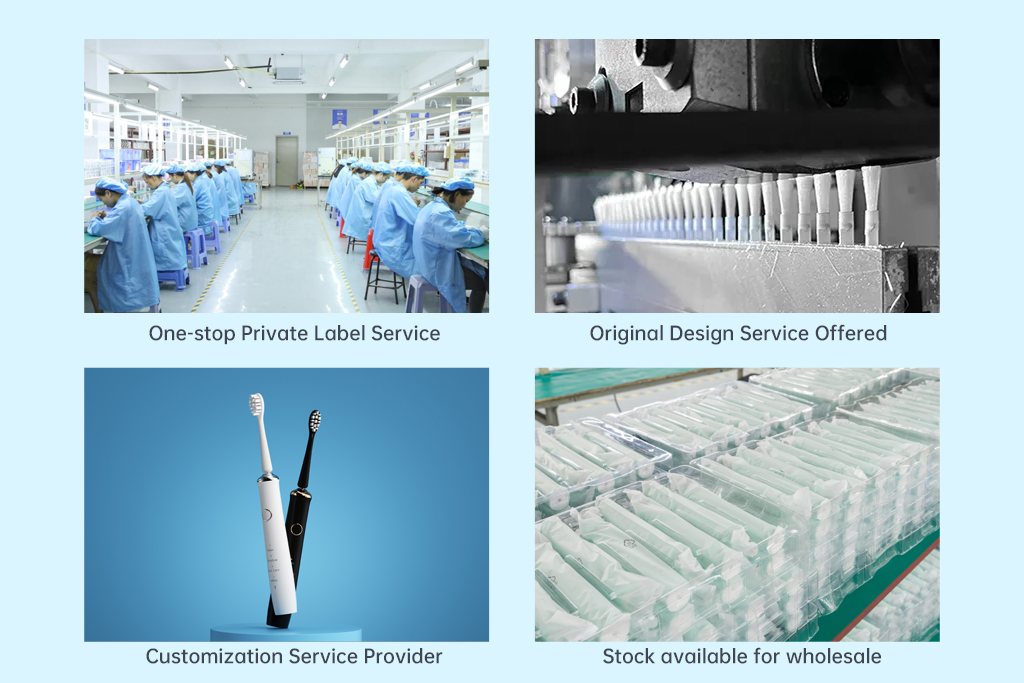
In the rapidly evolving oral care industry, ultraviolet sterilizing water flosser is emerging as the next big trend. Combining the cleaning power of traditional water flossers with UV sterilization technology, these devices appeal to hygiene-conscious consumers seeking more advanced and sanitary solutions. For oral care brands, the question is no longer whether to offer this type of product, but how to find the right water flosser factory to bring their ideas to market. This blog will explore current trends and provide brand owners with a practical guide on how to select water flosser factories that meet their quality, innovation, and customization needs. The Rise of Ultraviolet Sterilizing Water Flossers Consumer awareness of personal hygiene has reached new heights, especially post-pandemic. The demand for high-performance oral devices that go beyond basic cleaning is driving growth in the ultraviolet sterilizing water flosser segment. Unlike standard models, these flossers use built-in UV-C light to sterilize the nozzle or water tank, effectively reducing bacterial growth and ensuring safer daily use. This makes them highly attractive for premium product lines, positioning them as a must-have in modern oral care manufacturing portfolios. What Brand Owners Should Look For in a Water Flosser Factory Choosing the right water flosser factory is critical to product success. Brand…
In the world of oral irrigators, compatibility confusion during nozzle replacement is emerging as a silent quality pitfall. While end-users may perceive this as a minor inconvenience, B2B buyers understand its serious implications: customer dissatisfaction, increased return rates, and product line inconsistencies. Understanding the root causes behind mismatched parts and irregular nozzle replacement frequency is key for both manufacturers and brand owners to avoid long-term losses. The Hidden Risks Behind Compatibility Confusion At first glance, nozzle replacement should be a straightforward process. However, incompatibility between new nozzles and existing devices—especially across SKUs or production batches—has led to a surge in user complaints. Key contributing factors include: Inconsistent nozzle locking mechanisms Varying diameters across models Lack of standardization in fitting design Absence of clear labeling or identification codes This type of compatibility confusion often results in users forcing the wrong parts, damaging internal pump mechanisms, or abandoning the device altogether. Nozzle Replacement Frequency: A Quality Control Indicator The nozzle replacement frequency also acts as a proxy for quality assurance. Ideally, a nozzle should maintain its performance (spray pattern, flow rate, seal integrity) for at least 3 months. However, early wear due to substandard materials, poor ultrasonic bonding, or structural fatigue can:…
In the competitive landscape of oral care devices, user adaptation has become a critical metric of product success. Surprisingly, one of the most overlooked factors hindering smooth adaptation is improper angle use. When devices are not ergonomically aligned with user behavior, even advanced technologies may fail to deliver intended results—leading to frustration, poor compliance, and product abandonment. The Angle Problem: Where Design and Usability Collide While many assume that users will instinctively adopt the correct brushing or flossing angle, clinical data shows otherwise. Improper angle use, especially with power toothbrushes and water flossers, often leads to: Incomplete plaque removal Gum line irritation Discomfort in wrist or jaw movement This, in turn, delays user adaptation, especially for first-time electric brush or flosser users. Products that demand awkward wrist positioning or lack clear angling cues increase the cognitive load during daily use. Why Improper Angle Use Persists Across Demographics Improper angle use isn’t limited to elderly or pediatric users—it spans across all consumer groups. Common contributing factors include: Poor handle ergonomics Lack of user education or unclear user manuals Overly slim or thick brush necks Non-intuitive brush head orientation Without thoughtful design intervention, users must rely on trial-and-error, prolonging adaptation time and…


.jpg)
.jpg)
.jpg)
.jpg)
.jpg)



.jpg)