
In the oral care industry, reports of pulp irritation coupled with allergic reactions during whitening or cleaning treatments are increasingly concerning. While these two issues often appear independently, their combined occurrence raises critical safety questions. Does this combination indicate a product emergency? Let’s explore the root causes and manufacturing solutions.
Pulp irritation refers to inflammation or discomfort of the tooth’s inner pulp tissue. It generally results from:
Pulp irritation leads to sharp pain or lingering sensitivity, often indicating compromised enamel or dentin barriers.
Allergic reactions during oral treatments can manifest as gum swelling, redness, itching, or even systemic responses such as rashes. These reactions typically stem from:
When combined with pulp irritation, allergic symptoms may be misdiagnosed as general oral discomfort, delaying proper intervention. Company web:https://www.powsmart.com/product/electric-toothbrush/
Although pulp irritation and allergic reactions are distinct phenomena, they can be linked by:
In defective products, co-occurrence indicates a multi-level quality failure, from formulation to material selection.
In clinical terms:
Their combination, while not always life-threatening, constitutes a medical safety risk requiring immediate action:
Thus, manufacturers should treat such reports as emergency-level customer complaints.
Preventing pulp irritation and allergic reactions demands:
Such measures ensure user safety while strengthening product compliance and reliability.
Ignoring the combined risk of pulp irritation and allergic reactions leads to:
Proactive formulation optimization and material safety verification protect both users and manufacturers from preventable harm.
Is the combination of pulp irritation plus allergic reactions an emergency? In B2B terms, yes. It signals a multi-source safety defect requiring urgent formulation review, material auditing, and process correction. Leading brands must take a zero-tolerance stance on these co-occurring defects to protect consumer health and market credibility. Contact us
.jpg)
An Essential Ingredient for Success in the Dental Care Brand Business
.jpg)
Electric Toothbrush Design and Tooling Factory
Water Flosser for Salivary Stones
Oral care beauty trend :How Oral Care Became Beauty’s Sexiest New Category
Ultra Soft Bristle Electric Toothbrush Supplier: Gentle Cleaning for Sensitive Oral Care
Oral care wholesaler Bristol
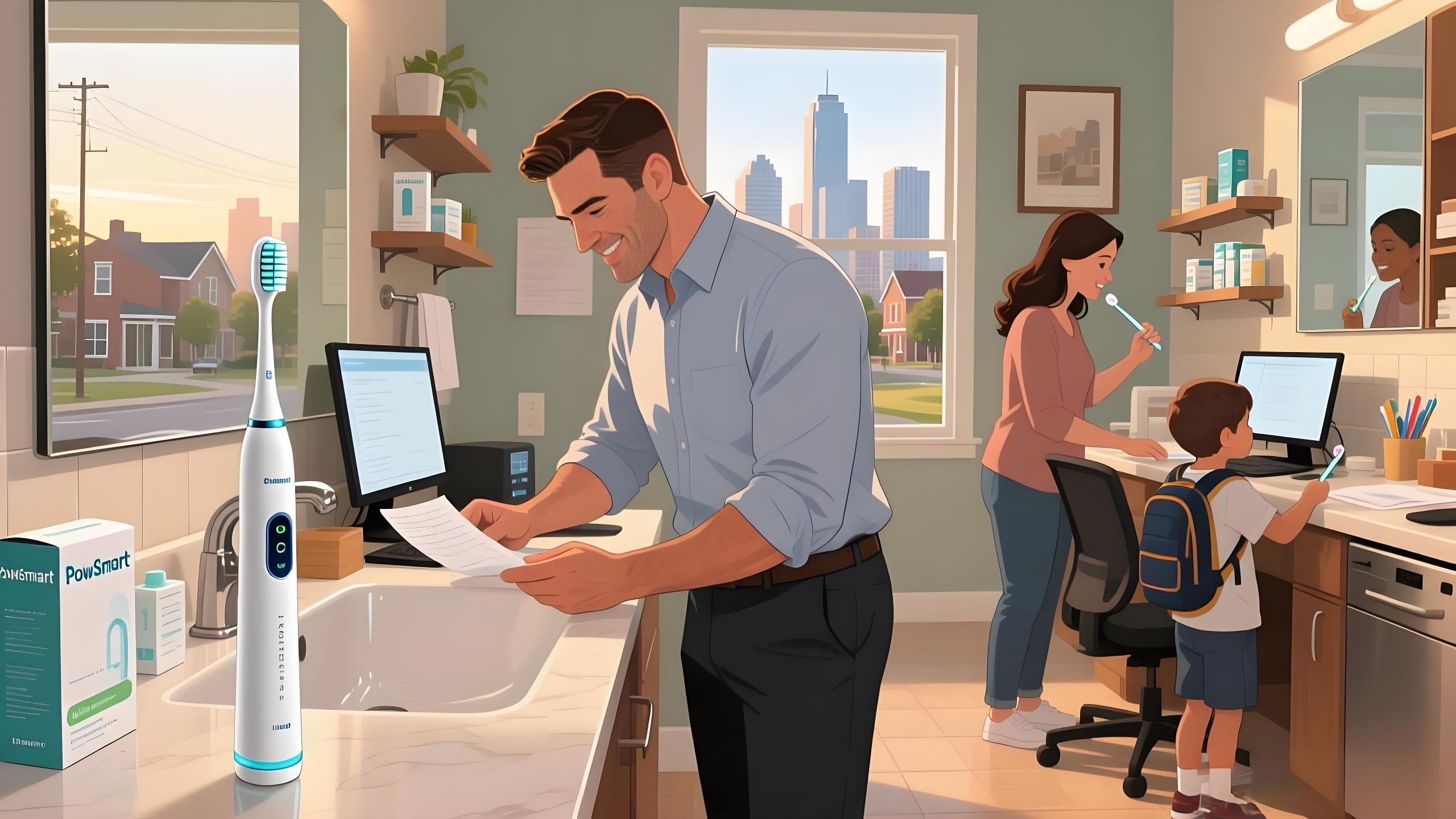
New York Electric Toothbrush Retailer Sources Electric Toothbrush from PowSmart Manufacturer in China

Why Put an Edge AI Inference Chip Inside an Adaptive Counterfeit Detector for Brush Heads?
Electric Toothbrush Durability Design OEM: Long-Term Performance Solutions
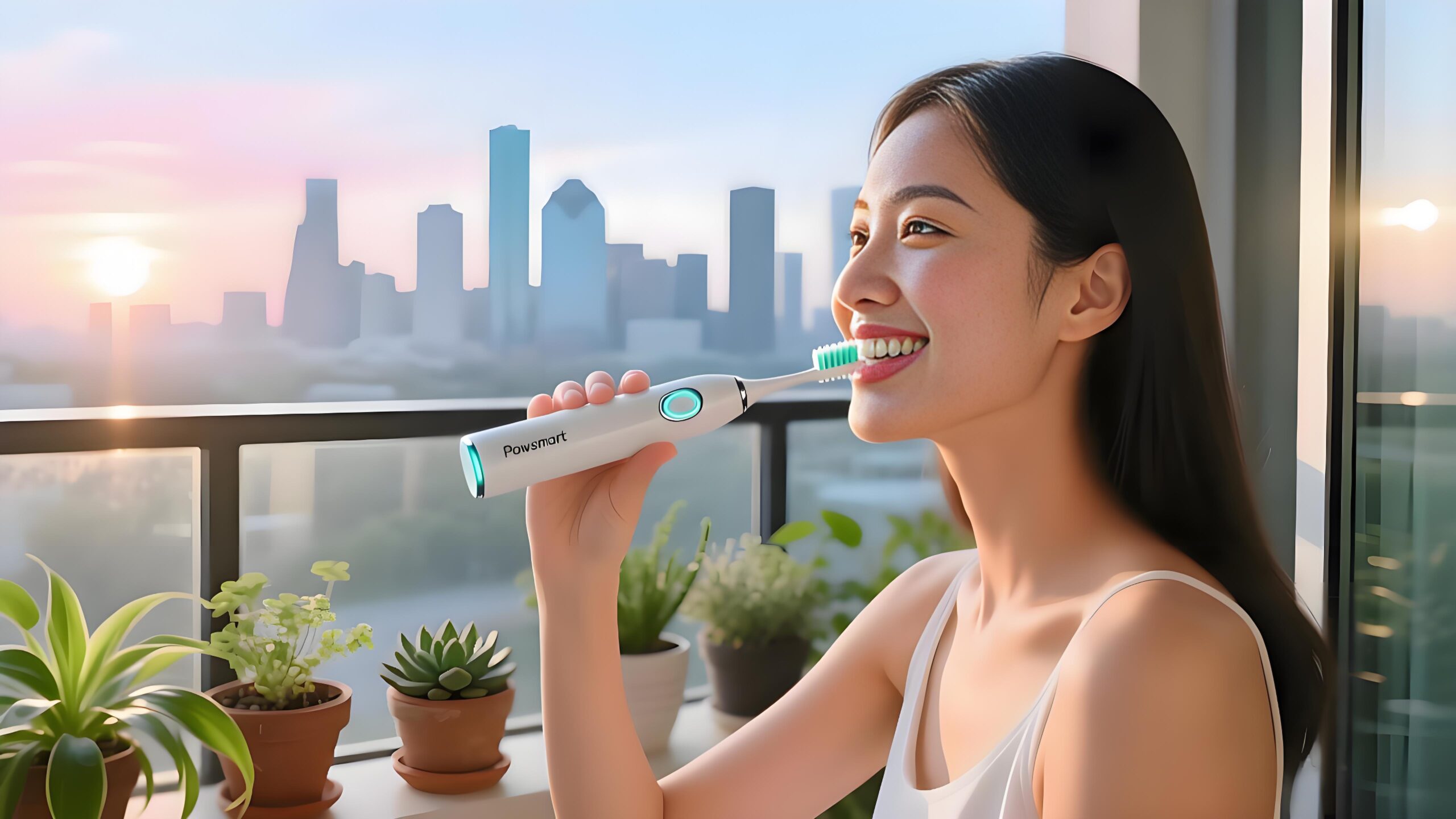
Electric Toothbrush Michigan | Powsmart Professional Manufacturer
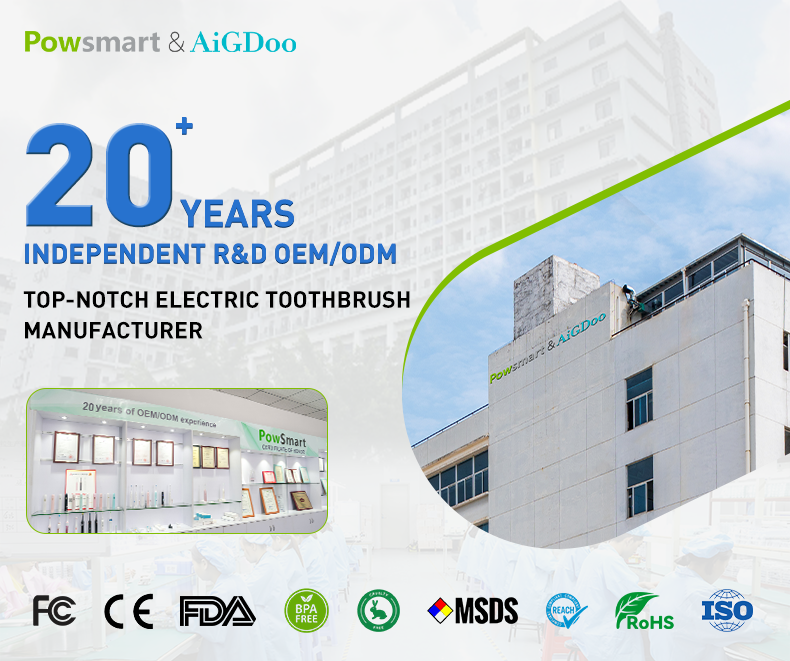
Could an Autonomous Market Maker for Dental CAD Files Be Guided by a Predictive Aesthetic Trend AI?
High Frequency 40000 VPM Electric Toothbrush Manufacturer
Is Your Conformal Coating Service Validated by Thermal Cycling Endurance Test Data?
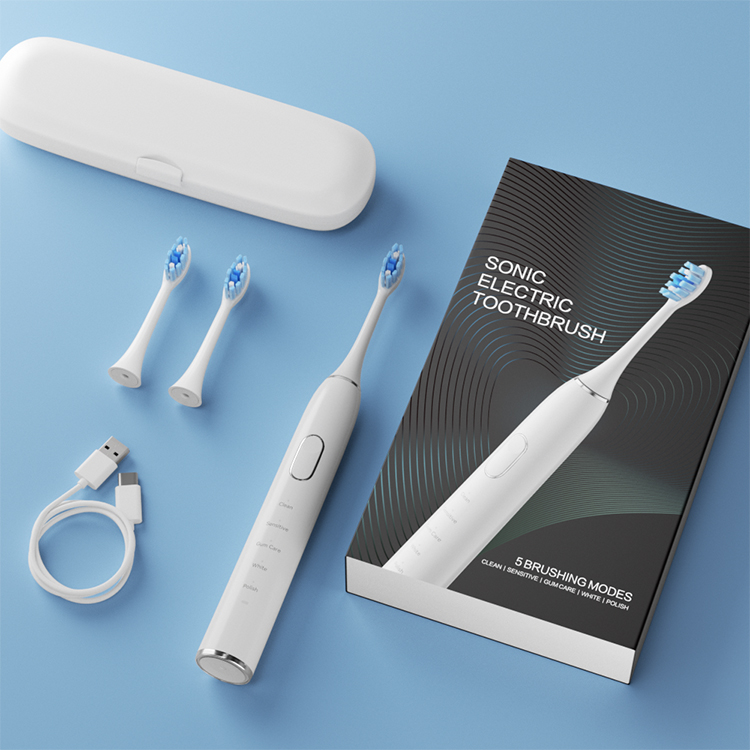
Why Is Cavitation Cleaning Technology More Effective With a Micro-Perforated Brush Head?
Reasons why brands should start teeth whitening kit business
How Does Allergen Testing Prevent Bleach Residuals?


.jpg)
.jpg)
.jpg)
.jpg)
.jpg)






.jpg)

.jpg)
.jpg)