In the competitive oral care industry, building a trusted brand is not only about innovative designs or sleek packaging—it’s also about reliability. However, many companies overlook a critical factor that can significantly erode their bottom line and brand equity: high after-sales costs. For an oral care brand, after-sales costs such as warranty claims, product returns, and repairs—especially for electronic items like electric toothbrushes—can quickly escalate. In this blog, we’ll explore the impact of high warranty claims, analyze how electric toothbrush repair costs can add up, and offer strategies for reducing oral product returns while boosting customer retention. The Real Cost of After-Sales: Beyond Warranty Claims Oral care brand after-sales costs include far more than just processing product returns. These hidden expenses can involve:\n\n- Customer service manpower and infrastructure\n- Logistics and return shipping fees\n- Replacements and refund processing\n- Repair costs (especially for high-value electric toothbrushes and oral irrigators)\n\nWhen these costs are not under control, they eat into profit margins and force brands to cut budgets elsewhere—like marketing, R&D, or product innovation. The Impact of High Warranty Claims on Profitability Frequent product failures result in an increased number of warranty claims. These not only lead to direct financial losses but also undermine consumer trust. The…
.jpg)
In oral care product design and manufacturing, bristle splaying may seem like a minor wear-and-tear issue. However, when splayed bristles fail to clean precisely or deliver excessive abrasive force, they can inadvertently aggravate demineralization zones on enamel surfaces. Could such an outcome be attributed to user error, or does it point to a design oversight or even manufacturer negligence? Let’s take a closer look. What Is Bristle Splaying and Why Does It Matter? Bristle splaying refers to the outward flaring or deformation of brush head bristles after repeated use. This deformation: Reduces targeted plaque removal effectiveness. Leads to uneven contact with tooth surfaces. Can cause excess pressure on weakened enamel regions. While some degree of splaying is inevitable with time, premature or excessive splaying is often linked to substandard material quality or improper tuft design. The Silent Spread of Demineralization Zones Demineralization zones are early-stage enamel defects caused by the leaching of calcium and phosphate from the tooth structure—usually triggered by acidic environments, poor hygiene, or plaque biofilm accumulation. These zones: Appear as white chalky patches on enamel. Are highly vulnerable to abrasion. Often go undetected in early phases, silently progressing toward cavities. When splayed bristles fail to effectively clean…
With the competitive dental care market growing rapidly, competition among oral care brands is fiercer than ever. To stand out, brands must understand which competitive oral care products are currently in demand and what consumers are looking for in their oral hygiene routines. From dental care market trends to oral hygiene innovations, this blog provides manufacturers and brand owners with a clear roadmap to product development and strategic sourcing. Understanding Dental Care Market Trends To succeed in today’s oral care industry, it’s critical to align with current dental care market trends. Key developments include: Increased awareness of preventative care Consumer demand for personalized and tech-enabled products Rising preference for eco-friendly and sustainable options Growth in at-home oral care routines, especially post-pandemic These trends are shaping the future of what qualifies as high-demand dental products, forcing manufacturers and brands to evolve beyond traditional brushes and pastes. Characteristics of Competitive Oral Care Products What makes a product truly competitive in this saturated market? Here are key characteristics: Functionality & Innovation: Products that integrate new technology or design for better results—think sonic vibration, pressure sensors, and AI feedback apps. User-centric design: Sleek, ergonomic, and easy-to-use products win user loyalty. Scientific validation: Backed by dental professionals…
In precision oral care devices, hose leakage might seem like a minor technical fault at first glance. However, when this issue translates into uncontrolled water spray, it can result in unintended consequences—one of the most concerning being mucosal lesions in the user’s mouth. This convergence of mechanical and physiological damage represents a double layer of harm, raising urgent questions about manufacturing responsibility, safety validation, and design resilience. What Causes Hose Leakage in Oral Devices? The flexible hose system in oral irrigators plays a critical role in channeling pressurized water from the pump to the nozzle. Leakage in this system may arise from: Material fatigue due to prolonged bending or stretching Poor bonding at connection points Inferior grade tubing materials that degrade under temperature or chemical exposure Manufacturing inconsistencies such as micro-cracks or overmold defects Even minor leaks can interfere with intended water pressure, causing turbulence or irregular spray that directly affects performance. How Leaks Contribute to Mucosal Lesions When pressure is compromised, the water stream becomes unpredictable. Leaked jets or sudden sprays can strike soft tissues such as the gums, inner cheeks, or palate with unintended force. Over time, this repeated trauma may result in mucosal lesions—ranging from minor irritation…
In the evolving landscape of smart oral care devices, pressure sensor failure is not merely an engineering issue—it may also affect the end user's experience in unexpected ways, such as taste distortion. When sensors misinterpret pressure levels, downstream effects may include inconsistent fluid delivery, altered cleaning dynamics, and potentially, a shift in how taste is perceived during or after use. Could these two phenomena be linked? This blog explores the connection. Understanding the Role of Pressure sensor failure in Oral Devices Modern electric toothbrushes and irrigators often incorporate pressure sensors to regulate brushing force or water jet strength. These sensors detect applied pressure and provide feedback—either to the device processor or to the user—ensuring optimal and safe operation. However, when these sensors malfunction or lose calibration, the device may deliver unexpected force or volume, which could interfere with delicate oral tissues. How Sensor Malfunctions Can Affect Fluid Dynamics A pressure sensor failure can lead to several undesirable outcomes: Overcompensation in water output Weak or inconsistent water flow Failure to trigger safety cutoffs Increased mechanical strain on internal components These changes can alter how fluids interact with the tongue and palate—regions closely tied to taste perception. Possible Mechanism Behind Taste Distortion…
In precision oral care devices, especially water flossers, motor burnout and nozzle clogging are often viewed as separate failures. However, are they connected? Could motor degradation indirectly trigger nozzle blockages, reducing device performance? Understanding this hidden link is critical for manufacturers aiming to enhance product reliability. Understanding Motor Burnout in Water Flossers At the core of every water flosser lies a high-speed motor, responsible for generating consistent water pulses. Motor burnout typically results from: Continuous high-load operation. Insufficient heat dissipation. Poor-quality bearings or shaft misalignment. When burnout occurs, torque and rotation speed drop, leading to reduced pumping capacity—a precursor to potential nozzle issues. How Reduced Flow from Motor Burnout Contributes to Nozzle Clogging As motor output weakens, water flow becomes inconsistent or insufficient to flush out micro-debris. This stagnant water in the system creates ideal conditions for: Mineral buildup from hard water. Microbial biofilm accumulation. Residue from dental solutions or mouthwash. Consequently, the nozzle clogging problem worsens progressively if the motor’s declining performance goes unnoticed. Company web: https://www.powsmart.com/product/electric-toothbrush/ Engineering Insights: Identifying Design Vulnerabilities From a technical perspective, several design flaws can exacerbate this failure chain: Non-self-cleaning nozzle designs. Lack of pressure feedback control in the system. Use of low-tolerance motor…
In the production and operation of electric oral care devices, seal degradation and circuit shorting are two common yet often underestimated risks. But what happens when these two issues occur together? Could their combination pose a serious safety risk? Understanding this correlation is essential for manufacturers prioritizing device reliability and user safety. What Causes Seal Degradation in Oral Care Devices? Seal degradation typically results from: Long-term material fatigue due to repetitive mechanical stress. Exposure to harsh cleaning agents or high humidity. Improper installation during assembly. Once degraded, seals can no longer prevent moisture ingress, leaving internal electronics vulnerable to water exposure. How Seal Degradation Leads to Circuit Shorting When seals fail, moisture gradually infiltrates the device housing. Water droplets or vapor can settle on circuit boards, resulting in: Electrical leakage paths. Direct circuit shorting as conductive contaminants bridge electronic traces. In many cases, the short circuit does not trigger immediate device failure but causes intermittent malfunctions, which increase the risk of overheating or battery-related incidents. Safety Hazards Arising from Combined Failures The combination of seal degradation and circuit shorting elevates device safety risks significantly: Shorted circuits may lead to uncontrolled current surges. Battery overheating or ignition in severe cases. External…
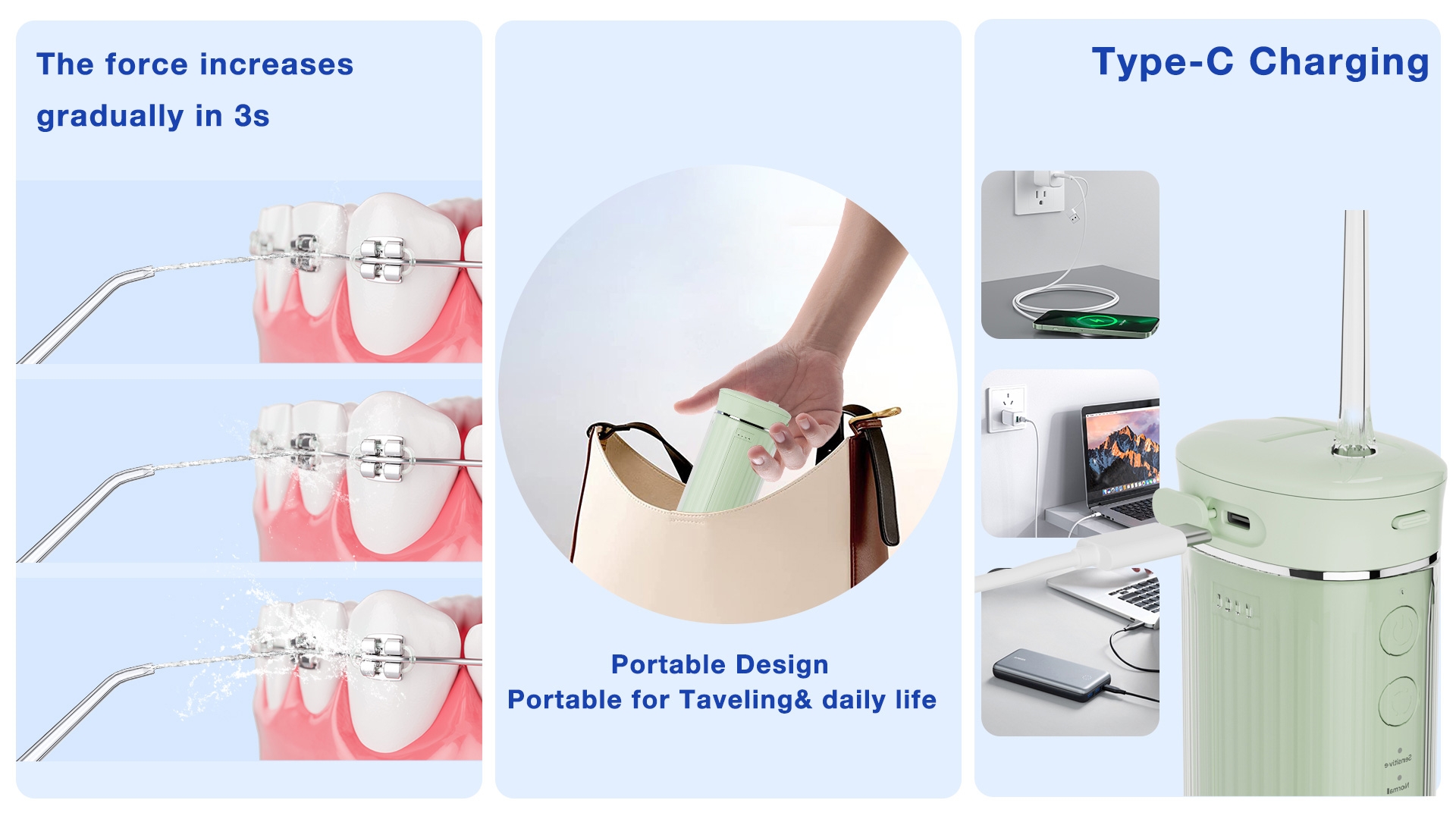
In today’s highly mobile lifestyle, consumers are prioritizing travel dental hygiene more than ever. Whether it's business trips, vacations, or daily commuting, oral care on the go has become an essential part of personal hygiene routines. For oral care product brands, this presents a significant opportunity to expand into the growing portable oral care segment. In this blog, we’ll explore five smart solutions that help travelers maintain fresh breath, clean teeth, and healthy gums — anytime, anywhere. These insights can guide your brand’s next product development strategy or help you identify the right oral care manufacturers for your travel line. Compact, Travel-Friendly Toothbrush: The Essential First Step A travel-friendly toothbrush is the cornerstone of any on-the-go oral hygiene kit. Key features consumers are looking for include: Foldable or cap-covered brush heads USB rechargeable or long battery life Lightweight and minimal design for easy packing From a product development standpoint, offering compact electric toothbrushes with replaceable heads or dual-voltage charging options is a growing trend. Brands looking for OEM solutions should prioritize compact, IPX7-rated designs and manufacturers with experience in ergonomic miniaturization. Mini Water Flosser: Small Size, Deep Clean Bringing a full-sized oral irrigator on a trip is unrealistic. That's where the mini water flosser becomes a…
As consumer awareness of dental sensitivity and gum irritation grows, brands are under pressure to offer products that promote oral hygiene without irritation. Whether customers suffer from sensitive teeth or inflamed gums, the demand for non-irritating dental routines is rising. For oral care product brands, this is not just a consumer trend—it’s a clear innovation direction that requires strategic manufacturing partnerships focused on gentle yet effective design. Understanding the Causes of Oral Irritation Before designing or sourcing products, it’s important to understand the root causes of oral irritation, such as: Overly hard bristles or aggressive brushing Harsh ingredients in toothpaste or mouthwash Incompatible brushing motions for sensitive users Poor water pressure settings in oral irrigators By addressing these causes, manufacturers can help brands deliver solutions tailored to sensitive teeth care and gum health. Gentle Oral Care Tips: Key Design Features to Consider To support gentle oral care tips in your product offerings, work with factories that specialize in the following features: Soft brushing techniques: Electric toothbrushes with ultra-soft bristles and pressure sensors to avoid aggressive brushing Adjustable modes: Devices that allow users to choose between gentle, normal, and deep-cleaning modes Silicone brush heads: For added gentleness on gum tissue Water flosser customization: Oral…
In the daily performance of oral care devices, battery depletion and pressure fluctuation are two customer complaints manufacturers cannot ignore. But are these seemingly separate issues connected? For brands committed to product reliability, understanding the link between pressure fluctuation and battery depletion is critical for optimizing energy efficiency and overall user satisfaction. What Causes Battery Depletion in Oral Care Devices? Battery depletion is typically caused by: Inadequate battery capacity selection during design. High energy consumption due to inefficient motor control. Power drain from leakage currents or standby electronics. Repeated deep discharge cycles damaging battery life. When left unaddressed, premature battery exhaustion directly affects product convenience and lifespan. Understanding Pressure Fluctuation in Fluid-Based Devices Pressure fluctuation refers to inconsistent fluid output in devices like water flossers. This issue often arises from: Inaccurate pump control or degraded motor performance. Air leakage or internal blockages in water flow paths. Poor valve design leading to backflow or pulsing instability. These fluctuations not only reduce cleaning efficiency but also place extra load on motor components. Company web:https://www.powsmart.com/product/electric-toothbrush/ How Pressure Instability Accelerates Battery Depletion So, how are pressure fluctuation and battery depletion linked? The answer lies in motor workload: Inconsistent pressure causes the motor to overcompensate.…
In modern oral care product design, gingival recession and cervical hypersensitivity are increasingly reported issues. While cervical hypersensitivity typically presents as sharp pain along the gum line, it may also be an early sign of progressive gingival recession. This raises a critical question for oral device manufacturers: is the damage reversible, or are design flaws compounding these conditions? What Is Gingival Recession? Gingival recession refers to the gradual withdrawal of gum tissue from the tooth surface, exposing the roots and increasing the risk of infection. Key contributing factors include: Aggressive brushing techniques. Poor-quality bristles or abrasive brush heads. Excessive mechanical pressure from powered toothbrushes. Inadequate software controls in electric devices leading to over-brushing cycles. Once gingival tissue recedes, full restoration is often difficult without surgical intervention. Understanding Cervical Hypersensitivity Cervical hypersensitivity arises when dentin near the gum line becomes exposed. Consumers report sudden sharp pain triggered by: Temperature changes. Acidic or sweet foods. Mechanical stimulation from oral care devices. Inadequate pressure sensing and overpowered motors can unintentionally aggravate this sensitivity during daily brushing routines. Company web:https://www.powsmart.com/product/electric-toothbrush/ Are Gingival Recession and Cervical Hypersensitivity Linked? Yes. Cervical hypersensitivity can act as an early warning for impending gingival recession. When hypersensitivity pain causes…
Tooth demineralization and enamel microfractures may seem like minor issues during initial detection, but in the world of oral care technology, they signal a silent yet dangerous crisis. As leading oral care product manufacturers, understanding the interplay between these two conditions is critical to preventing long-term dental damage and protecting end-user health. What Is Tooth Demineralization? Tooth demineralization refers to the loss of essential minerals, such as calcium and phosphate, from the tooth surface, leading to enamel weakening. In daily oral care: Acidic environments (from diet or bacterial plaque) accelerate mineral loss. Poorly optimized toothpaste dispensers or overly abrasive brush heads exacerbate the problem. Insufficient fluoride exposure prevents remineralization cycles. Manufacturers must recognize this as a progressive condition that undermines enamel integrity at a microscopic level. The Hidden Threat of Enamel Microfractures Simultaneously, enamel microfractures develop from mechanical stresses: Hard bristle splaying. Excessive vibration frequencies in sonic toothbrushes. Improper brush head angling due to non-ergonomic handle design. While microscopic, these fractures compromise the enamel’s protective role, providing entry points for acids and bacteria. Company web: https://www.powsmart.com/product/electric-toothbrush/ Are Tooth Demineralization and Enamel Microfractures Linked? Absolutely. Tooth demineralization weakens the enamel structure, making it more susceptible to microfracture formation. Conversely, enamel microfractures…
In today’s oral care market, consumers are increasingly seeking gentle oral hygiene solutions that do not compromise comfort. A large segment of users experiences sensitivity—whether from gum recession, dental treatments, or chronic oral conditions—making them ideal candidates for Sensitive Oral Cavity products. For oral care brands, this growing demand represents a valuable niche with strong market potential. But to serve this segment successfully, brands must focus on developing and sourcing the right products that maintaining hygiene without discomfort. This article explores product features, materials, and manufacturing considerations that brand owners should understand when looking for reliable OEM/ODM suppliers of gentle oral care products. Understanding the Needs of Users with Sensitive Oral Cavities Consumers with sensitive oral tissues require extra care in their hygiene routine. Traditional oral care tools can often cause irritation, micro-abrasions, or discomfort. The ideal Sensitive Oral Cavity products must meet several key criteria: Ultra-soft materials to avoid tissue damage Non-abrasive designs for daily use Gentle, yet effective cleaning performance Hypoallergenic and non-irritating formulations in toothpaste or mouthwash Understanding these user pain points is the first step toward developing product lines that meet genuine, unmet needs in the market. The Importance of the Soft Bristle Toothbrush One of the cornerstone products in…
.jpg)
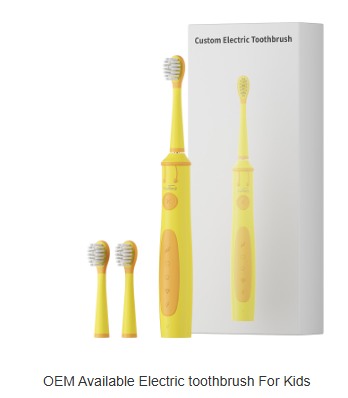
For oral care brands, offering the right mix of kid-friendly oral care products is crucial to winning over families. Parents are seeking effective, safe, and engaging at-home dental care solutions to build lifelong dental hygiene habits for their children. From colorful toothbrushes to playful flossers, there's growing demand for fun oral care products for kids that combine function and enjoyment. In this blog, we explore 7 high-potential kids dental care products that can help your brand stand out in the market, and provide direction for sourcing the right children's dental hygiene manufacturers. Colorful Electric Toothbrushes with Built-in Timers Electric toothbrushes specifically designed for children—with smaller brush heads, soft bristles, and fun characters—make brushing more exciting. A built-in 2-minute timer helps kids brush long enough without supervision. These are ideal for brands looking to expand their at-home dental care range with smart, engaging technology.Manufacturing Tip: Look for suppliers offering customizable designs (cartoon characters, LED lights, music, etc.) with CE/FDA certifications. Fruit-Flavored Fluoride Toothpaste Traditional mint flavors don’t always appeal to kids. Toothpaste with fruity flavors like strawberry, watermelon, or bubblegum makes brushing less of a chore. The key is maintaining effective fluoride levels while using safe, kid-approved ingredients.Keyword Match: A strong contender among kid-friendly oral care essentials. Gentle Silicone Finger…
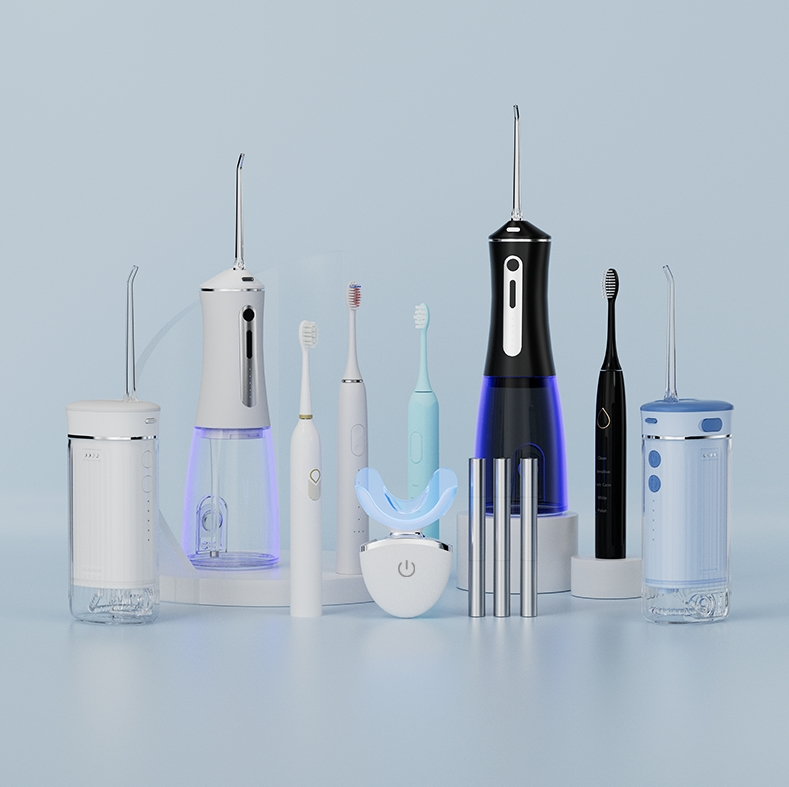
When people are on the go—whether for business, vacation, or long-haul travel—oral hygiene routines often get disrupted. However, maintaining dental hygiene while traveling is just as important as at home. Poor habits can quickly lead to plaque buildup, gum issues, and discomfort. For oral care brands and product manufacturers, this presents a unique opportunity: develop travel oral care solutions that are compact, efficient, and easy to use anywhere. In this blog, we’ll provide practical oral hygiene tips for travelers and highlight the kinds of products that meet their on-the-go needs. The Essentials of a Travel-Friendly Dental Kit One of the best ways to ensure consistent dental hygiene while traveling is to carry a well-designed travel-friendly dental kit. For brands, there’s a growing demand for compact, functional kits that include: A portable toothbrush (preferably electric with USB charging) Travel-size toothpaste (fluoride-based) Compact dental floss or floss picks Disposable mouthwash sachets A small travel pouch for organization Kits that are TSA-compliant and lightweight are especially appealing to frequent flyers. Manufacturers can focus on producing all-in-one kits or modular options with refillable components. Choosing the Right Portable Toothbrush A portable toothbrush is at the core of any traveler’s oral hygiene routine. It must be compact, durable, and easy to…
The global dental care market has experienced significant growth over the past decade, fueled by increasing awareness of oral hygiene, technological advancements, and the rise of self-care culture. But for emerging entrepreneurs, a key question remains: Is there space for startups in the dental care products market? The answer depends on understanding the landscape, identifying untapped dental niches, and deploying smart startup entry strategies. In this article, we explore the opportunities and challenges within the oral health industry competition and what newcomers can do to succeed. Dental Care Market Trends: Momentum and Opportunities The market is far from saturated. Recent dental care market trends indicate a surge in demand for smart, sustainable, and personalized oral hygiene products. Key trends include: Growing popularity of electric toothbrushes and oral irrigators Increased consumer preference for eco-friendly and refillable oral care items Rising use of mobile-connected devices for real-time brushing feedback Expansion of premium and subscription-based dental care models These trends create fertile ground for agile startups to differentiate themselves—especially with the right manufacturing partner who can support flexible, small-batch production. Untapped Dental Niches: Finding the White Space While established brands dominate mainstream markets, there are numerous untapped dental niches waiting to be explored, such as: Pediatric-focused oral…
In the lifecycle of electric personal care devices, two seemingly unrelated failures—seal degradation and circuit corrosion—can silently develop and eventually result in a major safety hazard. When the integrity of a device’s sealing system is compromised, it opens a pathway for moisture to infiltrate, initiating corrosion in the circuit board. This degradation chain can lead not only to functional failure but also to serious user risks such as overheating, short circuits, or even battery leakage. Understanding how these failures interact—and how to prevent them—is essential for manufacturers committed to delivering safe, durable products. How Seal Degradation Begins: The First Line of Defense Fails Seal degradation typically starts with: Material aging (e.g., silicone or rubber drying or hardening) UV exposure or chemical interactions from cleaning agents Improper installation during assembly Mechanical fatigue from repeated flexing or vibration Once degraded, seals can no longer effectively block out moisture, allowing vapor or liquid ingress over time. This breach may seem minor at first but is the first domino in a much larger failure scenario. The Pathway to Circuit Corrosion: From Leak to Damage When a degraded seal allows water or vapor to enter the device’s internal cavity, it often condenses near the printed…
In recent product quality audits and customer feedback loops, two seemingly unrelated issues have started to appear together with increasing frequency: battery depletion and adapter overheating. At first glance, these may seem like independent faults—one chemical, the other thermal. However, deeper diagnostic analysis reveals they may actually be symptoms of a single systemic flaw. Could battery depletion be directly related to adapter overheating? And if so, how can OEM/ODM manufacturers detect, prevent, and even design around this dual risk? Understanding Battery Depletion: Symptoms and Root Causes Battery depletion refers to the rapid or abnormal loss of charge capacity over time. In electric toothbrushes, water flossers, and personal care devices, this typically manifests as: Decreased runtime after full charge Faster-than-expected battery wear within warranty period Charging cycles that appear normal but don’t replenish usable capacity Devices that shut down prematurely even with charge indicated The root causes may involve battery chemistry degradation, poor charging current management, or repeated exposure to heat. What Causes Adapter Overheating? Adapter overheating occurs when the charger exceeds its designed thermal tolerance due to: Excessive charging current drawn by the device Poor contact at the plug/port, creating resistance and thermal buildup Substandard materials or compact adapter shells…
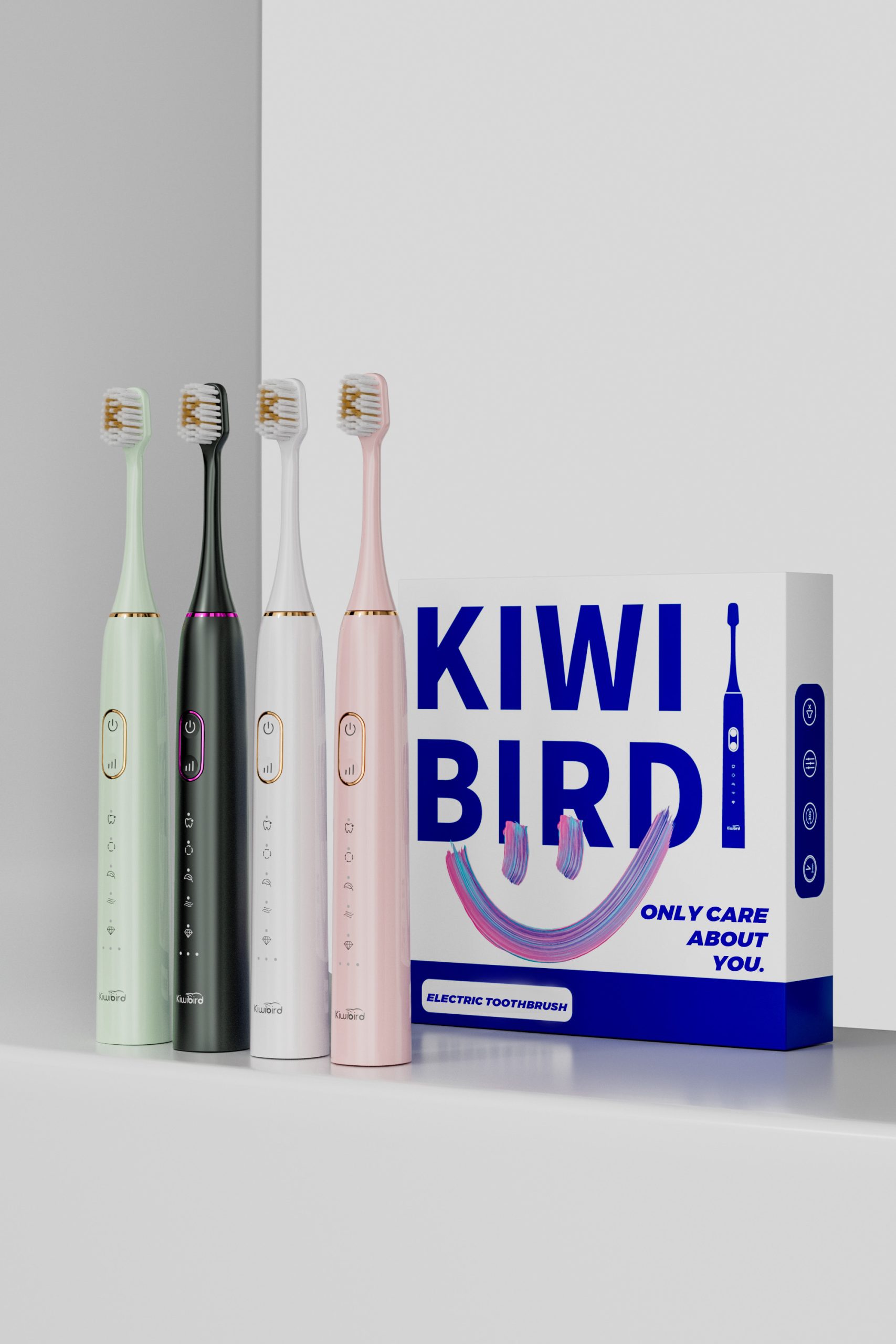
In recent years, consumers have become increasingly aware of the importance of oral hygiene—not just as a daily habit but also as a lifestyle priority. As a result, demand for dental gift ideas has grown significantly, especially around holidays, corporate wellness events, and back-to-school seasons. This presents an exciting opportunity for dental care brands and retailers to introduce unique dental presents that combine practicality with thoughtful care. Whether you're a brand looking to expand your product line or a retailer seeking seasonal bestsellers, this article offers insights into the most popular oral health gifts—and how partnering with a reliable dental care products manufacturing partner can help you deliver curated healthy oral care packages to your customers. Why Dental Gifts Are Gaining Popularity Traditionally, gifts related to health and hygiene were considered too “practical” for most occasions. Today, that’s changed. Consumers now seek thoughtful gifts for teeth and overall wellness—especially gifts that show care, promote good habits, and support long-term well-being. From personalized oral care gift boxes to high-end electric toothbrush kits, there’s a growing interest in turning everyday routines into elevated self-care experiences. This shift in consumer mindset makes oral health gifts a compelling niche for brands to explore. Top Dental Gift Ideas for Modern Consumers Here…
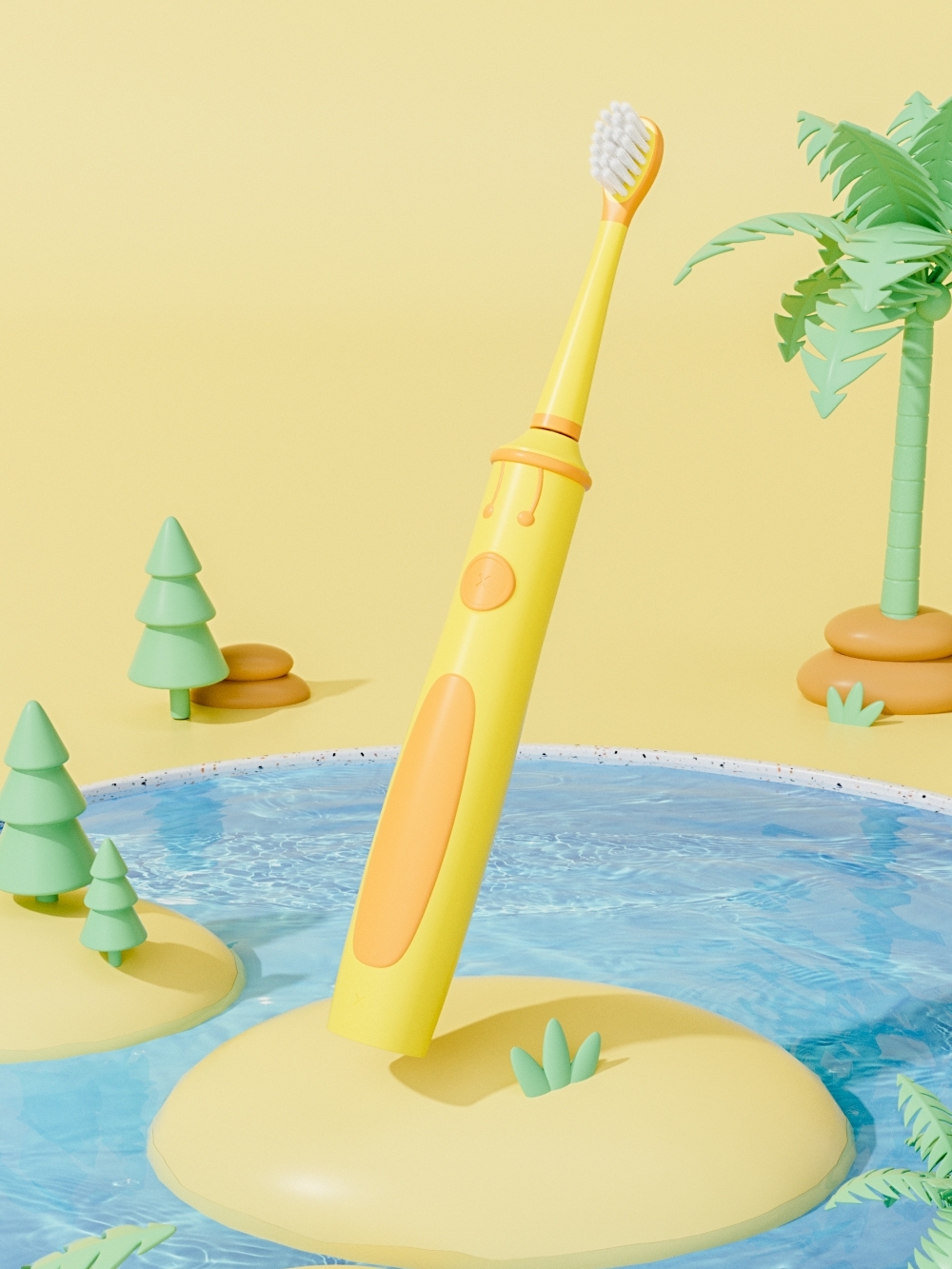
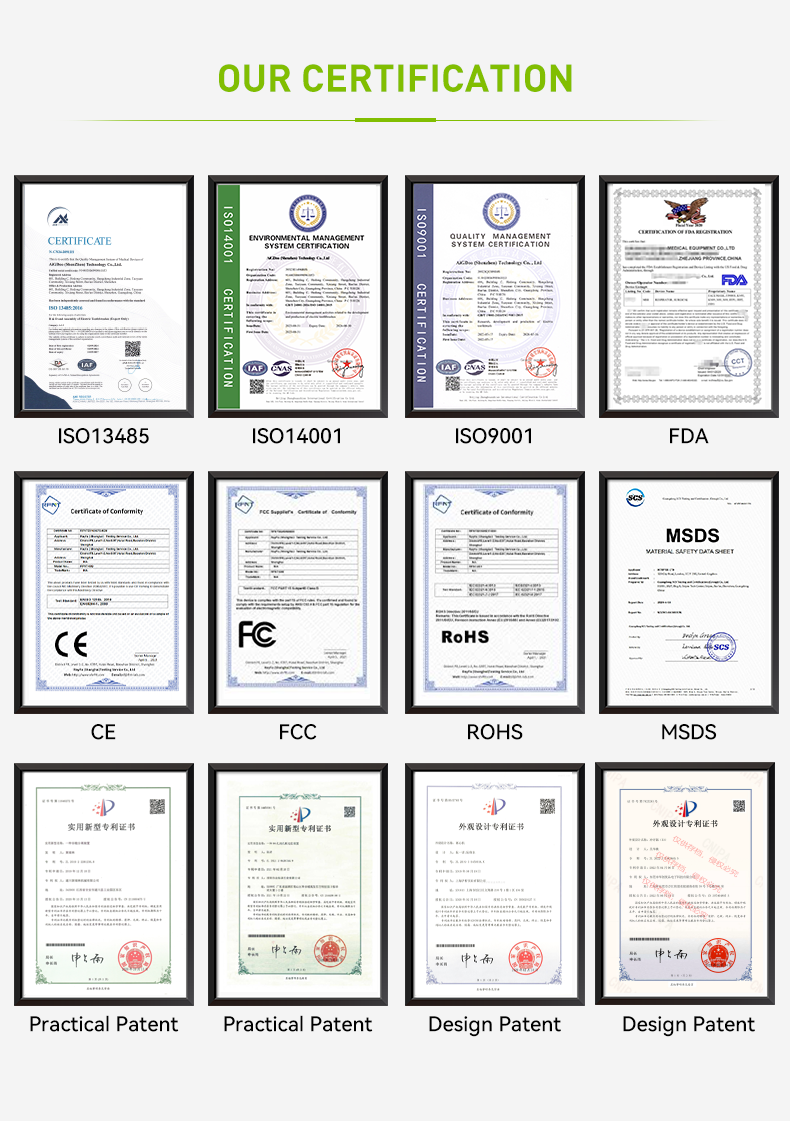
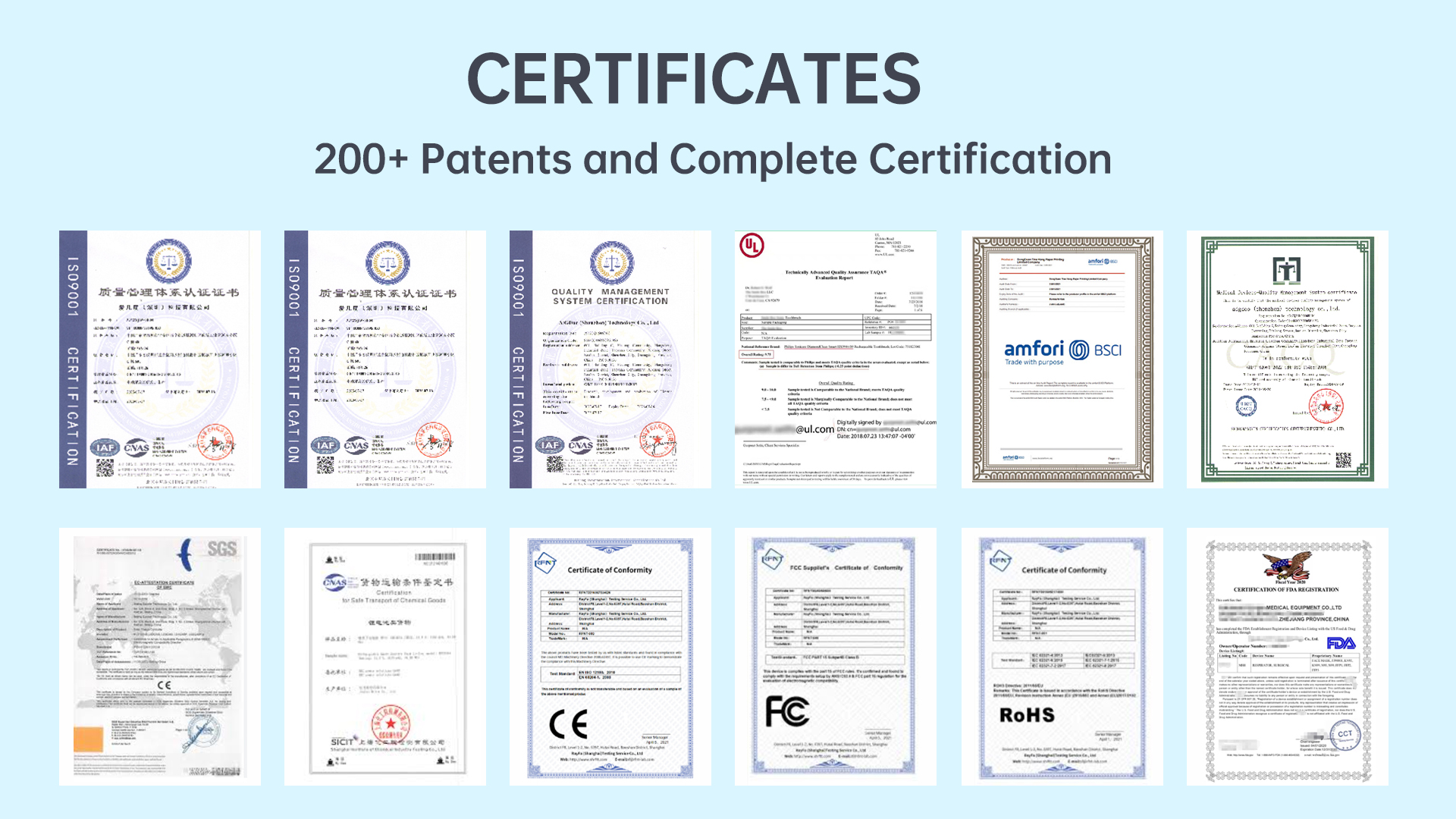
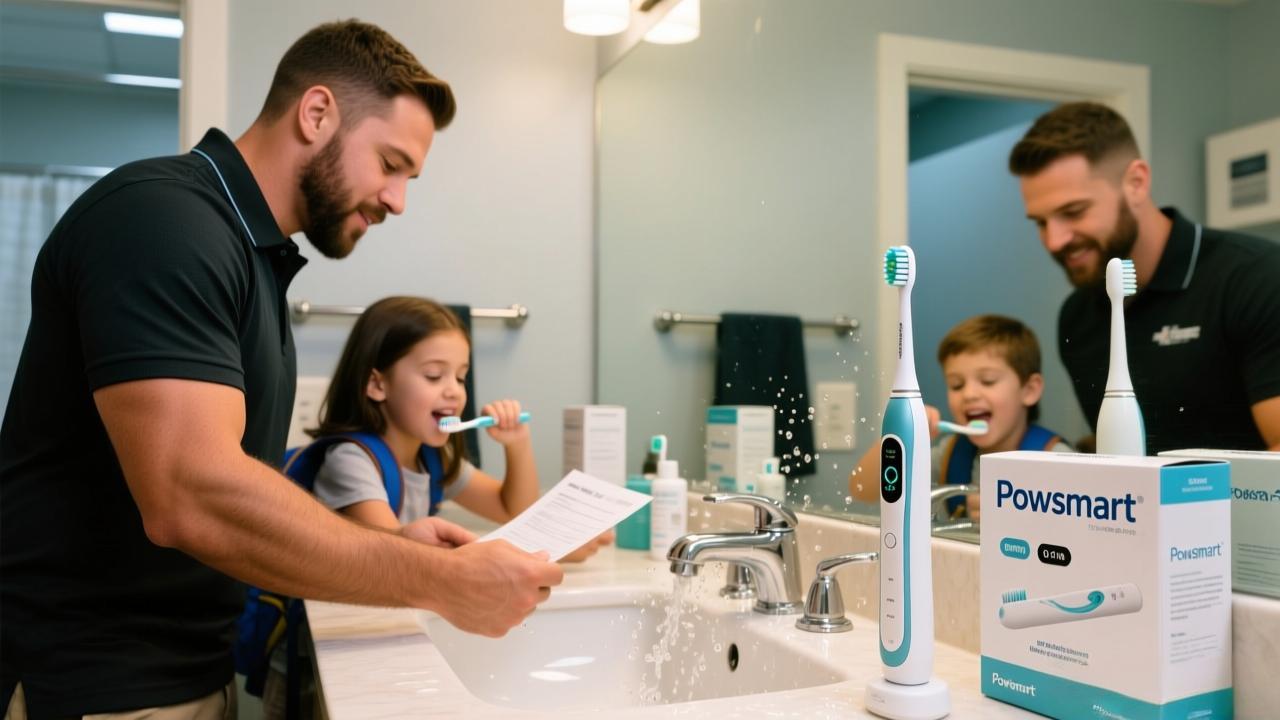
When sourcing kids oral care products, brands must prioritize safety, effectiveness, and child-friendly design. Whether you're a distributor, retailer, or dental clinic looking for reliable pediatric dental supplies, selecting the right B2B manufacturer is crucial. This guide will help you identify the best children's dental products while ensuring compliance with international safety standards. Why Safe & Engaging Kids Oral Care Products Matter Children have delicate gums and developing teeth, making safe toothbrushes for kids a top priority. Poor-quality products can cause irritation or fail to clean effectively, leading to long-term dental issues. Additionally, kids are more likely to embrace oral care if products feature fun designs, gentle bristles, and appealing flavors. When sourcing children's dental products, look for: Soft, rounded bristles to protect gums Non-toxic, BPA-free materials Ergonomic handles for small hands Attractive colors & characters to encourage brushing Key Features to Look for in a Supplier Not all manufacturers specialize in pediatric dental supplies, so vetting your supplier is essential. Consider these factors: Certifications – Ensure compliance with FDA, CE, or ISO standards.Customization Options – Can they offer branded designs or age-specific products?Safety Testing – Do they conduct rigorous quality checks?Innovative Technology – Some suppliers integrate cold light whitening technology in kid-safe whitening products. A trusted manufacturer should provide detailed product specifications and safety documentation. Must-Have…


.jpg)
.jpg)
.jpg)
.jpg)
.jpg)



.jpg)
.jpg)
.jpg)