
.jpg)
Designing a smart toothbrush Austin SKU for this market — or for retailers who sell into Austin’s tech-savvy channels — means combining robust hardware, thoughtful software, and local-market positioning. Below are six manufacturer-focused areas to get right so your product reads as genuine Austin tech brush innovation to distributors, clinics and retail partners. Product architecture — sensors, motor and modular head design First, start with a scalable hardware platform. A credible Austin tech brush should include: High-resolution motion sensors (3-axis accelerometer + gyroscope) to detect orientation and brushing patterns. A reliable sonic/oscillating motor tuned for effective plaque removal while preserving battery life. Modular brush-head compatibility so one handle can serve mass-market, sensitive, orthodontic and whitening heads. Consequently, this modular approach reduces SKU complexity for your channel partners and lowers end-user Replacement Cost objections. App connectivity & analytics — turning brushing into actionable insight Next, prioritize seamless App Connectivity. For a true smart toothbrush Austin proposition, implement: Stable BLE pairing and drop-in reconnection flows for iOS/Android. Real-time brushing feedback, quadrant timers, and post-brush summaries that translate sensor data into simple coaching tips. Cloud analytics (anonymous, aggregated) for B2B reporting: refill cadence, feature usage, and cohort health insights that retail or clinic…
.jpg)
For brands targeting eco-conscious consumers in Austin, the question often arises: can an Austin eco toothbrush also serve as an effective Austin whitening brush without compromising sustainability claims or product safety? In short, yes — but only when design, materials and validation are intentionally aligned. This article breaks down the engineering trade-offs, material choices, testing protocols and commercial strategies B2B buyers should consider when packaging a dual-purpose eco + whitening SKU for the Austin market. Market opportunity and buyer expectations First, understand the opportunity: Austin shoppers favor sustainable products, yet many still want visible whitening results. Therefore, a dual-positioned product must meet two expectations at once: Credible sustainability credentials (recyclable or bio-based materials, minimal plastic waste). Measurable cosmetic whitening (surface stain reduction) without harming enamel. Consequently, your product messaging should balance “eco” and “cosmetic” claims and prepare distributors for questions from both green-minded retailers and beauty-focused channels. Material science: reconciling eco materials with whitening performance Material selection is the pivot point for a successful Austin eco toothbrush that can be marketed as an Austin whitening brush: Handle materials: Use recycled PC/ABS blends, bio-polymers (PLA blends where appropriate), or post-consumer recycled plastics with UV stabilizers to avoid yellowing. Bristle options: High-performance,…
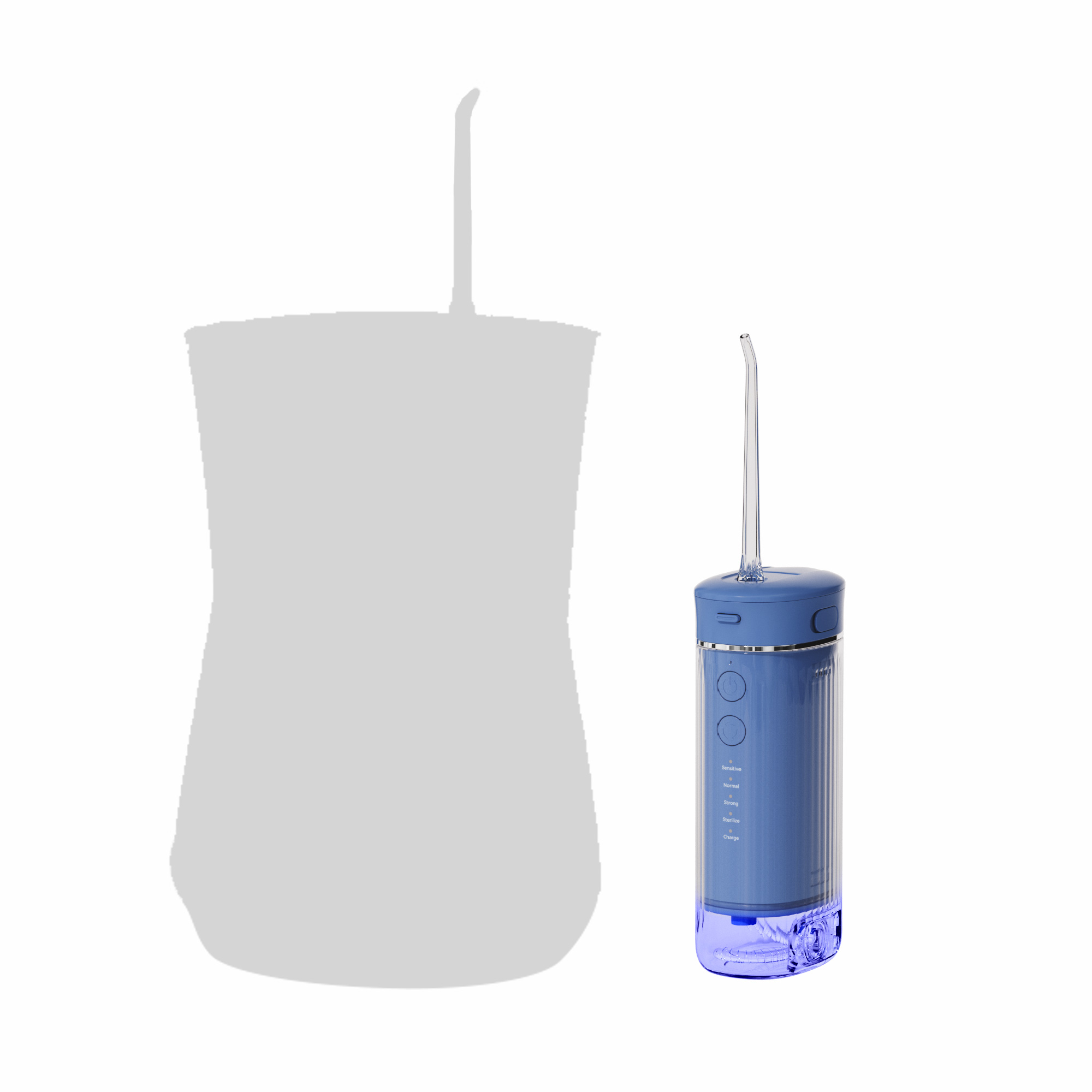
Your Premier Electric Toothbrush Factory in Houston, Texas Welcome to [Your Company Name], a leading electric toothbrush factory based in Houston, Texas. We specialize in providing end-to-end OEM and ODM manufacturing services for businesses looking to launch or expand their own brand of high-quality, innovative electric toothbrushes. As a trusted manufacturing partner located in the heart of Houston's industrial hub, we combine American business practices with global manufacturing excellence to deliver products that meet the highest standards of quality and performance. Why Partner with a Houston-Based Electric Toothbrush Factory? Choosing a local manufacturer offers unparalleled advantages for your business: Streamlined Communication: No more dealing with cumbersome time zones or language barriers. Our team in Houston is here to collaborate with you in real-time. Supply Chain Reliability: Houston's major port and logistics infrastructure ensure efficient sourcing of materials and dependable shipping, reducing lead times. Quality You Can Trust: We maintain rigorous quality control standards throughout our production process, ensuring every electric toothbrush that leaves our factory is built to last. Flexibility & Innovation: From initial concept to final product, we work closely with you to bring your unique vision to life, offering custom design, engineering, and packaging solutions. Our OEM & ODM Electric Toothbrush Manufacturing Services Whether you have a detailed design…
.jpg)
Graduation season in Houston creates a predictable spike in gifting demand — and smart, health-forward items win. Consequently, a smart toothbrush checks nearly every box for campus bookstores, corporate gift programs, and hospitality partners: it’s practical, tech-savvy, and easily co-branded. Below are six manufacturer-focused reasons (and actions) that explain why the graduation gift Houston market favors connected electric toothbrushes — and how you can design and sell them to B2B buyers. Market fit — grads want useful tech, not junk First and foremost, recent graduates value items that are both aspirational and useful. Therefore, a smart toothbrush — with app connectivity, guided brushing and a modern form factor — reads as a thoughtful, future-ready graduation gift Houston rather than a disposable trinket. For manufacturers, that means positioning connected toothbrush SKUs for campus stores, corporate alumni programs, and premium retail assortments. Feature set that sells — health + tech = strong proposition Moreover, buyers care about features that deliver real benefits. Prioritize: app connectivity for brushing feedback, pressure sensors for gum protection, multiple cleaning modes (Daily / Sensitive / Whitening), a reliable 2-minute timer/Quadpacer, and long battery life with USB-C charging. Together, these attributes make a smart toothbrush an easy sell…
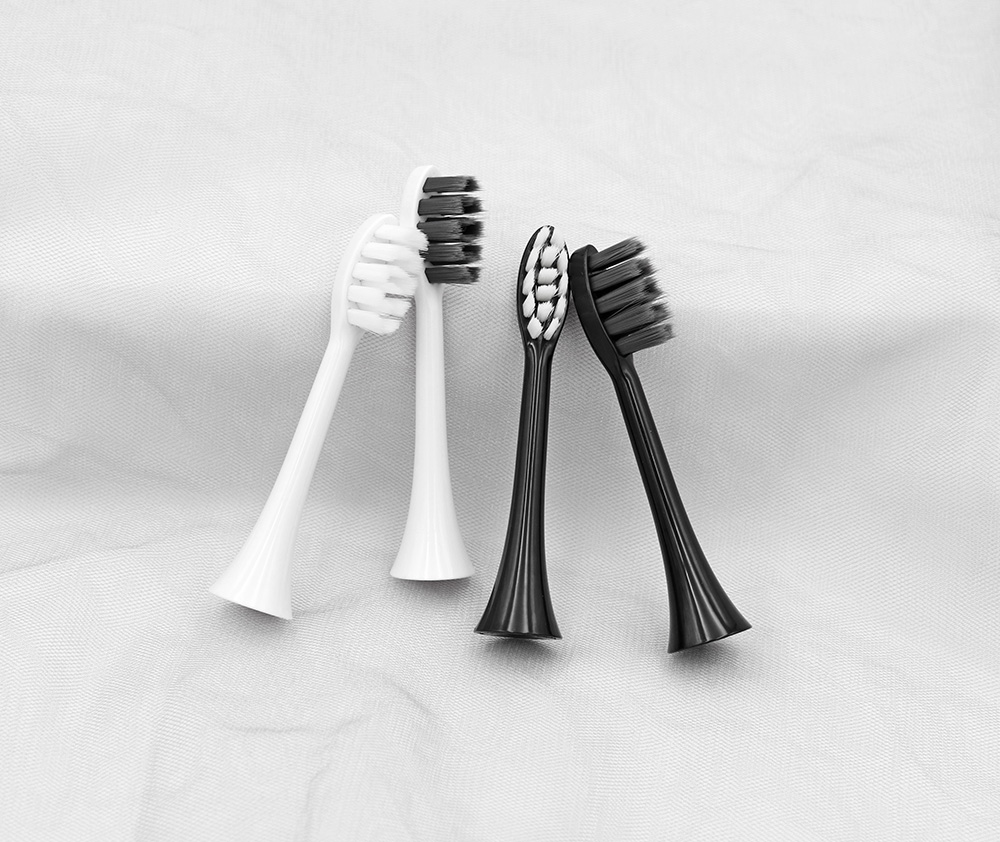
Why Choose a Houston-Based Sonic Toothbrush Manufacturer? Partnering with a local Houston manufacturer like POWSMART offers distinct advantages for your business: Streamlined Communication & Collaboration: Being in the same time zone (CST) and speaking fluent English ensures clear, efficient communication throughout the product development cycle. Agile Supply Chain & Logistics: Houston's massive port and infrastructure allow for efficient import of components and export of finished goods, reducing lead times. Quality Control You Can Trust: Our on-the-ground engineering team maintains rigorous quality control standards, and you can easily visit our facility to see the manufacturing process firsthand. Innovation Hub: Leverage the technical and engineering talent pool that Houston is renowned for. Our Sonic Toothbrush Manufacturing Capabilities At POWSMART, we offer end-to-end solutions to bring your vision to life. H3: OEM & ODM Services Whether you have a complete design (OEM) or need us to handle everything from concept to creation (ODM), we have the expertise. We can develop custom sonic toothbrushes tailored to your market's specific needs. H3: Cutting-Edge Engineering & Design Our in-house R&D team focuses on advanced sonic technology, ensuring optimal plaque removal (high CPM frequency), superior battery life, and user-centric features like multiple cleaning modes and smart timers. H3: Rigorous Quality Assurance Every POWSMART…
.jpg)
Graduation season in Houston brings a wave of care-package opportunities: universities, alumni associations, corporate partners and retail distributors all want giftable kits that feel useful and memorable. In this context, including a premium toothbrush in a Houston graduation care package is more than a novelty — it’s a high-utility item that promotes daily wellness and extends brand touchpoints. Below we walk manufacturers through six practical pillars to design, price and sell a graduation-ready electric toothbrush offering to B2B buyers. Define the target buyer and channel first First, clarify who you’re selling to: campus stores and bookstores, alumni/advancement offices, corporate sponsors, or lifestyle retailers running graduation pop-ups. Each channel has different expectations for branding, MOQ and margin. For example, alumni programs may want low-volume personalization (engraved school crest and grad year), while campus retailers need shelf-ready retail packaging for impulse buys near commencements. Consequently, tailor SKUs, minimums and co-branding workflows to each buyer type. Build a premium toothbrush spec that graduates will actually use Next, design a toothbrush that justifies the “premium” label while staying travel-ready for new grads. Key product features to include are: A reliable cleaning system (sonic or oscillating-rotating option) and a gentle mode for sensitive gums. 2-minute…
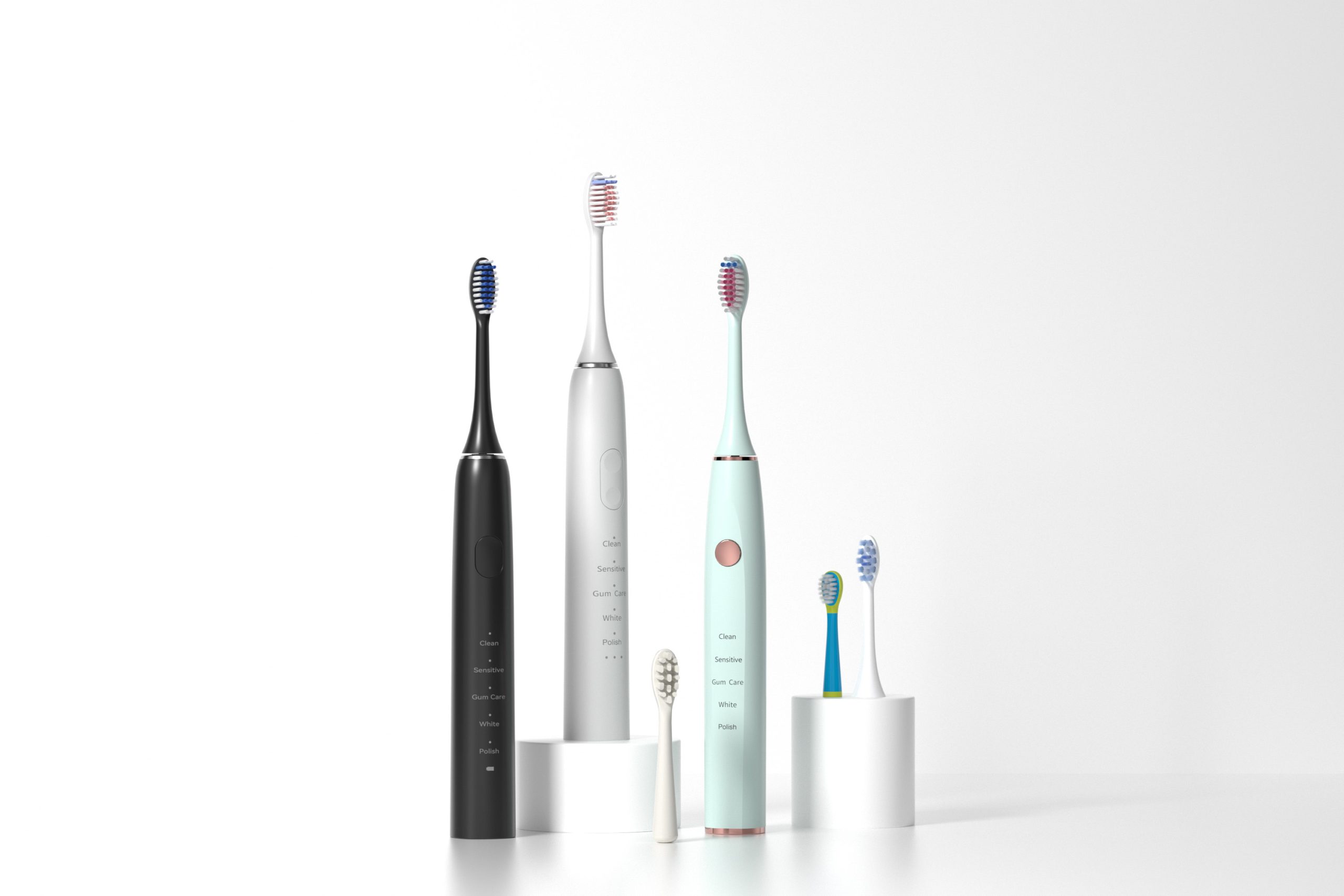
For manufacturers and brand partners, the Houston market offers a clear opportunity: local consumers increasingly expect easy, effective oral care, and professional channels are open to recommending devices that deliver measurable benefits. An electric toothbrush Houston–ready SKU can therefore be a high-impact product when engineered and marketed for local needs. Below are six focused areas — from clinical performance to distribution and post-sale service — that explain how electric toothbrushes can genuinely uplift Houston dental care when brought to market thoughtfully. Clinical performance first — deliver demonstrable oral-health benefits First and foremost, clinical credibility matters to both dental practices and informed consumers. Accordingly, prioritize brush-head effectiveness, validated cleaning modes (daily clean, sensitive, gum-care), and features like pressure sensors that protect enamel and gums. Moreover, manufacturers should compile bench and clinical data showing improved plaque reduction or gum-health metrics versus manual brushing. Consequently, local dentists and hygienists become natural advocates for your electric toothbrush Houston offering — which in turn accelerates clinic-channel adoption. Feature set tuned for real-world routines — practicality wins Next, match device features to everyday use. For instance, a long battery life and reliable charging system matter for families and frequent travelers; intuitive controls and a clear 2-minute…
If you are searching for the best electric toothbrush Houston residents trust, you are in the right place. Houston is a city where people value both health and innovation. With busy lifestyles and high standards of oral care, many families are now choosing advanced power brushes that provide professional-level cleaning at home. Why Choose an Electric Toothbrush in Houston? An electric toothbrush offers more than convenience. It provides consistent cleaning, removes plaque effectively, and helps prevent gum disease. For people in Houston balancing work, school, and social life, oral care often needs to be quick yet effective. By investing in a high-quality rechargeable toothbrush, you ensure your teeth stay healthy and your smile remains confident. Features That Matter in Houston Homes Modern brushes come with multiple brushing modes, timers, and long battery life. Many residents prefer models with sonic vibration technology for deeper cleaning. Additionally, waterproof handles make them suitable for daily use. A product like the Powsmart Sonic Pro (see more at Powsmart.com) is designed for both families and professionals. Trusted by Dentists Dentists across Houston recommend switching from manual brushes to powered options. According to the American Dental Association (ADA) (source), electric brushes can improve gum health and…
Sonic Electric Toothbrush Manufacturing Excellence in Houston by Powsmart Premium Sonic Electric Toothbrush Factory & Manufacturer in Houston When searching for a reliable sonic electric toothbrush Houston manufacturer or sonic electric toothbrush Houston factory, look no further than Powsmart. Based in Houston, Texas, we are a leading designer and manufacturer of high-quality sonic electric toothbrushes, combining innovative technology with stringent quality control to deliver exceptional oral care products. Why Choose Powsmart as Your Sonic Electric Toothbrush Manufacturer? At Powsmart, our Houston-based factory is equipped with state-of-the-art machinery and staffed by a skilled team dedicated to producing top-tier sonic electric toothbrushes. Here’s what sets us apart: Advanced Sonic Technology: We utilize the latest in sonic motion technology, ensuring our toothbrushes deliver high-frequency vibrations for a superior clean that removes plaque effectively and promotes gum health. Rigorous Quality Assurance: Every Powsmart sonic toothbrush undergoes extensive testing to meet the highest standards of performance, durability, and safety. Customization and OEM Services: As a trusted manufacturer, we offer extensive customization options. From branding and color to specific brush head designs and functionality, we can create a product that perfectly aligns with your brand identity. Competitive Pricing: By managing the entire production process in our factory, we maintain excellent cost-efficiency, allowing us to offer competitive pricing…
.jpg)
Introduction — Protect Gums, Win the Market In Houston, shoppers want an electric toothbrush with pressure sensor that protects gums and still cleans fast. Therefore, brands should pair smart feedback with durable builds and simple refills. With the right private label partner, you can launch quickly and scale confidently. Houston Fit: Why Pressure Control Sells First, local buyers juggle long commutes, heat, and hard water. Consequently, they brush fast and often press too hard. Pressure control prevents enamel wear and gum recession. Moreover, families need quiet motors for early mornings. Dental clinics, meanwhile, prefer devices that coach users, not punish them. Build for these daily realities. Sensor & Feedback: What to Specify Next, define the sensing stack. Thresholds: soft, medium, hard with ±10% tolerance. Feedback: haptic pulse, LED ring, and automatic speed trim. Logic: reduce amplitude first; restore after 3–5 seconds of lighter force. Logs: count over-pressure events per session for app or service reports.Additionally, request oscilloscope traces and force-plate data from your OEM. Thus, you verify real protection, not marketing fluff. Cleaning Power Without Harshness However, pressure control means little if cleaning slips. So, target: Mixed-length filaments and rounded tips for gum lines. Compact head geometry for molars and…
Bulk Sonic Toothbrushes for Businesses in Houston: Your Ultimate Sourcing Guide In today's competitive oral care market, businesses are constantly seeking reliable suppliers for high-quality, innovative products. For companies in Houston looking to source bulk sonic toothbrushes, finding a trustworthy manufacturer and supplier is paramount. This is where Powsmart, a leading provider in the industry, comes in. This article will explore the benefits of sourcing bulk sonic toothbrushes from Powsmart (powsmart.com) for your business needs in Houston. Why Choose Sonic Toothbrushes for Your Business? Sonic toothbrushes have revolutionized oral hygiene, offering superior plaque removal and gum care compared to traditional manual brushes. For businesses—including hotels, corporate gift providers, dental practices, and promotional companies—offering or distributing sonic toothbrushes demonstrates a commitment to quality and customer well-being. Their high perceived value makes them an excellent choice for: Corporate Wellness Programs Hotel Amenity Kits Dental Practice Giveaways High-End Promotional Products Employee Incentives Powsmart: Your Trusted Houston Supplier for Bulk Sonic Toothbrushes For businesses in Houston looking for a reliable source, Powsmart stands out as a premier manufacturer and supplier of bulk sonic toothbrushes. Here’s why: 1. Superior Product Quality and Innovation Powsmart toothbrushes are engineered with advanced sonic technology, featuring high-frequency vibrations that effectively…
.jpg)
Top Corporate Gift Sonic Electric Toothbrush Suppliers in Houston In the competitive corporate world, a thoughtful gift can strengthen client relationships, boost employee morale, and enhance brand visibility. Sonic electric toothbrushes have emerged as a popular, practical, and health-conscious choice for corporate gifting. If you're sourcing high-quality corporate gift sonic electric toothbrush suppliers in Houston, look no further. This guide will explore why Powsmart, with its robust manufacturing capabilities and direct supplier model, is your ideal partner for branded sonic toothbrushes. Why Choose Sonic Electric Toothbrushes as Corporate Gifts? Sonic electric toothbrushes are a premium gift that combines utility with a commitment to wellness. They are: Highly Practical: Everyone values oral hygiene, making them a universally appreciated gift. Frequent Brand Reminder: Used at least twice a day, your logo stays top-of-mind. Perceived as High-Value: They offer a premium feel without an exorbitant cost, especially when sourced directly from a manufacturer. Health-Focused: Aligns your brand with promoting well-being and self-care. Powsmart: Your Trusted Manufacturer and Supplier in Houston For businesses in Houston and beyond seeking reliability, quality, and customization, Powsmart stands out as a leading sonic electric toothbrush factory and supplier. While operating a global supply chain, Powsmart serves the Houston market with efficient logistics and reliable service, ensuring…
The Christmas season is a time for giving meaningful gifts that show care and appreciation. In Houston, a city known for its hardworking oil industry professionals, choosing a thoughtful gift can be especially challenging. One excellent choice is a Christmas gift electric toothbrush for oil worker in Houston. It combines practicality, durability, and health benefits—perfect for someone working long hours in tough environments. Why This Gift Stands Out Oil workers often face harsh schedules, late nights, and demanding physical work. As a result, their personal health routines can sometimes be overlooked. Gifting a durable electric toothbrush ensures they have a reliable tool to maintain oral hygiene, even when life gets hectic. Designed for Demanding Lifestyles Modern electric toothbrushes, such as those offered by Powsmart, are built with long battery life, portable cases, and waterproof design—features essential for workers with limited downtime. For oil workers who travel between rigs or shifts, these qualities make oral care simple and stress-free. Symbolism of the Gift A Christmas gift electric toothbrush for oil worker in Houston is more than just a health device. It symbolizes appreciation for their hard work and a wish for continued health and happiness during the holiday season. Unlike generic…
Looking for a Premier Electric Toothbrush Manufacturer in USA, Dallas? Your Search Ends with POWSMART In the bustling market of oral care, finding a dependable and high-quality electric toothbrush manufacturer is crucial for your brand's success. If your business is based in or serving the USA, particularly the Dallas area, and you require a trusted manufacturing partner, look no further. POWSMART, a leading factory with robust capabilities, stands ready to be your preferred OEM electric toothbrush bulk supplier. We combine cutting-edge technology, stringent quality control, and deep industry expertise to deliver electric toothbrushes that not only meet but exceed market expectations. Whether you're a startup looking to launch a private label line or an established brand seeking to expand your portfolio with reliable ODM services, POWSMART is your one-stop solution. Why Choose POWSMART as Your Electric Toothbrush Manufacturer? Selecting the right manufacturing partner impacts your product quality, brand reputation, and bottom line. Here’s why brands across the USA and beyond trust POWSMART: Strategic Manufacturing Power: While we have a global footprint, our operational excellence ensures seamless supply and support for partners in Dallas, USA, and across North America. Uncompromising Quality: Every product, including our flagship model, undergoes rigorous testing to achieve certifications like CE, RoHS, and FCC, guaranteeing safety and performance for the American…
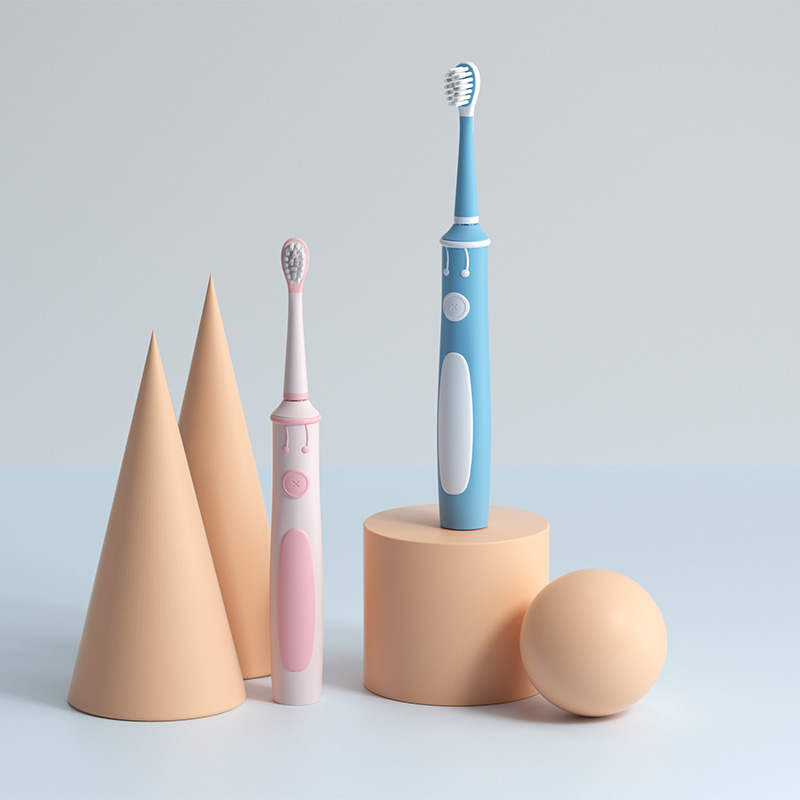
Looking for a Reliable Electric Toothbrush Manufacturer in USA, Dallas? Partner with POWSMART In the competitive oral care market, sourcing high-quality, innovative, and reliable electric toothbrushes is key to building a successful brand. If your search for a trusted electric toothbrush manufacturer in USA, Dallas has led you here, you've found your ideal partner. POWSMART combines advanced manufacturing capabilities with a strategic focus on the American market to deliver exceptional products and services. As a premier manufacturer with robust operations in both China and a dedicated focus on serving Dallas, USA, and beyond, we understand the nuances of quality, compliance, and logistics required to succeed. We don't just manufacture; we collaborate with you to create products that resonate with your customers and drive growth. Why Choose POWSMART as Your Electric Toothbrush Manufacturer? Strategic Manufacturing: Our state-of-the-art factories are equipped to handle large-scale production efficiently, ensuring timely delivery to your distribution centers in Dallas and across the USA. Uncompromising Quality & Compliance: All our products, including our featured electric toothbrushes, are rigorously tested and certified with CE, RoHS, and FCC standards. This guarantees they meet the strict safety and quality regulations of the US and European markets. Complete Customization (OEM/ODM): We offer comprehensive customization services. From laser printing your LOGO to full private…
If you are searching for a Dallas toothbrush sale, our Shenzhen-based factory offers premium electric and manual toothbrushes at competitive prices. By shipping directly from the source, we keep costs low while ensuring excellent quality. Since 2004, we have operated a 5,000 m² manufacturing facility equipped with advanced production lines and strict quality control systems. All our products meet CE, RoHS, FCC, and FDA certifications. This means every toothbrush we produce is safe, reliable, and built to last. Our designs use DuPont bristles and German PEDEX color-change bristles for effective cleaning and gentle gum care. In addition, the patented magnetic levitation motor delivers up to 40,000 vibrations per minute. Features like IPX8 waterproofing and a 2000mAh rechargeable battery make our toothbrushes practical for everyday use. Customers in Dallas can benefit from factory-direct pricing and fast global delivery. Whether you are looking for a single unit or a wholesale order, we provide tailored solutions to match your needs. Moreover, our dedicated export team ensures smooth logistics and responsive customer service. Learn more about our production capabilities on our official company page or explore dental care advice from the American Dental Association. With over 20 years of experience, we are your trusted…
.jpg)
When it comes to sourcing high-quality electric toothbrushes, Dallas and the broader DFW (Dallas–Fort Worth) region are gaining global recognition. The city’s strategic location, strong logistics network, and growing expertise in Dallas dental manufacturing make it an ideal base for oral care brands seeking reliable partners. Many DFW toothbrush private label services available companies are now offering advanced production capabilities, including sonic motor integration, ergonomic handle designs, and long-lasting battery technology — ensuring your brand can compete in both domestic and international markets. Private Label Services That Empower Your Brand Whether you’re a start-up oral care business or an established brand, a Texas toothbrush private label services can help you launch a premium electric toothbrush line without the burden of building your own manufacturing facility. From mold creation to motor assembly, Dallas-based OEM factories often provide turnkey solutions: Product design customization to match your brand identity Quality compliance with FDA and international standards Flexible order quantities for both small and large runs This approach allows you to focus on marketing, distribution, and customer relationships — while your manufacturing partner handles the technical details. The Importance of Custom Packaging in Branding First impressions matter, and in retail environments, packaging is your silent salesperson. Many…
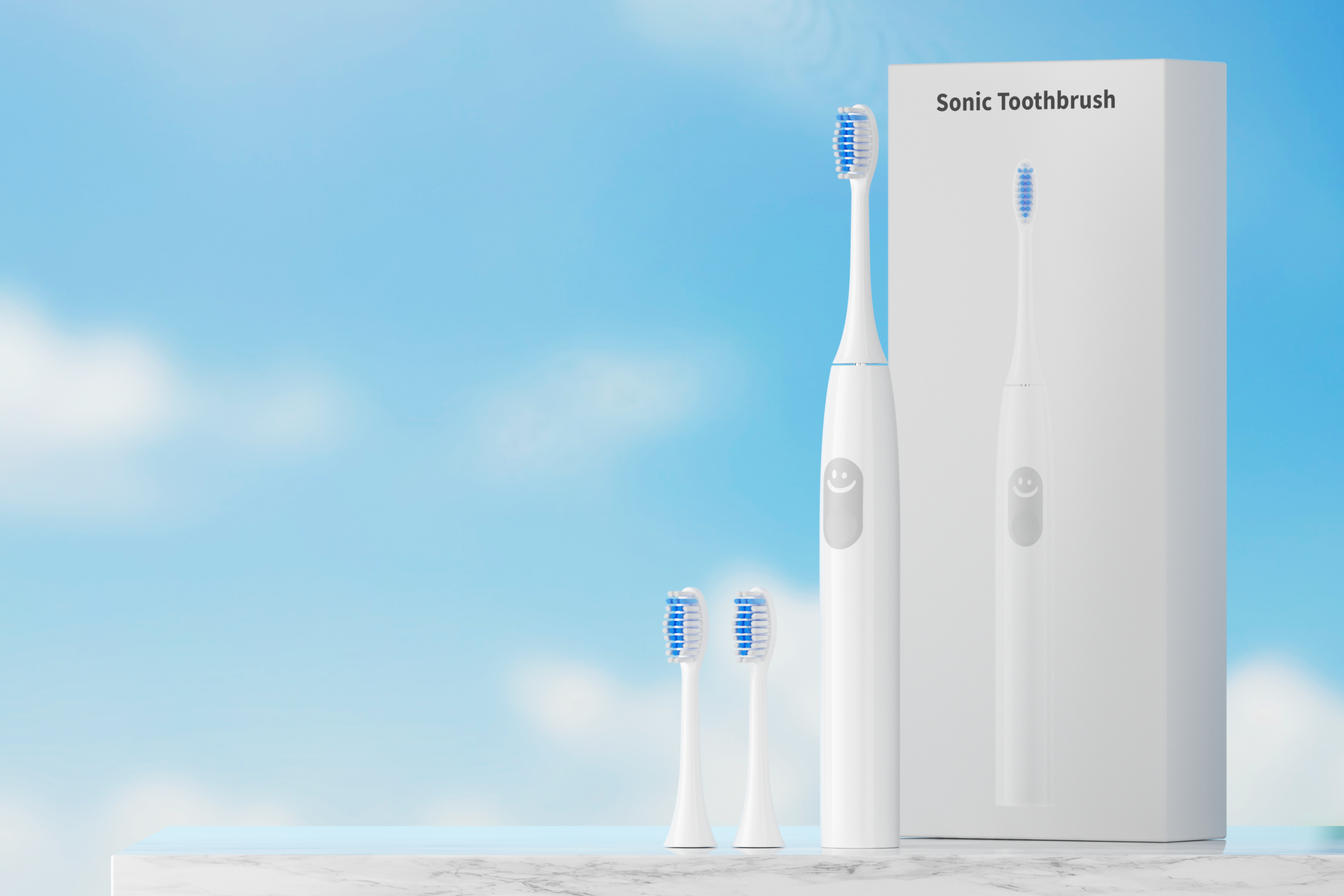
When retailers advertise a Dallas toothbrush sale, buyers often ask whether deals are truly in-store only and how to quickly locate Dallas store toothbrush stock across the city. For manufacturers, distributors and retail partners, clarity here matters: accurate stock visibility, channel rules, and a coordinated fulfillment plan influence sell-through, shrink, and customer satisfaction. Below we unpack how to manage in-store-only promotions, surface local inventory to consumers, and optimize the commercial mechanics that make Dallas promotions succeed. Define “in-store only” clearly — contractually and at POS First and foremost, ensure the promotion terms are crystal clear. “In-store only” can mean different things to different partners, so formalize it in trade agreements and shelf signage: Specify eligible SKUs, package sizes and date/time windows. State whether online click-and-collect or ship-from-store orders are permitted. Provide retailers with templated POS copy to avoid inconsistent claims. Clear legal and merchandising language prevents customer confusion and protects margins when running a Dallas toothbrush sale. Real-time inventory visibility: avoid frustrated shoppers Nothing kills conversion faster than “see online — none in store.” To make Dallas store toothbrush inventory discoverable: Integrate distributor stock feeds with retailer POS systems for live inventory levels. Enable “check local store stock” widgets on…


.jpg)
.jpg)
.jpg)
.jpg)
.jpg)
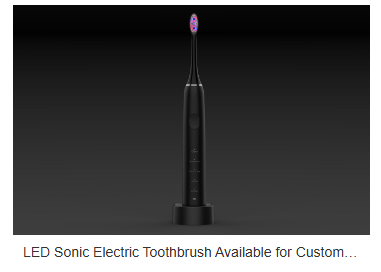
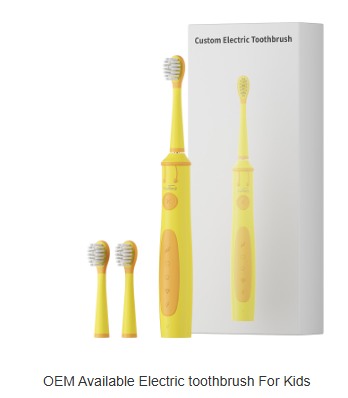



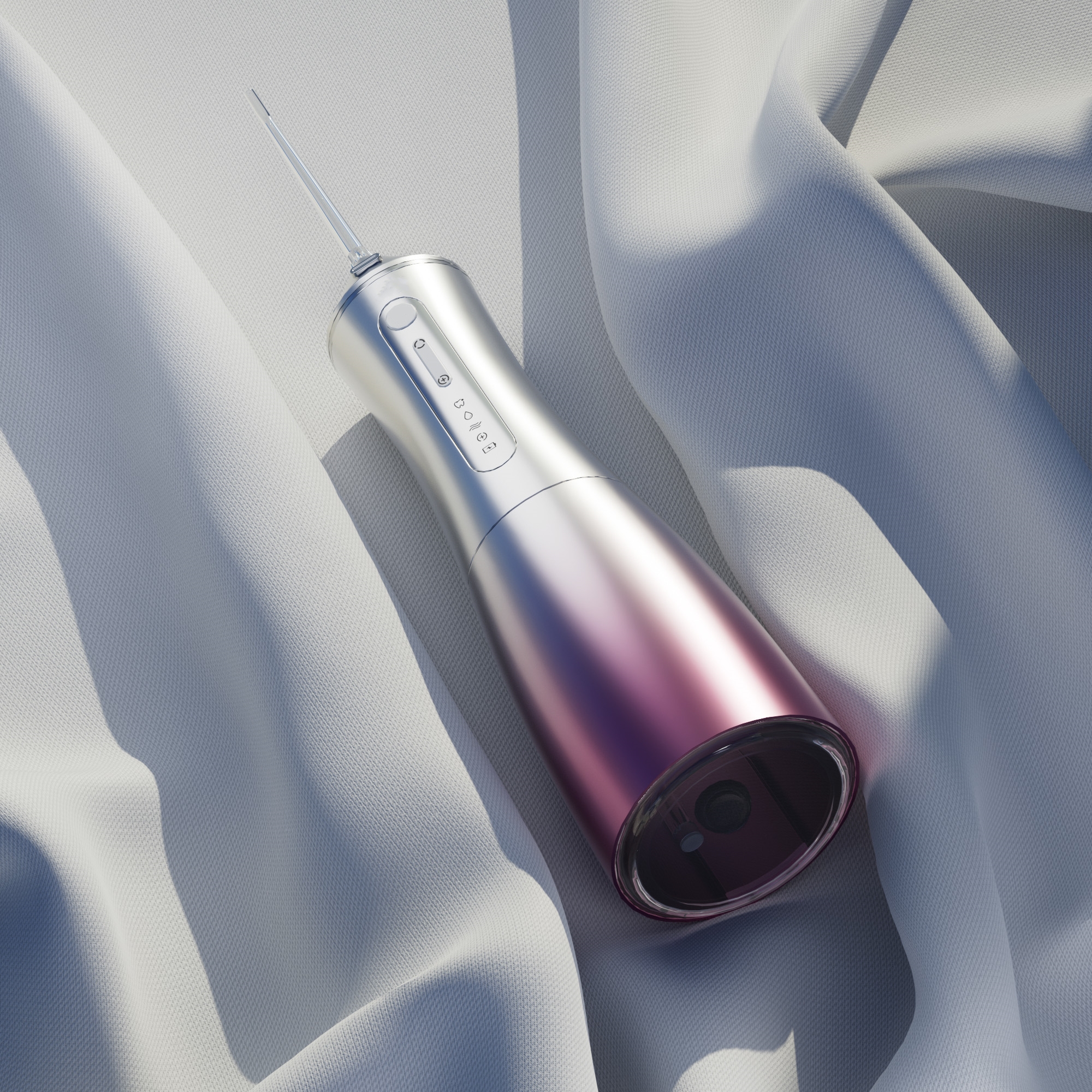
.webp)
1-scaled.jpg)
.jpg)
.jpg)