In today’s fast-evolving personal care market, managing stock effectively is a major challenge for electric toothbrush distributors. With rising product diversity, seasonal demand fluctuations, and rapidly changing consumer preferences, how can distributors reduce inventory risk has become a critical component of a successful electric toothbrush distribution strategy. This blog outlines key approaches to effective inventory management, highlighting how distributors can optimize their operations, improve cash flow, and reduce procurement risks while meeting market demands. Understand Market Demand Through Data Analytics Accurate forecasting is the first step toward reducing inventory risk. Distributors should utilize sales data, market trends, and seasonality to predict demand accurately. Use historical sales data for trend analysis Monitor emerging preferences (e.g. smart toothbrushes, sustainable materials) Adjust stock levels dynamically based on demand signals This data-driven approach allows distributors to align stock quantities with real-time market needs, reducing the chances of overstocking or understocking. Keywords integrated: Inventory management, Electric toothbrush distribution strategy Adopt a Just-in-Time (JIT) Inventory Model The Just-in-Time model minimizes inventory holding costs by aligning procurement with actual demand. This strategy is particularly effective for high-value, fast-evolving products like electric toothbrushes. Reduces warehouse costs and excess inventory Lowers capital tied up in unsold goods Enhances flexibility to respond to new…
The global demand for smart personal hygiene tools continues to grow in 2025, with the electric toothbrush wholesale market seeing notable expansion across Asia, Europe, and North America. As more consumers prioritize preventive dental care, distributors and retailers are actively sourcing high-performance, affordable, and innovative electric toothbrushes to meet market demand. In this blog, we analyze the latest oral care distribution trends and present some of the best-selling models in the wholesale channel this year. Market Overview: Shifting Preferences & Distribution Channels The electric toothbrush wholesale market in 2025 is shaped by several key factors: Rising oral health awareness: Consumers are investing more in preventive care tools. E-commerce and cross-border trade: B2B platforms and digital wholesale channels are playing a bigger role. Smart and minimalist designs: Retailers prefer products that are not only functional but visually appealing and easy to use. Moreover, oral care distribution trends show growing interest from pharmacies, lifestyle retailers, and subscription box services, all seeking product lines that offer a balance of affordability, brand quality, and technical features. Key Product Features That Drive Sales To remain competitive, best-selling models often share the following attributes: Multiple brushing modes (sensitive, whitening, gum care) Long battery life and USB-C charging Sonic vibration or magnetic levitation motors for high…
.jpg)
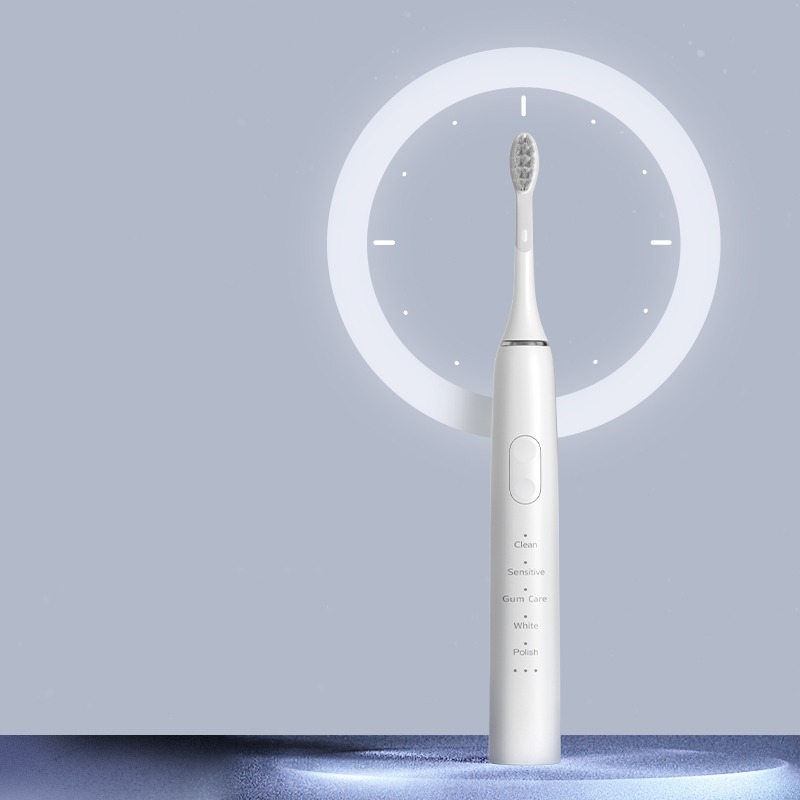
As global demand for smart personal care products rises, electric toothbrush distribution is becoming one of the most profitable segments in the oral hygiene market. For distributors and wholesalers, selecting the right product can significantly impact revenue, brand reputation, and customer retention. This guide is designed to help distributors identify high-profit electric toothbrush, evaluate wholesale purchasing strategies, and confidently enter or expand their electric toothbrush offerings. Understand the Market: Why Electric Toothbrushes Are Booming Electric toothbrushes are no longer a luxury item—they’re a daily essential for millions. According to market research, the global electric toothbrush market is expected to exceed USD 7 billion by 2027. The surge is driven by: Consumer awareness of oral health A rise in smart healthcare devices Growing demand in emerging markets For distributors, this trend presents a unique opportunity to capitalize on high-margin oral products that combine innovation with consumer demand. Key Features to Look For in a High-Profit Electric Toothbrush Not all electric toothbrushes are created equal. High-profit products typically include: Multi-mode functionality (clean, sensitive, gum care, etc.) Rechargeable lithium batteries for long-term use Smart features like timers, pressure sensors, or app connectivity Ergonomic and aesthetic design to attract end-users These features allow for premium pricing and improve your margin…

In the rapidly evolving personal care industry, distributors of toothbrushes, electric oral devices, and related products face increasing pressure to meet market demand efficiently. A stable and responsive oral care supply chain is no longer a competitive advantage — it's a necessity. This guide will help oral care product distributors understand the essentials of building a stable, scalable, and transparent supply chain through solid supplier management and effective distributor cooperation strategies. Identify the Right Manufacturing Partners The foundation of a strong oral care supply chain begins with selecting trustworthy and capable manufacturers. Distributors should: Evaluate production capacity and quality control systems Check certifications (e.g., ISO, CE, FDA if applicable) Request case studies or client references Working with experienced oral care OEM/ODM suppliers ensures product consistency, production scalability, and timely delivery — key pillars of a reliable supply chain. Build Long-Term Supplier Management Systems Effective supplier management goes beyond procurement. It involves building strategic partnerships. Distributors should: Establish clear KPIs for lead times, defect rates, and communication response times Schedule regular audits and production feedback meetings Use software systems to track performance and inventory Stable supplier relationships minimize risk, reduce costs, and allow for more agile responses to market fluctuations. Diversify Supply Channels Without Compromising Quality To avoid…
.jpg)
While manufacturers scramble to fix gum massage inconsistency in smart oral-care devices, they often overlook equally critical battery recycling challenges, undermining brand reputation and contradicting sustainable manufacturing goals. To address both user experience and environmental responsibility, B2B companies must rethink design, supply chains, and end-of-life strategies across six dimensions. Short-Term Feature Focus vs. Long-Term Recycling Needs Many teams pour resources into tuning massage modes to eliminate uneven gum stimulation, but then: Rely on disposable lithium cells, increasing hazardous waste. Lack an established battery take-back network, so spent packs end up in landfills. Shy away from bearing recycling costs, leaving end users and channels unprepared. Balancing immediate performance gains with lifecycle considerations is essential. Seamless Designs Threaten Disassembly To achieve sleek, waterproof enclosures, products often use permanently bonded battery modules: Non-serviceable Packs: No quick-release latches or removable trays. Heat- and Water-Proof Seals: Robust gaskets and potting compounds that complicate safe battery extraction. Structural Bonding: Adhesives and welded joints turn end-of-life disassembly into destructive surgery. These choices intensify battery recycling challenges by making recovery prohibitively difficult Company web: ction approach ensures even hard-to-reach areas contribute to fresher breath. Company web: https://www.powsmart.com/product/electric-toothbrush/ Regulatory Pressure and Compliance Costs Globally, electronic-waste regulations are tightening: The EU…
When brush head compatibility is overlooked—whether due to minor dimensional mismatches or non-standard attachment interfaces—tiny gaps can form where cleaning fluid pools and evaporates, leading to hidden liquid residue buildup. Such residue not only harbors bacteria but also degrades performance over time. In this article, we explore six critical facets to help B2B manufacturers eliminate compatibility pitfalls and keep their devices hygienic and reliable. Dimensional Tolerance Mismatches Even slight deviations in brush-head stem diameter or locking-ring geometry prevent a snug fit: Micro-gaps form around the base where liquid seeps in and stagnates. Vibration-induced Looseness over time widens these gaps and accelerates residue accumulation. Cross-Brand Interchangeability often exacerbates the issue when parts aren’t optimized as a system. By tightening CNC machining tolerances and standardizing interface specs, these hidden voids can be eliminated. Material Absorption & Capillary Effects Material choices at the interface can promote fluid retention: Hydrophilic Plastics draw water into microscopic pores, trapping moisture at the joint. Surface Roughness at the mating faces creates capillary channels that wick liquid inward. Aging Polymers lose dimensional stability, opening new pathways for fluid migration. Switching to low-absorption, high-precision polymers and mirror-finish mating surfaces minimizes capillary residue buildup. Sealing & Secondary Retention Strategies Effective…
In smart oral-care devices like electric toothbrushes, app connectivity loss and battery swelling often appear together—eroding user trust and posing safety risks. To solve both issues, B2B manufacturers must address four major domains: waterproof sealing, thermal management, firmware logic, and structural design. Below are six key insights and action steps. A Common Root Cause: Moisture Ingress and Seal Failure First, aging waterproof seals allow moisture to penetrate: Silicone Hardening or Cracking: Prolonged exposure to humidity stiffens gaskets, breaking the seal. Adhesive Fatigue: Bonding glue between molded parts weakens, creating micro-leaks. Repeated Assembly/Disassembly: Docking and brush-head removal wear seal surfaces over time. Once water seeps in, it both swells the battery pouch and corrodes Bluetooth modules—triggering battery swelling and app connectivity loss simultaneously. Thermal Runaway and RF Signal Interference Next, a swelling battery worsens heat dissipation issues: Increased Internal Resistance: As cells swell, resistance rises, generating more heat during charge/discharge. Enclosure Deformation: Heat-distorted housing panels can clamp or shift the antenna, degrading RF performance. High-Temperature Noise: Elevated temperatures introduce electronic noise that disrupts Bluetooth communication. Improving heat management is therefore essential to stabilize both the battery and wireless link. Conflicting Firmware Protection Logic Moreover, firmware safety routines can inadvertently cut off…
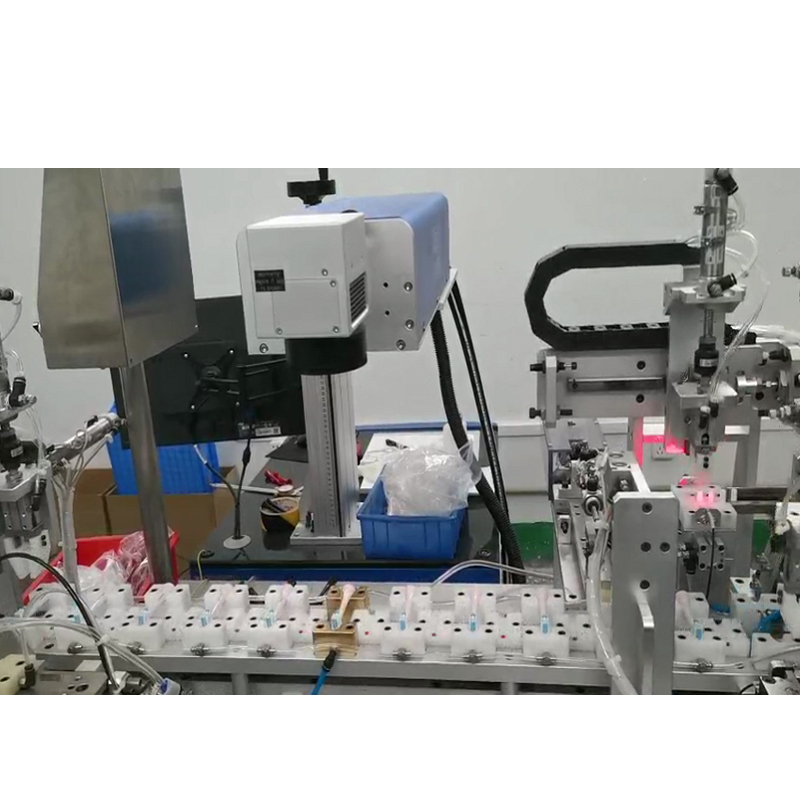
In today's competitive oral care market, product performance is no longer the only driver of consumer preference—appearance now plays a vital role. Consumers are increasingly drawn to products that are not only functional but also visually striking. This is especially true in personal care electronics such as electric toothbrushes. For manufacturers, adopting gradient color technology through injection molding offers a powerful way to improve attractiveness of electric toothbrushes that resonates with modern consumers and stands out on retail shelves. What Is Gradient Color Injection Molding Technology? Gradient color technology is a specialized plastic injection molding process that allows multiple color tones to blend seamlessly into one another on a single molded part. Unlike traditional single-color molding, this technique: Enables smooth color transitions (e.g., blue to white, pink to purple) Creates a premium, dynamic look without painting or secondary processing Offers long-lasting, scratch-resistant finishes directly out of the mold This innovative technology for electric toothbrushes not only enhances aesthetics but also increases manufacturing efficiency. Boosting Product Appeal Through Visual Marketing Visual marketing is a crucial part of selling consumer electronics. In retail environments and online platforms, buyers often make split-second decisions based on product appearance. Gradient color finishes offer several benefits: Striking shelf presence: Unique…
In today’s review-driven marketplace, common negative reviews of electric toothbrushes can directly affect brand reputation and sales performance. For any OEM or ODM electric toothbrush manufacturer, understanding the root causes of customer complaints and proactively solving them is not just important—it's essential. This article explores common quality issues, the most frequent negative feedback from end users, and how suppliers can implement effective solutions to quality issues of electric toothbrushes during product design and manufacturing stages. Weak Battery Life and Charging Failures User Complaint:“Battery dies too quickly” or “Won’t charge after a few weeks.” Common Quality Issue:Low-grade lithium batteries, poor charging port designs, or inadequate battery management systems. Supplier-Side Solution: Use high-quality, certified lithium batteries with tested charge cycles. Integrate intelligent battery management systems to prevent overcharging or deep discharge. Perform aging tests on power units during QC inspections. As a reliable electric toothbrush manufacturer, it’s critical to test battery systems under simulated daily use to avoid early failures. Motor Malfunction or Insufficient Vibration User Complaint:“Motor stopped working” or “Not strong enough to clean properly.” Common Quality Issue:Substandard motor components or poor assembly leading to motor disconnection or weak performance. Supplier-Side Solution: Source high-performance, durable micro motors from trusted suppliers. Reinforce internal motor…
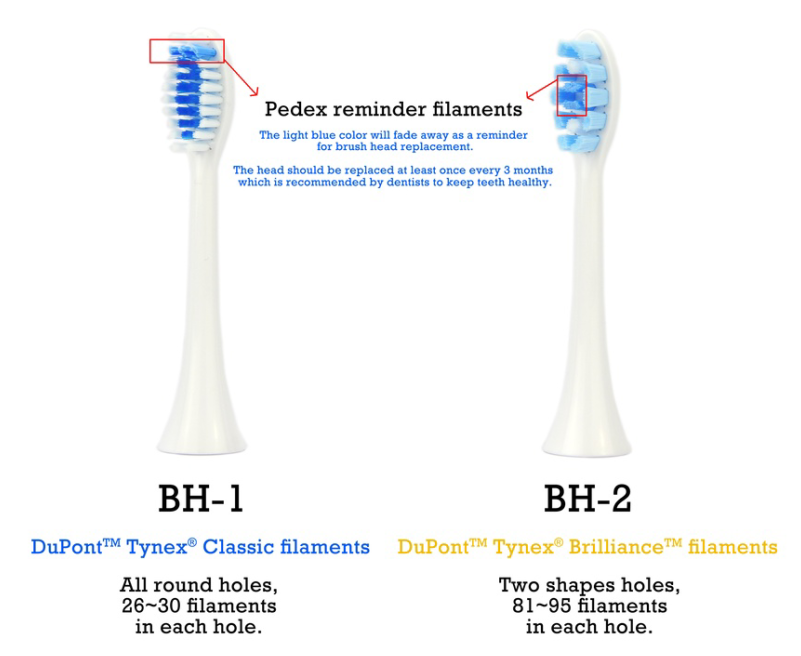
When selecting a high-quality electric toothbrush, the design and performance of the bristles are critical—they directly impact plaque removal and gum health. Below are six key factors for B2B partners to consider when specifying premium bristle solutions. Material Selection: Nylon vs. Advanced Polymer Fibers First, common bristle materials include nylon (e.g., DuPont Tynex™) and emerging polymer composites: Nylon Bristles offer excellent flexibility and abrasion resistance at a controllable cost for mass production. Advanced Polymer Fibers (such as PBT or PLA blends) combine heat resistance, antimicrobial properties, and biodegradability. Recommendation: Offer both options in your product lineup to meet entry-level and premium market needs. Material differentiation empowers B2B manufacturers with versatile customization. Hardness Ratings: Soft, Medium, and Firm Bristles Next, bristle stiffness directly affects comfort and cleaning efficacy: Soft Bristles: Ideal for sensitive gums and post-treatment patients to minimize mechanical irritation. Medium Bristles: The everyday standard—balanced cleaning power and comfort. Firm Bristles: Best for heavy stains, used with low-speed modes and shorter session durations. Recommendation: Provide mixed-stiffness brush heads and synchronize with brush modes for all-in-one versatility. Layered hardness options ensure you cover diverse user requirements.Company web:https://www.powsmart.com/product/electric-toothbrush/ Filament Diameter & Density: Precision Coverage Bristle thickness and density determine how well the…
In the fiercely competitive market for electric toothbrushes, mastering self-developed motors technology not only boosts product performance but also significantly reduces procurement costs and supply-chain risks. For B2B manufacturers, in-house motor development represents core differentiation—delivering higher brand value and customer loyalty. Enhanced Performance: Precision Control & Energy Efficiency First, a self-developed motor can be custom-tuned to match brush head design and vibration modes: Amplitude & Frequency Optimization: Tailor winding and magnetic circuit to maximize plaque removal in sonic or oscillation modes. Intelligent Power Management: Built-in drive algorithms maintain cleaning power even at lower RPMs, greatly extending battery life. Noise Reduction: Refine gears and bearings for quieter operation, improving user comfort. These performance gains let manufacturers highlight their motor’s superiority in technical datasheets. Lower Costs: Autonomous, Resilient Supply Chain Next, in-house motors strengthen supply-chain resilience: Localized Components: Produce key parts—magnets, housings, rotors—internally, reducing reliance on imported subassemblies. Economies of Scale: High-volume production drives down per-unit motor cost, boosting overall gross margins. Rapid Iteration: Internal R&D cycles eliminate external lead times, speeding innovations from prototype to market. Cost advantages enable B2B partners to offer more competitive pricing and faster delivery.Company web:https://www.powsmart.com/product/electric-toothbrush/ Quality Assurance: Traceability & Durability Moreover, self-developed motors allow end-to-end quality…
In next-generation portable testing devices, not only must you finely tune the oscillation angle to maximize sample collection, but true travel portability lets testing instruments go wherever they’re needed—closer to users and real-world scenarios. In this article, we examine six ways portability boosts allergen detection, helping B2B partners design solutions that are both flexible and reliable. On-Site Testing for Immediate Decisions First, travel portability frees allergen testers from the lab: Rapid Response: Instantly collect and analyze samples on-site at restaurants, factories, or schools after a suspected allergy incident. Reduced Transport Error: Eliminates cross-contamination or degradation risks from shipping samples to a central lab. Improved Client Experience: B2B customers can offer “on-site testing + immediate reporting” as a one-stop service. Portable devices therefore directly enhance testing speed and decision-making. Optimized Sampling with Tuned Oscillation Angles Next, fine control of the oscillation angle in the sampling module is essential: Directed Vibration: Using ±15°–±30° angles covers varied surface materials, ensuring trace peanut proteins or lactose are dislodged. Deep Extraction: Automatically adjust the angle based on surface roughness to capture representative micro-samples. Minimal Damage: Precise angle control prevents excessive wear on food contact or dental tray surfaces. Hardware-level angle tuning is key to efficient,…
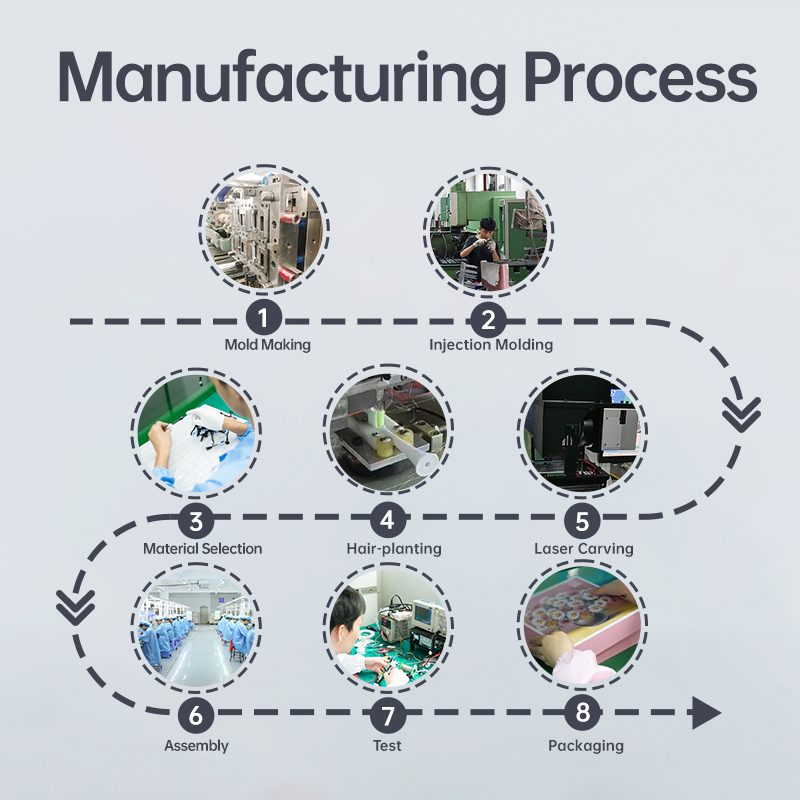
In the electric toothbrush OEM business, controlling production costs is crucial to staying competitive. Among various expenses, mold cost is often one of the highest upfront investments. Many manufacturers have developed an electric toothbrush mold library, offering ready-made solutions that significantly shorten the mold opening cycle and reduce costs. But exactly how much money can be saved by using an existing mold? Let's dive deeper. What is an Electric Toothbrush Mold Library? An electric toothbrush mold library is a collection of pre-existing injection molds covering various designs of toothbrush handles, brush heads, and chargers. These molds are production-ready and meet common industry standards. By leveraging these existing resources, OEM clients can: Avoid the lengthy and costly mold development process Accelerate time-to-market Reduce risks associated with new product tooling Mold Opening Cycle vs. Ready-Made Mold Modification Typically, creating a new mold (from design to production) involves a mold opening cycle of 45 to 90 days, depending on complexity. This timeline includes: Industrial design and structural optimization Mold fabrication and testing Correction and final approval In contrast, using ready-made mold modification (such as minor logo engraving, color changes, or slight structure adjustments) can be completed within 2 to 4 weeks — drastically reducing project lead time. Cost Savings Breakdown:…
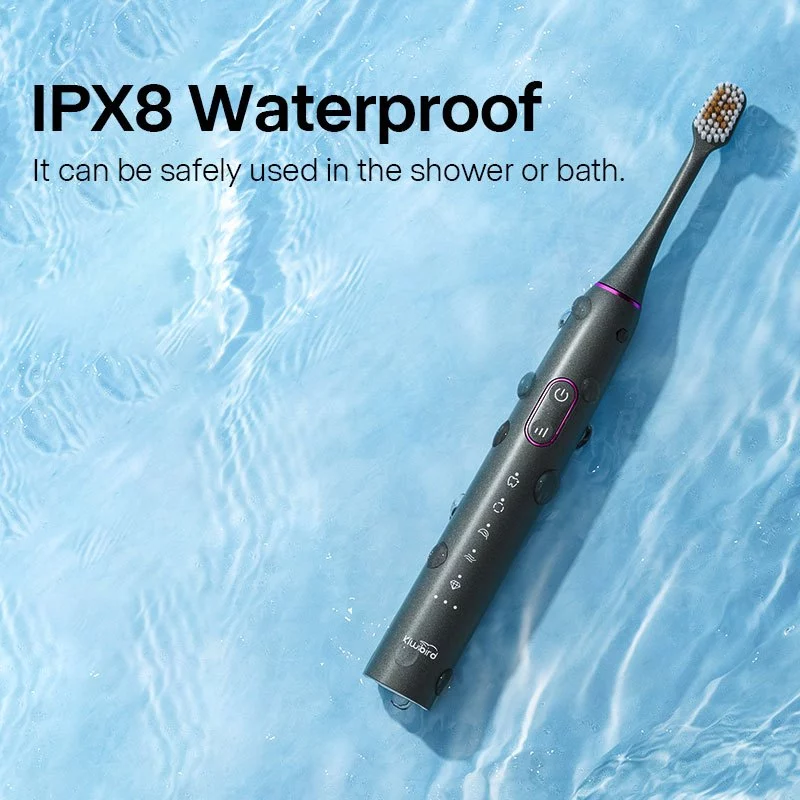
In the competitive oral care market, electric toothbrush manufacturers must deliver consistent product quality while managing potential risks effectively. One of the most crucial ways to ensure product reliability is through a robust traceability of electric toothbrushes. Especially for key components like motors and the waterproof casing, strict control through motor calibration standards and a detailed waterproof test process is vital. Together with proper quality inspection record archiving, these measures help maintain brand reputation and significantly contribute to product recall prevention. Motor Calibration: Setting and Managing High Standards The motor is the heart of any electric toothbrush, directly impacting performance, user experience, and product life. Adhering to precise motor calibration standards ensures that each unit operates within specified parameters, including: Rotational speed (RPM) consistency Vibration strength within optimal ranges Noise level control to enhance comfort During production, every motor undergoes calibration using specialized testing equipment. Detailed calibration data are recorded in the production traceability system, linking each motor to its corresponding toothbrush serial number. This practice guarantees that any deviation can be traced back instantly. Waterproof Testing: Safeguarding Daily Use Reliability Daily exposure to water makes the waterproof test process critical for electric toothbrushes. The standard testing procedures typically include: IPX7 or IPX8 level testing (depending on product…
While a low sticker price may look attractive from a price-performance standpoint, cheap brush heads often suffer from premature bristle splaying, uneven wear, and diminished cleaning efficacy. In this blog, we’ll examine the hidden costs and trade-offs of budget brush heads, helping B2B buyers and product managers make informed decisions. Material Quality vs. Initial Cost Firstly, the raw materials used in brush heads directly impact both manufacturing cost and end-user performance: Monofilament Type: Premium nylon or PBT bristles hold their shape far longer than generic low-grade fibers. Stem & Tuft Base: Injection-molded polypropylene with reinforced ribs costs more upfront but resists cracking under stress. Adhesives & Bonding: High-strength epoxy bonding prevents tuft loss; cheaper glues can degrade in warm, humid environments. Thus, low initial cost often correlates with material compromises that manifest quickly in the field. The Mechanics of Bristle Splaying Moreover, bristle splaying is the most visible sign of wear—and a direct measure of cleaning performance: Early Flare: Cheap bristles tend to flare outward after just a few weeks, reducing contact force and scrubbing action. Micro-abrasion Impact: Over-splayed bristles can trap debris and scratch tooth enamel or soft tissue. Longevity Metrics: Industry standards measure splay width over time; premium…
In many industrial systems, filter degradation and voltage drops often occur together: when filters become clogged or aged, pumps or motors must work harder, which can trigger system voltage dips. In this blog, we examine their connection in six parts and share how to diagnose, resolve, and prevent these issues to boost equipment stability and efficiency. Common Causes and Signs of Filter Degradation First, understand that industrial filters (air, oil, or fluid) degrade over time due to: Particle buildup: Dust, oil, or sediment accumulates on the filter surface. Chemical corrosion: Aggressive fluids attack and weaken filter media. Material aging: Continuous exposure to heat and pressure reduces filter porosity and resilience.Typical symptoms include decreased flow rate, rising system pressure, and more frequent filter changes. Mechanisms Behind Voltage Drops Next, learn why systems experience voltage drops: Increased load demand: Blocked filters raise backpressure, forcing motors to draw higher currents and causing voltage to sag. Power source fatigue: Batteries or power modules lose capacity under sustained heavy loads, leading to unstable output. Line impedance: Worn cables or loose connections add resistance, further dropping voltage. Company web:https://www.powsmart.com/product/electric-toothbrush/ How They Interact Filter degradation and voltage drops feed into each other: Higher pressure differential: Clogged filters…
As the demand for effective and hygienic oral care solutions continues to rise, consumers are becoming more conscious of the safety and quality of the products they use. For manufacturers in the oral care industry, offering FDA-approved antibacterial bristles is not only a matter of compliance but also an essential part of providing safe and reliable products. This blog serves as a Safety Guide for Oral Care, offering insights into the benefits of antibacterial bristles in electric toothbrushes and how they contribute to maintaining optimal oral health. https://www.powsmart.com/contact-us/ Understanding FDA-Approved Antibacterial Bristles The FDA-approved antibacterial filaments in electric toothbrushes ensures a more hygienic brushing experience. These bristles typically feature: Antimicrobial properties that prevent the accumulation of harmful microorganisms Long-lasting protection against the buildup of bacteria between brushings A special coating that doesn’t affect the bristles' softness or brushing effectiveness For oral care products manufacturers, incorporating these FDA-approved antibacterial bristles is an important step in providing a safe and hygienic solution to consumers. Why Antibacterial Filaments Matter in Electric Toothbrushes Traditional toothbrush bristles, especially when wet or stored improperly, can be breeding grounds for bacteria and germs. The benefits of FDA-approved antibacterial bristles include: Enhanced Hygiene: The bristles stay cleaner for longer, reducing the risk of reintroducing harmful bacteria…
Introduction: The Competitive Edge of Self-Developed Motor Technology In the rapidly evolving oral care market, manufacturers are constantly seeking ways to differentiate their products. One key area of innovation lies in self-developed motor technology, particularly in electric toothbrushes. By designing and producing their own magnetic suspension sonic motors, manufacturers can achieve superior performance, reliability, and cost efficiency—giving them a significant advantage in the B2B marketplace. 1. Enhanced Cleaning Performance with High-Intensity Vibration Frequency A self-developed motor allows manufacturers to fine-tune the high-intensity vibration frequency to optimize cleaning efficiency. Unlike generic motors, custom-engineered solutions can deliver precise oscillations that effectively clean oral food residues and plaque, even in hard-to-reach areas. This level of performance ensures end-users receive a superior brushing experience, fostering brand loyalty. 2. Low Noise Operation for a Premium User Experience Noise levels can make or break a consumer’s perception of an electric toothbrush. With an in-house magnetic suspension sonic motor, manufacturers can minimize mechanical friction, resulting in low noise operation. This refinement enhances user comfort, making the product more appealing in both home and travel settings. 3. Long-Lasting Power for Reliability and Durability Battery life is a critical factor in consumer satisfaction. A self-developed motor can be optimized for energy efficiency, ensuring long-lasting power without compromising performance. This reduces…
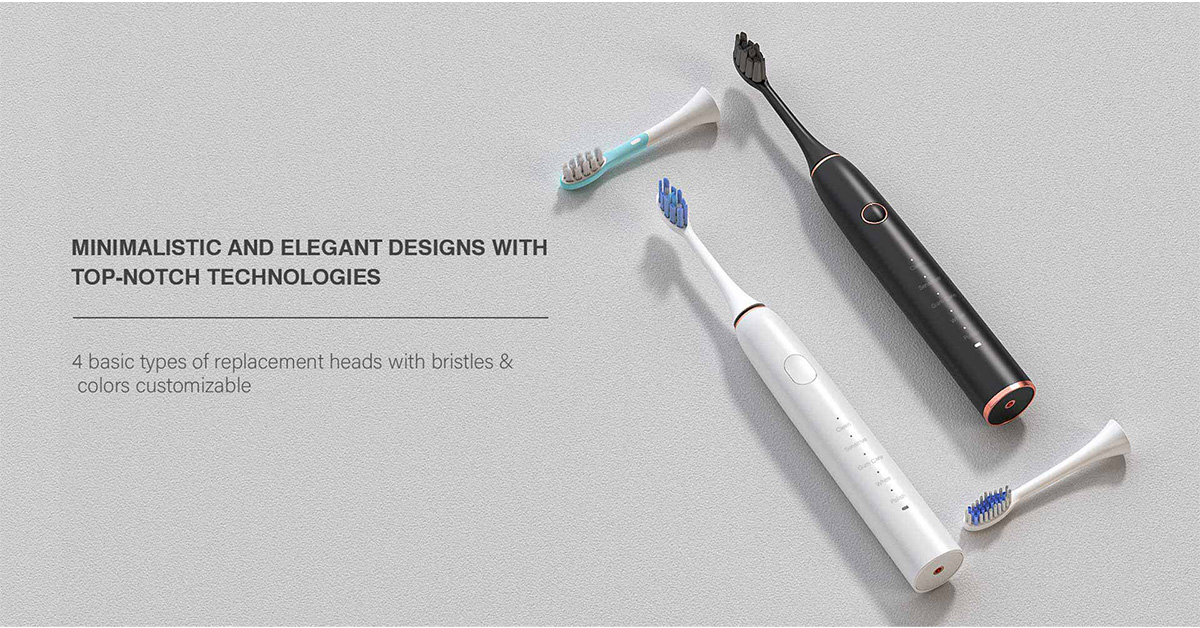
As a B2B electric toothbrush manufacturer, we understand that battery performance is one of the most critical factors affecting product satisfaction. Through extensive testing and customer feedback, we've identified the key factors that impact battery longevity. Let's examine the technical reasons behind poor battery life. 1. Insufficient Battery Capacity The most obvious factor is battery capacity. Many budget models cut costs by using: Lower-grade lithium-ion cells Smaller battery sizes (under 600mAh) Non-branded battery suppliers Solution: Opt for premium 800mAh+ batteries from reputable suppliers. 2. Motherboard Power Management Issues The motherboard plays a crucial role in power efficiency. Common problems include: Poor voltage regulation circuits Inefficient charging ICs Lack of sleep mode optimization Solution: Implement advanced power management chips with: Low quiescent current (<5μA) Smart charging algorithms Over-discharge protection 3. Motor Efficiency Matters The motor accounts for 70% of power consumption. Key considerations: Brushed vs brushless motors (20% efficiency difference) Optimal frequency settings (250-300Hz ideal) Quality of bearings and mechanical parts Pro Tip: Japanese-made brushless motors typically offer best performance. 4. Quality of Charging System Charging components significantly impact battery health: Poor quality charging coils cause energy loss Incorrect charging voltage damages cells Lack of temperature monitoring Recommendation: Use Qi-standard wireless charging with: Foreign object detection…
In the fast-paced world of global supply chains, efficiency is key to staying competitive. However, data gaps in logistics and customs delays in international shipments are becoming major obstacles, disrupting timelines and increasing costs. Without accurate data and smooth customs clearance, manufacturers and suppliers face production setbacks, delayed deliveries, and dissatisfied customers. This article explores the causes of these challenges and provides actionable solutions to mitigate risks. The Critical Role of Data Accuracy in Supply Chains Accurate and timely data is the backbone of modern logistics. From order placement to final delivery, every step relies on seamless information flow. However, data gaps—missing, incomplete, or outdated information—can lead to: Mislabeled Shipments: Incorrect documentation causes shipments to be flagged for manual review. Production Interruptions: Delays in receiving accurate inventory data result in stock shortages. Missed Compliance Requirements: Outdated regulatory information leads to failed customs inspections. Without a strong data management system, businesses struggle to anticipate delays and optimize inventory levels, causing inefficiencies across the supply chain. Customs Delays: A Growing Concern for Exporters As international trade regulations tighten, customs delays have become a common bottleneck. Factors contributing to these delays include: Incomplete or Inaccurate Documentation: Errors in shipping manifests or invoices trigger…


.jpg)
.jpg)
.jpg)
.jpg)
.jpg)






.webp)
.jpg)
.jpg)
.jpg)