.jpg)
In the landscape of modern consumer and professional electronics, two hardware concerns are becoming increasingly critical—Dock Failure and Battery Swelling. While often regarded as separate reliability issues, these malfunctions can work in tandem to compromise device performance and user safety. From portable grooming tools to medical diagnostics equipment, manufacturers must recognize how these risks interact and what they imply for overall product safety in demanding real-world use scenarios. Understanding Dock Failure: More Than Just a Connection Problem Dock Failure refers to the malfunction of the charging dock or connection base that facilitates power transfer and often data synchronization. Causes range from poor contact design and corrosion to mechanical wear or foreign matter ingress. In B2B use cases, docks are often subjected to repeated cycles of docking and undocking, increasing the chances of degraded alignment or loose connections over time. When a dock fails, not only does it interrupt charging, but it can also lead to unexpected power drops, incomplete firmware updates, and unsafe charging conditions—especially if the dock fails mid-cycle. The situation becomes more severe when Battery Swelling is involved, compounding both mechanical and thermal stresses. What Triggers Battery Swelling? Battery Swelling occurs when a lithium-ion battery builds up internal…
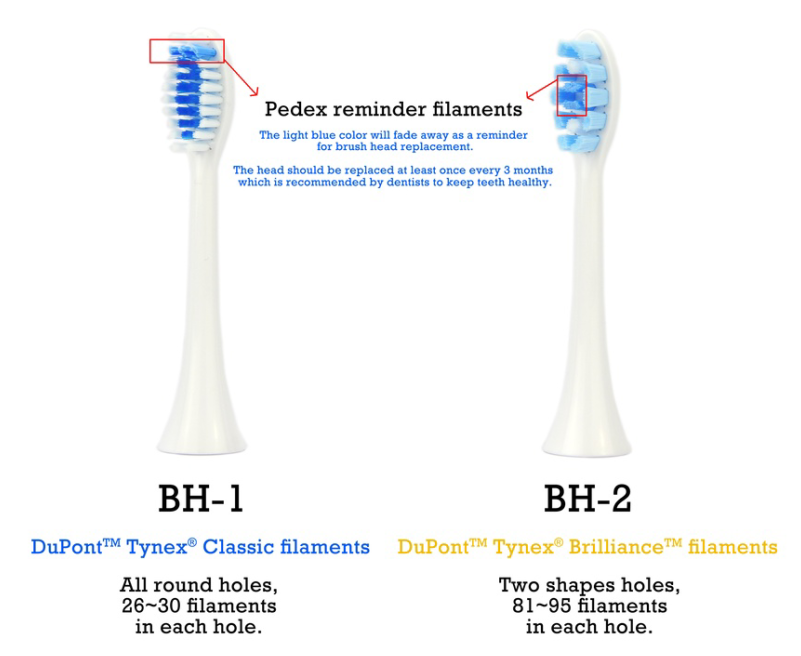
With the rising awareness of dental hygiene and the growing adoption of electric toothbrushes, oral care brands are actively seeking new ways to build loyalty and grow sustainably. One of the most effective strategies in recent years is the brush head subscription service. More than just a convenience, it represents a long-term opportunity for oral care brand growth, boosting both customer retention and brand visibility. In this article, we will explore the advantages of the brush head subscription service, and how it can help increase brand influence and sales in an increasingly competitive market. What Is the Brush Head Subscription Service? A brush head subscription service is a business model where users receive new replacement heads for their electric toothbrushes automatically, typically every 3 months. This service eliminates the hassle of remembering to replace brush heads and ensures customers maintain optimal oral hygiene. Brands offering this service can integrate it directly into their e-commerce platforms, apps, or even through third-party marketplaces. When combined with a high-quality oral care product manufacturer, the subscription model can become a seamless part of the customer’s oral care routine. Advantages of the Brush Head Subscription Service for Oral Care Brands A. Recurring Revenue & Predictable Sales One…
In the development and manufacturing of oral care devices such as water flossers, two critical concerns often overlooked by many brands are Design Flaw and the resulting risk of Gum Injury. While these products are intended to improve dental hygiene and user comfort, improper design choices can inadvertently harm sensitive gum tissue. This risk not only impacts end-user health but also poses severe challenges to manufacturers in terms of product liability, brand reputation, and market competitiveness. The Connection Between Design Flaws and Gum Injury A Design Flaw in a water flosser can manifest in several ways, including incorrect nozzle shape, improper water pressure calibration, and inadequate control interfaces. These flaws may lead to excessive water force or an uneven spray pattern that directly impacts the gums, causing tissue irritation, bleeding, or long-term sensitivity—collectively known as Gum Injury. For example, if the nozzle tip is too sharp or angled improperly, it may focus pressure on a narrow gum area, increasing the risk of damage. Similarly, if water pressure levels are poorly regulated, even a brief exposure to an overpowered jet can injure soft gum tissue, particularly for users with sensitive or receding gums. Common Design Flaws Leading to Gum Injury Several…
In the highly competitive world of oral care device manufacturing, ensuring product comfort and safety is essential to maintaining brand credibility and customer satisfaction. Two critical factors that directly impact user experience are Tooth Sensitivity and Unstable Vibration. When a sonic toothbrush exhibits inconsistent vibration patterns, it may not only reduce cleaning efficiency but also exacerbate tooth sensitivity issues for end-users. This article explores how these factors are interrelated and what manufacturers must consider to mitigate potential risks. Understanding Tooth Sensitivity in the Context of Oral Care Devices Tooth Sensitivity refers to discomfort or pain that occurs when teeth are exposed to certain stimuli such as cold, heat, pressure, or vibrations. Users with enamel erosion, gum recession, or exposed dentin are particularly vulnerable to this problem. For these individuals, even standard oral care routines can trigger unpleasant sensations if not carefully managed by the product design. Sonic toothbrushes are designed to deliver high-frequency vibrations for effective plaque removal. However, when these vibrations become Unstable, they may deliver uneven forces to the tooth surface, contributing to microscopic enamel wear or nerve irritation, ultimately worsening Tooth Sensitivity. Causes of Unstable Vibration in Electric Toothbrushes Unstable Vibration in toothbrushes usually stems from design…

In today’s competitive oral care market, product quality alone is not enough. For brands working with an electric toothbrush manufacturer, comprehensive and reliable after-sales service is essential to build long-term trust with consumers. Especially in electric toothbrush OEM partnerships, strong post-sale support can enhance brand reputation, minimize return rates, and boost customer satisfaction. This blog outlines the core after-sales service content and commitment a professional manufacturer should offer to brand partners. Warranty Coverage and Service Timelines A reliable electric toothbrush manufacturer will offer clear warranty terms that protect both the brand and the end consumer. Key elements include: Standard warranty period (usually 12–24 months depending on product type) Coverage for manufacturing defects, battery issues, and electronic failures Clear service timelines, with commitments to respond to warranty claims within a defined period (e.g., 48 hours) This transparency helps OEM partners confidently communicate with end users and reduce disputes. After-Sales Maintenance and Technical Support Plan for Electric Toothbrushes Maintenance and technical support are critical components of a manufacturer’s after-sales infrastructure. A good after-sales maintenance and technical support plan for electric toothbrushes may include: Repair services or product replacement protocols for defective units Remote troubleshooting and firmware updates (especially for smart toothbrushes) Spare parts provision: replacement brush heads, batteries, or charging…
As water flossers continue to grow in popularity across global markets, manufacturers are focusing not only on cleaning performance but also on the safety and user experience of these devices. Two often-overlooked but critically linked factors are Excessive Noise and the potential for Aspiration Risk. While noise levels may seem like a minor inconvenience at first glance, excessive sound can directly contribute to unsafe usage conditions—especially among sensitive user groups. This article explores how these two issues are related, and why B2B suppliers should pay close attention. The Relationship Between Excessive Noise and Aspiration Risk Excessive Noise produced by water flossers can lead to multiple unintended consequences, one of which is the increased possibility of Aspiration Risk—the accidental inhalation of water droplets or debris into the respiratory tract. When a device operates loudly, it can startle or distract the user, disrupting the careful coordination required to maintain correct oral posture during use. For elderly users, children, or individuals with reduced motor control, this distraction can make it easier to lose concentration or improperly tilt the device, raising the likelihood of aspiration incidents. Therefore, manufacturers cannot ignore the link between noise output and user safety. Causes of Excessive Noise in Water…
In the development and manufacturing of oral care devices, especially water flossers and similar equipment, ensuring long and reliable usage time is vital. However, Short Tank Runtime remains a common issue in many products, directly affecting their usability and effectiveness. For users managing sensitive oral conditions such as Oral Ulcers, this problem can become more than an inconvenience—it can compromise care quality. This article explores how short tank capacity impacts oral ulcer treatment, the causes behind this issue, and what manufacturers can do to resolve it. Why Short Tank Runtime Matters in Oral Ulcer Care Oral Ulcers require special attention during daily cleaning routines. These small but painful sores can worsen with improper hygiene or insufficient cleaning, leading to delayed healing and potential infections. When a water flosser suffers from Short Tank Runtime, the device may not provide sufficient continuous water flow to properly rinse the ulcer area. This interruption forces users to stop mid-cleaning to refill the tank, breaking the cleaning process and potentially leaving bacteria or food particles behind. Inadequate rinsing due to runtime limitations may reduce the effectiveness of oral ulcer treatment and prolong discomfort or recovery times. Causes of Short Tank Runtime in Water Flossers Several…
In the world of advanced oral hygiene devices, bristle deformation and nozzle clogging may seem like minor issues—but they represent two of the most overlooked factors impacting cleaning efficiency and long-term oral health. For OEM partners, recognizing the consequences of these quality pitfalls is crucial to product reliability and brand integrity. Bristle Deformation: The Invisible Efficiency Killer When toothbrush bristles lose their original shape—either by bending, fraying, or flattening—their ability to sweep away plaque diminishes dramatically. Bristle deformation commonly results from: Use of low-resilience filament materials High brushing force by users Inadequate tufting techniques Exposure to excessive heat or chemicals during production or usage Over time, distorted bristles not only reduce contact with tooth surfaces but can also irritate gums or fail to clean interdental spaces, undermining the very function the brush was designed for. Impact on Oral Hygiene Performance Deformed bristles deliver uneven pressure, resulting in: Missed plaque on molar grooves and gum lines Risk of enamel erosion from exposed filament ends Increased bacterial buildup due to reduced mechanical scrubbing For B2B buyers and ODM brands, this translates into higher return rates and lower customer satisfaction—especially in premium product segments that promise “deep clean” performance. Nozzle Clogging in Water…
In the manufacturing of personal oral care devices, charging failure and tank odor may appear to be unrelated issues. However, recent field reports and internal quality audits reveal a surprising correlation—especially in water flossers and multifunctional electric devices. These two symptoms often occur simultaneously, signaling a deeper systemic flaw in device design or material interaction. Moisture Ingress: The Common Root of Dual Failures One of the primary causes linking charging failure and tank odor is moisture ingress. When the sealing integrity between the tank and the electrical housing is compromised—even slightly—water vapor can penetrate into the internal circuitry. This results in: Corrosion of charging contacts Battery oxidation or short circuits Microbial growth within warm, humid tanks In many cases, a user may notice an unpleasant smell from the tank just days before the device fails to recharge—a subtle but telling warning. Material Selection: Unseen Chemical Interactions Another contributing factor lies in subpar material selection. Low-grade plastics used in the tank or inner components can leach chemicals when exposed to repeated moisture and temperature fluctuations. These materials: Promote bacterial colonization, intensifying tank odor Release acidic byproducts that interfere with charging board function May emit volatile compounds that corrode internal electronics over…
In the competitive market of electric oral care products, mode malfunction and pulse instability are two issues that are often overlooked—until they begin to erode overall device stability and consumer trust. Although these two failures may appear isolated, they are frequently symptoms of deeper flaws in design, firmware control, or component compatibility. The Hidden Role of Mode Malfunction in Product Failure Mode malfunction refers to the improper switching, freezing, or unintended behavior of pre-set cleaning modes. This issue often stems from: Faulty microcontroller firmware Inconsistent voltage supply Substandard mode-selector buttons or PCB contact points A mode malfunction does more than disrupt the user experience—it can lead to incomplete cleaning cycles, overuse of sensitive settings, or total system lockout, all of which severely undermine product credibility. Pulse Instability: More Than Just a Comfort Issue While some manufacturers dismiss pulse instability as a user comfort concern, its implications are far more serious. A stable pulse frequency is critical to: Effective plaque removal User gum safety Internal motor balance and longevity Pulse irregularities can result from degraded sensors, power surges, or inconsistent motor performance. Over time, they contribute to wear and tear that accelerates device failure and customer returns. The Interconnection: When One…
As consumer expectations around personal health rise, the oral care sector is experiencing a clear transformation. One of the standout trends is the rise of the Smart Electric Toothbrushes. These high-tech products are no longer limited to premium markets—they are rapidly becoming the standard. For oral care brands, responding to this demand requires collaboration with a tech-driven oral care supplier that can deliver advanced, customized solutions. This blog provides insight into why smart toothbrushes are gaining momentum and what brands should look for in a reliable innovative toothbrush factory manufacturer. Rising Consumer Awareness of Oral Health Consumers are now more educated than ever about oral hygiene's link to overall health. They seek tools that offer efficiency, accuracy, and data. A Smart Electric Toothbrush meets this demand by offering features such as: Real-time brushing feedback via apps Pressure sensors to prevent gum damage AI-powered brushing habit tracking Bluetooth integration and cloud-based data analysis These features make smart toothbrushes not just functional but essential in consumers' personal care routines. As a result, brands looking to stay competitive need to include smart oral care options in their product lineup. The Role of Smart Technologies in Oral Care Devices The integration of smart technologies in oral care…
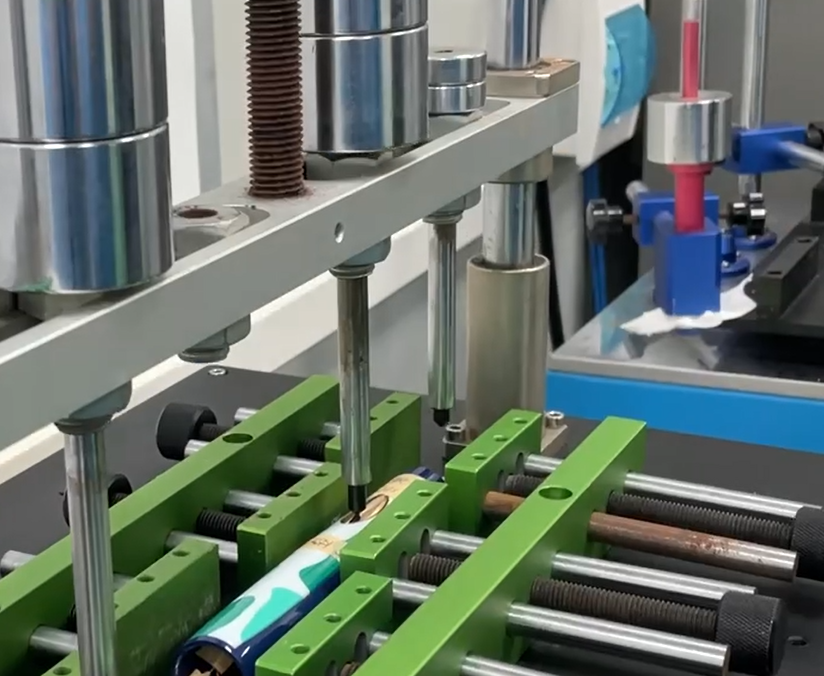
In today’s competitive oral care market, brand success often hinges on product quality, innovation, and speed to market. For brands looking to expand their presence with a Smart Electric Toothbrush line, choosing a high-quality Electric Toothbrush Factory is a crucial decision. The right partner doesn’t just manufacture your products—they help shape your brand’s reputation and future. This article offers a step-by-step guide for oral care brands to identify the right tech-driven oral care supplier for their business, with insights into what makes an innovative toothbrush factory manufacturer stand out. Define Your Product and Market Needs Before contacting any factory, you need a clear understanding of your own brand’s needs: Are you launching a premium Smart Electric Toothbrush with app connectivity? Do you need a simple yet reliable OEM electric toothbrush model for entry-level markets? What certifications (FDA, CE, ISO) must the factory support? Knowing your positioning and technical requirements ensures better communication with potential partners and helps in user-targeted oral care manufacturing planning. Key Qualities of a High-Quality Electric Toothbrush Factory When evaluating potential manufacturers, prioritize these attributes: Strong R&D Capabilities: An innovative toothbrush factory manufacturer should have in-house product development, circuit design, and firmware capabilities to support smart features. Production Precision: Look for factories with automated assembly…
In the fiercely competitive oral care market, motor noise and pump noise are often underestimated factors that significantly impact the overall user experience. While performance, functionality, and design are primary selling points, excessive operational noise can quickly erode consumer satisfaction and brand reputation. Understanding how these noise sources originate and affect end-users is crucial for manufacturers striving for excellence. The Hidden Impact of Motor Noise on Daily Use A key contributor to an unpleasant user experience is excessive motor noise. Motors, especially in electric toothbrushes and water flossers, are expected to deliver smooth, quiet performance. However, factors such as: Low-grade motor components Poor bearing quality Inadequate sound insulation can lead to high-pitched whining or grating noises. This unwanted sound becomes especially disruptive in morning or late-night use, making products feel "cheap" or unreliable, regardless of their actual cleaning efficiency. The Problem of Pump Noise in Water Flossers Similarly, pump noise is a critical pain point for water flosser users. When the internal water pump generates loud vibrations or humming, it can: Disturb household members Make the product unsuitable for shared living spaces Lead to user fatigue due to sensory overload These discomforts reduce the willingness of consumers to use the…
In the field of oral care appliances, particularly water flossers and electric toothbrushes, Head Loosening and Filter Fouling are two hidden but serious problems that can directly undermine cleaning efficiency. When manufacturers overlook these factors in product design or production, the result can be poor cleaning performance, reduced consumer satisfaction, and higher return rates. How Does Head Loosening Occur? Head Loosening typically results from repeated usage, subpar material selection, or improper assembly techniques. When the brush head or flosser nozzle is not tightly secured to the main body: Vibration transmission weakens cleaning force. Inconsistent water or bristle pressure impacts debris removal. The user may need to apply excessive force, increasing discomfort. Such defects cause loss of mechanical energy, reducing the device’s intended cleaning effectiveness while simultaneously damaging consumer trust in the product's quality. The Overlooked Problem of Filter Fouling Filter Fouling is another major factor that reduces performance but is often underestimated during design and testing phases. Filters in water flossers are designed to prevent debris and contaminants from entering the water stream, but over time: Mineral buildup from hard water Accumulation of biofilm or mold Trapped food particles can clog the filters, leading to decreased water flow, reduced spray…
In the manufacturing of high-performance electronic devices, two issues often come under scrutiny—Runtime Drop and Thermal Failure. While these problems may appear independent at first glance, deeper technical analysis reveals that they are, in fact, closely interrelated. Understanding the relationship between runtime decline and thermal stress is critical for OEM and ODM partners who demand reliability, safety, and durability in their products. What is Runtime Drop? Runtime Drop refers to the unexpected reduction in operational time of battery-powered devices such as electric toothbrushes, water flossers, or portable appliances. When the runtime does not meet the expected or rated duration, it causes end-user dissatisfaction and increases warranty returns. This can be caused by various factors—such as battery degradation, increased internal resistance, or external environmental conditions. However, an often-overlooked contributor to runtime drop is thermal stress. Excessive heat generation within the device during operation can accelerate battery aging, directly reducing usable capacity and causing runtime to shorten over time. What is Thermal Failure? Thermal Failure happens when a device or component fails to manage or dissipate heat effectively, resulting in overheating. This condition not only risks immediate functionality loss but may also lead to permanent damage of internal parts—such as PCB warping,…
In the production of battery-powered devices, two critical issues that can significantly affect product reliability are Battery Leakage and Valve Sticking. While they might seem unrelated at first glance, battery leakage can directly lead to valve malfunction and sticking, ultimately compromising the performance and lifespan of the entire device. Understanding this connection is essential for OEM and ODM partners striving for quality, consistency, and customer satisfaction. What is Battery Leakage? Battery Leakage occurs when electrolytes or other chemical substances escape from the battery casing. This leakage can be caused by various factors such as overcharging, deep discharge, manufacturing defects, or prolonged storage in unsuitable environmental conditions like high humidity or extreme temperatures. When battery leakage happens, the leaked substance can corrode nearby components, affect circuit boards, and even cause safety hazards. In sealed systems such as electric toothbrushes, water flossers, or medical devices, leaked battery fluids often reach mechanical parts—including delicate valves—causing unintentional side effects such as Valve Sticking. Understanding Valve Sticking in Precision Devices Valve Sticking refers to the failure of a valve to open or close smoothly, resulting in restricted or uncontrolled fluid or air flow. In consumer or medical devices that depend on precise fluid delivery (like…
In the world of high-precision electronic and mechanical devices, unexpected problems such as Contact Oxidation and Weak Pressure can severely impact overall product performance and end-user satisfaction. Many OEM and ODM partners are beginning to realize that these two seemingly unrelated issues may, in fact, be closely connected. Understanding how electrical contact quality can influence mechanical output like pressure stability is critical for improving the durability and reliability of modern devices. What is Contact Oxidation? Contact Oxidation refers to the formation of an insulating oxide layer on metallic contact surfaces, typically resulting from exposure to oxygen, humidity, or contaminants over time. In battery-powered or electrically actuated devices, contact oxidation can occur at the battery terminals, PCB connectors, motor brushes, or micro-switches. As oxidation builds up, the electrical conductivity at these points decreases, leading to increased resistance and inconsistent power delivery. This seemingly minor issue in the electrical system can ripple through the device’s operation—ultimately affecting mechanical systems that depend on stable electrical input to function correctly. Defining Weak Pressure in Powered Devices Weak Pressure occurs when a device fails to generate or maintain its intended mechanical force—such as air pressure, water pressure, or hydraulic pressure. In consumer appliances like water…
In the design and manufacture of electronic devices, particularly those intended for portable or high-performance applications, Vibration Weakening and Circuit Short are two critical risk factors that can significantly impact product reliability and safety. While these issues are often analyzed separately, recent failure analyses suggest a strong connection between vibration-induced mechanical wear and the increased likelihood of electrical short circuits. For OEM and ODM manufacturers, understanding this relationship is crucial to minimizing defect rates and ensuring long-term product durability. What is Vibration Weakening? Vibration Weakening refers to the gradual reduction in structural or mechanical integrity of components due to continuous or repeated exposure to vibration. This phenomenon is common in battery-powered portable devices such as electric toothbrushes, grooming tools, or industrial handheld equipment. Frequent vibration can loosen screws, degrade solder joints, wear down plastic mounts, and shift internal assemblies out of alignment. As the internal structure becomes unstable, the device may experience performance degradation, audible noise, and even malfunction. Understanding Circuit Short A Circuit Short (short circuit) occurs when an unintended connection forms between two conductive paths, allowing current to bypass its designated route. This can cause excessive current flow, overheating, and potentially catastrophic failures such as component burn-out or…


.jpg)
.jpg)
.jpg)
.jpg)
.jpg)



.jpg)
.jpg)
.jpg)