
.jpg)
In the field of sonic toothbrush manufacturing, button malfunction and uneven bristles might seem like unrelated issues at first glance. However, increasing customer feedback indicates that these two flaws can interact, resulting in product failure, reduced brushing efficiency, and poor user experience. Is this truly an overlooked disaster in oral care design—or a preventable manufacturing defect? How Button Malfunction Triggers Bristle Deformation A button malfunction, such as a stuck or delayed power button, can unintentionally cause the motor to operate erratically. This leads to: Over-vibration during rest periods; Unplanned sudden start/stop cycles; Extended high-speed running without load. Such irregular operation strains the brush head, causing uneven bristles over time as the fibers wear at different rates due to inconsistent pressure and motion. The Role of Uneven Bristles in Brushing Inefficiency Uneven bristles are not merely a cosmetic problem—they seriously undermine brushing quality. They cause: Incomplete plaque removal in certain areas; Over-scrubbing of gum tissue, raising the risk of irritation or recession; Imbalanced motor load, increasing the chance of future button malfunction due to feedback strain on internal electronics. In B2B production, such flaws can damage the brand’s reputation and result in costly product returns. Company web: https://www.powsmart.com/product/electric-toothbrush/ Root Causes Behind Button…
.jpg)
In recent years, the market potential of water flossers has grown significantly, driven by increasing global awareness of oral hygiene and the demand for convenient, effective dental tools. However, to fully capitalize on this potential, oral care brands must adopt targeted strategies to differentiate their offerings and drive market penetration. This blog outlines key methods to increase product sales of water flossers, supporting the long-term development of water flosser brands and helping brand owners identify manufacturing partners aligned with their vision. https://www.powsmart.com/product/water-flosser/ Market Education: Inform to Convert One of the most effective tips for increasing the sales of water flossers is consumer education. Many consumers are still unaware of how water flossers differ from traditional floss or their specific benefits, such as improved gum health, deeper interdental cleaning, and suitability for people with braces or implants. Brands should consider: Creating educational content (videos, blog posts, infographics) Collaborating with dental professionals for testimonials or co-branded campaigns Emphasizing clinical benefits in packaging and online listings By building consumer understanding, brands can enhance trust and justify premium pricing—laying the foundation for increased product demand. Product Differentiation and Innovation To stand out in a competitive market, innovation is critical. Whether through improved functionality, smarter features, or sleek…
In the world of electric toothbrush manufacturing, both performance stability and user safety are non-negotiable. However, two common issues—Brush Head Wobble and Battery Swelling—can jeopardize these fundamental qualities. Many users tolerate slight wobbling or reduced battery performance unknowingly, but when these two problems occur together, the consequences can be far more serious than expected. This article explains why manufacturers and suppliers should never overlook these seemingly minor defects, as they directly impact product durability, safety, and brand reputation. What Causes Brush Head Wobble? Brush Head Wobble refers to the unwanted lateral or vertical movement of the toothbrush head during operation. While a small degree of vibration is expected for cleaning purposes, excessive wobble results from: Imprecise Shaft Fitting: Poor manufacturing tolerance can cause misalignment between the drive shaft and brush head connector. Material Fatigue: Over time, plastic or metal parts may wear out, loosening the head's connection. Assembly Errors: Inconsistent torque control during automated assembly can result in loosely mounted brush heads. When the brush head wobbles, cleaning efficiency drops and users may experience gum discomfort or premature head failure. Worse yet, persistent wobble stresses the internal drive components, hastening device breakdown. The Hidden Dangers of Battery Swelling At first…
In the manufacturing and supply of electric personal care devices, two frequently overlooked but critical issues are Charging Failure and Handle Cracking. These problems not only impact the product’s functionality but also jeopardize its lifespan and user satisfaction. When these two issues occur simultaneously, the risk of total device failure significantly increases. This article explores why these faults arise and provides practical guidance for B2B manufacturers on how to identify and resolve them efficiently. Understanding the Root Causes of Charging Failure Charging Failure in electric devices, such as toothbrushes and water flossers, can originate from various points in the system: Damaged Charging Ports: Repeated use, contamination, or oxidation of the charging contacts can prevent effective power transfer. Circuit Malfunction: Poor-quality PCBs or faulty battery management systems (BMS) disrupt the charging cycle. Battery Degradation: Aged or inferior batteries may no longer accept or retain charge, leading to performance drops. Detecting the true source of Charging Failure is critical before proceeding with corrective actions to avoid misdiagnosis and unnecessary component replacement. The Hidden Threat of Handle Cracking Simultaneously, Handle Cracking is another issue that can silently develop during the product’s lifecycle: Material Fatigue: Prolonged exposure to moisture, temperature shifts, and mechanical stress…
In precision-driven devices such as electric toothbrushes, water flossers, and personal care equipment, maintaining stable performance is paramount. However, Noise Increase—whether electrical or mechanical—has become a critical concern, as it may directly contribute to Vibration Inconsistency. This article will thoroughly explore how these two factors interact, why manufacturers should care, and what measures can prevent performance degradation caused by their relationship. What is Noise in Electrical and Mechanical Systems? In B2B manufacturing of smart or powered devices, “noise” does not simply refer to sound. It also includes: Electrical Noise: Unwanted electromagnetic interference (EMI) or fluctuations in voltage/current that disrupt signal clarity. Mechanical Noise: Unplanned or excess vibrations, friction, or movement in motors and gears. This Noise Increase can generate disturbances in sensor feedback loops, motor operation, and even user-perceived performance—laying the foundation for potential Vibration Inconsistency in the product. How Noise Increase Leads to Vibration Inconsistency The relationship between Noise Increase and Vibration Inconsistency is closer than it may first appear: Motor Control Disruption: Electrical noise can interfere with motor drivers and controllers, causing unintended shifts in speed or oscillation patterns. Mechanical Resonance Overlap: Excessive mechanical noise leads to unintended harmonics that amplify or dampen motor vibrations unpredictably. Sensor Misreading:…
For manufacturers and brands in the oral care industry, customer complaints about Gum Bleeding caused by Enamel Scratches are no longer rare. With the rise of sonic toothbrushes, water flossers, and dental devices, users are increasingly sensitive to oral discomfort and damage. But does this mean manufacturers or OEM/ODM suppliers need to panic? This article explores how Enamel Scratches occur, why they trigger Gum Bleeding, and what design or material flaws may be the root cause—especially in products intended for daily use. The Hidden Connection Between Enamel Scratches and Gum Bleeding While enamel and gum tissue are distinct, their health is closely interrelated. Enamel Scratches—even micro-level ones—can lead to sharp edges or rough surfaces on toothbrush bristles or flossing nozzles. When such compromised surfaces come in contact with sensitive gum tissue, Gum Bleeding can easily result. This risk becomes higher in products where bristle quality, nozzle coating, or polishing processes are insufficiently controlled. Moreover, once enamel is scratched, the underlying tooth structure may become more prone to bacterial retention, leading to localized gum inflammation—another indirect cause of Gum Bleeding. Key Product Design and Material Issues Leading to Enamel Scratches Several hidden design or material flaws in oral care products can…
In the world of small electrical appliances, especially oral care devices like electric toothbrushes and water flossers, Motor Overheating and Device Overheating are two critical risks that often go hand in hand. While these issues may seem like isolated technical failures, their combined presence can pose a "double danger" that affects not only product performance but also user safety and brand reputation. So how are these two overheating phenomena related, and why should manufacturers be on high alert? The Fundamental Difference Between Motor Overheating and Device Overheating To begin, it is essential to distinguish between Motor Overheating and Device Overheating. Motor Overheating refers to the excessive temperature rise in the motor core due to prolonged use, high resistance, or mechanical friction. On the other hand, Device Overheating includes not only the motor's heat but also the accumulation of heat in the battery, circuit board, and housing. Although separate in origin, these two forms of overheating frequently influence each other. For example, a poorly ventilated housing may trap the heat generated by the motor, leading to widespread Device Overheating. Causes Behind Motor Overheating Common causes of Motor Overheating include: Overloading: When the motor is subjected to excessive resistance (e.g., pressing the…
For many consumers, teeth whitening promises brighter smiles—but for manufacturers, Tooth Sensitivity and Enamel Erosion are potential side effects that require serious attention. As more users report discomfort or sensitivity after using whitening products, industry players must consider: is enamel damage an inevitable cost of whitening technology, or can smarter design and formulation reduce these risks? Why Whitening Treatments May Trigger Tooth Sensitivity A common complaint among whitening product users is Tooth Sensitivity, especially after repeated or intensive use. This reaction often stems from the action of peroxide-based gels, which penetrate the enamel layer to bleach intrinsic stains. While effective, this process can temporarily expose dentin tubules—the microscopic channels that connect to the tooth nerve—causing discomfort when exposed to heat, cold, or pressure. For manufacturers, understanding this mechanism is crucial. Over-concentration or prolonged application times heighten sensitivity risks, making precise formulation and user instruction essential to product safety. The Role of Enamel Erosion in Whitening Side Effects Enamel Erosion exacerbates the problem of Tooth Sensitivity. Enamel, the hardest substance in the human body, acts as the tooth's protective shield. However, excessive exposure to acidic gels or abrasive whitening agents gradually wears this barrier away, reducing its thickness and strength. Once…

The global oral care market is evolving rapidly, driven by rising consumer awareness and growing demand for advanced hygiene solutions. For brands looking to stay ahead, oral care product expansion is no longer optional—it's essential. Whether you're launching your first electric toothbrush line or expanding into water flossers, a strong manufacturing foundation is critical. This guide provides a roadmap for oral care brands looking to scale smartly through factory partnerships and strategic product development. Assessing Readiness for Brand Upgrade and Expansion Before jumping into production or new product categories, it's important to evaluate your brand’s current market position. Ask yourself: Is your product portfolio meeting modern oral hygiene trends? Do you have the infrastructure to manage supply chain and logistics on a larger scale? Are your current manufacturing partners able to support scale, speed, and quality? A successful brand upgrade and expansion guide starts with clear objectives, market differentiation, and an aligned vision with production partners. Finding the Right Electric Toothbrush Factory The electric toothbrush segment is a cornerstone of innovation in oral care. Selecting the right electric toothbrush factory can make or break your product success. When evaluating factories, consider: R&D capabilities: Can they develop unique brush heads, smart features, or app…
In the world of professional and consumer teeth whitening devices, consistent performance is crucial for user satisfaction. However, many complaints arise from Light Failure, which directly leads to Uneven Whitening results. But is this phenomenon acceptable from a manufacturing perspective—or is it a sign of underlying design or quality flaws that must be addressed? For B2B producers, the answer to this question determines product credibility and market competitiveness. The Importance of Stable Light Output Teeth whitening effectiveness depends heavily on stable, uniform light emission. Any instance of Light Failure—whether due to LED malfunction, inconsistent power delivery, or degraded light source—can result in patchy exposure of whitening gel to tooth surfaces, causing Uneven Whitening. This not only undermines whitening performance but also leads to customer dissatisfaction and increased product returns. Manufacturers must ensure strict quality control in LED selection, light distribution design, and electrical reliability to minimize this risk. Causes Behind Light Failure in Whitening Devices Several factors contribute to Light Failure in oral whitening products: Poor Soldering Quality: Weak electrical connections cause intermittent LED activity. Inadequate Heat Dissipation: Overheating damages light components, reducing brightness. Battery Instability: Power fluctuation can prevent LEDs from maintaining consistent output. Each of these issues, if…
As teeth whitening devices and products become increasingly popular among global consumers, a less-discussed but critical concern emerges—Allergic Reactions and Taste Alteration associated with their use. These potential side effects, often underestimated during design or formulation phases, can significantly impact user satisfaction and product perception. Are these merely occasional inconveniences, or hidden costs manufacturers must proactively address? The Overlooked Impact of Chemical Sensitivities A primary cause of Allergic Reactions in whitening treatments stems from the active ingredients, typically hydrogen peroxide or carbamide peroxide. While effective in removing stains, these chemicals can trigger adverse responses in sensitive users, such as gum irritation, lip swelling, or mucosal discomfort. For manufacturers, understanding allergenic triggers and offering low-sensitivity alternatives is essential to reducing consumer risk while preserving whitening efficacy. Device Materials Can Be Hidden Culprits Beyond gel formulations, materials used in whitening trays or applicators can also cause Allergic Reactions. Low-quality plastics, softeners, or silicone additives may release substances that irritate oral tissues. This raises the bar for B2B suppliers to select hypoallergenic, medical-grade materials to minimize such risks and build end-user trust. Material certification and biocompatibility testing should therefore be integral to product development. Taste Alteration: A Subtle but Serious Problem Many users…
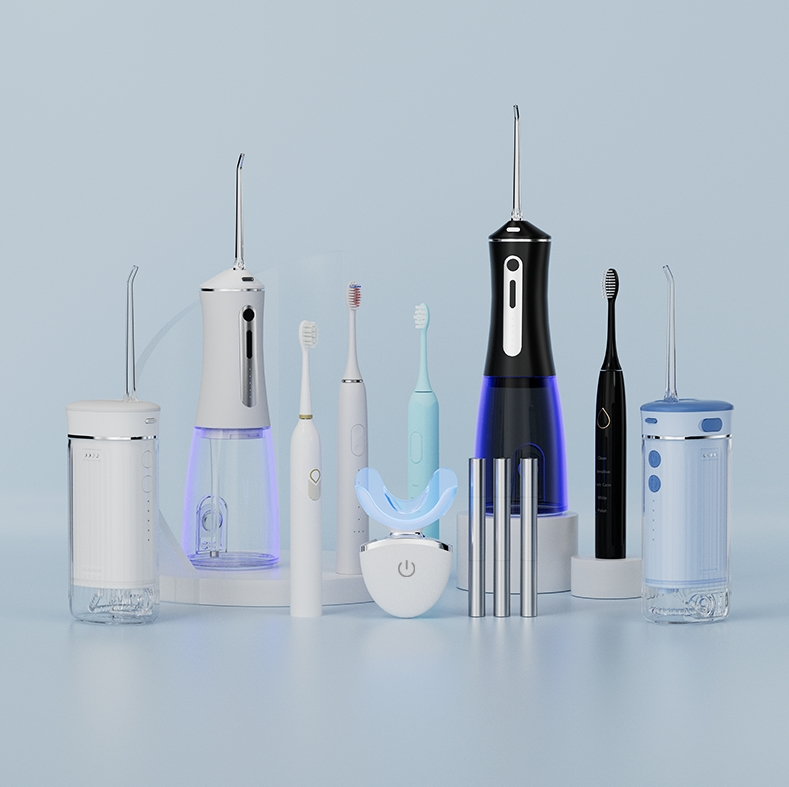
In today’s competitive oral care market, user confidence is a decisive factor in brand loyalty and long-term growth. With consumers becoming increasingly educated and selective about health and hygiene products, oral care brands must go beyond basic offerings. Strategic brand Product Upgrades and Expansion, well-planned oral care products combinations, and strong manufacturing partnerships are key to delivering quality and innovation that build trust. This article explores how oral care brands can enhance consumer confidence by leveraging OEM cooperation, innovating product portfolios, and cooperating with reliable factories for sustainable growth. Upgrade to Compete: Why Brand Product Upgrades Matter A stagnant product lineup can erode consumer interest. Modern users look for innovation—be it smarter electric toothbrushes, more efficient oral irrigators, or integrated care solutions. Regular brand Product Upgrades and Expansion signal that the brand is evolving with user needs. Smart features like pressure sensors or Bluetooth connectivity add value. Aesthetic improvements such as minimalist design or sustainable packaging can influence perception. Functionality upgrades like quieter motors or improved battery life directly impact user experience. By consistently improving performance and design, brands can significantly enhance user confidence and distinguish themselves in a saturated market. Expand Strategically: Combining Oral Care Products for Complete Solutions Consumers no longer want isolated products;…
When toothbrush manufacturers emphasize durability and cleaning efficiency, one overlooked but critical problem can emerge: Bristle Hardening leading to Gum Recession. While consumers seek long-lasting brushes, stiffening bristles can pose serious risks to oral health, transforming the daily habit of brushing into a potential cause of gum damage. But how does this happen—and what can manufacturers do to prevent it? Why Bristle Hardening Occurs Over Time Toothbrush bristles are designed to maintain elasticity and flexibility for gentle cleaning. However, after prolonged use or exposure to moisture, heat, and chemical agents (like toothpaste abrasives), the bristles may undergo Bristle Hardening. This process reduces their ability to flex properly, causing them to behave like stiff, abrasive tools rather than gentle cleaning filaments. For B2B manufacturers, understanding the material fatigue of nylon or other synthetic bristle types is crucial in preventing premature hardening. How Hardened Bristles Trigger Gum Recession Once Bristle Hardening occurs, the brush’s interaction with the gums changes drastically. Instead of massaging and cleaning gently, the hardened bristles scrape the gingival margin, leading to microtrauma. Repeated trauma causes the gums to retract—a condition known as Gum Recession. This not only exposes the tooth roots, increasing sensitivity but also raises the risk…
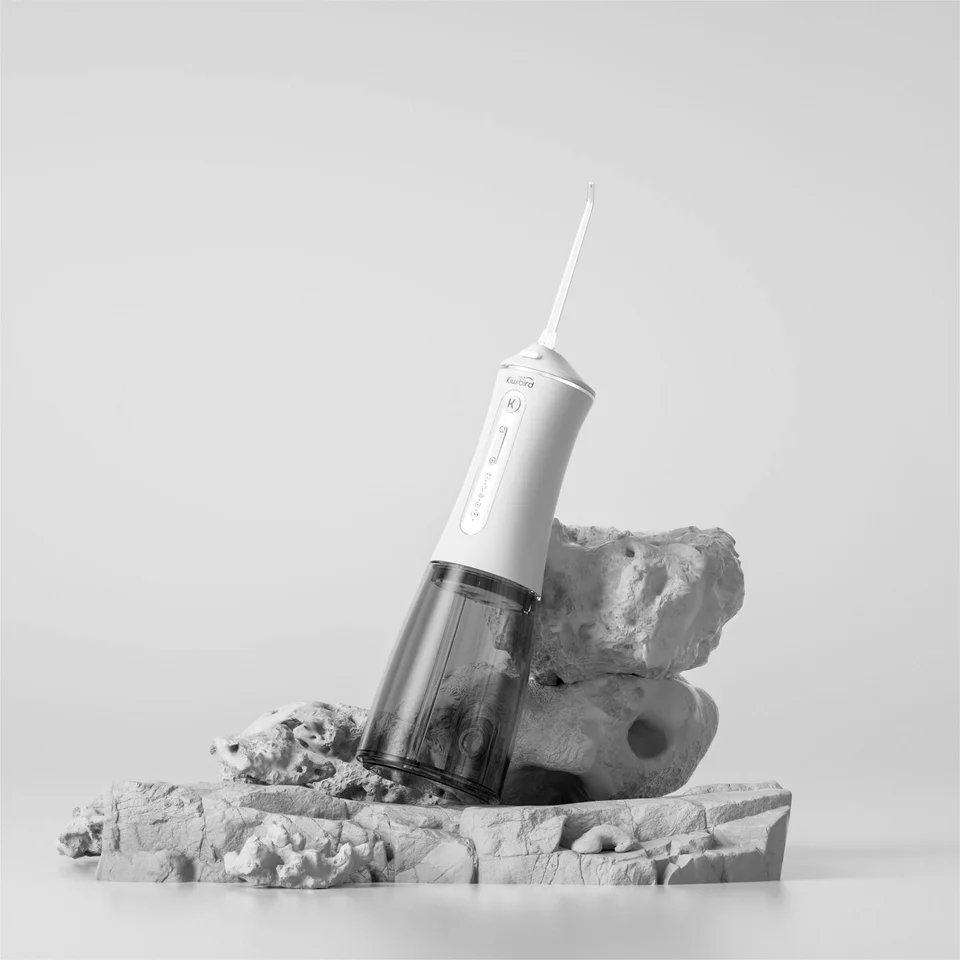
The transformation of oral care is happening at unprecedented speed. With consumers demanding smarter, more effective, and more personalized solutions, brands are under pressure to innovate fast and scale efficiently. For both emerging startups and established players in the oral health market, one key to growth lies in a strategic partnership with experienced manufacturers. By fully utilizing factory resources, oral care enterprises can significantly accelerate product development, optimize operations, and enhance brand competitiveness. Accelerating Innovation through Manufacturer Collaboration Today’s competitive oral care market requires continuous innovation—especially in high-demand categories such as electric toothbrushes and water flossers. Factories with strong R&D and OEM/ODM capabilities allow brands to rapidly introduce new technologies and product variations without the overhead of in-house engineering. Key advantages of working with experienced manufacturers include: Access to mature R&D teams and industrial designers Ready-to-adapt solutions for AI-enabled electric toothbrushes Customization capabilities for features, packaging, and branding This model reduces time-to-market and ensures brands stay ahead of trends during the transformation of oral care. Strengthening the Supply Chain of Oral Care Products A robust and flexible supply chain of oral care products is crucial to long-term growth. By leveraging factory relationships, brands can benefit from: Transparent production scheduling and inventory forecasting Scalability…
In the manufacturing of consumer electronics and precision appliances, problems such as Handle Cracking and Connector Corrosion are often underestimated, yet they play a critical role in determining the overall lifespan and reliability of the device. For OEM and ODM partners, understanding how these two failure modes impact product durability is essential to optimizing design, reducing warranty claims, and maintaining market competitiveness. What is Handle Cracking? Handle Cracking refers to the development of visible or internal fractures in the plastic, rubber, or composite material used in the handle of a device. This issue is common in products that are subjected to repeated mechanical stress, exposure to moisture, UV radiation, or temperature cycling. When cracks form in the handle structure, they compromise both the mechanical strength and the sealing capability of the device. Over time, handle cracking can lead to water ingress, contamination of internal components, or a loss of structural integrity—all factors that contribute to premature product failure. The Risks of Connector Corrosion Connector Corrosion occurs when metal contacts in electrical connectors are exposed to moisture, salts, or corrosive environments. This leads to oxidation or material degradation that increases electrical resistance, causes intermittent connections, or even total circuit failure. Connector…
In the manufacturing of modern electronic and electro-mechanical devices, unexpected failures such as Charging Overheat and Joint Leakage can greatly reduce product reliability and shorten service life. Although these two issues appear to belong to different system domains—thermal management versus sealing integrity—they are in fact closely interrelated. For OEM and ODM manufacturers, understanding this hidden connection is critical to preventing costly after-sales failures and maintaining customer satisfaction. What is Charging Overheat? Charging Overheat occurs when a device's battery or charging circuit generates excessive heat during the charging process. This heat can be the result of design inefficiencies, poor component quality, or misuse by the end-user—such as charging in a high-temperature environment or using incompatible chargers. Excessive heat during charging not only threatens battery safety but also impacts surrounding structural components, especially plastic joints, seals, and adhesives that are sensitive to temperature rise. Understanding Joint Leakage Joint Leakage refers to the loss of sealing effectiveness at the device's assembly seams, gaskets, or bonded areas. Leakage points often allow moisture, dust, or other contaminants to enter the device interior, potentially damaging sensitive electronics or reducing mechanical performance. For devices like electric toothbrushes, grooming appliances, or medical instruments, maintaining watertight or airtight joints…
In the world of electronic and electro-mechanical devices, two often-overlooked factors—Indicator Error and Seal Deterioration—can silently mislead users, resulting in improper operation, reduced product trust, and premature failure. For OEM and ODM manufacturers, understanding the interaction of these two failure modes is essential for improving user experience and maintaining product reliability. Surprisingly, these issues not only affect functionality but also influence customer perception and satisfaction. Understanding Indicator Error Indicator Error refers to the failure or inaccuracy of status indicators—such as LEDs, display screens, or battery level indicators—which are designed to inform users of a device’s operational or charging state. When these indicators provide false or misleading information (e.g., showing full charge when the battery is low), users can make incorrect decisions such as overusing, undercharging, or mishandling the product. Such errors often stem from sensor malfunction, aging components, firmware bugs, or environmental stress such as heat and moisture. In battery-powered or liquid-resistant products, these mistakes become more critical because they may mask internal problems like Seal Deterioration. What is Seal Deterioration? Seal Deterioration describes the gradual loss of effectiveness in gaskets, O-rings, adhesives, or molded joints that protect the device's internals from water, dust, and other contaminants. This degradation occurs…
In today’s smart electronic devices—whether in personal care, medical equipment, or industrial tools—two frequently underestimated problems, Bluetooth Disconnect and Stream Splitting, can silently compromise device precision. These issues, when occurring separately, already pose performance challenges; when they appear together, they create a hidden but serious threat to the accuracy and reliability of data transmission, sensor feedback, and user control. Manufacturers must understand this dual risk to ensure consistent product quality and maintain customer trust. What is Bluetooth Disconnect? Bluetooth Disconnect refers to the unexpected interruption of wireless communication between devices, such as a main unit and its controller, a smartphone, or other smart accessories. Such disconnections can be triggered by signal interference, insufficient firmware stability, or limited antenna performance. When Bluetooth Disconnect happens during real-time data exchange—like streaming sensor readings or sending control commands—the device may enter error states, lose synchronization, or require a reset. In high-precision products like health monitors, grooming devices, or smart industrial tools, these disruptions directly reduce functional accuracy. Understanding Stream Splitting Stream Splitting is a less obvious but equally dangerous issue, describing the unintentional separation or fragmentation of a continuous data stream into disjointed packets or signals. This may result from bandwidth overload, buffer mismanagement,…


.jpg)
.jpg)
.jpg)
.jpg)
.jpg)



.jpg)
.jpg)
.jpg)
.jpg)