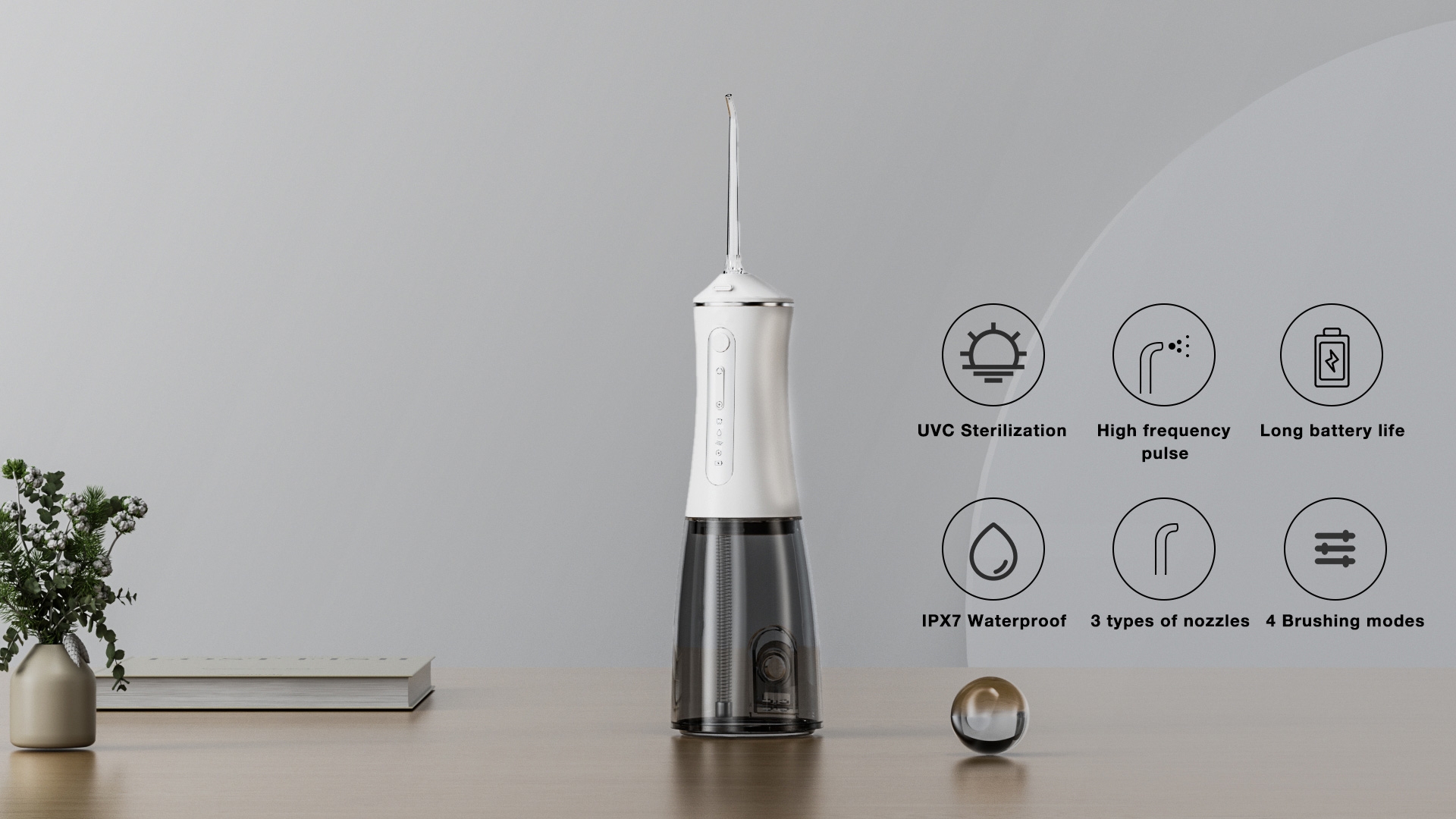
In the fast-paced world of e-commerce, global opportunities are evolving rapidly. One of the sectors seeing significant growth is the oral care industry, with products like water flossers gaining traction worldwide. The global demand for innovative and effective oral care solutions has opened doors for manufacturers to tap into cross-border e-commerce. But how can brands leverage these opportunities? And what operational strategies should be considered to successfully market water flossers globally? In this blog, we explore the strategies and challenges associated with sell the water flosser to the world, as well as the key operational advice for oral care brands. Understanding the Growing Demand for Oral Care Products The global demand for oral care products is increasing as more consumers recognize the importance of maintaining good oral hygiene. Water flossers, which use a stream of pulsating water to clean between teeth, are quickly becoming a preferred option for many users. Unlike traditional flossing methods, water flossers offer a gentle yet effective cleaning process, making them popular with individuals seeking an alternative to manual flossing or those with dental issues that require extra care. With the global focus on health and wellness, people are investing more in products that support their…
.jpg)
For electric toothbrush stores in Manhattan seeking reliable, high-quality, and competitively priced products, Powsmart stands as a premier partner. It is crucial to clarify that Powsmart electric toothbrushes are manufactured and supplied by our factories and suppliers located in China. We are a China-based factory and manufacturer, supplying the brand Powsmart to retailers and wholesalers in Manhattan, USA, and beyond. This global manufacturing model allows us to deliver exceptional value without compromising on the advanced features and performance that Manhattan consumers demand. Meeting Manhattan's High-End Market Demand The Manhattan market is discerning. Customers look for efficiency, advanced technology, and wellness-focused products. Powssmart electric toothbrushes, supplied directly from our specialized factories in China, are engineered to meet these exact needs. Our products incorporate features often found in leading global brands, making them ideal for retailers targeting both budget-conscious and tech-savvy shoppers in New York City. Product Advantages & Features (Sourced from Powsmart.com): Superior Plaque Removal: Featuring advanced sonic technology with up to 40,000 vibrations per minute, Powsmart brushes effectively disrupt and remove plaque, promoting healthier gums and whiter teeth. Multiple Cleaning Modes: Cater to individual preferences with multiple settings such as Clean, White, Soft, and Massage. This versatility is a key selling point for…
Electric Toothbrush for Beauty Box Subscription electric toothbrush for beauty box subscription programs combine innovation, lifestyle, and beauty in one elegant product. Monthly boxes have evolved beyond skincare—they now embrace wellness and oral aesthetics. Therefore, brands including oral care in their subscription boxes can attract loyal, health-conscious consumers. Moreover, an electric toothbrush adds functional value while reinforcing a polished, modern image. Our OEM solutions are tailored for beauty subscription services. We focus on sleek form factors, soft color palettes, and compact packaging suitable for mail delivery. Furthermore, Type-C fast charging and replaceable brush heads make them practical and eco-conscious. Consequently, beauty box curators can expand their product category while maintaining brand aesthetics. A Perfect Addition to Subscription Boxes An electric toothbrush complements other wellness items like whitening strips, serums, or travel skincare kits. Moreover, it demonstrates care for customers’ complete beauty routine—from smile to skin. In addition, offering a toothbrush in subscription form encourages long-term use, building brand loyalty and repeat engagement. For customization, our OEM team designs limited-edition colors, logo embossing, and co-branded packaging. Furthermore, we provide design mockups to ensure visual alignment with your box theme. For inspiration, visit: Private Label Electric Toothbrushes | Powsmart Smart Design Meets…
.jpg)
Sonic Electric Toothbrush Supplier & Manufacturer for Illinois | Powsmart If you're searching for a high-quality sonic electric toothbrush in Illinois, look no further. Powsmart is a leading Chinese manufacturer and supplier of innovative oral care products, serving clients worldwide—including distributors, wholesalers, and brands right here in Illinois. As an experienced OEM and ODM contract factory, Powsmart specializes in producing professional-grade sonic electric toothbrushes that rival leading brands in performance, design, and reliability. All our products are manufactured in our state-of-the-art facility in Shenzhen, China, and supplied globally to partners in Illinois and beyond. Why Choose Powsmart Sonic Electric Toothbrushes? Powsmart sonic electric toothbrushes are engineered with advanced features that ensure superior cleaning performance, durability, and user satisfaction. Here’s what sets our products apart: Powerful Sonic Technology: High-frequency vibrations provide deep cleaning and plaque removal. Long-Lasting Battery: Extended use between charges for convenience. Multiple Cleaning Modes: Customizable experiences for sensitive teeth, whitening, gum care, and more. Smart Timers and Sensors: Ensure recommended brushing time and protect gums from excessive pressure. Eco-Friendly and Replaceable Heads: Reduce waste and support long-term use. Our products are designed to meet the same high standards as top-tier brands, making them an ideal choice for private labeling, distribution, or…
.jpg)
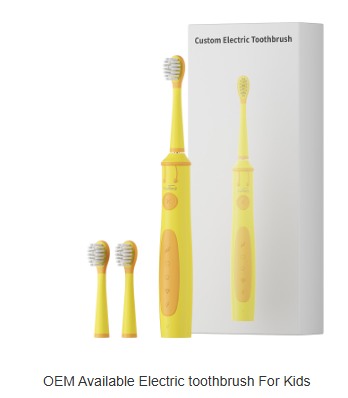
Introduction: How Cartoon Toothbrush Support Better Kids BrushingEncouraging regular brushing habits in children has always been a struggle. However, integrating cartoon toothbrush designs can turn brushing into a joyful activity. Whether you’re developing a private label solution or working with trusted manufacturers like the Powsmart child toothbrush, choosing a playful yet functional design can boost both oral care engagement and brand success. Understanding Why Kids Resist Brushing Routines Many children dislike brushing due to discomfort, fear, or boredom. Without engaging tools like a cartoon toothbrush, young users often fail to develop consistent brushing habits. To improve kids brushing compliance, brands need toothbrushes designed with child psychology and play-based learning in mind. The Power of Cartoons in Children’s Toothbrush Design Cartoon visuals enhance emotional connection and excitement. A cartoon toothbrush with bright colors, familiar characters, and fun themes can transform a chore into a game. These playful dental care tools also help kids feel more confident and motivated. Some models even include lights, music, or interactive timers to reinforce the 2-minute brushing routine. Why Powsmart Child Toothbrushes Are Loved by Kids and Parents The Powsmart child toothbrush line combines child-friendly aesthetics with professional safety features. Using soft bristles and food-grade silicone…
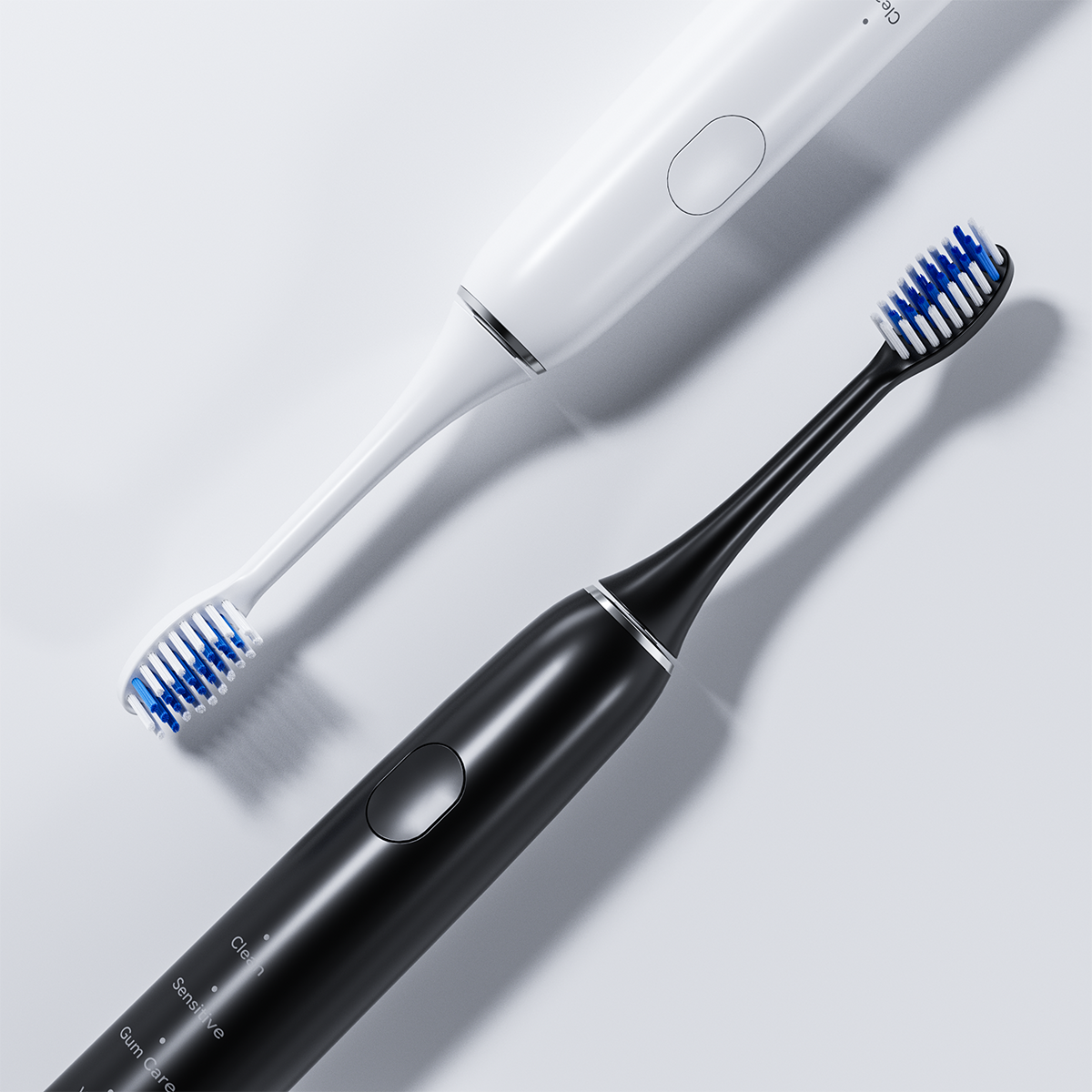
As consumers increasingly prioritize smart, effective, and health-focused technologies, demand for cutting-edge magnetic levitation motor toothbrushes is rapidly growing. Brands seeking to enter or expand in this space need a reliable Magnetic Levitation Toothbrush Factory with proven experience in both innovation and large-scale manufacturing. This article outlines what to look for in a top-tier manufacturing partner offering premium dental OEM services. What Is a Magnetic Levitation Toothbrush? Magnetic levitation (maglev) toothbrushes use advanced brush motors driven by magnetic fields, enabling ultra-high-speed vibrations with minimal noise and friction. Compared to traditional sonic motors, maglev motors deliver smoother performance, higher cleaning efficiency, and longer product lifespan. Key advantages include: High-frequency vibration (31,000–40,000 rpm) for superior plaque removal Quieter operation due to frictionless motor design Energy efficiency and longer battery life Improved durability, ideal for long-term consumer use For brands seeking innovative oral care products, maglev motor technology offers a premium experience that appeals to tech-savvy and health-conscious consumers alike. What Makes a Reliable Maglev Toothbrush Factory? When selecting a maglev toothbrush factory, it’s critical to evaluate the following factors: Engineering and R&D capabilities: Can the factory develop proprietary brush motor systems or adapt designs to your brand’s needs? Production scalability: Can they meet your volume needs without sacrificing…
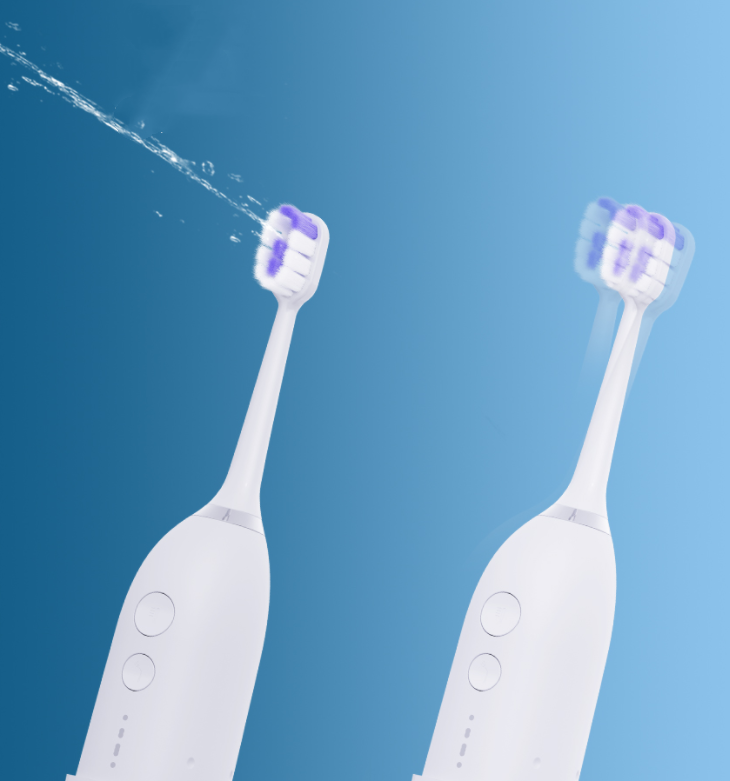
Introduction: Understanding High-Frequency Vibration in Electric Toothbrushes For brands exploring an OEM electric toothbrush, one question comes up often: Is high-frequency vibration safe for sensitive gums and teeth? In fact, many modern toothbrushes now use 40,000 vibrations per minute to improve plaque removal and brushing efficiency. However, this level of power can raise concerns—especially for users with sensitive teeth. Therefore, for oral care brands targeting comfort-conscious consumers, balancing cleaning performance and gentle brushing is essential. The Science Behind 40,000 VPM At first, 40,000 vibrations per minute may sound aggressive. Yet, this frequency is widely used in leading toothbrush designs. Why? Because it helps remove plaque more effectively, particularly along the gum line and between teeth. Moreover, with the right bristle design and motor control, this speed can still feel gentle. For example, soft bristles combined with rounded brush heads reduce irritation. Therefore, high-frequency vibration doesn’t always mean harsh brushing—it depends on how it’s implemented. Sensitive Teeth Require Smart Design Not every user tolerates intense vibration well. For those with sensitive teeth or gums, discomfort may arise if the brush lacks customization. Fortunately, many OEM electric toothbrush designs now include multiple brushing modes. Users can switch between settings like “Clean,” “Sensitive,”…
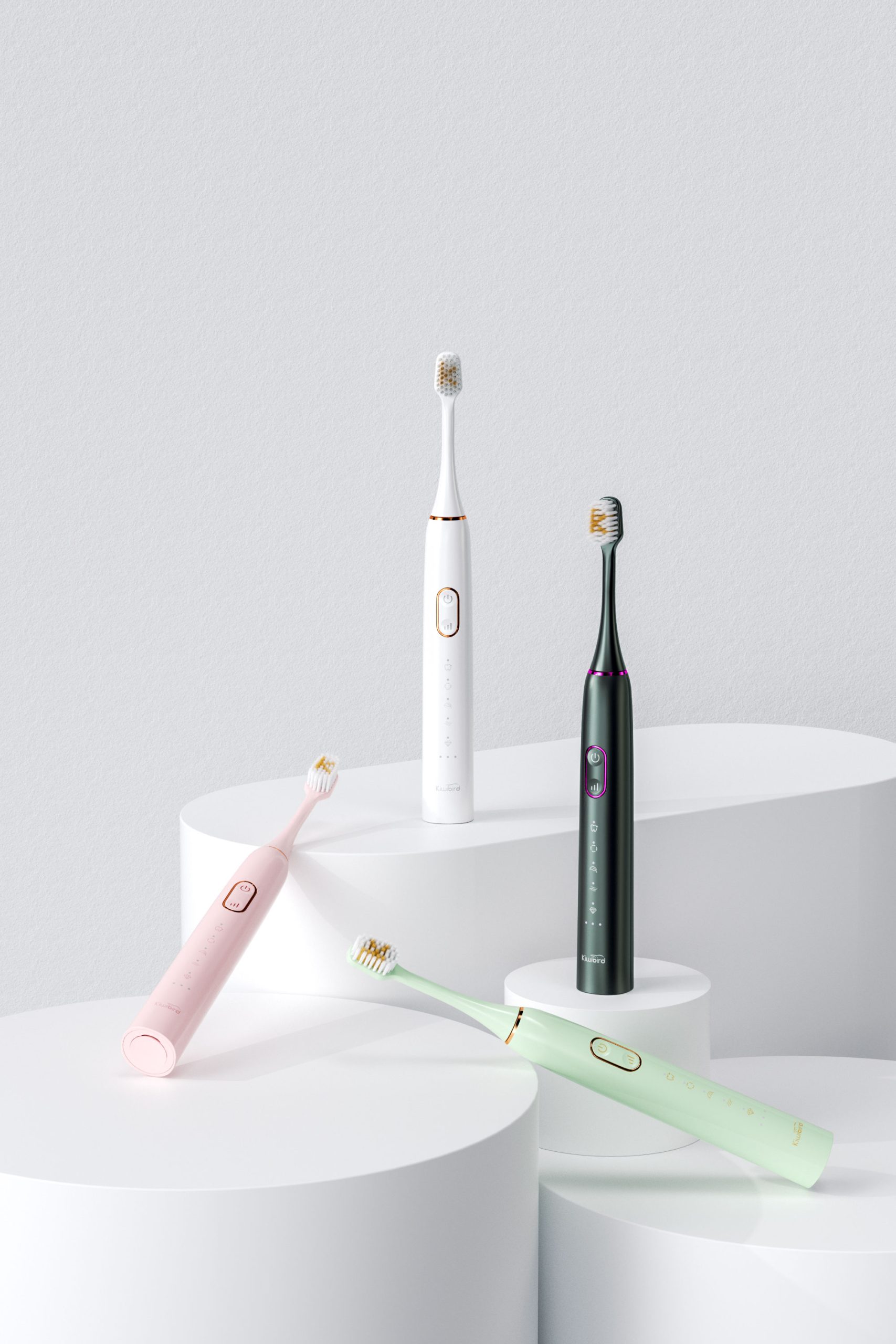
In recent years, the demand for wireless charging electric toothbrush products has grown significantly due to their sleek design, safety, and user convenience. As the market evolves, brands are shifting from traditional plug-in models to advanced contact charging technology electric toothbrush solutions. For brands aiming to stay competitive, finding the right electric toothbrushes manufacturer capable of delivering high-quality, OEM-friendly designs is essential. This article outlines the key features of contact charging, benefits of OEM manufacturing, and what to consider when partnering with a supplier for your next product line. Understanding Contact Charging Technology for Electric Toothbrushes Contact charging technology OEM is based on conductive charging systems, where the electric toothbrush charges via direct contact with a metallic base or magnetic charger—without the need for visible charging ports. This not only improves water resistance but also enhances the product’s aesthetic appeal. Key features of contact technology in electric toothbrushes: Waterproof & sealed design (typically IPX7+ rated) Magnetic alignment for safe, efficient docking Reduced mechanical wear, increasing product lifespan Compatible with wireless bathroom accessories or multi-device stations As a growing trend in premium oral care, this charging method is now a must-have for next-generation models. Benefits of OEM/ODM Manufacturing for Oral Care Brands Partnering with a reliable electric…
.jpg)
As the oral care market continues to shift toward digital and health-tech integration, smart toothbrushes are becoming a must-have in premium oral hygiene lines. For oral care brands, retailers, or distributors planning large-volume purchases, understanding the best smart toothbrush features is essential for product positioning, customer satisfaction, and long-term market success. This bulk order guide offers key insights into what features to prioritize, with B2B supplier tips and advice on how to find a reliable electric toothbrushes manufacturer. Market Demand for Smart Toothbrushes Is Growing Smart toothbrushes are no longer niche products. Consumers now expect devices that go beyond basic brushing. From Bluetooth connectivity to app integration, the right features can elevate a product’s value—and its price point. Bulk buyers should align their purchase decisions with current and future consumer expectations. Investing in smart features not only makes the product more attractive but also helps brands stay competitive in a fast-evolving market. Top Smart Features to Look for in Bulk Orders When planning to source or develop smart electric toothbrushes, the following features are essential: a. Bluetooth Connectivity & Mobile App Integration Allows users to track brushing habits, set goals, and get performance feedback. A must-have for tech-savvy consumers. b. Pressure Sensor Warns users if…
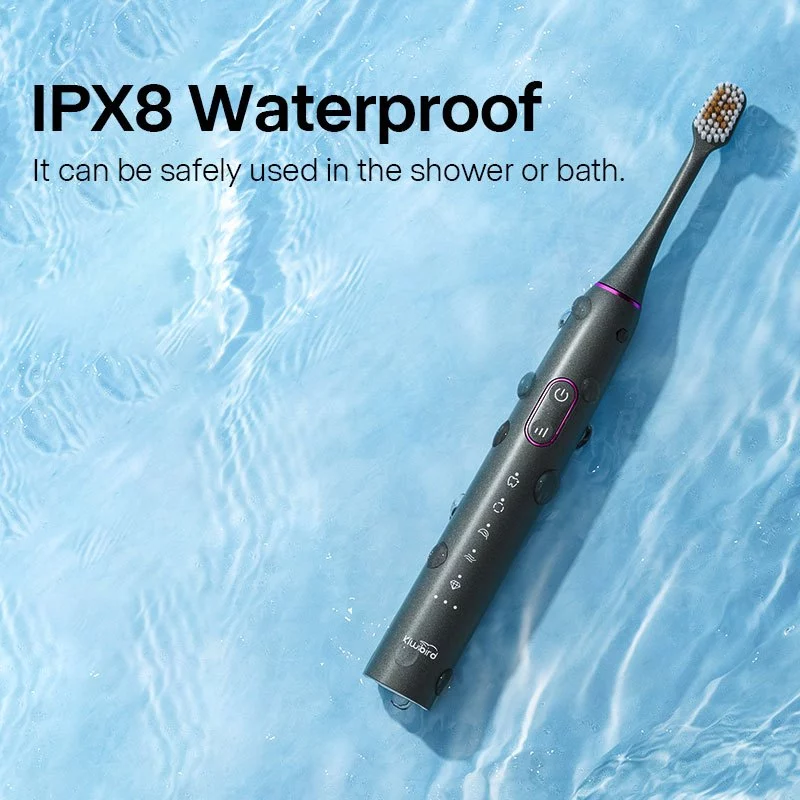
As consumer lifestyles become increasingly dynamic, the demand for shower-safe dental care solutions is rising globally. Brands seeking to enter or expand in international markets must offer products that combine innovation, reliability, and user convenience. Among them, the IPX7 waterproof electric toothbrush has become a key product category, offering users peace of mind during wet-environment usage. In this blog, we explore how electric toothbrush customization for global markets, when paired with IPX7 waterproof certification, can help brands stay ahead of market trends and consumer expectations. Understanding the IPX7 Waterproof Standard The IPX7 waterproof rating means that a device can withstand immersion in up to 1 meter of water for 30 minutes without suffering damage. For electric toothbrushes, this translates to: Safe usage in showers and wet environments Enhanced durability and corrosion resistance Improved product lifespan and customer satisfaction By offering a waterproof electric toothbrush, brands can provide users with shower-safe dental care solutions that align with modern hygiene routines. Customization Opportunities for Global Brands Electric toothbrush customization for global markets involves more than just logo printing. Manufacturers must offer flexible and scalable solutions, such as: Custom handle designs and ergonomic features tailored to target demographics Multi-mode brushing functions (clean, sensitive, polish, etc.) Custom packaging and branding to suit different…
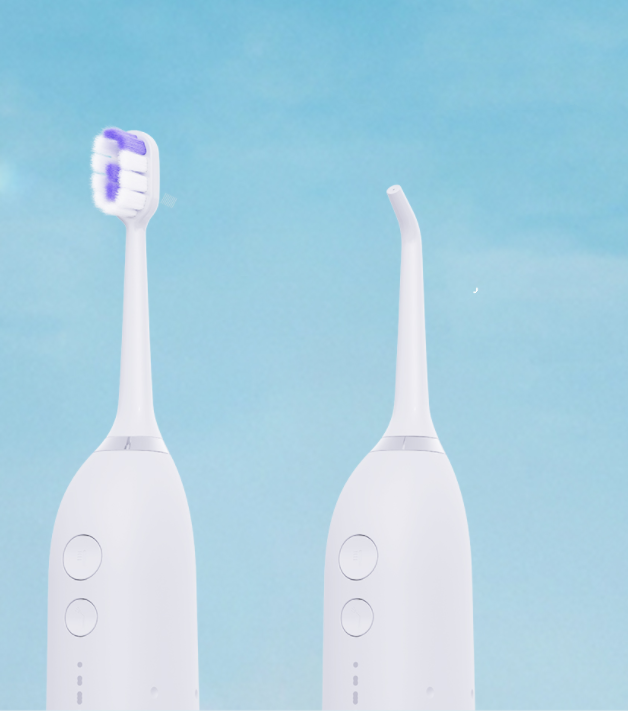
As consumers become more aware of comprehensive oral hygiene, the demand for specialized devices that go beyond surface-level cleaning is on the rise. One such product is the Deep Clean Interdental Electric Toothbrush — a toothbrush engineered to reach between teeth and along the gum line with precision. For oral care brands, sourcing the right electric toothbrush manufacturing solutions that deliver effective interdental cleaning is key to product success in this evolving market. This blog explores how manufacturers can support oral care brands in developing next-generation gum line toothbrush solutions, with a focus on deep clean oral care OEM strategies. Understanding the Importance of Interdental Cleaning Traditional brushing methods often leave behind plaque and food particles between teeth. This is where interdental cleaning becomes essential. A Deep Clean Interdental Electric Toothbrush is designed to reach those hard-to-access spaces. Offering consumers an efficient way to prevent gingivitis, cavities, and bad breath. Brands that want to stay ahead in oral care innovation must prioritize gum line toothbrush designs that address these specific hygiene needs. Key Features of a Deep Clean Interdental Electric Toothbrush When developing or sourcing a Deep Clean Interdental Electric Toothbrush, manufacturers must integrate certain performance features that cater to both function and user comfort: Slim,…
.jpg)
As consumer awareness of oral health continues to grow, the market for sensitive teeth toothbrushes has expanded rapidly. People with gum sensitivity require products that offer effective cleaning while minimizing irritation. In response to this demand, many brands are now seeking trusted partners for electric toothbrush production for sensitive teeth. For businesses aiming to meet this niche market, collaborating with experienced OEMs that specialize in gentle gum care technology is key to success. Understanding the Needs of Users with Sensitive Teeth Sensitive teeth and gums require special care. Aggressive brushing or hard bristles can cause pain, gum recession, or further enamel erosion. This is where the gum care electric brush plays a vital role. These brushes are engineered to deliver a gentle cleaning experience, using soft bristles and low-frequency vibration or sonic technology to protect gum tissue while removing plaque effectively. To meet user expectations, brands need to develop products with features such as: Ultra-soft bristles for minimal abrasion Pressure sensors to prevent over-brushing Multiple cleaning modes, especially “Gentle” or “Sensitive” modes Rounded brush heads for a soothing feel on gums Key Design Considerations for Gentle Cleaning OEM Solutions When selecting a manufacturer for a gentle cleaning OEM solution, it’s important to prioritize factories that…

In the highly competitive oral care market, choosing a reliable electric toothbrush manufacturer & supplier is a critical step for brand success. Whether you're launching a new smart toothbrush line or scaling up your current product range, working with an experienced and innovation-driven supplier can make all the difference. This is where Powsmart, a trusted electric toothbrush factory based in China, stands out as a strategic partner for global oral care brands. About Powsmart: Professionalism in Every Detail As a leading dental OEM China supplier, Powsmart specializes in the design, development, and production of high-quality electric toothbrushes and related oral care products. With a focus on smart technology integration, our team combines engineering expertise, strong R&D capabilities, and modern manufacturing systems to deliver customized solutions that meet the highest international standards. Key highlights include: Over 20 years of electric toothbrush production experience Full-stack OEM/ODM services for global clients In-house R&D and industrial design team Certified quality management systems (ISO, CE, FDA compliance) Electric Toothbrush Quality Manufacturing: Our Commitment to Excellence At Powsmart, electric toothbrush quality manufacturing is not just a promise — it’s our foundation. We follow strict quality control protocols from raw material sourcing to final assembly, ensuring every brush meets our clients’ technical…
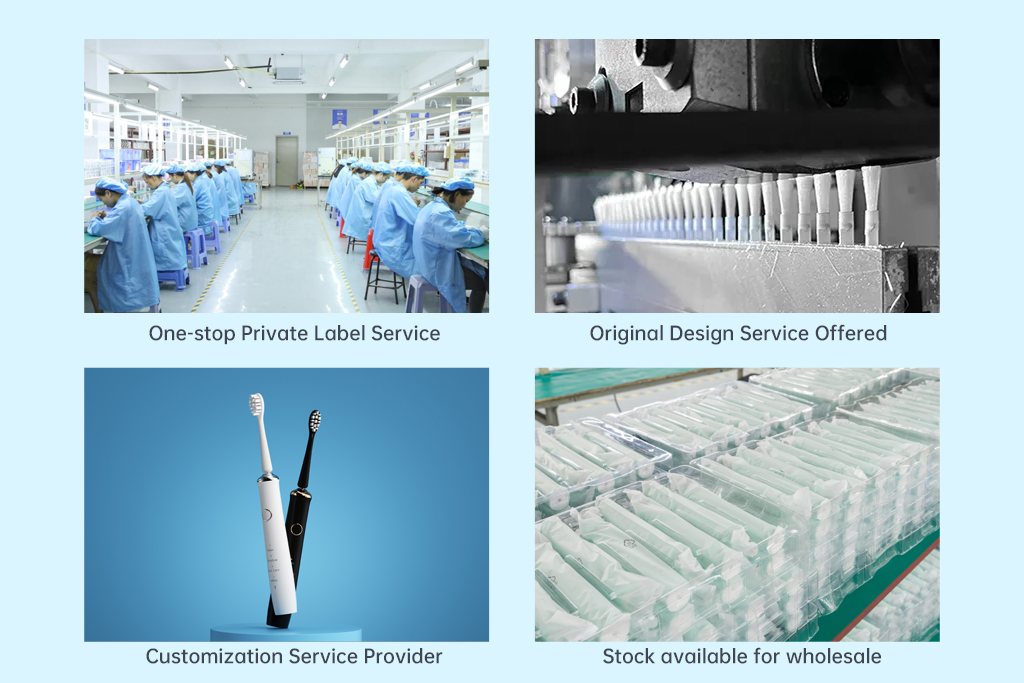
With the rapid development of oral care technology, more brands are turning to custom smart toothbrush manufacturing to differentiate themselves in a competitive market. Smart toothbrushes, which integrate Bluetooth connectivity, app-based data tracking, pressure sensors, and personalized brushing modes, have become increasingly popular among consumers who seek advanced oral hygiene solutions. For oral care brands, the opportunity lies in developing private label toothbrush lines that reflect their brand values and meet specific user needs. This has led to increased demand for reliable electric toothbrush ODM partners who can support everything from design innovation to mass production with a focus on electric toothbrush quality manufacturing. Concept & Design: Building a Brand-Specific Smart Toothbrush The first step in custom smart toothbrush manufacturing is developing a product that aligns with your brand vision. This phase includes: Market research to define target users and functionality requirements Industrial design to create a unique, ergonomic, and visually appealing toothbrush UX/UI planning for the mobile app interface and user interactions Feature integration such as brushing mode presets, real-time feedback, and AI-based brushing analysis An experienced electric toothbrush ODM partner will typically offer in-house R&D capabilities to guide you through the design phase while ensuring cost-effectiveness and scalability for later production. Prototyping and Function Validation Once the design…
.jpg)
In recent years, the oral care market has shifted rapidly toward digital health and personal wellness. Smart toothbrushes—equipped with Bluetooth, sensors, app integration, and brushing analytics—have become one of the fastest-growing product categories in personal care. For brand owners, private label retailers, and e-commerce sellers, finding the right wholesale smart toothbrushes provider is essential to staying competitive. This blog will guide you through the process of sourcing bulk electric toothbrushes from trusted B2B suppliers, ensuring you get top-tier products at the best price—and customized to suit your brand. Benefits of Buying Smart Toothbrushes in Bulk Purchasing bulk electric toothbrushes offers multiple advantages for retailers and oral care brands: Cost Efficiency: Wholesale pricing significantly lowers the per-unit cost, increasing your profit margins. Consistent Quality: Buying in bulk from a qualified B2B supplier ensures product consistency and fewer defects. Faster Fulfillment: Partnering with an experienced manufacturer often means access to better logistics and inventory management. For retailers planning to scale or launch a new product line, bulk ordering is not just economical—it's essential. What Makes a High-Quality Smart Toothbrush? As demand grows, so does competition. To stand out, your product needs to offer advanced features and long-term reliability. Look for these features in high-quality smart toothbrushes:…
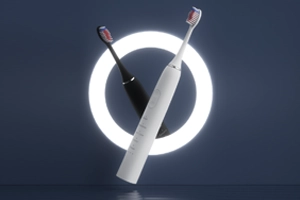
In recent years, consumers have increasingly gravitated toward sleek, modern personal care products. In the oral care space, this trend has given rise to a new standard: minimalist design oral care products. Among these, the matte black electric toothbrush and white smart toothbrush have emerged as the go-to choices for style-conscious users. For brand owners and distributors, this presents a clear opportunity. bulk ordering smart toothbrushes with minimalist design elements can help meet current market demands while differentiating your product line. Why Black & White Smart Toothbrushes Are Winning the Market Today’s consumers prefer functionally advanced devices that also fit into their aesthetic lifestyle. The white smart toothbrush represents cleanliness, modern tech, and compatibility with luxury bathroom decor. While the matte black electric toothbrush conveys a bold, premium, and gender-neutral appeal. Both align perfectly with the broader trend toward minimalist dental tech. These color options are not just about looks. They signal product quality and refined design, making them a popular option for private label brands, e-commerce sellers, and boutique dental retailers looking to expand their offerings. Design Meets Function: Features That Matter Minimalism doesn’t mean sacrificing performance. On the contrary, the best minimalist design oral care products combine elegance with innovation.…
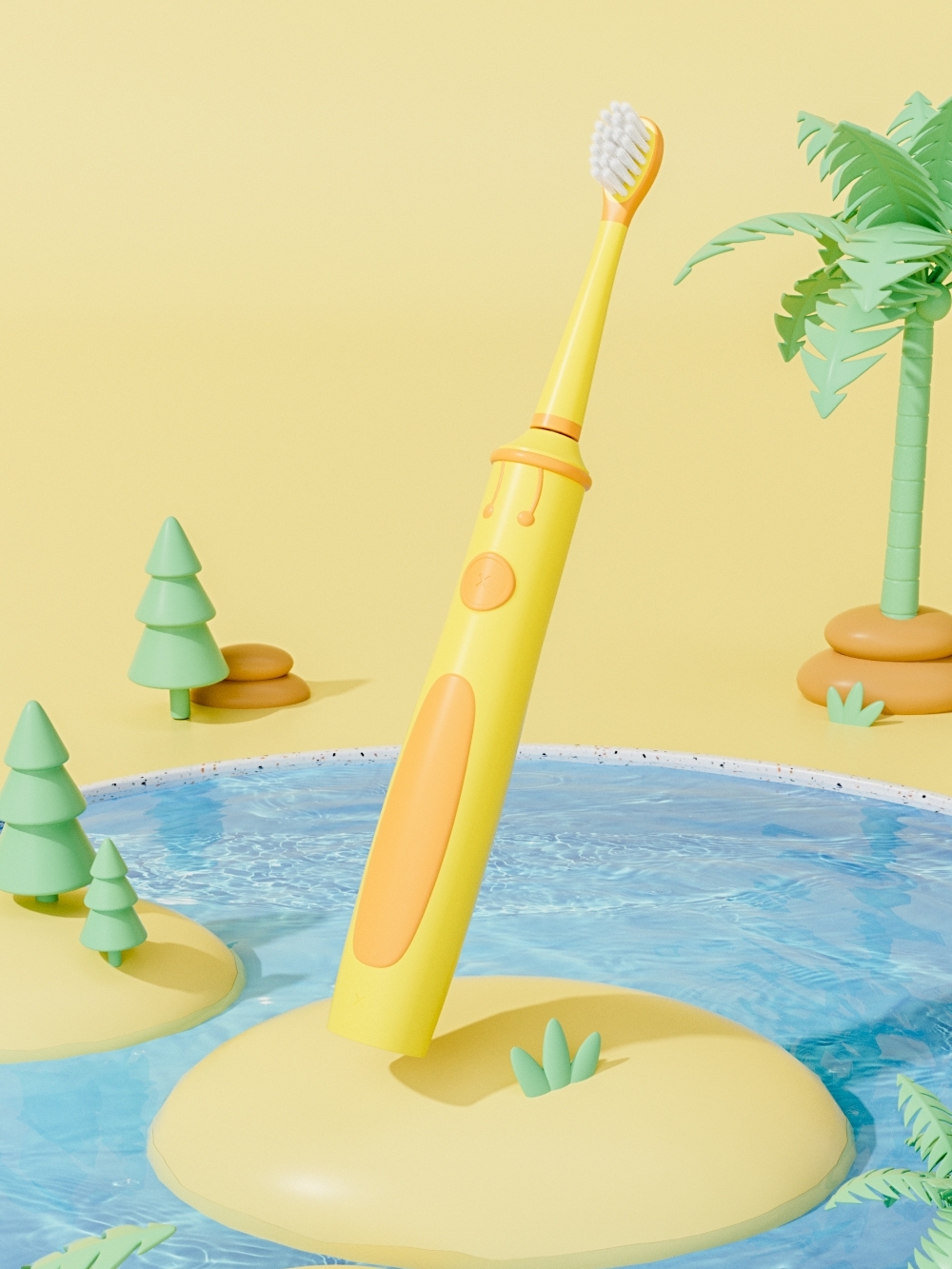
In today’s oral care market, children's hygiene routines are no longer just about function—they're about engagement, safety, and personalization. As demand rises for children’s smart toothbrush solutions that combine effective cleaning with interactive features, retailers and brand owners must explore how to offer custom kid-friendly smart toothbrushes. This blog explores the latest trends and manufacturing possibilities in Kids’ Smart Toothbrush Customization, offering insights for electric toothbrush retailers & distributors looking to partner with the right suppliers. Why Kids Need Smart Toothbrushes: Safety Meets Engagement Children require specialized brushing tools not just in size but in function and experience. A children’s smart toothbrush must balance three core needs: Gentle but effective cleaning for developing teeth and gums Fun, game-like experiences to encourage brushing routines Built-in safety features such as pressure sensors and timers Fun & Safe Brushing Solutions have become a critical selling point for parents, making product differentiation essential for brands. The Rise of Custom Kid-Friendly Smart Toothbrushes As smart technologies evolve, brands now have the opportunity to offer custom kid-friendly smart toothbrushes with tailored designs. Customization options include: App integration with brushing games or reward systems Animated LED displays, music playback, and storytelling modes Soft brush heads, ergonomic grips, and silicone-based safety coatings Brand-specific…
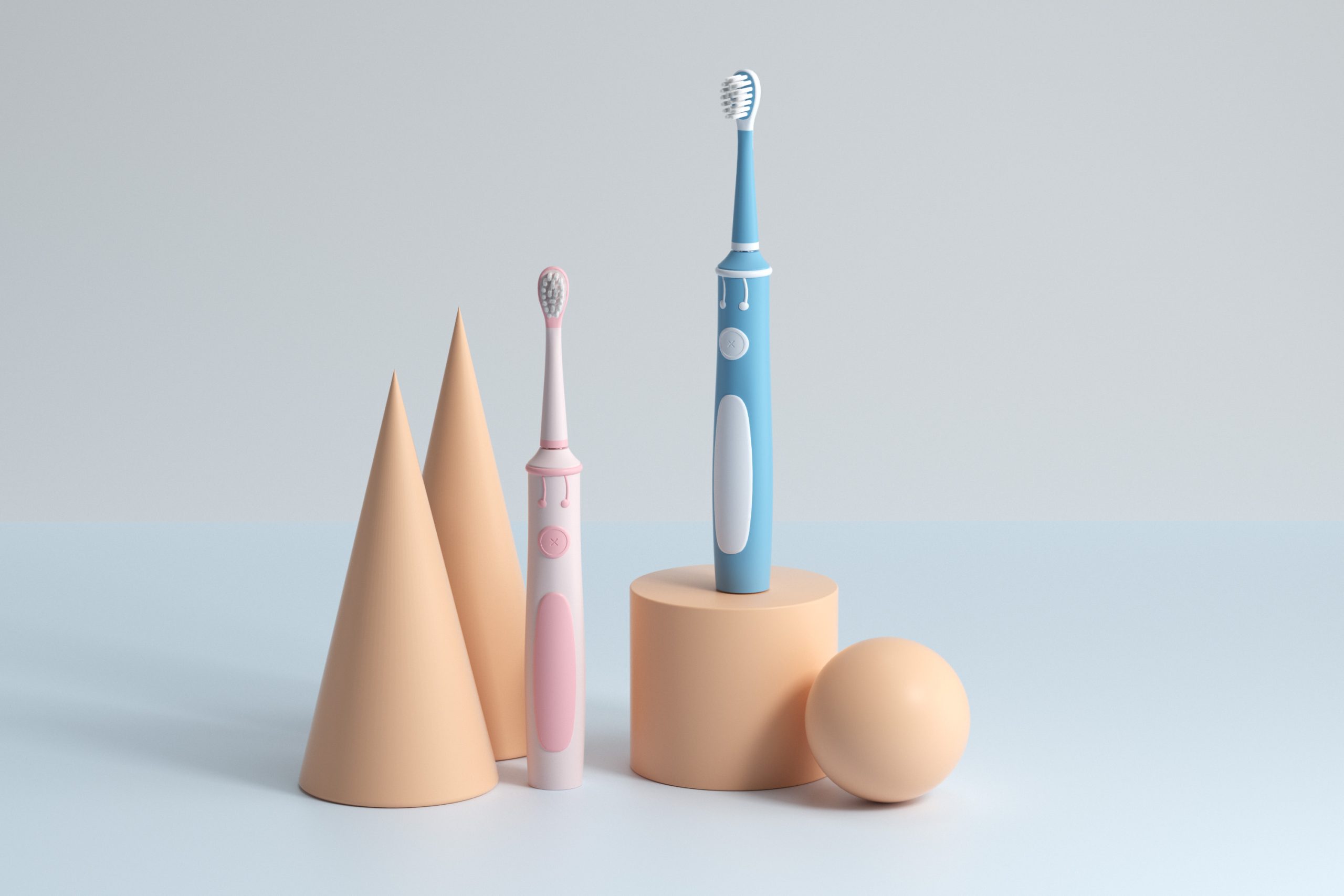
In the evolving personal care market, travel-friendly smart toothbrushes are gaining traction among global consumers—particularly travelers, professionals, and digital nomads. These sleek, compact, and intelligent devices are not just about brushing on the go; they combine portability, smart features, and design-forward aesthetics. For oral care brands aiming to capture this growing segment, partnering with the right OEM supplier becomes crucial. This article explores why portable smart toothbrushes are a rising trend and how to seize the opportunity through optimized electric toothbrush manufacturing strategies. Market Demand for Compact & Rechargeable Options Modern consumers prioritize convenience, especially when traveling. Compact & rechargeable options offer key advantages: Portability: Slim profiles and lightweight materials make these toothbrushes easy to carry in handbags or travel kits. Long-lasting battery: USB-C or wireless charging options with extended battery life (7–30 days) meet the needs of frequent travelers. Smart features: Bluetooth connectivity, travel lock, and app-based brushing reports elevate user experience. This surge in demand presents an opportunity for brands to innovate and fill the market gap with high-performance, travel-ready designs. What Makes a Portable Smart Toothbrush Truly Travel-Friendly? To qualify as a travel-friendly smart toothbrush, a product should meet the following criteria: Compact design: Foldable handles, detachable heads, or slim cylindrical cases.…
.jpg)
The dental industry is shifting toward smarter, evidence-based patient care—even beyond the dental chair. One of the most effective tools to reinforce good hygiene habits is the 2-minute timer toothbrush. As oral care product brands and dental chains look to expand their dental clinic supplies, demand for reliable electric toothbrushes for dental practices is growing rapidly. In this blog, we explore the features, benefits, and OEM possibilities for brands seeking Dental Clinics OEM options that focus on producing smart-timer toothbrushes designed specifically for clinical use. What is a 2-Minute Timer Toothbrush and Why It’s Clinically Important A 2-minute timer toothbrush includes an automatic timing feature that guides users to brush for the dentist-recommended duration. This feature helps improve compliance with oral hygiene instructions, especially for patients who struggle with proper brushing routines. In clinical use, such toothbrushes are valuable as: Take-home tools after treatments Part of dental hygiene starter kits Branded giveaways to increase patient retention Key Design Features for Dental Clinic Use When designing electric toothbrushes for dental practices, certain features must be prioritized: Simple operation: One-button function for ease of use by patients of all ages Timer accuracy: A vibration or pause every 30 seconds to guide quadrant changes Rechargeable…
.jpg)
As awareness around oral health continues to grow, a large segment of consumers is shifting toward sensitive gums oral care solutions. People with gum irritation, bleeding, or post-treatment sensitivity are actively seeking gentler alternatives. For oral care brands, this presents a promising niche. But to capture this market, it’s essential to collaborate with a manufacturing partner that specializes in gentle oral care products manufacturing. This blog serves as a guide for brand owners looking to develop or expand their oral care products for sensitive gums portfolio. Understanding the Needs of Sensitive Gums Users Before launching a product line, it's crucial to understand the specific needs of users with sensitive gums. Key concerns include: Avoiding harsh bristles or aggressive brushing mechanisms Minimizing chemical irritants in toothpaste or rinse formulations Seeking soothing, anti-inflammatory ingredients (like aloe vera, chamomile, or allantoin) These users prioritize comfort, safety, and clinical efficacy, which should be reflected in your product design and ingredient choices. What Makes an Oral Care Product “Gentle”? When sourcing or developing gentle oral care products for sensitive gums, brands must consider: Soft or ultra-soft bristles in toothbrushes, especially sonic or electric types Low-abrasive toothpaste formulas without sodium lauryl sulfate (SLS) Water flossers with pressure control to avoid damaging…


.jpg)
.jpg)
.jpg)
.jpg)
.jpg)



.jpg)
.jpg)