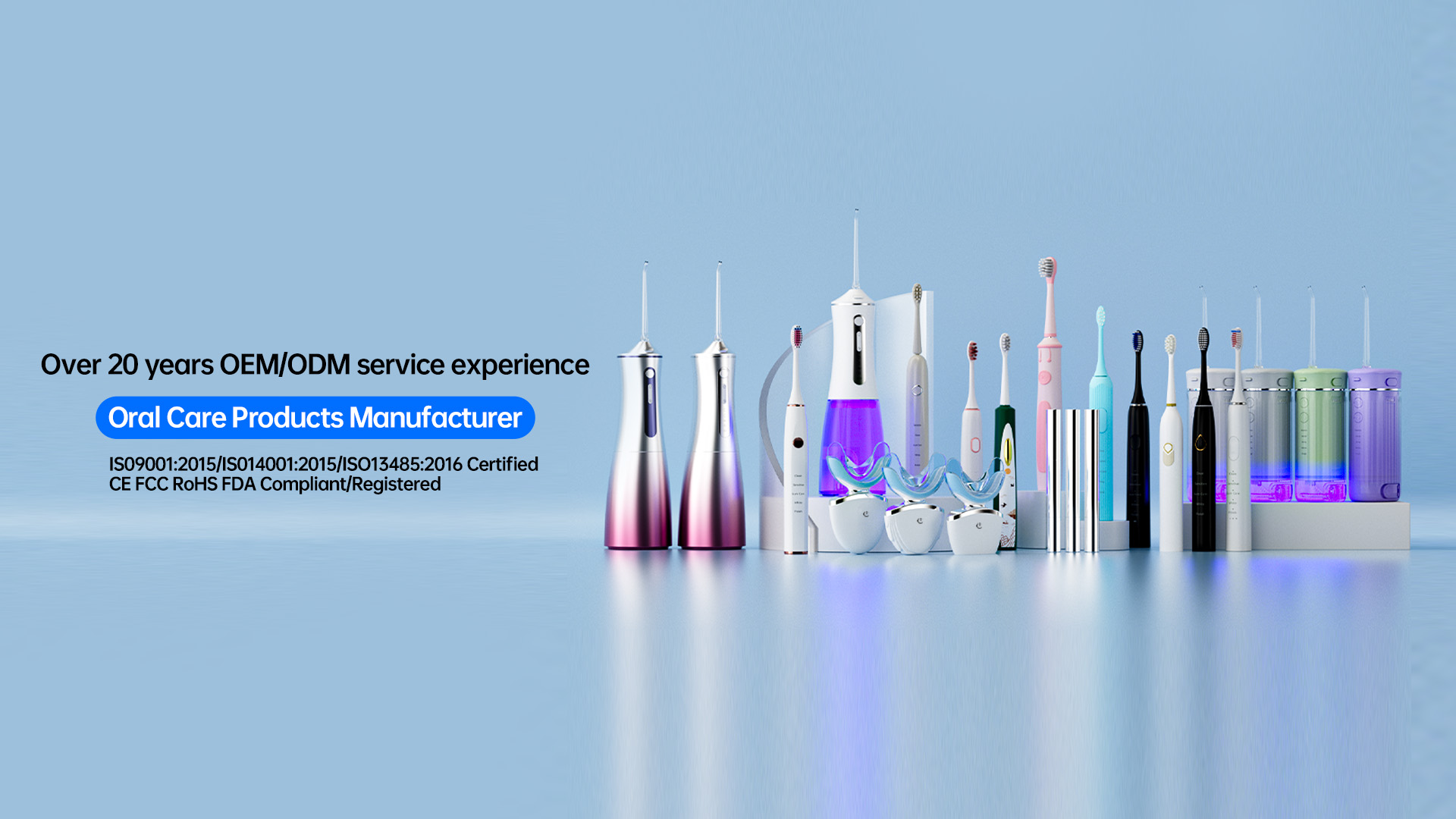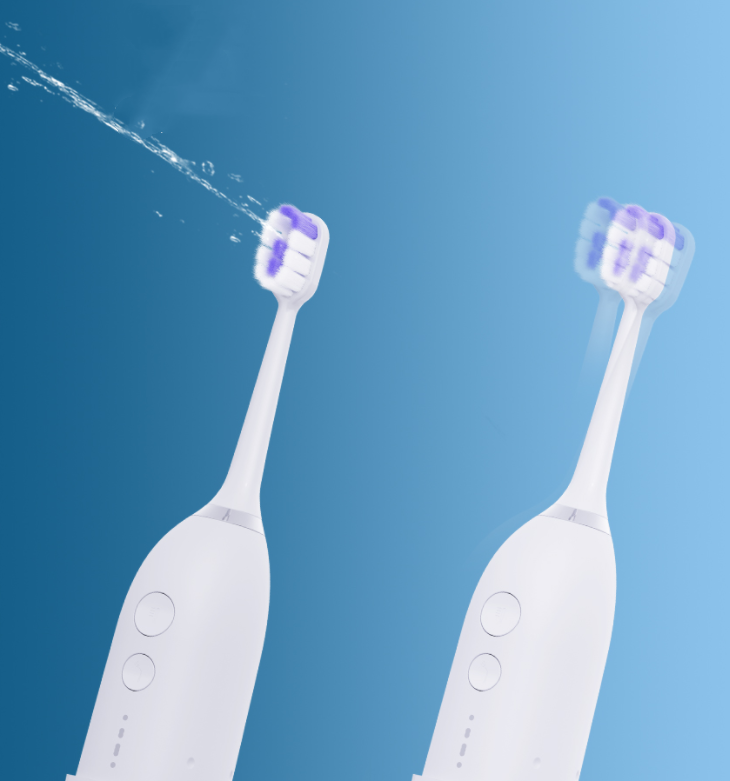
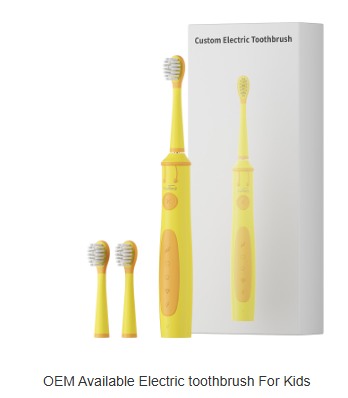
When parents choose a toddler electric toothbrush, they look for features that protect developing mouths. Therefore, many prefer models with soft bristles and a low-speed brushing action. Moreover, brands that plan private lines should ask OEMs for an OEM baby toothbrush design that prioritizes safety, gentle cleaning, and easy parental control. Why toddlers need different brushing mechanics Toddlers have smaller mouths, emerging primary teeth, and sensitive gums. Consequently, high-speed motors can feel harsh and cause discomfort. In contrast, a low-speed brush reduces vibration intensity and minimizes the chance of over-brushing. Thus, manufacturers must tune motor output specifically for toddler use rather than repurposing adult designs. Motor tuning and control for gentle cleaning First, select motors with low RPM and smooth torque curves. Second, include multiple modes so caregivers can choose the gentlest setting. In practice, firmware should ramp up gently and ramp down smoothly. As a result, toddlers experience less startle and maintain better brushing habits. Finally, battery and power design should support consistent low-speed performance.Company web:http://powsmart.com Why soft bristles and head size matter Soft, rounded soft bristles reduce abrasion and protect enamel. Meanwhile, a compact brush head fits toddler mouths and reaches back teeth easier. Manufacturers should offer different head…

As receding gums continue to pose a challenge for oral health, especially in aging and high-risk demographics, more oral care brands are seeking advanced solutions. Among the features now gaining attention is gum massage mode, a function often bundled with high-end electric toothbrushes. But the question remains—does it genuinely enhance the receding gums solution strategy, or is it just a marketing gimmick? The Growing Demand for Receding Gums Solutions Gum recession affects over 50% of adults over 40, often due to over-brushing, plaque buildup, or periodontal disease. For manufacturers targeting dental wellness, offering a credible receding gums solution is no longer optional—it’s essential. However, traditional methods like soft-bristled brushes or desensitizing toothpaste often lack the dynamic stimulation needed for long-term gum tissue vitality. What Exactly Is Gum Massage Mode? The gum massage mode is typically a pulsating or low-frequency vibration setting designed to gently stimulate blood flow in the gingival tissues. In most electric toothbrushes, this feature alternates between cleaning and micro-massaging pulses. The goal? Encourage circulation, reduce inflammation, and support tissue regeneration without applying aggressive pressure. Does It Help or Just Feel Good? Scientific studies and clinical trials indicate that users who apply gum massage mode as part of…
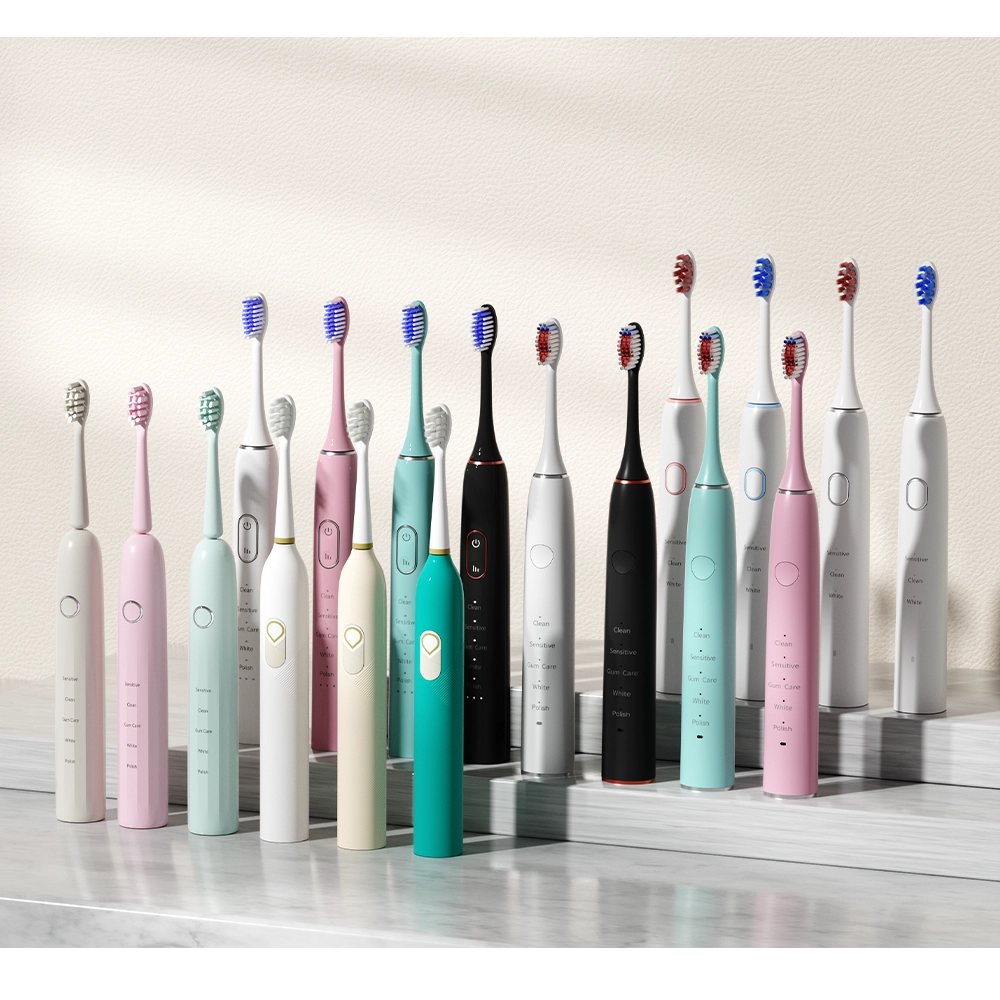
Designing an electric toothbrush for older adults is a systems problem: you must combine head geometry, drive tuning, sensing, ergonomics, and verification so the device cleans well without aggravating sensitive elderly gums. A purposeful Gentle senior brush does exactly that — it reduces tissue trauma, supports caregivers, and lowers warranty/support friction for suppliers and channels. Below are six manufacturer-ready dimensions that show what to build, how to test it, and how to take it to market. Head geometry & filament engineering — the first line of protection First, the head touches tissue every use, so its design is critical: Use ultra-soft, tapered, end-rounded filaments (engineered PBT/nylon blends) that minimize mechanical abrasion along the gingival margin. Prefer compact head footprints so users can maintain the recommended 45° approach to the gumline without overstretching their wrist. Control filament density and tuft layout to achieve fluid-shear cleaning rather than aggressive surface scrape. Consequently, a Gentle senior brush head should be optimized for low abrasivity while still removing plaque effectively when used correctly. Motion profile & motor control — efficacy with restraint Moreover, drive system choices decide whether energy is helpful or harmful: Provide a dedicated Senior / Sensitive mode with lower amplitude and…
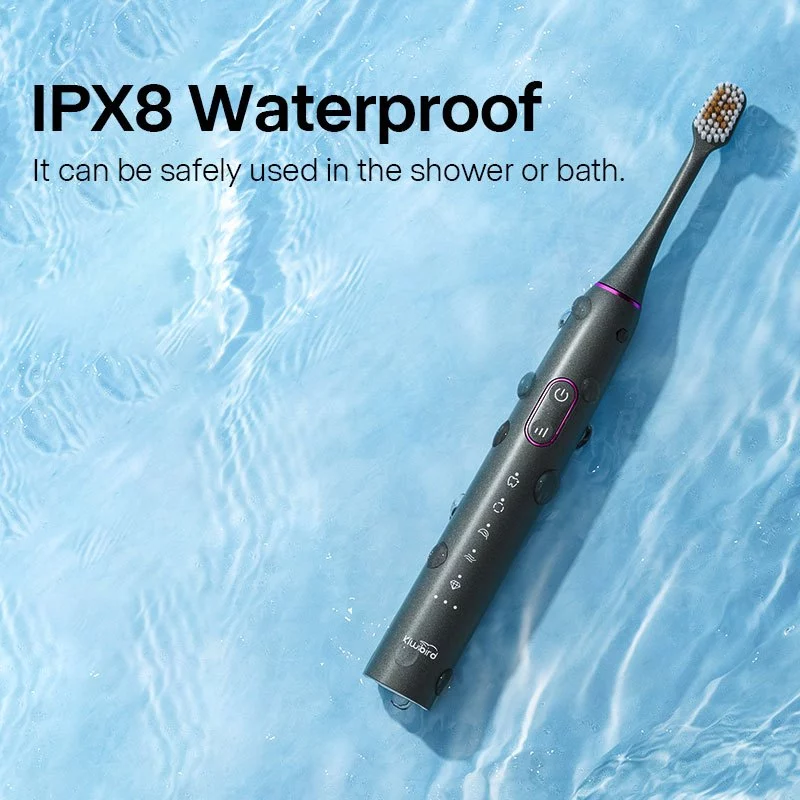
When it comes to children’s oral care products, safety is a top priority. One feature that parents look for in kids electric toothbrushes is the IPX7 waterproof rating—but are these brushes really waterproof? Whether you’re sourcing from an OEM safety brush manufacturer or looking to develop your own private label, it’s essential to understand what IPX7 truly means and how it affects both safety and durability, especially in family toothbrush systems. What Does IPX7 Really Mean? IPX7 waterproof is a standard rating used to describe a product’s ability to withstand immersion in water for up to 30 minutes at a depth of 1 meter. For kids electric toothbrushes, this rating ensures that the brush can survive accidental submersion, like when a child drops it into the sink or bath. However, it’s crucial to note that while this rating suggests the toothbrush is waterproof, it doesn’t imply it’s fully protected against other forms of water exposure (like high-pressure jets). Why Waterproofing Matters for Kids Electric Toothbrushes For kids electric toothbrushes, waterproofing is not just a matter of durability—it’s about safety. Children often drop their toothbrushes in the water, making it essential that the brush remains functional after these accidents. An IPX7…
.jpg)
In the world of oral care, especially for families, practicality and cost-efficiency are key concerns. One solution that’s gaining popularity is sharing charging bases. This feature, often integrated into family toothbrush systems, offers a space-saving approach that can potentially reduce costs for both manufacturers and consumers. But does this solution actually cut overall costs for brand owners? For those exploring OEM solutions for electric toothbrushes, understanding the cost benefits and challenges of shared charging bases is essential to making informed product development decisions. Understanding the Concept of Sharing Charging Shared charging refers to the ability for multiple electric toothbrushes to charge simultaneously from a single charging base. This design allows each family member to use their individual toothbrush while benefiting from a shared power source. For family toothbrush systems, this solution not only saves space but also cuts down on the need for multiple chargers, reducing both the manufacturing and consumer costs. Brands opting for OEM solutions that offer shared charging options can attract cost-conscious customers by offering an affordable and practical solution. The Space-Saving Benefits for Families One of the primary advantages of sharing charging bases is the space-saving aspect. Families typically need multiple toothbrushes, each with its own…
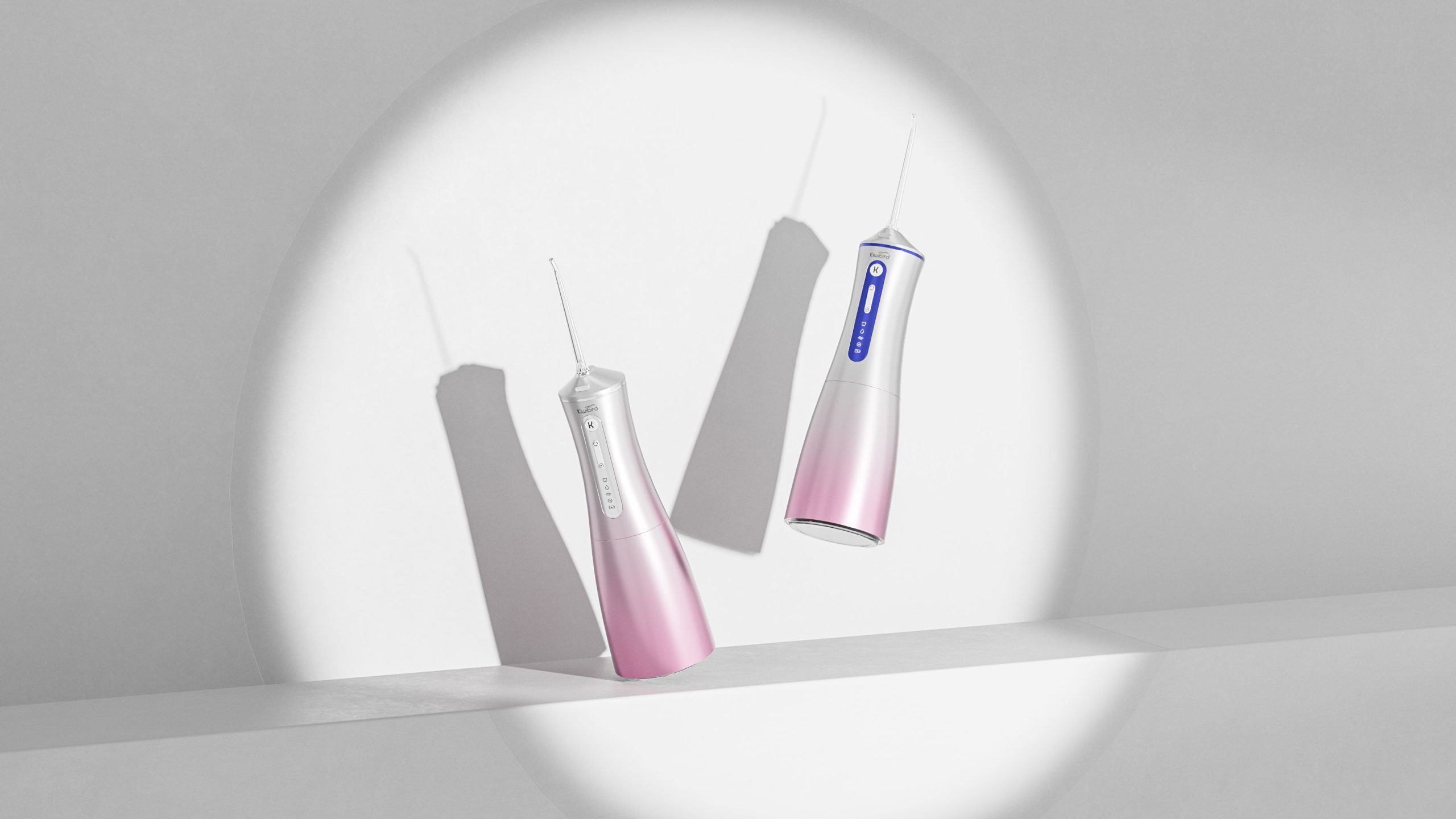
In recent years, the kids oral care market has experienced a surge in demand, driven by rising parental awareness, global oral health campaigns, and growing disposable incomes. Meanwhile, Family Dental & Orthodontic Products are seeing increased adoption, not only among children but also among teens and adults seeking at-home care solutions. For oral care brands, this presents a compelling opportunity to diversify product lines and partner with specialized manufacturers. The Rise of Children’s Dental Products The need for tailored children’s dental products is more important than ever. Young users require safe, effective, and appealing solutions that encourage regular oral hygiene habits. Key product categories with high demand include: Electric toothbrushes designed for small mouths and gentle gums Fluoride-free toothpaste with child-safe flavors Fun, themed oral care sets that engage children through design Partnering with manufacturers who understand regulatory requirements (e.g., BPA-free, FDA-compliant materials) is essential to successfully tapping into this niche. For brands, this segment represents some of the most dynamic pediatric dental business opportunities. Addressing Family Orthodontic Solutions Modern families are increasingly seeking convenience and affordability in dental care. As such, Family Dental & Orthodontic Products — such as clear aligners, night guards, retainers, and orthodontic toothbrushes — are becoming household essentials. Brands…
.jpg)
The global dental care market is expanding rapidly, driven by rising health awareness, digital innovation, and changing consumer habits. As more entrepreneurs and investors enter the space, launching a successful dental care brand is no longer just about sleek packaging or online presence — it requires deep industry knowledge, solid partnerships, and strategic execution. In this blog, we explore key elements behind oral care business success, including dental industry trends, smart branding in dentistry, and identifying the essential dental care brand business strategies that set leading brands apart. Understanding the Landscape: Dental Industry Trends You Can’t Ignore Before building a dental care brand, it’s critical to understand current and emerging dental industry trends: Natural & sustainable products: Consumers increasingly prefer eco-friendly toothbrushes, fluoride-free toothpaste, and refillable oral care devices. Smart technology: The rise of smart electric toothbrushes, app-connected flossers, and personalized data analytics. Subscription and DTC models: Successful brands are cutting out retail and going direct-to-consumer with convenience-focused oral care kits. Aesthetic-focused care: Whitening, breath-freshening, and cosmetic dental accessories are gaining popularity beyond traditional hygiene products. Monitoring these trends gives new brands a competitive edge when planning product development and marketing strategies. Essential Business Strategies for Building a Dental Care Brand Every…
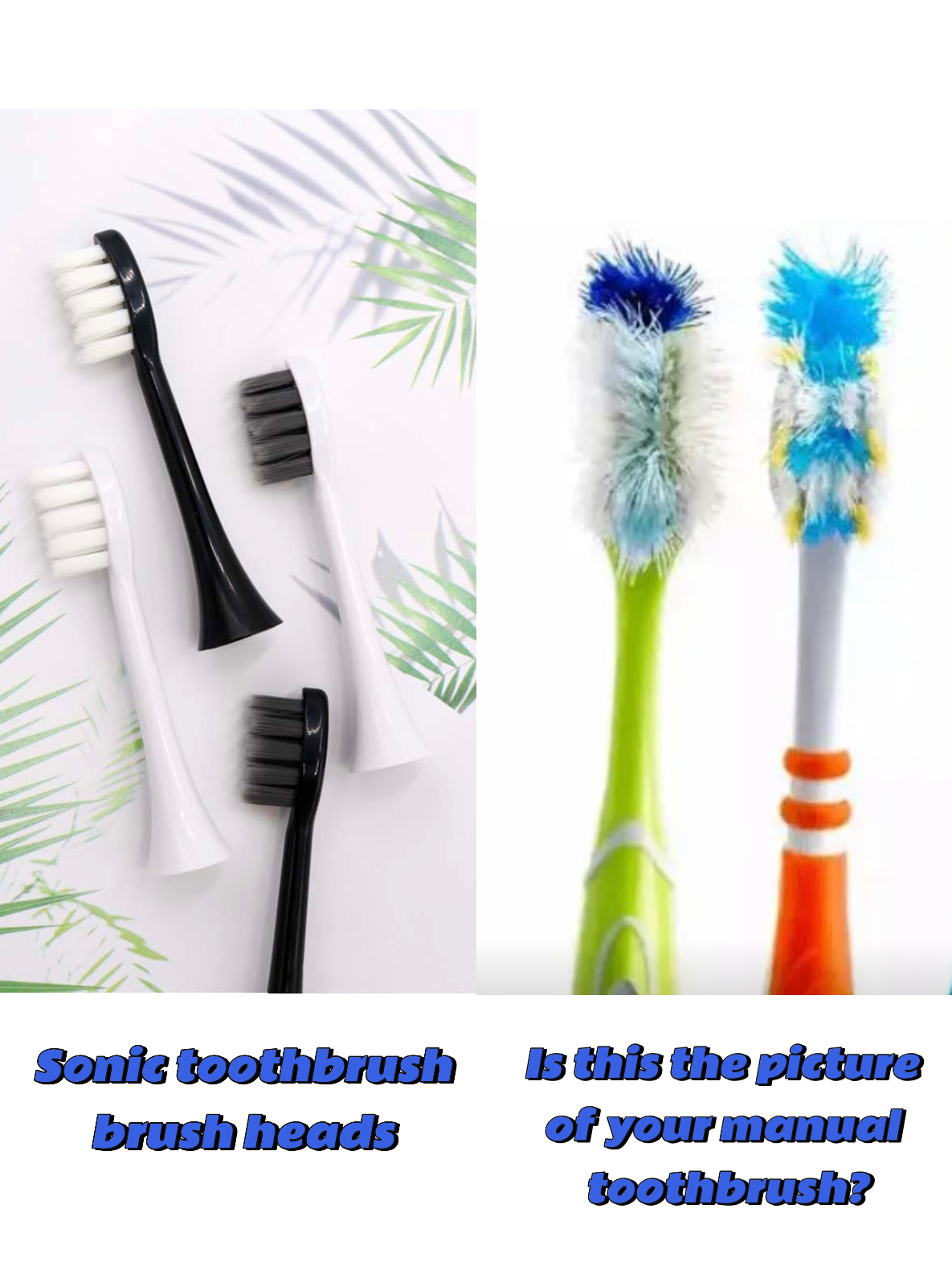
When it comes to oral care, seemingly small design details—such as the Shape of Brush Head and the toothbrush bristle design—make a huge difference in overall cleaning performance. For oral care product brand owners, understanding these factors is not just about delivering a better product to consumers, but also about choosing the right OEM manufacturing partner who can execute precise Brush Head Bristle Design tailored to your market’s needs. Below, we’ll explore how different bristle shapes and cuts influence effectiveness, comfort, and positioning in the marketplace. Why Brush Head Shape Matters The Shape of Brush Head directly affects how well the brush reaches different areas of the mouth. A smaller, tapered head provides access to tight spaces and is often recommended for children or consumers with smaller mouths. A larger, oval-shaped head may cover more surface area quickly, ideal for adults looking for efficiency. For brands, collaborating with an OEM supplier that can offer multiple head shapes ensures versatility in your product line. The Role of Toothbrush Bristle Design Bristles are the true cleaning agents. The toothbrush bristle design determines not only how effectively plaque is removed but also how gentle the brush feels against gums. Soft, rounded bristles minimize irritation. Firmer bristles may provide a “deeper…
.jpg)
Elder populations change product requirements. For manufacturers of electric toothbrushes, elderly oral health is not a niche feature set — it’s a design brief that reshapes ergonomics, sensing, validation, and after-sales for the entire product program. In India, where India senior care services (home care, assisted living, and clinic networks) are professionalizing fast, a toothbrush designed for older adults becomes a procurement standard rather than a consumer optionality. Below are six practical dimensions that explain what senior-care standards demand and how to engineer and commercialize for them. Demographics & unmet needs — why elderly oral health matters commercially First, the market logic is simple: older adults have higher incidence of recessed gums, sensitive roots, dry mouth (xerostomia), and motor limitations. Consequently, elderly oral health priorities (gentle cleaning, controlled pressure, easy-to-replace heads) drive buying decisions for family caregivers, clinics and institutional buyers. Therefore, products that meet these needs become preferred SKUs in India senior care procurement lists—reducing churn and improving refill lifetime value. Clinical performance requirements — tune efficacy to protect tissue Next, clinical priorities shape product specs. Senior-use handles should deliver validated plaque removal while minimizing abrasion to fragile gingiva. Practically, that means: compact heads with ultra-soft, tapered, end-rounded filaments;…
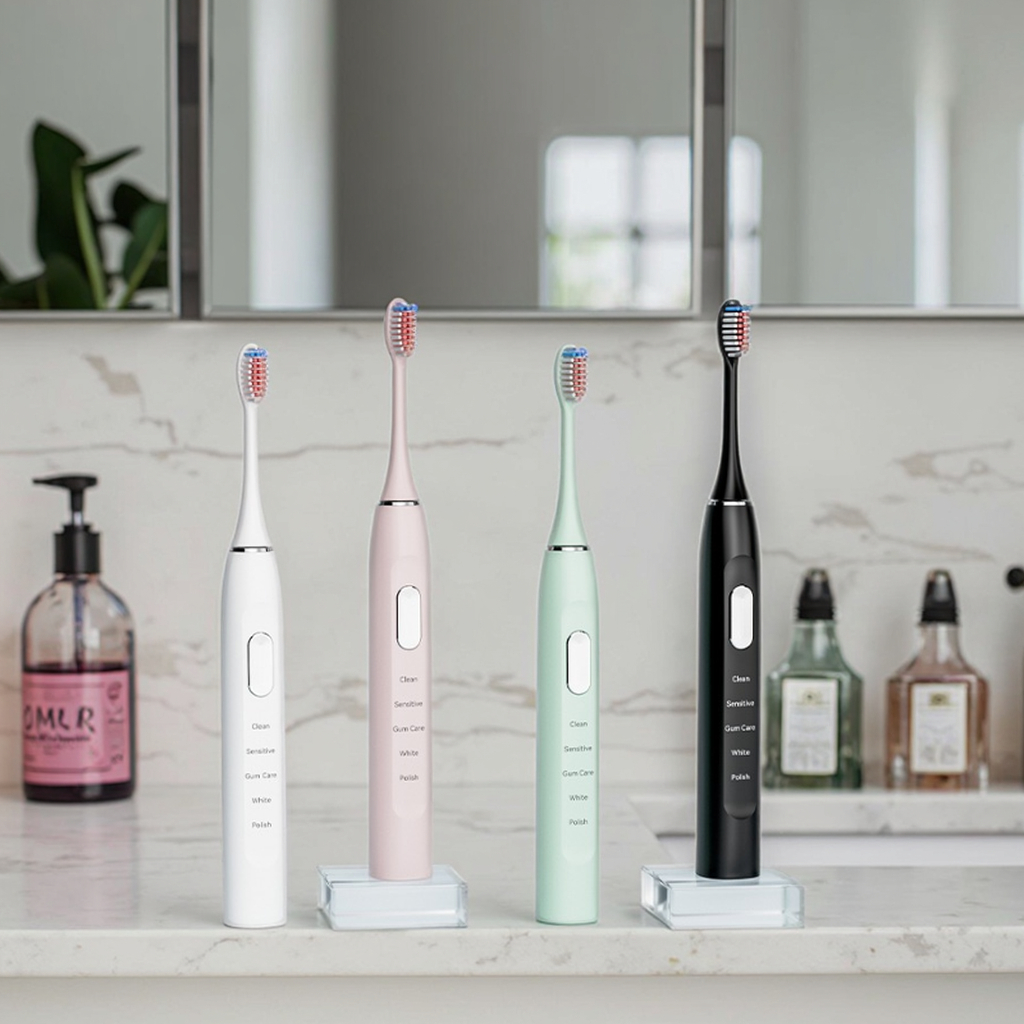
For decades, consumers have been told to “brush twice a day.” But as oral health science evolves, many experts now advocate brushing three times daily—especially after meals—to prevent plaque buildup and gum disease. This shift highlights a growing need for better oral health education, where brands play a crucial role in shaping healthy habits. Today’s consumers are more health-conscious than ever, yet they often lack reliable guidance on proper brushing frequency, toothpaste formulation, and hygiene tools. This gap presents an opportunity for oral care brands to step in—not only as product providers, but as educators. Why Educating Consumers Builds Long-Term Brand Value Modern consumers seek brands that educate, not just sell. When a brand actively promotes oral health education, it positions itself as a trusted authority in wellness rather than just another product label. By creating campaigns that teach users when and how to brush, or what ingredients to look for in toothpaste, companies strengthen brand value and emotional connection. Consumers begin to associate your brand with expertise and care—two key drivers of brand loyalty in a competitive market. The Power of OEM Partnerships in Oral Health Innovation Behind every great oral care brand stands a capable manufacturing partner. OEM partnerships allow brands…
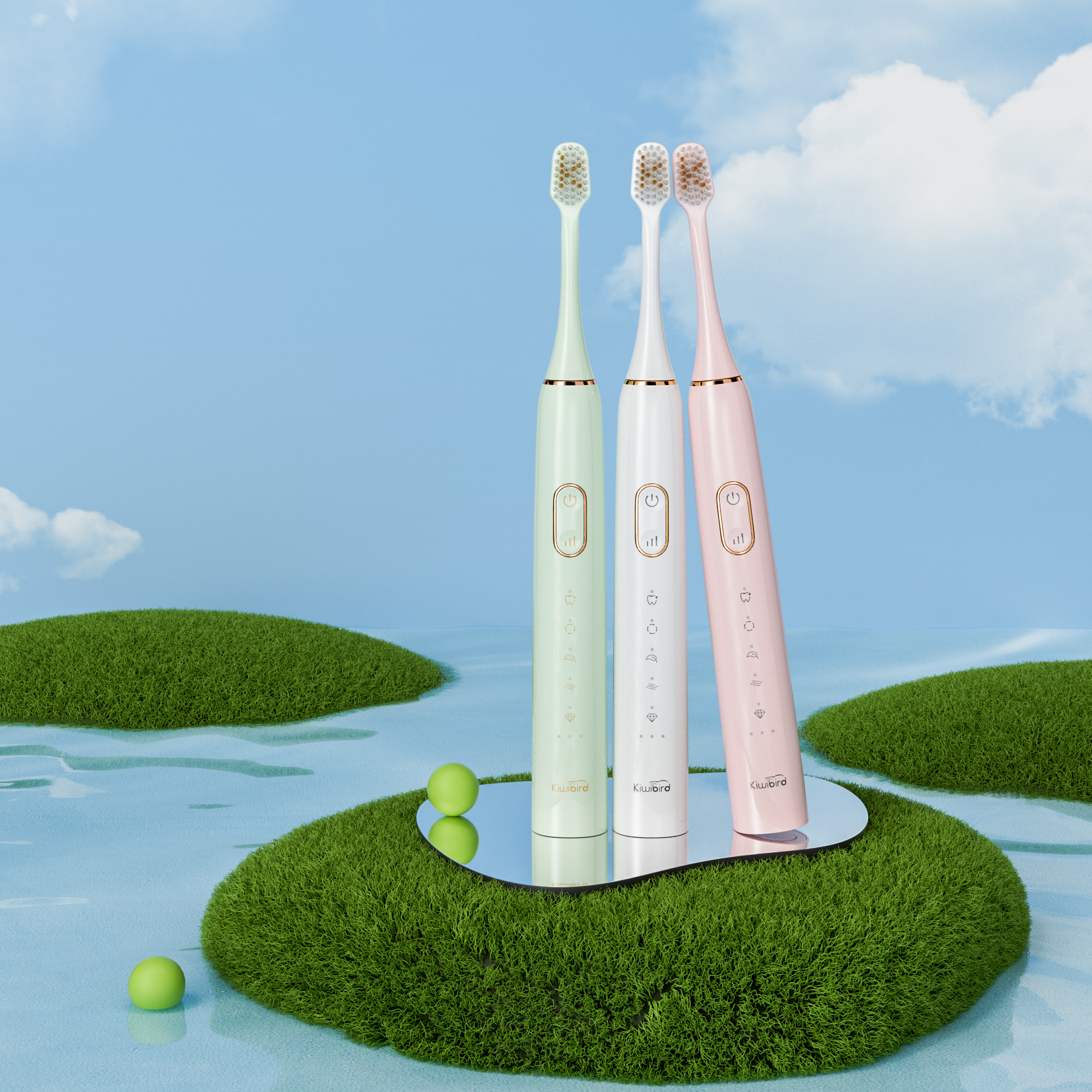
When it comes to gum care mode, many consumers are curious about its actual benefits. The idea behind this feature is to provide a special setting that helps with the sensitive care of gums, especially for users dealing with gum irritation or early signs of gingivitis. But the big question is: Does gum care mode really work? For brand owners, understanding the clinical effectiveness of this mode and how it can be integrated into an OEM electric toothbrush is essential when selecting the right manufacturer.In this article, we’ll explore whether gum care mode truly delivers on its promise and why incorporating clinically proven technology is key to offering high-quality gentle brushing solutions to customers. What Is Gum Care Mode? Gum care mode is a specialized brushing setting found in many modern electric toothbrushes. It is designed to reduce the intensity of brushing to avoid harsh impacts on the gums, providing a gentle brushing experience. Often, this mode features lower vibration speeds and a softer pulsating action, making it suitable for people with sensitive gums or those recovering from gum-related conditions. For OEM manufacturers, understanding how to implement gum care mode effectively is crucial to meet the demands of consumers who…
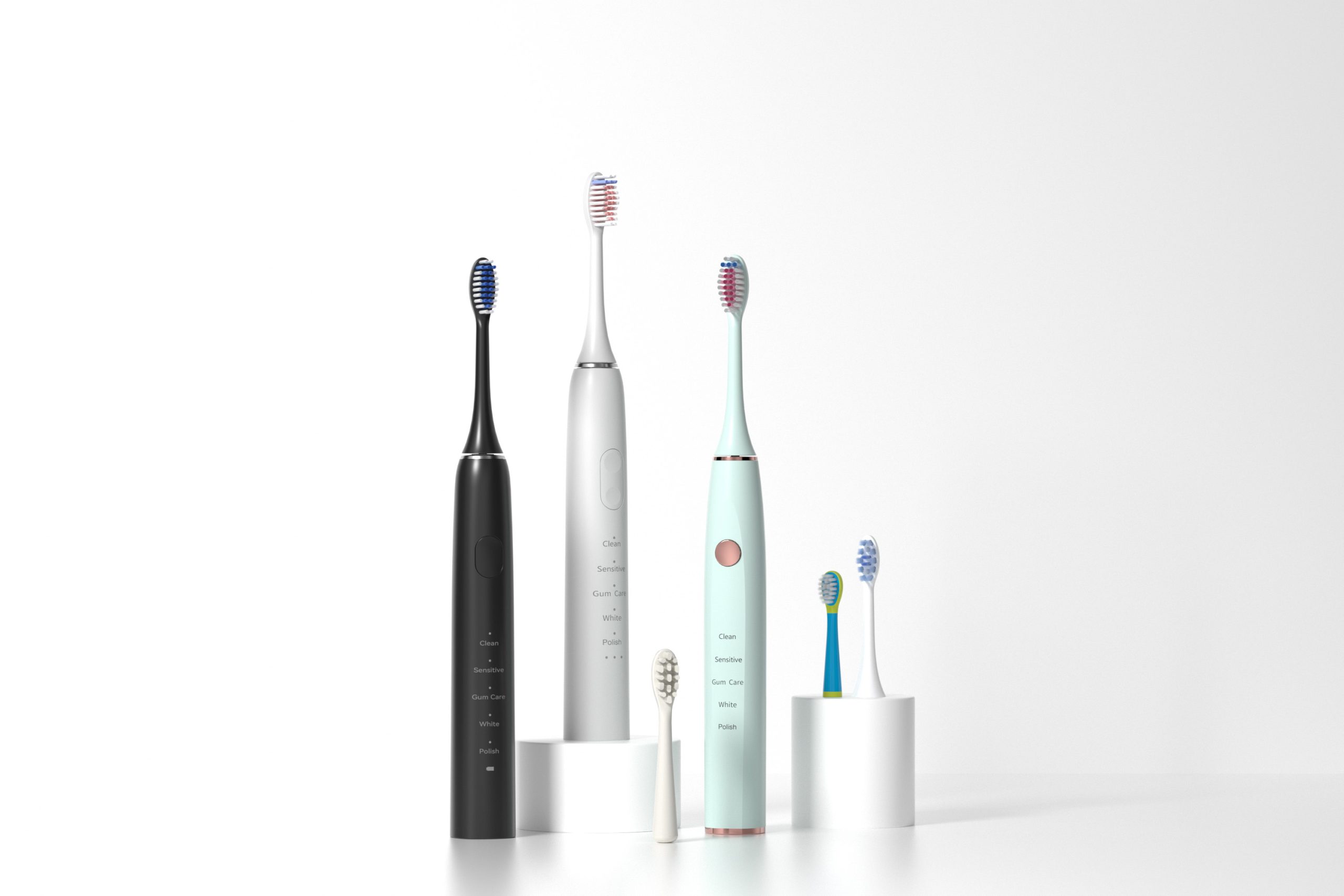
The global oral care business is undergoing a rapid transformation. This is driven by heightened consumer awareness, innovation, and demand for personalized hygiene solutions. No longer limited to basic toothbrushes and toothpaste, today's market includes a wide variety of oral hygiene products. Like electric toothbrushes, oral irrigators, teeth whitening kits, and more. As competition intensifies, many oral care brands are now looking for strategic manufacturing partners to meet the rising demand for quality, innovation, and scalability. This blog explores key oral care market trends, emerging opportunities in oral care. And why now is the ideal time for brands to invest in strong partnerships with reliable OEM/ODM manufacturers. Oral Care Market Trends: What’s Driving Growth? The dental industry growth is fueled by several critical trends shaping consumer behavior and product development globally: Increased awareness of preventive care: More people are proactively investing in oral hygiene products to prevent dental issues before they arise. Technological innovation: Smart toothbrushes, water flossers with multiple pressure modes, and app-connected devices are redefining oral care routines. Sustainability and personalization: Consumers demand eco-friendly materials, recyclable packaging, and customizable care options tailored to specific dental needs. These oral care market trends are creating significant demand for high-quality, differentiated products—offering manufacturers the…
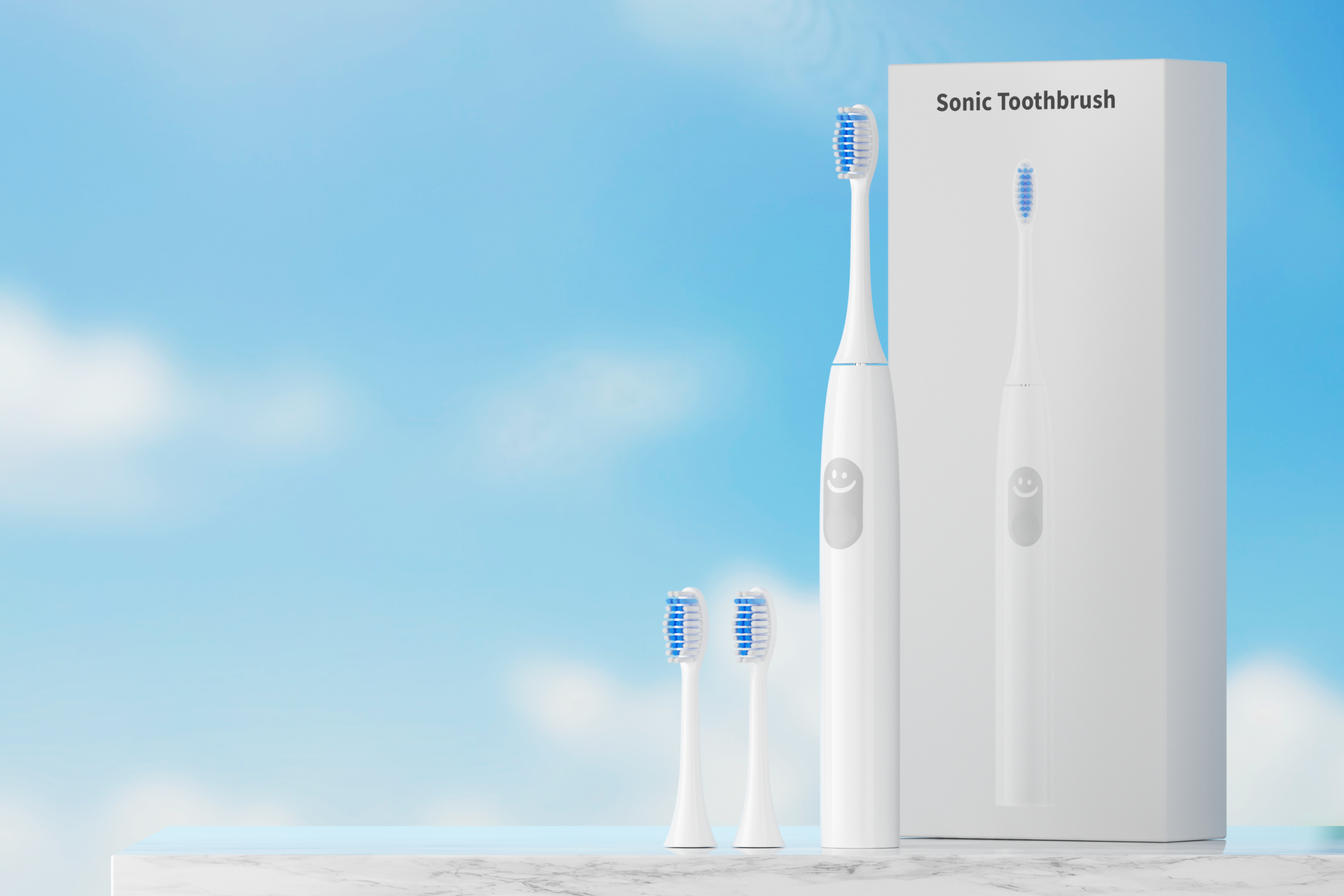
In today’s competitive healthcare market, dental clinics are constantly seeking new ways to build stronger patient relationships. One effective strategy is through gifts given by dental clinics. Not only do these small tokens show appreciation, but they also play an important role in dental practice marketing, helping clinics enhance their reputation and patient loyalty. A well-prepared custom patient care packages can leave a lasting impression and encourage repeat visits. Patient Gift Ideas: What Works Best for Dental Clinics When selecting patient gift ideas, clinics should focus on items that are practical, health-oriented, and brand-reinforcing. Popular options include: Custom oral care gifts such as toothbrushes, floss, or mouthwash in travel sizes. Lifestyle items like water bottles, tote bags, or branded pens. Educational kits that include tips for daily oral hygiene, paired with useful tools. These gift ideas not only provide value to patients but also ensure that the clinic’s brand stays visible in their daily routine. Custom Oral Care Gifts: Building Your Brand Through Personalization One of the most effective strategies is to include custom oral care gifts in patient care packages. Personalization might involve adding the clinic’s logo, selecting specific colors to match branding, or tailoring the product mix to target demographics (such as children,…
When manufacturers, distributors, or dental practices ask whether a sensitive toothpaste can reverse gum recession, the short answer is: not completely. However, sensitive toothpaste plays a crucial role in managing symptoms and slowing further damage to exposed root surfaces. Moreover, when combined with the right electric toothbrush strategy, it becomes a powerful part of a preventative and symptomatic care program. What gum recession actually means — and why “reverse” is a high bar Gum recession describes the apical migration of the gingival margin and, often, loss of attachment on root surfaces. In other words, soft tissue (and sometimes bone) is lost; this structural loss cannot be fully restored by topical agents alone. Therefore, although a toothpaste can reduce dentin hypersensitivity and help remineralize superficial defects, surgical periodontal procedures (e.g., connective tissue grafts) or restorative solutions are required to truly regain lost tissue in many cases. What sensitive toothpaste can and cannot do — the science in brief Sensitive toothpaste formulations target dentin hypersensitivity and root-surface protection through two main mechanisms: Tubule occlusion — ingredients such as stannous fluoride, strontium salts, arginine-calcium carbonate complexes, nano-hydroxyapatite, or certain silicates physically seal dentinal tubules to reduce fluid flow and nerve activation. Nerve desensitization…
.jpg)
If you’re a clinic, distributor, or manufacturer working with implant cases, the maze of dental insurance and coverage plans can slow down treatment acceptance—and that’s where smart aftercare product strategies (like implant-safe electric toothbrush bundles) become a real competitive advantage. Below is a clear, business-focused primer to help B2B partners understand who typically pays for implants, what to check before treatment, and six concrete actions clinics and manufacturers can take to smooth approvals and improve patient outcomes. Quick primer — who potentially covers implants (and when) First, it’s important to note there is no one-size-fits-all answer: coverage for implants varies widely by insurer, plan type, patient circumstances, and geography. Nevertheless, patterns emerge that B2B teams should recognize: Commercial dental plans (PPO vs. HMO): Generally, PPO plans are more flexible and may offer partial coverage for implant prosthetics or associated procedures, whereas many HMO dental plans exclude implants as a routine covered benefit. Therefore, checking plan exclusions early is crucial. Medical vs. dental responsibility: Sometimes an implant is covered (or partly covered) by medical insurance if the tooth loss is due to trauma, cancer surgery, or a medically necessary condition. Consequently, clinics should verify both medical and dental coverage when the…
Today’s consumers don’t just want single-use toothbrushes; they want coordinated dental health methods that serve the whole family. Modern households expect home dental systems that combine convenience, efficiency, and hygiene into one package. This shift presents a huge opportunity for oral care brands: by partnering with a family oral care OEM manufacturer. You can deliver tailored solutions that resonate with the evolving needs of families worldwide. Why Families Demand Customized Oral Care Families are looking for smart, space-saving, and hygienic oral care products. Imagine a home dental system with interchangeable brush heads, a shared toothbrush base, and age-appropriate brushing modes. This not only simplify routines but also promote better oral health for every family member. For brands, offering such solutions means standing out in a competitive market. OEM Solutions for Home Dental Health: Unlocking Innovation Instead of developing everything in-house, brands can leverage OEM Solutions for Home Dental Health to access advanced designs, regulatory expertise, and scalable production. An experienced OEM partner enables you to innovate faster, reduce costs, and launch products that reflect your brand identity while meeting consumer expectations. The Shared Toothbrush Base: A Must-Have for Families One of the most requested features in family systems is the shared toothbrush base. It…
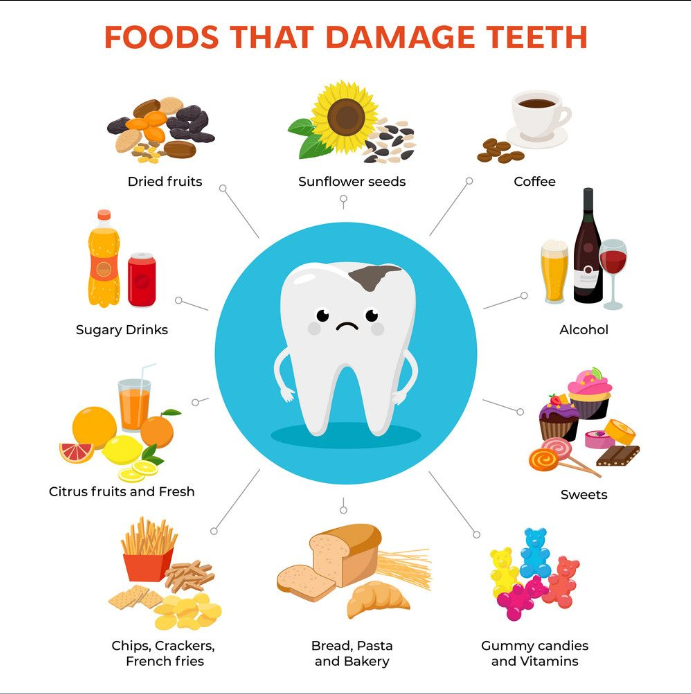
You have so many good reasons to keep your family’s teeth and gums healthy. Their sparkling smiles. Being able to chew for good nutrition. Avoiding toothaches and discomfort. And new research suggests that gum disease can lead to other problems in the body, including increased risk of heart disease. Fortunately, there are simple ways to keep teeth strong and healthy from childhood to old age. Here're tips of healthier lifestyle for protecting teeth: Regular oral care habits Developing regular oral care habits is the basis for protecting teeth. Brush your teeth at least twice a day, and using an electric toothbrush can effectively improve the cleaning effect. Studies have shown that users of electric toothbrushes can remove 21% more plaque than those who use manual toothbrushes. Healthy diet choices The impact of healthier lifestyle for protecting teeth on oral health cannot be ignored. Reducing sugar intake and increasing the proportion of fruits and vegetables can help reduce the risk of tooth decay. According to a study, people who have a long-term low-sugar diet have a 30% lower incidence of tooth decay. When choosing food, using water floss can effectively clean food residues, especially after eating, to help maintain oral health.…
.jpg)
As demand for personalized oral care grows, toothbrush devices must offer highly programmable pulse frequency control and sensitivity adaptation to accommodate multiple modes and user profiles. Only by combining a range of settings with real-time feedback can a single device truly meet the needs of all ages, oral conditions, and use-case scenarios. Segmenting Users and Their Diverse Needs First, B2B manufacturers should consider the full spectrum of end users: Children and Teens: Require low-frequency, gentle pulses to protect developing gums. Everyday Adults: Need mid-range frequency and strength in a standard cleaning mode that balances efficiency with comfort. Sensitive Users: Benefit from precise sensitivity adaptation, ensuring effective cleaning without irritation. Orthodontic and Restorative Cases: Demand specialized nozzles or brush heads to navigate braces, implants, and other hardware. Clear user personas are essential to define the must-have features for a “one-size-fits-all” device. Multi-Mode Design: From Basic to Professional Next, the device should support multiple cleaning modes for different scenarios: Standard Cleaning: Ideal for daily plaque removal. Whitening/Polish: Uses high pulse frequency and specialized brush heads for surface brightening. Gum Massage: Low-frequency pulses gently stimulate gum circulation. Orthodontic Mode: Works with dedicated nozzles or heads to flush around brackets and wires. Deep-Clean Therapy:…
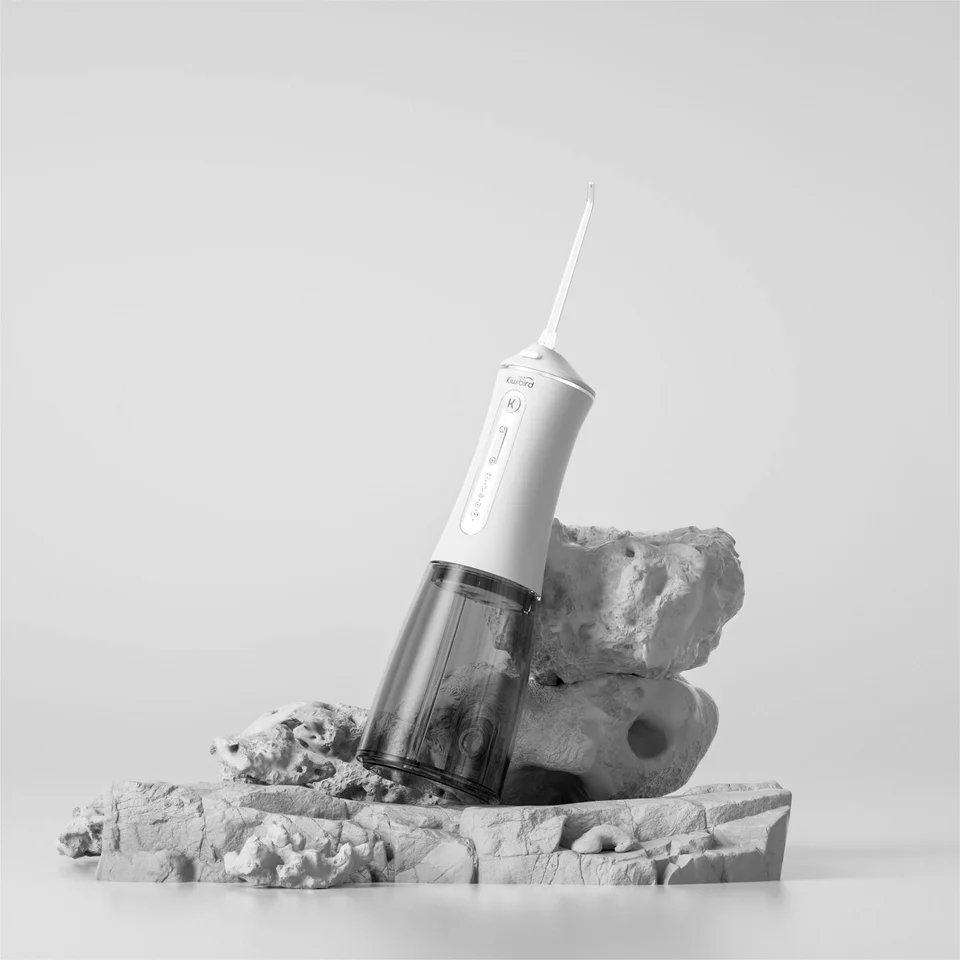
In today’s competitive oral care market, offering combinations of oral care products in well-thought-out sets has become a strategic tool for increasing brand visibility and boosting customer loyalty. Whether you're a DTC startup or a growing distributor, knowing how to structure effective bundles can be a game-changer. This article explores different sets of oral care products you can manufacture and package together, along with practical tips for promoting sales and growing your brand footprint. Why Product Combinations Drive Growth Consumers are increasingly drawn to comprehensive oral care routines. Rather than purchasing single items, they are looking for convenient, value-added sets. For brand owners, this offers a golden opportunity: Higher average order value (AOV) Increased perceived value Cross-selling and up-selling opportunities Enhanced customer retention By offering combinations of oral care products that meet diverse user needs (e.g., cleaning, whitening, gum health), brands can expand their product ecosystem and increase customer lifetime value. Popular Oral Care Product Sets to Consider Here are some proven different sets of oral care products that appeal to a broad range of consumers: A. Starter Kits Perfect for first-time buyers or gift packs. Usually include: Electric toothbrush x1 Travel toothpaste x1 Tongue cleaner x1 Optional: Mouthwash sachet x1 B. Whitening Focused Sets…
In the world of personal care appliances and handheld devices, ergonomic discomfort has emerged as a silent but persistent issue affecting user satisfaction. One common consequence that arises from poor design is grip fatigue, especially during prolonged or repetitive use. When these two factors interact, the result is often diminished performance, negative user feedback, and elevated product returns—raising important questions for manufacturers and OEM partners alike. Understanding Ergonomic Discomfort in Product Design Ergonomic discomfort typically stems from poor alignment between the product’s shape and the user’s natural hand posture. Causes include: Awkward grip angles Unbalanced weight distribution Improper button placement Inflexible or overly textured materials Such discomfort doesn't just affect comfort—it actively leads users to overcompensate with tighter gripping force, setting the stage for grip fatigue. What Is Grip Fatigue—and Why It Matters Grip fatigue refers to the muscular exhaustion that results from sustained hand contraction. In electric toothbrushes, oral irrigators, or grooming tools, this can manifest as: Tingling or soreness in the hand and wrist Reduced control during use Unintended drops or slips Early product abandonment by users Grip fatigue is especially concerning for older adults or users with pre-existing joint issues, amplifying the urgency of ergonomic precision. Company…


.jpg)
.jpg)
.jpg)
.jpg)
.jpg)



.jpg)