Info Center
Home » powsmart Electric Toothbrush blog » Teeth Whitening Aftercare Food Guide: What to Eat After Whitening

Teeth Whitening Aftercare Food Guide: What to Eat After Whitening

Date:2026-03-09
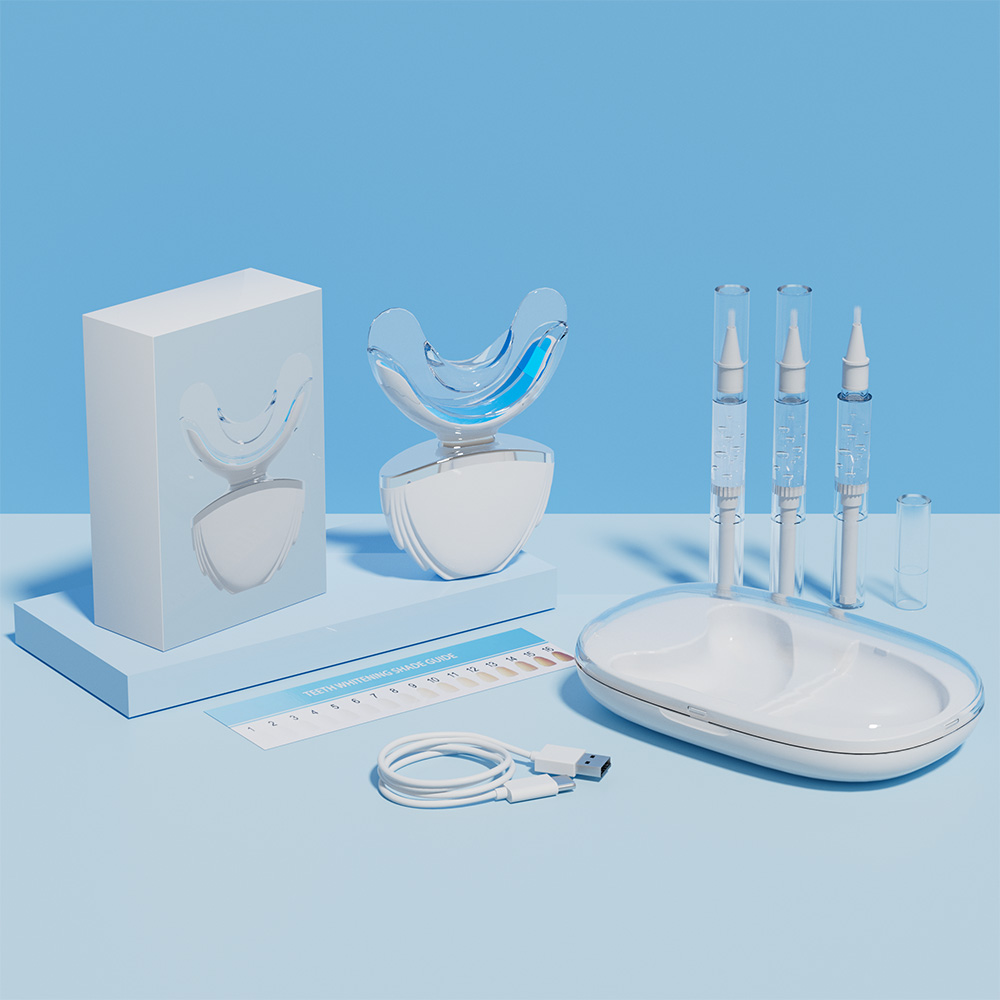
What you eat after whitening matters. This teeth whitening aftercare food guide breaks down which foods to avoid and which to enjoy, so you can maintain your bright white smile longer. Whitening opens tiny pores in your enamel, making your teeth more prone to staining for 24–48 hours after treatment. The right diet protects your new smile from discoloration. For enamel-safe whitening products, visit https://www.powsmart.com/.

Foods to Avoid After Whitening

First, these foods and drinks stain teeth quickly and should be avoided for 24–48 hours after whitening:
  • Dark-colored beverages: Coffee, tea, red wine, and soda contain strong pigments that stick to open enamel pores, causing discoloration.
  • Acidic foods and drinks: Citrus fruits, tomatoes, and vinegar erode enamel, making teeth more prone to staining and sensitivity.
  • Dark-colored foods: Berries, chocolate, and soy sauce contain strong pigments that can stain teeth if consumed too soon after whitening.
  • Tobacco products: Cigarettes, cigars, and chewing tobacco contain tar and nicotine that cause deep, set-in stains that are hard to remove.

Foods to Enjoy After Whitening

Furthermore, these foods and drinks are safe to consume after whitening and won’t stain your teeth:
  • Light-colored beverages: Water, milk, and white tea are safe and help rinse away food particles and bacteria.
  • Neutral-colored foods: White bread, rice, pasta, and chicken are safe and won’t stain your teeth.
  • Dairy products: Cheese, yogurt, and milk contain calcium and casein, which strengthen enamel and reduce sensitivity.
  • Crunchy fruits and vegetables: Apples, carrots, and celery act as natural toothbrushes, removing food particles and plaque from between teeth.

Additional Aftercare Tips

In addition, follow these steps to maintain your bright white smile:
  • Brush your teeth gently 30 minutes after eating to remove food particles and prevent staining.
  • Use a desensitizing toothpaste to reduce sensitivity, which is common after whitening.
  • Avoid smoking or using tobacco products for at least 48 hours after whitening to prevent deep stains.
  • Schedule regular touch-up treatments with your dentist to keep your smile bright and white.
In conclusion, this teeth whitening aftercare food guide helps you maintain your bright white smile after treatment. Avoid staining foods and drinks, enjoy safe options, and follow aftercare tips to protect your new smile. For more whitening tips, visit https://www.webmd.com/oral-health/teeth-whitening-overview.

6. Receding Gums Electric Toothbrush Choice: Protect Sensitive Exposed Roots

Focus Keyword: receding gums electric toothbrush choice

Meta Description: Use this receding gums electric toothbrush choice guide to find the right brush that helps with gum recession while cleaning effectively and protecting sensitive exposed roots.

Slug: receding-gums-electric-toothbrush-choice

Can the right electric toothbrush help with gum recession? This receding gums electric toothbrush choice guide breaks down the key features to look for in a brush that protects sensitive exposed roots while cleaning effectively. Gum recession exposes the delicate dentin layer of your teeth, making them more prone to sensitivity and damage. The right brush reduces irritation and supports gum health. For gum-friendly electric toothbrushes, visit https://www.powsmart.com/.

Key Features to Prioritize for Receding Gums

First, these features are essential for protecting sensitive exposed roots:
  1. Soft, rounded bristles: Ultra-soft bristles with rounded tips glide over receding gums without scratching or irritating delicate tissue.
  2. Pressure sensors: Responsive pressure sensors alert you immediately if you brush too hard, preventing damage to exposed roots and sensitive gums.
  3. Gentle cleaning modes: Sensitive or gum care modes use lower vibration speeds to clean effectively without causing discomfort.
  4. Built-in timers: Timers ensure you brush for the recommended 2 minutes, removing plaque and bacteria from all areas of your mouth without rushing.

Top Electric Toothbrushes for Receding Gums

Furthermore, these models stand out for their gum-protective features:
  • Philips Sonicare Gum Health: Features soft bristles, a pressure sensor, and a dedicated gum care mode. It’s recommended by dentists for people with receding gums.
  • Oral-B Pro 5000: Has a pressure sensor, multiple cleaning modes, and a built-in timer. It’s gentle on sensitive gums and effective at removing plaque.
  • Powsmart Gum Care: Comes with soft-bristle heads, a pressure sensor, and a sensitive mode. It’s affordable and ideal for people with receding gums.

Brushing Technique for Receding Gums

In addition, follow these steps to brush safely and effectively with receding gums:
  • Hold the brush at a 45-degree angle to your gums, just like normal. Use tiny, light circular motions instead of scrubbing.
  • Avoid applying pressure. Let the bristles do the work—pressing hard causes pain and damage to exposed roots.
  • Brush for 2 minutes, twice a day, focusing on the areas where gums have receded.
  • Use a desensitizing toothpaste to reduce sensitivity, which is common with receding gums.
In conclusion, this receding gums electric toothbrush choice guide helps you find a brush that protects sensitive exposed roots while cleaning effectively. Prioritize soft bristles, pressure sensors, and gentle modes to support gum health and reduce irritation. For more gum care tips, visit https://www.webmd.com/oral-health/gum-disease.