In today’s fiercely competitive whitening product market, consumers demand outstanding whitening effects. Yet many manufacturers face a common challenge: whitening inefficiency. One critical factor that may be responsible is the quality of the Teeth Whitener Nano Coating used in the product. In this blog, we answer the question posed in the title by examining six key aspects and exploring how optimizing nano coating technology can enhance whitening performance.
Teeth Whitener Nano Coating is an advanced nano-level surface treatment aimed at improving the performance of whitening products. A high-quality nano coating ensures even light dispersion, enhances the adhesion of active whitening ingredients, and effectively prevents pigment deposition. In contrast, a low-quality coating might suffer from uneven thickness and poor adhesion, hindering the light-driven catalytic processes necessary for efficient whitening.
While several factors can contribute to whitening inefficiency, the quality of the nano coating plays a critical role. A subpar Teeth Whitener Nano Coating can prevent proper activation of the whitening reaction, resulting in insufficient decomposition of stains and colorants. Thus, even if the formulation is optimal, the final whitening performance can be significantly compromised if the coating does not perform as intended.
When the nano coating quality is lacking, several issues may arise:
These factors directly contribute to reduced product performance and consumer dissatisfaction.
To prevent inefficiencies, manufacturers should rigorously assess the quality of Teeth Whitener Nano Coating during production. Key evaluation methods include:
Implementing these quality checks helps detect issues early and prevents low-quality coatings from reaching the market.
To address whitening inefficiency caused by a low-quality nano coating, manufacturers can take several steps:
These measures collectively contribute to a product that consistently meets high performance and aesthetic standards.
In summary, whitening inefficiency can indeed be closely linked to low-quality Teeth Whitener Nano Coating. Poor coating quality can undermine the activation of whitening agents, resulting in uneven and ineffective whitening. To resolve this issue, manufacturers must emphasize rigorous quality testing, optimize the coating process, and invest in advanced materials. By doing so, they can significantly enhance the whitening performance, ensuring that their products deliver the vibrant, consistent results that consumers expect. Ultimately, selecting a high-quality Teeth Whitener Nano Coating is essential to achieve superior whitening and boost overall customer satisfaction.https://www.powsmart.com/about-powsmart/
Does Practice Management Software Integration Work with a Teledentistry Platform White-Label?
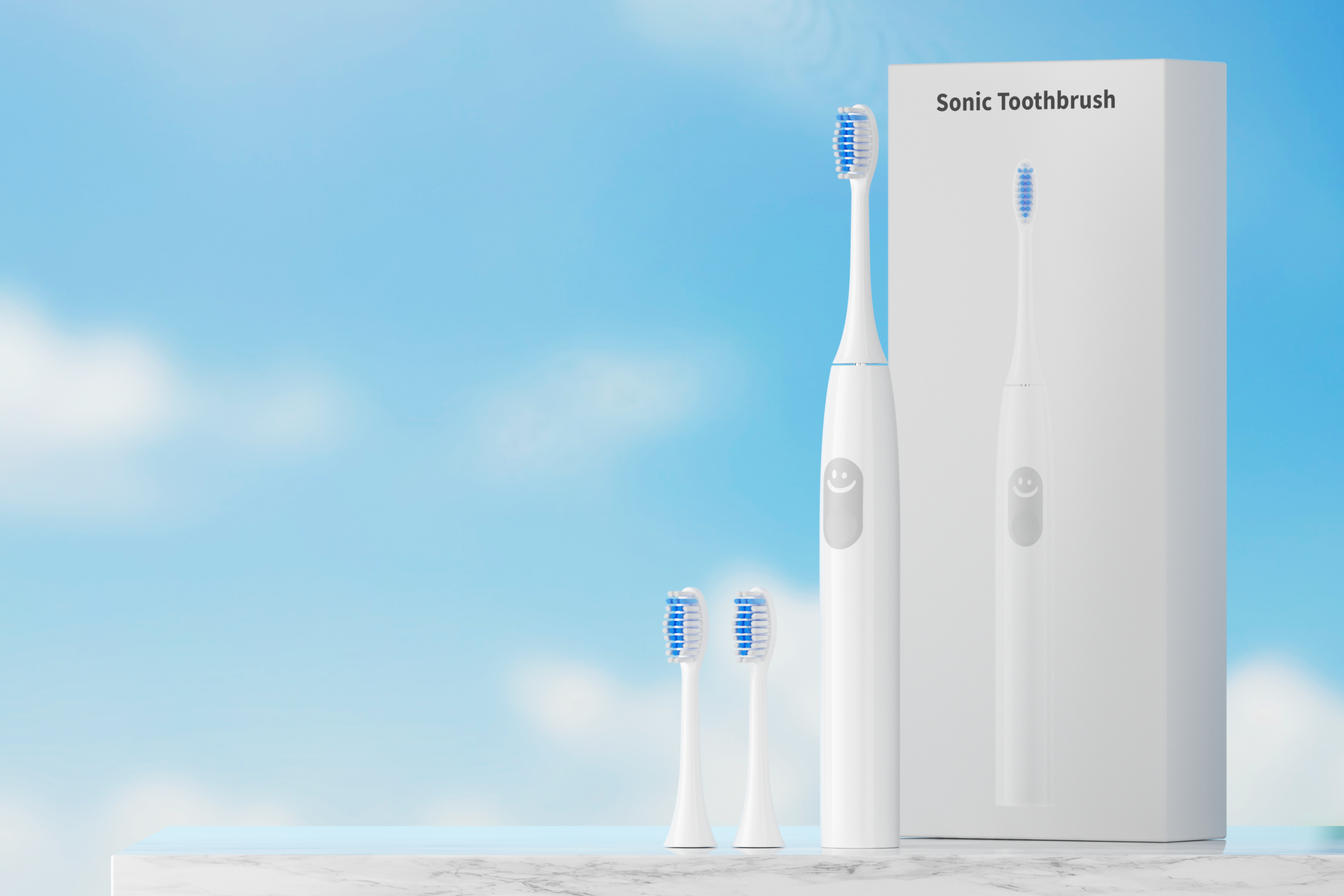
White Label Electric Toothbrush OEM: Complete Branding Solutions
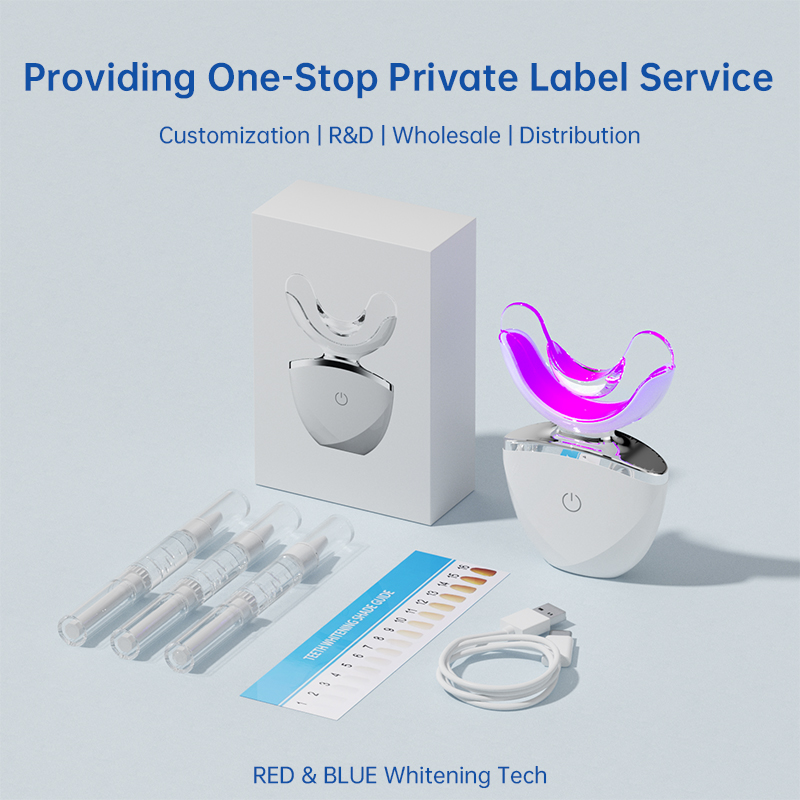
Need Electric Toothbrush Replacement Heads Bulk and Electric Toothbrush Charger OEM Parts?
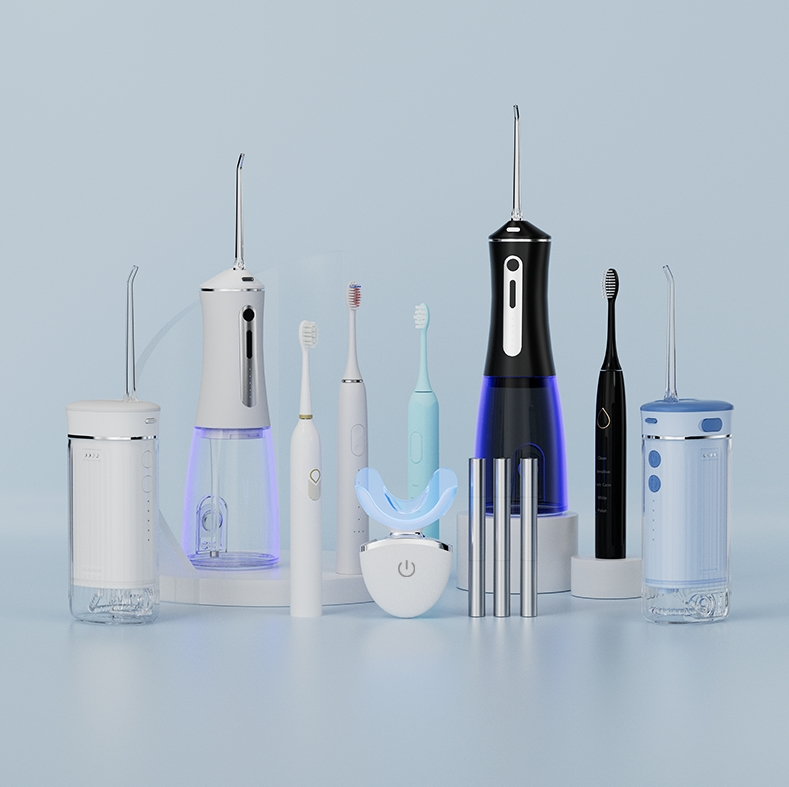
Guide for Oral Care Brands Seeking San Diego Water Flosser & Toothbrush Combo Custom Kits Suppliers
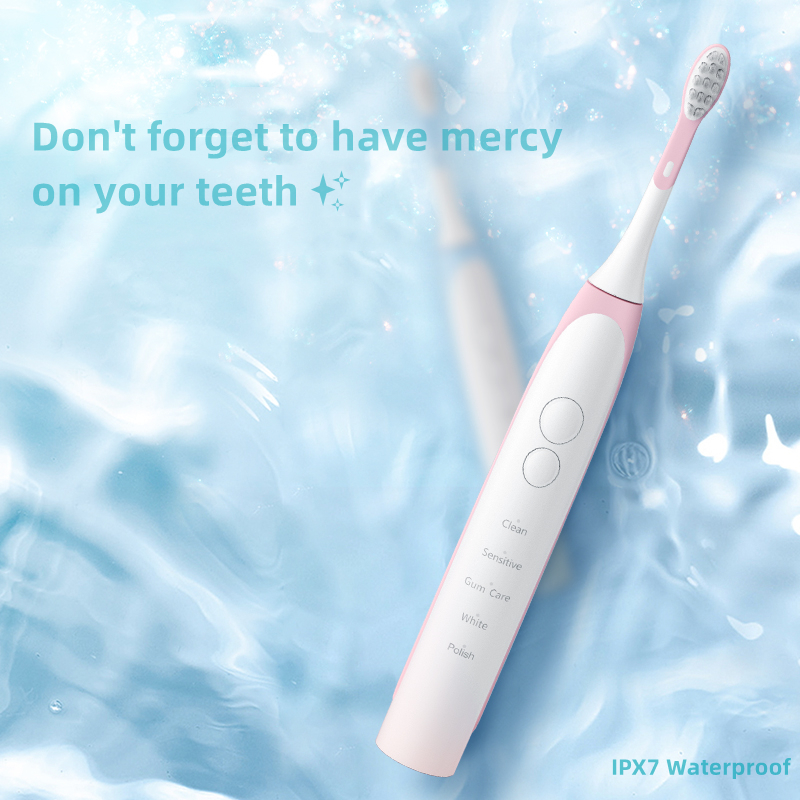
Why Does My Electric Toothbrush Keep Turning Itself On?
.jpg)
LA sonic toothbrush B2B supplier
Bamboo Electric Toothbrush Handle OEM Manufacturer | Eco-friendly Design Solutions
Electric Toothbrush Durability Manufacturer
What Are the Benefits of Our Patented Structural Design of Electric Toothbrushes?

Voice-Activated and AI-Driven Toothbrushes – The Next OEM Frontier
GERD Teeth Protection Guide: Brushing Strategies for Acid Reflux Sufferers
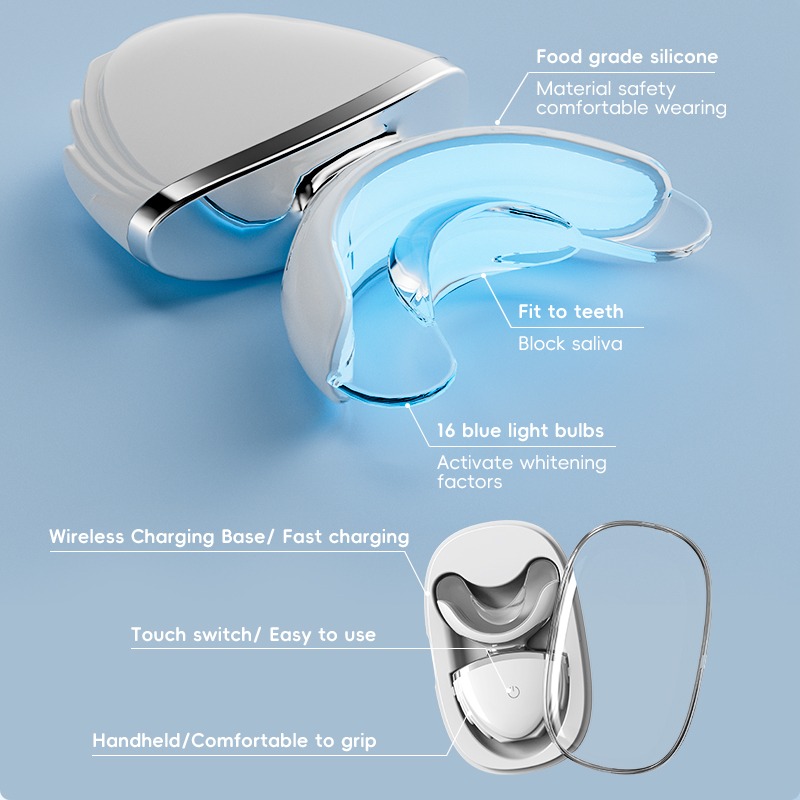
Market share and competitor analysis of Dental Masks
Electric Toothbrush Long Battery Life Supplier
Chemical Residues Triggering Throat Irritation – Toxic?
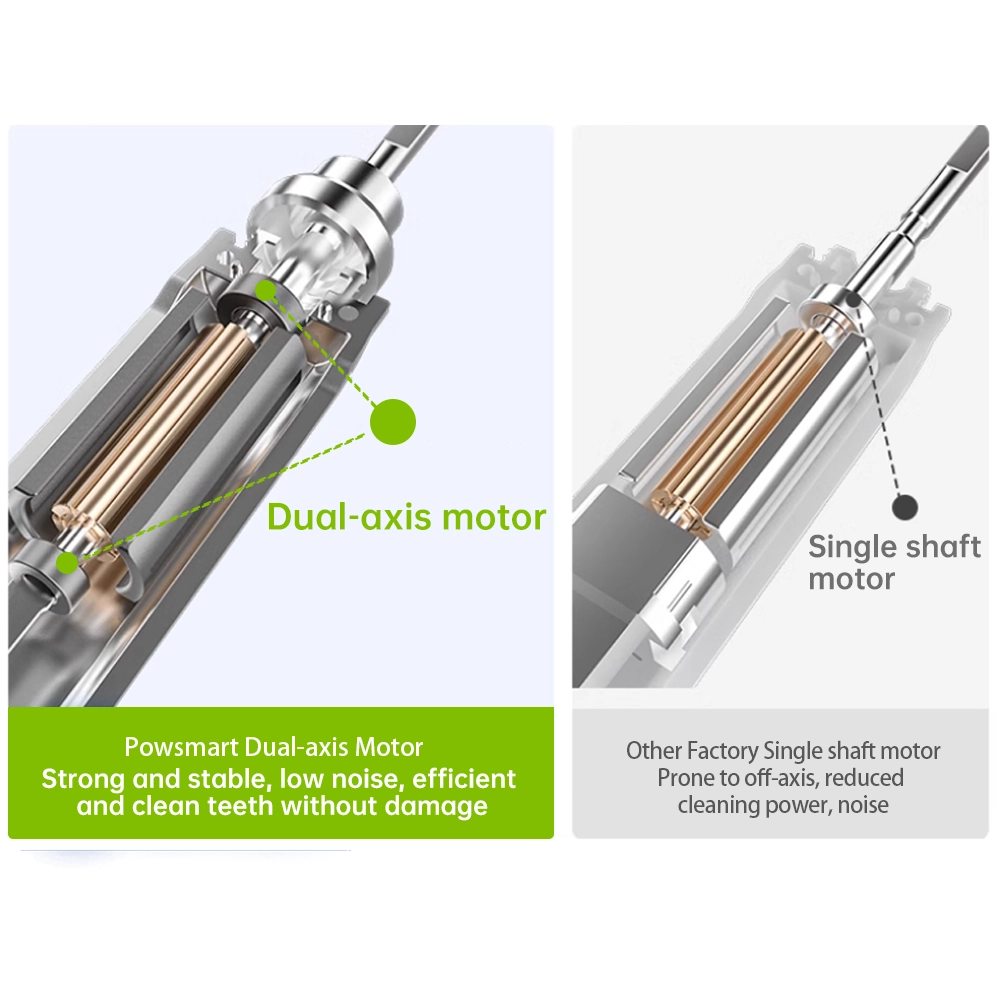
Magnetic Levitation Motor Toothbrush Technology Explained
Peroxide Free Whitening Device Supplier for Global Oral Care Brands


.jpg)
.jpg)
.jpg)
.jpg)
.jpg)






.jpg)
.jpg)