As consumers demand more portability and convenience, one question becomes increasingly relevant for toothbrush manufacturers: Can a device equipped with a high endurance motor realistically provide long battery life—say, up to 90 days—on a single charge? This is not just a user expectation; it’s a critical design benchmark in today’s competitive oral care market. In this article, we’ll break down the core engineering principles, the role of motor design, and battery efficiency to answer this question.
A high endurance motor is engineered to deliver consistent torque and vibration output while minimizing energy loss. Unlike standard motors, high-endurance models use:
These features reduce internal stress and heat generation, allowing the motor to operate at optimal performance without drawing excessive power. The result? Smoother brushing, lower wear, and longer device longevity.
To evaluate whether a high endurance motor contributes to long battery life, we must analyze its energy draw relative to battery capacity. High-quality motors are designed to:
If the motor maintains a power draw of under 1W/hour and the toothbrush uses a 1200mAh lithium battery, 90 days of use (twice daily for 2 minutes) is a feasible target.
Battery endurance is also influenced by the brush’s overall power management strategy. Advanced designs use:
These components reduce unnecessary power drainage and extend standby time, allowing the long battery life claim to stand even with high-output motors.
While some brands advertise “90-day battery life,” real-world usage depends on user behavior:
That’s why pairing a high endurance motor with intelligent usage tracking (via Bluetooth apps, for instance) can help calibrate expectations and improve user satisfaction.
For OEMs developing high-performance toothbrushes, the key is integration. The motor, PCB, and battery must be calibrated as a system. Considerations include:
Providing lab-verified data to back long battery life claims strengthens trust with B2B buyers.
To support the 90-day claim, manufacturers should invest in endurance testing protocols such as:
Results from these tests can be included in product datasheets, helping B2B clients communicate confidence to their end users.
In conclusion, a high endurance motor can indeed support long battery life—even up to 90 days—if the system around it is optimized for efficiency. From battery capacity and motor design to power management software, every detail counts. For OEM and ODM partners in the personal care sector, the next generation of smart toothbrushes will be defined not just by brushing power, but by how long that power can last. Contact us
-300x300.jpg)
-300x300.jpg)
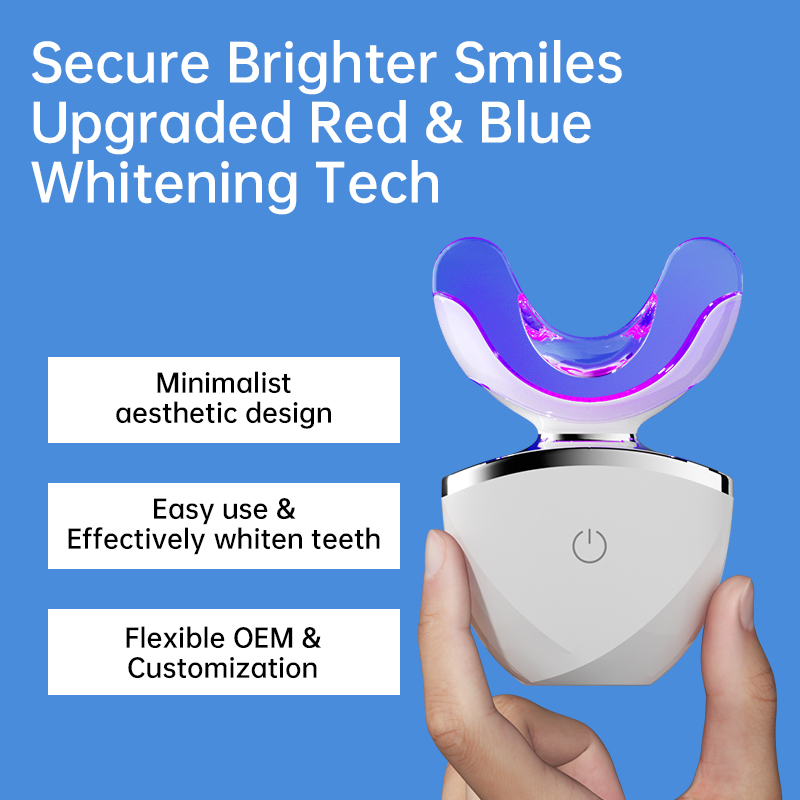
How Long Should I Use Blue Light on My Teeth? OEM Manufacturer’s Guide
.jpg)
oral care distributors Los Angeles
.jpg)
electric toothbrush supplier
Professional Teeth Whitening Kit Manufacturer
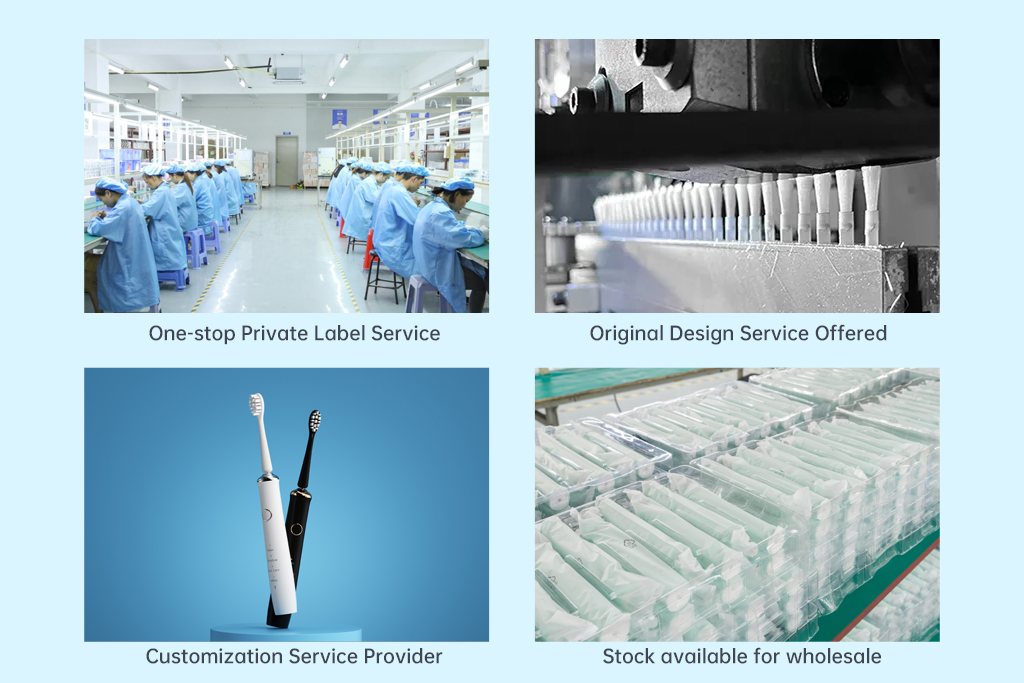
How Oral Care Brands Can Expand Product Line Strategically
Electric Toothbrush Michigan | Powsmart Professional Manufacturer

Why Use a Ceramic Bearing Motor with a Submersible Solenoid Valve in a Flosser?
Los Angeles Retailers Bulk Purchase PowSmart Electric Toothbrushes to Meet Diverse Consumer Needs
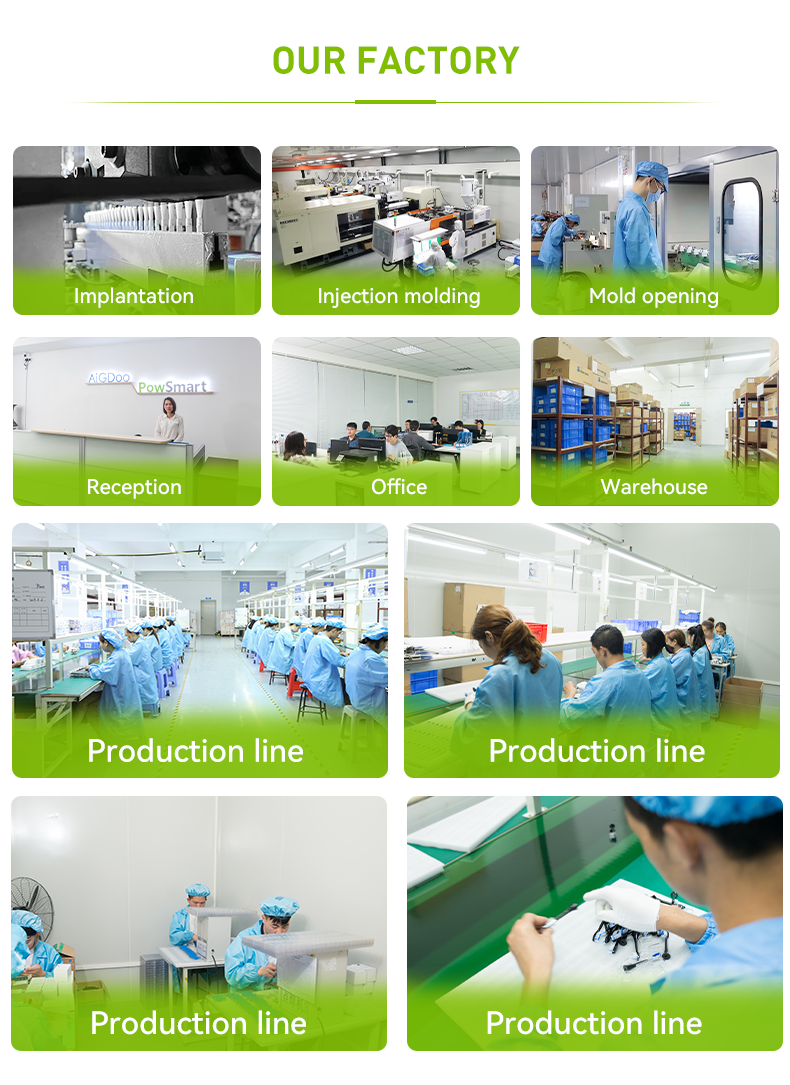
Why Is Brush Head AQL Testing Critical After the Silicone Overmold Service Process?
tongue piercing water flosser: safe cleaning
UK Electric Toothbrush Factory Export | Powsmart Bulk Supplier
lichen planus water flosser care: gentle cleaning
Why Is Whitening Kit Compliance Critical When Choosing a Cosmetic Device Manufacturer?
Can a Tokenized Supply Chain Enhance Traceability Beyond Unique Device Identification UDI?
Smart Electric Toothbrush Manufacturer
Startup Electric Toothbrush OEM Factory


.jpg)
.jpg)
.jpg)
.jpg)
.jpg)





.jpg)