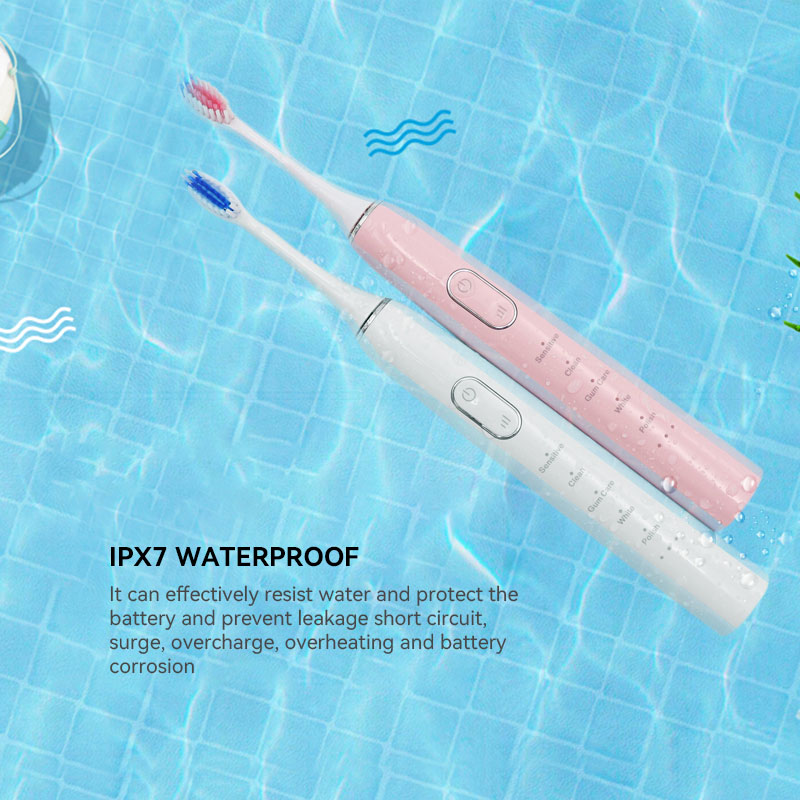
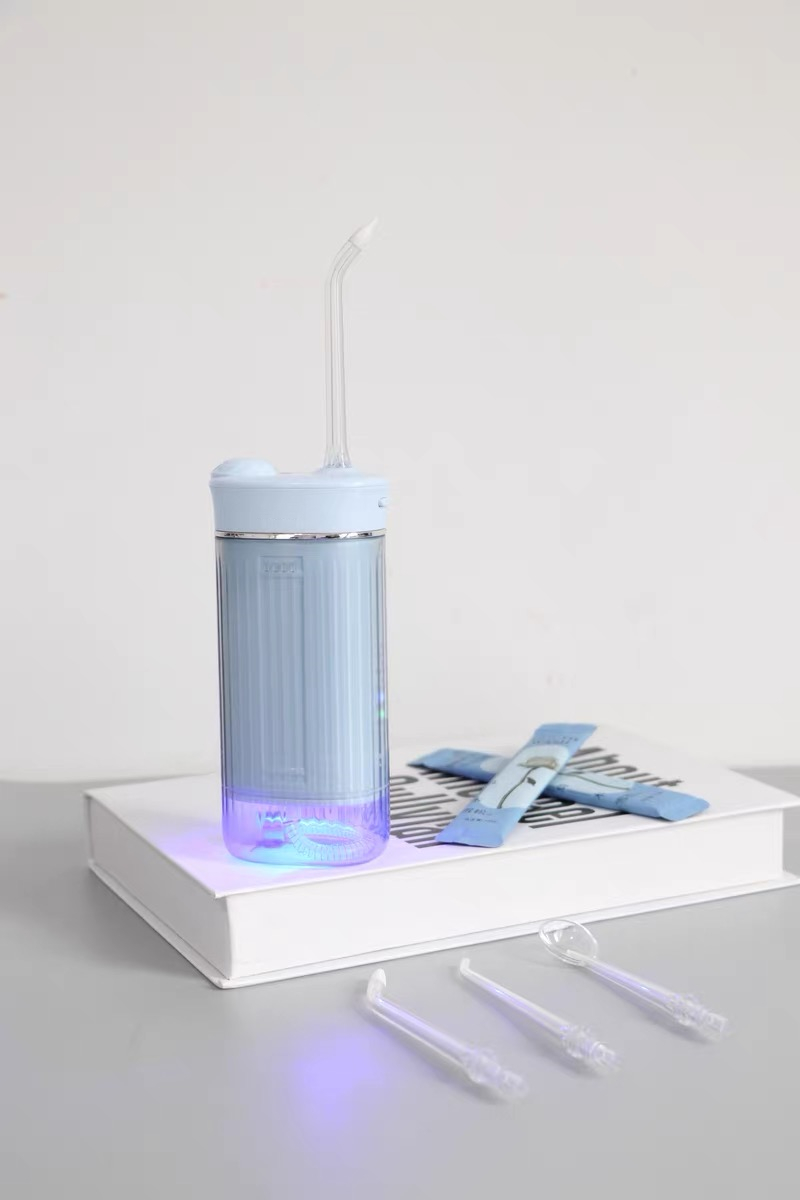
With consumer preference leaning toward minimalist countertop appliances, the Space-Saving Flosser Combo has gained significant popularity. However, a recurring concern among OEM/ODM buyers and engineering partners revolves around pulse inconsistency—a fluctuation in water jet rhythm that can affect cleaning performance and user satisfaction. In this article, we investigate whether the compact nature of these combo devices inherently leads to this performance defect, or whether design refinements can ensure stable output.
A Space-Saving Flosser Combo typically integrates a water flosser with a toothbrush base or multifunctional charging dock. Its core appeal lies in:
However, compressing multiple functions into one body often means sacrificing internal reservoir capacity, pump isolation, or tubing clearance—factors that may impact pulsation.
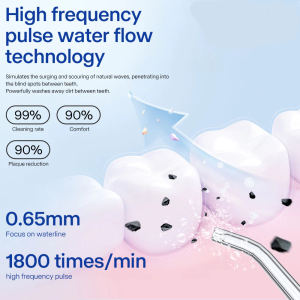
Pulse inconsistency refers to irregular water flow patterns—either fluctuating pressure or uneven timing intervals. This issue can manifest as:
From a technical standpoint, this undermines product reliability, especially for customers with sensitive gums or users following dentist-prescribed flossing routines.
The shift toward space-saving architecture introduces several engineering challenges:
These root causes make it essential for manufacturers to adopt a system-level optimization strategy rather than simply downsizing components.
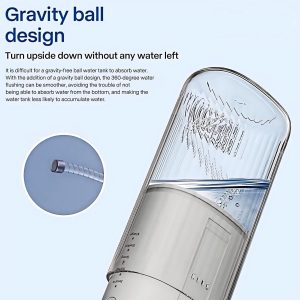
Leading OEM developers are addressing pulse instability through a series of mechanical and electrical refinements:
These features help maintain a reliable water pulse even in a tightly integrated combo unit.
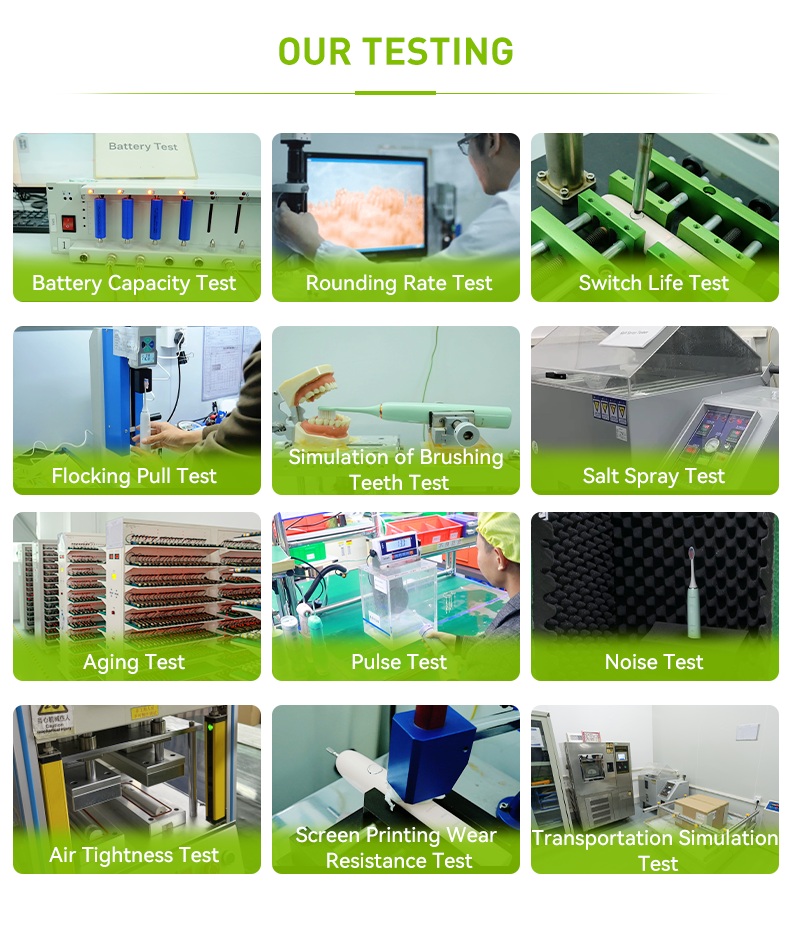
To ensure that Space-Saving Flosser Combo products meet export-grade expectations, B2B suppliers should implement:
These steps mitigate batch-level defects and establish product consistency, essential for global branding success.
So, does a Space-Saving Flosser Combo cause Pulse Inconsistency? The answer depends on engineering depth and manufacturing rigor. While compact integration introduces natural challenges, well-designed systems with precise pump control, power distribution, and fluid dynamics can deliver stable, dentist-level performance—even in a palm-sized device.
For B2B buyers seeking high-performance oral care combos, partnering with a supplier that understands these design sensitivities is key to delivering long-term value—and avoiding returns caused by inconsistent user experience. Contact us
Why Is an Orthodontic Jet Tip More Effective When Controlled by a Multi-pressure Chip?
How Should the Oral Care Products Brand Create a Distinctive Brand Image?
.jpg)
Magnetic Levitation Toothbrush Manufacturer – Advanced Sonic Technology for Brands
Adventure-Ready Electric Toothbrushes: Outdoor Toothbrush OEM Features for Outdoor Enthusiasts
Water Flosser for Dental Care Programs | Clinic & Subscription Kit Supplier
Whitening Gel Leakage Leads to Teeth Yellowing? Experts Issue Warning!
Why Pair a Sonic Vibration Core with a Reliable Global Logistics Partner for International Supply Chains?
Can Surface Reflectance and Subsurface Scattering Data Improve Whitening Efficacy Evaluations?
Mistakes to Avoid When Buying Wholesale Teeth Whitening Kits
Why is Quality Certification Support integral to a successful Contract Manufacturing agreement?
.jpg)
Customization of Oral Irrigator Pulse Frequency: How to Balance 1400–1800 Times/Minute with Noise Control?
What is the Leonard Method of Brushing Teeth? An OEM Manufacturer’s Guide
What Dental trends dominate 2025 innovations?
Professional IPX7 Toothbrush Supplier for Global Importers
Reasons to enter the oral irrigators industry in 2024
Is Your Whitening Syringe Supplier Qualified for Home Use Whitening System Kits?


.jpg)
.jpg)
.jpg)
.jpg)
.jpg)







.jpg)
.jpg)