For sonic toothbrush manufacturer, adding a UV toothbrush sanitizer to your portfolio can create a compelling bundled product (brush + sanitizer dock) and open B2B channels (dental clinics, hospitality, OEM bundles). Below are six focused considerations to evaluate before you commit — each with practical implications for R&D, QA, supply chain, and go-to-market teams.
Many core competencies overlap: injection molding, PCB assembly, battery and charger sourcing, and final assembly lines. Consequently, a sonic toothbrush manufacturer already has much of the factory skillset needed to add a UV toothbrush sanitizer.
Where they diverge: optics, UV LED / lamp sourcing, reflective chamber design, and safety interlocks are specialized. UV devices need careful control of irradiance and dosing, while brushes focus on motor dynamics and sealing (IP rating).
Quick action: map internal capabilities vs. gaps (optics, microbiology testing) and identify suppliers for UV LEDs, reflectors, and sensors.
Because UV devices expose surfaces to germicidal light, safety and compliance are critical. That means certifying electrical safety and EMC as usual, plus addressing photobiological safety (eye/skin exposure), leakage of stray UV, and any emissions (e.g., ozone if certain lamp types are used).
Practical implication: plan for interlock switches, secure chamber enclosure, fail-safe firmware, and clear user warnings. Also budget for third-party testing and certification from accredited labs to verify both electrical and optical safety.
A UV toothbrush sanitizer must demonstrate real microbial reduction under defined conditions. Importantly, UV efficacy depends on dose (irradiance × time) and on whether UV reaches all contaminated surfaces — shadows behind bristles can reduce effectiveness.
What to do: run accredited microbiology tests (log-reduction reports) using realistic brush heads and soiling conditions, and iterate chamber geometry and cycle time until results are repeatable. Only then craft marketing and clinical claims based on measured outcomes.
You can offer multiple form factors: an integrated sonic-brush + sanitizer dock (brush homes into dock that charges and sanitizes), a standalone UV sanitizer for multiple brushes, or a compact travel sanitizer. Each choice affects IP rating, water resistance, and ergonomics.
UX considerations: simple LED indicators, audible/visual completion cues, easy loading/unloading, and hygiene of the chamber (drainage or removable trays) improve adoption in clinics and households.
Adding UV capability increases BOM complexity (UV LEDs or lamps, optical films/reflectors, safety switches, additional sensors) and introduces long-lead items with MOQs. Moreover, UV components have lifetime curves (hours of useful germicidal output) that affect warranty and replacement policies.
Commercial impact: plan spare-parts strategy (replacement lamps/LED modules), define end-of-life performance thresholds, and include UV component life in warranty terms to avoid support surprises.
For B2B channels (dental clinics, hotels, care facilities), emphasize validated efficacy, safety interlocks, and durability. For consumer retail, highlight convenience, compact form factors, and compatibility with existing brush heads. Importantly, avoid overstating claims — ensure marketing aligns tightly with lab results and regulatory limits.
Sales tip: bundle demo units and clinician education materials for dental offices so staff can show patients both sonic cleaning and sanctioned sanitizer benefits.
A sonic toothbrush manufacturer can successfully add a UV toothbrush sanitizer, but success requires more than a new plastic enclosure — it needs optics engineering, accredited efficacy testing, safety certification, supply-chain planning, and clear after-sales policies. Use this short checklist to move from concept to pilot:
If your team wants, we can convert this into a one-page technical spec for an integrated brush + UV dock (components, test plan, and certification milestones) to hand to engineering or potential suppliers. Contact us
.jpg)
.jpg)
.jpg)
Is a Reliable Water Flosser Pump Supplier Key to Developing a High-Pressure Flosser?
Should Alaska travel gear include an Alaska cold-resistant electric toothbrush?
.jpg)
Electric Toothbrush Performance Comparison OEM: How to Evaluate and Optimize Product Output
Looking for a cost-effective electric toothbrush? Why not consider Hammer’s budget-friendly option!
Button Unresponsive with Flow Inconsistency – Fix?
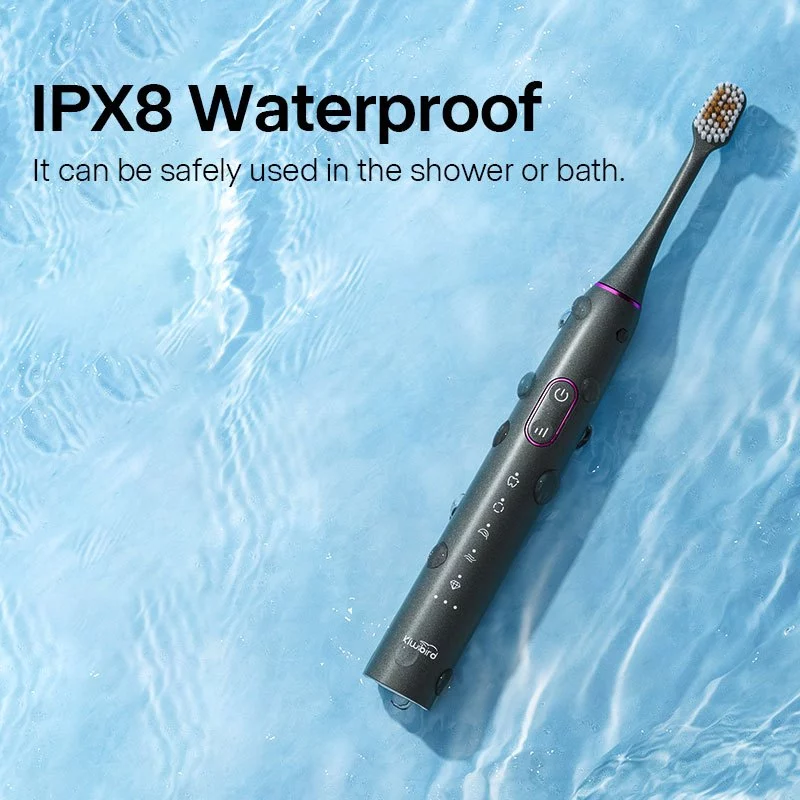
Is a portable travel case electric toothbrush your perfect companion?
Toothbrush Sanitizing Methods Compared: Find the Most Effective Way
black tea teeth whitening: tannin-based stains
.jpg)
Medical professional brush vs. Surgical grade toothbrush — what’s the real difference?
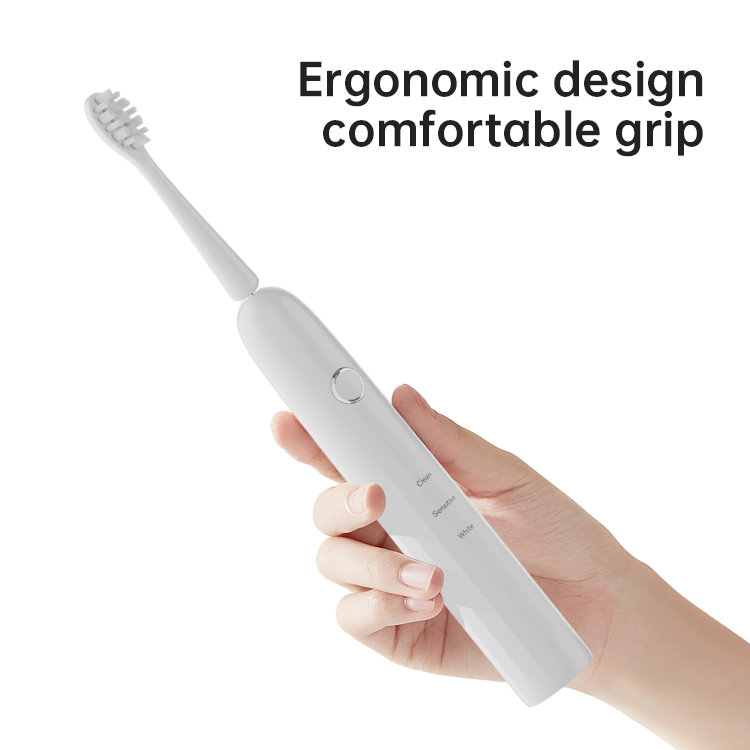
Optimizing Electric Toothbrush Shape: An OEM Guide to Grip and Maneuverability
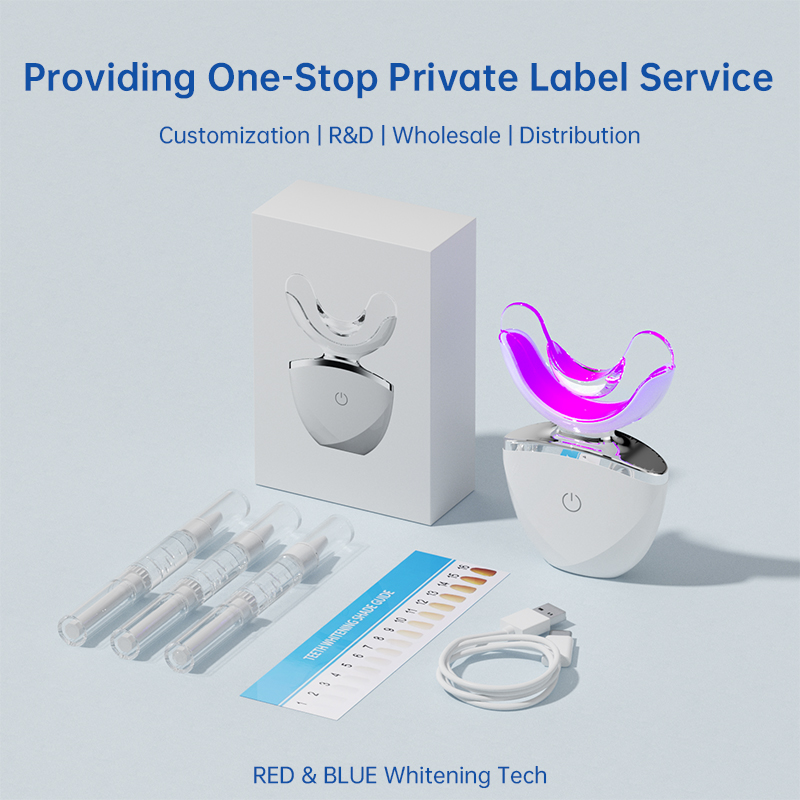
Teeth Whitening Kit OEM Manufacturing Compliance Standards
Is Your Electric Toothbrush Losing Power Too Fast?

How does a Pressure-sensitive Matrix leverage Hydro-kinetic Energy Transfer for gentle cleaning?

Market Analysis of Red and Blue Light Teeth Whitening Devices: How to Find a Teeth Whitening Device Breakthrough in Differentiated Technology?
Can Charging Overheat Worsen Joint Leakage?
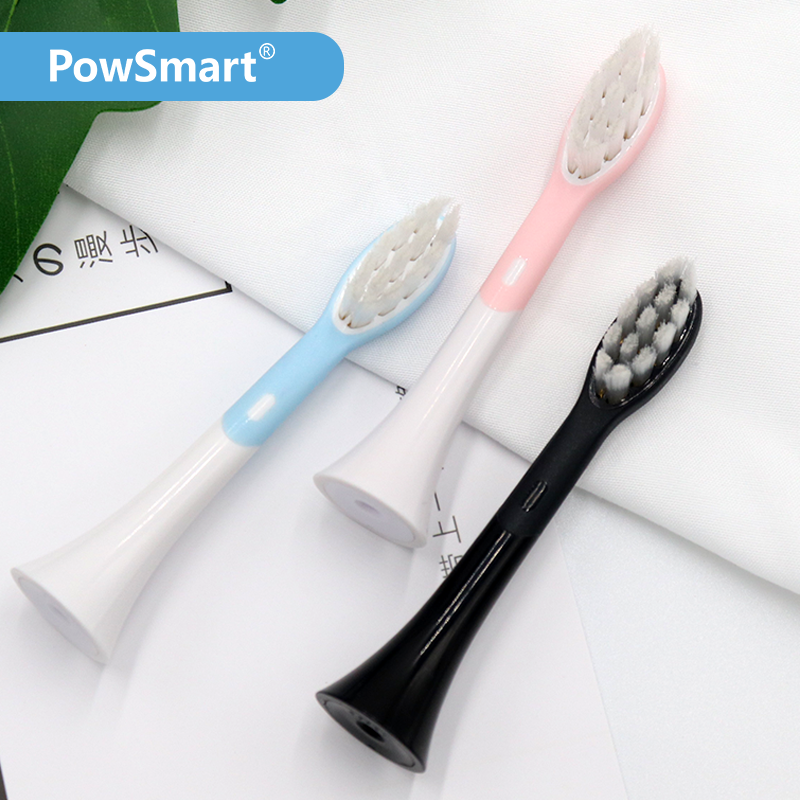
Does It Matter If You Buy an Electric Toothbrush Replacement Head That Is Not an Official One?


.jpg)
.jpg)
.jpg)
.jpg)
.jpg)






.jpg)
.jpg)