In the manufacturing of high-performance electronic devices, two issues often come under scrutiny—Runtime Drop and Thermal Failure. While these problems may appear independent at first glance, deeper technical analysis reveals that they are, in fact, closely interrelated. Understanding the relationship between runtime decline and thermal stress is critical for OEM and ODM partners who demand reliability, safety, and durability in their products.
Runtime Drop refers to the unexpected reduction in operational time of battery-powered devices such as electric toothbrushes, water flossers, or portable appliances. When the runtime does not meet the expected or rated duration, it causes end-user dissatisfaction and increases warranty returns. This can be caused by various factors—such as battery degradation, increased internal resistance, or external environmental conditions.
However, an often-overlooked contributor to runtime drop is thermal stress. Excessive heat generation within the device during operation can accelerate battery aging, directly reducing usable capacity and causing runtime to shorten over time.
Thermal Failure happens when a device or component fails to manage or dissipate heat effectively, resulting in overheating. This condition not only risks immediate functionality loss but may also lead to permanent damage of internal parts—such as PCB warping, insulation breakdown, or even battery leakage. In critical B2B applications, thermal failure severely undermines product reliability and safety certifications, making proactive thermal management essential.
Many OEM clients mistakenly treat Runtime Drop and Thermal Failure as separate challenges. In truth, these two are intrinsically linked. When a system suffers from inadequate thermal design—such as poor heat sink structures or insufficient ventilation—the internal temperature rises rapidly during use. This heat buildup increases the resistance within battery cells and electronic circuits, accelerating energy loss.
The result? The device drains its battery faster, leading to Runtime Drop. Simultaneously, sustained high temperatures push components toward Thermal Failure, creating a vicious cycle that compromises product life expectancy.
To reduce the risk of Runtime Drop and prevent Thermal Failure, manufacturers can adopt the following engineering improvements:
For B2B brands, the correlation between Runtime Drop and Thermal Failure cannot be ignored. A failure to address these twin challenges may lead to customer complaints, brand reputation damage, and unexpected service costs. By adopting thermal-aware design principles and battery optimization strategies, manufacturers can greatly improve product reliability, ensure compliance with international safety standards, and satisfy demanding OEM/ODM partners.
In a competitive market, understanding and resolving the hidden relationship between Runtime Drop and Thermal Failure is not just a technical necessity—it is a strategic advantage.Contact us
.jpg)
Does Non-Toxic Kids Brush OEM Risk Child Safety?
Tips for choosing a High-Quality Electric Toothbrush Factory for Your Oral Care Brand
Oral Care is Personal Care: An Untapped OEM Opportunity for Your Brand
.jpg)
Fast Lead Time Electric Toothbrush Supplier for Global B2B Buyers
Eco Packaging Electric Toothbrush Supplier
.jpg)
What Are Typical Electric Toothbrush Delivery Lead Time and Electric Toothbrush Payment Terms?
How does a high-performance Water Pump OEM partnership ensure the success of Precision Nozzle Manufacturing?
Why Combine Private Label Toothbrush Production with Toothbrush Replacement Heads Bulk for Recurring Revenue?
Professional Sonic Toothbrush OEM
Biodegradable Electric Toothbrush OEM | Eco-Friendly Oral Care Manufacturing
-2-scaled.png)
How to Source the Best Teeth Whitening Device Manufacturers for Your Brand
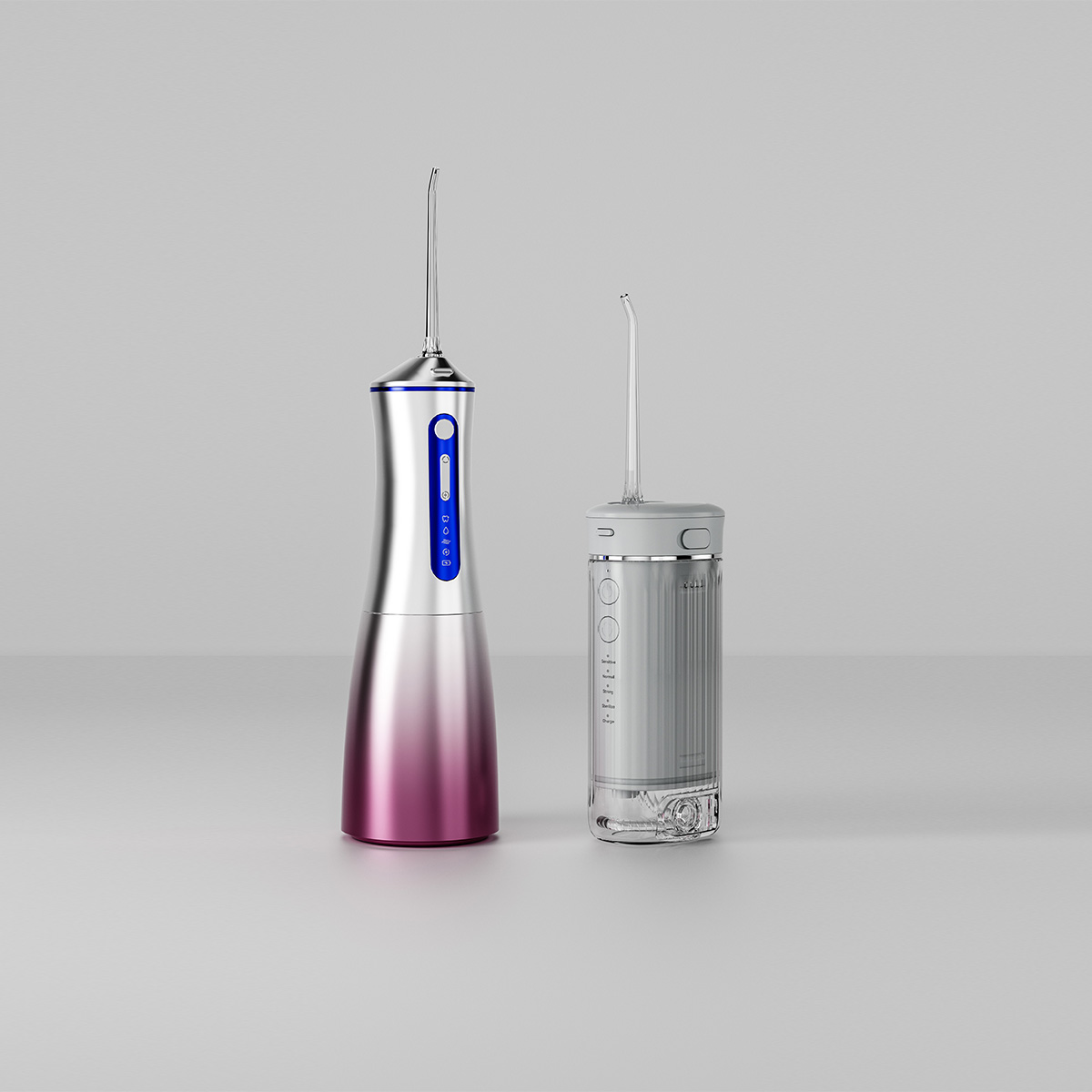
Does POWSMART Sonic Brush OEM Pose Overheating Risks?
Cordless Water Flosser Wholesale for Global Oral Care Distributors
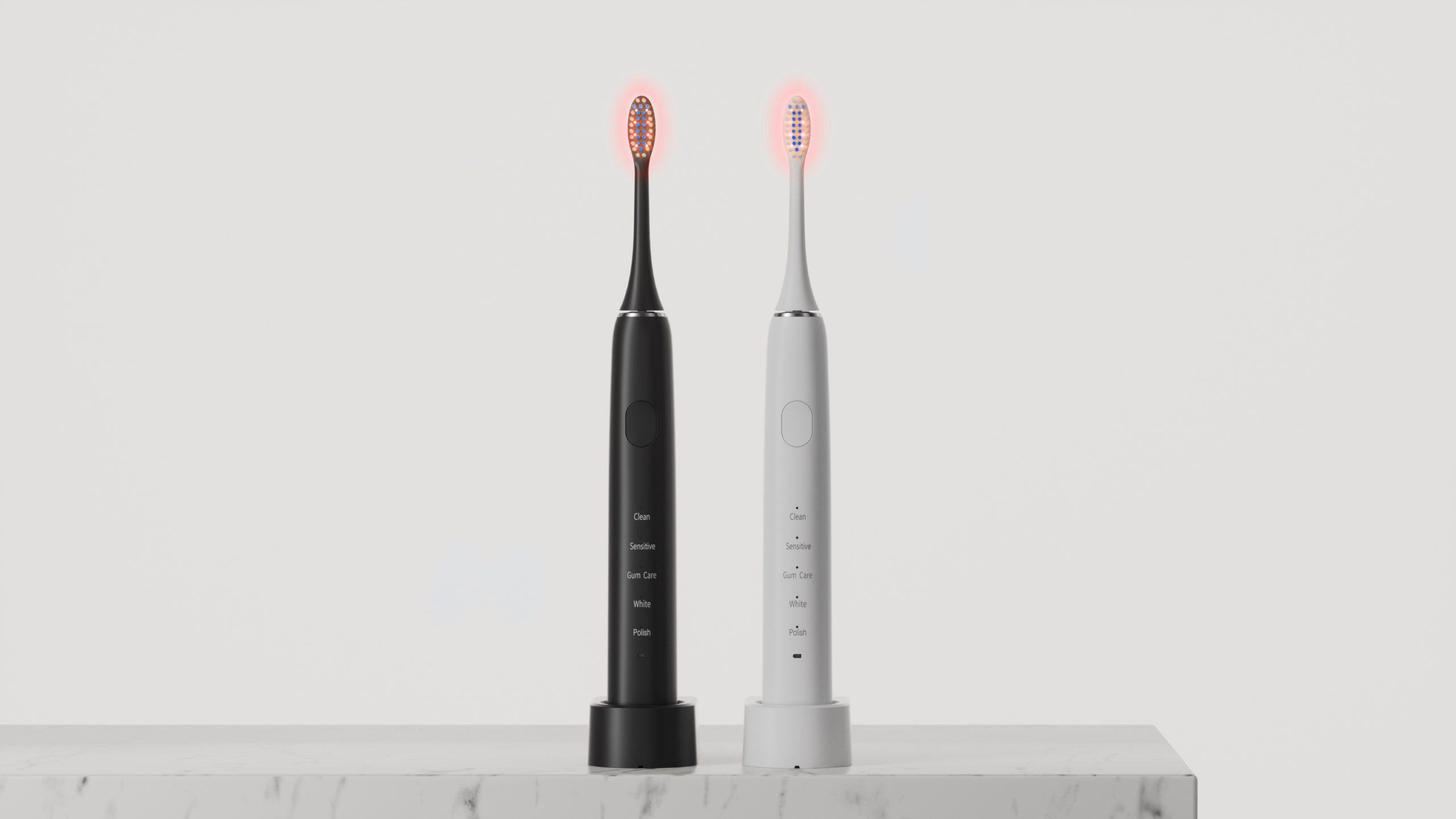
Powsmart Electric toothbrush Factory Anchorage Alaska
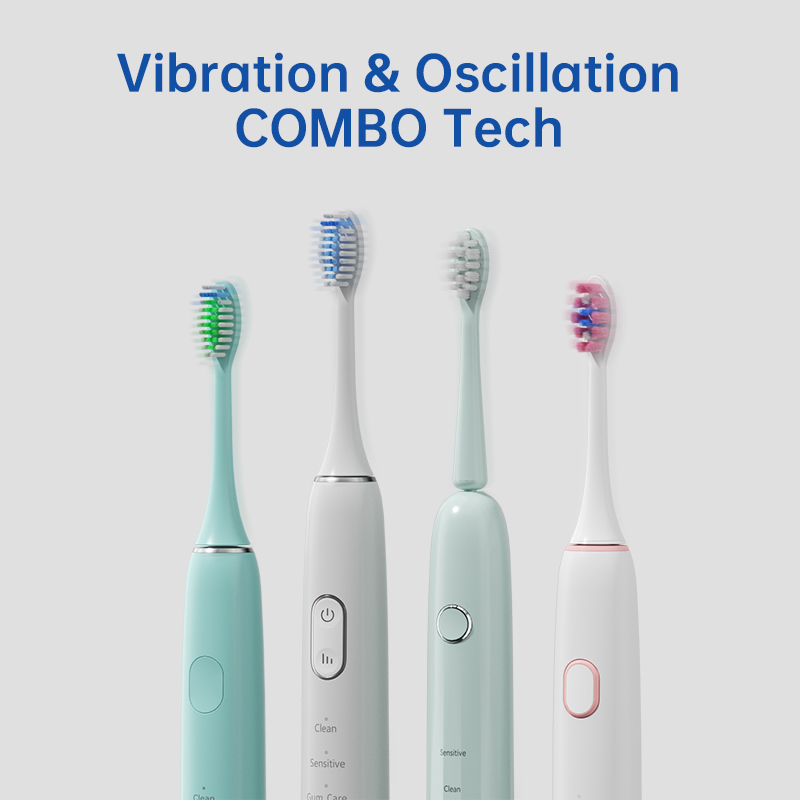
Is Toothbrush Export Manufacturing Viable with a Professional Toothbrush OEM Partner?
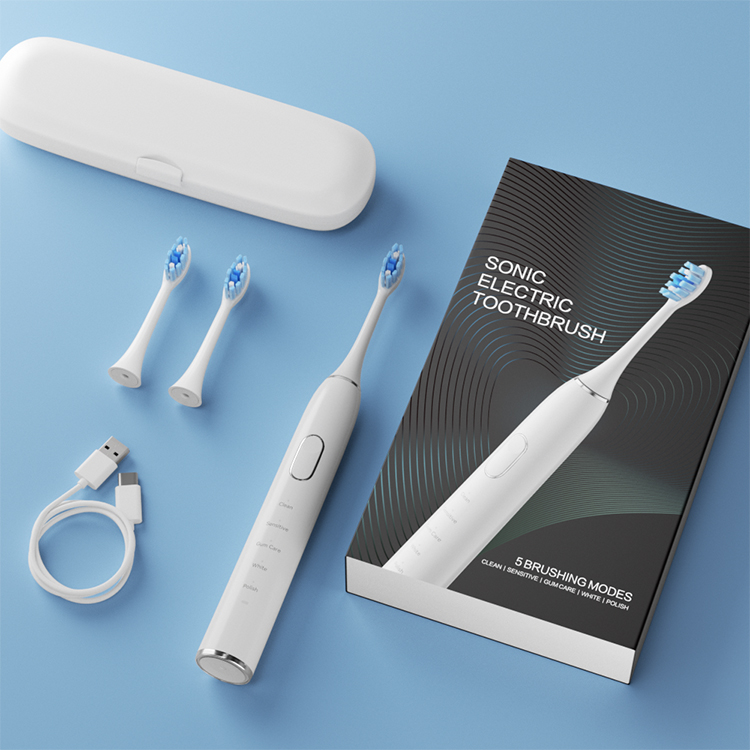
Creating the Most Effective Electric Toothbrush: Key OEM Technologies Explained


.jpg)
.jpg)
.jpg)
.jpg)
.jpg)








.jpg)