
In modern oral care and personal wellness devices, integrating an LED Display Module has become a key way to enhance usability and perceived product value. However, for OEM and ODM manufacturers, a critical question remains: can a compact Rechargeable Battery Solution efficiently support the power demands of an always-on or frequently active display without compromising runtime, safety, or device longevity?
An LED Display Module may appear lightweight in power consumption, but brightness levels, refresh rates, and display size all influence energy draw. Accurate power profiling is the first step in determining whether a Rechargeable Battery Solution can support the display under real-world usage conditions.
In compact handheld devices, space constraints limit battery size. Selecting the right Rechargeable Battery Solution involves balancing milliamp-hour capacity with physical dimensions, ensuring the LED Display Module can operate reliably without increasing product bulk.
Efficient power delivery is not solely about battery size. Intelligent power management ICs, sleep modes, and adaptive brightness controls significantly reduce the energy load of an LED Display Module, allowing the Rechargeable Battery Solution to perform more efficiently over extended use cycles.
User interaction frequency directly affects energy consumption. Devices that activate the LED Display Module only during brushing cycles or status checks place far less strain.
A well-designed Rechargeable Battery Solution must deliver stable voltage to prevent display flicker, system resets, or overheating. This is especially important when powering an LED Display Module.
Over time, battery degradation can impact display performance. High-quality Rechargeable Battery Solutions are engineered to maintain consistent output across hundreds of charge cycles.
Yes, a Rechargeable Battery can efficiently power an LED Display Module—but only when battery selection, power management, and usage scenarios are carefully aligned. For B2B manufacturers, integrating these elements at the design stage is essential to delivering devices. Contact us
.jpg)
Valve Jamming Causing Salivary Alteration – Fixable?
What’s Driving the Oral Care Category Now?
Why Is Pressure Sensor Calibration Important After Brush Head Injection Molding?
Smart Toothbrush for Professionals | Tech Lifestyle Care
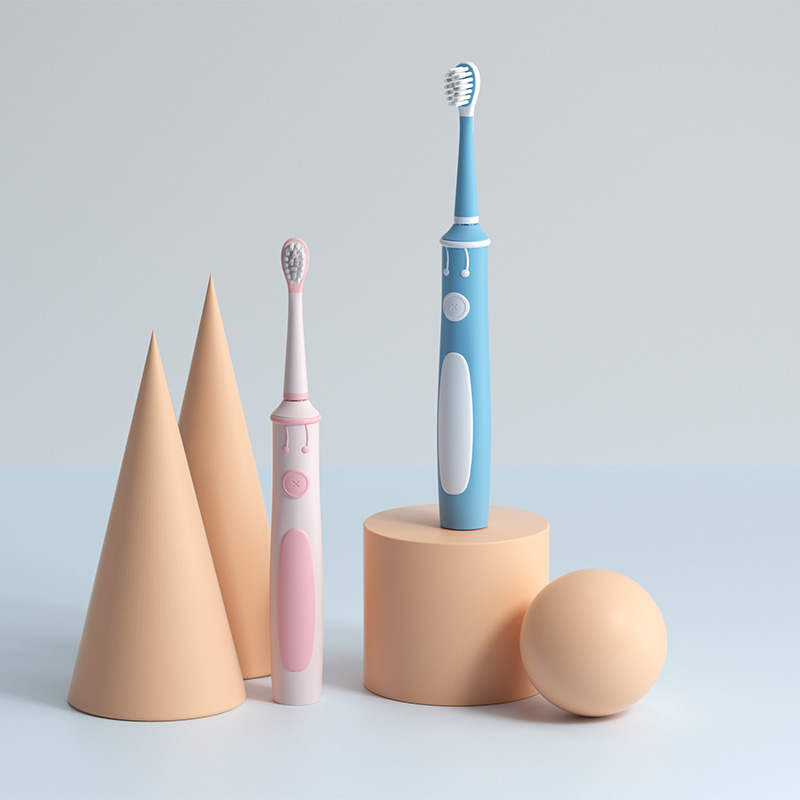
Sourcing Kids Electric Toothbrush Hyderabad: Regional OEM Manufacturing
Why is Precision Nozzle Manufacturing Critical for an Effective Orthodontic Jet Tip?
Should You Partner with a Teeth Whitening Gel Manufacturing Expert?
Demineralization Zones with Jaw Fatigue – Silent Threat?
Charging Corrosion with Mucosal Lesions – Fatal?
.jpg)
Powsmart Fairbanks electric toothbrush manufacturer
Electric Toothbrush for IT Employees | Tech-Friendly Oral Care
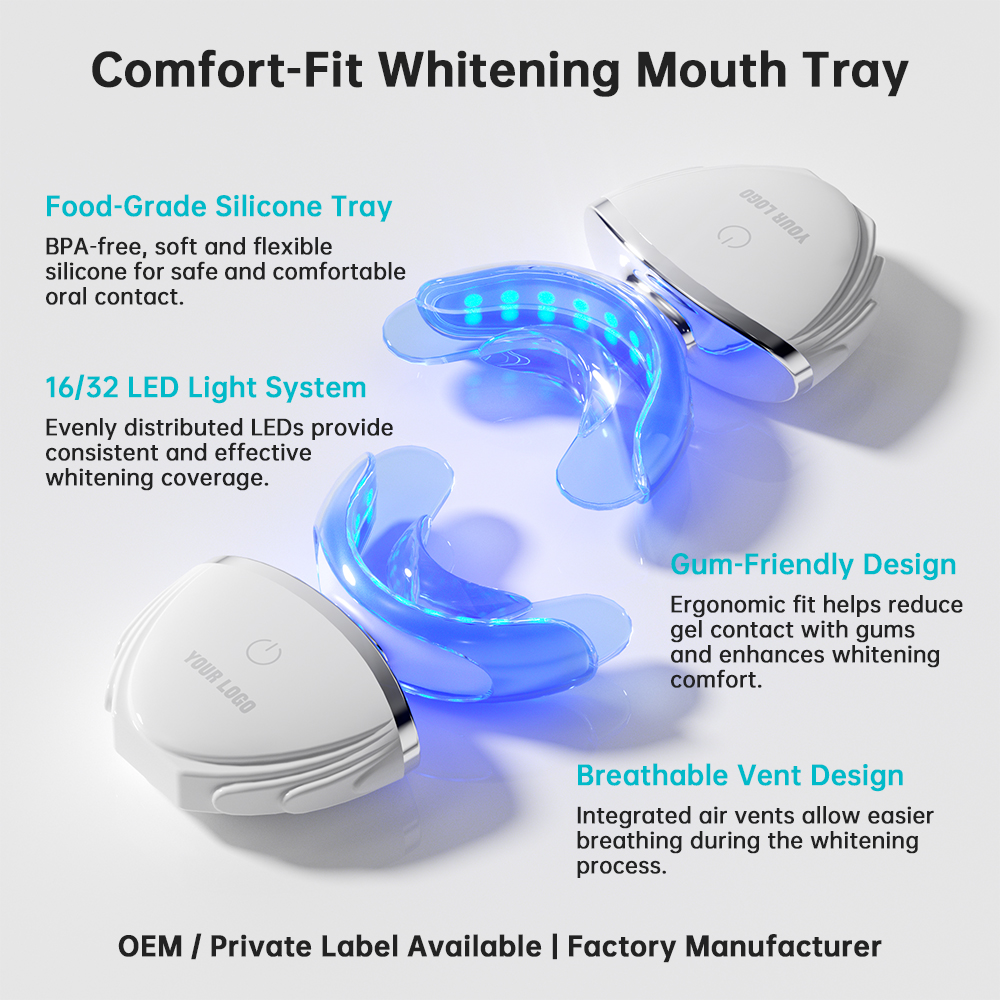
Need a Custom Whitening Tray for a Gentle Sensitive Teeth Formula?
Does Continuous Bluetooth Connectivity Significantly Affect Overall Battery Life of Electric Toothbrushes?
What is the Most Sanitary Way to Keep a Toothbrush? OEM Solutions for Modern Oral Care
.jpg)
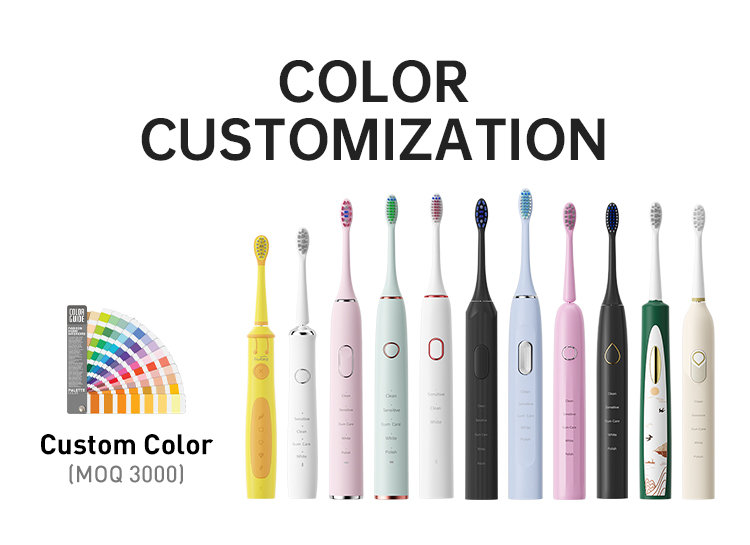
Solution for Color Customization of Water Flossers: From Pantone Code to Actual Machine – A Comparison of Two-Color Injection Molding and Gradient Spraying
.jpg)
Customization Guide for UVC Sterilization of Water Flossers: Scientific Matching of Wavelength, Irradiation Time and Waterproof Design


.jpg)
.jpg)
.jpg)
.jpg)
.jpg)






.jpg)