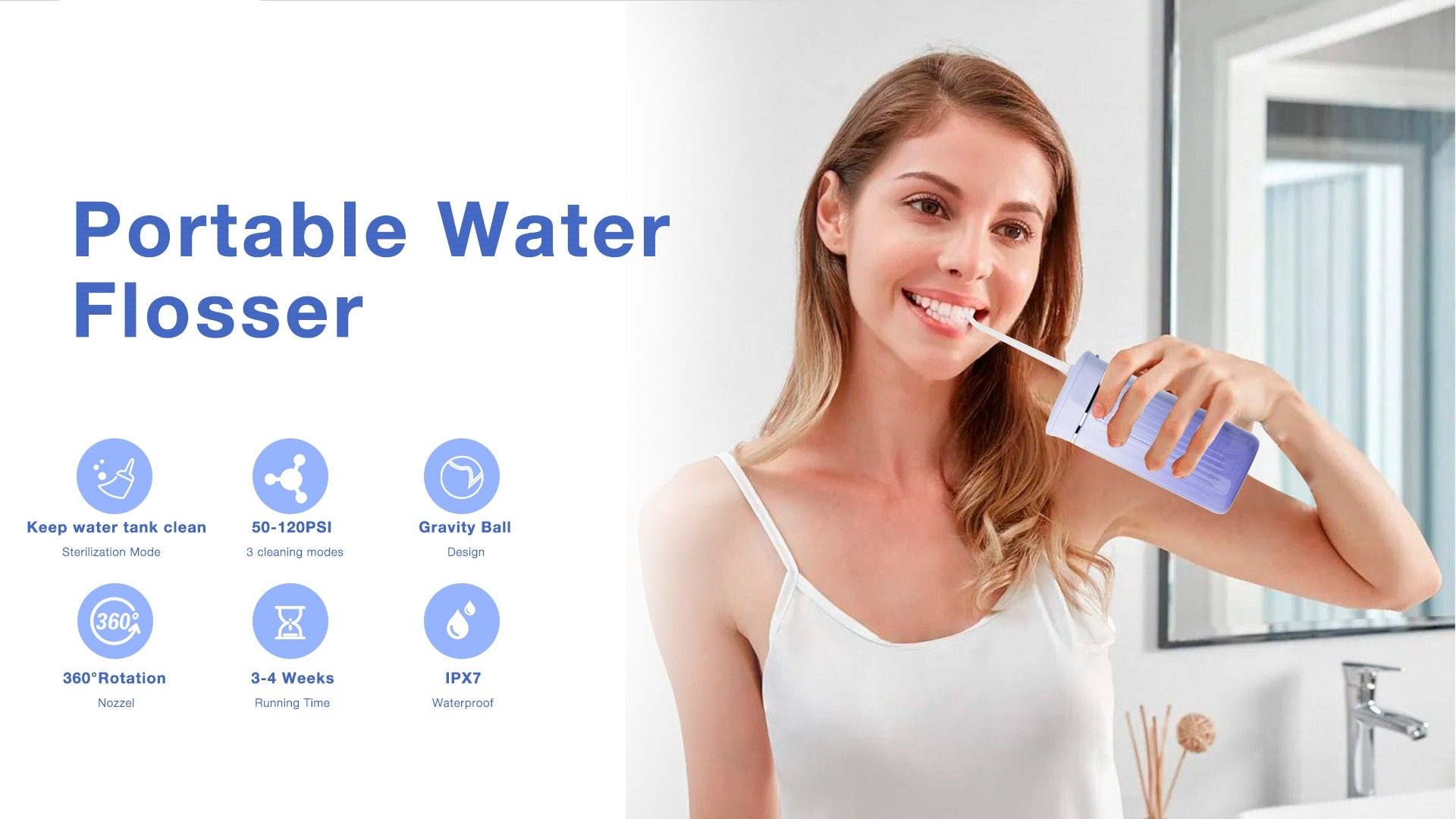
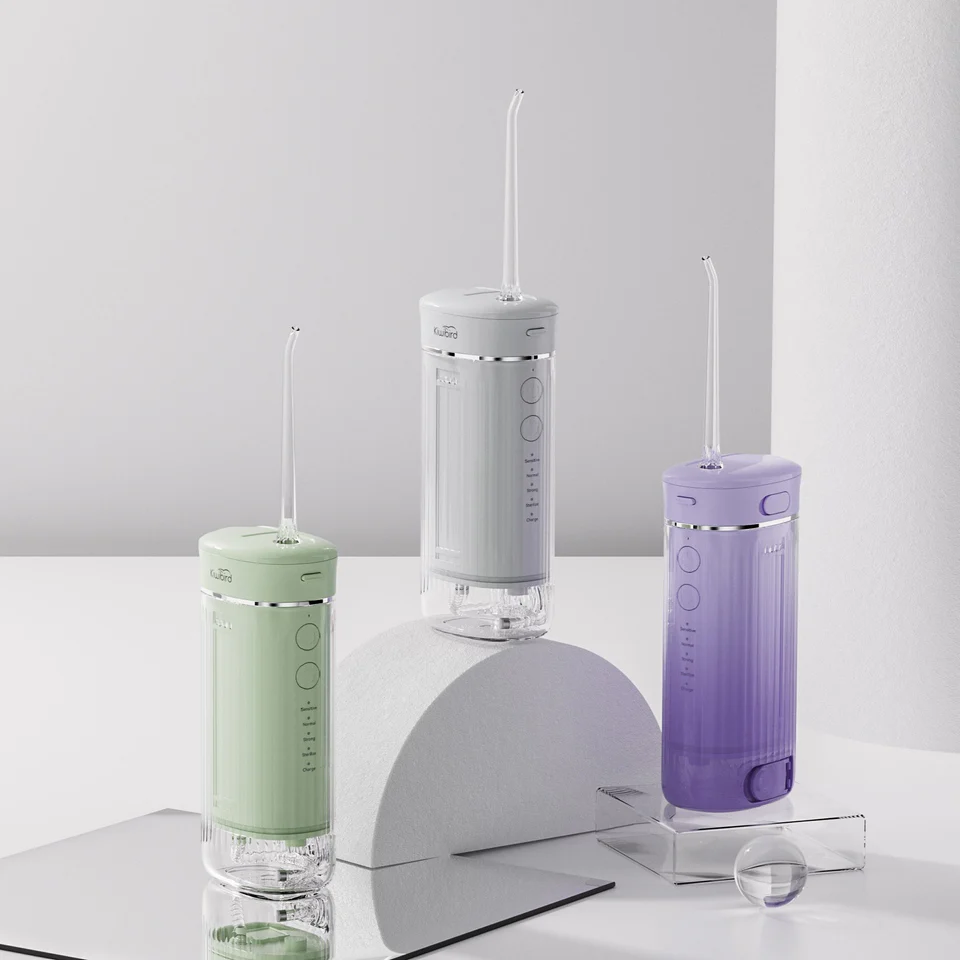
The integration of Pulse Water Technology with a Quiet Flosser Motor has revolutionized the way consumers experience water flossing. By combining powerful pulsation with whisper-quiet operation, this advanced technology ensures both effective plaque removal and a more pleasant, user-friendly experience. For OEMs and manufacturers, understanding how these components work together is key to designing high-performance, noise-conscious oral care devices.
Pulse Water Technology generates rapid bursts of water that effectively dislodge food particles and plaque between teeth. These pulsations provide a more thorough clean compared to traditional string floss, which relies on manual dexterity. When paired with a Quiet Flosser Motor, the water pulses can be delivered at precise intervals for consistent and effective cleaning, ensuring optimal performance.
One of the challenges with traditional water flossers is noise. High-speed motors often produce an annoying buzz that can detract from the experience. Quiet Flosser Motors address this issue by using advanced engineering techniques that reduce motor noise while maintaining the power needed to deliver effective water pulses. This quieter operation enhances user comfort, especially for those with sensory sensitivities.
The key to success in combining Pulse Water Technology with a Quiet Flosser Motor lies in the motor’s ability to generate strong enough pressure for effective pulsation without producing excess noise. A quiet motor ensures that the pulses remain effective, but also minimizes vibration and sound, delivering a smooth, unobtrusive cleaning experience.
While quiet motors may seem like they’d compromise power, they actually optimize power consumption. By pairing them with Pulse Water Technology, manufacturers can develop energy-efficient flossers that require less battery power, extending the device’s runtime. This efficiency makes them more eco-friendly and cost-effective for consumers over time.
Consumers are increasingly prioritizing quieter devices in their oral care routines, especially for those who use flossers in shared spaces or late at night. Quiet Flosser Motors, when integrated with Pulse Water Technology, provide a unique combination of high performance and minimal noise, ensuring a quieter, more discreet product without sacrificing cleaning effectiveness.
The effectiveness of Pulse Water can be fine-tuned according to the needs of different users. Manufacturers can adjust pulse frequency, pressure, and duration to suit specific cleaning requirements. The use of a Quiet Flosser Motor ensures that these settings can be modified without causing discomfort or unnecessary noise, allowing for a personalized, optimal cleaning experience.
Integrating Pulse Water with a Quiet Flosser Motor brings about a new era of water flossers that offer both superior cleaning power and enhanced user comfort. By ensuring that these components work seamlessly together, manufacturers can create products that stand out in the competitive oral care market, meeting both performance and noise reduction demands. For consumers, this means an effective, quiet, and efficient flossing experience. Contact us
.jpg)
Why Conduct Pressure Decay Tests on Water Flossers with Vortex Chamber Technology?
How Do Rapid Whitening Strips Leverage Advanced Whitening Essence Formulation for Fast Results?
.jpg)
Electric Toothbrush Manufacturer for Subscription Brands and Private Label Programs
Tooth Microfractures Alongside Mucosal Abrasions – Urgent?
Sonic vs. Ultrasonic Toothbrushes Explained
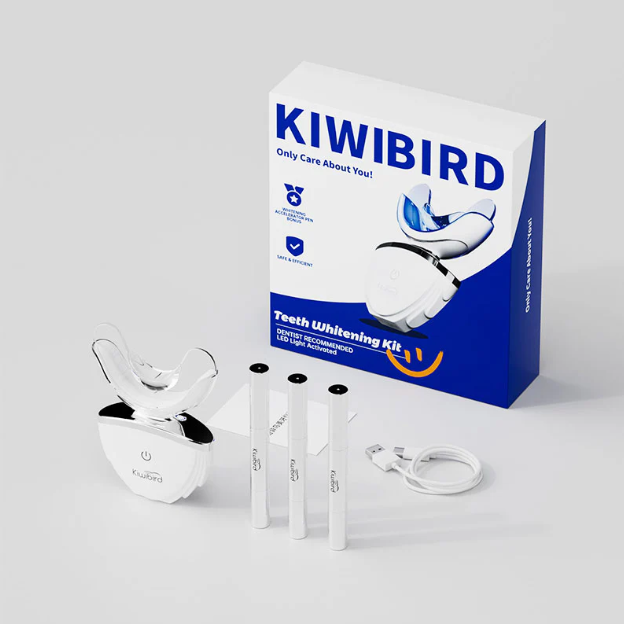
The Rise of Wireless Teeth Whitening Devices: Manufacturing Innovations
FAQ for New Water Flosser Brands: Avoiding Costly OEM Mistakes
.jpg)
OEM Process for Whitening Gel Products
The Revolutionary Impact of Gravity Ball Design on Water Flosser Performance
.jpg)
How does a Seattle eco toothbrush align with Seattle toothbrush recycling programs?
.jpg)
A Complete Analysis of the Electric Toothbrush OEM Shell Process: ABS vs PP vs Bio-Based Materials, How to Choose?
Market Analysis of Red and Blue Light Teeth Whitening Devices: How to Find a Teeth Whitening Device Breakthrough in Differentiated Technology?
Is Your Brush Eco-Friendly?
Why Should Your Brand Choose OEM & ODM Services for Advanced Sonic Technology Toothbrushes?
Smart Toothbrush for Whiter Teeth | Bright Smile Solutions
How Does Expert PCB Assembly Service Integrate with Precision Brush Head Mold Fabrication?


.jpg)
.jpg)
.jpg)
.jpg)
.jpg)






.jpg)
.jpg)
.jpg)
.jpg)