Electric toothbrushes are designed for long-lasting performance, but users occasionally report issues with low battery life or charging problems. If you are experiencing these concerns, here’s a guide to help you troubleshoot and resolve the issue efficiently.
Before attempting fixes, it’s important to identify the possible causes behind the battery issue. Common reasons include:
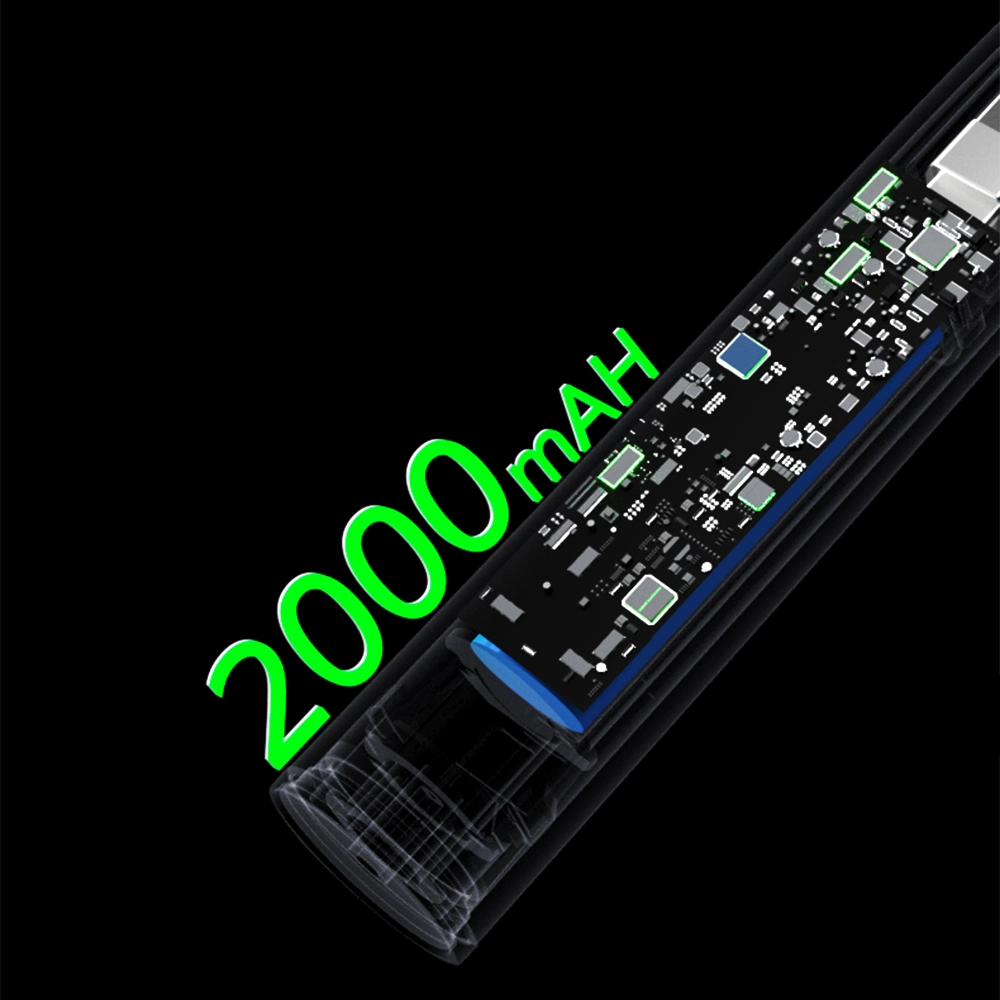
The battery itself may be aging or degraded after prolonged use.
Battery not charging due to poor contact or charging interruptions.
The charging cable or charging dock is damaged and cannot be charged properly.
The bottom of the machine is dirty, preventing proper charging contact.
Software or firmware glitches affecting power management.
Understanding these factors helps in applying the right solution.
If users report a sudden drop in battery life, encourage them to try to eliminate the method with these steps:
Restart the toothbrush: Turn it off and on again (if applicable) to reset any temporary issues.
Check the charging connection: Ensure the toothbrush is properly seated on the dock.
Inspect for visible damage: Look for frayed cables or cracks in the charging base.
Clean the charging contacts: Wipe the bottom of the toothbrush and the dock with a dry cloth.
Often, these simple steps can restore normal charging functionality.
Rechargeable batteries degrade over time. If the toothbrush is older (typically 2+ years), the battery itself may no longer hold a full charge. Signs of a failing battery include:
Rapid power loss even after a full charge.
The toothbrush won’t hold a charge overnight.
Intermittent power during use.
If this is the case, the best solution is battery replacement or upgrading to a new model.
If the battery not charging, the issue may lie in the charging components. Users should:
Test with a different power outlet to rule out electrical issues.
Try an alternative charging cable (if detachable) to see if the original is faulty.
Ensure the charging dock is functioning—some models have indicator lights that confirm power flow.
If none of these work, the charging system may need professional repair.
A damaged charging setup is a common culprit. If the charging cable or charging dock is damaged and cannot be charged, users should:
Look for bent pins, frayed wires, or cracked connectors.
Test with a known-working charger (if compatible).
Contact customer support for a replacement dock or cable if damage is confirmed.
Prevent future damage by keeping the charging area dry and avoiding cable strain.
Over time, mineral deposits, toothpaste residue, and grime can accumulate on the charging contacts. If the bottom of the machine is dirty, charging efficiency drops. To fix this:
Use a soft, dry cloth or cotton swab to clean the contacts.
For stubborn residue, lightly dampen the cloth with rubbing alcohol (avoid water).
Ensure the charging dock’s contacts are also clean.
Regular cleaning prevents charging interruptions and extends battery life.
Low battery issues in electric toothbrushes can stem from multiple causes, but most are fixable with simple checks. By guiding users through these steps—inspecting the battery, charging setup, and cleanliness—you can help them restore optimal performance.
For persistent issues, recommend professional support or a replacement. If you need further assistance, our customer service team is always ready to help!
Would you like additional tips on electric toothbrush maintenance? Explore our blog for more expert advice! https://www.powsmart.com/about-powsmart/
Dental Gift Ideas: Unique and Thoughtful Gifts for a Healthy Oral Cavity
.jpg)
LED Whitening Device Lifespan Guide: Maximize Your Device’s Effectiveness

Effect of UVC Sterilization in Oral Care Products
Professional Dental Water Flosser Supplier
Electric Toothbrush Performance Benchmarking: A Strategic Tool for OEM Product Positioning
.jpg)
How Does In-House Water Flosser Nozzle Production Benefit You?
Enamel Wear from Overbrushing Habit – Reversible?
Does Your Black Swan Event Playbook Cover a Stalled Co-branded Regulatory Submission?
Teeth Whitening Gel Storage Guide: Maintain Potency & Effectiveness
.jpg)
Pros and Cons of the Smart Screen of Electric Toothbrush

Can a Water Pump OEM Ensure Consistency Without a Flow Rate Calibration Tool?
Can a Wireless Charging Coil Maximize the Efficiency of a Lithium Battery Pack in Electric Toothbrushes?
.jpg)
In-depth Analysis of the Logo Craftsmanship of Water Flossers
Are Regional Voltage & Plug Adaptation and Tropical Climate Durability Test Enough for Launch?
.jpg)
A Complete Analysis of the Electric Toothbrush OEM Shell Process: ABS vs PP vs Bio-Based Materials, How to Choose?
Seeking Periodontal Tip OEM Manufacturing That Includes an Antimicrobial Mouthpiece?


.jpg)
.jpg)
.jpg)
.jpg)
.jpg)






.jpg)