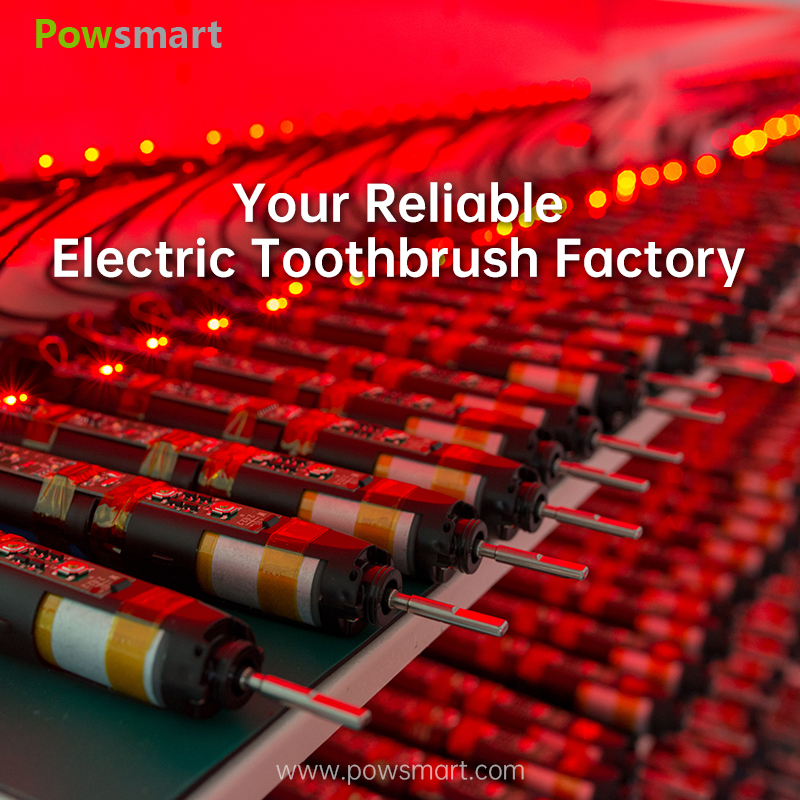
In the oral care device industry, light decay is often overlooked—yet it may be a hidden factor in undesirable gingival discoloration, particularly in devices equipped with light-emitting modules such as LED whitening brushes or UV sanitizing components. As oral health professionals and OEM manufacturers seek to enhance product safety and performance, the potential correlation between these two phenomena warrants deeper examination.
Users have reported mild to moderate discoloration of gingival tissue after repeated exposure to illuminated oral care tools. Although most designs use low-intensity LEDs, gingival discoloration—manifested as darkening, uneven tone, or localized pigment patches—raises red flags about photochemical interactions. The possibility that light decay over time leads to spectral shifts or uneven energy output must be considered.
Light decay refers to the reduction in luminous flux and spectral integrity of LEDs or light sources over time due to:
This decay not only reduces device effectiveness but can distort the wavelength emission profile—potentially shifting the spectrum into biologically reactive zones.
Yes. Gingival epithelium is photosensitive at specific wavelengths, particularly within the blue (400–500nm) and near-UV ranges. If light decay leads to unintended intensity spikes or narrow-band emissions in these zones, cumulative exposure might:
All of which could contribute to gingival discoloration, especially in users with prolonged or frequent exposure. Company web: https://www.powsmart.com/product/electric-toothbrush/
Material selection and component aging play a crucial role. As polycarbonate or PMMA light covers degrade, they may:
Meanwhile, internal reflective coatings can delaminate or absorb heat, further altering the light path. These indirect consequences of light decay compound the risk to soft oral tissue.
To avoid potential bio-optical risks, B2B manufacturers should consider:
Even more critically, firmware logic could monitor usage cycles and issue automatic intensity reductions after a threshold is met.
Preventing gingival discoloration from light decay isn’t just good design—it’s regulatory compliance. Depending on market destination, consider these protocols:
Documentation of decay testing and tissue exposure simulations can greatly enhance brand credibility in OEM/ODM partnerships.
While light decay might seem a minor technical concern, its long-term effects on oral tissue health—especially gingival discoloration—must not be underestimated. For manufacturers of light-enabled oral care devices, robust optical design, material selection, and lifespan simulations are essential in ensuring safe, user-friendly, and globally compliant products. Prevention starts at the component level—and so does trust. Contact Kiwibird
-300x300.jpg)
-300x300.jpg)
Why Is Toothbrush Quality Certification Non-Negotiable?
.jpg)
Adapter Overheating with Circuit Shorting – Fire Risk?
long battery life electric toothbrush OEM | High-End Rechargeable Toothbrush Manufacturer
low noise sonic toothbrush supplier | Quiet Sonic Toothbrush OEM Manufacturer

Why Should You Cover Your Toothbrush in the Bathroom? Hygiene Insights from Manufacturers
Is Your Whitening Syringe Supplier Qualified for Home Use Whitening System Kits?
How Can Servo Motor Customization Optimize Precision in Brush Head Injection Molding for B2B Toothbrush OEMs?
Fast Lead Time Electric Toothbrush Supplier for Global B2B Buyers
ADA Compliant Electric Toothbrush Supplier
electric toothbrush small batch OEM | Low MOQ Sonic Toothbrush Manufacturer
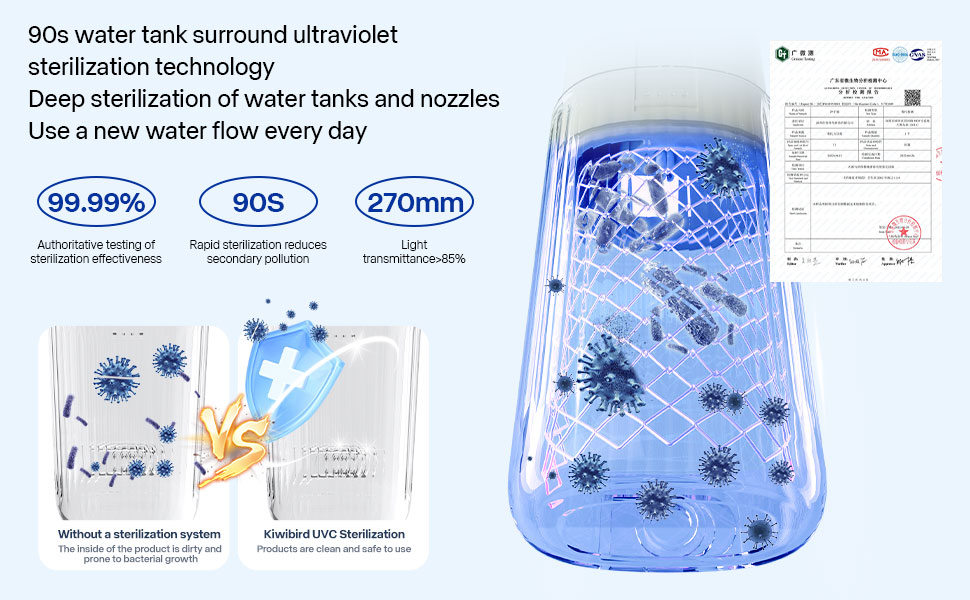
Can a Wireless Charging Toothbrush OEM Produce FDA Approved Electric Toothbrush Models Efficiently?
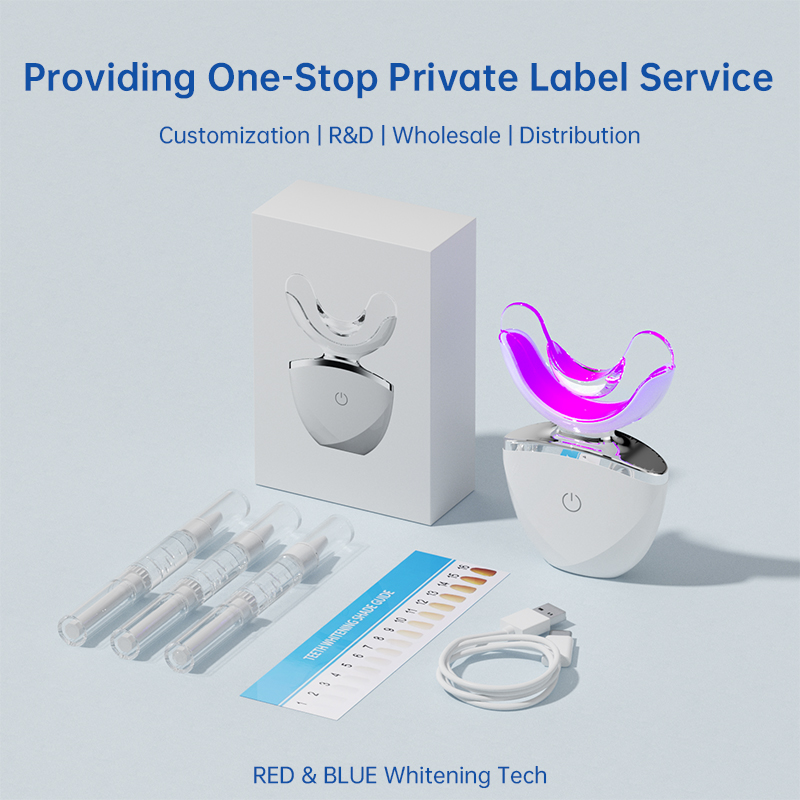
Capitalizing on the LED Oral Care Boom: Essential Market Insights for Brands
.jpg)
Managing LED Whitening Device Production?
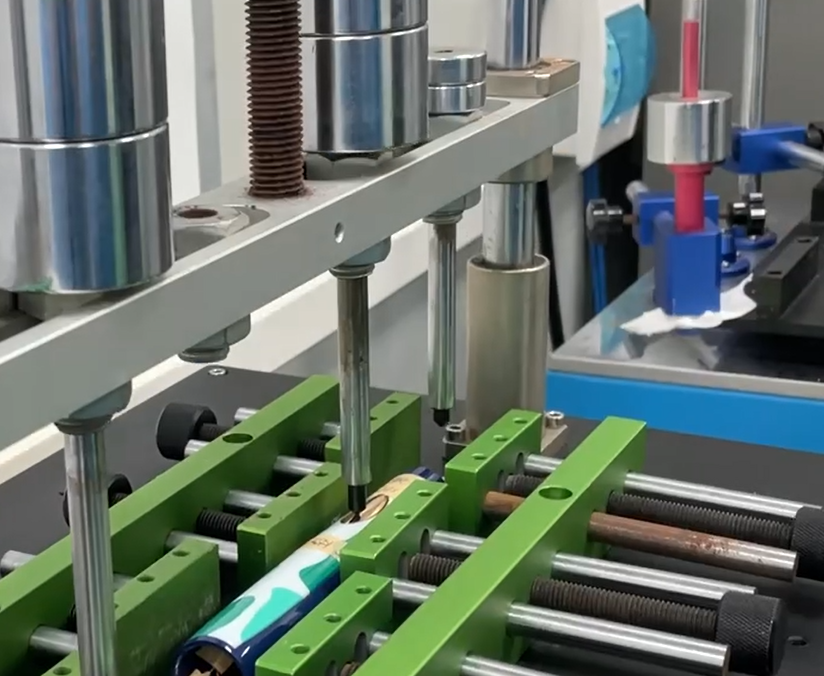
Comparison Between UV Spraying and PU Spraying for Electric Toothbrushes: Matte, Anti-Slip, and Environmental Protection Performance Analysis
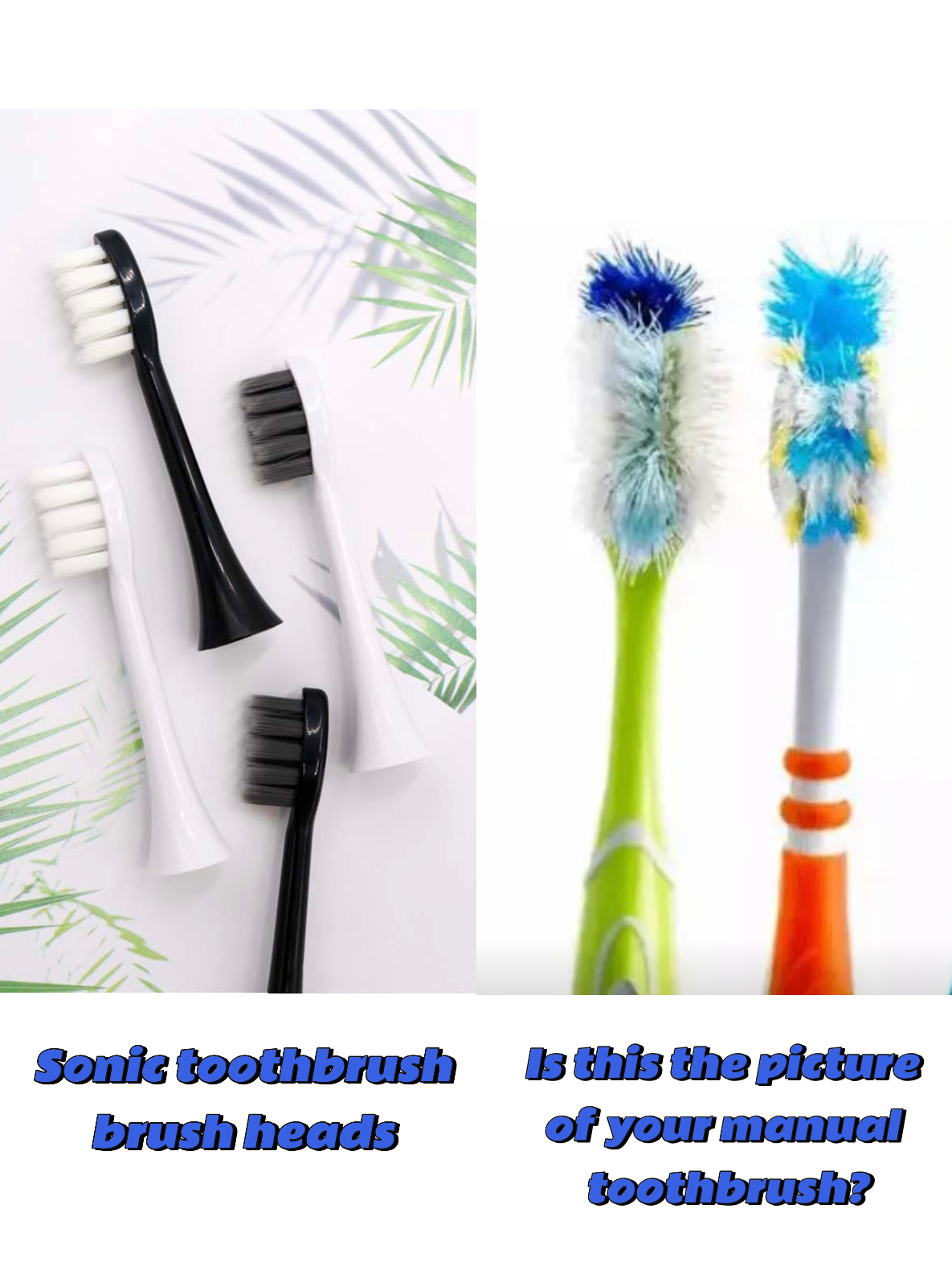
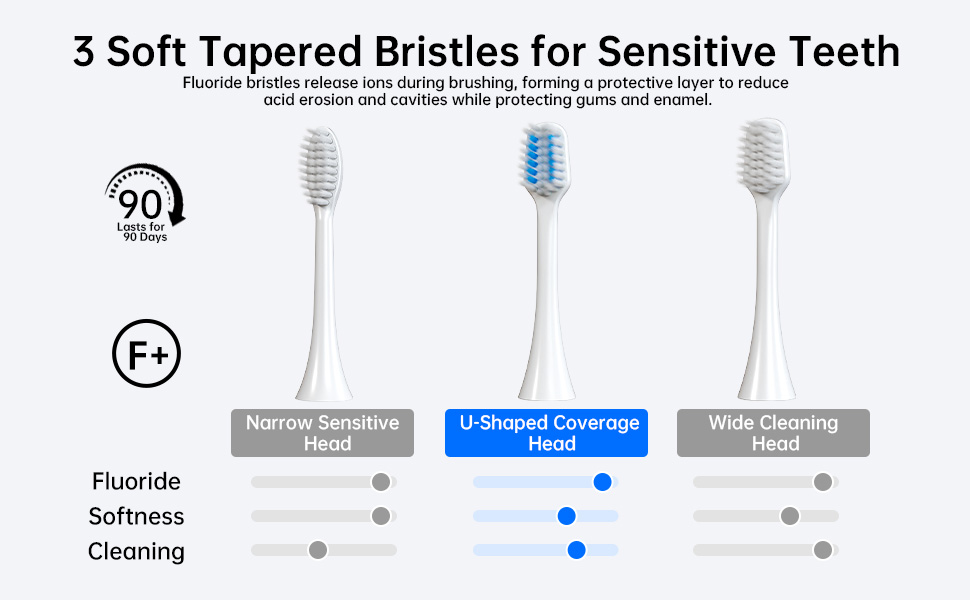
Can a soft-bristle brush head designed for sensitive gums make your brushing process more comfortable?
.jpg)
How Does a GMP Certified Toothbrush Factory Leverage Toothbrush Packaging Customization for Brand Appeal?


.jpg)
.jpg)
.jpg)
.jpg)
.jpg)







.jpg)
.jpg)